ホームMCPワークベンチSkills
ホームワークベンチ通知マイページ
llms.txt · MCPガイドプライバシーポリシー · 利用規約 · サポートv1.8.0
  1. ホーム
  2. /化合物

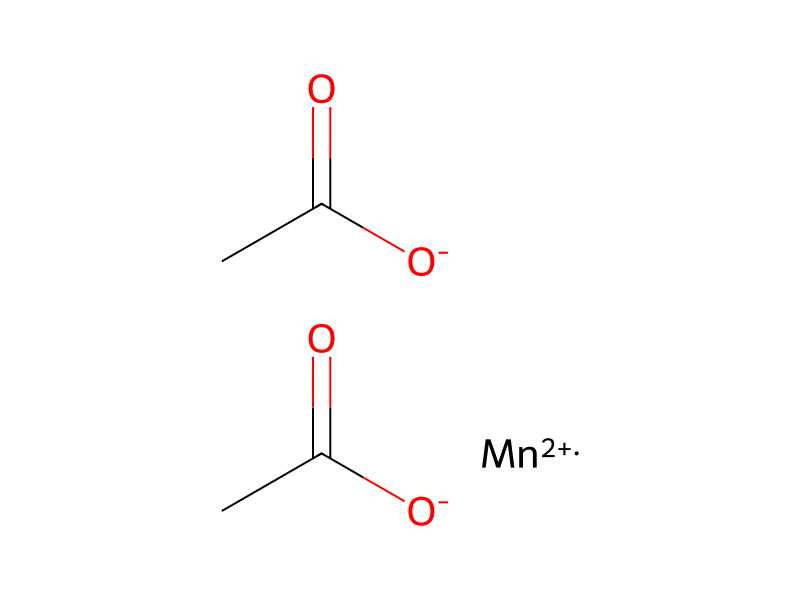
ビス酢酸マンガン(II)

Manganous Acetate
HCID 12525
ノートを作成反応を作成見積依頼を出す
印刷プレビュー
基本情報概要名称と識別子物性安全と法規制化学と産業関連反応化合物ノート
部分構造検索類似構造を探す

基本情報

CAS
638-38-0
標準SMILES
CC(=O)[O-].CC(=O)[O-].[Mn+2]
InChIKey
UOGMEBQRZBEZQT-UHFFFAOYSA-L
分子式
C4H6MnO4
平均分子量
173.03 g/mol
単同位体質量
172.96465377

概要

Manganous acetate is a chemical compound of manganese. Manganese is a naturally occurring metal with the symbol Mn and the atomic number 25. It does not occur naturally in its pure form, but is found in many types of rocks in combination with other substances such as oxygen, sulfur, or chlorine. Manganese occurs naturally in most foods and small amounts are needed to stay healthy, as manganese ions act as cofactors for a number of enzymes. (L228, L229)

名称と識別子

優先名称
Manganous Acetate
IUPAC
manganese(2+) diacetate
現地名
ビス酢酸マンガン(II)
英語名
Manganese(II) acetate
分子式
C4H6MnO4
分子量
173.03

名称と別名

Manganese(II) acetate638-38-0Manganese acetateManganous acetateDiacetylmanganeseManganese diacetateOctan manganatyManganese(2+) acetateManganese di(acetate)Acetic acid, manganese(2+) saltOctan manganaty [Czech]Manganese acetate (Mn(OAc)2)
名称をさらに表示
ビスアセトキシマンガン(II)酢酸マンガンビス酢酸マンガン(II)二酢酸マンガン(II)ジアセトキシマンガン(II)酢酸マンガン(ii)二酢酸マンガン酢酸マンガン(Ⅱ)無水物酢酸マンガン(Ⅱ)酢酸マンガン(II)無水octanmanganatymanganousacetateanese(II) acetatemanganesediacetatemanganese(2+)acetateoctanmanganaty(czech)Diacetoxymanganese(II)
DTXSID5027279HSDB 5734Acetic acid, manganese(II) salt (2:1)EINECS 211-334-30V6E9Q2I0YAcetic acid, manganese(2+) salt (2:1)MANGANESE ACETATE [MI]DTXCID807279

物性

構造計算による物性

極性表面積
80.3 Ų
水素結合供与体数
0
水素結合受容体数
4
回転可能結合数
0
重原子数
9
形式電荷
0
複雑度
25.5

実験および物理化学的性質

Chemical ClassesMetals -> Organic Acids, Metal Salts
Density · 3 件

1.74

Red monoclinic crystals; MP 80 °C; density 1.59 g/cu cm; soluble in water and ethanol. /Tetrahydrate/

1.59 @25 °C

Color/FormBROWN CRYSTALS
SolubilitySOL IN ALCOHOL
Melting Point175 °C
Food Contact SubstancesFCS -> FDA Inventory of Food Contact Substances Listed in 21 CFR
Physical Description · 2 件

Large Crystals; Dry Powder; Liquid; Large Crystals; Liquid

Brown crystals; [HSDB]

Other Experimental Properties · 2 件

Cinnamon brown crystal solid; decomposes in water. /Dihydrate/

Pink crystals; soluble in methanol; dehydrates between 80-130 °C; decomposes at 350 °C to manganese(III) oxide. /Tetrahydrate/

物理化学的性質

融点
180 °C · 180°C
比重(密度)

安全と法規制

安全情報は参考情報です。供給元の安全データシート(SDS)、適用法令、専門家による評価に代わるものではありません。

GHS分類

GHS Classification · 6 件

This chemical does not meet GHS hazard criteria for 13.6% (99 of 729) of reports.

Warning

H315 (86.1%): Causes skin irritation [Warning Skin corrosion/irritation]

P264, P264+P265, P280, P302+P352, P305+P351+P338, P321, P332+P317, P337+P317, and P362+P364 (click each P-code to see the statement)

Aggregated GHS information provided per 729 reports by companies from 16 notifications to the ECHA C&L Inventory. Each notification may be associated with multiple companies.

Not Classified

危険有害性情報

Regulatory Information · 4 件

Chemical: Acetic acid, manganese(2+) salt

Acetic acid, manganese(2+) salt (2:1) is listed on the EPA's Chemical Data Reporting (CDR) system. Manufacturers and importers of Acetic acid, manganese(2+) salt (2:1) are required to report information about their production and use of this chemical to the EPA under the Toxic Substances Control Act (TSCA). (40 eCFR Part 711)

Status: Active Update: 06-05-2022 https://echa.europa.eu/registration-dossier/-/registered-dossier/13305

Acetic acid, manganese(2+) salt: Does not have an individual approval but may be used under an appropriate group standard

Other Safety InformationIMAP assessments - Soluble manganese compounds: Human health tier II assessment
Hazards SummarySee Manganese and linked occupational diseases.
FDA Requirements · 2 件

Manganese acetate is an indirect food additive for use only as a component of adhesives.

Trace minerals added to animal feeds. These substances added to animal feeds as nutritional dietary supplements are generally recognized as safe when added at levels consistent with good feeding practice. Element: Manganese; Source compound: manganese acetate. (All substances listed may be in anhydrous or hydrated form.)

化学と産業

薬理情報

Metabolism/Metabolites · 1 件

Manganese is absorbed mainly via ingestion, but can also be inhaled. It binds to alpha-2-macroglobulin, albumin, or transferrin in the plasma and is distributed to the brain and all other mammalian tissues, though it tends to accumulate more in the liver, pancreas, and kidney. Manganese is capable of existing in a number of oxidation states and is believed to undergo changes in oxidation state within the body. Manganese oxidation state can influence tissue toxicokinetic behavior, and possibly toxicity. Manganese is excreted primarily in the faeces. (L228)

Absorption, Distribution and Excretion · 1 件

The subcellular distribution of The subcellular distribution of manganese in brains of mice chronically administered manganese in different chemical forms with food was examined using gel chromatography. Male ddY-mice were divided into five groups of six animals each, and Groups 1 to 4 were given 2 g/kg manganese of standard laboratory mouse chow) in the form of manganese chloride, manganese acetate, manganese carbonate, or manganese oxide, in the diets for 12 months, while Group 5 served as control. Twenty four hours after the last feed, animals were decapitated and brains were rapidly removed for study of the different regions (corpus striatum, hypothalamus, midbrain, cerebral cortex, hippocampus, cerebellum, and medulla oblongata). Subcellular fractions (mitochondrial, microsomal and cytosolic) and gel chromatography fractions were analyzed for manganese contents using flame atomizer absorption spectrophotometry. Results showed that cerebral cortex levels of manganese in mice exposed to the nearly insoluble manganese carbonate and manganese oxide were higher than in controls, while manganese concentrations in the corpus striatum were similar to those in controls. Microsomal manganese in treated mice was also higher than in controls. The gel chromatographic profile of corpus striatum showed that 20% manganese was in the high molecular weight fractions, 45% was in the middle molecular weight fractions, while 32% was in the low molecular weight fractions. The percent manganese in high molecular weight fractions was higher (29% to 49%) in the manganese treated groups, than in controls. The percentage of manganese in low molecular weight fractions of the manganese oxide exposed group (9%) was lower than in the manganese chloride, manganese acetate, and manganese carbonate exposed groups (42%, 36%, and 38%, respectively).

関連反応

65 件
反応記録を作成
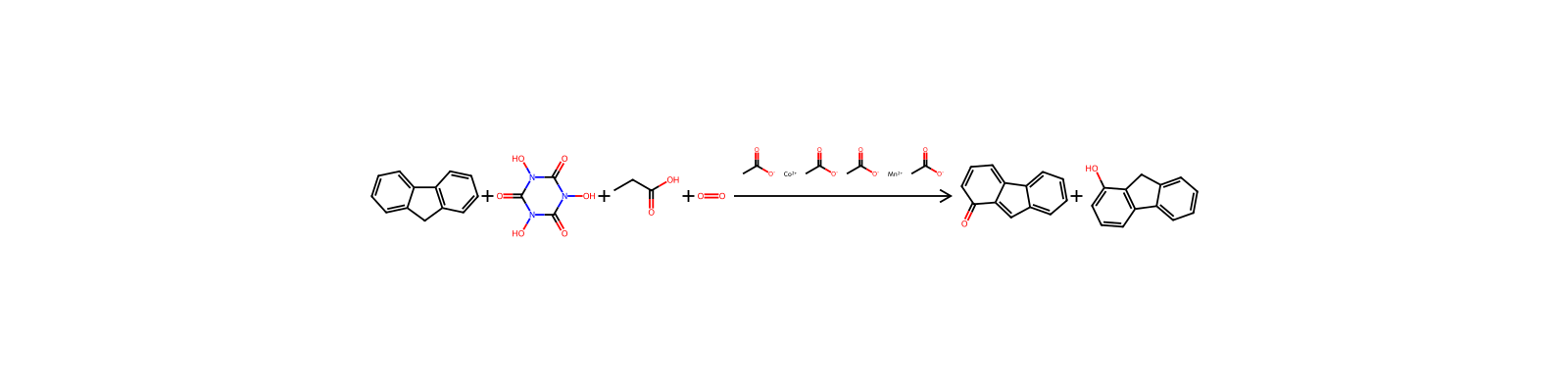
HRID 9740 の反応式
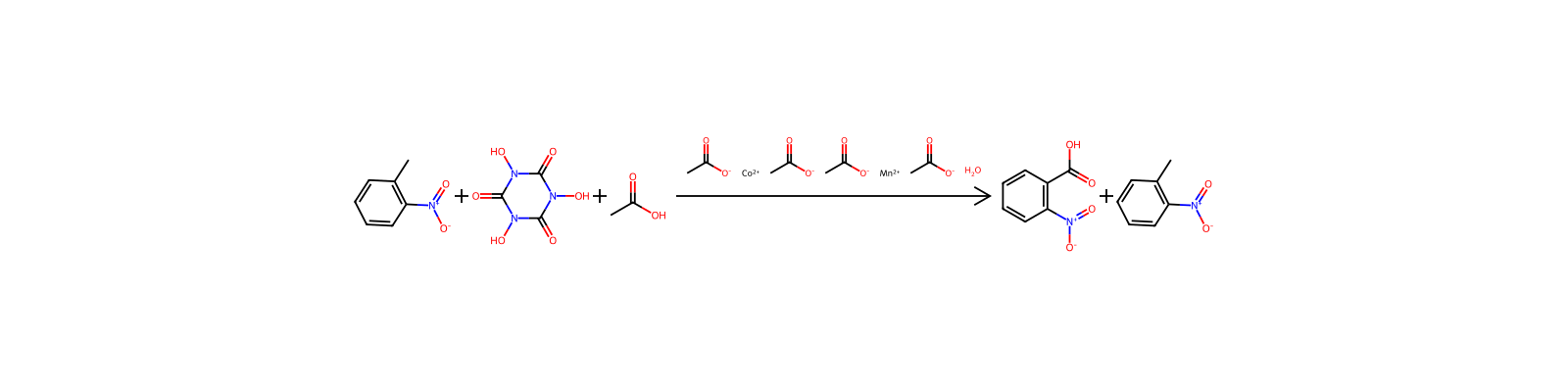
HRID 9740触媒としてuspto-grants-2006_08
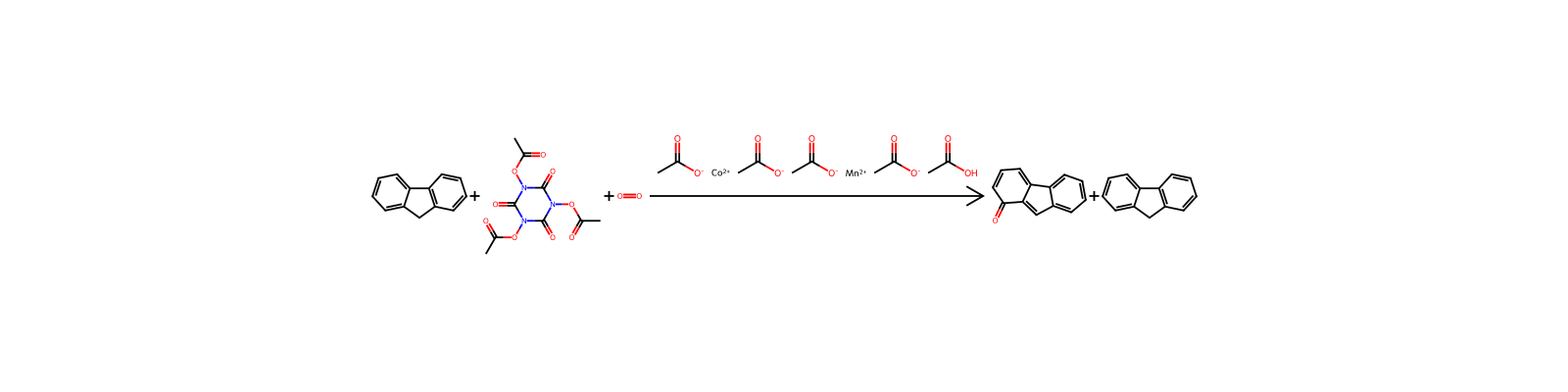
HRID 9741 の反応式
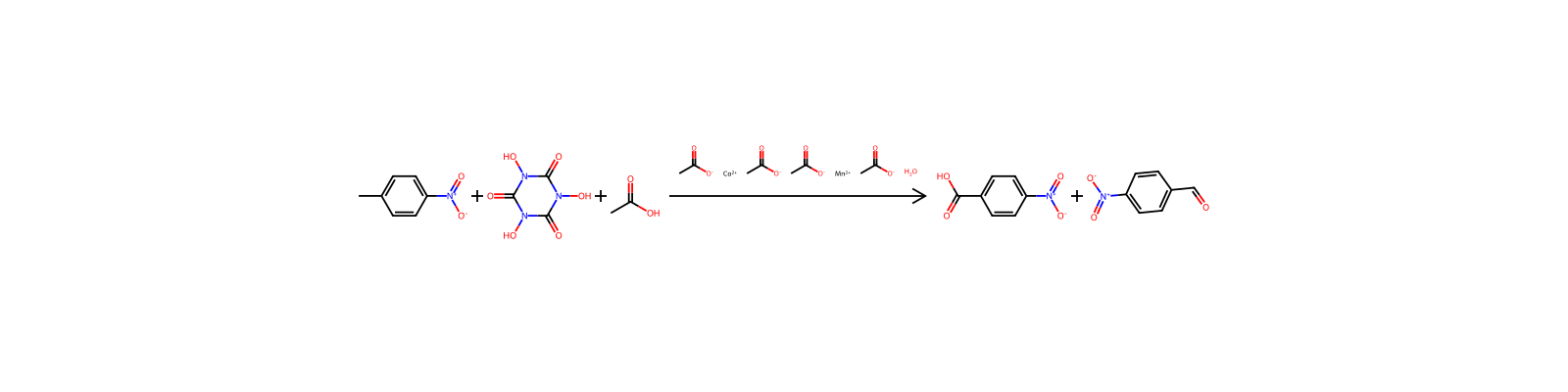
HRID 9741触媒としてuspto-grants-2006_08
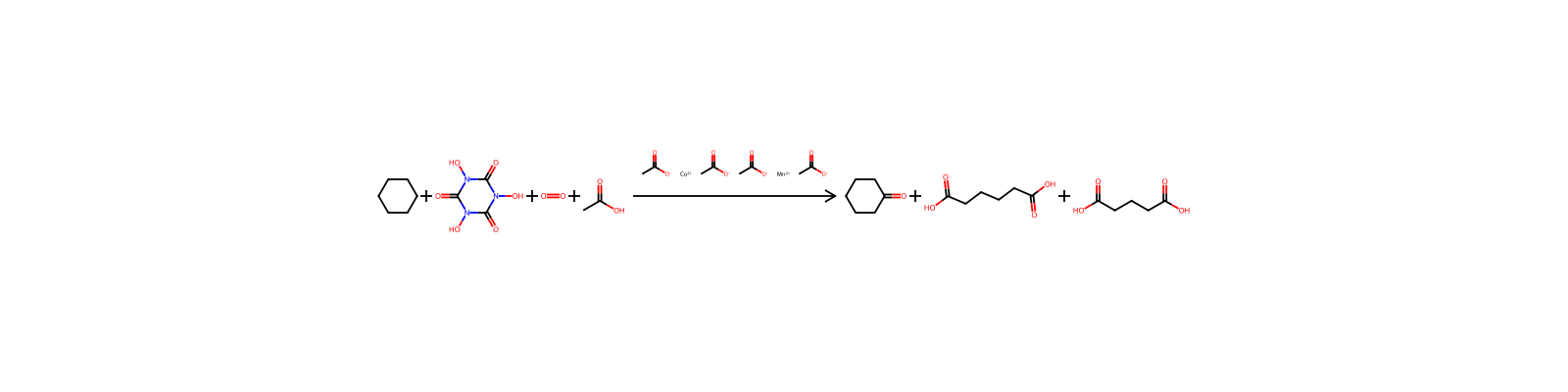
HRID 9742 の反応式
HRID 9742触媒としてuspto-grants-2006_08
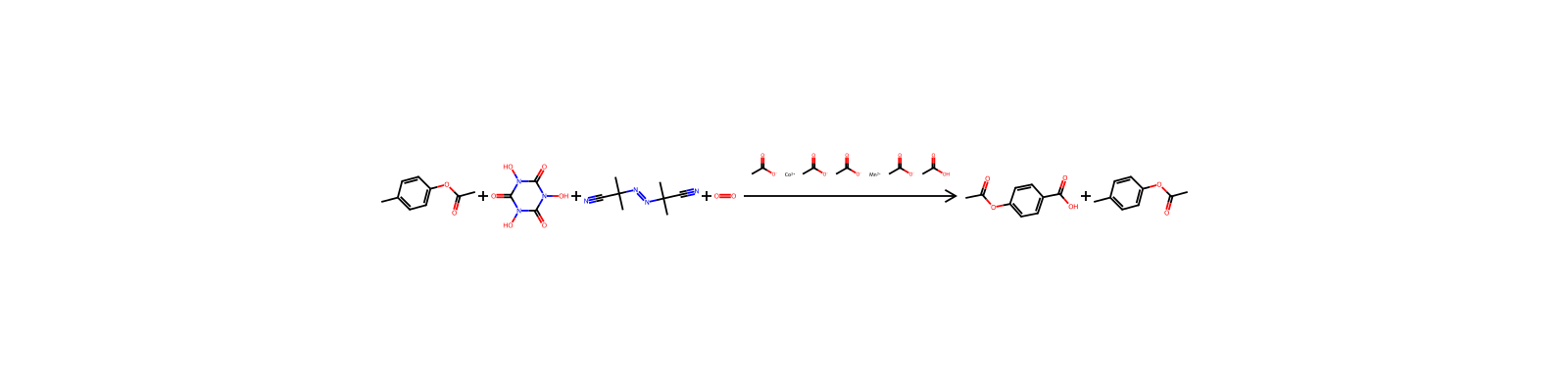
HRID 9744 の反応式
HRID 9744触媒としてuspto-grants-2006_08
HRID 9745 の反応式
HRID 9745触媒としてuspto-grants-2006_08
HRID 9746 の反応式
HRID 9746触媒としてuspto-grants-2006_08
HRID 9752 の反応式
HRID 9752触媒としてuspto-grants-2006_08
HRID 9753 の反応式
HRID 9753触媒としてuspto-grants-2006_08
1 / 9 ページ

化合物ノート

読み込み中…

このページの内容基本情報概要名称と識別子物性安全と法規制化学と産業関連反応化合物ノート
その他の操作
ノートを作成反応を作成見積依頼を出す

データベース識別子

CAS
638-38-0
PubChem CID
12525
DTXSID
DTXSID5027279
UNII
0V6E9Q2I0Y
EC Number
211-334-3
Nikkaji
J3.015E
1.589 · 1.589
蒸気圧
13 hPa · 13hPa at 25℃
貯蔵温度
30 °C · Store below +30°C.
外見
粉
色
グレイッシュベージュ~ライトブラウン
水溶解度
水、メタノール、酢酸に可溶。
Merck
13 · 13,5746
InChI
InChI=1S/2C2H4O2.Mn/c2*1-2(3)4;/h2*1H3,(H,3,4);/q;;+2/p-2
InChIKey
NKKRYPIWDQMINN-UHFFFAOYSA-M
SMILES
C(=O)(C)O[Mn]OC(=O)C
CAS データベース
638 · 638-38-0(CAS DataBase Reference)
EPAの化学物質情報
Acetic acid, manganese(2+) salt (638-38-0)

化学的性質

化学的特性Pale-red crystals.Soluble in water and alcohol. Combustible.

OSHA Standards
Permissible Exposure Limit: Table Z-1 Ceiling value: 5 mg/cu m. /Manganese cmpd (as Mn)/
Atmospheric Standards · 2 件

Listed as a hazardous air pollutant (HAP) generally known or suspected to cause serious health problems. The Clean Air Act, as amended in 1990, directs EPA to set standards requiring major sources to sharply reduce routine emissions of toxic pollutants. EPA is required to establish and phase in specific performance based standards for all air emission sources that emit one or more of the listed pollutants. Manganous acetate is included on this list.

... Substances for which a Federal Register notice has been published that included consideration of the serious health effects, including cancer, form ambient air exposure to the substance. Manganese (50 FR 32627; Aug. 13, 1985) is included on this list. /Manganese/

NIOSH Recommendations · 2 件

Recommended Exposure Limit: 10 Hr Time-Weighted Avg: 1 mg/cu m. /Manganese compounds and fume (as Mn)/

Recommended Exposure Limit: 15 Min Short-Term Exposure Limit: 3 mg/cu m. /Manganese compounds and fume (as Mn)/

Hazard Classes and Categories · 3 件

Skin Irrit. 2 (86.1%)

Acute toxicity - category 4

Acute toxicity (Oral) - Category 4

State Drinking Water Standards · 3 件

(IL) ILLINOIS 150 ug/l /Manganese/

(NC) NORTH CAROLINA 50 ug/l /Manganese/

(NY) NEW YORK 300 ug/l /Manganese/

State Drinking Water Guidelines · 3 件

(CT) CONNECTICUT 500 ug/l /Manganese/

(ME) MAINE 200 ug/l /Manganese/

(MN) MINNESOTA 300 ug/L /Manganese/

Federal Drinking Water GuidelinesEPA 50 ug/l /Manganese/

安全と保護具

Exposure Control and Personal Protection0.2 [mg/m3], as Mn (inhalable fraction), 0.02 mg/m3, as Mn (respirable fraction)[German Research Foundation (DFG)]
Disposal Methods · 1 件

SRP: At the time of review, criteria for land treatment or burial (sanitary landfill) disposal practices are subject to significant revision. Prior to implementing land disposal of waste residue (including waste sludge), consult with environmental regulatory agencies for guidance on acceptable disposal practices.

Preventive Measures · 1 件

SRP: Local exhaust ventilation should be applied wherever there is an incidence of point source emissions or dispersion of regulated contaminants in the work area. Ventilation control of the contaminant as close to its point of generation is both the most economical and safest method to minimize personnel exposure to airborne contaminants.

Minimum Risk LevelChronic Inhalation: 0.0003 mg/m3 (L134)
Threshold Limit Values (TLV)0.02 [mg/m3], as Mn (respirable fraction), 0.1 mg/m3, as Mn (inhalable fraction)
Protective Action Criteria (PAC) · 3 件

9.4 [mg/m3]

16 [mg/m3]

96 [mg/m3]

Immediately Dangerous to Life or Health (IDLH)500 mg/cu m /Manganese compounds and fume (as Mn)/

毒性情報

Health EffectsManganese mainly affects the nervous system and may cause behavioral changes and other nervous system effects, which include movements that may become slow and clumsy. This combination of symptoms when sufficiently severe is referred to as
Adverse EffectsNeurotoxin - Parkinsonism
Exposure RoutesOral (L228) ; inhalation (L228)
Toxicity Summary · 1 件

Manganese is a cellular toxicant that can impair transport systems, enzyme activities, and receptor functions. It primarily targets the central nervous system, particularily the globus pallidus of the basal ganglia. It is believed that the manganese ion, Mn(II), enhances the autoxidation or turnover of various intracellular catecholamines, leading to increased production of free radicals, reactive oxygen species, and other cytotoxic metabolites, along with a depletion of cellular antioxidant defense mechanisms, leading to oxidative damage and selective destruction of dopaminergic neurons. In addition to dopamine, manganese is thought to perturbations other neurotransmitters, such as GABA and glutamate. In order to produce oxidative damage, manganese must first overwhelm the antioxidant enzyme manganese superoxide dismutase. The neurotoxicity of Mn(II) has also been linked to its ability to substitute for Ca(II) under physiological conditions. It can enter mitochondria via the calcium uniporter and inhibit mitochondrial oxidative phosphorylation. It may also inhibit the efflux of Ca(II), which can result in a loss of mitochondrial membrane integrity. Mn(II) has been shown to inhibit mitochondrial aconitase activity to a significant level, altering amino acid metabolism and cellular iron homeostasis. (L228)

Signs and SymptomsManganese mainly affects the nervous system and may cause behavioral changes and other nervous system effects, which include movements that may become slow and clumsy. This combination of symptoms when sufficiently severe is referred to as
Carcinogen ClassificationNo indication of carcinogenicity to humans (not listed by IARC).
Non-Human Toxicity Excerpts · 1 件

This work has identified the relative toxicity of four forms of manganese, using biogenic amine levels, tissue retention, weight gain, & activity scores as criteria. Male mice were chronically treated with four forms of manganese administered orally, mixed with the diet, for 12 months. The food intake for the control mice & the mice exposed to manganese was similar, but the manganese treatment reduced normal weight gain in the mice. The Mn levels were higher in some parts of brain after feeding insoluble salts than after the soluble salts. The concn of manganese was significantly increased in the liver & spleen of the manganese carbonate-exposed group, compared with the concn in the control group. Manganese dioxide feeding lowered dopamine & increased homovanilic acid. Since manganese dioxide is a powerful oxidizing agent in organic chemistry, it possibly enhanced the oxidative metabolite of dopamine. Accumulation of manganese in the brain correlated with reduced hypothalamic dopamine levels in the manganese acetate-exposed group; & the amount of manganese accumulated correlated with the intensity of suppression of motor activity. These findings indicate that manganese dioxide is more toxic than divalent manganese. Of the divalent manganese cmpds, manganese acetate seemed to have the greatest toxic effect.

Antidote and Emergency Treatment · 2 件

Basic treatment: Establish a patent airway. Suction if necessary. Watch for signs of respiratory insufficiency and assist ventilations if necessary. Administer oxygen by nonrebreather mask at 10 to 15 L/min. Monitor for pulmonary edema and treat if necessary ... . Monitor for shock and treat if necessary ... . For eye contamination, flush eyes immediately with water. Irrigate each eye continuously with normal saline during transport ... . Do not use emetics. For ingestion, rinse mouth and administer 5 ml/kg up to 200 ml of water for dilution if the patient can swallow, has a strong gag reflex, and does not drool ... . /Manganese and related compounds/

Advanced treatment: Consider orotracheal or nasotracheal intubation for airway control in the patient who is unconscious or in severe respiratory distress. Monitor cardiac rhythm and treat arrhythmias if necessary ... . Start an IV with D5W /SRP: "To keep open", minimal flow rate/. Use lactated Ringer's if signs of hypovolemia are present. Consider drug therapy for pulmonary edema ... . For hypotension with signs of hypovolemia, administer fluid cautiously. Consider vasopressors for hypotension with a normal fluid volume. Watch for signs of fluid overload ... . Use proparacaine hydrochloride to assist eye irrigation ... . /Manganese and related compounds/

法規制情報

FDA Requirements · 2 件

Manganese acetate is an indirect food additive for use only as a component of adhesives.

Trace minerals added to animal feeds. These substances added to animal feeds as nutritional dietary supplements are generally recognized as safe when added at levels consistent with good feeding practice. Element: Manganese; Source compound: manganese acetate. (All substances listed may be in anhydrous or hydrated form.)

Atmospheric Standards · 2 件

Listed as a hazardous air pollutant (HAP) generally known or suspected to cause serious health problems. The Clean Air Act, as amended in 1990, directs EPA to set standards requiring major sources to sharply reduce routine emissions of toxic pollutants. EPA is required to establish and phase in specific performance based standards for all air emission sources that emit one or more of the listed pollutants. Manganous acetate is included on this list.

... Substances for which a Federal Register notice has been published that included consideration of the serious health effects, including cancer, form ambient air exposure to the substance. Manganese (50 FR 32627; Aug. 13, 1985) is included on this list. /Manganese/

State Drinking Water Standards · 3 件

(IL) ILLINOIS 150 ug/l /Manganese/

(NC) NORTH CAROLINA 50 ug/l /Manganese/

(NY) NEW YORK 300 ug/l /Manganese/

State Drinking Water Guidelines · 3 件

(CT) CONNECTICUT 500 ug/l /Manganese/

(ME) MAINE 200 ug/l /Manganese/

(MN) MINNESOTA 300 ug/L /Manganese/

Federal Drinking Water GuidelinesEPA 50 ug/l /Manganese/

安全データ

wgk
3
tsca
TSCA listed
rtecs
AI5770000
PRTR法
第1種指定化学物質
hs_code
2915 29 00
risk_code
20/21/22-36/37/38-40
化審法
一般化学物質
hazard_code
Xn
safety_code
26-27-36/37/39
Hazard Classifications
Aquatic Chronic 3STOT RE 2 Inhalation
ストレージクラス
11 - Combustible Solids
有毒物質データの
638-38-0(Hazardous Substances Data)

用途と製造

Uses · 5 件

Used as a dye mordant and varnish drier; [Merck Index] Used in fertilizers, food packaging, and feed additives; [Hawley]

Textiles (Printing, Dyeing, or Finishing) [Category: Industry]

Textile dyeing; oxidation catalyst; paint and varnish (drier, boiled oil manufacture); fertilizers; food packaging; feed additive /Tetrahydrate/

As mordant in dyeing; manuf bister; drier for paints and varnishes (1-1.5:1000).

As a catalyst (either alone or in combination with cobalt) in liquid-phase air oxidation of hydrocarbons to carboxylic acids.

U.S. Production2023: 1,000,000 - <2,500,000 lb
Consumer UsesCatalyst
Industry UsesCatalyst
Methods of Manufacturing/By/ action of acetic acid on manganese hydroxide. /Tetrahydrate/
Household ProductsInformation on 1 consumer products that contain Manganese diacetate in the following categories is provided:
General Manufacturing Information · 2 件

All Other Basic Organic Chemical Manufacturing

Acetic acid, manganese(2+) salt (2:1): ACTIVE

応用分野 · 3 件

用途媒染剤,酸化反応触媒,絵具?ワニス原料 (NITE CHRIP)

説明Manganese (II) acetate is the chemical compound with the formula Mn(CH3COO)2. It is used as a desiccant, a catalyst, and as fertilizer.

使用Manganese(II) acetate is used as a dye mordant and varnish drier. It is also used in fertilizers, food packaging and feed additives. Further, it serves as a desiccant, catalyst, intermediate and ion exchange agent.

調製方法

純化方法Crystallise it from water acidified with acetic acid. [Beilstein 2 IV 120.]

上流・下流製品情報

下流製品

アジピン酸トリメリット酸無水物二酢酸マンガン(II)·4水和物酢酸イソ吉草酸テレフタル酸