
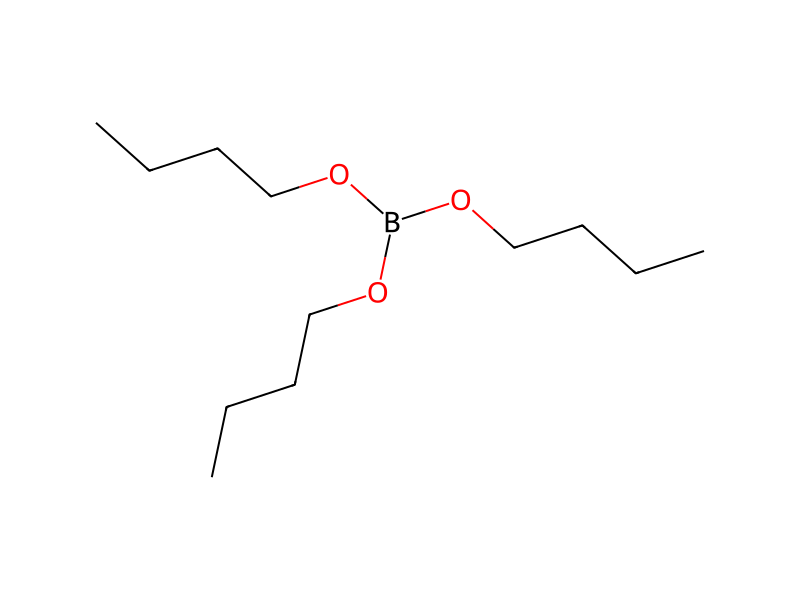
基本情報
- 標準SMILES
CCCCOB(OCCCC)OCCCC- InChIKey
LGQXXHMEBUOXRP-UHFFFAOYSA-N- 分子式
- C12H27BO3
- 平均分子量
- 230.15 g/mol
- 単同位体質量
- 230.20532512
概要
Tributyl borate is a water-white liquid. (NTP, 1992)
名称と識別子
- 優先名称
- Tributyl borate
- IUPAC
- tributyl borate
- 現地名
- ほう酸トリブチル
- 英語名
- Tributyl borate
- 分子式
- C12H27BO3
- 分子量
- 230.16
名称と別名
TRIBUTYL BORATE688-74-4Tri-n-butyl borateTributoxyboranen-Butyl borateTributoxyboronButyl borateTri-n-butoxyboraneBoron tributoxideBorester 2Tris(butoxy)boraneBorane, tributoxy-
名称をさらに表示
ほう酸トリブチルトリブチルボレ-トトリブチルボラートホウ酸トリブチルエステルトリ-N-ブチルほう酸トリブチル=ボラートトリブトキシボラントリブトキシほう素トリブチル ボラートオルトホウ酸トリブチルn-ButoxideAI311060borester2AI3 11060AI3-11060(n-C4H9O)3BButy borate
Tributyl orthoborateButyl borate, tri-Boric acid, tributyl esterTributoxyborineBoric acid (H3BO3), tributyl esterBoric Acid Tributyl EsterButyl borate, (BuO)3BNSC 779
データベース識別子
- CAS
688-74-4- PubChem CID
- 12712
- DTXSID
DTXSID9026184- UNII
- X3UQ8D0UED
- EC Number
- 211-706-5
- Nikkaji
- J24.006K
物性
構造計算による物性
- 極性表面積
- 27.7 Ų
- 水素結合供与体数
- 0
- 水素結合受容体数
- 3
- 回転可能結合数
- 12
- 重原子数
- 16
- 形式電荷
- 0
- 複雑度
- 110
実験および物理化学的性質
Chemical ClassesMetals -> Metalloid Compounds (Boron)
OdorLike n-butanol
Density
0.8567 at 68 °F (NTP, 1992) - Less dense than water; will float
0.8567 g/cu cm at 20 °C
0.847 @ 20°C
Viscosity1.601 centipoise at 25 °C
Color/Form
Water-white liquid
Colorless, mobile, moisture sensitive liquid
Solubility
Decomposes (NTP, 1992)
Soluble in ethanol, benzene; very soluble in ethyl ether, methanol
Miscible with common organic liquids
Flash Point200 °F (open cup)
Boiling Point
446 to 448 °F at 760 mmHg (NTP, 1992)
234 °C
230 °C @760 [mm Hg]
DecompositionWhen heated to decomposition or on contact with acid or acid fumes it can emit toxic fumes.
Melting Point
less than -94 °F (NTP, 1992)
Freezing point below -70 °C
Vapor Density
7.95 (NTP, 1992) - Heavier than air; will sink (Relative to Air)
7.94 (Air = 1)
Vapor Pressure
0.52 [mmHg]
0.526 mm Hg at 25 °C
物理化学的性質
- 融点
- -70 °C · -70 °C (lit.)
- 沸点
- 114 · 114-115 °C/12 mmHg (lit.) 230-235 °C (lit.)
- 比重(密度)
- 0.853 g/mL · 0.853 g/mL at 25 °C (lit.)
- 蒸気密度
- 7.95 · 7.95 (vs air)
- 蒸気圧
- 3.79 hPa · 3.79hPa at 25℃
- 屈折率
- 20 · n20/D 1.409(lit.)
- 闪点
- 200 °F · 200 °F
- 貯蔵温度
- Inert atmosphere,Room Temperature
- 溶解性
- soluble in Methanol,Benzene,Ethanol
- 外見
- 液体
- 比重
- 0.853 · 0.853
- 色
- 無色透明
- 水溶解度
- 分解する
- BRN
- 1703865 · 1703865
- 安定性
- 安定ですが、水と素早く反応します。酸化剤と激しく反応する。強酸とは相容れない。
- InChI
- 1S/C12H27BO3/c1-4-7-10-14-13(15-11-8-5-2)16-12-9-6-3/h4-12H2,1-3H3
- InChIKey
- LGQXXHMEBUOXRP-UHFFFAOYSA-N
- SMILES
- CCCCOB(OCCCC)OCCCC
- LogP
- 1 at · 1 at 25℃
- CAS データベース
- 688 · 688-74-4(CAS DataBase Reference)
- NISTの化学物質情報
- Boric acid, tributyl ester(688-74-4)
- EPAの化学物質情報
- Tributyl borate (688-74-4)
化学的性質
化学的特性Water-white liquid. Distillation range, 85% distills between 135C and 140C (40 mm Hg). Hydrolyzes rapidly; miscible with common organic liquids. Combustible.
安全と法規制
GHS分類
GHS Classification
Danger
H302 (92.2%): Harmful if swallowed [Warning Acute toxicity, oral]
P203, P261, P264, P264+P265, P270, P271, P280, P301+P317, P302+P352, P304+P340, P305+P351+P338, P305+P354+P338, P317, P318, P319, P321, P330, P332+P317, P337+P317, P362+P364, P403+P233, P405, and P501 (click each P-code to see the statement)
Aggregated GHS information provided per 629 reports by companies from 13 notifications to the ECHA C&L Inventory. Each notification may be associated with multiple companies.
危険有害性情報
Regulatory Information
Chemical: Boric acid (H3BO3), tributyl ester
Boric acid (H3BO3), tributyl ester is listed on the EPA's Chemical Data Reporting (CDR) system. Manufacturers and importers of Boric acid (H3BO3), tributyl ester are required to report information about their production and use of this chemical to the EPA under the Toxic Substances Control Act (TSCA). (40 eCFR Part 711)
Status: Active Update: 24-08-2018 https://echa.europa.eu/registration-dossier/-/registered-dossier/23096
Boric acid (H3BO3), tributyl ester: Does not have an individual approval but may be used as a component in a product covered by a group standard. It is not approved for use as a chemical in its own right.
DOT LabelCombustible Liquid
Fire HazardsExcerpt from ERG Guide 128 [Flammable Liquids (Water-Immiscible)]:
Fire PotentialCombustible
Health HazardsACUTE/CHRONIC HAZARDS: Toxic; may emit toxic fumes when heated to decomposition or on contact with acid or acid fumes, local irritant. (NTP, 1992)
Hazards Summary
An eye and respiratory tract irritant; Oral LD50 (mouse) =2150 mg/kg; Decomposes in the presence of water to boric acid and n-butanol; [HSDB] Decomposed quickly by water; [CAMEO] Hydrolyzed by water; An irritant; [MSDSonline] See Boric acid. See Triethyl borate.
Reactive GroupEsters, Sulfate Esters, Phosphate Esters, Thiophosphate Esters, and Borate Esters
Special ReportsUSEPA/OWRS; Quality Criteria for Water 1986 Boron (1986) EPA 440/5-86-001
Reactivity AlertsWater-Reactive
Reactivity Profile
Borates behave similarly to esters in that they react with acids to liberate heat along with alcohols and acids. Strong oxidizing acids may cause a vigorous reaction that is sufficiently exothermic to ignite the reaction products. Heat is also generated by the interaction of esters with caustic solutions. Flammable hydrogen is generated by mixing esters/borates with alkali metals and hydrides. Reacts vigorously with oxidizing materials. (NTP, 1992).
Air and Water ReactionsRapidly decomposes in water(NTP, 1992).
NFPA Hazard Classification
2 - Materials that, under emergency conditions, can cause temporary incapacitation or residual injury.
2 - Materials that must be moderately heated or exposed to relatively high ambient temperatures before ignition can occur. Materials would not under normal conditions form hazardous atmospheres with air, but under high ambient temperatures or under moderate heating could release vapor in sufficient quantities to produce hazardous atmospheres with air.
1 - Materials that in themselves are normally stable but that can become unstable at elevated temperatures and pressures.
安全と保護具
Fire FightingExcerpt from ERG Guide 128 [Flammable Liquids (Water-Immiscible)]:
First Aid
EYES: First check the victim for contact lenses and remove if present. Flush victim's eyes with water or normal saline solution for 20 to 30 minutes while simultaneously calling a hospital or poison control center. Do not put any ointments, oils, or medication in the victim's eyes without specific instructions from a physician. IMMEDIATELY transport the victim after flushing eyes to a hospital even if no symptoms (such as redness or irritation) develop.
Fire Fighting ProceduresTo fight fire, use foam, CO2, dry chemical.
Nonfire Spill ResponseSTORAGE PRECAUTIONS: Store in a refrigerator and protect from moisture. Keep away from oxidizing materials. (NTP, 1992)
Disposal Methods
SRP: The most favorable course of action is to use an alternative chemical product with less inherent propensity for occupational exposure or environmental contamination. Recycle any unused portion of the material for its approved use or return it to the manufacturer or supplier. Ultimate disposal of the chemical must consider: the material's impact on air quality; potential migration in soil or water; effects on animal, aquatic, and plant life; and conformance with environmental and public health regulations.
Preventive Measures
SRP: The scientific literature for the use of contact lenses in industry is conflicting. The benefit or detrimental effects of wearing contact lenses depend not only upon the substance, but also on factors including the form of the substance, characteristics and duration of the exposure, the uses of other eye protection equipment, and the hygiene of the lenses. However, there may be individual substances whose irritating or corrosive properties are such that the wearing of contact lenses would be harmful to the eye. In those specific cases, contact lenses should not be worn. In any event, the usual eye protection equipment should be worn even when contact lenses are in place.
Isolation and EvacuationExcerpt from ERG Guide 128 [Flammable Liquids (Water-Immiscible)]:
Protective Action Criteria (PAC)
3.5 [ppm]
39 [ppm]
230 [ppm]
Personal Protective Equipment (PPE)
RECOMMENDED RESPIRATOR: Where the neat test chemical is weighed and diluted, wear a NIOSH-approved half face respirator equipped with an organic vapor/acid gas cartridge (specific for organic vapors, HCl, acid gas and SO2) with a dust/mist filter. (NTP, 1992)
Other Standards Regulations and Guidelines
1-5 mg/cu m (USSR) /Borates/
Limit for livestock is 5 ug/ml boron in water. /Boron/
0.5 mg/L maximum (USSR) /Boron in drinking water/
毒性情報
Environmental Fate
TERRESTRIAL FATE: Tributyl borate is rapidly hydrolyzed to boric acid and n-butanol in the presence of water(1,2). Hydrolysis would be expected to be the dominate fate process for tributyl borate in the environment(SRC).
AQUATIC FATE: Tributyl borate is rapidly hydrolyzed to boric acid and n-butanol in the presence of water(1,2). Hydrolysis would be expected to be the dominate fate process for tributyl borate in the environment(SRC).
ATMOSPHERIC FATE: According to a model of gas/particle partitioning of semivolatile organic compounds in the atmosphere(1), tributyl borate, which has a vapor pressure of 0.526 mm Hg at 25 °C(2), is expected to exist solely as a vapor in the ambient atmosphere. Tributyl borate is rapidly hydrolyzed to boric acid and n-butanol in the presence of water(3,4). Hydrolysis would be expected to be the dominate fate process for tributyl borate in the environment(SRC).
Medical SurveillanceNo specific considerations are needed for boric acid or borates except for general health and liver and kidney function. /Boric acid and borates/
Soil Adsorption/Mobility
Tributyl borate is rapidly hydrolyzed to boric acid and n-butanol in the presence of water(1,2). Hydrolysis would be expected to be the dominate fate process for tributyl borate in the environment(SRC). Adsorption to soil or suspended particles in water is not considered an important environmental fate for tributyl borate(SRC).
Natural Pollution SourcesBorates are found in ocean water, sedimentary rocks, coal, shale, and soils(1).
Artificial Pollution SourcesTributyl borate's production and use in welding flux, as a flame retardant for textiles, and its use in the preparation of borohydrides(1) may result in its release to the environment through various waste streams(SRC).
Environmental BiodegradationTributyl borate is rapidly hydrolyzed to boric acid and n-butanol in the presence of water(1,2). Biodegradation in not considered an important environmental fate for tributyl borate(SRC).
Environmental Bioconcentration
Tributyl borate is rapidly hydrolyzed to boric acid and n-butanol in the presence of water(1,2). Hydrolysis would be expected to be the dominate fate process for tributyl borate in the environment(SRC). Bioconcentration is not considered an important environmental fate for tributyl borate(SRC).
Volatilization from Water/Soil
Tributyl borate is rapidly hydrolyzed to boric acid and n-butanol in the presence of water(1,2). Hydrolysis would be expected to be the dominate fate process for tributyl borate in the environment(SRC). Volatilization from water or soil is not considered an important environmental fate for tributyl borate(SRC).
Environmental Abiotic DegradationTributyl borate is rapidly hydrolyzed to boric acid and n-butanol in the presence of water(1,2). Hydrolysis would be expected to be the dominate fate process for tributyl borate in the environment(SRC).
Probable Routes of Human Exposure
Occupational exposure to tributyl borate may occur through inhalation and dermal contact with this compound at workplaces where tributyl borate is produced or used. Exposure to the general population may occur via dermal contact with flame retardant textiles treated with tribultyl borate; however, this exposure could be compromised due to the rapid decomposition of tributyl borate upon contact with water. (SRC)
Environmental Fate/Exposure Summary
Tributyl borate's production and use in welding flux, as a flame retardant for textiles, and its use in the preparation of borohydrides may result in its release to the environment through various waste streams. If released to air, a vapor pressure of 0.526 mm Hg at 25 °C indicates tributyl borate will exist solely as a vapor in the ambient atmosphere. Tributyl borate is rapidly hydrolyzed to boric acid and n-butanol in the presence of water. Hydrolysis would be expected to be the dominate fate for tributyl borate in the environment. Tributyl borate is expected to have a very short existence in the environment. Occupational exposure to tributyl borate may occur through inhalation and dermal contact with this compound at workplaces where tributyl borate is produced or used. Exposure to the general population may occur via dermal contact with flame retardant textiles treated with tribultyl borate; however, this exposure could be compromised due to the rapid decomposition of tributyl borate upon contact with water. (SRC)
Antidote and Emergency Treatment
Maintain an open airway and assist ventilation if nescessary. treat coma, seizures, hypotension, and renal failure if they occur. There is no specific antidote. Administer activated charcoal (although boric acid is not well absorbed). Consider gastric lavage for large ingestions. /Boric acid, Borates, and Boron/
Hemodialysis is effective and is indicated after massive ingestions and for supportive care of renal failure. Peritoneal dialysishas not proved effective in enhancing elimination in infants. /Boric acid, Borates, and Boron/
In acute poisonings, if a large amount has been ingested and the patient is seen within one hour of exposure, gastrointestinal decontamination should be considered ... .It is important to keep in mind that vomiting and diarrhea are common, and severe poisoning may be associated with seizures. Therefore induction of emesis by syrup of ipecac is probably contraindicated in these exposures. Catharsis is not indicated if diarrhea is present. /Boric acid and Borates/
If ingestion of borate has been massive (several grams), or has extended over several days, administer intravenous glucose and electrolyte solutions to sustain urinary excretion of borate. Monitor fluid balance and serum electrolytes (including bicarbonate capacity ) regularly. Monitor cardiac status by ECG. Test the urine for proteins and cells to detect renal injury, and monitor serum concentration of borate. Metabolic acidosis may be treated with sodium bicarbonate. If shock develops, it may be necessary to infuse plasma or whole blood. Administer oxygen continuously. If oliguria (less than 25 to 30 mL urine per hour) occurs, intravenous fluids must be slowed or stopped to avoid overloading the circulation. Such patients should be referred to a center capable of providing intensive care for critically ill patients. /Boric acid and Borates/
For more Antidote and Emergency Treatment (Complete) data for TRIBUTYL BORATE (7 total), please visit the HSDB record page.
法規制情報
State Drinking Water Guidelines
(CA) CALIFORNIA 1000 ug/L /Boron/
(NH) NEW HAMPSHIRE 630 ug/L /Boron/
(ME) MAINE 1,400 ug/L /Boron/
(MN) MINNESOTA 1,000 ug/L /Boron/
(WI) WISCONSIN 960 ug/L /Boron/
Federal Drinking Water GuidelinesEPA 600 ug/L /Boron/
安全データ
- F
- 21
- wgk
- 3
- tsca
- TSCA listed
- rtecs
- ED4900000
- ridadr
- 3272
- PRTR法
- 第一種指定化学物質
- hs_code
- 29209090
- risk_code
- 22-36/37/38-36/38
- 化審法
- (2)-2101
- 消防法
- 危-4-3-III
- hazard_code
- Xn,Xi
- safety_code
- 26-36/37/39-37/39
- hazard_class
- 3
- packing_group
- III
- Hazard Classifications
- Eye Irrit. 2Skin Irrit. 2STOT SE 3
- ストレージクラス
- 10 - Combustible liquids
- 有毒物質データの
- 688-74-4(Hazardous Substances Data)
化学と産業
用途と製造
Uses
Used in welding fluxes, flame retardants for textiles, and curing systems for metal coatings; [HSDB]
Welding [Category: Weld]
Welding fluxes, intermediate in preparation of borohydrides, flame retardant for textiles (with boric acid).
Provides a fast curing system suitable for metal coating.
U.S. Production2023: 75,000 - <500,000 lb
Industry UsesLubricating agent
Methods of Manufacturing
Reaction of n-butyl alcohol with boron trichloride
From butyl alcohol and boric acid.
General Manufacturing Information
Petroleum Lubricating Oil and Grease Manufacturing
Boric acid (H3BO3), tributyl ester: ACTIVE
応用分野
使用Welding fluxes, intermediate in preparation of borohydrides, flame retardant for textiles (with boric acid).
調製方法
純化方法The chief impurities are n-butyl alcohol and boric acid (from hydrolysis). It must be handled in a dry-box and can readily be purified by fractional distillation, under reduced pressure. [O’Brien Aust J Chem 10 91 1957, Gerrard & Lappert J Chem Soc 2545, 2547 1951, Beilstein 1 IV 1544.]
上流・下流製品情報
上流原料
下流製品
サプライヤー50 社
国药集团化学试剂有限公司86-21-63210123 · [email protected]
梯希爱(上海)化成工业发展有限公司021-67121386 · [email protected]
上海阿拉丁生化科技股份有限公司400-6206333 13167063860 · [email protected]
爱斯特(成都)生物制药股份有限公司+86-28-85122536 85324413 · [email protected]
北京安司莫森技术有限公司010-82954736 13391601435 · [email protected]
科瑞迪化学400-821-5857 021-64326257 · [email protected]
Syntechem Co.,Ltd[email protected]
上海迈瑞尔生化科技有限公司4006356688 18621169109 · [email protected]
阿法埃莎(中国)化学有限公司400-6106006 · [email protected]
安耐吉化学&3A(安徽泽升科技股份有限公司)400-0056266 · [email protected]
上海瀚鸿科技股份有限公司021-54306202 13764082696 · [email protected]
上海景颜化工科技有限公司13817811078 · [email protected]
上海三牧化工技术有限公司021-38681880 13817889927
山东西亚化学有限公司13355009207 13355009207 · [email protected]
玛雅试剂+86 (573) 82222445 (0)18006601000 452520369 · [email protected]
四川库利南科技有限公司400-1166-196 18981987031 · [email protected]
天津希恩思生化科技有限公司400 638 7771 · [email protected]
南京维奥化工有限公司Please Send Email 18652950785 · [email protected]
常州创视电子科技有限公司+86 (519) 8829-2061 · [email protected]
艾科试剂4008-755-333 18080918076 · [email protected]
上海思域化工科技有限公司86-21-34053660 · [email protected]
赛默飞世尔科技(中国)有限公司800-810-5118 · [email protected]
北京伊诺凯科技有限公司400-810-7969 010-59572699 · [email protected]
上海特伯化学科技有限公司+86-21-60341587 · [email protected]
江苏艾康生物医药研发有限公司025-66113011 13913916777 · [email protected]
TCI AMERICA800-4238616 · [email protected]
TOKYO CHEMICAL INDUSTRY CO., LTD.03-36680489 · [email protected]
TCI Europe320-37350700 · [email protected]
卡迪亚医药科技有限公司0371-86615086 18203638366 0371-86159066 13526786601
上海贤鼎生物科技有限公司4009209199 · [email protected]
越林试剂021-62960152 · [email protected]
淄博爱肯新材料科技有限公司0533-4915568 18653327685 · [email protected]
北京环宇世纪化学科技有限公司hysj_bj.com
上海湄水化工科技有限公司021-60549325 18616193163
上海将来实业股份有限公司400-0066400 13621662912 · [email protected]
上海将来实业股份有限公司021-61552785 · [email protected]
HBCChem, Inc.+1-510-219-6317 · [email protected]
日照力德士化工有限公司010-51268198 · [email protected]
郑州阿尔法化工有限公司0371-53732842 15981811963 · [email protected]
美岚实业(上海)有限公司021-58958189 · [email protected]
上海石洋化工有限公司021-56795766 · [email protected]
上海爱蝶实业有限公司021-58957966 18930537195 · [email protected]
成都零六生物科技有限公司400-1166-196 13458535857 · [email protected]
广拓化学(上海)有限公司021-60899189-8001 18918189673 · [email protected]
上海馨远医药科技有限公司021-24206007 13764915196 · [email protected]
上海麦克林生化科技股份有限公司15221275939 15221275939 · [email protected]
宿迁南翔化学品制造有限公司21-39125199 13817939213 · [email protected]
上海嵩爰化工科技有限公司010-1234567 18521000990 · [email protected]
上海有朋化工有限公司021-69005955 13701776567 · [email protected]
北京欣赛维化学科技有限公司010-56218822 13717722232 · [email protected]
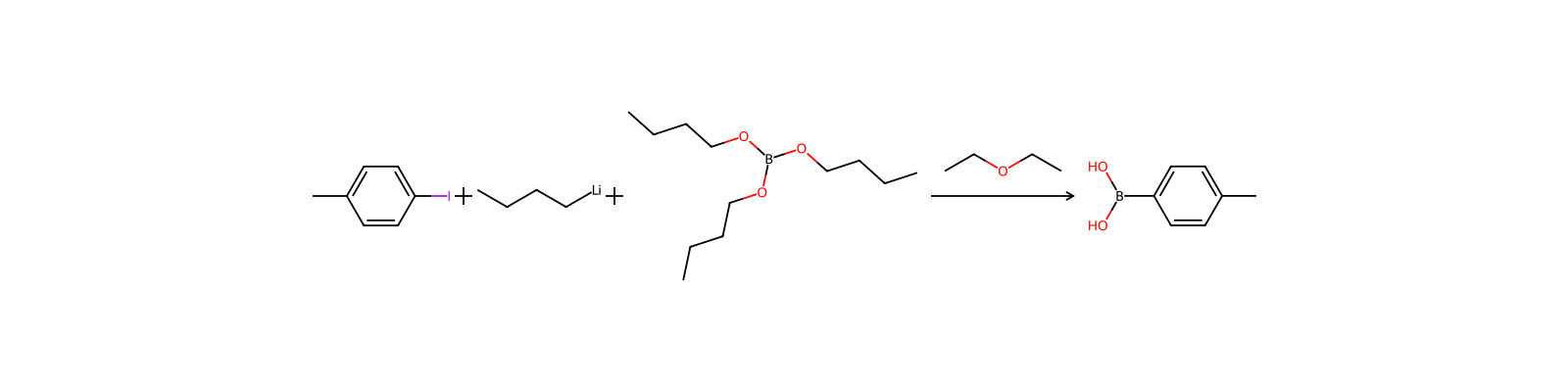
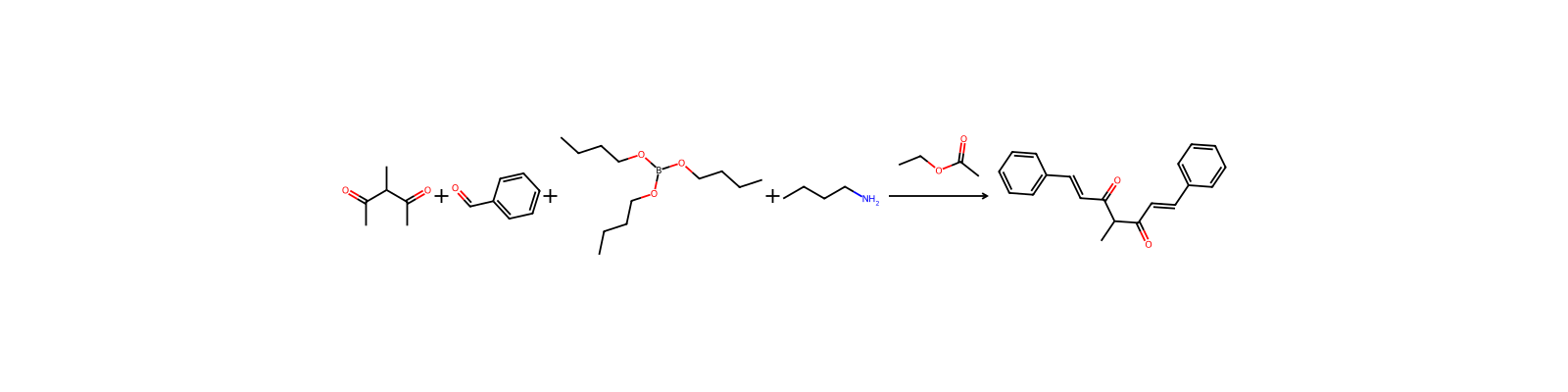
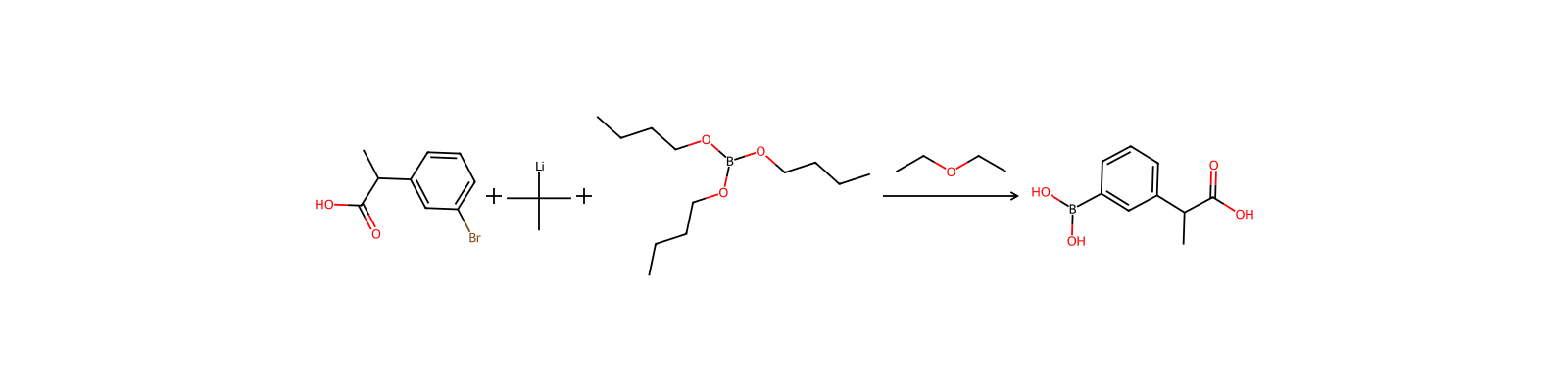
関連反応
142 件




関連ノート
読み込み中…