

基本情報
- CAS
768-52-5- 標準SMILES
CC(C)Nc1ccccc1- InChIKey
FRCFWPVMFJMNDP-UHFFFAOYSA-N- 分子式
- C9H13N
- 平均分子量
- 135.21 g/mol
- 単同位体質量
- 135.10479942
概要
N-isopropylaniline is a clear brown liquid. (NTP, 1992)
名称と識別子
- 優先名称
- N-Isopropylaniline
- IUPAC
- N-propan-2-ylaniline
- 現地名
- N-イソプロピルアニリン
- 英語名
- N-Isopropylaniline
- 分子式
- C9H13N
- 分子量
- 135.21
名称と別名
N-ISOPROPYLANILINE768-52-5IsopropylanilineBenzenamine, N-(1-methylethyl)-Aniline, N-isopropyl-N-PhenylisopropylamineN-isopropyl anilineDTXSID7025479N-IPAI7Y9616F3RDTXCID005479N-(1-Methylethyl)-benzenamine
名称をさらに表示
N-イソプロピルアニリンイソプロピルフェニルアミンN-(1-メチルエチル)ベンゼンアミンN-フェニルプロパン-2-アミンイソプロピルアニリンNイソプロピルアニリンN‐イソプロピルアニリン標準品N-イソプロピルアニリン標準品N-IsopropylaniISO-PROPYLANILINEN-isopropylanilinN-isopropy anilinen-isopropyl-anilinN-isoproyl anilineTIMTEC-BB SBB007921
RefChem:163621CHEBI:21742212-196-7N-propan-2-ylanilineN-Isopropylaniline-d6isopropylphenylaminePhenylisopropylamineMFCD00026347
データベース識別子
- CAS
768-52-5- PubChem CID
- 13032
- DTXSID
DTXSID7025479- ChEMBL
CHEMBL1529910- UNII
- I7Y9616F3R
- EC Number
- 212-196-7
- Nikkaji
- J150.019H
物性
構造計算による物性
- XLogP
- 2.5
- 極性表面積
- 12 Ų
- 水素結合供与体数
- 1
- 水素結合受容体数
- 1
- 回転可能結合数
- 2
- 重原子数
- 10
- 形式電荷
- 0
- 複雑度
- 82.7
実験および物理化学的性質
Chemical Classes
Nitrogen Compounds -> Amines, Aromatic
Flammable agents - 2nd degree
SpringerMaterials Properties13C nuclear magnetic resonance spectrum
OdorSweet, aromatic odor.
Density
0.93 at 60 °F (NIOSH, 2024) - Less dense than water; will float
0.9526 g/cu cm
Density (at 25 °C): 0.93 g/cm³
0.93 at 60 °F
(60 °F): 0.93
Color/Form
Yellowish liquid
Clear, yellowish liquid.
Solubility
less than 0.1 mg/mL at 70 °F (NTP, 1992)
Sol in alcohol, ether, acetone, benzene
Solubility in water: insoluble
Flash Point
190 °F (NTP, 1992)
87 °C
190 °F (87.7 °C) (Cleveland Open Cup)
82 °C c.c.
190 °F (open cup)
(oc) 190 °F
Boiling Point
397 to 399 °F at 760 mmHg (NTP, 1992)
203 °C @ 760 mm Hg
203-204 °C
397 °F
397 °F
DecompositionWhen heated to decomposition it emits toxic fumes of nitroxides.
Melting Point
-58 °F (NIOSH, 2024)
-32 °C
-58 °F
-58 °F
Vapor DensityRelative vapor density (air = 1): 4.7
Vapor Pressure
0.03 mmHg at 77 °F (NIOSH, 2024)
0.03 [mmHg]
Vapor pressure, Pa at 25 °C: 4
0.03 mmHg at 77 °F
(77 °F): 0.03 mmHg
物理化学的性質
- 融点
- -32 °C · -32°C
- 沸点
- 55 °C0.3 · 55 °C0.3 mm Hg(lit.)
- 比重(密度)
- 0.934 g/mL · 0.934 g/mL at 25 °C(lit.)
- 屈折率
- 20 · n20/D 1.539(lit.)
- 闪点
- 185 °F · 185 °F
- 貯蔵温度
- Keep in dark place,Inert atmosphere,Room temperature
- 溶解性
- Chloroform (Slightly), Methanol (Slightly)
- 外見
- 液体
- 酸解離定数(Pka)
- 5.77 · 5.77(at 25℃)
- 比重
- 0.94 · 0.94
- 色
- Colorless to Orange to Green
- 水溶解度
- 0.01 g/100 · <0.01 g/100 mL で 21 ºC
- BRN
- 2205871 · 2205871
- Henry's Law Constant
- 1.3 · 1.3×100 mol/(m3Pa) at 25℃, HSDB (2015)
- CAS データベース
- 768 · 768-52-5(CAS DataBase Reference)
- NISTの化学物質情報
- N-Isopropylaniline(768-52-5)
- EPAの化学物質情報
- N-Isopropylaniline (768-52-5)
化学的性質
化学的特性Clear light yellow liquid
安全と法規制
GHS分類
GHS Classification
Danger
H302 (100%): Harmful if swallowed [Warning Acute toxicity, oral]
P260, P261, P264, P264+P265, P270, P271, P280, P284, P301+P317, P302+P352, P304+P340, P305+P351+P338, P316, P319, P320, P321, P330, P332+P317, P337+P317, P362+P364, P403+P233, P405, and P501 (click each P-code to see the statement)
Aggregated GHS information provided per 82 reports by companies from 6 notifications to the ECHA C&L Inventory. Each notification may be associated with multiple companies.
Warning
H227: Combustible liquid [Warning Flammable liquids]
危険有害性情報
Regulatory Information
Chemical: Benzenamine, N-(1-methylethyl)-
The New Jersey Worker and Community Right to Know Act requires public and private employers to provide information about hazardous substances at their workplaces. (N.J.S.A. 34:5A-1 et. seq.)
DOT LabelPoison
Fire Hazards
This chemical is combustible. (NTP, 1992)
Combustible. Gives off irritating or toxic fumes (or gases) in a fire. Above 82 °C explosive vapour/air mixtures may be formed.
Health HazardsExcerpt from NIOSH Pocket Guide for N-Isopropylaniline:
Hazards SummaryLike aniline and N,N-dimethylaniline, N-isopropylaniline can cause methemoglobinemia after skin and inhalation exposure in the workplace. [ACGIH] Can induce methemoglobinemia; May cause skin sensitization; [ICSC]
Reactive GroupAmines, Aromatic
UN ClassificationUN Hazard Class: 6.1; UN Pack Group: III
TSCA Requirements
Section 8(a) of TSCA requires manufacturers of this chemical substance to report preliminary assessment information concerned with production, use, and exposure to EPA as cited in the preamble in 51 FR 41329.
Pursuant to section 8(d) of TSCA, EPA promulgated a model Health and Safety Data Reporting Rule. The section 8(d) model rule requires manufacturers, importers, and processors of listed chemical substances and mixtures to submit to EPA copies and lists of unpublished health and safety studies. N-Isopropylaniline is included on this list.
Reactivity Profile
N-ISOPROPYLANILINE neutralizes acids in exothermic reactions to form salts plus water. May be incompatible with isocyanates, halogenated organics, peroxides, phenols (acidic), epoxides, anhydrides, and acid halides. Flammable gaseous hydrogen may be generated in combination with strong reducing agents, such as hydrides.
Chemical DangersOn combustion, forms toxic gases including nitrogen oxides.
Flammable LimitsClass IIIB Combustible Liquid: Fl.P. at or above 200 °F.
Packaging and LabellingDo not transport with food and feedstuffs.
安全と保護具
Fire Fighting
Fires involving this compound should be controlled with a dry chemical, carbon dioxide or halon extinguisher. (NTP, 1992)
Use powder, foam, carbon dioxide.
First Aid Measures
Fresh air, rest. Administration of oxygen may be needed. Refer immediately for medical attention.
Remove contaminated clothes. Rinse and then wash skin with water and soap. Refer immediately for medical attention.
First rinse with plenty of water for several minutes (remove contact lenses if easily possible), then refer for medical attention.
Rinse mouth. Do NOT induce vomiting. Refer immediately for medical attention.
First Aid
EYES: First check the victim for contact lenses and remove if present. Flush victim's eyes with water or normal saline solution for 20 to 30 minutes while simultaneously calling a hospital or poison control center. Do not put any ointments, oils, or medication in the victim's eyes without specific instructions from a physician. IMMEDIATELY transport the victim after flushing eyes to a hospital even if no symptoms (such as redness or irritation) develop.
(General first aid procedures)
Safe StorageSeparated from food and feedstuffs. Keep in a well-ventilated room.
Exposure Control and Personal ProtectionBiological Exposure Indices (BEI) [ACGIH] - Methemoglobin in blood = 1.5% of hemoglobin during or at end of shift. [ACGIH]
Nonfire Spill Response
SMALL SPILLS AND LEAKAGE: If you spill this chemical, FIRST REMOVE ALL SOURCES OF IGNITION. Then, use absorbent paper to pick up all liquid spill material. Your contaminated clothing and absorbent paper should be sealed in a vapor-tight plastic bag for eventual disposal. Solvent wash all contaminated surfaces with 60-70% ethanol followed by washing with a soap and water solution. Do not reenter the contaminated area until the Safety Officer (or other responsible person) has verified that the area has been properly cleaned.
Disposal Methods
SRP: At the time of review, criteria for land treatment or burial (sanitary landfill) disposal practices are subject to significant revision. Prior to implementing land disposal of waste residue (including waste sludge), consult with environmental regulatory agencies for guidance on acceptable disposal practices.
Spillage Disposal
Personal protection: complete protective clothing including self-contained breathing apparatus. Collect leaking liquid in sealable containers. Absorb remaining liquid in sand or inert absorbent. Then store and dispose of according to local regulations.
Preventive Measures
SRP: The scientific literature for the use of contact lenses in industry is conflicting. The benefit or detrimental effects of wearing contact lenses depend not only upon the substance, but also on factors including the form of the substance, characteristics and duration of the exposure, the uses of other eye protection equipment, and the hygiene of the lenses. However, there may be individual substances whose irritating or corrosive properties are such that the wearing of contact lenses would be harmful to the eye. In those specific cases, contact lenses should not be worn. In any event, the usual eye protection equipment should be worn even when contact lenses are in place.
The worker should immediately wash the skin when it becomes contaminated.
Work clothing that becomes wet or significantly contaminated should be removed and replaced.
Isolation and EvacuationExcerpt from ERG Guide 153 [Substances - Toxic and/or Corrosive (Combustible)]:
Eye PreventionWear face shield or eye protection in combination with breathing protection.
Fire PreventionNO open flames. Above 82 °C use a closed system and ventilation.
毒性情報
Target OrgansEyes, skin, respiratory system, blood, cardiovascular system, liver, kidneys
Environmental Fate
TERRESTRIAL FATE: Based on a classification scheme(1), an estimated Koc value of 566(SRC), determined from an estimated log Kow of 2.53(2) and a regression-derived equation(3), indicates that N-isopropylaniline is expected to have low mobility in soil(SRC). A pKa value of 5.3(4) suggests that N-isopropylaniline will partially exist in the protonated form in moist soils and the protonated form of N-isopropylaniline is expected to bind strongly to soil surfaces(SRC). Volatilization of N-isopropylaniline from moist soil surfaces is expected to be an important fate process for the neutral species(SRC) given an estimated Henry's Law constant of 7.4X10⁻⁶ atm-cu m/mole(SRC), using a fragment constant estimation method(5). N-Isopropylaniline is not expected to volatilize from dry soil surfaces(SRC) based upon an estimated vapor pressure of 0.44 mm Hg(SRC), determined from a fragment constant method(6).
AQUATIC FATE: Based on a classification scheme(1), an estimated Koc value of 566(SRC), determined from an estimated log Kow of 2.53(2) and a regression-derived equation(3), indicates that N-isopropylaniline is expected to adsorb to suspended solids and sediment in water(SRC). Volatilization from water surfaces is expected(3) based upon an estimated Henry's Law constant of 7.4X10⁻⁶ atm-cu m/mole(SRC), developed using a fragment constant estimation method(4). Using this Henry's Law constant and an estimation method(3), volatilization half-lives for a model river and model lake are 4 and 47 days, respectively(SRC). A pKa of 5.3(5) suggests that N-isopropylaniline will partially exist in the protonated form in aqueous environments and the protonated form of N-isopropylaniline is not expected to volatilize from water. According to a classification scheme(6), an estimated BCF of 17(SRC), from an estimated log Kow(2) and a regression-derived equation(7), suggests the potential for bioconcentration in aquatic organisms is low.
ATMOSPHERIC FATE: According to a model of gas/particle partitioning of semivolatile organic compounds in the atmosphere(1), N-isopropylaniline, which has an estimated vapor pressure of 0.44 mm Hg at 25 °C(2), is expected to exist solely as a vapor in the ambient atmosphere. Vapor-phase N-isopropylaniline is degraded in the atmosphere by reaction with photochemically-produced hydroxyl radicals(SRC); the half-life for this reaction in air is estimated to be 6 hours(SRC), calculated from its estimated rate constant of 6.1X10⁻¹¹ cu cm/molecule-sec at 25 °C(3) determined using a structure estimation method(3).
Food Survey ValuesN-Isopropylaniline was detected in onions grown in Canada after application of propachlor at concns of 0.01-1.2 mg/kg(1).
Adverse EffectsMethemoglobinemia - The presence of increased methemoglobin in the blood; the compound is classified as primary toxic effect.
Exposure Routes
The substance can be absorbed into the body by inhalation of its aerosol, through the skin and by ingestion.
inhalation, skin absorption, ingestion, skin and/or eye contact
Signs and Symptoms
Blue lips, fingernails and skin. Dizziness. Headache. Laboured breathing.
MAY BE ABSORBED! See Inhalation.
Redness. Pain.
Nausea. Further see Inhalation.
irritation eyes, skin; headache, lassitude (weakness, exhaustion), dizziness; cyanosis; ataxia; dyspnea (breathing difficulty) on effort; tachycardia; methemoglobinemia
ICSC Environmental DataEnvironmental effects from the substance have not been investigated adequately.
Soil Adsorption/Mobility
The Koc of N-isopropylaniline is estimated as 566(SRC), using an estimated log Kow of 2.53(1) and a regression-derived equation(2). According to a classification scheme(3), this estimated Koc value suggests that N-isopropylaniline is expected to have low mobility in soil. A pKa value of 5.3(4) suggests that N-isopropylaniline will partially exist in the protonated form in moist soils and the protonated form of N-isopropylaniline is expected to bind strongly to soil surfaces(SRC).
TSCA Test Submissions
N-isopropylaniline (CAS # 768-52-5) was evaluated for acute inhalation toxicity in groups of Sprague-Dawley rats (5/sex/group) exposed for 4 hours in an inhalation chamber to mean analytical concentrations of 1.4, 1.4, 1.3, 1.0 mg/L vapor/aerosol in air. Mortality associated with treatment was consistent with an LC50 (probit) of 1.2 mg/L in air. Rats of a 1.0 mg/L exposure showed neither overt signs of toxicity nor diminished weight gain, while all other treated groups exhibited a transient decrease in mean bodyweights on Day 2 following exposures. Hypoactivity and respiratory distress or irritation were the most oft reported clinical irregularities during 14-day post-exposure observation. Necropsy of both surviving and decedent rats revealed no treatment-related pathology.
N-isopropylaniline (CAS # 768-52-5) was evaluated for subchronic dermal toxicity in Sprague-Dawley rats (10/sex/group) exposed by non-occluded dermal applications upon shaved skin (approximately 10% of total body surface area) to target doses of 0 (negative control), 25, 100, and 400 mg/kg/day, 5 days/week x 4 weeks. A study simulation established 30% loss of test material to volatilization by this method. Treatment was associated with statistically significant reduction in cumulative bodyweight gain and reduced 1st week feed consumption in high dose males relative to controls, but no mortality. Primarily middle and high dose females exhibited dryness, redness, abrasions, and/or scabbing at the treatment sites, although dermal irritation was evident at all exposure levels in both sexes. Dose-related occurrences of anemia and methemoglobinemia were statistically significant (Dunnett's T, p < 0.05) in high and mid-dose rats of both sexes, as splenic changes (increased relative and absolute weight, hematopoiesis, and hemosiderin accumulation) were in high dose animals. Acanthosis (epidermal thickening) was also observed in all treated males and females of the two highest doses. Enlargement of the submaxillary lymph node with hyperplasia on histopathologic examination was regarded as secondary to treatment-induced skin lesions. The authors concluded that treatment-related elevations of reticulocyte counts and increased hemosiderin pigment in the spleen suggests toxic anemia by increased red blood cell destruction with compensating activity in both the spleen and bone marrow, rather than reduced production by the bone marrow.
N-isopropylaniline (CAS # 768-52-5) was evaluated for subchronic inhalation toxicity in Sprague-Dawley rats (15/sex/group) exposed in an inhalation chamber to mean analytical concentrations of 0, 5.3, 20, and 100 mg/cu m, 6 hours/day, 5 days/week x approximately 14 weeks. Following gross necropsy, only liver and kidneys of high dose animals and spleens of all treated and control animals were submitted for microscopic examination. Throughout study, no deaths or clinical toxicity were attributable to treatment, while weight gains were reduced from second week of treatment to terminal necropsy. Males and females of all exposure levels also exhibited statistically significant (Dunnett's T, p < 0.05) dose-related methemoglobinemia, with elevated methemoglobin levels ranging from 56 to 344% over those in controls; slight (6% or less) but statistically significant anemia was noted in high-dose animals of both sexes. Gross pathology included slight increases in relative kidney and spleen weights on terminal necropsy. Microscopically, all high exposure animals exhibited increased splenic hemosiderin levels. Universal methemoglobinemia in treated rats precluded calculation of a NOEL in this study.
N-isopropylaniline (CAS # 768-52-5) was evaluated for subchronic inhalation toxicity in Sprague-Dawley rats (15/sex/group) exposed in inhalation chambers to mean analytical concentrations of 0, 0.055, 0.16, and 0.49 mg/L of air, 6 hours/day, on 21 days over a 4-week period. No treatment-related mortality occurred throughout 21-day study. During exposure, high dose animals of both sexes exhibited hypoactivity and lacrimation, while observations of oral and nasal drainage and encrustation, salivation, and lacrimation were dose-related. High dose animals of both sexes weighed less throughout the study. Dose-related methemoglobinemia at all exposure levels and anemia of high dose males and females were statistically significant (two-tailed Dunnett's T, p < 0.05) by both Coulter and CO-oximeter, the methemoglobinemia levels increasing 3.5% between interim and terminal determinations with continued high level exposures. Red blood cell counts and hematocrit values were significantly (p < 0.01) diminished in high dose males and mid and high dose females. Study authors interpreted these findings, with significantly elevated bilirubin levels (0.49 mg/L) in the absence of detectable liver disease, as indicative of mild hemolytic activity. Mild to moderate reticulocytosis was also significant (p < 0.05 in mid dose males, p < 0.01 in all others) in mid and high dose males and females. Upon terminal necropsy, both absolute and relative spleen weights were significantly elevated in high- and mid-level exposed males and females. Congestion and increased hematopoiesis characterized the splenic lesions in these groups and 4 females of 0.055 mg/L N-isopropylaniline exposures. Additionally, females of mid and high exposures consistently exhibited nephrosis with regeneration in the para recta, while males of all exposure levels showed random renal cortical lesions ranging in severity from nephrosis with regenesis to nephropathy. A NOEL for N-isopropylaniline was not identified in this study.
For more TSCA Test Submissions (Complete) data for N-ISOPROPYLANILINE (8 total), please visit the HSDB record page.
Artificial Pollution Sources
N-Isopropylaniline's production and use as a dye and chemical intermediate(1) may result in its release to the environment through various waste streams(SRC). N-Isopropylaniline is also a metabolite of the microbial degradation of the herbicide propachlor(2).
Sediment/Soil ConcentrationsN-Isopropylaniline was detected in soils in Canada after application of propachlor at concns of 0.34-2.2 mg/kg(1).
Environmental Bioconcentration
An estimated BCF of 18 was calculated for N-isopropylaniline(SRC), using an estimated log Kow of 2.53(1) and a regression-derived equation(2). According to a classification scheme(3), this BCF suggests the potential for bioconcentration in aquatic organisms is low.
法規制情報
TSCA Requirements
Section 8(a) of TSCA requires manufacturers of this chemical substance to report preliminary assessment information concerned with production, use, and exposure to EPA as cited in the preamble in 51 FR 41329.
Pursuant to section 8(d) of TSCA, EPA promulgated a model Health and Safety Data Reporting Rule. The section 8(d) model rule requires manufacturers, importers, and processors of listed chemical substances and mixtures to submit to EPA copies and lists of unpublished health and safety studies. N-Isopropylaniline is included on this list.
安全データ
- OEB
- B
- OEL
- TWA: 2 ppm (10 mg/m3) [skin]
- wgk
- 3
- tsca
- TSCA listed
- rtecs
- BY4190000
- ridadr
- 2810
- hs_code
- 29214990
- risk_code
- 22-23-36/37/38
- 化審法
- (3)-118, (3)-206
- 安衛法
- 57,57-2
- 消防法
- 危-4-3-III
- hazard_code
- T
- safety_code
- 26-36-45-7/9
- hazard_class
- 6.1(b)
- packing_group
- III
- 毒劇物取締法
- 劇物
- 有毒物質データの
- 768-52-5(Hazardous Substances Data)
化学と産業
薬理情報
Metabolism/Metabolites
THE N-ISOPROPYLANILINE METABOLITES AFTER IP INJECTION OF (14)C-LABELED N-ISOPROPYLANILINE-HCL WERE ANALYZED CHROMATOGRAPHICALLY IN COMBINED URINE SAMPLES FROM FOUR RATS EVERY 24 HR FOR A TOTAL OF 96 HR. 24 HR URINE SAMPLES CONTAINED NO METABOLITES. 4-HYDROXY-N-ISOPROPYLANILINE & P-AMINOPHENOL CONSTITUTING THE MAJOR & MINOR METABOLITE WITH 61 & 8, RESPECTIVELY. N-PHENYL-2-AMINOPROPIONIC ACID, A TRACE METABOLITE, REPRESENTED LESS THAN 1 OF THE TOTAL RADIOACTIVITY.
用途と製造
Uses
Used in synthesis of dyes for acrylic fibers and other chemicals; [ACGIH]
Dyeing acrylic fibers; chem intermediate
General Manufacturing Information
Benzenamine, N-(1-methylethyl)-: ACTIVE
N-Isopropylaniline is also a metabolite of the microbial degradation of the herbicide propachlor.
応用分野
用途合成中間体
用途有機合成原料。
使用N-Isopropylaniline is a microbial metabolite of Propachlor (P757300), an acylanilide herbicide that is used to maintain crop protection from weeds. Propachlor is also known to induce Glutathione (G597951)-dependent cytotoxicity and sister chromatid exchanges in human cells.
一般的な説明N-isopropylaniline is a clear brown liquid. (NTP, 1992)
上流・下流製品情報
上流原料
下流製品
サプライヤー100 社
梯希爱(上海)化成工业发展有限公司021-67121386 · [email protected]
上海阿拉丁生化科技股份有限公司400-6206333 13167063860 · [email protected]
武汉欣扬瑞和化学科技有限公司153-07155313 15307155313 · [email protected]
河北展药生物科技有限公司15369953316 +8615369953316 · [email protected]
Baoji Guokang Healthchem co.,ltd+8615604608665 15604608665 · [email protected]
科瑞迪化学400-821-5857 021-64326257 · [email protected]
Syntechem Co.,Ltd[email protected]
韶远科技(上海)有限公司021-50795510 4000665055 · [email protected]
武汉易泰科技有限公司上海分公司18930552037 · [email protected]
天津中信凯泰化工有限公司022-66880623 · [email protected]
阿法埃莎(中国)化学有限公司400-6106006 · [email protected]
安耐吉化学&3A(安徽泽升科技股份有限公司)400-0056266 · [email protected]
上海瀚鸿科技股份有限公司021-54306202 13764082696 · [email protected]
嘉兴市艾森化工有限公司0573-85285100 18627885956 · [email protected]
Pure Chemistry Scientific Inc.001-857-928-2050 or 1-888-588-9418 · [email protected]
合肥天健化工有限公司551-65418679 15856988503;15837135945 · [email protected]
孝感深远化工有限公司15527621225; 15527621225 · [email protected]
山东西亚化学有限公司13355009207 13355009207 · [email protected]
玛雅试剂+86 (573) 82222445 (0)18006601000 452520369 · [email protected]
天津希恩思生化科技有限公司400 638 7771 · [email protected]
南京化学试剂股份有限公司025-58369808 17895012682 · [email protected]
大连迈劲科技有限公司+86-411-39215997 13804269637
艾科试剂4008-755-333 18080918076 · [email protected]
上海思域化工科技有限公司86-21-34053660 · [email protected]
上海特伯化学科技有限公司+86-21-60341587 · [email protected]
南京诺利斯医药科技有限公司13901585132 · [email protected]
江苏艾康生物医药研发有限公司025-66113011 13913916777 · [email protected]
TCI AMERICA800-4238616 · [email protected]
TOKYO CHEMICAL INDUSTRY CO., LTD.03-36680489 · [email protected]
TCI Europe320-37350700 · [email protected]
上海贤鼎生物科技有限公司4009209199 · [email protected]
深圳康特腾科技有限公司86-0755-86635001 · [email protected]
Shanghai Witofly Chemical Co.,Ltd[email protected]
苏州爱玛特生物科技有限公司0512-56316828 4008675858 · [email protected]
上海湄水化工科技有限公司021-60549325 18616193163
上海将来实业股份有限公司400-0066400 13621662912 · [email protected]
上海将来实业股份有限公司021-61552785 · [email protected]
安徽科迪达化工有限公司0554-2106669 · [email protected]
美岚实业(上海)有限公司021-58958189 · [email protected]
上海爱蝶实业有限公司021-58957966 18930537195 · [email protected]
成都零六生物科技有限公司400-1166-196 13458535857 · [email protected]
广拓化学(上海)有限公司021-60899189-8001 18918189673 · [email protected]
上海御略医药科技有限公司021-60345187 13671753212 · [email protected]
杭州杰恒化工有限公司0571-87396432 · [email protected]
上海永叶生物科技有限公司86-021-61559134 15921386130 · [email protected]
上海嵩爰化工科技有限公司010-1234567 18521000990 · [email protected]
北京欣赛维化学科技有限公司010-56218822 13717722232 · [email protected]
上海凯赛化工有限公司021-33516722 13701817765 · [email protected]
成都润泽本土化工有限公司13096311329 028-88469284 616445927 · [email protected]
北京华扬致成科技有限公司13716033033 · [email protected]
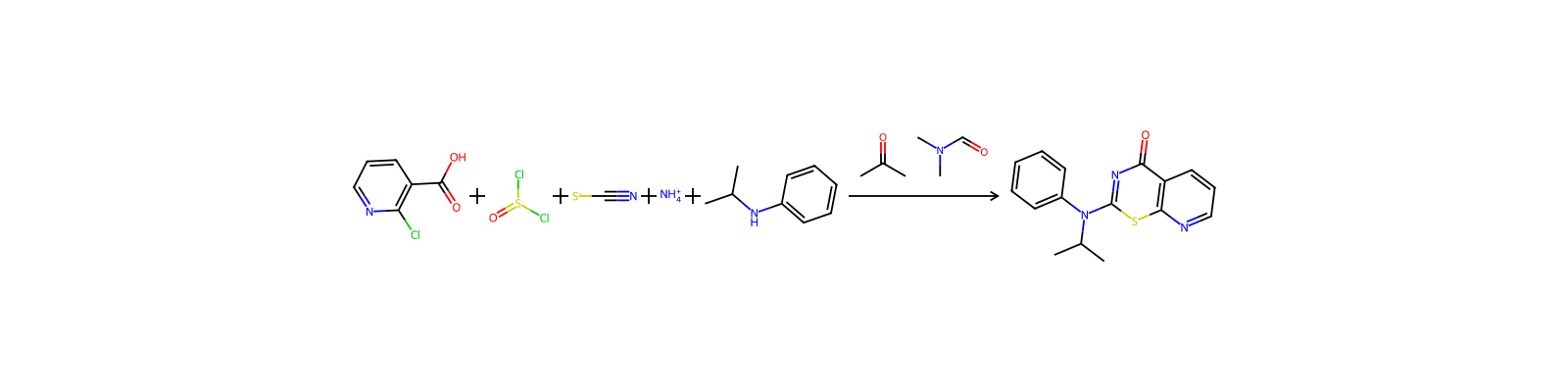
関連反応
420 件




化合物ノート
読み込み中…