
基本情報
- CAS
814-49-3- 標準SMILES
CCOP(=O)(Cl)OCC- InChIKey
LGTLXDJOAJDFLR-UHFFFAOYSA-N- 分子式
- C4H10ClO3P
- 平均分子量
- 172.55 g/mol
- 単同位体質量
- 172.00560849
概要
Diethyl chlorophosphate is a clear liquid. This material is used as an intermediate in organic synthesis. (EPA, 1998)
名称と識別子
- 優先名称
- Diethyl chlorophosphate
- IUPAC
- 1-[chloro(ethoxy)phosphoryl]oxyethane
- 現地名
- クロロりん酸ジエチル
- 英語名
- Diethyl chlorophosphate
- 分子式
- C4H10ClO3P
- 分子量
- 172.55
名称と別名
DIETHYL CHLOROPHOSPHATE814-49-3Diethyl phosphorochloridateDiethyl chlorophosphonateDiethoxyphosphoryl chlorideDiethyl phosphorochlorideO,O-Diethyl chlorophosphateDiethoxyphosphorus oxychlorideO,O-Diethyl chloridophosphateDiethylchlorfosfatDIETHYLCHLOROPHOSPHATEPhosphorochloridic acid, diethyl ester
名称をさらに表示
クロロりん酸ジエチルクロロホスホン酸O,O-ジエチルジエチルクロロホスフェイトクロリドりん酸ジエチルクロロリン酸=ジエチルクロロホスホン酸ジエチルジエチルホスホリルクロリドジエチル=ホスホロクロリダートクロロりん酸ジエチル, 97+%ジエチル クロロホスファートChlorodiethylphosphateCHLOROPHOSPHORIC ACID DIETHYL ESTERai3-18557[qr]AURORA KA-1634Diethyl chlorophosphe
O,O-Diethyl chlorophosphonateDiethylphosphoric acid chlorideO,O-Diethylphosphoryl chlorideO,O-Diethyl phosphorochloridate1-[chloro(ethoxy)phosphoryl]oxyethaneChlorophosphoric acid, diethyl esterEthyl phosphorochloridate (EtO)2ClPOEthyl phosphorochloridate (Cl(EtO)2PO)
データベース識別子
- CAS
814-49-3- PubChem CID
- 13139
- DTXSID
DTXSID4052556- ChEMBL
CHEMBL4083009- UNII
- F1NZC04LRU
- EC Number
- 212-396-4
- Nikkaji
- J50.408D
物性
構造計算による物性
- XLogP
- 1
- 極性表面積
- 35.5 Ų
- 水素結合供与体数
- 0
- 水素結合受容体数
- 3
- 回転可能結合数
- 4
- 重原子数
- 9
- 形式電荷
- 0
- 複雑度
- 106
実験および物理化学的性質
Chemical ClassesOther Classes -> Organophosphates, Other
SpringerMaterials PropertiesNuclear quadrupole resonance spectroscopy
Density
1.1915 at 77 °F (EPA, 1998) - Denser than water; will sink
1.1915 @ 25 °C
1.21 @ 20°C
Color/FormWater-white liquid
SolubilitySol in alcohols
Boiling Point
140 °F at 2 mmHg (EPA, 1998)
60 °C @ 2 mm Hg
DecompositionWhen heated to decomposition it emits ... very toxic fumes of /hydrogen chloride and phosphorous oxides/.
Vapor Density
5.94 (EPA, 1998) - Heavier than air; will sink (Relative to Air)
5.94
Refractive IndexIndex of refraction: 1.4153 @ 25 °C
Physical Description
Diethyl chlorophosphate is a clear liquid. This material is used as an intermediate in organic synthesis. (EPA, 1998)
Water-white liquid; [Hawley] Clear slightly brown liquid; [MSDSonline]
物理化学的性質
- 融点
- 95 · 95-96 °C
- 沸点
- 60 °C2 · 60 °C2 mm Hg(lit.)
- 比重(密度)
- 1.194 g/mL · 1.194 g/mL at 25 °C(lit.)
- 蒸気密度
- 5.94 · 5.94 (vs air)
- 蒸気圧
- 0.1 mm · 0.1 mm Hg ( 25 °C)
- 屈折率
- 20 · n20/D 1.416(lit.)
- 闪点
- 142 °F · 142 °F
- 貯蔵温度
- 2 · 2-8°C
- 溶解性
- Chloroform (Sparingly)
- 外見
- 液体
- 色
- 無色透明~薄黄色
- 水溶解度
- アルコール、クロロホルムに可溶。水にわずかに溶ける。
- BRN
- 471433 · 471433
- 安定性
- Hygroscopic, Moisture Sensitive
- InChI
- 1S/C4H10ClO3P/c1-3-7-9(5,6)8-4-2/h3-4H2,1-2H3
- InChIKey
- LGTLXDJOAJDFLR-UHFFFAOYSA-N
- SMILES
- CCOP(Cl)(=O)OCC
- LogP
- 0.61 · 0.61
- CAS データベース
- 814 · 814-49-3(CAS DataBase Reference)
- NISTの化学物質情報
- Phosphorochloridic acid, diethyl ester(814-49-3)
- EPAの化学物質情報
- Diethyl chlorophosphate (814-49-3)
化学的性質
化学的特性clear colorless to light yellow liquid
安全と法規制
GHS分類
GHS Classification
Danger
H300+H310+H330 (74.5%): Fatal if swallowed, in contact with skin or if inhaled [Danger Acute toxicity, oral; acute toxicity, dermal; acute toxicity, inhalation]
P260, P261, P262, P264, P270, P271, P280, P284, P301+P316, P302+P352, P304+P340, P316, P320, P321, P330, P361+P364, P403+P233, P405, and P501 (click each P-code to see the statement)
Aggregated GHS information provided per 51 reports by companies from 5 notifications to the ECHA C&L Inventory. Each notification may be associated with multiple companies.
危険有害性情報
Regulatory Information
Status: Active Update: 21-03-2018 https://echa.europa.eu/registration-dossier/-/registered-dossier/23013
Phosphorochloridic acid, diethyl ester: Does not have an individual approval but may be used under an appropriate group standard
The New Jersey Worker and Community Right to Know Act requires public and private employers to provide information about hazardous substances at their workplaces. (N.J.S.A. 34:5A-1 et. seq.)
DOT LabelPoison
Fire HazardsEmits very toxic fumes of chloride and phosphorus oxides when heated to decomposition. (EPA, 1998)
Fire PotentialCombustible
Health HazardsThis material is a cholinesterase inhibitor. It has high oral and very high dermal toxicity. It is a skin irritant. It is also toxic by inhalation. (EPA, 1998)
Hazards Summary
A cholinesterase inhibitor; [Hawley] A cholinesterase inhibitor and skin irritant; Highly toxic by ingestion and skin absorption; [CAMEO] A mild skin irritant; Somnolence and convulsions observed in lethal-dose feeding studies of mice; [RTECS]
Reactive GroupEsters, Sulfate Esters, Phosphate Esters, Thiophosphate Esters, and Borate Esters
Reactivity Profile
Organophosphates, such as DIETHYL CHLOROPHOSPHATE, are susceptible to formation of highly toxic and flammable phosphine gas in the presence of strong reducing agents such as hydrides. Partial oxidation by oxidizing agents may result in the release of toxic phosphorus oxides.
Air and Water ReactionsNo rapid reaction with air. No rapid reaction with water.
CERCLA Reportable Quantities
Releases of CERCLA hazardous substances are subject to the release reporting requirement of CERCLA section 103, codified at 40 CFR part 302, in addition to the requirements of 40 CFR part 355. Diethyl chlorophosphate is an extremely hazardous substance (EHS) subject to reporting requirements when stored in amounts in excess of its threshold planning quantity (TPQ) of 500 lbs.
Hazard Classes and CategoriesAcute Tox. 2 (100%)
安全と保護具
Fire Fighting
Use the following procedures for combustible liquids. Move container from fire area if you can do it without risk. Cool containers that are exposed to flames with water from the side until well after fire is out. For massive fire in cargo area, use unmanned hose holder or monitor nozzles; if this is impossible, withdraw from area and let fire burn. Withdraw immediately in case of rising sound from venting safety device or any discoloration of tank due to fire. Keep unnecessary people away; isolate hazard area and deny entry. Stay upwind; keep out of low areas. Wear self-contained (positive pressure if available) breathing apparatus and full protective clothing. Isolate for 1/2 mile in all directions if tank car or truck is involved in fire.
First AidNote: Diethyl chlorophosphate is a cholinesterase inhibitor.
Nonfire Spill ResponseCaution : Avoid sources of extreme heat including fire. Diethyl chlorophosphate will liberate toxic phosphorus oxide fumes and hydrogen chloride gas when heated to decomposition.
Disposal Methods
SRP: At the time of review, criteria for land treatment or burial (sanitary landfill) disposal practices are subject to significant revision. Prior to implementing land disposal of waste residue (including waste sludge), consult with environmental regulatory agencies for guidance on acceptable disposal practices.
Isolation and EvacuationExcerpt from ERG Guide 151 [Substances - Toxic (Non-Combustible)]:
Protective Action Criteria (PAC)
0.73 [mg/m3]
8.0 [mg/m3]
11 [mg/m3]
Personal Protective Equipment (PPE)
For emergency situations, wear a positive pressure, pressure-demand, full facepiece self-contained breathing apparatus (SCBA) or pressure- demand supplied air respirator with escape SCBA and a fully-encapsulating, chemical resistant suit. (EPA, 1998)
毒性情報
Adverse EffectsOther Poison - Organophosphate
法規制情報
CERCLA Reportable Quantities
Releases of CERCLA hazardous substances are subject to the release reporting requirement of CERCLA section 103, codified at 40 CFR part 302, in addition to the requirements of 40 CFR part 355. Diethyl chlorophosphate is an extremely hazardous substance (EHS) subject to reporting requirements when stored in amounts in excess of its threshold planning quantity (TPQ) of 500 lbs.
安全データ
- F
- 10-19-21
- wgk
- 3
- tsca
- TSCA listed
- rtecs
- TD1400000
- ridadr
- UN 2927 6.1/PG 1
- hs_code
- 29199000
- risk_code
- 23-27/28-33-26/27/28-34
- 消防法
- 危-4-2-III
- hazard_code
- T+
- safety_code
- 26-36/37/39-45-38-28A-7/9-28
- hazard_class
- 6.1(a)
- packing_group
- II
- Hazard Classifications
- Acute Tox. 1 DermalAcute Tox. 2 OralAcute Tox. 3 Inhalation
- ストレージクラス
- 6.1A - Combustible acute toxic Cat. 1 and 2very toxic hazardous materials
- 有毒物質データの
- 814-49-3(Hazardous Substances Data)
化学と産業
薬理情報
Mechanism of ActionCholinesterase inhibitor
Absorption, Distribution and ExcretionSkin absorption.
用途と製造
Uses
Used as intermediate in organic synthesis; [Hawley]
Intermediate in organic synthesis
Impurities95% minimum purity grade
Formulations/PreparationsGrade: Technical
General Manufacturing Information
Phosphorochloridic acid, diethyl ester: ACTIVE
Available in 55 gallon drums
応用分野
使用A phosphorous halide used for biochemical research. Also used as an intermediate in organic synthesis.
一般的な説明Clear liquid. Diethyl chlorophosphate is used as an intermediate in organic synthesis.
上流・下流製品情報
上流原料
下流製品
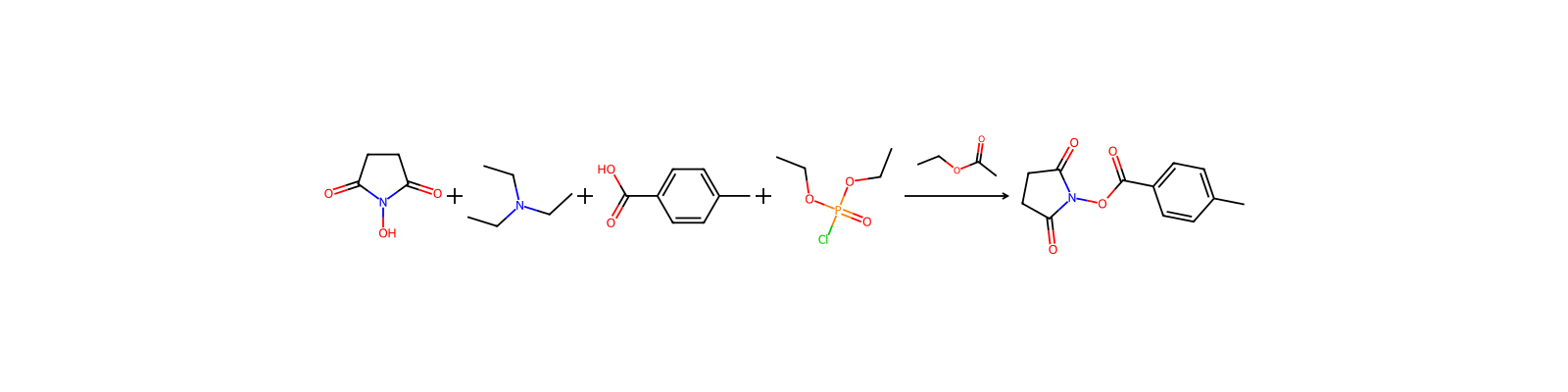
関連反応
531 件


化合物ノート
読み込み中…