4-アミノフェニル酢酸
4-Aminophenylacetic acid

基本情報
- CAS
1197-55-3- 標準SMILES
Nc1ccc(CC(=O)O)cc1- InChIKey
CSEWAUGPAQPMDC-UHFFFAOYSA-N- 分子式
- C8H9NO2
- 平均分子量
- 151.16 g/mol
- 単同位体質量
- 151.06332853
概要
peptide mimic; structure in first source
名称と識別子
- 優先名称
- 4-Aminophenylacetic acid
- IUPAC
- 2-(4-aminophenyl)acetic acid
- 現地名
- 4-アミノフェニル酢酸
- 英語名
- 4-Aminophenylacetic acid
- 分子式
- C8H9NO2
- 分子量
- 151.16
名称と別名
4-Aminophenylacetic acid1197-55-3Benzeneacetic acid, 4-amino-P-AMINOPHENYLACETIC ACID4-Aminobenzeneacetic acidAcetic acid, (p-aminophenyl)-p-Amino-alpha-toluic acid1IED47A544NSC-7929DTXSID1061609RefChem:978634-APAA
名称をさらに表示
4-アミノフェニル酢酸p-アミノフェニル酢酸(4-アミノフェニル)酢酸2-(4-アミノフェニル)酢酸4-アミノベンゼン酢酸p-アミノ-α-トルイル酸P‐アミノフェニル酢酸4-アミノフェニル酢酸, 98%H-4-APH-OH4-AminophenylaceticNSC 7929H-APH(4)-OH4-AMino acidp-Amino-alphAKOS BBS-00006880Desacetyl Actarit
DTXCID3033519214-828-72-(4-aminophenyl)acetic acid(4-aminophenyl)acetic acid4-Carboxymethylaniline(para-Aminophenyl)acetic acidMFCD00007916(p-Aminophenyl)acetic acid
データベース識別子
- CAS
1197-55-3- PubChem CID
- 14533
- DTXSID
DTXSID1061609- ChEMBL
CHEMBL3278327- UNII
- 1IED47A544
- EC Number
- 214-828-7
- Nikkaji
- J27.580H
物性
構造計算による物性
- XLogP
- 0.9
- 極性表面積
- 63.3 Ų
- 水素結合供与体数
- 2
- 水素結合受容体数
- 3
- 回転可能結合数
- 2
- 重原子数
- 11
- 形式電荷
- 0
- 複雑度
- 139
実験および物理化学的性質
Chemical ClassesNitrogen Compounds -> Other Aromatics (Nitrogen)
Physical DescriptionSolid; [Merck Index] Tan powder; [Alfa Aesar MSDS]
物理化学的性質
- 融点
- 201 °C · 201 °C (dec.) (lit.)
- 沸点
- 273.17 °C · 273.17°C (rough estimate)
- 比重(密度)
- 1.2023 · 1.2023 (rough estimate)
- 屈折率
- 1.5635 · 1.5635 (rough estimate)
- 闪点
- 201 °C · 201°C
- 貯蔵温度
- 30 °C · Store below +30°C.
- 酸解離定数(Pka)
- 1 · pK1: 3.60;pK2: 5.26 (20°C)
- 外見
- 粉
- 色
- ライトイエローからベージュ
- 水溶解度
- 水に非常に溶けやすい。
- Decomposition
- 201 · 201 ºC
- Merck
- 14 · 14,463
- BRN
- 2208094 · 2208094
- InChI
- 1S/C8H9NO2/c9-7-3-1-6(2-4-7)5-8(10)11/h1-4H,5,9H2,(H,10,11)
- InChIKey
安全と法規制
安全情報は参考情報です。供給元の安全データシート(SDS)、適用法令、専門家による評価に代わるものではありません。
GHS分類
GHS Classification
Warning
H315 (100%): Causes skin irritation [Warning Skin corrosion/irritation]
P261, P264, P264+P265, P271, P280, P302+P352, P304+P340, P305+P351+P338, P319, P321, P332+P317, P337+P317, P362+P364, P403+P233, P405, and P501 (click each P-code to see the statement)
Aggregated GHS information provided per 9 reports by companies from 3 notifications to the ECHA C&L Inventory. Each notification may be associated with multiple companies.
危険有害性情報
Regulatory Information
Chemical: Benzeneacetic acid, 4-amino-
Benzeneacetic acid, 4-amino-: Does not have an individual approval but may be used under an appropriate group standard
Hazards SummaryA skin and strong eye irritant; May induce methemoglobinemia; [Alfa Aesar MSDS]
Hazard Classes and CategoriesSkin Irrit. 2 (100%)
毒性情報
Adverse EffectsMethemoglobinemia - The presence of increased methemoglobin in the blood; the compound is classified as secondary toxic effect
安全データ
- F
- 13
- wgk
- 3
- tsca
- TSCA listed
- rtecs
- AF3550000
- 毒性
- mouse,LD50,intraperitoneal,3500mg/kg (3500mg/kg),Farmaco, Edizione Scientifica. Vol. 13, Pg. 286, 1958.
- hs_code
- 29224995
- risk_code
化学と産業
用途と製造
UsesPeptide mimic. [ChemIDplus]
General Manufacturing InformationBenzeneacetic acid, 4-amino-: ACTIVE
応用分野
使用4-Aminophenylacetic acid is used as a non-translocated competitive inhibitor of the epithelial peptide transporter PepT1. It can be detected using HPLC, NMR techniques.
調製方法
製造方法p-aminophenylacetic acid is obtained by the reduction of 4-nitrophenylacetic acid. In a reactor, water, 4-nitrophenylacetic acid, and acetic acid are added. The mixture is stirred and heated to 90-95℃. Iron powder is added in portions and refluxed for 2 hours. The mixture is cooled to 40-50℃ and neutralized with sodium carbonate to pH=9, then filtered. The filtrate is further neutralized with acetic acid until pH=4, resulting in the precipitation of 4-aminophenylacetic acid. The yield is 95%.
純化方法Crystallise the acid from hot water (60-70mL/g). [Beilstein 14 III 1182.]
上流・下流製品情報
上流原料
下流製品
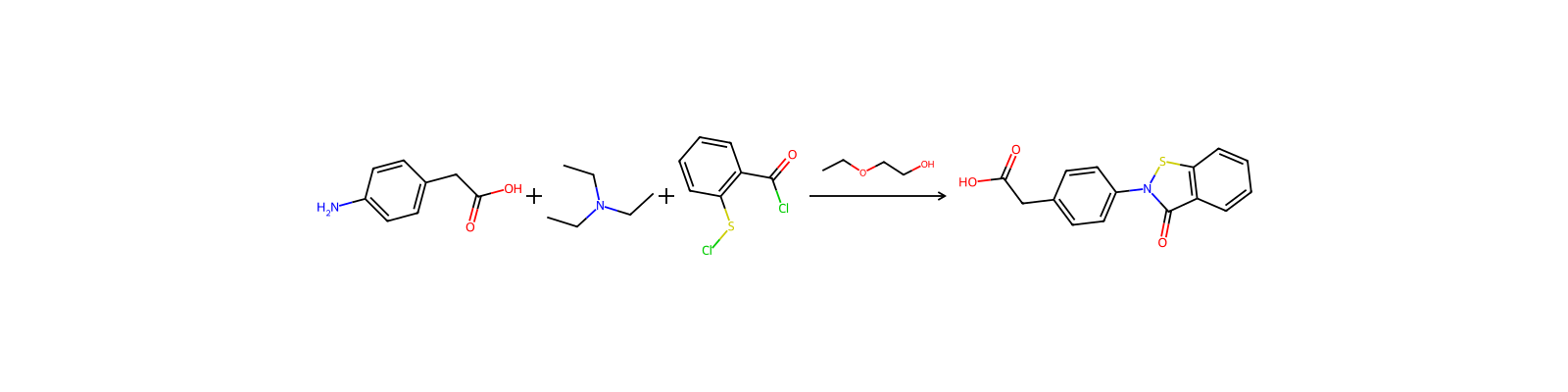
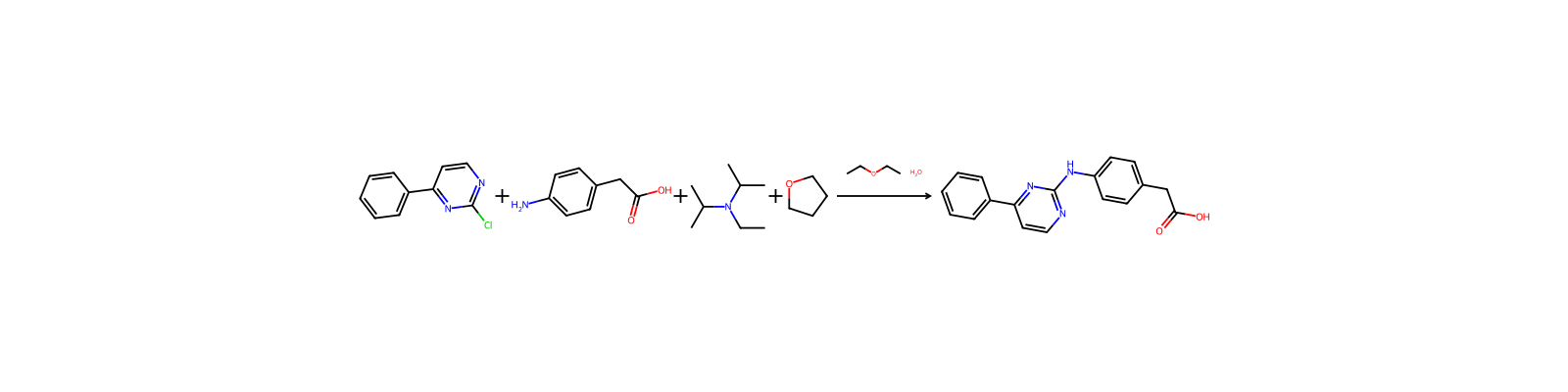
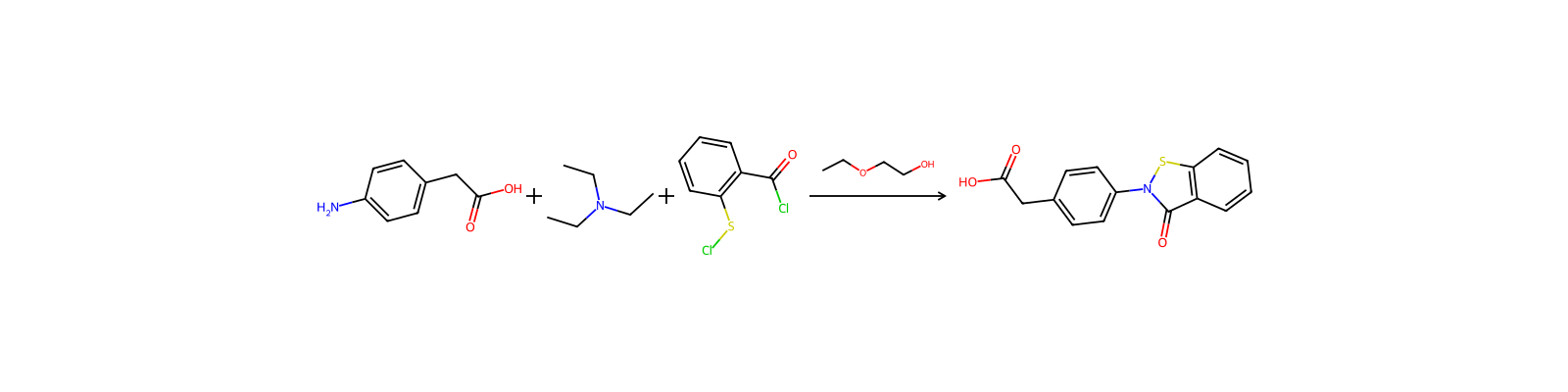
関連反応
150 件





化合物ノート
読み込み中…