

基本情報
- 標準SMILES
O=C(O)[C@@H]1CCCN1- InChIKey
ONIBWKKTOPOVIA-BYPYZUCNSA-N- 分子式
- C5H9NO2
- 平均分子量
- 115.13 g/mol
- 単同位体質量
- 115.06332853
概要
L-proline is pyrrolidine in which the pro-S hydrogen at position 2 is substituted by a carboxylic acid group. L-Proline is the only one of the twenty DNA-encoded amino acids which has a secondary amino group alpha to the carboxyl group. It is an essential component of collagen and is important for proper functioning of joints and tendons. It also helps maintain and strengthen heart muscles. It has a role as a member of compatible osmolytes, a micronutrient, a nutraceutical, a mouse metabolite, a Saccharomyces cerevisiae metabolite, an Escherichia coli metabolite and an algal metabolite. It is a L-alpha-amino acid, a glutamine family amino acid, a proline and a proteinogenic amino acid. It is a conjugate base of a L-prolinium. It is a conjugate acid of a L-prolinate. It is an enantiomer of a D-proline. It is a tautomer of a L-proline zwitterion.
名称と識別子
- 優先名称
- L-Proline
- IUPAC
- (2S)-pyrrolidine-2-carboxylic acid
- 現地名
- L-プロリン
- 英語名
- L-Proline
- 分子式
- C5H9NO2
- 分子量
- 115.13
名称と別名
L-proline147-85-3prolineL-(-)-Proline(2S)-pyrrolidine-2-carboxylic acid(S)-Pyrrolidine-2-carboxylic acid(-)-Proline2-pyrrolidinecarboxylic acid(-)-(S)-Proline(S)-2-Pyrrolidinecarboxylic acidprolinaProlinum
名称をさらに表示
L-プロリンプロリンL(-)-プロリンL-2-ピロリジンカルボン酸L(-)‐プロリンL‐プロリンL‐プロリン CRM6016‐AL-プロリン-D7プロリン, L-L-プロリン (JP17)プロリン 1プロリン 2プロリンL-プロリン CRM6016-aPROH-PRO-OHL-PROL-Pro-OHL-PolineH-L-PRO-OH
(S)-Proline(-)-2-Pyrrolidinecarboxylic acidL-ProlinL-alpha-Pyrrolidinecarboxylic acid(S)-2-CarboxypyrrolidineProlinum [Latin]FEMA No. 33192-Pyrrolidinecarboxylic acid, (S)-
データベース識別子
- CAS
147-85-3、37159-97-0、4305-67-3、609-36-9- PubChem CID
- 145742
- DTXSID
DTXSID5044021- ChEMBL
CHEMBL54922- ChEBI
CHEBI:17203- UNII
- 9DLQ4CIU6V
- EC Number
- 205-702-2、925-434-6
- Nikkaji
- J9.117K
物性
構造計算による物性
- XLogP
- -2.5
- 極性表面積
- 49.3 Ų
- 水素結合供与体数
- 2
- 水素結合受容体数
- 3
- 回転可能結合数
- 1
- 重原子数
- 8
- 形式電荷
- 0
- 複雑度
- 103
実験および物理化学的性質
Chemical ClassesBiological Agents -> Amino Acids and Derivatives
Cosmetics
Cosmetic ingredients (Proline) -> CIR (Cosmetic Ingredient Review)
Skin conditioning; Antistatic; Hair conditioning
LogP
log Kow = -2.54
-2.54
OdorOdorless
TasteSweet
Food AdditivesFLAVOR ENHANCER, FLAVORING AGENT OR ADJUVANT, NUTRIENT SUPPLEMENT -> FDA Substance added to food
Density1.064 at 24 °C
Flavoring AgentsEU Flavoring substances
Color/Form
Flat needles from alcohol + ether; prisms from water
White crystals or crystalline powder
Solubility
Solubility in 100 mL of water: 127 g at 0 °C; 162 g at 25 °C; 206.7 g at 50 °C; 239 g at 65 °C
Solubility in alcohol: 1.55% at 35 °C; insoluble in ether, butanol, isopropanol
Very soluble in water, alcohol; insoluble in ether
Very soluble in water; slightly soluble in ethanol, acetone, benzene; insoluble in ether, propanol
162.0 mg/mL
DecompositionWhen heated to decomposition it emits toxic vapors of /nitrogen oxides/.
Melting Point
220-222 °C, decomposes
MP: 215-220 °C with decomposition /D(+)-Proline/
MP: 205 °C with decomposition /DL-Proline/
221 °C
物理化学的性質
- 融点
- 228 °C · 228 °C (dec.) (lit.)
- 比旋光度
- -85.5 · -85.5 º (c=4, H2O)
- 沸点
- 215.41 °C · 215.41°C (rough estimate)
- 比重(密度)
- 1.35 · 1.35
- 蒸気圧
- 0 Pa · 0Pa at 25℃
- FEMA
- 3319 · 3319 | L-PROLINE
- 屈折率
- -85 ° · -85 ° (C=4, H2O)
- 貯蔵温度
- 2 · 2-8°C
- 溶解性
- 2 O: · H2O: 50 mg/mL
- 外見
- 粉
- 酸解離定数(Pka)
- 1.95 · 1.95, 10.64(at 25℃)
- 色
- 白い
- PH
- 6 · 6.0-7.0 (25℃, 1M in H2O)
- 臭い (Odor)
- 100 %で。無臭 · 100.00%で。無臭
- においのタイプ
- 無臭
- 由来生物
- synthetic
- 水溶解度
- 溶ける
- JECFA Number
- 1425 · 1425
- Merck
- 14 · 14,7780
- BRN
- 80810 · 80810
- 安定性
- 安定。強力な酸化剤とは相容れない。
- 化粧品成分の機能
- スキンコンディショニングヘアコンディショニング
- InChI
- 1S/C5H9NO2/c7-5(8)4-2-1-3-6-4/h4,6H,1-3H2,(H,7,8)/t4-/m0/s1
- InChIKey
- ONIBWKKTOPOVIA-UHFFFAOYSA-N
- SMILES
- OC(=O)[C@@H]1CCCN1
- LogP
- -2.54 at · -2.54 at 20℃
- CAS データベース
- 147 · 147-85-3(CAS DataBase Reference)
- NISTの化学物質情報
- Proline(147-85-3)
- EPAの化学物質情報
- L-Proline (147-85-3)
化学的性質
化学的特性L-Proline, an amino acid, is colorless to white crystal or crystalline powder that has a slight, characteristic odor with a slightly sweet taste. It is soluble in water, insoluble in ethanol, diethyl ether and n-butanol, yellow in case of hydrated ninhydrin test solution, glacial acetic acid Red after acidification; pH=6.3, decomposition point is 220-222°C; specific optical rotation [α]20D-85° (0.5-2.0mg/ml, H2O), [α]20D-60.4° (0.5-2.0mg /ml, 5mol/LHCl). It is synthesized from L-glutamine and L-glutamate via L-ornithine in intestine, and from L-ornithine in liver. It is widely used as an ingredient in infusion and infant formula.
安全と法規制
GHS分類
GHS Classification
This chemical does not meet GHS hazard criteria for 99.1% (419 of 423) of all reports.
Not Classified
Aggregated GHS information provided per 423 reports by companies from 6 notifications to the ECHA C&L Inventory.
危険有害性情報
Regulatory Information
Chemical: L-Proline
Regulation (EC) No 1831/2003 (amended)
L-Proline is listed on the EPA's Chemical Data Reporting (CDR) system. Manufacturers and importers of L-Proline are required to report information about their production and use of this chemical to the EPA under the Toxic Substances Control Act (TSCA). (40 eCFR Part 711)
Status: Active Update: 28-03-2023 https://echa.europa.eu/registration-dossier/-/registered-dossier/13104
L-Proline: Does not have an individual approval but may be used under an appropriate group standard
Other Safety InformationIMAP assessments - L-Proline: Environment tier I assessment
Hazards SummarySmall increase in resorptions observed in intraperitoneal study of rats; [REPROTOX] Safe when used as a flavoring agent in food; [JECFA] May cause irritation; [Sigma-Aldrich MSDS]
FDA Requirements
The food additive amino acids may be safely used as nutrients added to foods in accordance with the following conditions: (a) The food additive consists of one or more of the following individual amino acids in the free, hydrated, or anhydrous form, or as the hydrochloride, sodium, or potassium salts. L-Proline is included on this list.
Toxic Combustion ProductsSpecial hazards arising from the substance or mixture: Carbon oxides, Nitrogen oxides
Hazard Classes and CategoriesNot Classified
Hazardous Reactivities and IncompatibilitiesIncompatible materials: Strong oxidizing agents
安全と保護具
Fire Fighting Procedures
Suitable extinguishing media: Use water spray, alcohol-resistant foam, dry chemical or carbon dioxide.
Advice for firefighters: Wear self-contained breathing apparatus for firefighting if necessary.
Storage ConditionsKeep container tightly closed in a dry and well-ventilated place. Storage class (TRGS 510): Non Combustible Solids.
Cleanup Methods
ACCIDENTAL RELEASE MEASURES: Personal precautions, protective equipment and emergency procedures: Avoid dust formation. Avoid breathing vapors, mist or gas. Methods and materials for containment and cleaning up: Sweep up and shovel. Keep in suitable, closed containers for disposal.
Disposal Methods
SRP: Recycle any unused portion of the material for its approved use or return it to the manufacturer or supplier. Ultimate disposal of the chemical must consider: the material's impact on air quality; potential migration in air, soil or water; effects on animal, aquatic and plant life; and conformance with environmental and public health regulations. If it is possible or reasonable use an alternative chemical product with less inherent propensity for occupational harm/injury/toxicity or environmental contamination.
Product: Offer surplus and non-recyclable solutions to a licensed disposal company; Contaminated packaging: Dispose of as unused product.
Preventive Measures
ACCIDENTAL RELEASE MEASURES: Personal precautions, protective equipment and emergency procedures: Avoid dust formation. Avoid breathing vapors, mist or gas.
Precautions for safe handling: Further processing of solid materials may result in the formation of combustible dusts. The potential for combustible dust formation should be taken into consideration before additional processing occurs. Provide appropriate exhaust ventilation at places where dust is formed.
Appropriate engineering controls: General industrial hygiene practice.
Gloves must be inspected prior to use. Use proper glove removal technique (without touching glove's outer surface) to avoid skin contact with this product. Dispose of contaminated gloves after use in accordance with applicable laws and good laboratory practices. Wash and dry hands.
SRP: Local exhaust ventilation should be applied wherever there is an incidence of point source emissions or dispersion of regulated contaminants in the work area. Ventilation control of the contaminant as close to its point of generation is both the most economical and safest method to minimize personnel exposure to airborne contaminants. Ensure that the local ventilation moves the contaminant away from the worker.
Personal Protective Equipment (PPE)
Eye/face protection: Use equipment for eye protection tested and approved under appropriate government standards such as NIOSH (US) or EN 166(EU).
Skin protection: Handle with gloves.
Body Protection: Choose body protection in relation to its type, to the concentration and amount of dangerous substances, and to the specific work-place. The type of protective equipment must be selected according to the concentration and amount of the dangerous substance at the specific workplace.
Respiratory protection: Respiratory protection is not required. Where protection from nuisance levels of dusts are desired, use type N95 (US) or type P1 (EN 143) dust masks. Use respirators and components tested and approved under appropriate government standards such as NIOSH (US) or CEN (EU).
毒性情報
Interactions
Proline plays an important role in plant response to various environmental stresses. However, its involvement in mitigation of heavy metal stress in plants remains elusive. In this study, we examined the effectiveness of exogenous proline (10 and 20 mM) in alleviating cadmium induced inhibitory effects in young olive plants (Olea europaea L. cv. Chemlali) exposed to two Cd levels (10 and 30 mg CdCl2/kg soil). The Cd treatment induced substantial accumulation of Cd in both root and leaf tissues and a decrease in gas exchange, photosynthetic pigments contents, uptake of essential elements (Ca, Mg and K) and plant biomass. Furthermore, an elevation of antioxidant enzymes activities (superoxide dismutase, catalase, glutathione peroxydase) and proline content in association with relatively high amounts of hydrogen peroxide, thiobarbituric acid reactive substances and electrolyte leakage were observed. Interestingly, the application of exogenous proline alleviated the oxidative damage induced by Cd accumulation. In fact, Cd-stressed olive plants treated with proline showed an increase of antioxidant enzymes activities, photosynthetic activity, nutritional status, plant growth and oil content of olive fruit. Generally, it seems that proline supplementation alleviated the deleterious effects of young olive plants exposed to Cd stress.
The ability of exogenous compatible solutes, such as proline, to counteract cadmium (Cd) inhibitory effects in young date palm plants (Phoenix dactylifera L. cv Deglet Nour) was investigated. Two-year-old date palm plants were subjected for five months at different Cd stress levels (0, 10 and 30 mg CdCl2/kg soil) whether supplied or not with exogenous proline (20 mM) added through the irrigation water. Different levels of Cd stress altered plant growth, gas exchanges and chlorophyll content as well as water status, but at different extent among them. In contrast, an increase of antioxidant enzymes activities of Cd-treated plants in association with high amounts of proline content, hydrogen peroxide (H2O2), thiobarbituric acid reactive substances (TBARS) and electrolyte leakage (EL) were observed. Interestingly, exogenous proline mitigated the adverse effects of Cd on young date palm. Indeed, it alleviated the oxidative damage induced by Cd accumulation and established better levels of plant growth, water status and photosynthetic activity. Moreover, proline-treated plants showed high antioxidant enzymes activities (superoxide dismutase, catalase and glutathione peroxydase) in roots and leaves as compared to Cd-treated plants.
Hydroponic experiments were conducted to investigate an effect of exogenous application of proline (Pro; 25 uM) in alleviating arsenate (As(V); 5 and 25 uM) toxicity in Solanum melongena L. (eggplant) seedlings. Exposure of As(V) declined growth of eggplant, which was coincided with an enhanced accumulation of As. However, exogenous Pro application alleviated As(V) toxicity in eggplant seedlings by reducing the accumulation of As. The fluorescence characteristics (JIP-test): phiP0, psi0, phiE0, PIABS, ABS/RC, TR0/RC, ET0/RC, DI0/RC, NPQ and qP were also affected by As(V). However, the effects of As(V) were more prominent on PIABS DI0/RC and NPQ. In Pro treated seedlings, following parameters viz. phiP0, psi0, phiE0 and PIABS were stimulated, while, energy flux parameters (ABS/RC, TR0/RC, ET0/RC and DI0/RC) were inhibited. Toxic effects of As(V) on photochemistry of photosystem II (PS II) were ameliorated by an exogenous application of Pro. Oxidative stress markers: superoxide radical, hydrogen peroxide and malondialdehyde (lipid peroxidation) were enhanced by As(V) exposure, however, their levels were significantly diminished by an exogenous application of Pro. Treatment of As(V) stimulated the activities of superoxide dismutase, peroxidase and catalase except that of glutathione-S-transferase. Exogenous Pro application improved the activities of enzymatic antioxidants. The level of endogenous Pro was higher in As(V) treated as well as in Pro fed seedlings. The activity of a key enzyme of Pro biosynthesis: delta(1)-pyrroline-5-carboxylate synthetase was higher in Pro fed seedlings. The activity of Pro dehydrogenase was inhibited under As(V) stress, and its activity was minimum in case of Pro+As(V) combination. These results indicate that Pro metabolism could play a key role in regulating the accumulation of As and levels of antioxidants, which concomitantly result into a better growth of eggplant seedlings when compared to the As(V) treatments alone.
This study was aimed to evaluate protective and therapeutic effects of a specific mixture, containing vitamin C, lysine, proline, epigallocatechin gallate and zinc, as well as alpha-1-antitrypsin protein on lung tumorigenesis induced by benzo(a) pyrene [B(a)P] in mice. Swiss albino mice were divided into two main experiments, experiment (1) the mice were injected with 100 mg/kg B(a)P and lasted for 28 weeks, while experiment (2) the mice were injected with 8 doses each of 50 mg/kg B(a)P and lasted for 16 weeks. Each experiment (1 and 2) divided into five groups, group (I) received vehicle, group (II) received the protector mixture, group (III) received the carcinogen B(a)P, group (IV) received the protector together with the carcinogen (simultaneously) and group (V) received the carcinogen then the protector (consecutively). Total sialic acid, thiobarbituric acid reactive substances, vascular epithelial growth factor, hydroxyproline levels, as well as elastase and gelatinase activities showed significant elevation in group (III) in the two experiments comparing to control group (P < 0.001). These biochemical alterations were associated with histopathological changes. Administration of the protector in group IV and group V causes significant decrease in such parameters with improvement in histopathological alterations with improvement in histopathological alterations when compared with group III in the two experiments (P < 0.001). The present protector mixture has the ability to suppress neoplastic alteration and restore the biochemical and histopathological parameters towards normal on lung carcinogenesis induced by benzo(a) pyrene in mice. Furthermore, the present mixture have more protective rather than therapeutic action.
For more Interactions (Complete) data for (L)-PROLINE (8 total), please visit the HSDB record page.
Health EffectsChronically high levels of proline are associated with at least 5 inborn errors of metabolism including: Hyperprolinemia Type I, Hyperprolinemia Type II, Iminoglycinuria, Prolinemia Type II and Pyruvate carboxylase deficiency.
Environmental Fate
TERRESTRIAL FATE: Based on a classification scheme(1), an estimated Koc value of 3.4(SRC), determined from a structure estimation method(2), indicates that (L)-proline is expected to have very high mobility in soil(SRC). The pKa values of (L)-proline are 1.99 and 10.60(3), indicating that this compound will exist as a zwitterion in the environment and zwitterions generally adsorb more strongly to soils containing organic carbon and clay than their neutral counterparts(4). Volatilization from moist soil is not expected because the compound exists as an ion and ions do not volatilize. (L)-Proline is not expected to volatilize from dry soil surfaces(SRC) based upon an estimated vapor pressure of 3.0X10⁻⁸ mm Hg at 25 °C(SRC), determined from a fragment constant method(2). Using aquatic screening tests, 100% biodegradation of (L)-proline was reported(5), suggesting that biodegradation is an important environmental fate process in soil(SRC).
AQUATIC FATE: Based on a classification scheme(1), an estimated Koc value of 3.4(SRC), determined from a structure estimation method(2), indicates that (L)-proline is not expected to adsorb to suspended solids and sediment(SRC). The pKa values of (L)-proline are 1.99 and 10.60(3), indicating that this compound will exist as a zwitterion at pH values of 5 to 9; therefore, volatilization from water surfaces is not expected to be an important fate process. According to a classification scheme(4), an estimated BCF of 3(SRC), from its log Kow of -2.54(5) and a regression-derived equation(2), suggests the potential for bioconcentration in aquatic organisms is low(SRC). Using aquatic screening tests, 100% biodegradation of (L)-proline was reported(6), suggesting that biodegradation is an important environmental fate process in water(SRC).
ATMOSPHERIC FATE: According to a model of gas/particle partitioning of semivolatile organic compounds in the atmosphere(1), (L)-proline, which has an estimated vapor pressure of 3.02X10⁻⁸ mm Hg at 25 °C(SRC), determined from a fragment constant method(2), is expected to exist solely in the particulate phase in the ambient atmosphere. Particulate-phase (L)-proline may be removed from the air by wet and dry deposition(SRC).(L)-Proline does not contain chromophores that absorb at wavelengths >290 nm(4) and, therefore, is not expected to be susceptible to direct photolysis by sunlight(SRC).
Toxicity Summary
Safe in the present practices of use and concentration. Ingredient, concentration, and use information are available in documents discoverable at https://cir-reports.cir-safety.org
IDENTIFICATION AND USE: L-Proline is a solid. It is used in biochemical and nutritional research, microbiological tests, culture media, as a laboratory reagent, and dietary supplement. It is also used in pharmaceutical preparations for injection or infusion. HUMAN EXPOSURE AND TOXICITY: There are no data available. ANIMAL STUDIES: In a 30-day study, a group of seven female rats were given L-proline at a dose of 50 mg/kg bw per day in water. A group of 10 rats served as the control group. After 30 days, all animals were weighed, necropsied, and subjected to a complete gross examination. Histopathology and microscopic examinations of the liver and kidneys were conducted. Samples of serum were obtained for determination of enzyme activities, and concentrations of creatinine and total protein. There were no treatment-related effects in rats given L-proline at 50 mg/ kg bw per day compared with the controls. Of 20 common amino acids only proline enhanced formation of mutagenic activity measured in S typhimurium TA98 with rat liver microsomes. In the assay for reverse mutation in Salmonella typhimurium, negative results were reported for L-proline at concentrations of up to 1000 mg/mL, with and without metabolic activation, in several strains of S. typhimurium (TA92, TA97, TA98, TA100, TA102, TA1530, TA1531, TA1532, TA1535, TA1537, TA1538, and TA1964). ECOTOXICITY STUDIES: Proline-treated plants showed high antioxidant enzymes activities (superoxide dismutase, catalase and glutathione peroxydase) in roots and leaves as compared to Cd-treated plants. Proline plays an important role in plant response to various environmental stresses. For example, proline supplementation alleviated the deleterious effects of young olive plants exposed to Cd stress.
Glycogenic, by L-Proline oxidase in the kidney, it is ring-opened and is oxidized to form L-Glutamic acid. L-Ornithine and L-Glutamic acid are converted to L-Proline via L-Glutamic acid-gamma-semialdehyde. It is contained abundantly in collagen, and is intimately involved in the function of arthrosis and chordae.
Plant ConcentrationsProline has been identified in over 200 plants(1). /Proline/[Table#2998]
Soil Adsorption/Mobility
Using a structure estimation method based on molecular connectivity indices(1), the Koc of (L)-proline can be estimated to be 3.41(SRC). According to a classification scheme(2), this estimated Koc value suggests that (L)-proline is expected to have very high mobility in soil. The pKa values of (L)-proline are 1.99 and 10.60(3), indicating that this compound will exist as a zwitterion in the environment and zwitterions generally adsorb more strongly to soils containing organic carbon and clay than their neutral counterparts(4).
Natural Pollution Sources(L)-Proline is a non-essential amino acid for human development. It is the only imino acid of the 20 amino acids commonly found in proteins(1). (L)-Proline occurs in over 200 plants(2).
Artificial Pollution Sources
(L)-Proline's production and use in parenteral nutrition(1), as a dietary supplement(1), food additive(2) and as a starting material for pharmaceutical manufacture(1) may result in its release to the environment through various waste streams(SRC).
Environmental Biodegradation
AEROBIC: (L)-Proline was determined to be readily biodegradable in water based on 100% biodegradation using screening tests(1).
PURE CULTURE: Pseudomonas, Dithiobacter, Enterobacter and some species of Bacillus, which are able to use methylamine as a sole nitrogen source but not as a sole carbon source, were able to use (L)-proline as both a carbon and energy source(1).
Carcinogen ClassificationNo indication of carcinogenicity to humans (not listed by IARC).
Environmental Bioconcentration
An estimated BCF of 3 was calculated in fish for (L)-proline(SRC), using a log Kow of -2.54(1) and a regression-derived equation(1). According to a classification scheme(2), this BCF suggests the potential for bioconcentration in aquatic organisms is low(SRC).
Volatilization from Water/Soil
The pKa values of (L)-proline are 1.99 and 10.60(1), indicating that this compound will exist as a zwitterion at pH values of 5 to 9; therefore, volatilization from water surfaces is not expected to be an important fate process. (L)-Proline is not expected to volatilize from dry soil surfaces(SRC) based upon an estimated vapor pressure of 3.0X10⁻⁸ mm Hg(SRC), determined from a fragment constant method(2).
法規制情報
FDA Requirements
The food additive amino acids may be safely used as nutrients added to foods in accordance with the following conditions: (a) The food additive consists of one or more of the following individual amino acids in the free, hydrated, or anhydrous form, or as the hydrochloride, sodium, or potassium salts. L-Proline is included on this list.
安全データ
- F
- 3-10
- wgk
- 3
- tsca
- TSCA listed
- rtecs
- TW3584000
- 毒性
- LD50 orally in Rabbit: > 5110 mg/kg
- hs_code
- 29339990
- risk_code
- 36/37/38-22
- 化審法
- (9)-1626 届出不要化学物質
- hazard_code
- Xi,Xn
- safety_code
- 24/25-36/37/39-26
- ストレージクラス
- 13 - Non Combustible Solids
- 有毒物質データの
- 147-85-3(Hazardous Substances Data)
化学と産業
薬理情報
Bionecessity
L-Proline is one of the twenty amino acids used in living organisms as the building blocks of proteins. Proline is sometimes called an imino acid, although the IUPAC definition of an imine requires a carbon-nitrogen double bond. Proline is a non-essential amino acid that is synthesized from glutamic acid. It is an essential component of collagen and is important for proper functioning of joints and tendons.
Pharmacodynamics
L-Proline is a major amino acid found in cartilage and is important for maintaining youthful skin as well as repair of muscle, connective tissue and skin damage. It is also essential for the immune system, and for necessary balance of this formula. It is an essential component of collagen and is important for proper functioning of joints and tendons. L-Proline is extremely important for the proper functioning of joints and tendons. Helps maintain and strengthen heart muscles.
Mechanism of Action
Glycogenic, by L-Proline oxidase in the kidney, it is ring-opened and is oxidized to form L-Glutamic acid. L-Ornithine and L-Glutamic acid are converted to L-Proline via L-Glutamic acid-gamma-semialdehyde. It is contained abundantly in collagen, and is intimately involved in the function of arthrosis and chordae.
Metabolism/Metabolites
Hepatic
L-proline exhibits the same metabolic pathway as several other amino acids do. Metabolism of L-proline is thus described by the entire pathway. This pathway (also known as "Ornithine and Proline Metabolism") describes the co-metabolism of arginine, ornithine, proline, citrulline and glutamate in humans. Arginine is synthesized from citrulline by the sequential action of the cytosolic enzymes argininosuccinate synthetase (ASS) and argininosuccinate lyase (ASL). Citrulline can be derived from ornithine via the catabolism of proline or glutamine/glutamate. Many of the reactions required to generate proline and glutamate from ornithine are located in the mitochondria. Proline is biosynthetically derived from glutamate and its immediate precursor, 1-pyrroline-5-carboxylate. The pathways linking arginine, glutamine, and proline are bidirectional. Thus, the net utilization or production of these amino acids is highly dependent on cell type and developmental stage. On a whole-body basis, synthesis of arginine occurs principally via the intestinal-renal axis, wherein epithelial cells of the small intestine, which produce citrulline primarily from glutamine and glutamate, collaborate with the proximal tubule cells of the kidney, which extract citrulline from the circulation and convert it to arginine, which is returned to the circulation. Consequently, impairment of small bowel or renal function can reduce endogenous arginine synthesis, thereby increasing the dietary requirement. Both proline and arginine are proteinogenic amino acids and are incorporated into proteins by prolyl-tRNA and arginyl-tRNA, which are synthesized by their respective tRNA synthetases. Arginine can also serve as a precursor for the synthesis of creatine and phopshocreatine through the intermediate guanidoacetic acid. A key component of the arginine/proline metabolic pathway is ornithine. In epithelial cells of the small intestine, ornithine is used primarily to synthesize citrulline and arginine, in liver cells surrounding the portal vein, ornithine functions primarily as an intermediate of the urea cycle, in liver cells surrounding the central vein, ornithine is used to synthesize glutamate and glutamine while in many peripheral tissues, ornithine is used for the synthesis of glutamate and proline.
Hepatic
Absorption, Distribution and Excretion
L-proline is absorbed from the gastrointestinal tract. Ingested dietary protein is denatured in the stomach due to low pH. Denaturing and unfolding of the protein makes the chain susceptible to proteolysis. Up to 15% of dietary protein may be cleaved to peptides and amino acids by pepsins in the stomach. In the duodenum and small intestine digestion continues through hydrolytic enzymes (e.g. trypsin, chymotrypsins, elastase, carboxypeptidase). The resultant mixture of peptides and amino acids is then transported into the mucosal cells by specific carrier systems for amino acids and for di- and tripeptides. The products of digestion are rapidly absorbed. Like other amino acids L-proline is absorbed from ileum and distal jejeunum.
Absorbed peptides are further hydrolyzed resulting in free amino acids which are secreted into the portal blood by specific carrier systems in the mucosal cell. Alternatively they are metabolized within the cell itself. Absorbed amino acids pass into the liver where a portion of the amino acids are used. The remainder pass through into the systemic circulation and are utilized by the peripheral tissue. L-proline is actively transported across the intestine from mucosa to serosal surface. The mechanism of absorption is that of the ion gradient. All L-amino acids are absorbed by Na+dependant, carrier mediated process. This transport is energy dependant by ATP. Plasma L-proline concentrations in normal subjects are reported to be ca. 168 uM/L +/- 60 mM/L with plasma samples collected from healthy volunteers after an overnight fast. As with most nutrients, plasma concentration of L-proline is subject to homeostasis. A number of hormones (e.g., thyroid hormone, catecholamines, and growth hormone) may affect plasma AA levels in diseases. However, in the physiologic state, their influence is probably marginal. However, there is the counter-regulatory hormone system with cortisol and glucagon which influences the blood level of amino acids involved in gluconeogenesis, such as L-proline.
Body losses of amino acids are minimal because amino acids filtered by the kidneys are actively reabsorbed. Also cutaneous losses are negligible. Since there is no long term storage for amino acids in mammals, excess amino acids are degraded, mainly in the liver. Metabolism of amino acids involves removal of the amino group which is converted to urea and excreted in the urine. After removal of the amino group the rest of the acid is utilized as energy source or in anabolism of other endogenous substances. /Amino acids/
Tissue LocationsAll Tissues
Cellular LocationsCytoplasm
Metabolite PathwaysAmikacin Action Pathway
用途と製造
Uses
CIR ingredient: Proline
A non-essential amino acid; [Merck Index] Used in biochemical and nutritional research, pharmaceuticals for injection or infusion, microbiological tests, culture media, as a lab reagent, nutritional supplement, and starting material for captopril and enalapril; [HSDB] Used as a flavoring agent and nutritional supplement for foods; [FDA]
Reported uses (ppm):
Biochemical and nutritional research, microbiological tests, culture media, dietary supplement, lab reagent. Available commercially as the L(-)-proline. /Proline/
Medical use: parenteral nutrition, ...starting material for captopril and enalapril.
Used in pharmaceutical preparations for injection or infusion. Reactivation of nerve function, dietary supplement and flavor compounds in maillard reaction products
U.S. Production
2023: 25,110 lb
World market for L-proline in 1982: 100 tonnes /from table/
World market for L-proline in 2005: 800 t/a /from table/
Consumer UsesCatalyst
Industry UsesCatalyst
Methods of Manufacturing
From alpha-piperidone; from cyclopentantone; from l-glutamic acid
Synthesis starting with gamma-bromopropylmalonic ester; ... from gamma-phthalimidopropylmalonic ester; ...from arylpiperidines; ... from alpha-piperidone; ... from alpha-pyrrolidonecarboxylic ester; ... from cyclopentanone; ... from levo-pyroglutamic acid.
Hydrolysis of protein, also synthetically and by recombinant DNA techniques.
L-Proline is still produced to a small extent by isolation from protein hydrolysates, but today direct fermentation using analogue-resistant mutants of coryneform bacteria or Serratia marcescens is an economic alternative production method. An isoleucine auxotrophic mutant of Brevibacterium flavum having resistance to sulfaguanidine and d,l-3,4-dehydroproline (DP) is able to accumulate 40 g/L l-proline. Brevibacterium flavum AP113 is claimed to produce 97.5 g/L l-proline; this mutant is characterized by isoleucine auxotrophy, resistance to DP, and osmotic pressure and incapable to degrade l-proline. A proline oxidase-less strain of Serratia marcescens, having resistance to DP, thiazoline-4-carboxylate and azetidine-2-carboxylate, overproduces 58.5 g/L l-proline into the culture medium. By amplification of the genes proA and proB in this type of regulatory mutant, a construct was obtained which yields 75 g/L l-proline.
Formulations/PreparationsUSP and FCC grades
Household ProductsInformation on 32 consumer products that contain Proline in the following categories is provided:
Use Classification
Flavouring Agent -> FLAVOURING_AGENT -> JECFA Functional Classes
Flavoring Agents -> JECFA Flavorings Index
Cosmetics -> Skin conditioning; Antistatic; Hair conditioning
General Manufacturing Information
Pharmaceutical and Medicine Manufacturing
L-Proline: ACTIVE
Proline: ACTIVE
L-Proline is one of the twenty amino acids used in living organisms as the building blocks of proteins. Proline is sometimes called an imino acid, although the IUPAC definition of an imine requires a carbon-nitrogen double bond. Proline is a non-essential amino acid that is synthesized from glutamic acid. /SRP: A non-essential amino acid is considered "non-essential" because it can be made in the human body./ It is an essential component of collagen and is important for proper functioning of joints and tendons.
Non-essential amino acid for human develoment.
Proline composition of selected proteins: 6.3 g/100 g gelatin; 11.3 g/100 g casein; 5.1 g/16 g total nitrogen serum albumin; 8.1 g/100 g gamma-globulin; 8.5 g/100 g horse hemoglobin; 2.5 g/100 g insulin; 2.5 g/100 g clostridium botulinum toxin. /From table/
応用分野
解説L-プロリン,プロリン,(S)-pyrrolidine-2-carboxylic acid.C5H9NO2(115.13).略号ProまたはP.非必須アミノ酸.タンパク質構成アミノ酸として,また遊離の状態で広く分布している.タンパク質中では,ペプチド鎖の折れ曲がる位置に存在し,特殊な立体構造の保持に役立っている.ゼラチン,ツェイン,グリアジンなどの加水分解物からロダニル酸塩,ライネッケ塩を用いる沈殿法や,亜硝酸を作用させ,α-アミノ酸を分解する方法,あるいは発酵法で製造する.生体内ではグルタミン酸から合成される.L-プロリンは針状晶.分解点220~222 ℃.[α]20D-52.6°(0.5 mol L-1 塩酸).pK1 1.99,pK2 10.60,pI6.30.水,エタノールに易溶,エーテル,クロロホルムに不溶.γ-ヒドロキシ-,γ-メチル-,γ-メチル-γ-ヒドロキシプロリン類やプロリンベタインもコラーゲンや植物中に見いだされている.弱い甘味がある.
天然物の起源Reported found as a component in many proteins; also widely occurring as the free acid in natural products. A major constituent of collagen, the main fibrous protein found in bone, cartilage and other connective tissue.
使用L-Proline is an amino acid and precursor (with vitamin C) for collagen, the building block of the structure of tendons, ligaments, arteries, veins and muscles. It is important in wound healing.
一般的な説明L-Proline is a non-essential amino acid, which is a building block of proteins. Peptides bond to proline, making it a useful building block for proteins. It can be used as a cell culture media component for the commercial biomanufacturing of therapeutic recombinant proteins and monoclonal antibodies. L-Proline plays important roles in various biological processes. It is involved in the synthesis of collagen, which is one of the most abundant proteins in the human body and provides structural support to tissues such as skin, bone, cartilage, and tendons.
調製方法
製造方法Synthesis of L-proline: Using glutamic acid as a raw material, it is esterified with absolute ethanol under the catalysis of sulfuric acid, and triethanolamine is added to free the aminosulfate to obtain glutamic acid-δ-ethyl ester. The glutamic acid-δ-ethyl ester is then reduced with a metal reducing agent potassium borohydride to obtain crude proline, which is finally separated and purified to obtain crude L-proline.
純化方法A likely impurity is hydroxyproline. Purify L-proline via its picrate which is crystallised twice from water, then decomposed with 40% H2SO4. The picric acid is extracted with diethyl ether, the H2SO4 in solution is precipitated with Ba(OH)2, and the filtrate is evaporated. The residue is crystallised from hot absolute EtOH [Mellan & Hoover J Am Chem Soc 73 3879 1951] or EtOH/Et2O. Its solubility in H2O is >100%. It sublimes at 182-187o/0.3mm with 99.4% recovery and unracemised [Gross & Gradsky J Am Chem Soc 77 1678 1955]. It is hygroscopic and is stored in a desiccator. [Greenstein & Winitz The Chemistry of the Amino Acids J. Wiley, Vol 3 pp 2178-2199 1961, Beilstein 22 III/IV 8, 22/1 V 31.]
上流・下流製品情報
上流原料
下流製品
サプライヤー17 社
合肥翰刚医药科技有限公司+8618062405514 · [email protected]
深圳市思美泉生物科技有限公司17683743113;18038040196 · [email protected]
广东肇庆星湖生物科技股份有限公司星湖生化制药厂—
上海遐瑞医药科技有限公司+86 21 61551611
武汉普洛夫生物科技有限公司17612776928 · [email protected]
上海兴鲁化工科技有限公司02120970332 · [email protected]
郑州九亿时光新材料有限公司+86-15225627621 +86-13213167925 · [email protected]
湖北万业众诚化学试剂有限责任公司18671296875 · [email protected]
陕西缔都医药化工有限公司+86-29-81139210 +86-17392587031 · [email protected]
上海前衍生物科技有限公司02781293128 · [email protected]
上海新平精细化学品有限公司18221735425 · [email protected]
武汉峰耀同辉化学制品有限公司027-87466105 15377573527 · [email protected]
河南天孚化工有限公司+86-0371-55170693 +86-19937530512 · [email protected]
career henan chemical co+86-0371-86658258 · [email protected]
南京克罗托鲁宁医药科技有限公司13382066392
铭龙(咸宁)医药有限公司186-7296-9259 18771307593 · [email protected]
武汉普洛夫生物科技有限公司00-18372743325 18372743325 · [email protected]
補足説明
定義本品は、次の化学式で表されるアミノ酸である。
定義ChEBI: L-proline is pyrrolidine in which the pro-S hydrogen at position 2 is substituted by a carboxylic acid group. L-Proline is the only one of the twenty DNA-encoded amino acids which has a secondary amino group alpha to the carboxyl group. It is an essential component of collagen and is important for proper functioning of joints and tendons. It also helps maintain and strengthen heart muscles. It has a role as a micronutrient, a nutraceutical, an algal metabolite, a Saccharomyces cerevisiae metabolite, an Escherichia coli metabolite, a mouse metabolite and a member of compatible osmolytes. It is a glutamine family amino acid, a proteinogenic amino acid, a proline and a L-alpha-amino acid. It is a conjugate base of a L-prolinium. It is a conjugate acid of a L-prolinate. It is an enantiomer of a D-proline. It is a tautomer of a L-proline zwitterion.
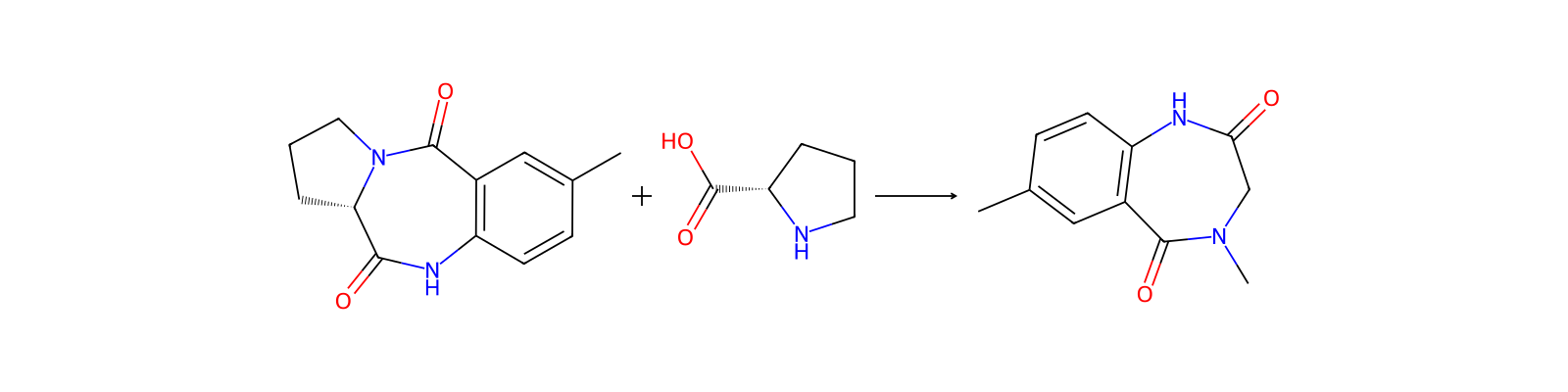
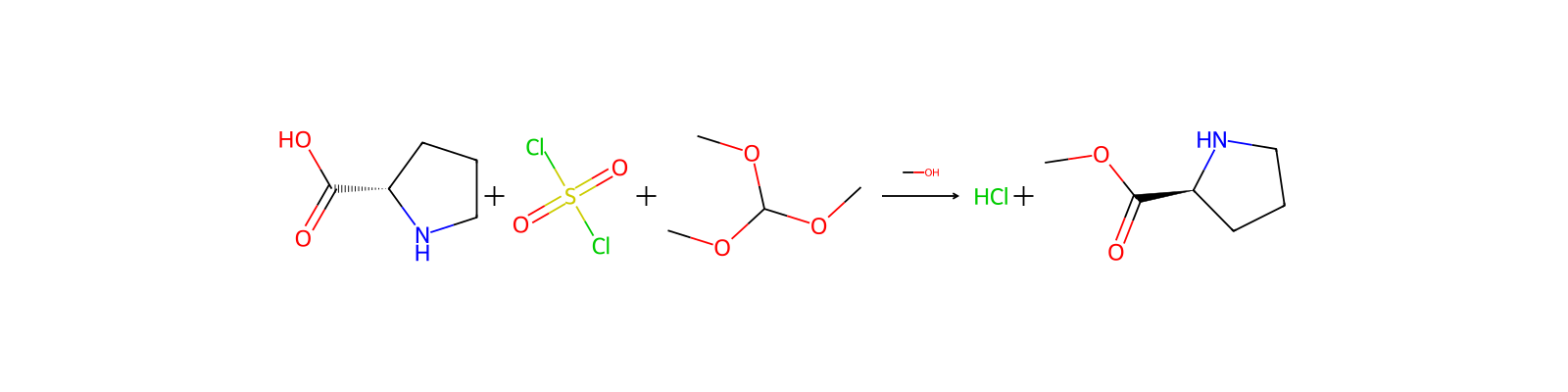
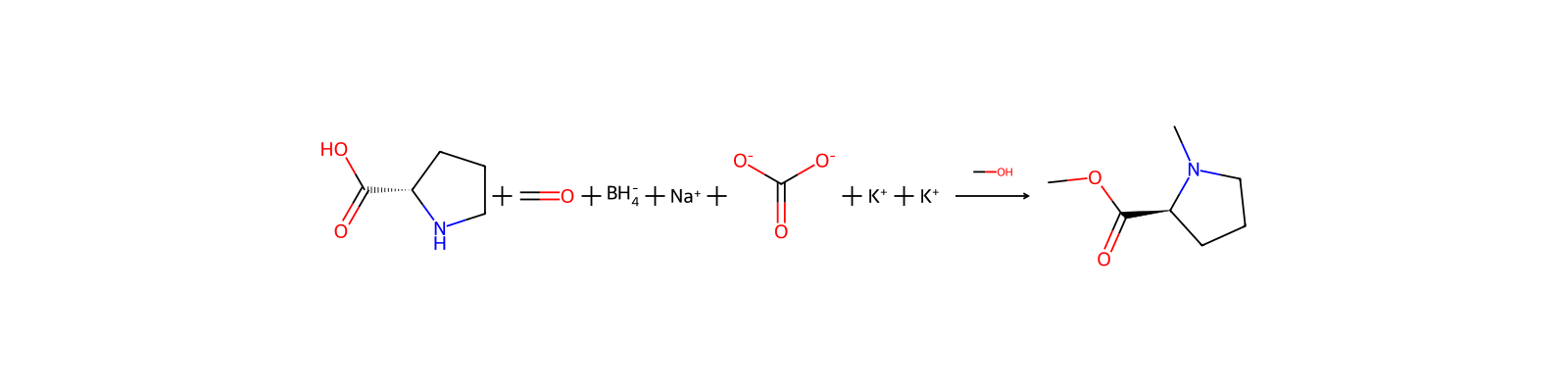
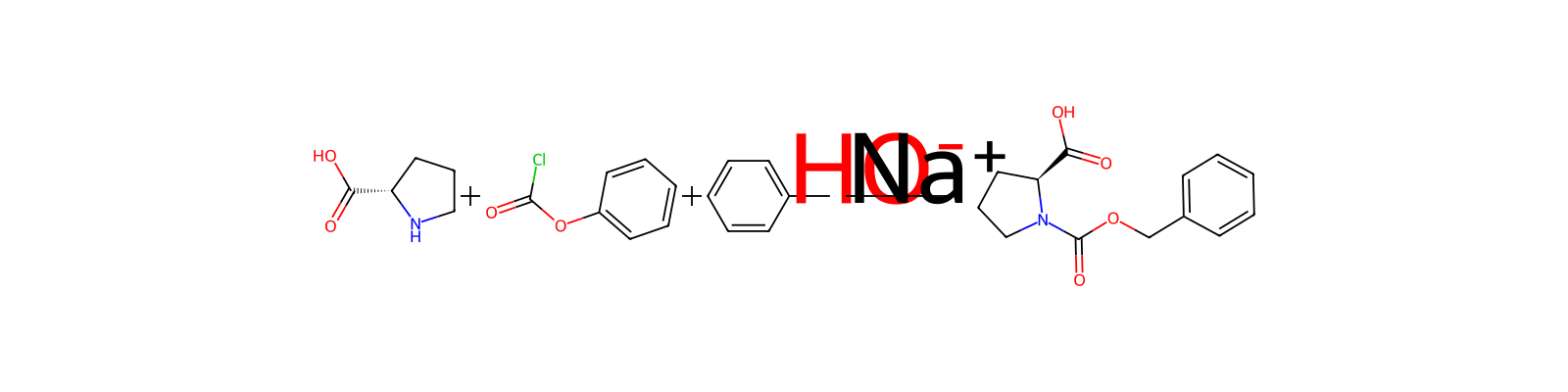
関連反応
1,920 件



関連ノート
読み込み中…