
酸化銅(II)
Copper oxide

基本情報
- CAS
1317-38-0- 標準SMILES
[O]=[Cu]- InChIKey
QPLDLSVMHZLSFG-UHFFFAOYSA-N- 分子式
- CuO
- 平均分子量
- 79.55 g/mol
- 単同位体質量
- 78.924512
概要
Paramelaconite is a mineral with formula of Cu1+2Cu2+2O3. The IMA symbol is Pml.
名称と識別子
- 優先名称
- Copper oxide
- IUPAC
- oxocopper
- 現地名
- 酸化銅(II)
- 英語名
- Cupric oxide
- 分子式
- CuO
- 分子量
- 79.55
名称と別名
Copper oxideCopper (II) oxideCuOCupric oxide wireParamelaconiteCu-O Linkage163686-95-1Caswell No. 265MFCD00010979HSDB 266EINECS 215-269-1NSC 83537
名称をさらに表示
酸化銅(II)酸化銅(II)(粉末)酸化銅(II)(粉末),3N酸化銅(II), NANOTEKR酸化(II)酸化銅酸化銅(Ⅱ)酸化銅(II)(粉末)(酸化第二銅)酸化銅(II)(粉末),3N(酸化第二銅)酸化銅(II)(酸化第二銅)酸化銅(II)(酸化第二銅)(粉末)酸化銅(Ⅱ),粉末酸化銅(II) ON ALUMINA 14-20 MESH,EXTENT OF LABELING: 13 WT. % LOADING酸化銅(II) PURISS. P.A.,≥99.0% (RT),POWDER酸化銅,粉末酸化銅,粒状酸化第二銅酸化銅(Ⅱ)(粒状) 14~24メッシュ酸化銅(II), 線状酸化銅(II), 粉末COPPER(II) OXIDEcupricCuO/h-TS-1Cupric oxide powderCOPPER(II) OXIDE (CUO)COPPER MONOXIDENano Copper OxideCopper oxide (CuO)
EPA Pesticide Chemical Code 042401UNII-V1XJQ704R4copper-oxygencopper(II)oxideCopper oxide, CuOcopper-(II) oxideCopper(II) oxide, CPCUPRIC OXIDE, ACS
データベース識別子
- CAS
1317-38-0、163686-95-1- PubChem CID
- 14829
- Nikkaji
- J43.798K
物性
構造計算による物性
- 極性表面積
- 17.1 Ų
- 水素結合供与体数
- 0
- 水素結合受容体数
- 1
- 回転可能結合数
- 0
- 重原子数
- 2
- 形式電荷
- 0
- 複雑度
- 2
実験および物理化学的性質
Pesticides
Agrochemicals -> Pesticide active substances
Active substance -> EU Pesticides database: Approved
物理化学的性質
- 融点
- 1326 °C · 1326 °C
- 比重(密度)
- 6.315 · 6.315
- 屈折率
- 2.63 · 2.63
- 貯蔵温度
- no restrictions.
- 溶解性
- Aqueous Acid (Slightly), Methanol (Slightly)
- 外見
- 粉
- 色
- ブラウンからブラック
- 比重
- 6.3 · 6.3-6.49
- PH
- 7 · 7 (50g/l, H2O, 20℃)(slurry)
- 臭い (Odor)
- 100 %で。無臭 · 100.00%で。無臭
- 水溶解度
- 不溶性
- 比熱容量
- 0.53 J/ · Cp(crystal): 0.53 J/(g·K), at 25℃
- Merck
- 14 · 14,2646
- 晶系
- 単斜
- 空间群
- 2 · C2/c
- 晶格常数
- 30.46837 · a/nmb/nmc/nmα/oβ/oγ/oV/nm30.468370.342260.512889099.54900.0811
- Dielectric constant
- 18.1 · 18.1(Ambient)
安全と法規制
安全情報は参考情報です。供給元の安全データシート(SDS)、適用法令、専門家による評価に代わるものではありません。
危険有害性情報
Regulatory Information2009/37/EC, Reg. (EU) 2020/1093, Reg. (EU) No 2018/1981, Reg. (EU) No 232/2015, Reg. (EU) No 540/2011, Reg.(EU) No 84/2018
安全と保護具
Minimum Risk LevelAcute Oral: 0.01 mg/kg/day (L134)
Intermediate Oral: 0.01 mg/kg/day (L134)
毒性情報
Treatment
EYES: irrigate opened eyes for several minutes under running water. INGESTION: do not induce vomiting. Rinse mouth with water (never give anything by mouth to an unconscious person). Seek immediate medical advice. SKIN: should be treated immediately by rinsing the affected parts in cold running water for at least 15 minutes, followed by thorough washing with soap and water. If necessary, the person should shower and change contaminated clothing and shoes, and then must seek medical attention. INHALATION: supply fresh air. If required provide artificial respiration.
Health Effects
People must absorb small amounts of copper every day because copper is essential for good health, however, high levels of copper can be harmful. Very-high doses of copper can cause damage to your liver and kidneys, and can even cause death. Copper may induce allergic responses in sensitive individuals. (L278, L279)
Exposure RoutesOral (L277) ; inhalation (L277) ; dermal (L277)
Toxicity Summary
Excess copper is sequestered within hepatocyte lysosomes, where it is complexed with metallothionein. Copper hepatotoxicity is believed to occur when the lysosomes become saturated and copper accumulates in the nucleus, causing nuclear damage. This damage is possibly a result of oxidative damage, including lipid peroxidation. Copper inhibits the sulfhydryl group enzymes such as glucose-6-phosphate 1-dehydrogenase, glutathione reductase, and paraoxonases, which protect the cell from free oxygen radicals. It also influences gene expression and is a co-factor for oxidative enzymes such as cytochrome C oxidase and lysyl oxidase. In addition, the oxidative stress induced by copper is thought to activate acid sphingomyelinase, which lead to the production of ceramide, an apoptotic signal, as well as cause hemolytic anemia. Copper-induced emesis results from stimulation of the vagus nerve. (L277, T49, A174, L280)
化学と産業
薬理情報
Metabolism/Metabolites
Copper is mainly absorbed through the gastrointestinal tract, but it can also be inhalated and absorbed dermally. It passes through the basolateral membrane, possibly via regulatory copper transporters, and is transported to the liver and kidney bound to serum albumin. The liver is the critical organ for copper homoeostasis. In the liver and other tissues, copper is stored bound to metallothionein, amino acids, and in association with copper-dependent enzymes, then partitioned for excretion through the bile or incorporation into intra- and extracellular proteins. The transport of copper to the peripheral tissues is accomplished through the plasma attached to serum albumin, ceruloplasmin or low-molecular-weight complexes. Copper may induce the production of metallothionein and ceruloplasmin. The membrane-bound copper transporting adenosine triphosphatase (Cu-ATPase) transports copper ions into and out of cells. Physiologically normal levels of copper in the body are held constant by alterations in the rate and amount of copper absorption, compartmental distribution, and excretion. (L277, L279)
用途と製造
UsesCopper(II) oxide is used as a pigment in ceramics, in the production of rayon, as a dietary supplement, in dry and wet cell batteries, for welding copper alloys, and as a semiconductor. (L289)
応用分野
解説CuO.天然に黒銅鉱として産するように黒色の無定形粉末.緑青色顔料として陶磁器・ガラスの着色剤として使われる.
用途顔料、触媒、ガラス及び陶器の着色、他の銅化合物の原料。
用途フェライト?ガラス着色剤?窯業釉薬?医薬?農薬?木材防腐剤原料,触媒,半導体素子,メッキ薬 (NITE CHRIP)
用途元素分析装置カラム充填剤。
用途酸化剤、触媒。
用途高純度金属化合物。
説明Copper(II) oxide or cupric oxide is an inorganic compound with the formula CuO. A black solid, it is one of the two stable oxides of copper, the other being Cu2O or copper(I) oxide (cuprous oxide). As a mineral, it is known as tenorite. It is a product of copper mining and the precursor to many other copper-containing products and chemical compounds.Mainly used in wood preservatives, ceramics, and mineral supplements for animal feed.Copper(II) oxide nanoparticles (NPCuO) have industrial applications as antimicrobial agents in textiles and paints, and catalysts in organic synthesis. They may also be produced from electronic wastes. Cupric oxide poses potential health and environmental concern due to toxic and mutagenic particles generating reactive oxygen species.
関連反応
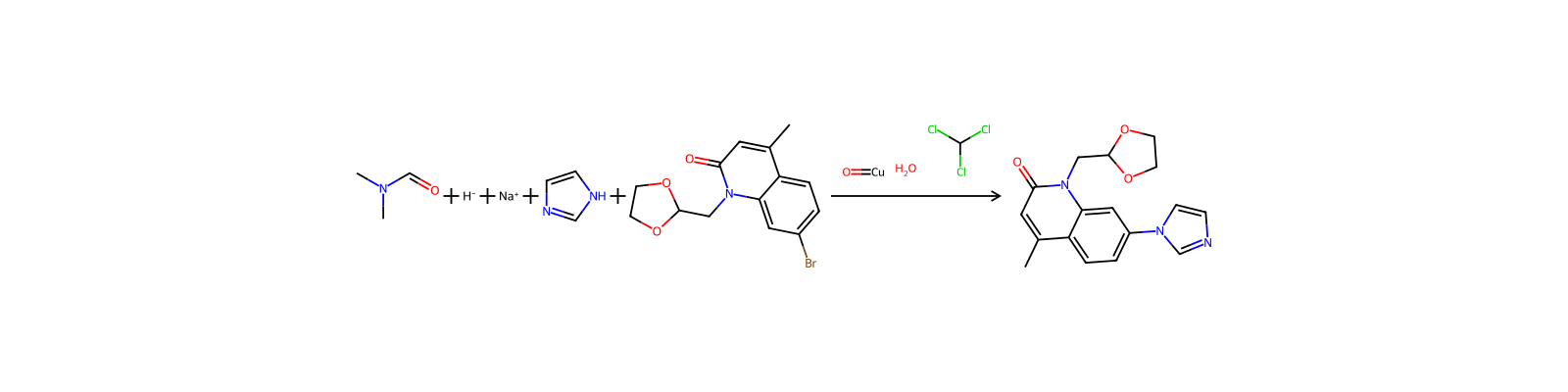
186 件





化合物ノート
読み込み中…