
基本情報
- CAS
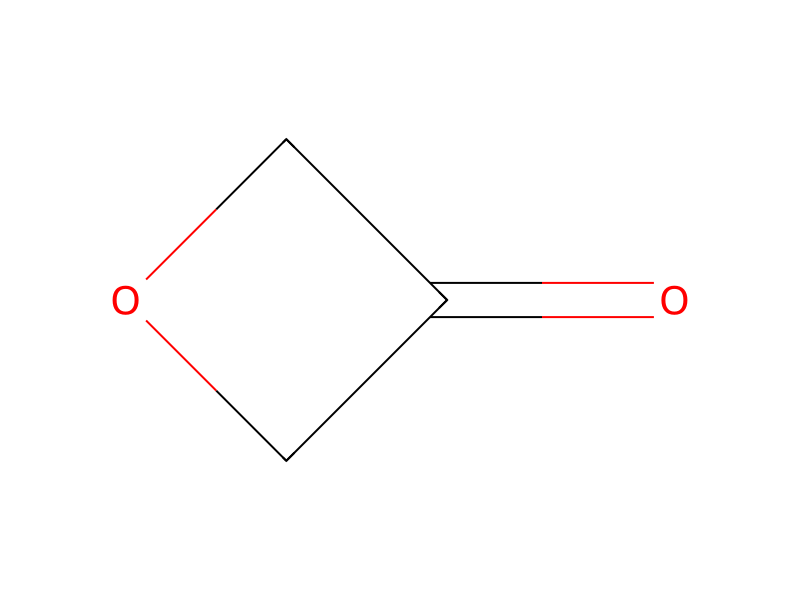
6704-31-0- 標準SMILES
O=C1COC1- InChIKey
ROADCYAOHVSOLQ-UHFFFAOYSA-N- 分子式
- C3H4O2
- 平均分子量
- 72.06 g/mol
- 単同位体質量
- 72.02112937
名称と識別子
- 優先名称
- 3-Oxetanone
- IUPAC
- oxetan-3-one
- 現地名
- 1,3-エポキシ-2-プロパノン
- 英語名
- 3-Oxetanone
- 分子式
- C3H4O2
- 分子量
- 72.06
名称と別名
3-oxetanoneOxetan-3-one6704-31-0TGB3B74HZPDTXSID80567101RefChem:95204DTXCID50517875664-396-21,3-Epoxy-2-propanoneMFCD09263255oxentan-3-onC3H4O2
名称をさらに表示
オキセタン-3-オン1,3-エポキシ-2-プロパノン3-オキセタノン3-オキセタノン, 95%オキセタン-3′-オン(17R)-2′-(4-フルオロフェニル)-11β-ヒドロキシ-17,17-(エポキシエタノ)-2′H-アンドロスタノ[3,2-c]ピラゾール-4-エン-22-オン(1'S,2R,2'R,13'S,14'S,18'S,20'S)-7'-(4-フルオロフェニル)-20'-ヒドロキシ-2',18'-ジメチル-6',7'-ジアザスピロ[オキセタン-2,17'-ペンタシクロ[11.7.0.02,10.04,8.014,18]イコサン]-4'(8'),5',9'-トリエン-3-オン3-Oxooxetane, 1,3-Epoxypropan-2-oneEOS-603803-oxetanonOxetan-3-one 95%3-Oxetanone, 98%+3-Oxocyclobutanone
2-Propanone, 1,3-epoxy-CHEMBL47796603-oxooxetaneoxetane-3-one1,3-epoxypropanone1,3-epoxy-2-propan-2-oneoxetan-3-onUNII-TGB3B74HZP
データベース識別子
- CAS
6704-31-0- PubChem CID
- 15024254
- DTXSID
DTXSID80567101- ChEMBL
CHEMBL4779660- UNII
- TGB3B74HZP
- EC Number
- 664-396-2
- Nikkaji
- J247.749A
物性
構造計算による物性
- XLogP
- -0.3
- 極性表面積
- 26.3 Ų
- 水素結合供与体数
- 0
- 水素結合受容体数
- 2
- 回転可能結合数
- 0
- 重原子数
- 5
- 形式電荷
- 0
- 複雑度
- 51
物理化学的性質
- 沸点
- 140 °C · 140 °C
- 比重(密度)
- 1.231 · 1.231
- 闪点
- 53 °C · 53 °C
- 屈折率
- 1.426 · 1.426
- 貯蔵温度
- -20 °C · -20°C
- 溶解性
- テトラヒドロフランと混和します。
- 外見
- clear liquid
- 色
- Colorless to Red to Green
- InChI
- InChI=1S/C3H4O2/c4-3-1-5-2-3/h1-2H2
- InChIKey
- ROADCYAOHVSOLQ-UHFFFAOYSA-N
- SMILES
- O1CC(=O)C1
化学的性質
化学的特性Colorless liquid
安全と法規制
GHS分類
GHS Classification
This chemical does not meet GHS hazard criteria for 2% (1 of 49) of reports.
Danger
H226 (98%): Flammable liquid and vapor [Warning Flammable liquids];H302 (89.8%): Harmful if swallowed [Warning Acute toxicity, oral];H315 (93.9%): Causes skin irritation [Warning Skin corrosion/irritation];H317 (89.8%): May cause an allergic skin reaction [Warning Sensitization, Skin];H318 (89.8%): Causes serious eye damage [Danger Serious eye damage/eye irritation];H335 (91.8%): May cause respiratory irritation [Warning Specific target organ toxicity, single exposure; Respiratory tract irritation]
P210, P233, P240, P241, P242, P243, P261, P264, P264+P265, P270, P271, P272, P280, P301+P317, P302+P352, P303+P361+P353, P304+P340, P305+P354+P338, P317, P319, P321, P330, P332+P317, P333+P317, P362+P364, P370+P378, P403+P233, P403+P235, P405, and P501 (click each P-code to see the statement)
Aggregated GHS information provided per 49 reports by companies from 10 notifications to the ECHA C&L Inventory. Each notification may be associated with multiple companies.;Reported as not meeting GHS hazard criteria per 1 of 49 reports by companies.;There are 9 notifications provided by 48 of 49 reports by companies with hazard statement code(s).;Information may vary between notifications depending on impurities, additives, and other factors. The percentage value in parenthesis indicates the notified classification ratio from companies that provide hazard codes. Only hazard codes with percentage values above 10% are shown. For more detailed information, please visit ECHA C&L website.
危険有害性情報
Regulatory InformationStatus: Active Update: 09-04-2019 https://echa.europa.eu/registration-dossier/-/registered-dossier/28174
Hazard Classes and CategoriesFlam. Liq. 3 (98%);Acute Tox. 4 (89.8%);Skin Irrit. 2 (93.9%);Skin Sens. 1 (89.8%);Eye Dam. 1 (89.8%);STOT SE 3 (91.8%)
法規制情報
Regulatory Information
化学と産業
応用分野
使用3-Oxetanone is used as a starting material for the preparation of other oxetanes compounds, which are of pharmacological interest. It is also considered as an object for theoretical studies.
一般的な説明Product may polymerize over time during storage.
上流・下流製品情報
下流製品
サプライヤー100 社
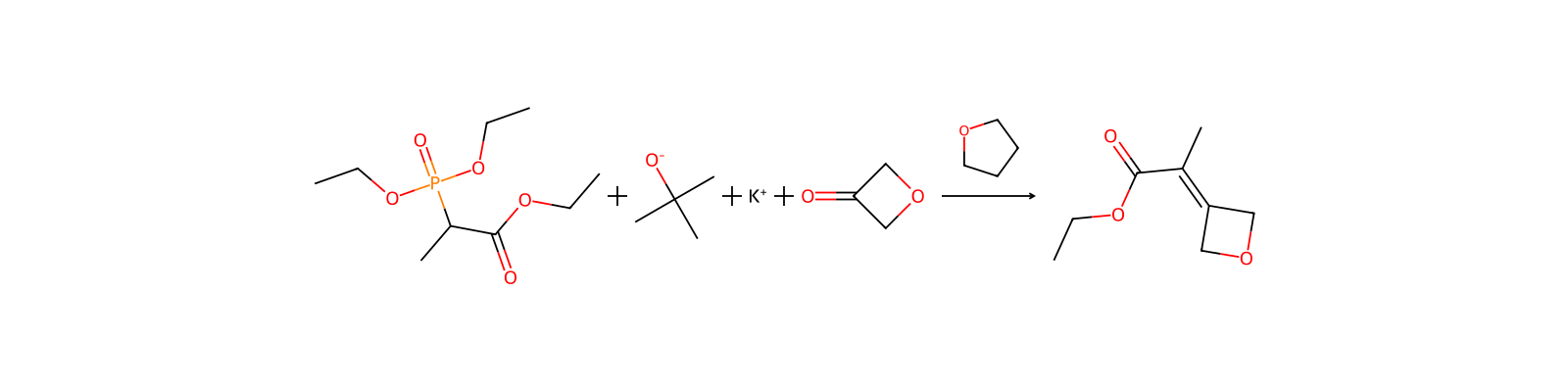
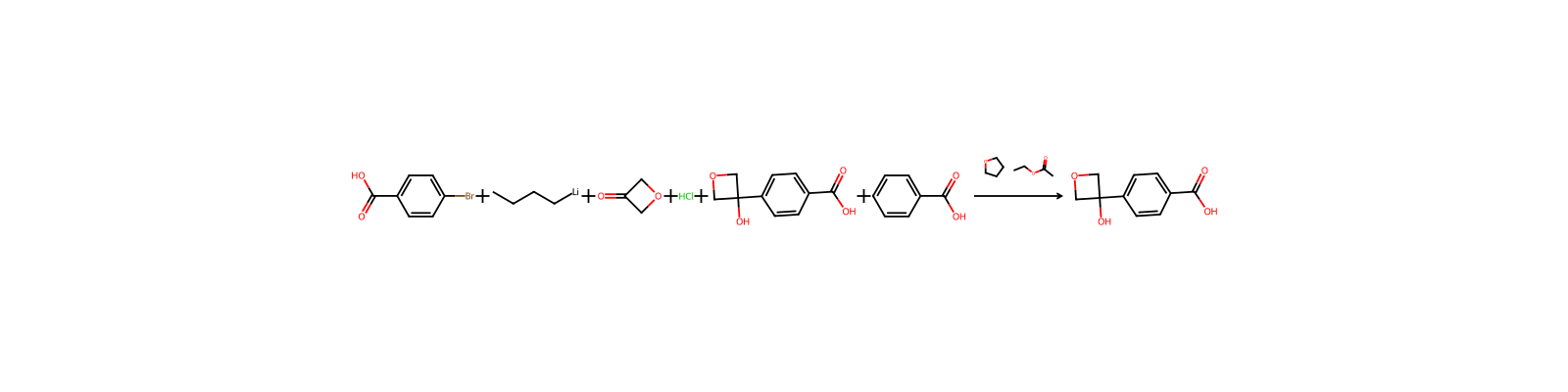
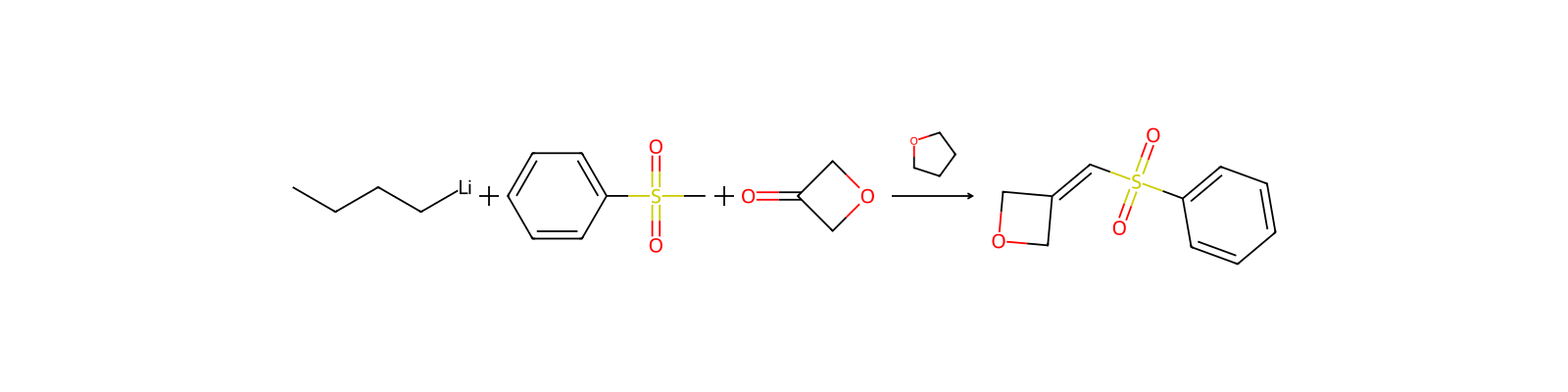
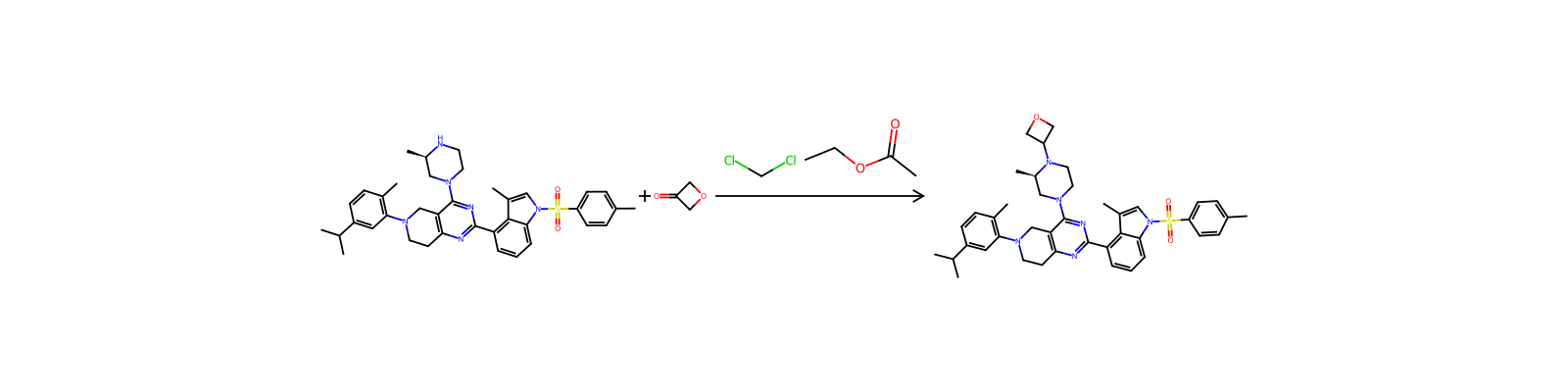
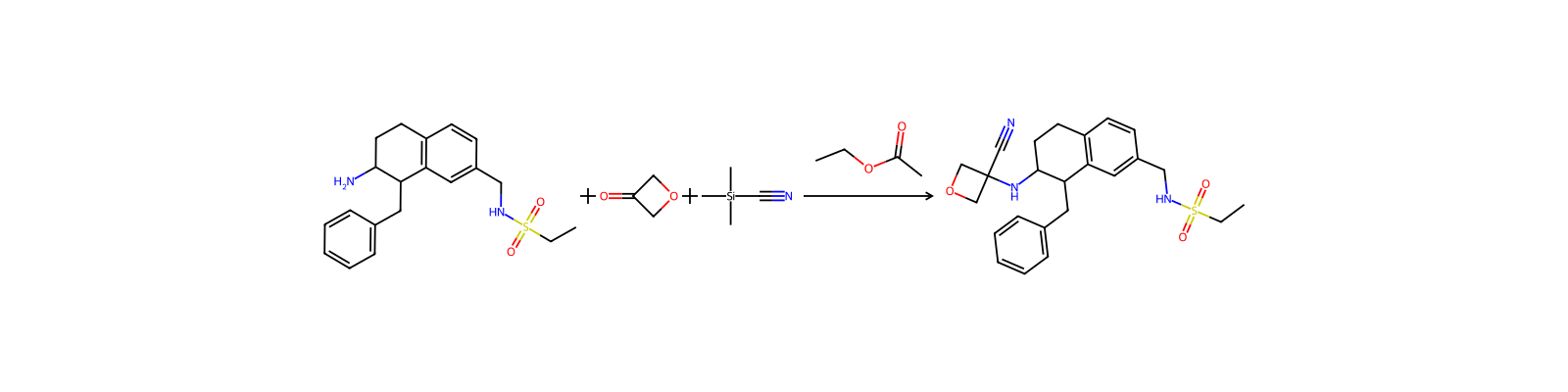
関連反応
361 件


化合物ノート
読み込み中…