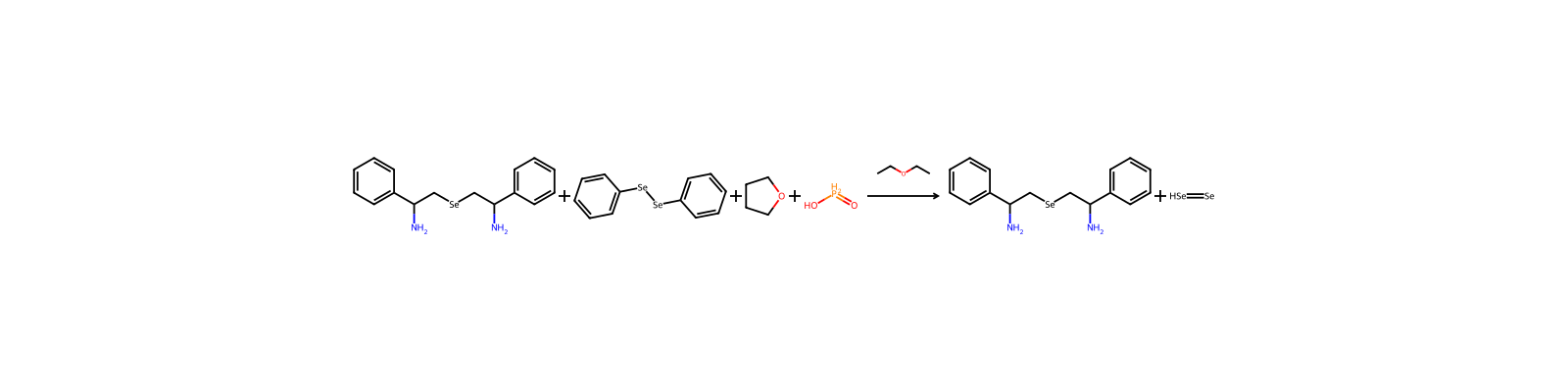
ジフェニルジセレニド
Diphenyl diselenide
データを補完しています。しばらくしてからページを更新すると最新の内容を表示できます
基本情報
- CAS
1666-13-3- 標準SMILES
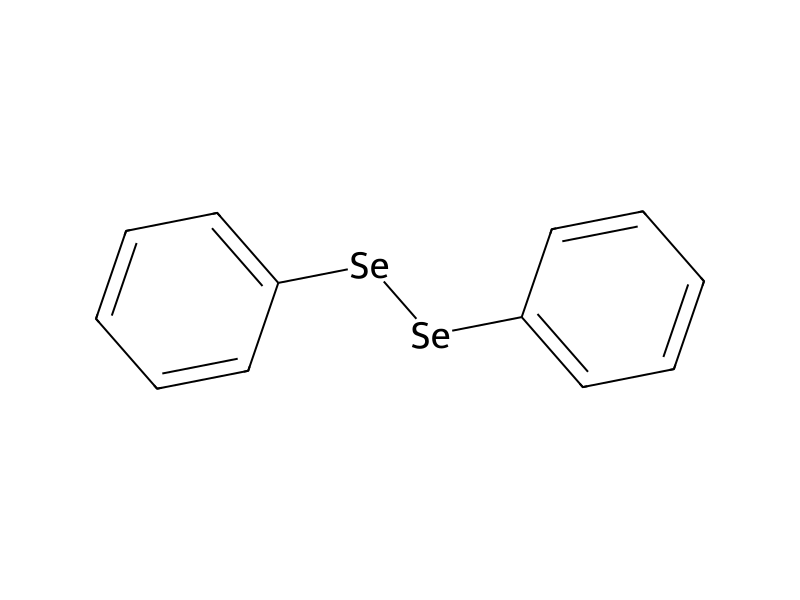
c1ccc([Se][Se]c2ccccc2)cc1- InChIKey
YWWZCHLUQSHMCL-UHFFFAOYSA-N- 分子式
- C12H10Se2
- 平均分子量
- 312.1 g/mol
- 単同位体質量
- 313.91129292
概要
Diphenyl diselenide is an organic molecular entity.
名称と識別子
- 優先名称
- Diphenyl diselenide
- IUPAC
- (phenyldiselanyl)benzene
- 現地名
- ジフェニルジセレニド
- 英語名
- Diphenyl diselenide
- 分子式
- C12H10Se2
- 分子量
- 312.13
名称と別名
Diphenyl diselenide1666-13-3Diselenide, diphenylPhenyl diselenide1,2-Diphenyldiselane(phenyldiselanyl)benzeneDiphenyldiselenideBis(phenylselenide)9ATU3Z459QDTXSID6061864NSC-49763RefChem:134644
名称をさらに表示
ジフェニルジセレニドフェニルジセレニド1,1'-ジセレノビスベンゼンジフェニルペルジセレニドジフェニルペルセレニド二セレン化ジフェニル二セレン化フェニル2セレン化ジフエニル2セレン化ジフェニル二セレン化ジフェニル, 97%1,1′-ジセレノビスベンゼン(フェニルジセラニル)ベンゼンdiseLTwo phenyltwo sediphenyl-diseleniddiphenyl disenenideDiselenide,diphenylDiphenyl perselenide
DTXCID3035347216-780-2diphenyldiselaneC12H10Se2MFCD00003001CHEMBL3122204CCRIS 9227EINECS 216-780-2
データベース識別子
- CAS
1666-13-3- PubChem CID
- 15460
- DTXSID
DTXSID6061864- ChEMBL
CHEMBL3122204- ChEBI
CHEBI:232541- UNII
- 9ATU3Z459Q
- EC Number
- 216-780-2
- Nikkaji
- J31.930I
物性
構造計算による物性補完中
- 極性表面積
- 0 Ų
- 水素結合供与体数
- 0
- 水素結合受容体数
- 0
- 回転可能結合数
- 3
- 重原子数
- 14
- 形式電荷
- 0
- 複雑度
- 128
物理化学的性質
- 融点
- 60 °C · 60 °C
- 沸点
- 202 °C · 202 °C / 11mmHg
- 比重(密度)
- 1.557 · 1.5570
- 屈折率
- 1.743 · 1.7430
- 貯蔵温度
- 30 °C · Store below +30°C.
- 外見
- 粉
- 色
- 黄色
- 比重
- 1.84 · 1.84
- 水溶解度
- 不溶性
- BRN
- 2047179 · 2047179
- InChI
- 1S/C12H10Se2/c1-3-7-11(8-4-1)13-14-12-9-5-2-6-10-12/h1-10H
- InChIKey
- YWWZCHLUQSHMCL-UHFFFAOYSA-N
- SMILES
- [Se]([Se]c1ccccc1)c2ccccc2
- CAS データベース
- 1666 · 1666-13-3(CAS DataBase Reference)
- NISTの化学物質情報
- Diselenide, diphenyl(1666-13-3)
- EPAの化学物質情報
- Diselenide, diphenyl (1666-13-3)
化学的性質
化学的特性yellow crystalline powder
安全と法規制
安全情報は参考情報です。供給元の安全データシート(SDS)、適用法令、専門家による評価に代わるものではありません。
GHS分類
GHS Classification
Danger
H301 (97.9%): Toxic if swallowed [Danger Acute toxicity, oral]
P260, P261, P264, P270, P271, P273, P301+P316, P304+P340, P316, P319, P321, P330, P391, P403+P233, P405, and P501 (click each P-code to see the statement)
Aggregated GHS information provided per 48 reports by companies from 8 notifications to the ECHA C&L Inventory. Each notification may be associated with multiple companies.
危険有害性情報
Regulatory Information
Chemical: Diselenide, diphenyl
Diphenyl diselenide: Does not have an individual approval but may be used under an appropriate group standard
Other Safety InformationEvaluation - Chemicals not considered for in depth evaluation - Not commercially active in Australia
Hazard Classes and CategoriesAcute Tox. 3 (97.9%)
安全と保護具
Minimum Risk LevelChronic Oral: 0.005 mg/kg/day (L134)
毒性情報
Health Effects
Chronic oral exposure to high concentrations of selenium compounds can produce a disease called selenosis. The major signs of selenosis are hair loss, nail brittleness, and neurological abnormalities (such as numbness and other odd sensations in the extremities). Animal studies have shown that selenium may also affect sperm production and the female reproductive cycle. (L619)
Exposure Routes
化学と産業
薬理情報
Metabolism/Metabolites
Selenium may be absorbed through inhalation and ingestion, while some selenium compounds may also be absorbed dermally. Once in the body, selenium is distributed mainly to the liver and kidney. Selenium is an essential micronutrient and is a component of glutathione peroxidase, iodothyronine 5'-deiodinases, and thioredoxin reductase. Organic selenium is first metabolized into inorganic selenium. Inorganic selenium is reduced stepwise to the intermediate hydrogen selenide, which is either incorporated into selenoproteins after being transformed to selenophosphate and selenocysteinyl tRNA or excreted into the urine after being transformed into methylated metabolites of selenide. Elemental selenium is also methylated before excretion. Selenium is primarily eliminated in the urine and feces, but certain selenium compounds may also be exhaled. (L619)
用途と製造
UsesDiphenyl diselenide is a useful reagent in organic synthesis. (L623)
General Manufacturing InformationDiselenide, diphenyl: INACTIVE
応用分野
用途有機合成原料。
使用Diphenyl diselenide is used in the methoxyselenenylation of alkenes, dihydroxylation of double bonds, hydrothiolation of terminal alkynes. It is used in the synthesis of the unsymmetrical diorganyl selenides, 1-(phenylselenomethyl)vinyl selenides, allylic phenyl selenides.
一般的な説明Diphenyl diselenide (Ph2Se2) is an organoselenium compound. Its crystalline structure, toxicokinetic properties, antioxidant and anti-inflammatory activities have been investigated. Its ability to reverse the oxidative brain damage and mitochondrial dysfunction induced by acetaminophen has been studied in mice. It reacts with thallium (Tl) to form TI (SePh). It participates in a four-component radical coupling to form substituted cyclopentanes.
調製方法
関連反応
13 件




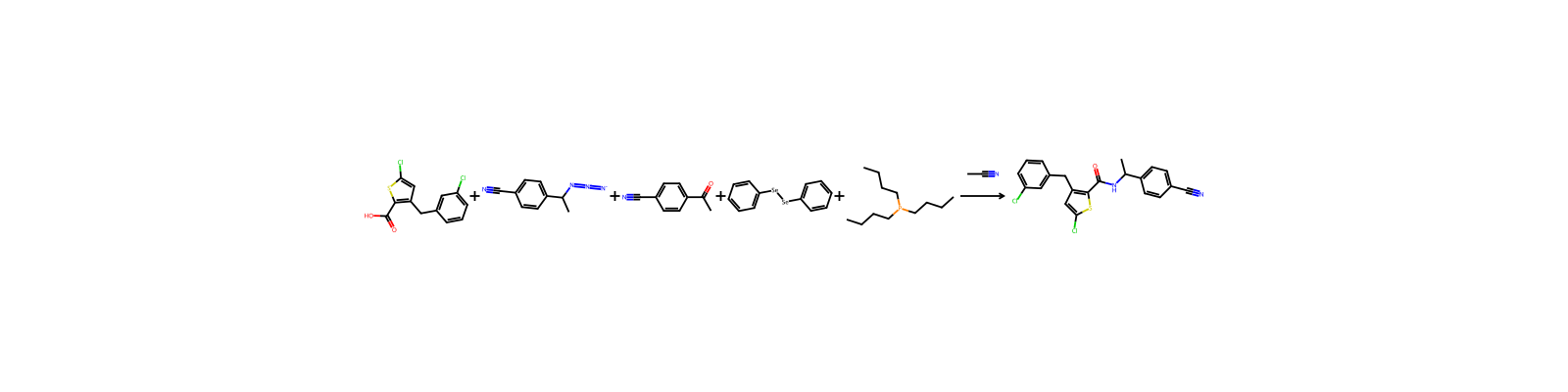
化合物ノート
読み込み中…