
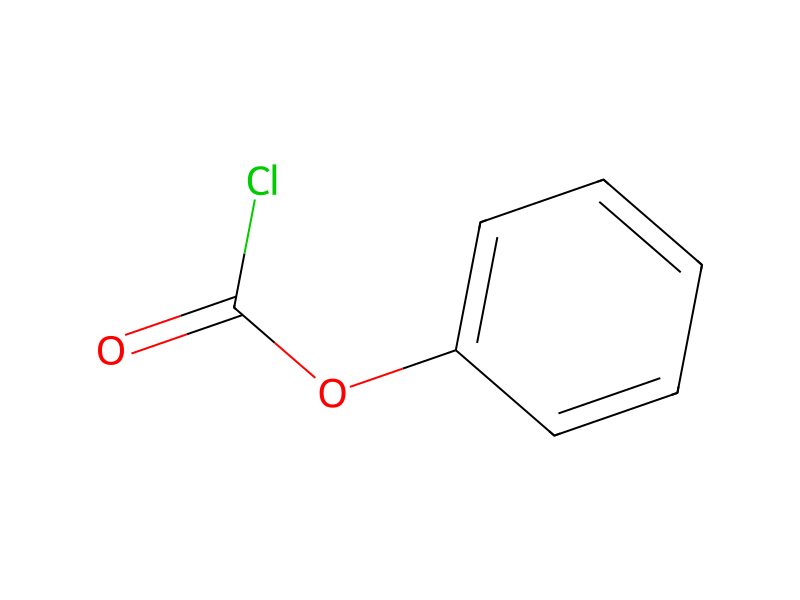
基本情報
- CAS
1885-14-9- 標準SMILES
O=C(Cl)Oc1ccccc1- InChIKey
AHWALFGBDFAJAI-UHFFFAOYSA-N- 分子式
- C7H5ClO2
- 平均分子量
- 156.56 g/mol
- 単同位体質量
- 155.9978071
名称と識別子
- 優先名称
- Phenyl chloroformate
- IUPAC
- phenyl carbonochloridate
- 現地名
- クロロぎ酸フェニル
- 英語名
- Phenyl chloroformate
- 分子式
- C7H5ClO2
- 分子量
- 156.57
名称と別名
PHENYL CHLOROFORMATE1885-14-9phenyl carbonochloridatePhenyl chlorocarbonateChloroformic acid phenyl esterCarbonochloridic acid, phenyl esterPhenoxycarbonyl chloridePHENYLCHLOROFORMATEFormic acid, chloro-, phenyl esterFenylester kyseliny chlormravenciDTXSID90444036TND0D6D3Y
名称をさらに表示
クロロぎ酸フェニルフェノキシホルミルクロリドクロリド炭酸フェニルフェニルクロロフォメトフェニルクロロフォ-メ-トクロロ蟻酸フェニルクロロ炭酸フェニルエステルクロロ炭酸フェニルクロロぎ酸フェニル, 99%CARBONOCHLORIDIC ACIDchlorocarbonic acidPHENYL CHLOROFORMATPhenyl choroformatecarbonochloridic acid phenyl esterPHENYL CHLOROFORMATE / CHLOROFORMIC ACID PHENYL ESTERtl398
TL 398phenyloxycarbonyl chlorideNSC-210946PHENYLCHLOROFORMIC ACIDDTXCID7024403RefChem:172952217-547-8MFCD00000637
データベース識別子
- CAS
1885-14-9- PubChem CID
- 15891
- DTXSID
DTXSID9044403- UNII
- 6TND0D6D3Y
- EC Number
- 217-547-8
- Nikkaji
- J33.963F
物性
構造計算による物性
- XLogP
- 2.6
- 極性表面積
- 26.3 Ų
- 水素結合供与体数
- 0
- 水素結合受容体数
- 2
- 回転可能結合数
- 2
- 重原子数
- 10
- 形式電荷
- 0
- 複雑度
- 119
実験および物理化学的性質
Density
Density (at 20 °C): 1.2 g/cm³
Relative density of the vapour/air-mixture at 20 °C (air = 1): 1.00
1.244 @25 °C
SolubilitySolubility in water: reaction
Flash Point69 °C c.c.
Boiling Point188-189 °C
Melting Point-28 °C
Vapor DensityRelative vapor density (air = 1): 5.41
Vapor Pressure
0.67 [mmHg]
Vapor pressure, Pa at 20 °C: 90
63.074 [mm Hg] @20 °C
Physical Description
Phenyl chloroformate appears as a colorless liquid with a strong odor. Toxic by ingestion, inhalation and skin absorption. Very irritating to skin and eyes. Used to make other chemicals.
Colorless liquid with a pungent odor; [ICSC]
COLOURLESS-TO-LIGHT-YELLOW LIQUID WITH PUNGENT ODOUR.
Autoignition Temperature540 °C
物理化学的性質
- 融点
- -28 °C · -28 °C
- 沸点
- 74 · 74-75 °C/13 mmHg (lit.)
- 比重(密度)
- 1.248 g/mL · 1.248 g/mL at 25 °C (lit.)
- 蒸気密度
- 1 · 1 (vs air)
- 蒸気圧
- 1.22 psi · 1.22 psi ( 20 °C)
- 屈折率
- 20 · n20/D 1.511(lit.)
- 闪点
- 168 °F · 168 °F
- 貯蔵温度
- 2 · 2-8°C
- 溶解性
- N,N-ジメチルホルムアミドと混和します。
- 外見
- 液体
- 色
- クリア
- 水溶解度
- 加水分解
- BRN
- 606778 · 606778
- InChI
- 1S/C7H5ClO2/c8-7(9)10-6-4-2-1-3-5-6/h1-5H
- InChIKey
- AHWALFGBDFAJAI-UHFFFAOYSA-N
- SMILES
- ClC(=O)Oc1ccccc1
- CAS データベース
- 1885 · 1885-14-9(CAS DataBase Reference)
- NISTの化学物質情報
- Carbonochloridic acid, phenyl ester(1885-14-9)
- EPAの化学物質情報
- Carbonochloridic acid, phenyl ester (1885-14-9)
化学的性質
化学的特性clear oily liquid. Corrosive. Insoluble in water, soluble in ethanol, ether, easily soluble in petroleum ether.
安全と法規制
GHS分類
GHS Classification
Danger
H290 (60.1%): May be corrosive to metals [Warning Corrosive to Metals];H302 (100%): Harmful if swallowed [Warning Acute toxicity, oral];H314 (93.1%): Causes severe skin burns and eye damage [Danger Skin corrosion/irritation];H317 (10.6%): May cause an allergic skin reaction [Warning Sensitization, Skin];H318 (31.9%): Causes serious eye damage [Danger Serious eye damage/eye irritation];H330 (96.8%): Fatal if inhaled [Danger Acute toxicity, inhalation];H335 (67%): May cause respiratory irritation [Warning Specific target organ toxicity, single exposure; Respiratory tract irritation];H412 (23.4%): Harmful to aquatic life with long lasting effects [Hazardous to the aquatic environment, long-term hazard]
P234, P260, P261, P264, P264+P265, P270, P271, P272, P273, P280, P284, P301+P317, P301+P330+P331, P302+P352, P302+P361+P354, P304+P340, P305+P354+P338, P316, P317, P319, P320, P321, P330, P333+P317, P362+P364, P363, P390, P403+P233, P405, P406, and P501 (click each P-code to see the statement)
Aggregated GHS information provided per 188 reports by companies from 18 notifications to the ECHA C&L Inventory. Each notification may be associated with multiple companies.;Information may vary between notifications depending on impurities, additives, and other factors. The percentage value in parenthesis indicates the notified classification ratio from companies that provide hazard codes. Only hazard codes with percentage values above 10% are shown. For more detailed information, please visit ECHA C&L website.
危険有害性情報
Regulatory Information
Chemical: Carbonochloridic acid, phenyl ester
Status: Active Update: 08-07-2020 https://echa.europa.eu/registration-dossier/-/registered-dossier/5352
Phenyl chloroformate: Does not have an individual approval but may be used under an appropriate group standard
The New Jersey Worker and Community Right to Know Act requires public and private employers to provide information about hazardous substances at their workplaces. (N.J.S.A. 34:5A-1 et. seq.)
Other Safety InformationEvaluation - Chemicals that are unlikely to require further regulation to manage risks to human health
DOT LabelPoison Corrosive
Fire Hazards
Excerpt from ERG Guide 156 [Substances - Toxic and/or Corrosive (Combustible / Water-Sensitive)]:;Combustible material: may burn but does not ignite readily. Substance will react with water (some violently) releasing flammable, toxic or corrosive gases and runoff. When heated, vapors may form explosive mixtures with air: indoors, outdoors and sewers explosion hazards. Most vapors are heavier than air. They will spread along the ground and collect in low or confined areas (sewers, basements, tanks, etc.). Vapors may travel to source of ignition and flash back. Corrosives in contact with metals may evolve flammable hydrogen gas. Containers may explode when heated or if contaminated with water. (ERG, 2024)
· Combustible material: may burn but does not ignite readily.;· Substance will react with water (some violently) releasing flammable, toxic or corrosive gases and runoff.;· When heated, vapors may form explosive mixtures with air: indoors, outdoors and sewers explosion hazards.;· Most vapors are heavier than air. They will spread along the ground and collect in low or confined areas (sewers, basements, tanks, etc.).;· Vapors may travel to source of ignition and flash back.;· Corrosives in contact with metals may evolve flammable hydrogen gas.;· Containers may explode when heated or if contaminated with water.
Combustible. Gives off irritating or toxic fumes (or gases) in a fire. Above 69 °C explosive vapour/air mixtures may be formed.
Health Hazards
Excerpt from ERG Guide 156 [Substances - Toxic and/or Corrosive (Combustible / Water-Sensitive)]:;TOXIC and/or CORROSIVE; inhalation, ingestion or contact (skin, eyes) with vapors, dusts or substance may cause severe injury, burns or death. Contact with molten substance may cause severe burns to skin and eyes. Reaction with water or moist air may release toxic, corrosive or flammable gases. Reaction with water may generate much heat that will increase the concentration of fumes in the air. Fire will produce irritating, corrosive and/or toxic gases. Runoff from fire control or dilution water may be corrosive and/or toxic and cause environmental contamination. (ERG, 2024)
· TOXIC and/or CORROSIVE; inhalation, ingestion or contact (skin, eyes) with vapors, dusts or substance may cause severe injury, burns or death.;· Contact with molten substance may cause severe burns to skin and eyes.;· Reaction with water or moist air may release toxic, corrosive or flammable gases.;· Reaction with water may generate much heat that will increase the concentration of fumes in the air.;· Fire will produce irritating, corrosive and/or toxic gases.;· Runoff from fire control or dilution water may be corrosive and/or toxic and cause environmental contamination.
Hazards Summary
Decomposed by water producing hydrogen chloride and phenol; A corrosive substance that can cause injury to the skin, eyes, and respiratory tract; Inhalation may cause pulmonary edema; [ICSC] Reacts with water evolving hydrogen chloride; Fumes in moist air releasing hydrogen chloride; A strong skin and eye irritant; [CAMEO] A skin irritant; Corrosive to eyes; [eChemPortal: ERMA] Reacts with water; A corrosive substance that can cause injury to the skin, eyes, and respiratory tract; Inhalation may cause chemical pneumonitis; [MSDSonline] See CHLOROFORMATES.
DOT ID and Guide2746 156
Reactive GroupAcyl Halides, Sulfonyl Halides, and Chloroformates
UN ClassificationUN Hazard Class: 6.1; UN Subsidiary Risks: 8; UN Pack Group: II
Reactivity AlertsWater-Reactive
Reactivity Profile
PHENYL CHLOROFORMATE is incompatible with strong oxidizing agents, alcohols, amines, alkali. May react vigorously or explosively if mixed with diisopropyl ether or other ethers in the presence of trace amounts of metal salts [J. Haz. Mat., 1981, 4, 291].
Chemical DangersDecomposes on heating and on contact with water and moisture. This produces toxic and corrosive fumes including hydrogen chloride and phenol. Reacts violently with acids, alcohols, amines, bases, oxidants and metals.
安全と保護具
Fire Fighting
Excerpt from ERG Guide 156 [Substances - Toxic and/or Corrosive (Combustible / Water-Sensitive)]:;Note: Most foams will react with the material and release corrosive/toxic gases. CAUTION: For Acetyl bromide (UN1716), use CO2 or dry chemical only.;SMALL FIRE: CO2, dry chemical, dry sand, alcohol-resistant foam.;LARGE FIRE: Water spray, fog or alcohol-resistant foam. FOR CHLOROSILANES, DO NOT USE WATER; use alcohol-resistant foam. If it can be done safely, move undamaged containers away from the area around the fire. Avoid aiming straight or solid streams directly onto the product.;FIRE INVOLVING TANKS, RAIL TANK CARS OR HIGHWAY TANKS: Fight fire from maximum distance or use unmanned master stream devices or monitor nozzles. Do not get water inside containers. Cool containers with flooding quantities of water until well after fire is out. Withdraw immediately in case of rising sound from venting safety devices or discoloration of tank. ALWAYS stay away from tanks in direct contact with flames. (ERG, 2024)
NO water. Use dry powder, carbon dioxide, alcohol-resistant foam.
First Aid Measures
Fresh air, rest. Half-upright position. Artificial respiration may be needed. Refer immediately for medical attention.
Remove contaminated clothes. Rinse skin with plenty of water or shower. Refer immediately for medical attention.
Rinse with plenty of water for several minutes (remove contact lenses if easily possible). Refer immediately for medical attention.
Rinse mouth. Do NOT induce vomiting. Give one or two glasses of water to drink. Refer immediately for medical attention.
Accidental Release Measures
· CALL 911. Then call emergency response telephone number on shipping paper. If shipping paper not available or no answer, refer to appropriate telephone number listed on the inside back cover.;· Keep unauthorized personnel away.;· Stay upwind, uphill and/or upstream.;· Ventilate closed spaces before entering, but only if properly trained and equipped.
· ELIMINATE all ignition sources (no smoking, flares, sparks or flames) from immediate area.;· All equipment used when handling the product must be grounded.;· Do not touch damaged containers or spilled material unless wearing appropriate protective clothing.;· Stop leak if you can do it without risk.;· A vapor-suppressing foam may be used to reduce vapors.;· FOR CHLOROSILANES, use alcohol-resistant foam to reduce vapors.;· DO NOT GET WATER on spilled substance or inside containers.;· Use water spray to reduce vapors or divert vapor cloud drift. Avoid allowing water runoff to contact spilled material.;· Prevent entry into waterways, sewers, basements or confined areas.;Small Spill;· Cover with DRY earth, DRY sand or other non-combustible material followed with plastic sheet to minimize spreading or contact with rain.;· Use clean, non-sparking tools to collect material and place it into loosely covered plastic containers for later disposal.
First Aid
Excerpt from ERG Guide 156 [Substances - Toxic and/or Corrosive (Combustible / Water-Sensitive)]:;Refer to the "General First Aid" section. Specific First Aid: For corrosives, in case of contact, immediately flush skin or eyes with running water for at least 30 minutes. Additional flushing may be required. Removal of solidified molten material from skin requires medical assistance. (ERG, 2024)
General First Aid:;· Call 911 or emergency medical service.;· Ensure that medical personnel are aware of the material(s) involved, take precautions to protect themselves and avoid contamination.;· Move victim to fresh air if it can be done safely.;· Administer oxygen if breathing is difficult.;· If victim is not breathing:;-- DO NOT perform mouth-to-mouth resuscitation; the victim may have ingested or inhaled the substance.;-- If equipped and pulse detected, wash face and mouth, then give artificial respiration using a proper respiratory medical device (bag-valve mask, pocket mask equipped with a one-way valve or other device).;-- If no pulse detected or no respiratory medical device available, provide continuous compressions. Conduct a pulse check every two minutes or monitor for any signs of spontaneous respirations.;· Remove and isolate contaminated clothing and shoes.;· For minor skin contact, avoid spreading material on unaffected skin.;· In case of contact with substance, remove immediately by flushing skin or eyes with running water for at least 20 minutes.;· For severe burns, immediate medical attention is required.;· Effects of exposure (inhalation, ingestion, or skin contact) to substance may be delayed.;· Keep victim calm and warm.;· Keep victim under observation.;· For further assistance, contact your local Poison Control Center.;· Note: Basic Life Support (BLS) and Advanced Life Support (ALS) should be done by trained professionals.;Specific First Aid:;· For corrosives, in case of contact, immediately flush skin or eyes with running water for at least 30 minutes. Additional flushing may be required.
Safe StorageDry. Well closed. Ventilation along the floor. Separated from acids, alcohols, amines, bases, oxidants and food and feedstuffs. Store in an area without drain or sewer access.
Exposure Control and Personal Protection
· Wear positive pressure self-contained breathing apparatus (SCBA).;· Wear chemical protective clothing that is specifically recommended by the manufacturer when there is NO RISK OF FIRE.;· Structural firefighters' protective clothing provides thermal protection but only limited chemical protection.
Nonfire Spill Response
Excerpt from ERG Guide 156 [Substances - Toxic and/or Corrosive (Combustible / Water-Sensitive)]:;ELIMINATE all ignition sources (no smoking, flares, sparks or flames) from immediate area. All equipment used when handling the product must be grounded. Do not touch damaged containers or spilled material unless wearing appropriate protective clothing. Stop leak if you can do it without risk. A vapor-suppressing foam may be used to reduce vapors. FOR CHLOROSILANES, use alcohol-resistant foam to reduce vapors. DO NOT GET WATER on spilled substance or inside containers. Use water spray to reduce vapors or divert vapor cloud drift. Avoid allowing water runoff to contact spilled material. Prevent entry into waterways, sewers, basements or confined areas.;SMALL SPILL: Cover with DRY earth, DRY sand or other non-combustible material followed with plastic sheet to minimize spreading or contact with rain. Use clean, non-sparking tools to collect material and place it into loosely covered plastic containers for later disposal. (ERG, 2024)
Spillage Disposal
Personal protection: chemical protection suit including self-contained breathing apparatus. Do NOT let this chemical enter the environment. Collect leaking liquid in sealable plastic containers. Absorb remaining liquid in dry sand or inert absorbent. Then store and dispose of according to local regulations.
Isolation and Evacuation
Excerpt from ERG Guide 156 [Substances - Toxic and/or Corrosive (Combustible / Water-Sensitive)]:;IMMEDIATE PRECAUTIONARY MEASURE: Isolate spill or leak area in all directions for at least 50 meters (150 feet) for liquids and at least 25 meters (75 feet) for solids.;SPILL: Increase the immediate precautionary measure distance, in the downwind direction, as necessary.;FIRE: If tank, rail tank car or highway tank is involved in a fire, ISOLATE for 800 meters (1/2 mile) in all directions; also, consider initial evacuation for 800 meters (1/2 mile) in all directions. (ERG, 2024)
Immediate precautionary measure;· Isolate spill or leak area in all directions for at least 50 meters (150 feet) for liquids and at least 25 meters (75 feet) for solids.;Spill;· For highlighted materials: see Table 1 - Initial Isolation and Protective Action Distances.;· For non-highlighted materials: increase the immediate precautionary measure distance, in the downwind direction, as necessary.;Fire;· If tank, rail tank car or highway tank is involved in a fire, ISOLATE for 800 meters (1/2 mile) in all directions; also, consider initial evacuation for 800 meters (1/2 mile) in all directions.
Eye PreventionWear face shield or eye protection in combination with breathing protection.
Fire PreventionNO open flames. Above 69 °C use a closed system and ventilation.
Inhalation RiskA harmful contamination of the air will be reached quickly on evaporation of this substance at 20 °C.
毒性情報
Adverse EffectsDermatotoxin - Skin burns.;Toxic Pneumonitis - Inflammation of the lungs induced by inhalation of metal fumes or toxic gases and vapors.
Exposure RoutesThe substance can be absorbed into the body by inhalation of its vapour and by ingestion. Serious local effects on contact with eyes and skin.
Signs and Symptoms
Sore throat. Burning sensation. Cough. Laboured breathing. Shortness of breath. Symptoms may be delayed.
Redness. Pain. Skin burns.
Redness. Pain. Severe burns.
Burning sensation in the mouth and in the throat and chest. Sore throat. Abdominal pain. Diarrhoea. Shock or collapse.
ICSC Environmental DataThe substance is harmful to aquatic organisms.
Toxicity DataLCLo (rat) = 44 ppm/4h
法規制情報
Regulatory Information
Chemical: Carbonochloridic acid, phenyl ester
Status: Active Update: 08-07-2020 https://echa.europa.eu/registration-dossier/-/registered-dossier/5352
Phenyl chloroformate: Does not have an individual approval but may be used under an appropriate group standard
The New Jersey Worker and Community Right to Know Act requires public and private employers to provide information about hazardous substances at their workplaces. (N.J.S.A. 34:5A-1 et. seq.)
安全データ
- F
- 10-19-21
- wgk
- 3
- tsca
- TSCA listed
- rtecs
- FG3850000
- ridadr
- UN 2746
- 毒性
- LD50 orally in Rabbit: 1730 mg/kg LD50 dermal Rabbit 4880 mg/kg
- hs_code
- 29159020
- risk_code
- 22-26-34-41-38-29-37
- 化審法
- (3)-629
- 消防法
- 危-4-3-III
- hazard_code
- T+
- safety_code
- 26-28-36/37/39-45-28A
- hazard_class
- 6.1
- packing_group
- II
- 毒劇物取締法
- 毒物
- 自然発火温度
- 540 °C
- Hazard Classifications
- Acute Tox. 1 InhalationAcute Tox. 4 OralMet. Corr. 1Skin Corr. 1BSTOT SE 3
- ストレージクラス
- 6.1A - Combustible acute toxic Cat. 1 and 2very toxic hazardous materials
化学と産業
用途と製造
UsesUsed to make other chemicals; [CAMEO]
General Manufacturing InformationCarbonochloridic acid, phenyl ester: ACTIVE
応用分野
用途防汚剤、中間物、洗剤等
使用Phenyl chloroformate is used in the synthesis of poly(2-(phenoxycarbonyloxy)ethyl methacrylate) and phenyl-(4-vinylphenyl) carbonate. It acts as a precursor of phenyl mixed anhydrides which are used in peptide coupling reactions. It serves as a dehydrating reagent for the conversion of primary amides to nitriles and an intermediate in the synthesis of pharmaceuticals and carbamates.
一般的な説明Phenyl chloroformate appears as a colorless liquid with a strong odor. Toxic by ingestion, inhalation and skin absorption. Very irritating to skin and eyes. Used as a reagent for organic synthesis.
調製方法
製造方法Phenyl chloroformate is synthesized by the reaction of phenol with phosgene. Phenol was dissolved in chloroform, phosgene was introduced under cooling, and the absorbed phosgene was in an equal molar ratio to phenol, and equimolar N,N-dimethylaniline was added dropwise under stirring at 5-10 °C. Then add cold water to dilute, separate the oil layer, wash with dilute hydrochloric acid and water successively. After drying with anhydrous calcium chloride, chloroform is evaporated, and then distilled under reduced pressure to collect 74-75°C (1.73kPa) fraction, which is phenyl chloroformate. The yield is about 90%.
上流・下流製品情報
上流原料
下流製品
サプライヤー100 社
国药集团化学试剂有限公司86-21-63210123 · [email protected]
梯希爱(上海)化成工业发展有限公司021-67121386 · [email protected]
上海阿拉丁生化科技股份有限公司400-6206333 13167063860 · [email protected]
邹平铭远进出口贸易有限公司18364991597
河北创海生物科技有限公司+86-86-13131129325 · [email protected]
爱斯特(成都)生物制药股份有限公司+86-28-85122536 85324413 · [email protected]
科瑞迪化学400-821-5857 021-64326257 · [email protected]
Syntechem Co.,Ltd[email protected]
上海迈瑞尔生化科技有限公司4006356688 18621169109 · [email protected]
阿法埃莎(中国)化学有限公司400-6106006 · [email protected]
上海德默医药科技有限公司400-021-7337 2355568890 · [email protected]
安耐吉化学&3A(安徽泽升科技股份有限公司)400-0056266 · [email protected]
上海瀚鸿科技股份有限公司021-54306202 13764082696 · [email protected]
上海柯维化学技术有限公司021-64609169 18901607656 · [email protected]
新沂市永诚化工有限公司15952286050 · [email protected]
上海景颜化工科技有限公司13817811078 · [email protected]
嘉兴市艾森化工有限公司0573-85285100 18627885956 · [email protected]
山东西亚化学有限公司13355009207 13355009207 · [email protected]
玛雅试剂+86 (573) 82222445 (0)18006601000 452520369 · [email protected]
四川库利南科技有限公司400-1166-196 18981987031 · [email protected]
天津希恩思生化科技有限公司400 638 7771 · [email protected]
南京维奥化工有限公司Please Send Email 18652950785 · [email protected]
艾科试剂4008-755-333 18080918076 · [email protected]
上海思域化工科技有限公司86-21-34053660 · [email protected]
赛默飞世尔科技(中国)有限公司800-810-5118 · [email protected]
北京伊诺凯科技有限公司400-810-7969 010-59572699 · [email protected]
上海特伯化学科技有限公司+86-21-60341587 · [email protected]
TCI AMERICA800-4238616 · [email protected]
TOKYO CHEMICAL INDUSTRY CO., LTD.03-36680489 · [email protected]
TCI Europe320-37350700 · [email protected]
上海贤鼎生物科技有限公司4009209199 · [email protected]
上海卓锐化工有限公司021-69180038
深圳康特腾科技有限公司86-0755-86635001 · [email protected]
无锡中坤生化科技有限公司+86 0510-85629785
上海汇凯化学科技有限公司021-61995394 18916691159 · [email protected]
德州佳泰化工科技有限公司17653471880 · [email protected]
上海湄水化工科技有限公司021-60549325 18616193163
上海将来实业股份有限公司400-0066400 13621662912 · [email protected]
HBCChem, Inc.+1-510-219-6317 · [email protected]
日照力德士化工有限公司010-51268198 · [email protected]
郑州阿尔法化工有限公司0371-53732842 15981811963 · [email protected]
美岚实业(上海)有限公司021-58958189 · [email protected]
上海爱蝶实业有限公司021-58957966 18930537195 · [email protected]
成都零六生物科技有限公司400-1166-196 13458535857 · [email protected]
上海麦克林生化科技股份有限公司15221275939 15221275939 · [email protected]
杭州杰恒化工有限公司0571-87396432 · [email protected]
上海纳谦化学科技有限公司13598610367 13598610367 · [email protected]
上海嵩爰化工科技有限公司010-1234567 18521000990 · [email protected]
上海有朋化工有限公司021-69005955 13701776567 · [email protected]
上海凯赛化工有限公司021-33516722 13701817765 · [email protected]
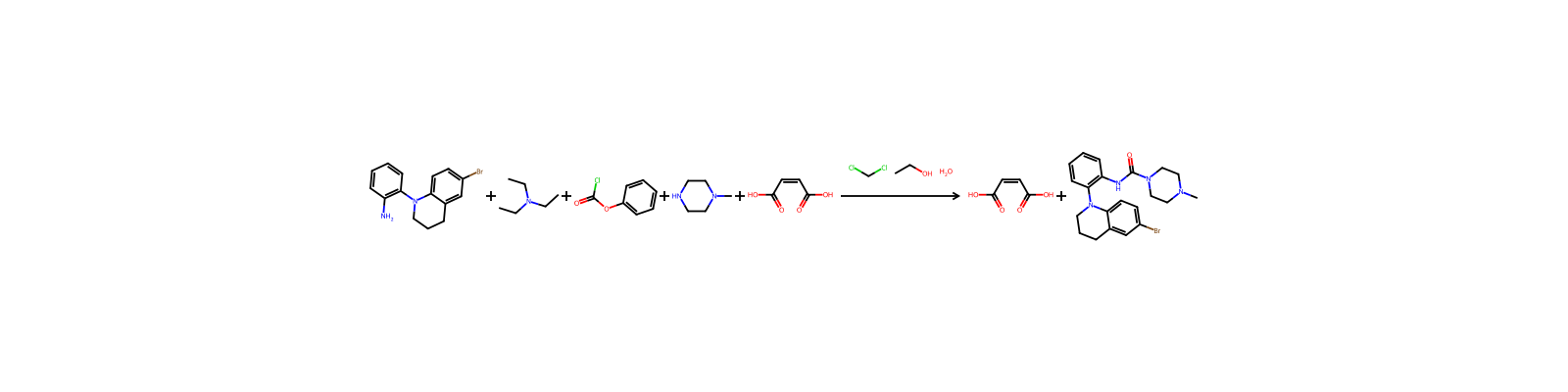
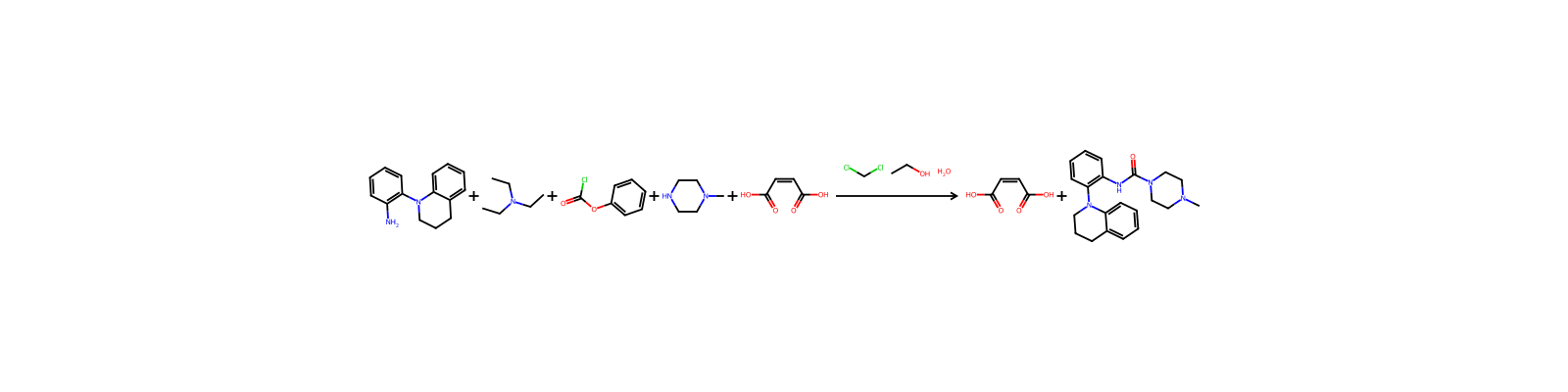
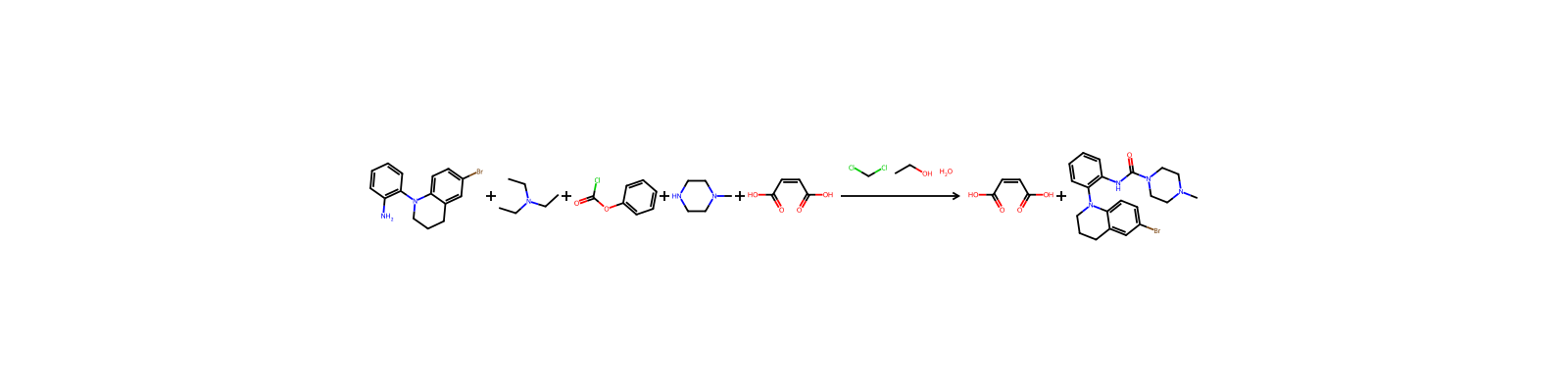
関連反応
2,465 件

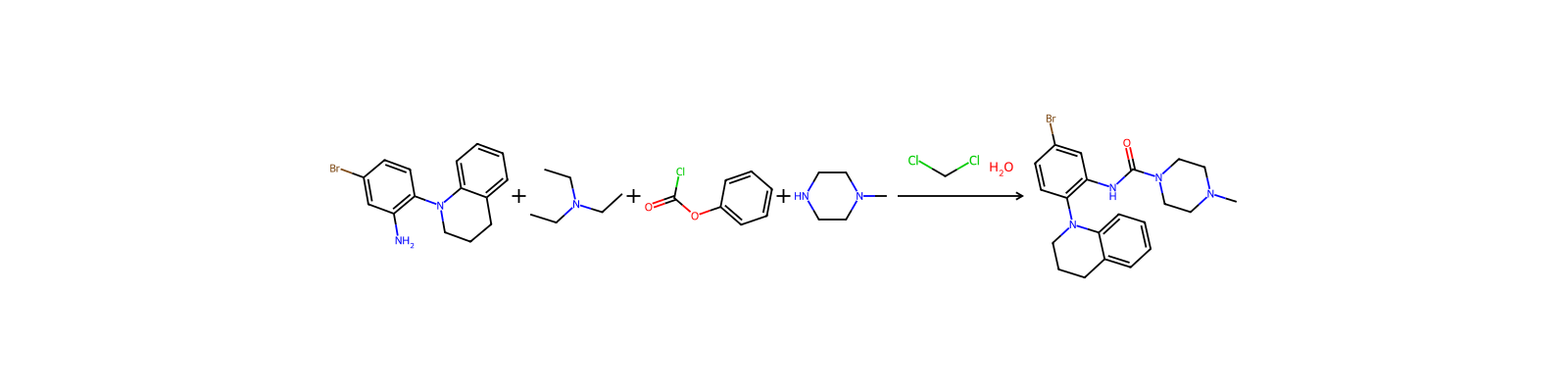
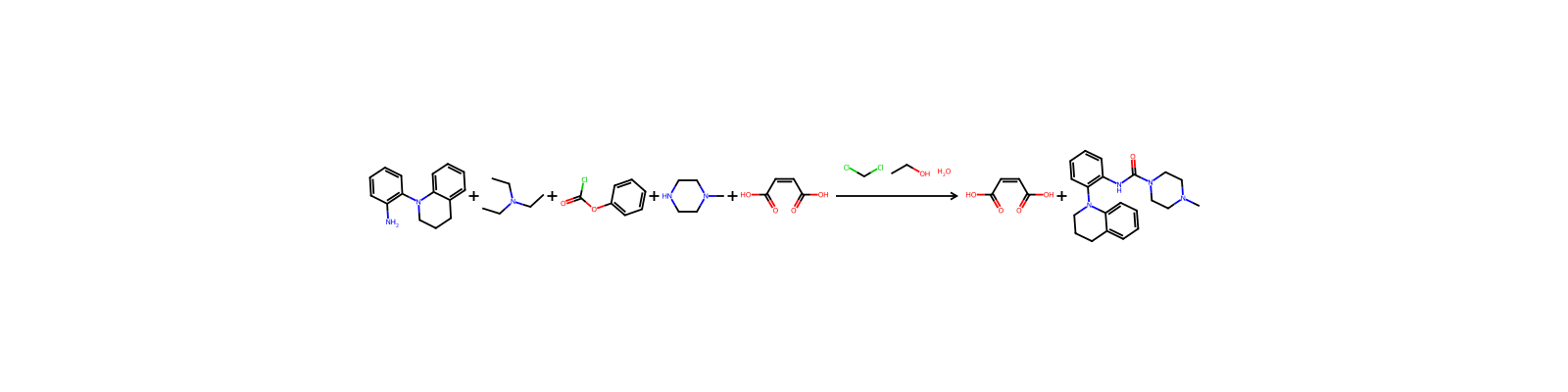

化合物ノート
読み込み中…