データを補完しています。しばらくしてからページを更新すると最新の内容を表示できます

基本情報
- CAS
10124-53-5- 標準SMILES
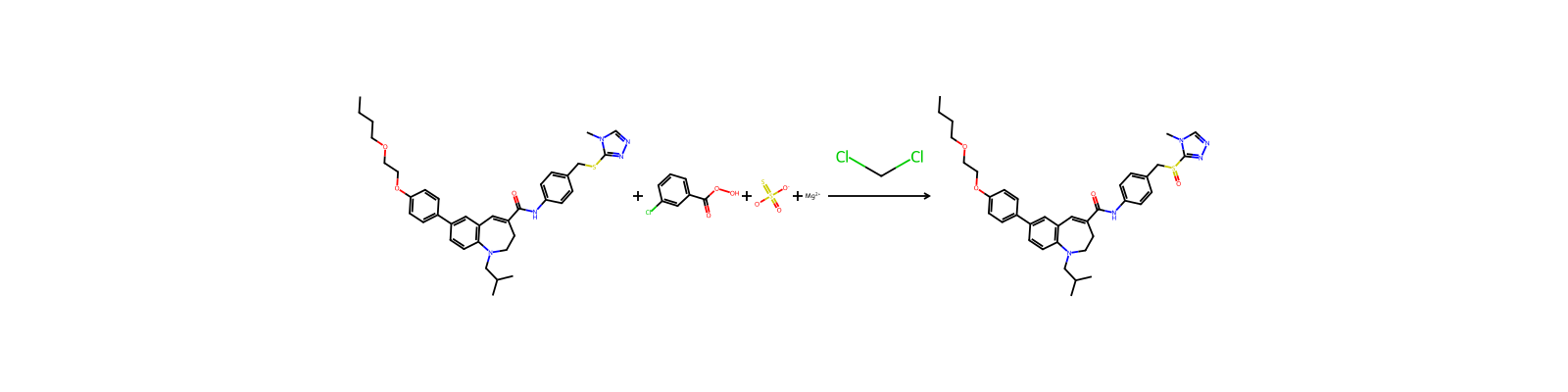
O=S([O-])([O-])=S.[Mg+2]- InChIKey
TZKHCTCLSRVZEY-UHFFFAOYSA-L- 分子式
- MgO3S2
- 平均分子量
- 136.436 g/mol
- 単同位体質量
- 135.91392756
名称と識別子
- 優先名称
- Magnesium thiosulfate
- IUPAC
- Magnesium sulfurothioate
- 現地名
- チオ硫酸マグネシウム
- 英語名
- Magnesium thiosulfate hexahydrate
- 分子式
- H4MgO3S2
- 分子量
- 140.45
名称と別名
チオ硫酸マグネシウム六水和物チオ硫酸マグネシウムチオ硫酸/マグネシウム,(1:1)MAGNESIUM THIOSULFATEmagnosulfEinecs 233-340-5MAGNESIUM HYPOSULFITEMAGNESIUM THIOSULPHATEMagnesiumThiosulfateSolutionthiosulfuricacid,magnesiumsaltMagnesium thiosulfate dihydrateMagnesium thiosulfate 6-hydrate
名称をさらに表示
Magnesium thiosulfate hexahydrate
データベース識別子
- CAS
10124-53-5- PubChem CID
- 160917
- DTXSID
DTXSID50893106- UNII
- DXM979IS61
- EC Number
- 233-340-5
物性
物理化学的性質
- 融点
- 1700 °C · 1700°C
- 比重(密度)
- 1.818 · 1.818
- 水溶解度
- 水溶液 (g/100g): 30.69 (0°C), 34.51 (28°C); 固相, MgS2O3・6H2O [KRU93]; アルコール不溶 [MER06]
- Merck
- 14 · 14,5694
- CAS データベース
- 10124 · 10124-53-5(CAS DataBase Reference)
- EPAの化学物質情報
- Thiosulfuric acid (H2S2O3), magnesium salt (1:1) (10124-53-5)
化学的性質
化学的特性マグネシウムチオ硫酸化学式MgSO3は無機化合物でありマグネシウム硫黄酸素から構成されていますこの化合物は多くの工業プロセスや研究分野で利用されておりその独特の性質により様々な応用が可能です
化学的特性colorless or white crystal(s) [MER06]
化学性质マグネシウムチオ硫酸は通常白色または無色の結晶性固体として存在し水に対して比較的溶解性が高い特徴を持ちますこの化合物は特に水溶液中で安定しておりその溶解度は温度によって大きく影響を受けます
安全と法規制
安全情報は参考情報です。供給元の安全データシート(SDS)、適用法令、専門家による評価に代わるものではありません。
安全データ
- wgk
- 3
- tsca
- TSCA listed
- rtecs
- XN6550000
- 毒性
- mouse,LD50,subcutaneous,850mg/kg (850mg/kg),Arzneimittel-Forschung. Drug Research. Vol. 5, Pg. 376, 1955.
- risk_code
- 36/37/38
- hazard_code
- Xi
- safety_code
- 26-36
化学と産業
応用分野
用途科学研究の分野ではマグネシウムチオ硫酸が様々な化学反応の媒介や触媒として用いられることがあります特に合成化学や材料科学の研究ではこの化合物の独特な化学的性質が新しい材料の開発や合成方法の改善に寄与しています
説明Magnesium thiosulfate has the molecular formula of MgS2O3 and the molecular weight of 136.4352 g/mol. It is also known as “hyposulfite”. It can be prepared by the reaction of sodium thiosulfate upon the chloride in water: MgCl2+Na2S2O3 MgS2O3+2NaCl Since magnesium thiosulfate is soluble in water (50 g/100 ml at 20°C), the solution must be evaporated at a low temperature to crystallize the product (salt-out temperature ~15°F (-9.4°C). A hexahydrate, MgS2O3· 6H2O, is the result. These are colorless crystals that lose water at 170°C to form the trihydrate. Further heating to 420°C then forms the anhydrate. Further heating to 600°C will cause the production of magnesium sulfate, sulfur and oxides of sulfur: 2MgS2O3+2O2+heat 2MgSO4+S+SO2 Magnesium thiosulfate is considered to have a low toxicity to humans. It has been used to remove ozone from either a water stream, such as a drinking water or wastewater stream being treated with ozone, or scrubbing ozone from a gaseous stream by contacting the gaseous stream with solid magnesium thiosulfate. It has also been used to remove chlorine gas from a water stream by contacting the stream with magnesium thiosulfate solution. In yet another aspect, a method of scrubbing chlorine from a gaseous stream comprises contacting the gas stream with solid magnesium thiosulfate. Magnesium thiosulfate is not commonly referenced in scientific literature. The few articles that prevail discuss technically specific physical properties of the end product itself. Synthetic methods are described in some Japanese patents and there is mention of MgTS in a short German description in Handbuch der Anorganischen Chemie, vol. 11, 1984. Both refer to adding sulfur to magnesium sulfite to produce magnesium thiosulfate. Neither reference describes the pH nor physical consistency of the “sulfite” intermediate, although the German article does note the “color change” observed as SO2 is purged into MgO: the slurry becomes yellow.
サプライヤー40 社
郑州阿尔法化工有限公司+86-18530059196 · [email protected]
Shandong chuangyingchemical Co., Ltd.18853181302 · [email protected]
関連反応
1 件
化合物ノート
読み込み中…