
基本情報
- CAS
1983-10-4- 標準SMILES
CCC[CH2][Sn]([F])([CH2]CCC)[CH2]CCC- InChIKey
DFNPRTKVCGZMMC-UHFFFAOYSA-M- 分子式
- C12H27FSn
- 平均分子量
- 309.05 g/mol
- 単同位体質量
- 310.11187378
概要
Tributyltin fluoride appears as a liquid.
名称と識別子
- 優先名称
- Tributyltin fluoride
- IUPAC
- tributyl(fluoro)stannane
- 現地名
- トリブチルフルオリド
- 英語名
- Tributyltin fluoride polymer
- 分子式
- C12H27FSn
- 分子量
- 309.06
名称と別名
Tributyltin fluorideFluorotributyltin1983-10-4Stannane, tributylfluoro-FluorotributylstannaneTributylfluorostannaneTin, tributylfluoro-TRI-N-BUTYLTIN FLUORIDETri-n-butylstannyl fluorideTributylstannane fluoride1L36TLX6O0ACETO TBTF
名称をさらに表示
トリブチルフルオリドトリブチルスズフルオリドStannane, tributylfluoro-, polymersTRIBUTYLTIN FLUORIDE POLYMER ISO 9001:2015 REACH
NSC-179737NSC-195319DTXSID1032480RefChem:190934DTXCID9012480217-847-9tributyl(fluoro)stannaneStannane, fluorotributyl-
データベース識別子
- CAS
1983-10-4、27615-98-1- PubChem CID
- 16120
- DTXSID
DTXSID1032480- UNII
- 1L36TLX6O0
- EC Number
- 217-847-9
物性
構造計算による物性
- 極性表面積
- 0 Ų
- 水素結合供与体数
- 0
- 水素結合受容体数
- 1
- 回転可能結合数
- 9
- 重原子数
- 14
- 形式電荷
- 0
- 複雑度
- 104
実験および物理化学的性質
Chemical ClassesMetals -> Tin Compounds, Organic
Vapor Pressure0.00000352 [mmHg]
Physical Description
Tributyltin fluoride appears as a liquid.
White powder with a pungent odor; [Alfa Aesar MSDS]
物理化学的性質
- 融点
- 269 · 269-271 °C(lit.)
- 比重(密度)
- 1.28 · 1.280
- EPAの化学物質情報
- Stannane, tributylfluoro-, polymers (27615-98-1)
安全と法規制
安全情報は参考情報です。供給元の安全データシート(SDS)、適用法令、専門家による評価に代わるものではありません。
GHS分類
GHS Classification
Danger
H301 (100%): Toxic if swallowed [Danger Acute toxicity, oral]
P260, P264, P264+P265, P270, P273, P280, P301+P316, P302+P352, P305+P351+P338, P317, P319, P321, P330, P332+P317, P337+P317, P362+P364, P391, P405, and P501 (click each P-code to see the statement)
Aggregated GHS information provided per 42 reports by companies from 2 notifications to the ECHA C&L Inventory. Each notification may be associated with multiple companies.
Danger
H301: Toxic if swallowed [Danger Acute toxicity, oral]
危険有害性情報
Regulatory Information
Hazard Traits - Bioaccumulation; Environmental Persistence
Stannane, tributylfluoro-, polymers: Does not have an individual approval but may be used under an appropriate group standard
Other Safety InformationIMAP assessments - Stannane, tributylfluoro-: Environment tier I assessment
DOT LabelPoison
Fire HazardsExcerpt from ERG Guide 153 [Substances - Toxic and/or Corrosive (Combustible)]:
Health HazardsExcerpt from ERG Guide 153 [Substances - Toxic and/or Corrosive (Combustible)]:
Hazards Summary
Symptoms reported from occupational exposure to tributyltin (TBT) compounds include skin, eye, and respiratory tract irritation, severe dermatitis, and skin and/or eye lesions; TBT compounds inhibit oxidative phosphorylation and alter mitochondrial structure and function. [Reference #1] An irritant; Harmful by skin absorption; Toxic by ingestion; May cause serious adverse health effects from prolonged ingestion and inhalation exposure; [Alfa Aesar MSDS] See Tin, organic compounds. See Bis(tri-n-butyltin)oxide. See Tributyltin maleate.
Reactive GroupSalts, Acidic
Reactivity Profile
TRIBUTYLTIN FLUORIDE is in the family of tin compounds widely used as stabilizers for plastics, additives to paint(as antifouling agents). Some have catalytic properties. Examples include butyl tin, dibutyl tin oxide. Their main hazard is associated with their high toxicity, in skin adsorption or inhalation. This compound is incompatible with strong oxidizers like: ammonium nitrate, barium nitrate, barium chlorate, etc.
Air and Water ReactionsNo rapid reaction with air. No rapid reaction with water.
Hazard Classes and Categories
Acute Tox. 3 (100%)
Acute toxicity (Oral) - Category 4
Acute toxicity (Oral) - Category 3
安全と保護具
Fire FightingExcerpt from ERG Guide 153 [Substances - Toxic and/or Corrosive (Combustible)]:
First AidExcerpt from ERG Guide 153 [Substances - Toxic and/or Corrosive (Combustible)]:
Exposure Control and Personal Protection
Biological Exposure Indices (BEI) [ACGIH] - Fluorides in urine = 2 mg/L prior to shift or 3 mg/L at end of shift; (Repeated measurements recommended.)
0.02 [mg/m3], inhalable fraction, as Sn (1 mg/m3, inhalable fraction, as F)[German Research Foundation (DFG)]
Nonfire Spill ResponseExcerpt from ERG Guide 153 [Substances - Toxic and/or Corrosive (Combustible)]:
Isolation and EvacuationExcerpt from ERG Guide 153 [Substances - Toxic and/or Corrosive (Combustible)]:
Threshold Limit Values (TLV)
0.1 [mg/m3], as Sn (2.5 mg/m3, as F)
0.2 [mg/m3], as Sn
Permissible Exposure Limit (PEL)0.1 [mg/m3], as Sn (2.5 mg/m3, as F)
Personal Protective Equipment (PPE)Excerpt from ERG Guide 153 [Substances - Toxic and/or Corrosive (Combustible)]:
Immediately Dangerous to Life or Health (IDLH)25.0 [mg/m3], as Sn
毒性情報
Adverse EffectsNeurotoxin - Other CNS neurotoxin
安全データ
- F
- 21
- wgk
- 3
- ridadr
- UN 3261 8/PG 2
- risk_code
- 21-25-36/38-48/23/25-50/53
- hazard_code
- T,N
- safety_code
- 35-36/37/39-45-60-61
- hazard_class
- 6.1(a)
- packing_group
- II
化学と産業
用途と製造
Uses
Formerly registered for use as an antimicrobial; [EPA]
Using Disinfectants or Biocides [Category: Clean]
サプライヤー6 社
常州凯瑞化学科技有限公司+86 (519) 8689-6136 · [email protected]
上海汉尊生物科技有限公司021-50215258
陕西缔都医药化工有限公司+86-29-81139210 +86-17392587031 · [email protected]
XIAMEN AMITY INDUSTRY AND TRADE CO., LTD.+8618950047208 · [email protected]
DAYANG CHEM (HANGZHOU) CO.,LTD+86-88938639 +86-17705817739 · [email protected]
Hefei TNJ Chemical Industry Co.,Ltd.+86-0551-65418671 +86-189 4982 3763 · [email protected]
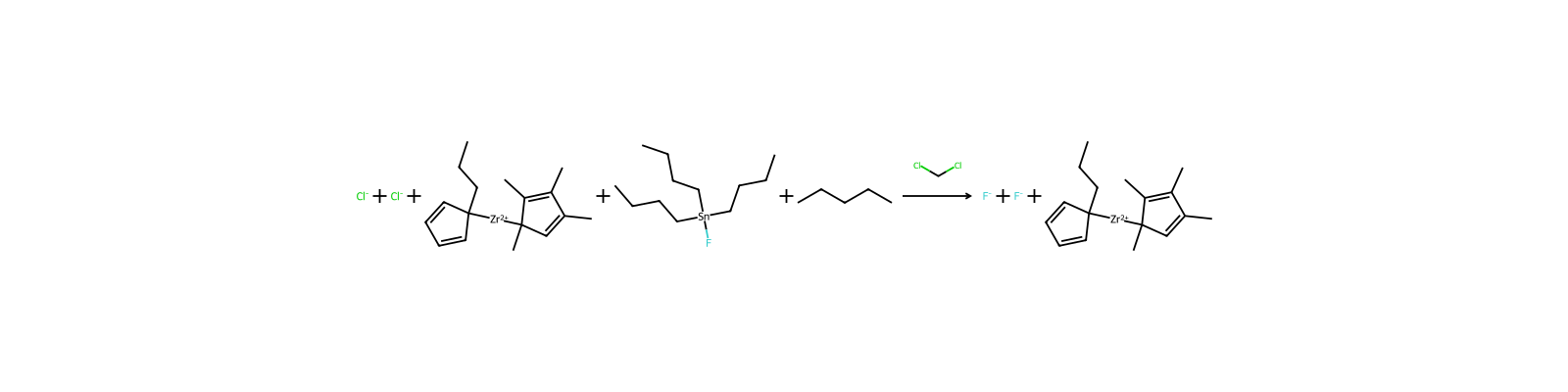
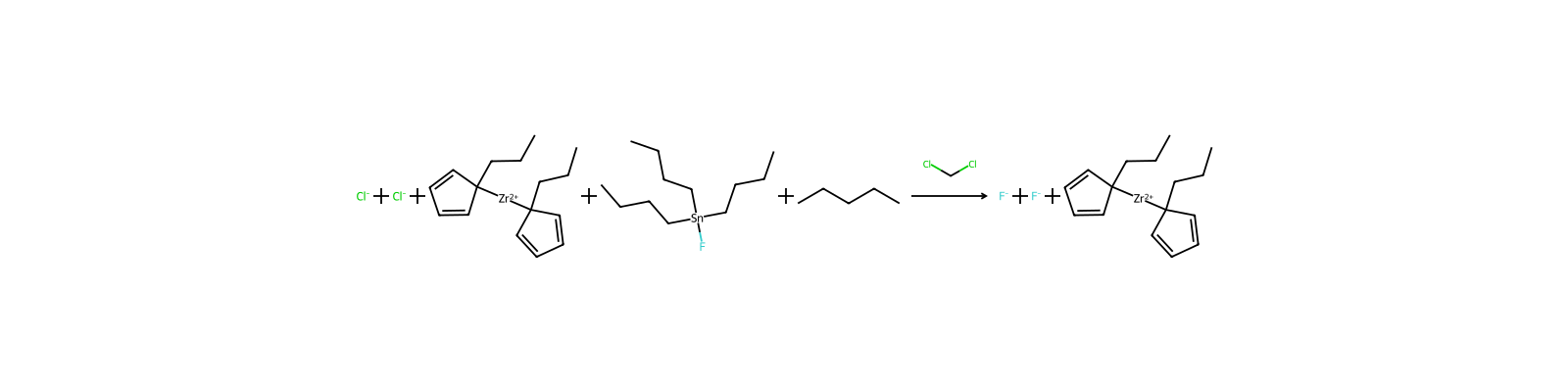
関連反応
19 件


化合物ノート
読み込み中…