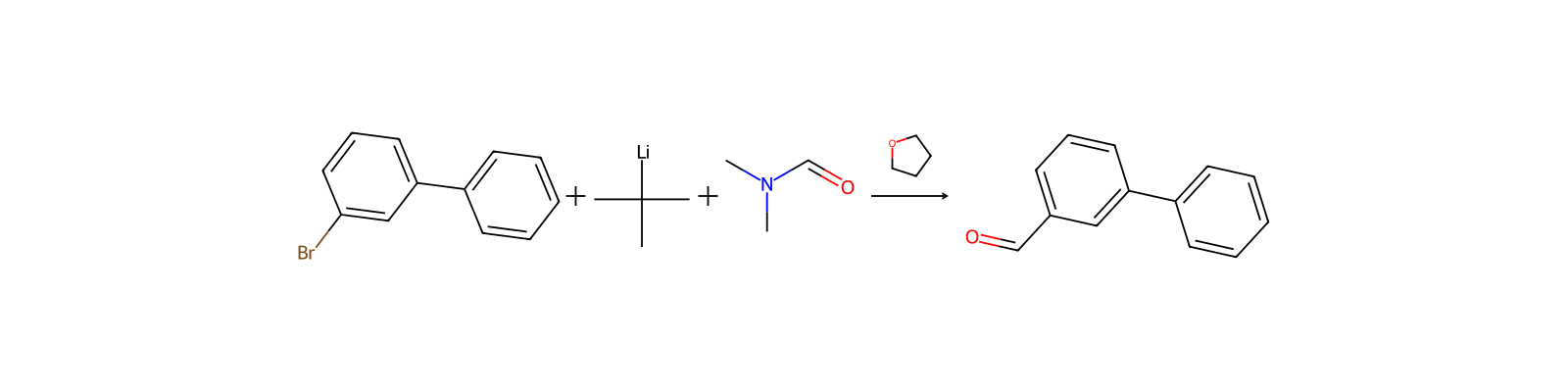
3-ブロモビフェニル
3-Bromobiphenyl
データを補完しています。しばらくしてからページを更新すると最新の内容を表示できます
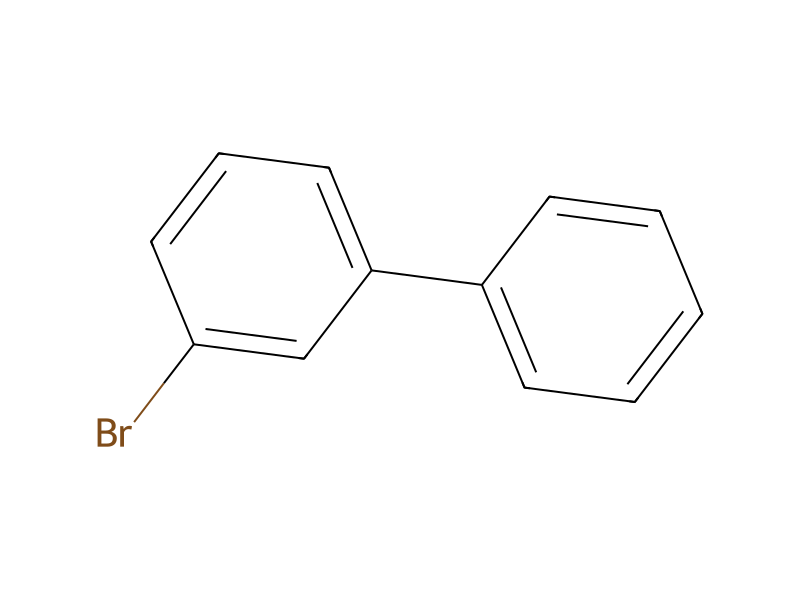
基本情報
- CAS
2113-57-7- 標準SMILES
Brc1cccc(-c2ccccc2)c1- InChIKey
USYQKCQEVBFJRP-UHFFFAOYSA-N- 分子式
- C12H9Br
- 平均分子量
- 233.1 g/mol
- 単同位体質量
- 231.98876239
概要
3-bromobiphenyl is a clear yellow viscous liquid. Insoluble in water. (NTP, 1992)
名称と識別子
- 優先名称
- 3-Bromobiphenyl
- IUPAC
- 1-bromo-3-phenylbenzene
- 現地名
- 3-ブロモビフェニル
- 英語名
- 3-Bromobiphenyl
- 分子式
- C12H9Br
- 分子量
- 233.1
名称と別名
3-BROMOBIPHENYL3-Bromo-1,1'-biphenyl1,1'-Biphenyl, 3-bromo-Biphenyl, 3-bromo-3-BromodiphenylDTXSID5024639CCRIS 5889O7I53K56S8EINECS 218-304-9WLN: ER CRBROMOBIPHENYL, 3-NSC 407775
名称をさらに表示
3-ブロモビフェニルビフェニル-3-イルブロミド3-ブロモ-1,1'-ビフェニル3-ブロモビフェニル標準液3-ブロモビフェニール3-ブロモジフェニル3‐ブロモビフェニル3‐ブロモビフェニル標準品3‐ブロモビフェニル標準液3-ブロモ-1,1′-ビフェニル3-ブロモビフェニル標準品PBB NO 2218-304-93-BROMOBIPHNYL3-bromo-biphenym-Bromobiphenyl3-Xenyl bromide
NSC-407775PBB 2UNII-O7I53K56S8AI3-11169DTXCID104639(1,1'-BIPHENYL)-3-YL BROMIDE[1,1'-BIPHENYL]-3-YL BROMIDE3-Monobromobiphenyl
データベース識別子
- CAS
2113-57-7- PubChem CID
- 16449
- DTXSID
DTXSID5024639- ChEMBL
CHEMBL1899525- UNII
- O7I53K56S8
- EC Number
- 218-304-9
- Nikkaji
- J41.832C
物性
構造計算による物性補完中
- XLogP
- 4.6
- 極性表面積
- 0 Ų
- 水素結合供与体数
- 0
- 水素結合受容体数
- 0
- 回転可能結合数
- 1
- 重原子数
- 13
- 形式電荷
- 0
- 複雑度
- 149
実験および物理化学的性質
SpringerMaterials Properties13C nuclear magnetic resonance spectrum
LogP4.85
SolubilityInsoluble (NTP, 1992)
Boiling Point570 to 574 °F at 760 mmHg (NTP, 1992)
Physical Description3-bromobiphenyl is a clear yellow viscous liquid. Insoluble in water. (NTP, 1992)
物理化学的性質
- 融点
- 93 · 93-94 °C
- 沸点
- 300 °C · 300 °C
- 比重(密度)
- 1.398 g/mL · 1.398 g/mL at 25 °C(lit.)
- 屈折率
- 1.637 · 1.637-1.641
- 闪点
- 110 °C · 110 °C
- 貯蔵温度
- Keep in dark place,Sealed in dry,Room Temperature
- 溶解性
- Chloroform (Soluble), DMSO (Slightly)
- 外見
- Liquid
- 色
- ライトイエローからグレーベージュ
- 水溶解度
- 不溶性
- Merck
安全と法規制
安全情報は参考情報です。供給元の安全データシート(SDS)、適用法令、専門家による評価に代わるものではありません。
GHS分類
GHS Classification
Warning
H315 (100%): Causes skin irritation [Warning Skin corrosion/irritation]
P261, P264, P264+P265, P271, P280, P302+P352, P304+P340, P305+P351+P338, P319, P321, P332+P317, P337+P317, P362+P364, P403+P233, P405, and P501 (click each P-code to see the statement)
Aggregated GHS information provided per 40 reports by companies from 3 notifications to the ECHA C&L Inventory. Each notification may be associated with multiple companies.
危険有害性情報
Regulatory Information
S - indicates a substance that is identified in a final Significant New Use Rule.
Restricted substance: 3-bromobiphenyl
Fire HazardsFlash point data for this chemical are not available. It is probably combustible. (NTP, 1992)
Reactive GroupAryl Halides
Reactivity Profile3-BROMOBIPHENYL may be sensitive to light. This compound may react with oxidizing materials. (NTP, 1992)
Air and Water ReactionsInsoluble in water.
Hazard Classes and CategoriesSkin Irrit. 2 (100%)
安全と保護具
Fire FightingFires involving this material can be controlled with a dry chemical, carbon dioxide or Halon extinguisher. (NTP, 1992)
First Aid
EYES: First check the victim for contact lenses and remove if present. Flush victim's eyes with water or normal saline solution for 20 to 30 minutes while simultaneously calling a hospital or poison control center. Do not put any ointments, oils, or medication in the victim's eyes without specific instructions from a physician. IMMEDIATELY transport the victim after flushing eyes to a hospital even if no symptoms (such as redness or irritation) develop.
化学と産業
薬理情報
Metabolism/Metabolites
PBBs can be absorbed via oral, inhalation, and dermal routes. Due to their lipophilic nature, PBBs, especially the highly brominated congeners, tend to accumulate in lipid-rich tissues such as the liver, adipose, skin, and breast milk. Certain PBB compounds are metabolized by the microsomal monooxygenase system catalyzed by cytochrome P-450 of the type induced by phenobarbital. The rate of metabolism may depends on the bromine substitution pattern. PBB congeners of low bromine content are transformed into hydroxylated derivatives that are predominately eliminated in the urine. Highly brominated congeners are either retained or excreted unchanged in the feces. (L628)
用途と製造
Uses
PBBs can be used as flame retardants and may be added to the plastics used to make products like computer monitors, televisions, textiles, and plastic foams to make them difficult to burn. However, the use of PBBs is banned or restricted in most areas due to their toxicity and persistence in the environment. (L628, L629)
General Manufacturing Information1,1'-Biphenyl, 3-bromo-: ACTIVE
応用分野
使用3-Bromobiphenyl is utilized as an electrochemical immunosensor based on poly(dopamine) coated gold nanocluster for brominated flame retardants.
一般的な説明Clear yellow viscous liquid. Insoluble in water.
上流・下流製品情報
下流製品
関連反応
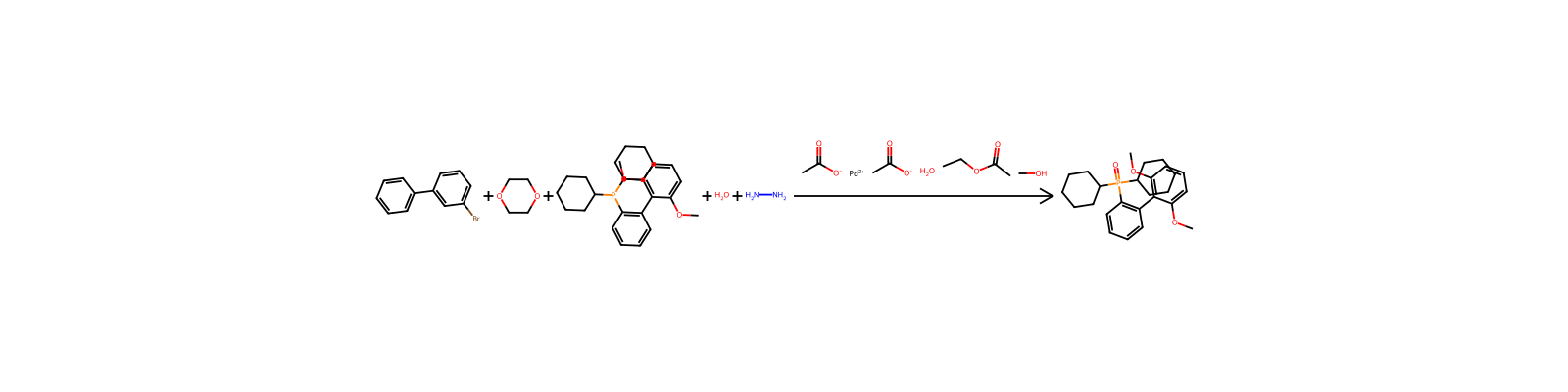
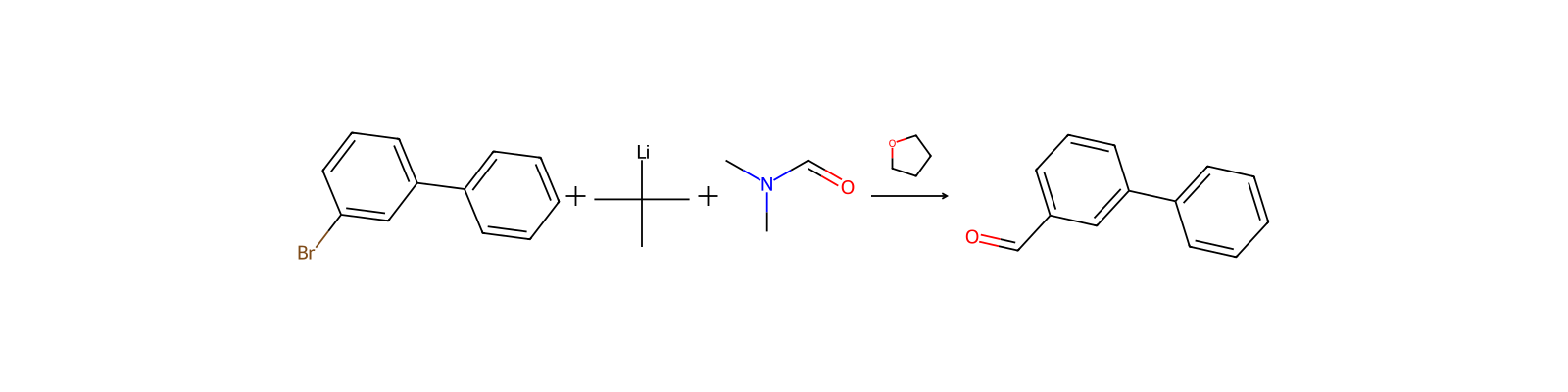
78 件

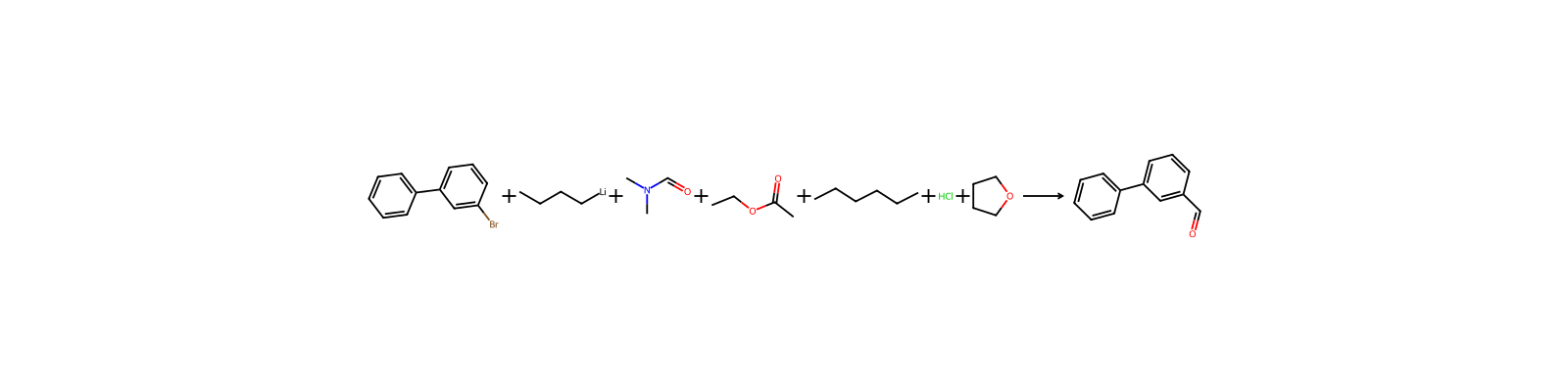

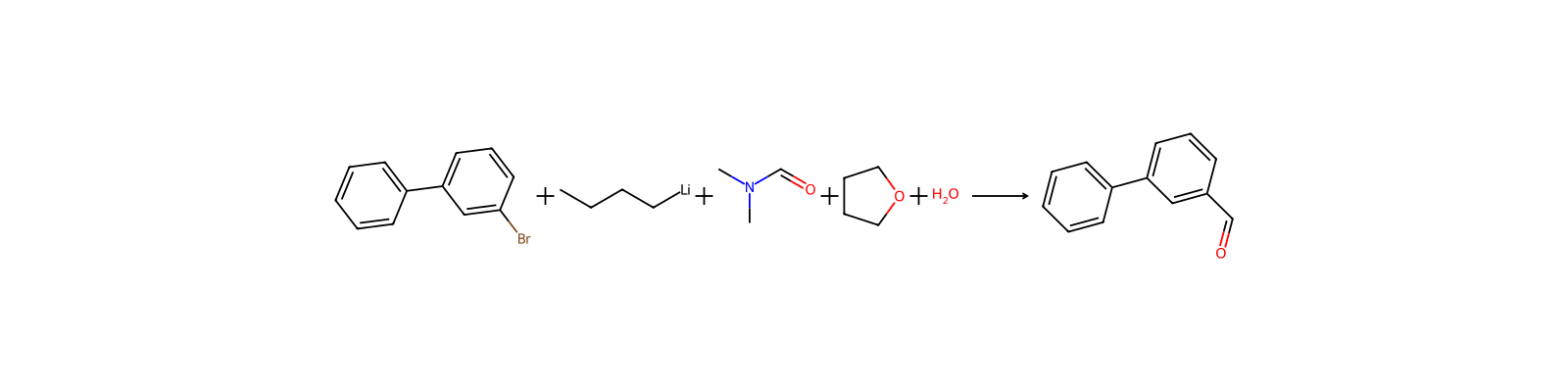

化合物ノート
読み込み中…