ホームMCPワークベンチSkills
ホームワークベンチ通知マイページ
llms.txt · MCPガイドプライバシーポリシー · 利用規約 · サポートv1.8.0
  1. ホーム
  2. /化合物

エピブロモヒドリン

Epibromohydrin

HCID 18430
ノートを作成反応を作成見積依頼を出す
印刷プレビュー

データを補完しています。しばらくしてからページを更新すると最新の内容を表示できます
基本情報概要名称と識別子物性安全と法規制化学と産業関連反応化合物ノート
部分構造検索類似構造を探す

基本情報

CAS
3132-64-7
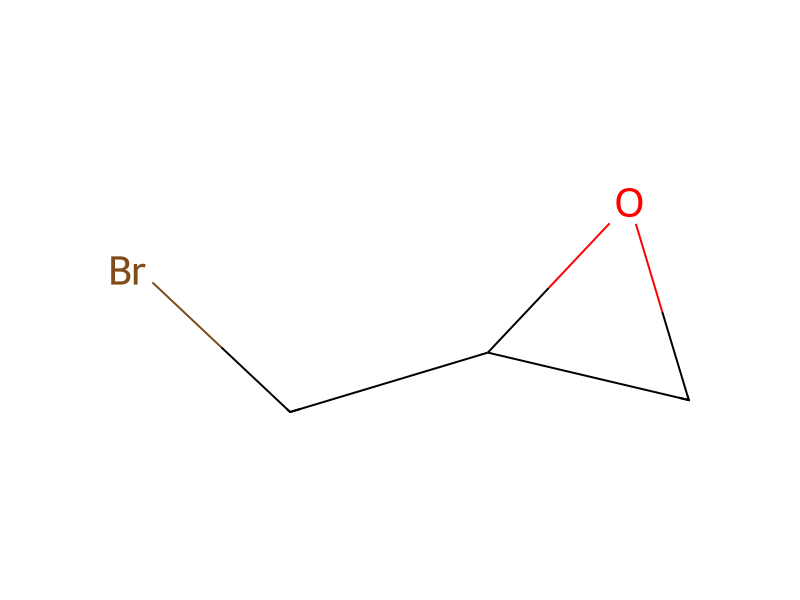
標準SMILES
BrCC1CO1
InChIKey
GKIPXFAANLTWBM-UHFFFAOYSA-N
分子式
C3H5BrO
平均分子量
136.98 g/mol
単同位体質量
135.95238

概要

Epibromohydrin appears as a colorless volatile liquid. Flash point 22 °F. Slightly soluble in water and denser than water. Toxic by inhalation and ingestion. A strong skin irritant. Used to make rubber.

名称と識別子

優先名称
Epibromohydrin
IUPAC
2-(bromomethyl)oxirane
現地名
エピブロモヒドリン
英語名
1-Bromo-2,3-epoxypropane
分子式
C3H5BrO
分子量
136.98

名称と別名

Epibromohydrin1-Bromo-2,3-epoxypropane3132-64-72-(Bromomethyl)oxiraneEpibromhydrinEpibromohydrine(Bromomethyl)oxiraneOxirane, (bromomethyl)-1,2-Epoxy-3-bromopropane(Bromomethyl)ethylene oxide3-Bromo-1,2-epoxypropane3-bromopropylene oxide
名称をさらに表示
エピブロムヒドリン2-[ブロモメチル]オキシランエピブロモヒドリンα-エピブロモヒドリン1-ブロモ-2,3-エポキシプロパン3-ブロモプロピレンオキシド2-ブロモメチルオキシラン1,2-エポキシ-3-ブロモプロパン2-(ブロモメチル)オキシラングリシジルブロミドブロモメチルオキシラン(ブロモメチル)オキシラン3-ブロモ-1,2-エポキシプロパン酸化3-ブロモプロピレンCzHsBrO2-Bromomethyl
ALPHA-EPIBROMOHYDRINEpibromhydrinePropane, 1-bromo-2,3-epoxy-EpibromhidrinaPropane, 3-bromo-1,2-epoxy-Oxirane, 2-(bromomethyl)-DTXSID50252372,3-epoxypropyl bromide

データベース識別子

CAS
3132-64-7
PubChem CID
18430
DTXSID
DTXSID5025237
ChEMBL
CHEMBL3183066
ChEBI
CHEBI:18718
UNII
8E89677I6B
EC Number
221-525-3
Nikkaji
J2.173C

物性

構造計算による物性補完中

XLogP
0.8
極性表面積
12.5 Ų
水素結合供与体数
0
水素結合受容体数
1
回転可能結合数
1
重原子数
5
形式電荷
0
複雑度
37.9

実験および物理化学的性質

Chemical ClassesFlammable agents - 2nd degree
PolymersPlastics & Rubber -> Epoxides
SpringerMaterials PropertiesSchoenflies notation
LogP · 2 件

log Kow = 0.85

0.85

Density · 3 件

1.601 at 68 °F (NTP, 1992) - Denser than water; will sink

1.615 g/cu cm at 14 °C

1.601 @25 °C

Color/FormLiquid
Solubility · 2 件

less than 1 mg/mL at 72 °F (NTP, 1992)

Soluble in ether, benzene, chloroform and ethanol

Flash Point133 °F (NTP, 1992)
Boiling Point · 3 件

273 to 277 °F at 760 mmHg (NTP, 1992)

137 °C

135 °C @760 [mm Hg]

DecompositionWhen heated to decompositon it emits toxic fumes of /hydrogen bromide/.
Melting Point

安全と法規制

安全情報は参考情報です。供給元の安全データシート(SDS)、適用法令、専門家による評価に代わるものではありません。

GHS分類

GHS Classification · 6 件

Warning

H226 (95.5%): Flammable liquid and vapor [Warning Flammable liquids]

P203, P210, P233, P240, P241, P242, P243, P261, P264, P264+P265, P270, P271, P280, P301+P317, P302+P352, P303+P361+P353, P304+P340, P305+P351+P338, P318, P319, P321, P330, P332+P317, P337+P317, P362+P364, P370+P378, P403+P233, P403+P235, P405, and P501 (click each P-code to see the statement)

Aggregated GHS information provided per 44 reports by companies from 5 notifications to the ECHA C&L Inventory. Each notification may be associated with multiple companies.

Danger

H226: Flammable liquid and vapor [Warning Flammable liquids]

危険有害性情報

Regulatory Information · 3 件

S - indicates a substance that is identified in a final Significant New Use Rule.

Oxirane, (bromomethyl)-: Does not have an individual approval but may be used under an appropriate group standard

The New Jersey Worker and Community Right to Know Act requires public and private employers to provide information about hazardous substances at their workplaces. (N.J.S.A. 34:5A-1 et. seq.)

DOT LabelPoison Flammable Liquid
Fire Hazards · 2 件

Excerpt from ERG Guide 131 [Flammable Liquids - Toxic]:

· HIGHLY FLAMMABLE: Will be easily ignited by heat, sparks or flames.

Fire PotentialA dangerous fire hazard when exposed to heat or flame.
Health Hazards · 2 件

Excerpt from ERG Guide 131 [Flammable Liquids - Toxic]:

· TOXIC; may be fatal if inhaled, ingested or absorbed through skin.

Hazards Summary · 1 件

Highly toxic; [Quick CPC] Emergency treatment: Epichlorohydrin [HSDB] Highly irritating to skin; Toxic by ingestion and inhalation; [CAMEO] May have corrosive effects to skin and cause lachrymation, coughing, laryngitis, headache, vomiting, and injury to lungs, liver, and kidneys; Inhalation may cause chemical pneumonitis and pulmonary edema; [NTP] An irritant; Toxic by ingestion; Targets lungs, liver, and kidney; [Aldrich MSDS] See Epichlorohydrin.

化学と産業

用途と製造

Uses · 4 件

Used as a flame retardant and for cross-linking polymers; Formerly used as a sporicide; [HSDB] Used to make rubber; [CAMEO]

Used for cross-linking polymers.

Sporicide /Former/

Flame retardant

General Manufacturing Information · 2 件

Oxirane, 2-(bromomethyl)-: ACTIVE

Not registered

応用分野 · 4 件

用途アルキル化剤、化学中間体、防炎剤、殺胞子剤

用途有機合成原料。

使用Bromohydrin pyrophosphate enhances antibody-dependent cell-mediated cytotoxicity induced by therapeutic antibodies.

一般的な説明A colorless volatile liquid. Flash point 22°F. Slightly soluble in water and denser than water. Toxic by inhalation and ingestion. A strong skin irritant. Used to make rubber.

上流・下流製品情報

上流原料

Dibromo

下流製品

2-ドデシルオキシメチルオキシラン4-グリシジルオキシカルバゾール4-メトキシフェニルグリシジルエーテル3-ブロモプロパン-1,2-ジオールジフルオロ(フルオロスルホニル)酢酸フルオリド

関連反応

600 件
反応記録を作成
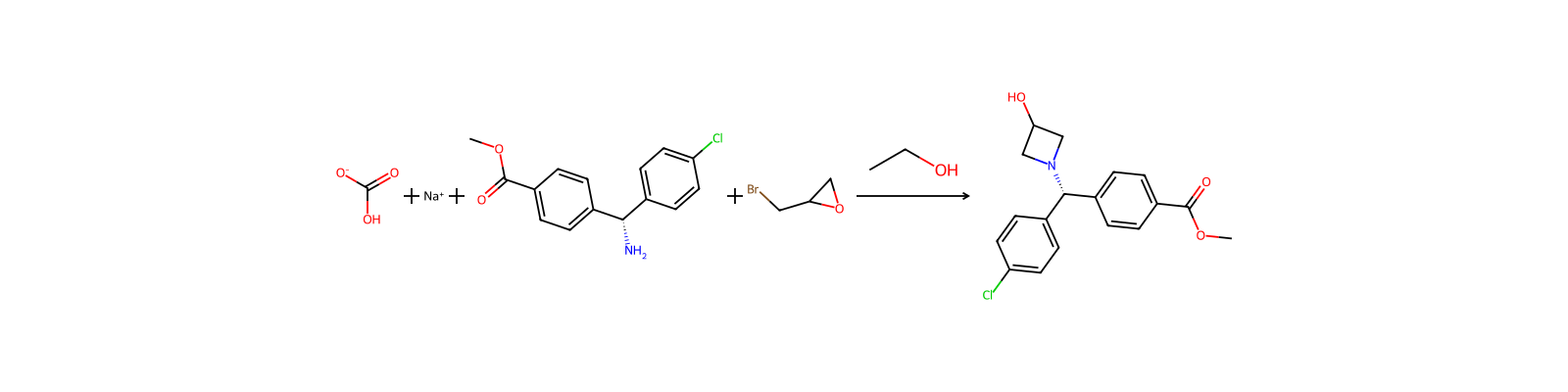
HRID 9726 の反応式
HRID 9726反応物としてuspto-grants-2006_08
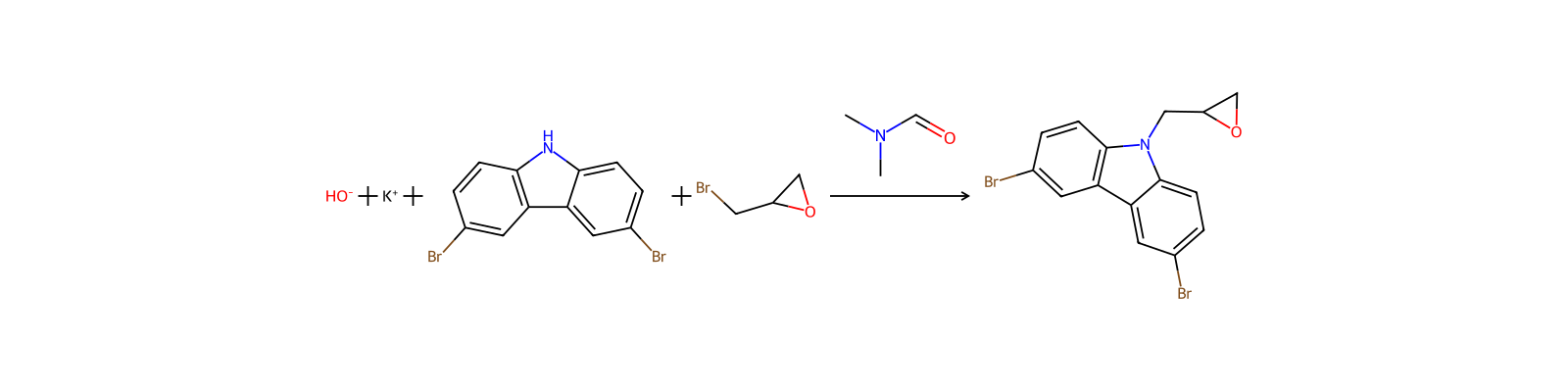
HRID 18057 の反応式
HRID 18057反応物としてuspto-grants-2010_06
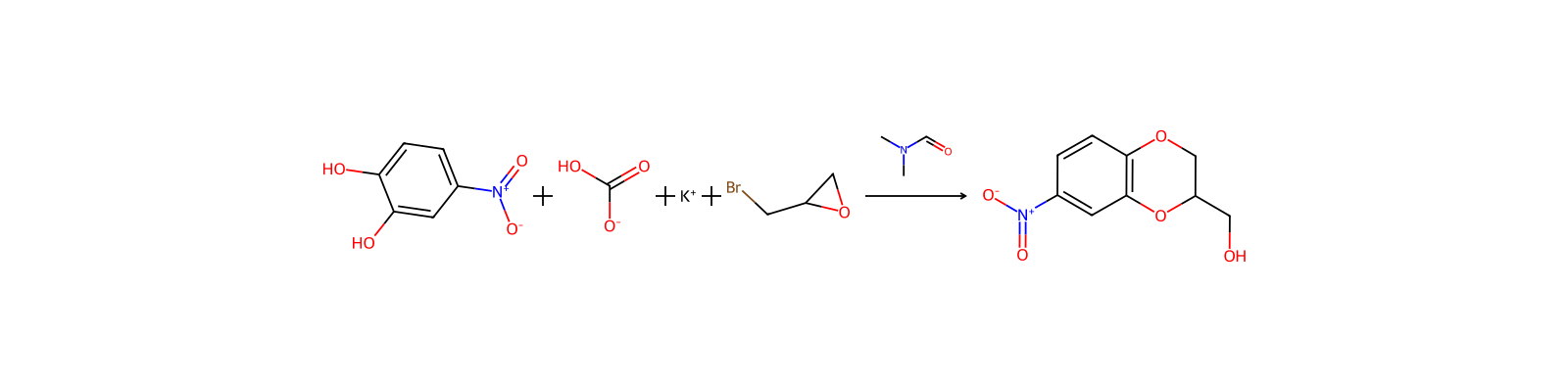
HRID 36597 の反応式
HRID 36597反応物としてuspto-grants-1995_05
HRID 38982 の反応式
HRID 38982反応物としてuspto-grants-2013_09
HRID 38999 の反応式
HRID 38999反応物としてuspto-grants-2013_09
HRID 47169 の反応式
HRID 47169反応物としてuspto-grants-2004_03
HRID 55669 の反応式
HRID 55669反応物としてuspto-grants-1997_04
HRID 62141 の反応式
HRID 62141反応物としてuspto-grants-2016_09
1 / 75 ページ

化合物ノート

読み込み中…

このページの内容基本情報概要名称と識別子物性安全と法規制化学と産業関連反応化合物ノート
その他の操作
ノートを作成反応を作成見積依頼を出す
· 2 件

-40 °F (NTP, 1992)

-40 °C

Vapor Pressure9.9 [mmHg]

物理化学的性質

融点
40 °C · −40 °C(lit.)
沸点
134 · 134-136 °C(lit.)
比重(密度)
1.67 · 1.67
屈折率
20 · n20/D 1.482(lit.)
闪点
133 °F · 133 °F
貯蔵温度
2 · 2-8°C
溶解性
クロロホルム(可溶)、メタノール(少量)
外見
油
色
無色
比重
1.668 · 1.668 (20/4℃)
BRN
79786 · 79786
Henry's Law Constant
4.1 · 4.1×100 mol/(m3Pa) at 25℃, HSDB (2015)
安定性
安定。酸、塩基、酸化剤、より活性な金属の多くと互換性がありません。
InChIKey
GKIPXFAANLTWBM-UHFFFAOYSA-N
CAS データベース
3132 · 3132-64-7(CAS DataBase Reference)
NISTの化学物質情報
1 · 1-Bromo-2,3-epoxypropane(3132-64-7)
EPAの化学物質情報
Epibromohydrin (3132-64-7)

化学的性質

化学的特性colourless liquid

DOT ID and Guide2558 131
Reactive GroupHalogenated Organic Compounds
TSCA Requirements · 1 件

Pursuant to section 8(d) of TSCA, EPA promulgated a model Health and Safety Data Reporting Rule. The section 8(d) model rule requires manufacturers, importers, and processors of listed chemical substances and mixtures to submit to EPA copies and lists of unpublished health and safety studies. Oxirane, (bromomethyl)- is included on this list. Effective date 10/4/82; Sunset date: 12/29/88.

Reactivity AlertsHighly Flammable
Reactivity ProfileEPIBROMOHYDRIN reacts with acids, bases, oxidizing agents, Na, Zn, Al, Mg and their alloys. (NTP, 1992).
DOT Emergency Guidelines · 5 件

/GUIDE 131: FLAMMABLE LIQUIDS - TOXIC/ Fire or Explosion: HIGHLY FLAMMABLE: Will be easily ignited by heat, sparks or flames. Vapors may form explosive mixtures with air. Vapors may travel to source of ignition and flash back. Most vapors are heavier than air. They will spread along ground and collect in low or confined areas (sewers, basements, tanks). Vapor explosion and poison hazard indoors, outdoors or in sewers. Those substances designated with a (P) may polymerize explosively when heated or involved in a fire. Runoff to sewer may create fire or explosion hazard. Containers may explode when heated. Many liquids are lighter than water.

/GUIDE 131: FLAMMABLE LIQUIDS - TOXIC/ Health: TOXIC; may be fatal if inhaled, ingested or absorbed through skin. Inhalation or contact with some of these materials will irritate or burn skin and eyes. Fire will produce irritating, corrosive and/or toxic gases. Vapors may cause dizziness or suffocation. Runoff from fire control or dilution water may cause pollution.

/GUIDE 131: FLAMMABLE LIQUIDS - TOXIC/ Public Safety: CALL Emergency Response Telephone Number on Shipping Paper first. If Shipping Paper not available or no answer, refer to appropriate telephone number listed on the inside back cover. As an immediate precautionary measure, isolate spill or leak area for at least 50 meters (150 feet) in all directions. Keep unauthorized personnel away. Stay upwind. Keep out of low areas. Ventilate closed spaces before entering.

/GUIDE 131: FLAMMABLE LIQUIDS - TOXIC/ Protective Clothing: Wear positive pressure self-contained breathing apparatus (SCBA). Wear chemical protective clothing that is specifically recommended by the manufacturer. It may provide little or no thermal protection. Structural firefighters' protective clothing provides limited protection in fire situations ONLY; it is not effective in spill situations where direct contact with the substance is possible.

For more DOT Emergency Guidelines (Complete) data for EPIBROMOHYDRIN (8 total), please visit the HSDB record page.

安全と保護具

Fire FightingExcerpt from ERG Guide 131 [Flammable Liquids - Toxic]:
Accidental Release Measures · 2 件

· CALL 911. Then call emergency response telephone number on shipping paper. If shipping paper not available or no answer, refer to appropriate telephone number listed on the inside back cover.

· ELIMINATE all ignition sources (no smoking, flares, sparks or flames) from immediate area.

First Aid · 2 件

EYES: First check the victim for contact lenses and remove if present. Flush victim's eyes with water or normal saline solution for 20 to 30 minutes while simultaneously calling a hospital or poison control center. Do not put any ointments, oils, or medication in the victim's eyes without specific instructions from a physician. IMMEDIATELY transport the victim after flushing eyes to a hospital even if no symptoms (such as redness or irritation) develop.

General First Aid:

Exposure Control and Personal Protection· Wear positive pressure self-contained breathing apparatus (SCBA).
Fire Fighting Procedures · 1 件

If material on fire or involved in fire: Do not extinguish fire unless flow can be stopped. Use water in flooding quantities as fog. Solid streams of water may be ineffective. Cool all affected containers with flooding quantities of water. Apply water from as far a distance as possible. Use "alcohol" foam, dry chemical or carbon dioxide. Keep run-off water out of sewers and water sources.

Nonfire Spill ResponseExcerpt from ERG Guide 131 [Flammable Liquids - Toxic]:
Disposal Methods · 1 件

SRP: The most favorable course of action is to use an alternative chemical product with less inherent propensity for occupational exposure or environmental contamination. Recycle any unused portion of the material for its approved use or return it to the manufacturer or supplier. Ultimate disposal of the chemical must consider: the material's impact on air quality; potential migration in soil or water; effects on animal, aquatic, and plant life; and conformance with environmental and public health regulations.

Preventive Measures · 2 件

If material not on fire and not involved in fire: Keep sparks, flames, and other sources of ignition away. Keep material out of water sources and sewers. Build dikes to contain flow as necessary. Attempt to stop leak if without undue personnel hazard. Use water spray to knock-down vapors.

Personnel Protection: Avoid breathing vapors. Keep upwind. Do not handle broken packages unless wearing appropriate personal protective equipment.

Isolation and Evacuation · 2 件

Excerpt from ERG Guide 131 [Flammable Liquids - Toxic]:

Immediate precautionary measure

Protective Action Criteria (PAC) · 3 件

0.98 [mg/m3]

11 [mg/m3]

65 [mg/m3]

Personal Protective Equipment (PPE) · 2 件

Excerpt from ERG Guide 131 [Flammable Liquids - Toxic]:

Personnel Protection: Keep upwind. Wear positive pressure self-contained breathing apparatus. Avoid bodily contact with the material. Wear appropriate chemical protective clothing.

Emergency Response Planning GuidelinesCAUTION: The majority of these products have a very low flash point. Use of water spray when fighting fire may be inefficient.

毒性情報

Environmental Fate · 3 件

TERRESTRIAL FATE: Based on a classification scheme(1), an estimated Koc value of 70(SRC), determined from a log Kow of 0.85(2) and a regression-derived equation(3), indicates that epibromohydrin is expected to have high mobility in soil(SRC). Volatilization of epibromohydrin from moist soil surfaces is expected to be an important fate process(SRC) given an estimated Henry's Law constant of 2.4X10⁻⁶ atm-cu m/mole(SRC), using a fragment constant estimation method(4). The potential for volatilization of epibromohydrin from dry soil surfaces may exist(SRC) based upon an estimated vapor pressure of 9.9 mm Hg(SRC), determined from a fragment constant method(5). Hydrolysis is expected to be the primary degradation process for epibromohydrin in moist soil based on the measured half-life of 16 days in water at 25 °C and pH 7(6). Biodegradation data were for epibromohydrin were not available(SRC, 2009). Analogous epichlorohydrin achieved 14% of the theoretical BOD in sewage sludge following acclimation(7), suggesting biodegradation may be an important fate process for epibromohydrin in acclimated water(SRC).

AQUATIC FATE: Based on a classification scheme(1), an estimated Koc value of 70(SRC), determined from a log Kow of 0.85(2) and a regression-derived equation(3), indicates that epibromohydrin is not expected to adsorb to suspended solids and sediment in water(SRC). Volatilization from water surfaces is expected(3) based upon an estimated Henry's Law constant of 2.4X10⁻⁶ atm-cu m/mole(SRC), developed using a fragment constant estimation method(4). Using this Henry's Law constant and an estimation method(3), volatilization half-lives for a model river and model lake are 38 hours and 22 days, respectively(SRC). Hydrolysis is expected to be the primary degradation process for epibromohydrin in water based on the measured half-life of 16 days in water at 25 °C and pH 7(5). According to a classification scheme(6), an estimated BCF of 3(SRC), from its log Kow(2) and a regression-derived equation(7), suggests the potential for bioconcentration in aquatic organisms is low. Biodegradation data were for epibromohydrin were not available(SRC, 2009). Analogous epichlorohydrin achieved 14% of the theoretical BOD in sewage sludge following acclimation(8), suggesting biodegradation may be an important fate process for epibromohydrin in acclimated water(SRC).

ATMOSPHERIC FATE: According to a model of gas/particle partitioning of semivolatile organic compounds in the atmosphere(1), epibromohydrin, which has an estimated vapor pressure of 9.9 mm Hg at 25 °C(2), is expected to exist solely as a vapor in the ambient atmosphere. Vapor-phase epibromohydrin is degraded in the atmosphere by reaction with photochemically-produced hydroxyl radicals(SRC); the half-life for this reaction in air is estimated to be 34 days(SRC), calculated from its rate constant of 4.8X10⁻¹³ cu cm/molecule-sec at 25 °C(3), determined using a structure estimation method(3). Direct photolysis of epibromohydrin is not an important environmental fate process(4).

Adverse EffectsOccupational hepatotoxin - Secondary hepatotoxins: the potential for toxic effect in the occupational setting is based on cases of poisoning by human ingestion or animal experimentation.
Medical Surveillance · 4 件

Respiratory Symptom Questionnaires: Questionnaires have been published by the American Thoracic Society (ATS) and the British Medical Research Council). These questionnaires have been found to be useful in identification of people with chronic bronchitis, however certain pulmonary function tests such as FEV 1 (see pulmonary function test section) have been found to be better predictors of chronic airflow obstruction. /Epichlorohydrin/

Chest Radiography: This test is widely used for assessing pulmonary disease. Chest radiographs have been found to be useful for detection of early lung cancer in asymptomatic people, especially for detection of peripheral tumors such as adenocarcinomas. However, even though OSHA mandates this test for exposure to some toxicants such as asbestos, there are conflicting views on its efficacy in detection of pulmonary disease. /Epichlorohydrin/

Pulmonary Function Tests: The tests that have been found to be practical for population monitoring include: Spirometry and expiratory-flow volume curves; Determination of lung volumes; Diffusing capacity for carbon monoxide; Single breath nitrogen washout; Inhalation challenge tests; Serial measurements of peak expiratory flow; Exercise testing. /Epichlorohydrin/

Sputum Cytology: Sputum cytology along with chest radiographs have been the standard procedures for detecting early lung cancer in asymptomatic patients. Sputum cytology has been found to be useful for detection of central tumors, especially squamous carcinomas. For this test to be effective, exfoliated respiratory mucosal cells must be present in the expectorated specimen. Pooling of sputum collected over 2-3 days may enhance the sensitivity of this test by increasing the yield of exfoliated cells in the specimen. /Epichlorohydrin/

Soil Adsorption/Mobility · 1 件

The Koc of epibromohydrin is estimated as 70(SRC), using a log Kow of 0.85(1) and a regression-derived equation(2). According to a classification scheme(3), this estimated Koc value suggests that epibromohydrin is expected to have high mobility in soil(SRC).

Artificial Pollution SourcesEpibromohydrin's production and use as a flame retardant(1) and cross-linking agent for polymers(2) may result in its release to the environment through various waste streams(SRC).
Environmental Biodegradation · 1 件

AEROBIC: Biodegradation data were for epibromohydrin were not available(SRC, 2009). However, structurally similar epichlorohydrin achieved 3% of the theoretical BOD in a sewage sludge over a 5 day incubation period, and 14% of the theoretical BOD following acclimation(1), suggesting biodegradation may be an important fate process for epibromohydrin in acclimated water(SRC).

Environmental Bioconcentration · 1 件

An estimated BCF of 3 was calculated for epibromohydrin(SRC), using a log Kow of 0.85(1) and a regression-derived equation(2). According to a classification scheme(3), this BCF suggests the potential for bioconcentration in aquatic organisms is low.

Volatilization from Water/Soil · 1 件

The Henry's Law constant for epibromohydrin is estimated as 2.4X10⁻⁶ atm-cu m/mole(SRC) using a fragment constant estimation method(1). This Henry's Law constant indicates that epibromohydrin is expected to volatilize from water surfaces(2). Based on this Henry's Law constant, the volatilization half-life from a model river (1 m deep, flowing 1 m/sec, wind velocity of 3 m/sec)(2) is estimated as 38 hours(SRC). The volatilization half-life from a model lake (1 m deep, flowing 0.05 m/sec, wind velocity of 0.5 m/sec)(2) is estimated as 22 days(SRC). Epibromohydrin's estimated Henry's Law constant(1) indicates that volatilization from moist soil surfaces may occur(SRC). The potential for volatilization of epibromohydrin from dry soil surfaces may exist(SRC) based upon an estimated vapor pressure of 9.9 mm Hg(SRC), determined from a fragment constant method(3).

Non-Human Toxicity Excerpts · 5 件

/GENOTOXICITY/ ...The plasmid vector pKK233-2 containing rat GSH S-transferase (GST) 5-5 cDNA /was inserted/ into Salmonella typhimurium TA1535 and ... these bacteria [GST 5-5(+)] expressed the protein and produced mutations when ethylene or methylene dihalides were added ... After exposure to the known GST 5-5 substrate 1,2-epoxy-3-(4'-nitrophenoxy)propane, the GST 5-5(+) strain showed fewer mutants than the bacteria transfected with the cDNA clone in a reverse orientation [GST 5-5(-)], suggesting a protective role of GST 5-5. However,... the GST 5-5(+) strain showed enhanced mutagenicity with ...1,2-epoxy-3-bromopropane (epibromohydrin)...

/GENOTOXICITY/ The rat theta class glutathione S-transferase (GST) 5-5 has been shown to affect the mutagenicity of halogenated alkanes and epoxides. In Salmonella typhimurium TA1535 expressing the rat GST5-5 the number of revertants was increased compared to the control strain by CH2Br2, ethylene dibromide (EDB) and 1,2,3,4-diepoxybutane (BDE); in contrast, mutagenicity of 1,2-epoxy-3-(4'-nitro-phenoxy)propane (EPNP) was reduced. S.typhimurium TA1535 cells were transformed with an expression plasmid carrying the cDNA of the human theta ortholog GST1-1 either in sense or antisense orientation, the latter being the control. These transformed bacteria were utilized for mutagenicity assays. Mutagenicity of EDB, BDE, CH2Br2, epibromohydrin and 1,3-dichloroacetone was higher in the S.typhimurium TA1535 expressing GSTT1-1 than in the control strain. The expression of active enzyme did not affect the mutagenicity of 1,2-epoxy-3-butene or propylene oxide. GSTT1-1 expression reduced the mutagenicity of EPNP. Glutathione S-transferase 5-5 and GSTT1-1 modulate genotoxicity of several industrially important chemicals in the same way. Polymorphism of the GSTT1 locus in humans may therefore cause differences in cancer susceptibility between the two phenotypes.

/GENOTOXICITY/ Conjugation of chemicals with glutathione (GSH) can lead to decreased or increased toxicity. ... A gene deletion polymorphism involving the human theta enzyme T1 has been described: the enzyme is present in erythrocytes and can be readily assayed. A rat theta class enzyme, 5-5, has structural and catalytic similarity and the protein was expressed in the Salmonella typhimurium tester strain TA1535. Expression of the cDNA vector increased the mutagenicity of ethylene dibromide and several methylene dihalides. Mutations resulting from the known GSH S-transferase substrate 1,2-epoxy-3-(4'nitrophenoxy)propane were decreased in the presence of the transferase. Expression of transferase 5-5 increased mutations when 1,2,3,4-diepoxybutane (butadiene diepoxide), 4-bromo-1,2-epoxybutane, or 1,3-dichloracetone were added. The latter compound is a model for the putative 1,2-dibromo-3-chloropropane oxidation product 1-bromo-3-chloroacetone...

/GENOTOXICITY/ A newly developed tester Salmonella typhimurium NM5004 strain was constructed by introducing a plasmid containing both rat GSH S-transferase (GST) 5-5 cDNA and the umuC"lacZ operon into the host strain Salmonella typhimurium TA1535 and used to examine whether or not GST modified the genotoxic activities of several dihaloalkanes and other compounds. Twenty-nine chemicals /including epibromohydrin/ that were suggested to be conjugated by GST were compared with regard to their abilities to induce umu gene expression and cause cytotoxicity responses in both the NM5004 strain and the original tester strain (S. typhimurium TA1535/pSK1002, which is devoid of GST activity toward 1,2-epoxy-3-(4'-nitrophenoxy)propane). Ten chemicals--1,2-dibromoethane, N-(2,3-epoxypropyl)phthalimide, 1,3-dichloroacetone, CH2I2, 1,2-epoxy-3-phenoxypropane, 2,3-epoxypropyl p-methoxyphenyl ether, 1-bromo-2-chloroethane, 1-bromo-2,3-dichloropropane, CH2BrCl, and CH2Br2--were found to enhance induction of umu gene expression in the NM5004 strain as compared with the TA1535/pSK1002 strain. 1,2-Epoxy-3-(4'-nitrophenoxy)propane and 2,3-dibromo-1-chloropropane were inactivated by GST 5-5 in the NM5004 tester strain, although these chemicals were cytotoxic in both tester strains...

Environmental Abiotic Degradation · 1 件

The rate constant for the vapor-phase reaction of epibromohydrin with photochemically-produced hydroxyl radicals has been estimated as 4.8X10⁻¹³ cu cm/molecule-sec at 25 °C(SRC) using a structure estimation method(1). This corresponds to an atmospheric half-life of about 34 days at an atmospheric concentration of 5X10+5 hydroxyl radicals per cu cm(1). The first-order neutral hydrolysis rate constant has been experimentally determined to be 5X10⁻⁷ sec-1 at pH 7 and 25 °C, which corresponds to a half-life of 16 days in water(2). Hydrolysis of epibromohydrin yields 1-bromo-2,3-propanediol. Anions such as chloride will also react with epibromohydrin to yield 1-bromo-3-chloro-2-propanol(3). Bicarbonate or nitrate anions will react to yield transient intermediates, which are rapidly degraded to 1-bromo-2,3-propanediol(3). Direct photolysis of epibromohydrin is not an important environmental fate process(3).

Probable Routes of Human Exposure · 1 件

NIOSH (NOES Survey 1981-1983) has statistically estimated that 1821 workers (272 of these were female) were potentially exposed to epibromohydrin in the US(1). Occupational exposure to epibromohydrin may occur through inhalation and dermal contact with this compound at workplaces where epibromohydrin is produced or used(SRC). Use data indicate that the general population may be exposed to epibromohydrin via dermal contact with products containing this compound(SRC).

Environmental Fate/Exposure Summary · 1 件

Epibromohydrin's production and use as a flame retardant and cross-linking agent for polymers may result in its release to the environment through various waste streams. If released to air, an estimated vapor pressure of 9.9 mm Hg at 25 °C indicates epibromohydrin will exist solely as a vapor in the ambient atmosphere. Vapor-phase epibromohydrin will be degraded in the atmosphere by reaction with photochemically-produced hydroxyl radicals; the half-life for this reaction in air is estimated to be 34 days. Direct photolysis of epibromohydrin is not an important environmental fate process. If released to soil, epibromohydrin is expected to have high mobility based upon an estimated Koc of 70. Volatilization from moist soil surfaces is expected to be an important fate process based upon an estimated Henry's Law constant of 2.4X10⁻⁶ atm-cu m/mole. Epibromohydrin may volatilize from dry soil surfaces based upon its vapor pressure. Biodegradation data for structurally similar epichlorohydrin, suggest that biodegradation in acclimated soil or water may be an important fate process for epibromohydrin. If released into water, epibromohydrin is not expected to adsorb to suspended solids and sediment in water based upon the estimated Koc. Volatilization from water surfaces is expected to be an important fate process based upon this compound's estimated Henry's Law constant. Estimated volatilization half-lives for a model river and model lake are 38 hours and 22 days, respectively. An estimated BCF of 3 suggests the potential for bioconcentration in aquatic organisms is low. Hydrolysis is expected to be the primary degradation process for epibromohydrin in moist soil and water based on the measured half-life of 16 days in water at 25 °C and pH 7. Hydrolysis-related products depend on the ionic content of the environmental media. The primary hydrolysis product will be 1-bromo-2,3-propanediol; however, anions such as chloride will also react with epibromohydrin to yield products such as 1-bromo-3-chloro-2-propanol. Occupational exposure to epibromohydrin may occur through inhalation and dermal contact with this compound at workplaces where epibromohydrin is produced or used. Use data indicate that the general population may be exposed to epibromohydrin via dermal contact with products containing this compound. (SRC)

法規制情報

TSCA Requirements · 1 件

Pursuant to section 8(d) of TSCA, EPA promulgated a model Health and Safety Data Reporting Rule. The section 8(d) model rule requires manufacturers, importers, and processors of listed chemical substances and mixtures to submit to EPA copies and lists of unpublished health and safety studies. Oxirane, (bromomethyl)- is included on this list. Effective date 10/4/82; Sunset date: 12/29/88.

安全データ

wgk
2
tsca
TSCA listed
rtecs
TX4115000
ridadr
UN 2558
hs_code
29109000
risk_code
22-36/37/38-40
化審法
(2)-292
消防法
危-4-2-III
hazard_code
Xn
safety_code
26-36/37
hazard_class
6.1
packing_group
I
有毒物質データの
3132-64-7(Hazardous Substances Data)
(S)-グリシジルフェニルエーテル
ベンジルグリシジルエーテル
p-(2,3-Epoxypropoxy)benzyl Alcohol
2-(2-エトキシフェノキシメチル)オキシラン
tert-butyl N-methyl-N-(oxiran-2-ylmethyl)carbamate

補足説明

定義ChEBI: An epoxide that is oxirane substituted by a bromomethyl group at position 2.

For more Non-Human Toxicity Excerpts (Complete) data for EPIBROMOHYDRIN (6 total), please visit the HSDB record page.