
基本情報
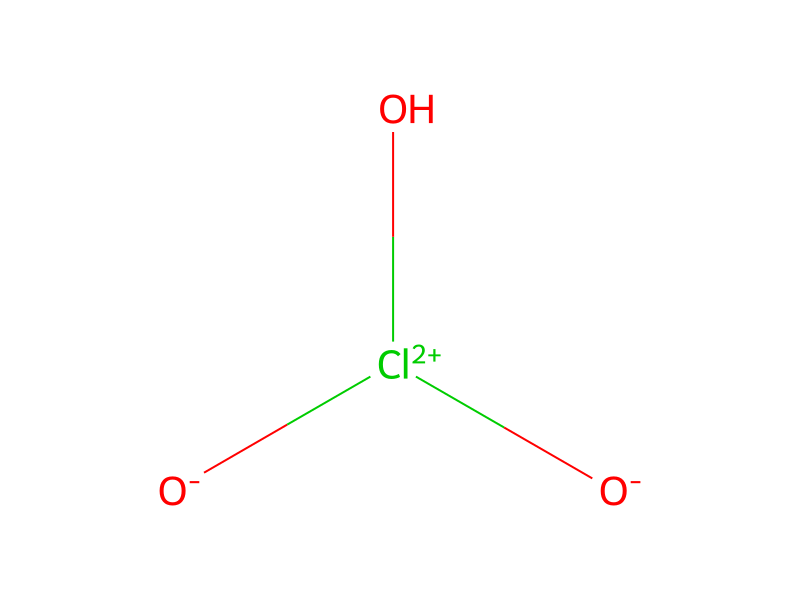
- 標準SMILES
[O-][Cl+2]([O-])O- InChIKey
LSUVGSGHYCLVPU-UHFFFAOYSA-N- 分子式
- ClHO3
- 平均分子量
- 84.46 g/mol
- 単同位体質量
- 83.96142157
概要
Chloric acid is a colorless liquid. It will accelerate the burning of combustible materials and can ignite most on contact. It is corrosive to metals and tissue. It is used as a reagent in chemical analysis and to make other chemicals.
名称と識別子
- 優先名称
- Chloric acid
- IUPAC
- chloric acid
- 現地名
- 塩素酸
- 英語名
- CHLORIC ACID
- 分子式
- ClHO3
- 分子量
- 84.46
名称と別名
CHLORIC ACID7790-93-4Z0V9L75H3KDTXSID1047449CHEBI:17322RefChem:5667DTXCID9027449CLO2--Portable sterilization card232-233-0ChlorsaeureChloric(V) acidUNII-Z0V9L75H3K
名称をさらに表示
塩素酸素酸塩素酸(水溶液)塩素酸 (水溶液、濃度が10質量%以下のもの)Chloride AcidC01485NA-9191chloricNA 2626Hypure CchloricacidChloric acid solutionCHLORIC ACID, 35 WT. % SOLUTIONCHLORIC ACID ISO 9001:2015 REACH
hydrogenchloric acidEINECS 232-233-0UN2626hydrogen chloric acidHClO3hydroxidodioxidochlorineCHLORIC ACID [MI]SCHEMBL18802
データベース識別子
- CAS
7790-93-4- PubChem CID
- 19654
- DTXSID
DTXSID1047449- ChEMBL
CHEMBL1161633- ChEBI
CHEBI:17322- UNII
- Z0V9L75H3K
- EC Number
- 232-233-0
- Nikkaji
- J74.689D
物性
構造計算による物性
- XLogP
- 2.1
- 極性表面積
- 54.4 Ų
- 水素結合供与体数
- 1
- 水素結合受容体数
- 3
- 回転可能結合数
- 0
- 重原子数
- 4
- 形式電荷
- 0
- 複雑度
- 46.2
実験および物理化学的性質
Chemical Classes
Toxic Gases & Vapors -> Acids, Inorganic
Reactive agents - 4th degree
Physical Description
Chloric acid is a colorless liquid. It will accelerate the burning of combustible materials and can ignite most on contact. It is corrosive to metals and tissue. It is used as a reagent in chemical analysis and to make other chemicals.
Found only in aqueous solution; [Merck Index] Clear colorless liquid; [MSDSonline]
物理化学的性質
- 融点
- -20 ℃ · <-20℃ [CRC10]
- 沸点
- 100 °C · >100 °C
- 比重(密度)
- 1.2 g/mL · 1.2 g/mL at 25 °C
- 溶解性
- 2 O · very soluble in H2O
- 色
- exists only in aqueous solution
- 水溶解度
- 2 O · 非常に溶けやすいH2O [CRC10]
- Merck
- 13 · 13,2109
- CAS データベース
- 7790 · 7790-93-4
- EPAの化学物質情報
- Chloric acid (7790-93-4)
化学的性質
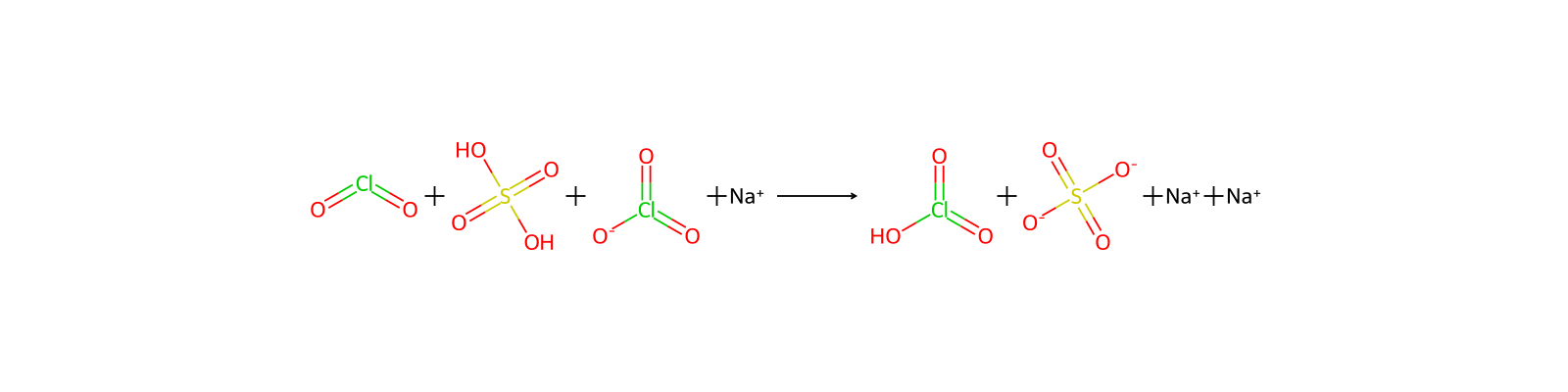
化学的特性can occur only in an aqueous solution; oxidizing agent; preparation: reaction between H2SO4 and barium chlorate; used as a catalyst in the polymerization of acrylonitrile, as an oxidizing agent [MER06] [HAW93]
安全と法規制
GHS分類
GHS Classification
Danger
H271 (100%): May cause fire or explosion; strong Oxidizer [Danger Oxidizing liquids; Oxidizing solids]
P210, P220, P260, P264, P280, P283, P301+P330+P331, P302+P361+P354, P304+P340, P305+P354+P338, P306+P360, P316, P321, P363, P370+P378, P371+P380+P375, P405, P420, and P501 (click each P-code to see the statement)
Aggregated GHS information provided per 39 reports by companies from 1 notifications to the ECHA C&L Inventory. Each notification may be associated with multiple companies.
Danger
H271: May cause fire or explosion; strong Oxidizer [Danger Oxidizing liquids; Oxidizing solids]
危険有害性情報
Regulatory Information
Chloric acid: Does not have an individual approval but may be used under an appropriate group standard
The New Jersey Worker and Community Right to Know Act requires public and private employers to provide information about hazardous substances at their workplaces. (N.J.S.A. 34:5A-1 et. seq.)
DOT LabelOxidizer
Fire Hazards
Excerpt from ERG Guide 140 [Oxidizers]:
CAUTION: Ammonium nitrate products may explode if involved in fire or contaminated with hydrocarbons (fuels), organic matter, other contaminants or when hot molten and contained. Treat as an explosive (GUIDE 112).
Health Hazards
Excerpt from ERG Guide 140 [Oxidizers]:
· Inhalation, ingestion or contact (skin, eyes) with vapors or substance may cause severe injury, burns or death.
Hazards Summary
A strong skin and mucous membrane irritant; [Merck Index] Corrosive to tissue; [CAMEO] An eye irritant; [eChemPortal: ERMA] A corrosive substance that can cause injury to the skin, eyes, and respiratory tract; Inhalation may cause chemical pneumonitis and pulmonary edema; [MSDSonline]
DOT ID and Guide2626 140
Reactive GroupAcids, Strong Oxidizing
Reactivity AlertsStrong Oxidizing Agent
Reactivity Profile
Self-reactive. Concentrations of CHLORIC ACID above 40% decompose [Mellor 2 Supp. 1:576 1956]. Antimony sulfide and concentrated solutions of chloric acid react with incandescence [Mellor Supp. II Part I:584 1956]. Arsenic sulfide and concentrated solutions of chloric acid react with incandescence. Reacts with vigor even explodes with other metal sulfides, i.e. copper sulfide [Mellor Supp. II Part I:584 1956]. In contact with oxidizable materials, including ammonia, reactions can be extremely violent. Filter paper ignites after soaking in chloric acid, [Mellor, 1946, Vol. 2, 310]. Explosions have been recorded by mixtures of chloric acid solution with metals such as: antimony, bismuth, and iron. This is due to the formation of explosive compounds including hydrogen.
Air and Water ReactionsWater soluble.
Hazard Classes and Categories
Ox. Liq. 1 (100%)
Oxidizing liquids - Category 1-2
Reactive agents - 4th degree
安全と保護具
Fire FightingExcerpt from ERG Guide 140 [Oxidizers]:
Accidental Release Measures
· CALL 911. Then call emergency response telephone number on shipping paper. If shipping paper not available or no answer, refer to appropriate telephone number listed on the inside back cover.
· Keep combustibles (wood, paper, oil, etc.) away from spilled material.
First Aid
Excerpt from ERG Guide 140 [Oxidizers]:
General First Aid:
Exposure Control and Personal Protection· Wear positive pressure self-contained breathing apparatus (SCBA).
Nonfire Spill ResponseExcerpt from ERG Guide 140 [Oxidizers]:
Isolation and Evacuation
Excerpt from ERG Guide 140 [Oxidizers]:
Immediate precautionary measure
Personal Protective Equipment (PPE)Excerpt from ERG Guide 140 [Oxidizers]:
Emergency Response Planning GuidelinesSmall Fire
毒性情報
Adverse EffectsDermatotoxin - Skin burns.
安全データ
- tsca
- TSCA listed
- ridadr
- UN 2626
- risk_code
- 8-34
- hazard_code
- O,C
- safety_code
- 17-26-36/37/39-45
- hazard_class
- 5.1
- packing_group
- II
- 環境リスク評価
- 塩素酸(7790-93-4)
化学と産業
用途と製造
UsesUsed as an oxidizing agent and as a catalyst in acrylonitrile polymerization; [Merck Index] Used in chemical analysis and to make other chemicals; [CAMEO]
General Manufacturing InformationChloric acid: ACTIVE
応用分野
解説HClO3(84.46).塩素酸バリウムに硫酸を作用させてつくる.水溶液としてのみ知られ,光を当てなければ安定である.水溶液は無色で,40% 以上の濃厚水溶液は分解して塩素と酸素を生じる.強酸で希薄水溶液ではほとんど完全に電離しており,安定で沸点まで熱しても分解しない.強力な酸化剤である.多くの金属は水素を発生して溶解し,塩素酸塩を生じる.硫黄,セレンなどは酸化されて,それぞれ硫酸,セレン酸になる.有機物とは爆発的に反応する.オゾン,過酸化水素により酸化されて過塩素酸となる.化学試薬,塩素酸塩の製造,酸化剤などに用いられる.森北出版「化学辞典(第2版)
説明Chloric acid, HClO3, is an oxoacid of chloride, and the formal precursor of chlorate salts. It is a strong acid (pKa=-1) and a strong oxidizing agent. It is stable in cold aqueous solution up to a concentration of approximately 30%, and solution of up to 40% can be prepared by careful evaporation under reduced pressure. Above these concentrations, and on warming, chloric acid solutions decompose to give a variety of products, for example: 8HClO3→4HClO4+2H2O+2Cl2+3O2 Note that it disproportionates into perchloric acid in which the chlorine atom has a+7 oxidation state and also the zero oxidation state of chlorine gas (an oxidation–reduction reaction). Thus, under the proper conditions, it can also be used to make perchloric acid. 3HClO3→HClO4+H2O+2ClO2
使用Oxidizing agent; with H2SO3 as catalyst in acrylonitrile polymerization.
一般的な説明CHLORIC ACID is a colorless liquid. CHLORIC ACID will accelerate the burning of combustible materials and can ignite most on contact. CHLORIC ACID is corrosive to metals and tissue. CHLORIC ACID is used as a reagent in chemical analysis and to make other chemicals.
使用用途塩素酸の関連物質である塩素酸ナトリウムは、EUにおいて環境への影響のため除草剤としての使用が2009年に禁止されています。 1. 酸化剤・漂白剤 塩素酸の水溶液は強酸であり、強い酸化力を持つ物質です。強力な漂白効果を有しており、パルプを始め様々な物質の漂白剤として工業的に利用されています。 また、多くの金属とその酸化物、水酸化物、炭酸塩を溶解させることで、塩素酸塩 (、、塩素酸アンモニウム、塩素酸亜鉛など) の原材料としても利用されています。 2. 火薬・爆薬 塩素酸の塩は、火薬や爆薬の原料としても使用されてきた歴史があります。純度98%の塩素酸ナトリウムが農薬として使用されていたこともありましたが、爆発の危険性が高く、また非合法の爆発物として利用される例が頻発して社会問題となりました。 これにより、1970年代以降はなどが配合された薬剤が主流となっています。
上流・下流製品情報
下流製品
サプライヤー6 社
广东翁江化学试剂有限公司0751-2815987 13927875076 · [email protected]
陕西缔都医药化工有限公司+86-29-81139210 +86-17392587031 · [email protected]
爆牛贸易重庆有限公司+86-023-6139-8061 +86-86-13650506873 · [email protected]
陕西缔都医药化工有限公司029-029-029-81148696 18161915376 · [email protected]
广东元丰化学试剂有限公司0751-2829979 13318584237 · [email protected]
SUZHOU SENFEIDA CHEMICAL CO.,LTD+86-0512-83500002 +86-15195660023 · [email protected]
関連反応
15 件



関連ノート
読み込み中…