

基本情報
- 標準SMILES
COc1cc(OC)c(OC)cc1C=O- InChIKey
IAJBQAYHSQIQRE-UHFFFAOYSA-N- 分子式
- C10H12O4
- 平均分子量
- 196.2 g/mol
- 単同位体質量
- 196.07355886
概要
2,4,5-trimethoxybenzaldehyde is a beige powder. (NTP, 1992)
名称と識別子
- 優先名称
- 2,4,5-Trimethoxybenzaldehyde
- IUPAC
- 2,4,5-trimethoxybenzaldehyde
- 現地名
- 2,4,5-トリメトキシベンズアルデヒド
- 英語名
- 2,4,5-Trimethoxybenzaldehyde
- 分子式
- C10H12O4
- 分子量
- 196.2
名称と別名
2,4,5-TRIMETHOXYBENZALDEHYDE4460-86-0AsaraldehydeAsaronaldehydeAsarylaldehydeGazarinAzarylaldehyde3,4,6-TrimethoxybenzaldehydeNCI-C61632DTXSID1022217NDU8J2Q00DNSC-89299
名称をさらに表示
2,4,5-トリメトキシベンズアルデヒドガザリンアサリルアルデヒドアサルアルデヒドアサロンアルデヒド2,4,5トリメトキシベンズアルデヒド2,4,5‐トリメトキシベンズアルデヒド2,4,5-TrimethoxyAKOS BBS-00003175
2,4,5-trimethoxylbenzaldehydeDTXCID702217TMBZRefChem:82040224-713-3Benzaldehyde, 2,4,5-trimethoxy-14374-62-0NSC 89299
データベース識別子
- CAS
4460-86-0- PubChem CID
- 20525
- DTXSID
DTXSID1022217- ChEMBL
CHEMBL1164301- ChEBI
CHEBI:113543- UNII
- NDU8J2Q00D
- EC Number
- 224-713-3
- Nikkaji
- J13.494E
物性
構造計算による物性
- XLogP
- 1.3
- 極性表面積
- 44.8 Ų
- 水素結合供与体数
- 0
- 水素結合受容体数
- 4
- 回転可能結合数
- 4
- 重原子数
- 14
- 形式電荷
- 0
- 複雑度
- 183
実験および物理化学的性質
Chemical ClassesOther Classes -> Benzaldehydes
Solubility
less than 1 mg/mL at 72 °F (NTP, 1992)
Soluble in water, ethyl ether, chloroform, ligroin
Endocrine DisruptorsPotential endocrine disrupting compound
Boiling Point284 °F at 4 mmHg (Sublimes) (NTP, 1992)
Melting Point
234 to 237 °F (NTP, 1992)
114 °C
114 °C
Vapor Pressure0.00113 [mmHg]
Physical Description
2,4,5-trimethoxybenzaldehyde is a beige powder. (NTP, 1992)
Beige solid; [CAMEO] White to pale brown solid; [MSDSonline]
Solid
Collision Cross Section
137.08 Ų [M+H]+ [CCS Type: TW; Method: calibrated with polyalanine and drug standards]
138.3 Ų [M+H]+ [CCS Type: TW; Method: calibrated with polyalanine and drug standards]
物理化学的性質
- 融点
- 112 · 112-114 °C (lit.)
- 沸点
- 140 °C · 140°C 4mm
- 比重(密度)
- 1.2166 · 1.2166 (rough estimate)
- 屈折率
- 1.555 · 1.5550 (estimate)
- 闪点
- 140 °C/4mm · 140°C/4mm subl.
- 貯蔵温度
- Keep in dark place,Sealed in dry,Room Temperature
- 溶解性
- クロロホルム(微量)、酢酸エチル(微量)、メタノール(微量)
- 外見
- 微結晶性粉末
- 色
- ホワイトからライトベージュ
- 水溶解度
- 0.1 g/100 · <0.1 g/100 mL で 22 ºC
- BRN
- 1951403 · 1951403
- InChI
- 1S/C10H12O4/c1-12-8-5-10(14-3)9(13-2)4-7(8)6-11/h4-6H,1-3H3
- InChIKey
- IAJBQAYHSQIQRE-UHFFFAOYSA-N
- SMILES
- [H]C(=O)c1cc(OC)c(OC)cc1OC
- LogP
- 1.634 · 1.634 (est)
- CAS データベース
- 4460 · 4460-86-0(CAS DataBase Reference)
- NISTの化学物質情報
- 2 · Benzaldehyde, 2,4,5-trimethoxy-(4460-86-0)
- EPAの化学物質情報
- 2 · 2,4,5-Trimethoxybenzaldehyde (4460-86-0)
化学的性質
化学的特性white to light beige fine crystalline powder
安全と法規制
GHS分類
GHS Classification
Warning
H302 (100%): Harmful if swallowed [Warning Acute toxicity, oral]
P261, P264, P264+P265, P270, P271, P280, P301+P317, P302+P352, P304+P340, P305+P351+P338, P317, P319, P321, P330, P332+P317, P337+P317, P362+P364, P403+P233, P405, and P501 (click each P-code to see the statement)
Aggregated GHS information provided per 4 reports by companies from 4 notifications to the ECHA C&L Inventory. Each notification may be associated with multiple companies.
危険有害性情報
Fire HazardsFlash point data for this chemical are not available, but it is probably combustible. (NTP, 1992)
Health Hazards
SYMPTOMS: Symptoms of exposure to related compounds are skin and gastrointestinal tract irritation, sensitization, blistering, nausea, vomiting, diarrhea, urinary tract irritation, initial excitement, convulsions and central nervous system depression. (NTP, 1992)
Hazards SummarySimilar compounds cause gastrointestinal tract irritation and convulsions; [CAMEO] May cause irritation; [MSDSonline]
Reactive GroupAldehydes
Reactivity Profile2,4,5-TRIMETHOXYBENZALDEHYDE is light sensitive. (NTP, 1992).
Air and Water ReactionsInsoluble in water.
Hazard Classes and CategoriesAcute Tox. 4 (100%)
安全と保護具
Fire FightingFires involving this material can be controlled with a dry chemical, carbon dioxide or Halon extinguisher. (NTP, 1992)
First Aid
EYES: First check the victim for contact lenses and remove if present. Flush victim's eyes with water or normal saline solution for 20 to 30 minutes while simultaneously calling a hospital or poison control center. Do not put any ointments, oils, or medication in the victim's eyes without specific instructions from a physician. IMMEDIATELY transport the victim after flushing eyes to a hospital even if no symptoms (such as redness or irritation) develop.
Nonfire Spill Response
SMALL SPILLS AND LEAKAGE: If a spill of this chemical occurs, FIRST REMOVE ALL SOURCES OF IGNITION, then you should dampen the solid spill material with acetone and transfer the dampened material to a suitable container. Use absorbent paper dampened with acetone to pick up any remaining material. Seal your contaminated clothing and the absorbent paper in a vapor-tight plastic bag for eventual disposal. Solvent wash all contaminated surfaces with acetone followed by washing with a soap and water solution. Do not reenter the contaminated area until the Safety Officer (or other responsible person) has verified that the area has been properly cleaned.
Disposal Methods
SRP: The most favorable course of action is to use an alternative chemical product with less inherent propensity for occupational exposure or environmental contamination. Recycle any unused portion of the material for its approved use or return it to the manufacturer or supplier. Ultimate disposal of the chemical must consider: the material's impact on air quality; potential migration in soil or water; effects on animal, aquatic, and plant life; and conformance with environmental and public health regulations.
Personal Protective Equipment (PPE)MINIMUM PROTECTIVE CLOTHING: If Tyvek-type disposable protective clothing is not worn during handling of this chemical, wear disposable Tyvek-type sleeves taped to your gloves.
毒性情報
Ecotoxicity Values
LC50 Pimephales promelas (Fathead minnow) at 80 mg/L for 24 hr /conditions of bioassay not specified/
LC50 Pimephales promelas (Fathead minnow, age 34 days) 49.5 mg/L for 96 hr (95% confidence limits: 45.5-53.8 mg/L); flow through, 24.5 °C, dissolved oxygen 7.0 mg/L, hardness 44.5 mg/L CaCO3, alkalinity 43.0 mg/L CaCO3, pH 7.70 /98% pure/
Natural Pollution Sources
14: 101 (1981)] NINETEEN COMPOUNDS WERE FOUND IN SHIN-I DRUG OIL; ASARYLALDEHYDE WAS ISOLATED & IDENTIFIED.[KIKUCHI T ET AL; STUDIES ON THE CONSTITUENTS OF CRUDE DRUG "SHIN-I" (DRIED BUDS OF MAGNOLIA SALICIFOLIA MAXIM); WAKANYAKU SHINPOJUMU,
Non-Human Toxicity Excerpts
/GENOTOXICITY/ 2,4,5-Trimethoxy benzaldehyde (TMB) was tested for mutagenicity in the Salmonella/microsome preincubation assay using a protocol approved by the National Toxicology Program. TMB was tested at doses of 0, 100, 333, 1000, 3333, and 10,000 ug/plate in four Salmonella typhimurium strains (TA98, TA100, TA1535, and TA1537) in the presence and absence of Aroclor-induced rat and/or hamster liver S9. TMB was negative in these tests and the highest ineffective dose level tested (not causing formation of a precipitate) in any Salmonella tester strain was 3333 ug/plate.[Zeiger E et al; Environ Mutagen 9:1-110 (1987)]
/GENOTOXICITY/ 2,4,5-Trimethoxybenzaldehyde tested postive in the NTP's in vitro cytogenetics tests for chromosome aberrations and sister chromatid exchanges. It also tested positive in the mouse lymphoma assay, but was negative in the Ames Salmonella mutagenicity tests. /From table/[DHHS/NTP; Genotoxicity Studies of 2,4,5-TRIMETHOXYBENZALDEHYDE. Available from, as of February 22, 2007: http://ntp.niehs.nih.gov/index.cfm?objectid=6DE337DB-F1F6-975E-7701E15B968E0682]
/GENOTOXICITY/ Several aldehydes and peroxides were tested for mutagenicity using Salmonella typhimurium tester strains TA97a, TA100, TA102 and TA104, in the presence and absence of Aroclor-induced liver S9 mix from F344 rats and B6C3F1 mice, in either preincubation or vapour phase protocols. ... 2,4,5-Trimethoxybenzaldehyde was mutagenic only in strain TA1538 with rat liver S9. ...[Dillon D et al; Mutagenesis 13 (1): 19-26 (1998)]
安全データ
- wgk
- 3
- tsca
- TSCA listed
- rtecs
- CU8460000
- hs_code
- 29124990
- risk_code
- 36/37/38-34
- hazard_code
- C
- safety_code
- 22-24/25-45-36/37/39-27-26
- Hazard Classifications
- Acute Tox. 4 Oral
- ストレージクラス
- 11 - Combustible Solids
- 有毒物質データの
- 4460-86-0(Hazardous Substances Data)
化学と産業
薬理情報
Cellular LocationsCytoplasm
用途と製造
Uses
Used as an intermediate for pharmaceuticals and agrochemicals; [HSDB]
/Alkoxybenzaldehydes/, useful as intermediates for pharmaceuticals and agrochemicals
... Asarylaldehyde was attractive to male & female Mediterranean fruit flies & female oriental fruit flies.
Methods of Manufacturing
/Alkoxybenzaldehydes/, useful as intermediates for pharmaceuticals and agrochemicals, are prepared by reaction of alkoxybenzenes with dialkylformamide in 1 or ... 2 solvents selected from benzene, alkylbenzenes, alkyl ethers, hydrocarbons or esters in the presence of ... 1 reagent deselected from phosgene, phosphorus ocychloride, and thionyl choride. ... 2,4,5-Trimethoxybenzaldehyde was prepared in 99.3% yield by the ... process.
General Manufacturing Information
Benzaldehyde, 2,4,5-trimethoxy-: ACTIVE
Asarylaldehyde was identified as an active component from the distillate of the essential oil of the root of Indian calamus. Asarylaldehyde was attractive to male & female Mediterranean fruit flies & female oriental fruit flies. Of the 3 positional isomers of asarylaldehyde only the 3,4,5-isomer showed activity.
UV (355 NM) irradiation of trans-isoasarone formed cis-isoasarone and asaronaldehyde.
In electrochemical substitution ... product of direct electrochemical oxidation using 3,4,5-trimethoxytoluene or 3,5-dimethoxy-4-hydroxypyridine
応用分野
説明2,4,5-Trimethoxybenzaldehyde (2,4,5-TMBA) is a natural cyclooxygenase-2 (COX-2) activity inhibitor that is present in carrot seeds (Daucus carota L.) and can be synthesised using Indonesia Sweet Flag (Acorus calamus) as a raw material. 2,4,5-TMBA may serve as a synthetic intermediate component for various pharmaceuticals. In addition, 2,4,5-TMBA is also considered a candidate drug for oral non-steroidal anti-inflammatory drugs (NSAIDs)[1].[1] LERRICK R I. Synthesis of Nonsteroidal Anti-Inflammatory Drug (NSAID) 2,4,5-Trimethoxybenzaldehyde from Indonesian Calamus oil and Its In Silico Pharmacokinetic Study[J]. Canadian Journal of Chemistry, 2022, 20 1. DOI:10.1139/cjc-2022-0121.
使用2,4,5-Trimethoxybenzaldehyde is used in the synthesis of stilbene and hydrostibene derivatives as potential anticancer agents, inhibiting tubulin. Also used in the synthesis of HIV-RT inhibitors.
一般的な説明Beige powder.
上流・下流製品情報
上流原料
下流製品
サプライヤー50 社
国药集团化学试剂有限公司86-21-63210123 · [email protected]
梯希爱(上海)化成工业发展有限公司021-67121386 · [email protected]
上海阿拉丁生化科技股份有限公司400-6206333 13167063860 · [email protected]
爱斯特(成都)生物制药股份有限公司+86-28-85122536 85324413 · [email protected]
山东前元高分子材料有限公司18678041314 18765609661 · [email protected]
科瑞迪化学400-821-5857 021-64326257 · [email protected]
上海迈瑞尔生化科技有限公司4006356688 18621169109 · [email protected]
武汉易泰科技有限公司上海分公司18930552037 · [email protected]
阿法埃莎(中国)化学有限公司400-6106006 · [email protected]
太原市瑞和丰科贸有限公司+86 351 7031519 · [email protected]
安耐吉化学&3A(安徽泽升科技股份有限公司)400-0056266 · [email protected]
上海瀚鸿科技股份有限公司021-54306202 13764082696 · [email protected]
上海相辉医药科技有限公司13761987713 · [email protected]
上海景颜化工科技有限公司13817811078 · [email protected]
Pure Chemistry Scientific Inc.001-857-928-2050 or 1-888-588-9418 · [email protected]
MedChemexpress LLC021-58955995 · [email protected]
孝感深远化工有限公司15527621225; 15527621225 · [email protected]
云南西力生物技术股份有限公司0871-65217109 · [email protected]
山东西亚化学有限公司13355009207 13355009207 · [email protected]
玛雅试剂+86 (573) 82222445 (0)18006601000 452520369 · [email protected]
四川库利南科技有限公司400-1166-196 18981987031 · [email protected]
天津希恩思生化科技有限公司400 638 7771 · [email protected]
河南多贝化工有限公司0370-2785118 17550508557 · [email protected]
上海源叶生物科技有限公司13636370518 · [email protected]
艾科试剂4008-755-333 18080918076 · [email protected]
上海思域化工科技有限公司86-21-34053660 · [email protected]
赛默飞世尔科技(中国)有限公司800-810-5118 · [email protected]
北京伊诺凯科技有限公司400-810-7969 010-59572699 · [email protected]
上海特伯化学科技有限公司+86-21-60341587 · [email protected]
AdooQ BioScience, LLC+1 (866) 930-6790 · [email protected]
南京诺利斯医药科技有限公司13901585132 · [email protected]
江苏艾康生物医药研发有限公司025-66113011 13913916777 · [email protected]
TOKYO CHEMICAL INDUSTRY CO., LTD.03-36680489 · [email protected]
上海贤鼎生物科技有限公司4009209199 · [email protected]
深圳振强药物研发有限公司0755-66853366 13670046396 · [email protected]
上海陶素生化科技有限公司021-33632979 · [email protected]
成都瑞芬思德丹生物科技有限公司2355253622; 18981954830 · [email protected]
上海将来实业股份有限公司400-0066400 13621662912 · [email protected]
上海将来实业股份有限公司021-61552785 · [email protected]
安徽科迪达化工有限公司0554-2106669 · [email protected]
HBCChem, Inc.+1-510-219-6317 · [email protected]
上海笛柏生物科技有限公司400-008-9730,021-54359730 400-008-9730 · [email protected]
日照力德士化工有限公司010-51268198 · [email protected]
上海石洋化工有限公司021-56795766 · [email protected]
四川省维克奇生物科技有限公司028-81700200 18116577057 · [email protected]
成都零六生物科技有限公司400-1166-196 13458535857 · [email protected]
广拓化学(上海)有限公司021-60899189-8001 18918189673 · [email protected]
雷丁试剂0510-85629785 18013409632 · [email protected]
上海御略医药科技有限公司021-60345187 13671753212 · [email protected]
上海永叶生物科技有限公司86-021-61559134 15921386130 · [email protected]
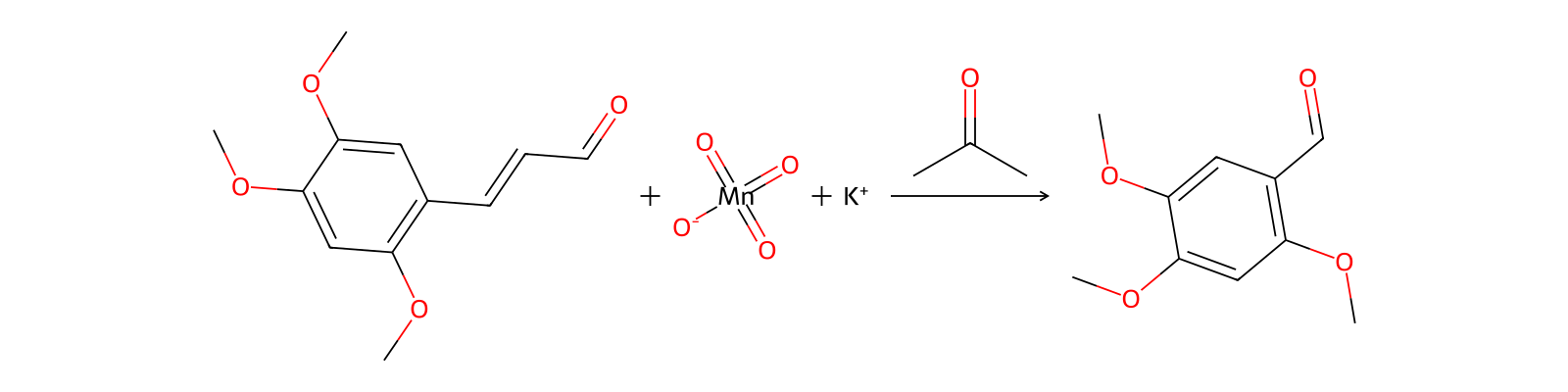
関連反応
34 件




関連ノート
読み込み中…