
(S)-(+)-2-ペンタノール
2-Pentanol
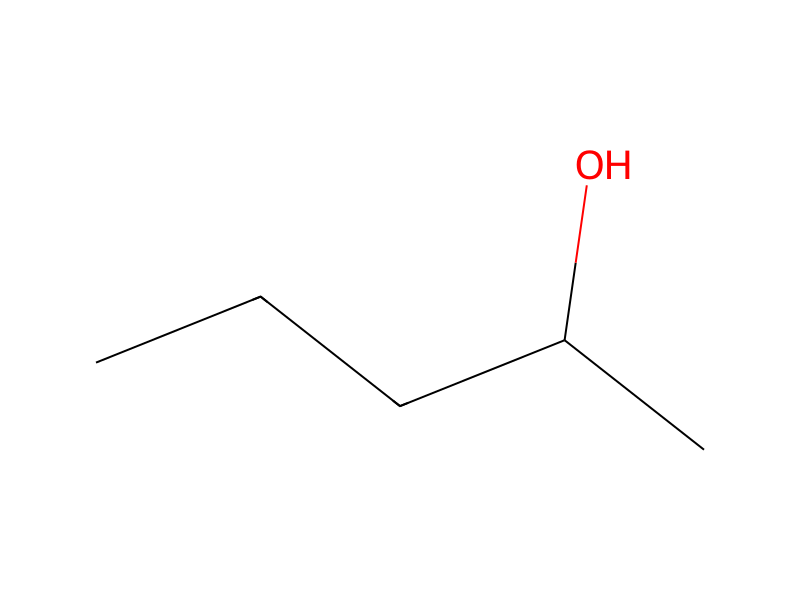
基本情報
- CAS
26184-62-3- 標準SMILES
CCCC(C)O- InChIKey
JYVLIDXNZAXMDK-UHFFFAOYSA-N- 分子式
- C5H12O
- 平均分子量
- 88.15 g/mol
- 単同位体質量
- 88.088815
概要
Sec-amyl alcohol appears as a clear colorless liquid with a strong odor. Moderately toxic by ingestion and vapors may irritate skin and eyes. Vapors are heavier than air.
名称と識別子
- 優先名称
- 2-Pentanol
- IUPAC
- pentan-2-ol
- 現地名
- (S)-(+)-2-ペンタノール
- 英語名
- (S)-(+)-2-Pentanol
- 分子式
- C5H12O
- 分子量
- 88.15
名称と別名
2-PENTANOLPentan-2-ol6032-29-7sec-Amyl alcoholMethylpropylcarbinolsec-Pentyl alcohol2-Pentyl alcohol1-Methyl-1-butanolMethyl propyl carbinol2-HydroxypentanePentanol-2alpha-Methylbutanol
名称をさらに表示
(S)-(+)-2-ペンタノール[S,(+)]-2-ペンタノール(2S)-2-ペンタノール(S)-ペンタン-2-オール(S)-2-ペンタノールS-(+)-2-ペンタノールS‐(+)‐2‐ペンタノール(2S)-ペンタン-2-オール(S)-2-PENTANOLFEMA 3316(S)-Pentan-2-ol(S)-(-)-2-PENTANOL(+)-2-Pentanol(2S)-2-PentanolS-N-AMYL ALCOHOL(2S)-pentan-2-ol
1-Methylbutanolsec-n-Amyl alcoholIsoamyl alcohol, secondaryFEMA No. 3316DL-2-PentanolDTXSID3052721CHEBI:7751804G7050365
データベース識別子
- CAS
26184-62-3、26635-63-2、31087-44-2、50858-14-5、51000-78-3、584-02-1、6032-29-7- PubChem CID
- 22386
- DTXSID
DTXSID3052721- ChEMBL
CHEMBL45065- ChEBI
CHEBI:77518- UNII
- 04G7050365
- EC Number
- 227-907-6、256-810-1
- Nikkaji
- J9.802G
物性
構造計算による物性
- XLogP
- 1.2
- 極性表面積
- 20.2 Ų
- 水素結合供与体数
- 1
- 水素結合受容体数
- 1
- 回転可能結合数
- 2
- 重原子数
- 6
- 形式電荷
- 0
- 複雑度
- 27.1
実験および物理化学的性質
Chemical ClassesFlammable agents - 3rd degree
SolventsSolvents -> Alcohols (<C12)
FragrancesFragrance Ingredient (2-Pentanol) -> IFRA transparency List
LogP
1.19
1.25
1.34
Food AdditivesFLAVORING AGENT OR ADJUVANT -> FDA Substance added to food
Density
0.82 (NIOSH, 2024) - Less dense than water; will float
Relative density (water = 1): 0.8
0.802-0.808
0.82
Flavoring AgentsEU Flavoring substances
Viscosity5.3 mm²/s at 20 °C
Solubility
44.6 mg/mL at 25 °C
Solubility in water, g/100ml at 20 °C: 16.6 (good)
very soluble in water; soluble in alcohol and ether
(in ethanol)
Flash Point
95 °F (NIOSH, 2024)
33 °C
(oc) 95 °F
安全と法規制
安全情報は参考情報です。供給元の安全データシート(SDS)、適用法令、専門家による評価に代わるものではありません。
GHS分類
GHS Classification
This chemical does not meet GHS hazard criteria for 0.6% (11 of 1753) of reports.
Warning
H226 (99.3%): Flammable liquid and vapor [Warning Flammable liquids]
P210, P233, P240, P241, P242, P243, P261, P271, P280, P303+P361+P353, P304+P340, P317, P319, P370+P378, P403+P233, P403+P235, P405, and P501 (click each P-code to see the statement)
Aggregated GHS information provided per 1753 reports by companies from 16 notifications to the ECHA C&L Inventory. Each notification may be associated with multiple companies.
Warning
危険有害性情報
Regulatory Information
Chemical: 2-Pentanol
Regulation (EC) No 1831/2003 (amended)
2-Pentanol: HSNO Approval: HSR001417 Approved with controls
The New Jersey Worker and Community Right to Know Act requires public and private employers to provide information about hazardous substances at their workplaces. (N.J.S.A. 34:5A-1 et. seq.)
DOT LabelFlammable Liquid
Fire Hazards
Excerpt from ERG Guide 127 [Flammable Liquids (Water-Miscible)]:
Flammable. Above 33 °C explosive vapour/air mixtures may be formed.
Health HazardsExcerpt from NIOSH Pocket Guide for Isoamyl alcohol (secondary):
Hazards Summary
An eye, nose, and throat irritant; [Hawley] An eye and respiratory tract irritant; Narcotic effects; [Merck Index] A skin, eye, nose, and throat irritant; [CAMEO] A skin, eye, nose, and throat irritant; Inhalation of high concentrations can cause CNS depression; [CHEMINFO] A skin and eye irritant; [eChemPortal: ERMA] An irritant; Chronic exposure may cause injury to CNS, kidneys, and lungs; [MSDSonline]
DOT ID and Guide
化学と産業
薬理情報
Cellular LocationsCytoplasm
用途と製造
Uses
Used as solvent for paints and lacquers and to make drugs; [Hawley] Used to make catalyst systems and methanol; Also used as a solvent for primers and for extracting 2-hydroxy-4-methylthiobutyric acid; [CHEMINFO]
Painting (Solvents) [Category: Paint]
Use Classification
Fragrance Ingredients
Flavouring Agent -> FLAVOURING_AGENT -> JECFA Functional Classes
Flavoring Agents -> JECFA Flavorings Index
Flavouring Agent -> FLAVOURING_AGENT -> JECFA Functional Classes
General Manufacturing Information2-Pentanol: ACTIVE
応用分野
使用(S)-(+)-2-Pentanol is a building block used in the synthesis of highly ptent and selective intranasal toll-like receptor 7 agonists for treating asthma.
上流・下流製品情報
上流原料
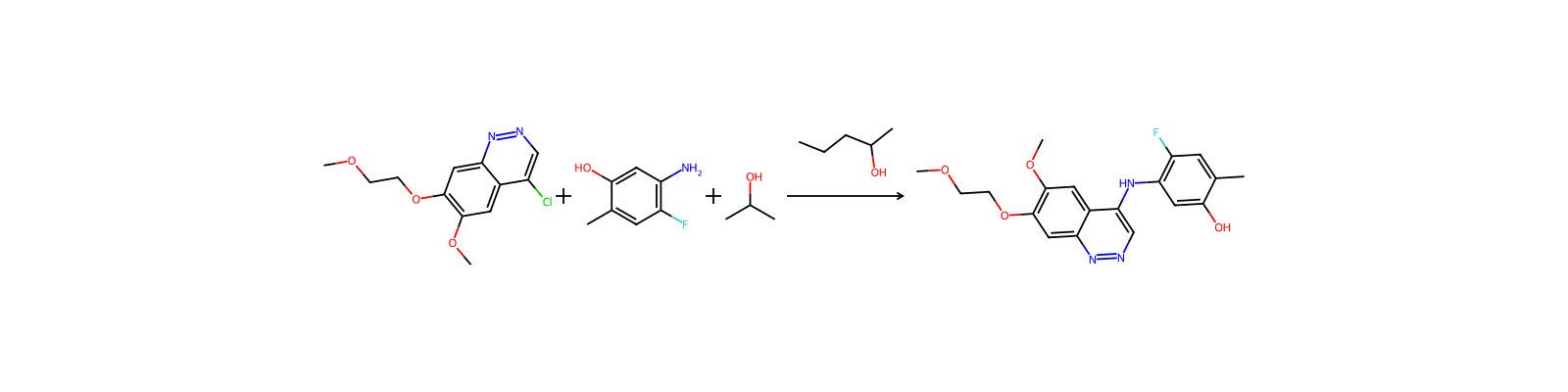
関連反応
127 件






化合物ノート
読み込み中…