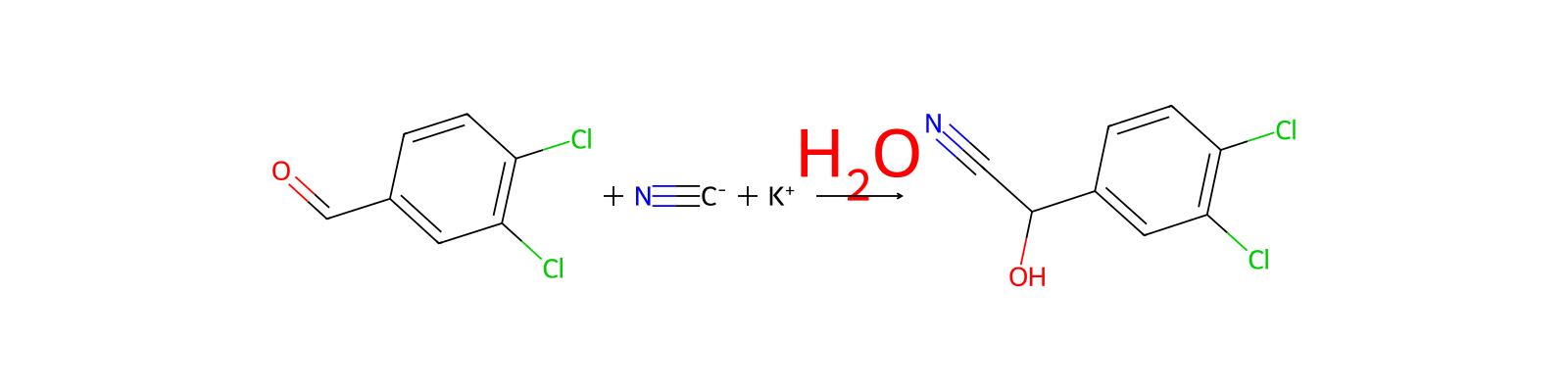
3,4-ジクロロベンズアルデヒド
3,4-Dichlorobenzaldehyde
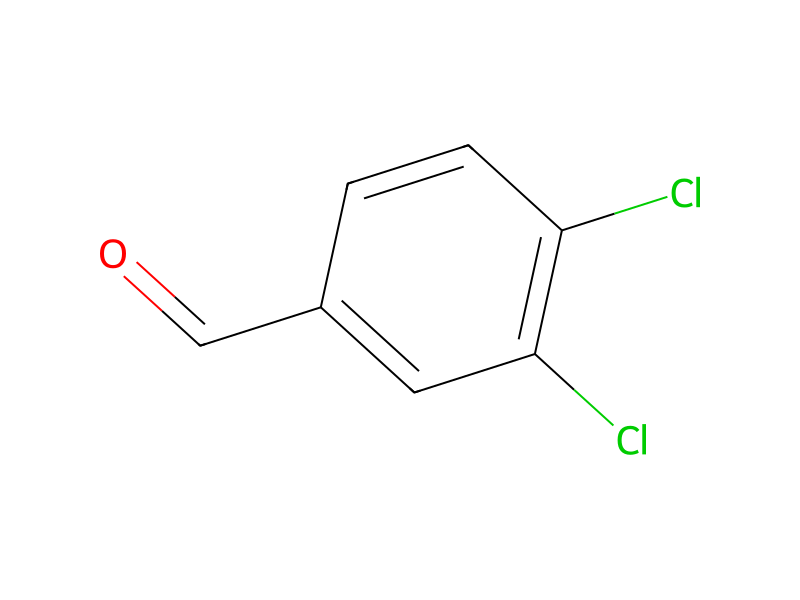
基本情報
- CAS
6287-38-3- 標準SMILES
O=Cc1ccc(Cl)c(Cl)c1- InChIKey
ZWUSBSHBFFPRNE-UHFFFAOYSA-N- 分子式
- C7H4Cl2O
- 平均分子量
- 175.01 g/mol
- 単同位体質量
- 173.9639201
概要
3,4-dichlorobenzaldehyde appears as white crystalline solid or chunky powder. (NTP, 1992)
名称と識別子
- 優先名称
- 3,4-Dichlorobenzaldehyde
- IUPAC
- 3,4-dichlorobenzaldehyde
- 現地名
- 3,4-ジクロロベンズアルデヒド
- 英語名
- 3,4-Dichlorobenzaldehyde
- 分子式
- C7H4Cl2O
- 分子量
- 175.01
名称と別名
3,4-DICHLOROBENZALDEHYDE6287-38-3Benzaldehyde, 3,4-dichloro-CCRIS 6015DTXSID0024971NSC 8763EINECS 228-520-5UNII-I6Z632WSJ5I6Z632WSJ5M,P-DICHLOROBENZALDEHYDEDICHLOROBENZALDEHYDE, 3,4-NSC-8763
名称をさらに表示
3,4-ジクロロベンズアルデヒド3,4ジクロロベンズアルデヒド3,4‐ジクロロベンズアルデヒド3,4-dichloro-benzaldehyd3,4-DCADAKOS BBS-00000836Ixazomib Impurity 14OTAVA-BB BB7018801961LABOTEST-BB LT009323843,4-Dichlorobenzaldehyde,95%
DTXCID7049713,4-DICHLOROBENZENECARBOXALDEHYDERefChem:91020228-520-5InChI=1/C7H4Cl2O/c8-6-2-1-5(4-10)3-7(6)9/h1-4ZWUSBSHBFFPRNE-UHFFFAOYSA-NMFCD00003351CHEMBL1528012
データベース識別子
- CAS
6287-38-3- PubChem CID
- 22710
- DTXSID
DTXSID0024971- ChEMBL
CHEMBL1528012- UNII
- I6Z632WSJ5
- EC Number
- 228-520-5
- Nikkaji
- J30.721A
物性
構造計算による物性
- XLogP
- 2.9
- 極性表面積
- 17.1 Ų
- 水素結合供与体数
- 0
- 水素結合受容体数
- 1
- 回転可能結合数
- 1
- 重原子数
- 10
- 形式電荷
- 0
- 複雑度
- 127
実験および物理化学的性質
SpringerMaterials PropertiesNuclear quadrupole resonance spectroscopy
LogP2.53
Solubilityless than 1 mg/mL at 72.5 °F (NTP, 1992)
Flash Pointgreater than 235 °F (NTP, 1992)
Boiling Point477 to 478 °F at 760 mmHg (NTP, 1992)
Melting Point106 to 111 °F (NTP, 1992)
Physical Description3,4-dichlorobenzaldehyde appears as white crystalline solid or chunky powder. (NTP, 1992)
物理化学的性質
- 融点
- 39 · 39-42 °C (lit.)
- 沸点
- 247 · 247-248 °C (lit.)
- 比重(密度)
- 1.3456 · 1.3456 (rough estimate)
- 屈折率
- 1.5756 · 1.5756 (estimate)
- 闪点
- 230 °F · >230 °F
- 貯蔵温度
- 2 · 2-8°C
- 溶解性
安全と法規制
安全情報は参考情報です。供給元の安全データシート(SDS)、適用法令、専門家による評価に代わるものではありません。
GHS分類
GHS Classification
Danger
H314 (94.3%): Causes severe skin burns and eye damage [Danger Skin corrosion/irritation]
P260, P264, P264+P265, P280, P301+P330+P331, P302+P361+P354, P304+P340, P305+P354+P338, P316, P317, P321, P363, P405, and P501 (click each P-code to see the statement)
Aggregated GHS information provided per 53 reports by companies from 5 notifications to the ECHA C&L Inventory. Each notification may be associated with multiple companies.
危険有害性情報
Regulatory Information
Chemical: Benzaldehyde, 3,4-dichloro-
Benzaldehyde, 3,4-dichloro-: Does not have an individual approval but may be used under an appropriate group standard
DOT LabelCorrosive
Fire HazardsThis chemical is probably combustible. (NTP, 1992)
Health Hazards
SYMPTOMS: Symptoms of exposure to this compound may include a burning sensation, coughing, wheezing, laryngitis, shortness of breath, headache, nausea, vomiting, and corrosion of the mucous membranes, upper respiratory tract, eyes and skin. Inhalation may be fatal as a result of spasm, inflammation and edema of the larynx and bronchi, chemical pneumonitis and pulmonary edema.
Reactive GroupAldehydes
Reactivity Profile3,4-DICHLOROBENZALDEHYDE is incompatible with strong oxidizers and strong bases. It may also be incompatible with iron. (NTP, 1992)
Air and Water ReactionsThis material may be sensitive to prolonged exposure to air, light and moisture. Insoluble in water.
化学と産業
用途と製造
General Manufacturing InformationBenzaldehyde, 3,4-dichloro-: ACTIVE
応用分野
用途有機合成原料。
一般的な説明White crystalline solid or chunky powder.
上流・下流製品情報
上流原料
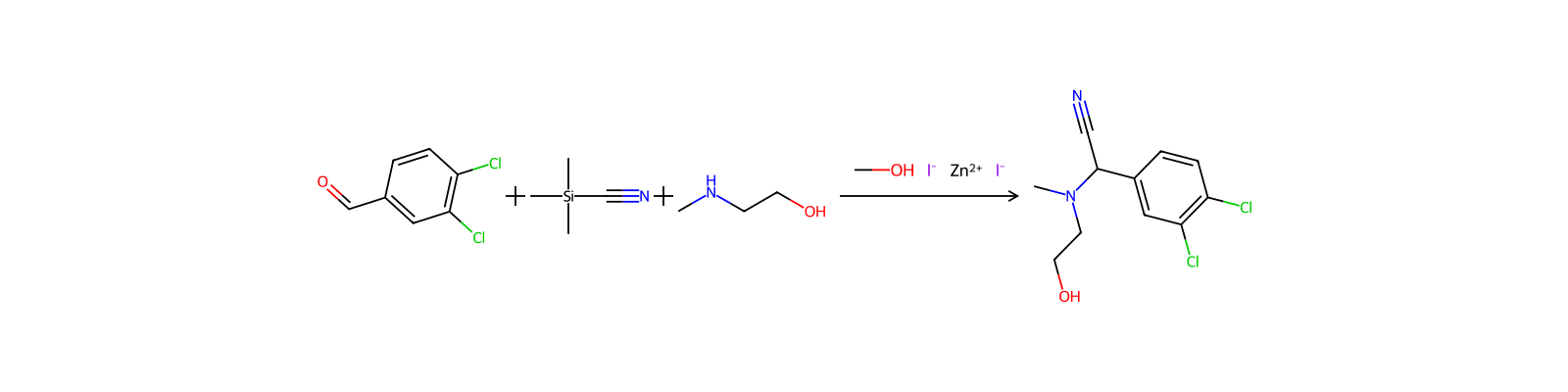
関連反応
236 件





化合物ノート
読み込み中…