4-アミノ安息香酸 エチル
Benzocaine
データを補完しています。しばらくしてからページを更新すると最新の内容を表示できます

基本情報
- CAS
94-09-7- 標準SMILES
CCOC(=O)c1ccc(N)cc1- InChIKey
BLFLLBZGZJTVJG-UHFFFAOYSA-N- 分子式
- C9H11NO2
- 平均分子量
- 165.19 g/mol
- 単同位体質量
- 165.07897859
概要
Benzocaine is a benzoate ester having 4-aminobenzoic acid as the acid component and ethanol as the alcohol component. A surface anaesthetic, it is used to suppress the gag reflex, and as a lubricant and topical anaesthetic on the larynx, mouth, nasal cavity, respiratory tract, oesophagus, rectum, urinary tract, and vagina. It has a role as a sensitiser, a topical anaesthetic, an allergen and an antipruritic drug. It is a benzoate ester and a substituted aniline.
名称と識別子
- 優先名称
- Benzocaine
- IUPAC
- ethyl 4-aminobenzoate
- 現地名
- 4-アミノ安息香酸 エチル
- 英語名
- Benzocaine
- 分子式
- C9H11NO2
- 分子量
- 165.19
名称と別名
benzocaineEthyl 4-aminobenzoate94-09-7Ethyl p-aminobenzoateAnaesthesinParathesinNorcaineAmericaineEthyl aminobenzoate4-Aminobenzoic acid ethyl esterParathesineTopcaine
名称をさらに表示
4-アミノ安息香酸 エチル4-アミノベンゼンカルボン酸エチルアネスタミンジンジカインアネストンアネステシンアネステジンアミノホルミンベンゾホルムパラテシンハリケインエチルp-アミノベンゾアート4-アミノ安息香酸エチルノルカイントプカインベンゾカインアミノ安息香酸エチルケロホルムp-アミノ安息香酸エチルオイファギンBenzocaine baseNitemazepam4-CarbethoxyanilineAnestezinBenzocaine, USP, EPNSC 4688
AnesthesinAnesthoneHurricaineNorcainOrthesinAnaesthinAnesthesineDermoplast
データベース識別子
- CAS
94-09-7- PubChem CID
- 2337
- DTXSID
DTXSID8021804- ChEMBL
CHEMBL278172- ChEBI
CHEBI:116735- UNII
- U3RSY48JW5
- EC Number
- 202-303-5
- Nikkaji
- J4.690F
物性
構造計算による物性補完中
- XLogP
- 1.9
- 極性表面積
- 52.3 Ų
- 水素結合供与体数
- 1
- 水素結合受容体数
- 3
- 回転可能結合数
- 3
- 重原子数
- 12
- 形式電荷
- 0
- 複雑度
- 151
実験および物理化学的性質
Chemical ClassesOther Uses -> Pharmaceuticals
Drugs
Pharmaceuticals
Pharmaceuticals -> Listed in ZINC15
SpringerMaterials Properties15N nuclear magnetic resonance spectrum
PesticidesBiocide
LogP
log Kow = 1.86
1.86
1.87
Color/Form
Rhombohedra from ether
Needles from water
Solubility
One gram dissolves in about 5 ml alcohol, 2 ml chloroform, in about 4 ml ether, and in 30 to 50 ml of expressed almond oil or olive oil. Also sol in dil acids.
Soluble in acid
In water, 1,310 mg/L at 25 °C
>24.8 [ug/mL] (The mean of the results at pH 7.4)
Human Drugs
Breast Feeding; Lactation; Anesthetics, Local
Pharmaceuticals
Animal DrugsPharmaceuticals -> UK Veterinary Medicines Directorate List
Boiling Point310 °C
Melting Point
92 °C
92 °C
Vapor Pressure2.6X10-4 mm Hg at 25 °C /Estimated/
物理化学的性質
- 融点
- 88 · 88-90 °C
- 沸点
- 172 °C · 172 °C (12.7517 mmHg)
- 比重(密度)
- 1.17 · 1.17
- 屈折率
- 1.56 · 1.5600 (estimate)
- 闪点
- 172 °C/13mm · 172°C/13mm
- 貯蔵温度
- 2 · 2-8°C
- 溶解性
- 5 ml · アルコール: 5 ml 中 1 gm 可溶
- 外見
- 結晶性粉末
- 酸解離定数(Pka)
- 2.5 · 2.5(at 25℃)
- 色
- 白い
- 臭い (Odor)
- 無臭
- 水溶解度
- エタノール、クロロホルム、エチルエーテル、希酸に可溶。水に溶けにくい
- Merck
- 14 · 14,1086
- BRN
- 638434 · 638434
- Henry's Law Constant
- 6.2 · 6.2×102 mol/(m3Pa) at 25℃, HSDB (2015)
- 安定性
- 安定。可燃性。強力な酸化剤とは相容れない。
- 化粧品成分の機能
- 紫外線吸収剤口腔ケア
- InChI
- 1S/C9H11NO2/c1-2-12-9(11)7-3-5-8(10)6-4-7/h3-6H,2,10H2,1H3
- InChIKey
- BLFLLBZGZJTVJG-UHFFFAOYSA-N
- SMILES
- CCOC(=O)c1ccc(N)cc1
- LogP
- 1.86 · 1.860
- CAS データベース
- 94 · 94-09-7(CAS DataBase Reference)
- NISTの化学物質情報
- 4 · Benzoic acid, 4-amino-, ethyl ester(94-09-7)
- EPAの化学物質情報
- Benzocaine (94-09-7)
化学的性質
化学的特性ベンゾカインは局所麻酔薬として広く使用されている化合物でその鎮痛作用により様々な疼痛症状の治療に利用されます化学式はC9H11NO2で表されエステル型局所麻酔薬の一種ですベンゾカインは主に耳痛喉の痛み歯科処置中の痛みを和らげるために用いられる他日焼け虫刺され軽度の皮膚刺激に対する鎮痛剤としても使用されます
化学的特性Benzocaine is a white odourless needle-like crystal, slightly soluble in water and easily soluble in organic solvents. For example: ethanol, chloroform, ether, soluble in almond oil, olive oil.
安全と法規制
安全情報は参考情報です。供給元の安全データシート(SDS)、適用法令、専門家による評価に代わるものではありません。
GHS分類
GHS Classification
This chemical does not meet GHS hazard criteria for 11.1% (39 of 351) of reports.
Danger
H317 (77.8%): May cause an allergic skin reaction [Warning Sensitization, Skin]
P260, P261, P264, P270, P272, P273, P280, P302+P352, P308+P316, P321, P333+P317, P362+P364, P391, P405, and P501 (click each P-code to see the statement)
Aggregated GHS information provided per 351 reports by companies from 22 notifications to the ECHA C&L Inventory. Each notification may be associated with multiple companies.
H402: Harmful to aquatic life [Hazardous to the aquatic environment, acute hazard]
危険有害性情報
Regulatory Information
Benzoic acid, 4-amino-, ethyl ester is listed on the EPA's Chemical Data Reporting (CDR) system. Manufacturers and importers of Benzoic acid, 4-amino-, ethyl ester are required to report information about their production and use of this chemical to the EPA under the Toxic Substances Control Act (TSCA). (40 eCFR Part 711)
Status: Active Update: 31-05-2018 https://echa.europa.eu/registration-dossier/-/registered-dossier/19637
Benzocaine: Does not have an individual approval but may be used under an appropriate group standard
Other Safety InformationIMAP assessments - Benzoic acid, 4-amino-, ethyl ester: Environment tier I assessment
Hazards SummaryProcaine allergy used to be a common skin sensitizer for dentists. There exists cross-reactivity between procaine, benzocaine, and tetracaine but not with lidocaine and other amide-type local anesthetics currently used. [Kanerva, p. 434]
FDA Requirements
Anorectal drug products for over-the-counter human use. Local anesthetic active ingredients. The active ingredient of the product consists of any of the following when used in the concentration or within the concentration range established for each ingredient. Benzocaine 5 to 20 percent is included on this list.
External analgesic drug products for over-the-counter human use. Analgesic, anesthetic, and antipruritic active ingredients. The active ingredient of the product consists of any of the following within the specified concentration established for each ingredient: Male genital desensitizers: benzocaine, 3 to 7.5 percent in a water-soluble base.
Hazard Classes and Categories
Skin Sens. 1 (77.8%)
Skin sensitization - Category 1
Hazardous to the aquatic environment (Acute) - Category 3
安全と保護具
Storage Conditions
Benzocaine topical creams and ointments should be stored in tight containers and protected from light; prolonged exposure to temperatures greater than 30 °C should be avoided.
Benzocaine topical aersols and solutions should be stored at a temperature less than 40 °C, preferably between 15-30 °C; freezing should be avoided. Because the contents of benzocaine aerosols are under pressure, the aerosol container should not be punctured, used or stored near heat or an open flame, exposed to temperatures greater than 49 °C, or placed into a fire or incinerator for disposal.
Disposal Methods
SRP: The most favorable course of action is to use an alternative chemical product with less inherent propensity for occupational exposure or environmental contamination. Recycle any unused portion of the material for its approved use or return it to the manufacturer or supplier. Ultimate disposal of the chemical must consider: the material's impact on air quality; potential migration in soil or water; effects on animal, aquatic, and plant life; and conformance with environmental and public health regulations.
毒性情報
Treatment
Treatment is primarily symptomatic and supportive; termination of anesthesia by pneumatic tourniquet inflation should be attempted when the agent is administered by infiltration or regional injection. Methemoglobinemia may be treated with methylene blue, 1-2 mg/kg I.V. infused over several minutes. Seizures commonly respond to diazepam, while hypotension responds to I.V. fluids and Trendelenburg positioning. Bradyarrhythmias (when the heart rate is <60) can be treated with I.V., I.M., or SubQ atropine 15 mcg/kg. With the development of metabolic acidosis, I.V. sodium bicarbonate 0.5-2 mEq/kg and ventilatory assistance should be instituted. (L1861)
Health Effects
Allergic reactions occur with ester local anaesthetics (like benzocaine) because of the PABA structure. Benzocaine also is a well-known cause of methemoglobinemia. [Wikipedia]. Methemoglobinemia has been reported with benzocaine in oral overdose. (L1861)
Environmental Fate
TERRESTRIAL FATE: Based on a classification scheme(1), an estimated Koc value of 250(SRC), determined from a log Kow of 1.86(2) and a regression-derived equation(3), indicates that benzocaine is expected to have moderate mobility in soil(SRC). Volatilization of benzocaine from moist soil surfaces is not expected to be an important fate process(SRC) given an estimated Henry's Law constant of 1.6X10⁻⁸ atm-cu m/mole(SRC), using a fragment constant estimation method(4). Benzocaine is not expected to volatilize from dry soil surfaces(SRC) based upon an estimated vapor pressure of 2.6X10⁻⁴ mm Hg(SRC), determined from a fragment constant method(5). Benzocaine was classified as biodegradable in a procedure using an acclimated sludge inoculum(6), indicating that biodegradation may be an important fate process in the terrestrial environment(SRC).
AQUATIC FATE: Based on a classification scheme(1), an estimated Koc value of 250(SRC), determined from a log Kow of 1.86(2) and a regression-derived equation(3), indicates that benzocaine is not expected to adsorb to suspended solids and sediment(SRC). Volatilization from water surfaces is not expected(3) based upon an estimated Henry's Law constant of 1.6X10⁻⁸ atm-cu m/mole(SRC), developed using a fragment constant estimation method(4). According to a classification scheme(5), an estimated BCF of 5(SRC), from its log Kow(2) and a regression-derived equation(6), suggests the potential for bioconcentration in aquatic organisms is low(SRC). An estimated base-catalyzed second-order hydrolysis rate constant of 2.4X10⁻⁹ L/mole-sec corresponds to half-lives of 91 yrs and 9 yrs at pH values of 7 and 8, respectively(7). Benzocaine was classified as biodegradable in a procedure using an acclimated sludge inoculum(6), indicating that biodegradation may be an important fate process in the aquatic environment(SRC).
ATMOSPHERIC FATE: According to a model of gas/particle partitioning of semivolatile organic compounds in the atmosphere(1), benzocaine, which has an estimated vapor pressure of 2.6X10⁻⁴ mm Hg at 25 °C(SRC), determined from a fragment constant method(2), will exist in both the vapor and particulate phases in the ambient atmosphere. Vapor-phase benzocaine is degraded in the atmosphere by reaction with photochemically-produced hydroxyl radicals(SRC); the half-life for this reaction in air is estimated to be 11 hrs(SRC), calculated from its rate constant of 3.6X10⁻¹¹ cu cm/molecule-sec at 25 °C(SRC) that was derived using a structure estimation method(3). Particulate-phase benzocaine may be removed from the air by wet and dry deposition(SRC). Benzocaine is susceptible to direct photolysis as indicated by formation of this compound from photodegradation of ethyl N-phenyl-carbamate (EPC), and further degradation of benzocaine to the azo and colored products of EPC(4).
Adverse Effects
Skin Sensitizer - An agent that can induce an allergic reaction in the skin.
Benzocaine is relatively safe and low-risk when applied topically. However, 1 of the more life-threatening adverse effects is methemoglobinemia, which is characterized by cyanosis, hypoxia, and dyspnea that do not improve with oxygen administration. This effect occurs due to benzocaine's ability to metabolize into nitrobenzene, which reduces hemoglobin's oxygen-binding capacity by oxidizing iron (Fe2+ to Fe3+). Other adverse effects include hypotension, bradycardia, cardiac arrest, convulsions, drowsiness, dizziness, edema, and allergic reactions. Benzocaine topical spray is dosed for ages 12 and older as needed, a maximum of 4 times daily. A case involving a 14-year-old transgender male revealed vulvar changes and labial enlargement attributed to chronic use of a topical product containing benzocaine. This underscores the potential risks associated with off-the-shelf products and emphasizes the need for healthcare providers to inquire about such product use in adolescents with vulvovaginal concerns. Benzocaine is featured in the Key Potentially Inappropriate Drugs in Pediatrics (KIDs) List due to the associated risk of methemoglobinemia. Avoiding benzocaine use in infants, especially for conditions like teething or pharyngitis.
Exposure RoutesTopical; oral
Toxicity Summary
Signs and Symptoms of Overdose
Benzocaine binds to sodium channels and reversibly stabilizes the neuronal membrane which decreases its permeability to sodium ions. Depolarization of the neuronal membrane is inhibited thereby blocking the initiation and conduction of nerve impulses.
Soil Adsorption/Mobility
The Koc of benzocaine is estimated as 250(SRC), using a log Kow of 1.86(1) and a regression-derived equation(2). According to a classification scheme(3), this estimated Koc value suggests that benzocaine is expected to have moderate mobility in soil. However, aromatic amines are expected to bind strongly to humus or organic matter in soils due to the high reactivity of the aromatic amino group(4,5), suggesting that mobility may be much lower in some soils(SRC).
Human Toxicity Excerpts
/CASE REPORTS/ A 27-year-old man with a history of cocaine abuse ingested a large quantity of street cocaine in an apparent suicide attempt. Shortly thereafter, he developed tonic-clonic seizures and became cyanotic. An arterial blood gas sample, collected in the emergency department, appeared chocolate-brown and showed pO2 279 mmHg, pCO2 53 mmHg, and pH 7.15. Hemoglobin spectral analysis revealed significant methemoglobinemia (37%). Subsequent gas-chromatographic and mass-spectral analysis of urine confirmed the presence of cocaine (106 mg/L), benzoylecgonine (94 mg/L), and other metabolites. Further testing revealed the presence of benzocaine, a compound known to produce methemoglobinemia. A powder submitted as the "cutting" substance was shown to be benzocaine. When confronted with a possible cocaine overdose (particularly by ingestion), the physician should consider the possible clinical effects of adulterants, especially local anesthetics such as benzocaine.
/CASE REPORTS/ On rare occasions benzocaine has produced methemoglobinemia from oral, rectal and dermal exposures. There is disagreement whether this is an idiosyncratic event or a dose-related event. To gain a better perspective on this problem cases at 4 large regional poison centers of children <18-y of age from 1993-1996 /were retrospectively reviewed/. One hundred and eighty-eight benzocaine exposures were reported. Mean and median ingested dosage were 86.8 (+/- 89.5) mg/kg and 50 mg/kg, respectively. Fifty-eight patients (30%) were managed in the emergency department; 8 patients had methemoglobin levels determined. One child had a methemoglobin level of 19%; all others were <1%. One hundred and seventy-three patients (92%) remained asymptomatic. Other symptoms were minor: oral numbness (8), vomiting (3), and 1 each of oral irritation, dizziness and nausea. In this series of accidental ingestions of benzocaine-containing products cyanosis was rare and apparently not dose related. These cases may be safely managed at home with telephone follow up for at least 2 hr. If there is evidence of cyanosis, dusky pallor, shortness of breath, or change in mental status direct medical evaluation should be recommended.
Artificial Pollution SourcesBenzocaine's production and use as a local anesthetic(1) may result in its release to the environment through various waste streams(SRC).
Environmental BiodegradationAEROBIC: Benzocaine was classified as biodegradable in a procedure using an acclimated sludge inoculum and a 5 day test period(1).
Carcinogen ClassificationNo indication of carcinogenicity to humans (not listed by IARC).
Environmental Bioconcentration
An estimated BCF of 5 was calculated for benzocaine(SRC), using a log Kow of 1.86(1) and a regression-derived equation(2). According to a classification scheme(3), this BCF suggests the potential for bioconcentration in aquatic organisms is low(SRC), provided the compound is not altered physically or chemically once released into the environment.
法規制情報
FDA Requirements
Anorectal drug products for over-the-counter human use. Local anesthetic active ingredients. The active ingredient of the product consists of any of the following when used in the concentration or within the concentration range established for each ingredient. Benzocaine 5 to 20 percent is included on this list.
External analgesic drug products for over-the-counter human use. Analgesic, anesthetic, and antipruritic active ingredients. The active ingredient of the product consists of any of the following within the specified concentration established for each ingredient: Male genital desensitizers: benzocaine, 3 to 7.5 percent in a water-soluble base.
安全データ
- wgk
- 2
- tsca
- TSCA listed
- rtecs
- DG2450000
- ridadr
- 3077
- 毒性
- LD50 oral in rat: 3042mg/kg
- hs_code
- 29224995
- risk_code
- 43-36/37/38-39/23/24/25-23/24/25-11
- 化審法
- (3)-1443
- hazard_code
- Xi,T,F
- safety_code
- 22-24/25-37/39-26-24-45-36/37-16-7
- hazard_class
- 9
- packing_group
- III
- Hazard Classifications
- Skin Sens. 1
- ストレージクラス
- 11 - Combustible Solids
- 有毒物質データの
- 94-09-7(Hazardous Substances Data)
化学と産業
薬理情報
ATC Code
C05AD03
N - Nervous system
D - Dermatologicals
C - Cardiovascular system
R - Respiratory system
QD - Dermatologicals
Protein BindingBenzocaine binds to both serum albumin and alpha-1-acid glycoprotein.
PharmacodynamicsBenzocaine is indicated for use as a topical anesthetic. It has a duration of action of approximately 10 minutes and a wide therapeutic window. Patients should be counselled regarding the risks of methemoglobinemia.
Mechanism of Action
Benzocaine diffuses into nerve cells where it binds to sodium channels, preventing the channels from opening, and blocking the influx of sodium ions. Nerve cells unable to allow sodium into cells cannot depolarize and conduct nerve impulses.
Benzocaine reversibly stabilizes the neuronal membrane with decreases its permeability to sodium ions. Depolarization of the neuronal membrane is inhibited thereby blocking the initiation and conduction of nerve impulses.
Metabolism/Metabolites
Benzocaine undergoes ester hydrolysis to form 4-aminobenzoic acid, acetylation to form acetylbenzocaine, or N-hydroxylation to form benzocaine hydroxide. 4-aminobenzoic acid can be acetylated or acetylbenzocaine can undergo ester hydrolysis to form 4-acetaminobenzoic acid.
The effect of dose and enzymatic inhibition on the percutaneous absorption and metabolism of benzocaine was studied in vitro in the hairless guinea pig. At the dose level of 2 ug/sq cm, benzocaine was rapidly absorbed and extensively metabolized (80%) by acetyltransferase. As the applied dose of benzocaine was increased to 40 and 200 ug/sq cm, N-acetylation of benzocaine decreased to 44 and 34%, respectively, suggesting saturation of the acetyltransferase system. Total 14(C) absorption after benzocaine application was not significantly different between control and enzyme-inhibited skin and therefore does not appear to be affected by the extent of benzocaine metabolism during percutaneous penetration. Skin provides a significant first-pass metabolic effect for therapeutic doses of percutaneously absorbed benzocaine, and the primary metabolite formed, acetylbenzocaine, is biologically active.
Hepatic (to a lesser extent) and plasma via hydrolysis by cholinesterase. Excretion trhough urine (as metabolites) (L1861)
FDA Pharmacological Classification
U3RSY48JW5
BENZOCAINE
Established Pharmacologic Class [EPC] - Standardized Chemical Allergen
Physiologic Effects [PE] - Increased Histamine Release
Physiologic Effects [PE] - Cell-mediated Immunity
Chemical Structure [CS] - Allergens
MeSH Pharmacological Classification
Drugs that block nerve conduction when applied locally to nerve tissue in appropriate concentrations. They act on any part of the nervous system and on every type of nerve fiber. In contact with a nerve trunk, these anesthetics can cause both sensory and motor paralysis in the innervated area. Their action is completely reversible. (From Gilman AG, et. al., Goodman and Gilman's The Pharmacological Basis of Therapeutics, 8th ed) Nearly all local anesthetics act by reducing the tendency of voltage-dependent sodium channels to activate.
Agents that increase mucous excretion. Mucolytic agents, that is drugs that liquefy mucous secretions, are also included here.
Absorption, Distribution and Excretion
Branchial and urinary elimination of benzocaine residues was evaluated in adult rainbow trout, Oncorhynchus mykiss, given a single dorsal aortic dose of 14(C)-benzocaine hydrochloride. Branchial elimination of benzocaine residues was rapid and accounted for 59.2% of the dose during the first 3 h after dosing. Renal elimination of radioactivity was considerably slower; the kidney excreted 2.7% dose within 3 h and 9.0% within 24 hr. Gallbladder bile contained 2.0% dose 24 hr after injection. Of the radioactivity in radiochromatograms from water taken 3 min after injection, 87.3% was benzocaine and 12.7% was N-acetylated benzocaine. After 60 min, 32.7% was benzocaine and 67.3% was N-acetylated benzocaine. Of the radioactivity in radiochromatograms from urine taken 1 hr after dosing, 7.6% was para-aminobenzoic acid, 59.7% was N-acetylated para-aminobenzoic acid, 19.5% was benzocaine, and 8.0% was N-acetylated benzocaine. The proportion of the radioactivity in urine changed with time so that by 20 hr, 1.0% was para-aminobenzoic acid and 96.6% was N-acetylated para-aminobenzoic acid. Benzocaine and a more hydrophobic metabolite, N-acetylated benzocaine, were eliminated primarily through the gills; renal and biliary pathways were less significant elimination routes for benzocaine residues.
Metabolite PathwaysBenzocaine Action Pathway
用途と製造
Uses
Used as a local anesthetic; [Kanerva, p. 434]
Anesthetic (local)
MEDICATION
Use (kg; approx.) in Germany (2009): >1000
Local anesthetic commonly used as a topical pain reliever. Benzocaine is used as a key ingredient in numerous pharmecuticals: Phenazone, an anti-inflammatory; some glycerol-based ear medications for use in removing excess wax as well as relieving ear conditions such as Otitis Media and swimmers ear; some previous diet products such as Ayds; some condoms designed to prevent premature ejaculation. Benzocaine acts to desensitize the penis, and theoretically allows an erection to be maintained. [Wikipedia]
U.S. Production2023: 75,000 - <500,000 lb
Industry UsesOther
Methods of ManufacturingBenzocaine is produced by reduction of ethyl 4-nitrobenzoate with iron.
Formulations/Preparations
Oral: Lozenges 5 mg Vicks Chloraseptic Children's Sore Throat Lozenges, (Procter & Gamble); 10 mg Cepacol Anesthetic Lozenges (with cetylpyridinium chloride), (Williams JB), S[ec-TThroat Lozenges, (Bristol-Myers); 15 mg Mycinettes, (Pfeiffer).
Otic: Solution: 20% Americaine-Otic (with benzethonium chloride), (Celltech), Otocain, (Abana).
Topical: Aerosol: 20% Hurricaine Spray (with or without disposable extension tube), (Beutlich). Gel: 6.3% Anbesol Regular Strength (with alcohol 70% and phenol), (Wyeth); 7.5% Anbesol Baby, (Wyeth), Orabase Baby (alcohol free), (Colgate), Orajel Baby Regular, (Del); 10% Orajel Baby Nighttime, (Del), Orajel Regular Strength, (Del), Orajel Denture (with eugenol and propylene glycol), (Del), Zilactin-B Medicated Gel with Benzocaine, (Zila); 15% Orabase Gel (with alcohol), (Colgate); 20% Americaine Anesthetic Lubricant (with benzethonium chloride), (Celltech), Anbesol Maximum Strength (with alcohol 60%), (Wyeth), Hurricaine, (Beutlich), Orajel Maximum Strength, (Del), Orajel Mouth-Aid (with benzalkonium chloride povidone propylene glycol and zinc chloride), (Del). Paste: 20% Orabase-B with Benzocaine, (Colgate-Hoyt). Solution: 2.5% Babee Teething Lotion (with alcohol 20% cetalkonium chloride and propylene glycol), (Pfeiffer), 6.3% Anbesol Regular Strength (with alcohol 70% phenol and povidone-iodine yielding 0.04% iodine), (Wyeth); 20% Anbesol Maximum Strength (with alcohol 60%), (Wyeth), Hurricaine, (Beutich), Kank-a (with alcohol 0.5% aspartame benzyl alcohol and propylene glycol), (Blistex), Orajel Mouth-Aid Liquid (with alcohol 70% cetylpyridinium chloride povidone and tartrazine), (Del).
Topical: Aerosol 5% Foille Medicated First Aid (with benzyl alcohol and chloroxylenol 0.1%), (Blistex); 20% Dermoplast (with menthol 0.5% and methylparaben), (Medtech), Solarcaine (with isopropyl alcohol 35% w/w and triclosan 0.13%), (Schering-Plough). Cream: 1% Solarcaine (with trilosan 0.2%), (Schering-Plough); 5% Benzocaine Cream, (CMC, Rugby), Benzocol, (Hauck), Ivarest (with calamine 14% and propylene glycol), (Blistex), Rhulicream (with calamine 3% and camphor 0.3%), (Rhydelle); 6% BiCOZENE (with resorcinol 1.67%), (Novartis). Gel: 20% Americaine Anesthetic Lubricant, (Celltech), Detane, (Del). Lotion: 0.5% Solarcaine (with triclosan 0.2%), (Schering-Plough); 5% Ivarest (with calamine 14% and propylene glycol), (Blistex). Ointment: 2% Chiggerex, (Scherer), 5% Foille Medicated First Aid (with chloroxylenol 0.1%), (Blistex); 10% Anacaine (with boric acid), (Gordon). Solution: 2.1% Chiggertox (with benzyl benzoate 21.4%), (Scherer); 20% Outgro, (MedTech).
Trade Names: Anaesthesin (Ritsert, Germany); Hurricaine (Beutlich, USA)
Household ProductsInformation on 23 consumer products that contain Benzocaine in the following categories is provided:
Use ClassificationPharmaceuticals
General Manufacturing Information
Other (requires additional information)
Benzoic acid, 4-amino-, ethyl ester: ACTIVE
応用分野
解説C9H11NO2(165.19).p-アミノ安息香酸エチルは,ベンゾカイン,アネステシンともいう.p-ニトロトルエンを二クロム酸カリウムと硫酸で酸化してp-ニトロ安息香酸とし,これを亜鉛と塩酸で還元して生じたp-アミノ安息香酸を,エタノールと塩化水素でエステル化すると得られる.白色の結晶.融点89~91 ℃.無臭でやや苦味をもち,舌を麻ひさせる.エタノール,クロロホルム,エーテルに易溶,オリブ油に可溶,水に難溶.局所麻酔剤として外用する.森北出版「化学辞典(第2版)
用途表面麻酔として作用します。
用途牛、羊、豚および馬の局所麻酔薬、及び魚介類の鎮静?麻酔剤
用途有機合成原料(医薬品、染料)。
説明Benzocaine (ethyl p-aminobenzoate) is used topically by itself or in combination with menthol or phenol in nonprescription dosage forms such as gels, creams, ointments, lotions, aerosols, and lozenges to relieve pain or irritation caused by such conditions as sunburn, insect bites, toothache, teething, cold sores or canker sores in or around the mouth, and fever blisters. Benzocaine is a lipophilic local anesthetic agent with a short duration of action. Like most amino ester-type local anesthetics, it is easily hydrolyzed by plasma cholinesterase. Because of its low pKa, however, it is un-ionized under most physiological conditions and, therefore, can only bind to the lipid side of the local anesthetic receptor. It also can easily cross membranes into systemic circulation to cause systemic toxicities. Furthermore, being a PABA derivative, it has similar allergenic properties to procaine and is contraindicated with sulfonamide antibacterial agents.
使用Benzocaine is used as an anesthetic (Local and topical) that in products such as burn and sunburn remedies, hemorrhoidal creams, suppositories, creams for treatment of poison ivy, oral and gingival products, sore-throat sprays/lozenges, astringents, appetite suppressants, callus and wart remedies, athlete's-foot remedies, toothache- and denture-irritation products.
一般的な説明Benzocaine is a unique local anesthetic because it does notcontain a tertiary amine. The pKa of the aromatic amine is 3.5ensuring that benzocaine is uncharged at physiological pH.Because it is uncharged, it is not water soluble but is ideal fortopical applications. The onset of action is within 30 secondsand the duration of drug action is 10 to 15 minutes.
調製方法
純化方法Crystallise Benzocaine from EtOH/H2O or EtOH (m 93-94o), and dry it in air. [Beilstein 14 H 422, 14 IV 1129.]
上流・下流製品情報
上流原料
下流製品
補足説明
定義本品は、パラアミノ安息香酸(PABA(*))のエチルエステルであり、次の化学式で表される。参照表示名称:PABA
定義ChEBI: Benzocaine is a benzoate ester having 4-aminobenzoic acid as the acid component and ethanol as the alcohol component. A surface anaesthetic, it is used to suppress the gag reflex, and as a lubricant and topical anaesthetic on the larynx, mouth, nasal cavity, respiratory tract, oesophagus, rectum, urinary tract, and vagina. It has a role as a topical anaesthetic, an antipruritic drug, an allergen and a sensitiser. It is a benzoate ester and a substituted aniline.
関連反応
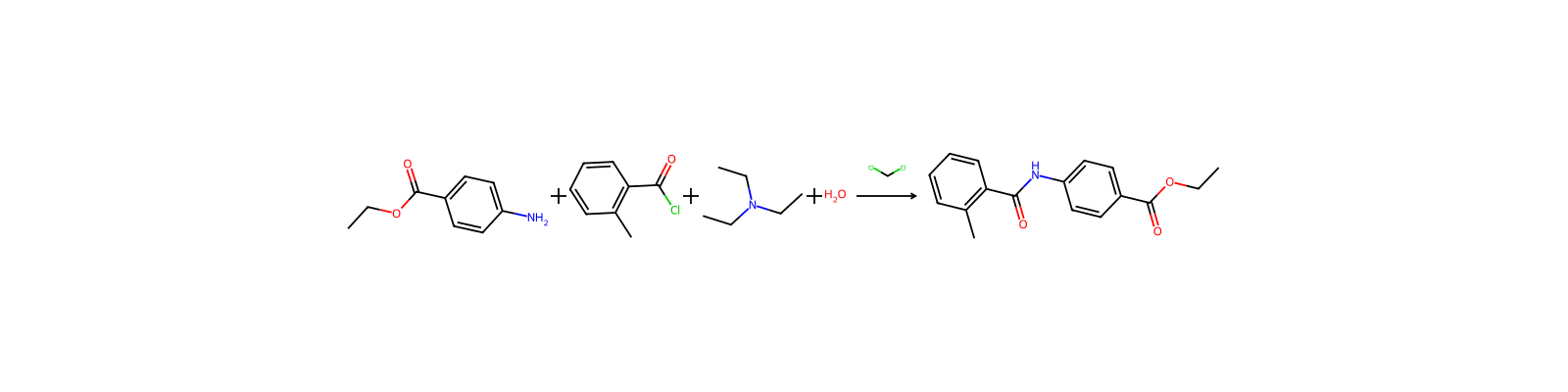
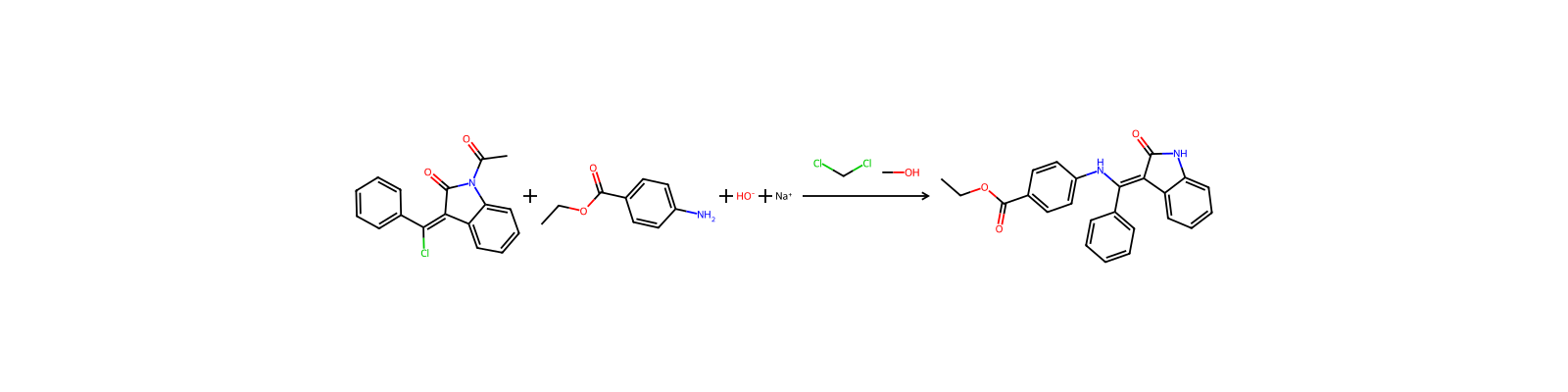
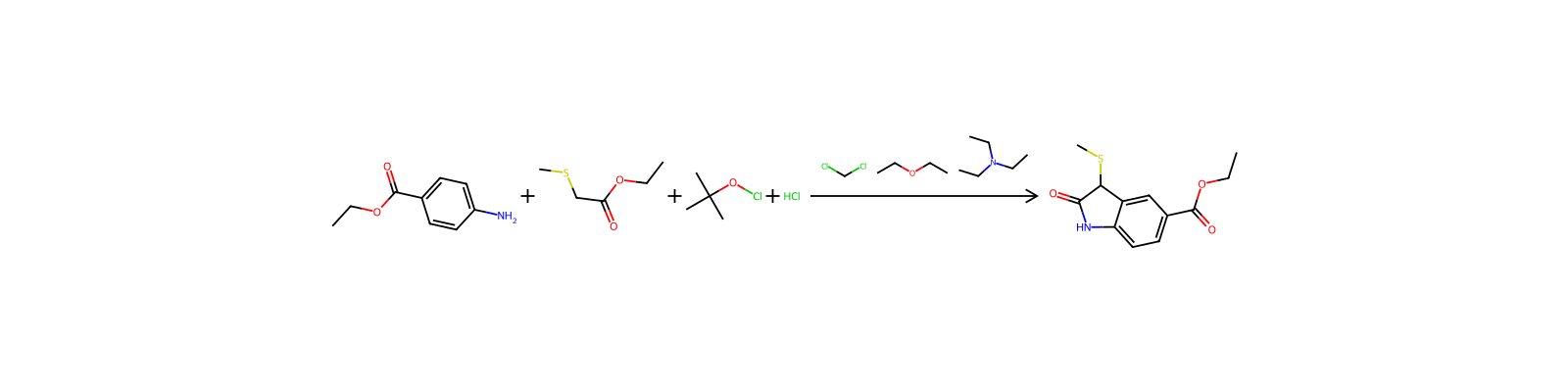
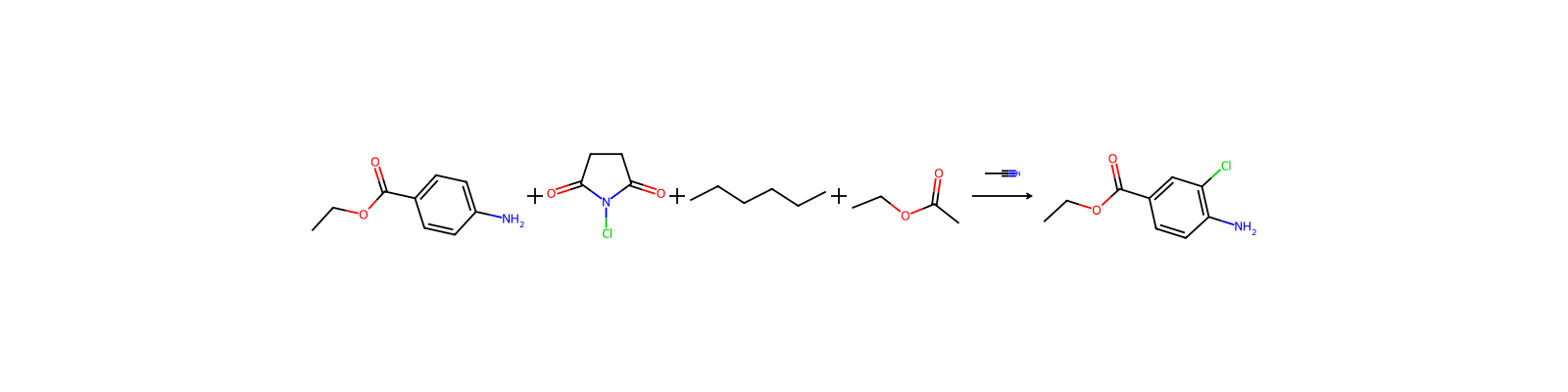
633 件




化合物ノート
読み込み中…