ホームMCPワークベンチSkills
ホームワークベンチ通知マイページ
llms.txt · MCPガイドプライバシーポリシー · 利用規約 · サポートv1.8.0
  1. ホーム
  2. /化合物

パラジウム

Palladium

HCID 23938
ノートを作成反応を作成見積依頼を出す
印刷プレビュー

データを補完しています。しばらくしてからページを更新すると最新の内容を表示できます

基本情報概要名称と識別子物性安全と法規制化学と産業関連反応化合物ノート
部分構造検索類似構造を探す

基本情報

CAS
7440-05-3
標準SMILES
[Pd]
InChIKey
KDLHZDBZIXYQEI-UHFFFAOYSA-N
分子式
Pd
平均分子量
106.42 g/mol
単同位体質量
105.90348

概要

Palladium is chemical element (nickel group element atom) with atomic number 46. It is a nickel group element atom, a platinum group metal atom and a metal allergen.

名称と識別子

優先名称
Palladium
IUPAC
palladium
現地名
パラジウム
英語名
Palladium
分子式
Pd
分子量
106.42

名称と別名

PALLADIUM7440-05-3Palladium elementpaladioPalladex 600Palladium, elementalPDPALLADIUM METALLICUM5TWQ1V240MDTXSID4064680CHEBI:33363RefChem:6098
名称をさらに表示
パラジウム / 硫酸バリウム (Pd 5%)パラジウム / 炭素 (Pd5%) (約55%水湿潤品)パラジウム / 炭酸カルシウム (Pd 5%) (鉛被毒化済)パラジウム / 炭酸バリウム (Pd 5%)パラジウム/炭素 (Pd10%) (約55%水湿潤品)10% パラジウムカーボン5% パラジウムカーボンパラジウム/アルミナ(粒状)パラジウム/アルミナ粉末パラジウム/活性炭,10% PDパラジウム/活性炭,3% PDパラジウム/活性炭,5% PDパラジウム/硫酸バリウムパラジウム/炭素パラジウム/炭酸カルシウムパラジウム/炭酸バリウムパラジウム,板状 0.3㎜パラジウム,粉末パラジウム黒パラジウム及びその化合物LINDLAR CATALYSTPalladium on activated charcoal10%PdRosenmund catalystPALLADIUM 10% ON CARBONPaladium5% PALLADIUM ON CARBONPALLIDIUMPalladium, 5% on carbonPalladium nanoparticles
DTXCID2047644231-115-6Palladium on carbonPalladium BlackPalladium on barium sulfatePalladium on aluminaPd/CPalladium on strontium carbonate

データベース識別子

CAS
7440-05-3
PubChem CID
23938
DTXSID
DTXSID4064680
ChEBI
CHEBI:33363
UNII
5TWQ1V240M
EC Number
231-115-6
Nikkaji
J1.387.572C、J312.400B、J9.824H

物性

構造計算による物性補完中

極性表面積
0 Ų
水素結合供与体数
0
水素結合受容体数
0
回転可能結合数
0
重原子数
1
形式電荷
0
複雑度
0

実験および物理化学的性質

Chemical ClassesMetals -> Elements, Metallic
SpringerMaterials Propertiesthermal expansion coefficient
Pesticides · 2 件

Desiccants, Fungicides

Active substance -> EU Pesticides database: Not approved

Density · 2 件

12.02 g/cu cm

12 @25 °C

Color/Form · 3 件

Silver-white, ductile metal

Steel white

Silver-white metal; cubic

SolubilitySoluble in aqua regia and fused alkalies; insoluble in organic acids
Endocrine DisruptorsPotential endocrine disrupting compound
Boiling Point · 2 件

2963 °C

2963 °C @760 [mm Hg]

DecompositionNo decomposition. /from table/
Melting Point · 3 件

1554.9 °C

1554.9 °C

1554.8 °C

Vapor Pressure

安全と法規制

安全情報は参考情報です。供給元の安全データシート(SDS)、適用法令、専門家による評価に代わるものではありません。

GHS分類

GHS Classification · 5 件

This chemical does not meet GHS hazard criteria for 59.3% (365 of 616) of all reports.

Danger

H228 (31.5%): Flammable solid [Danger Flammable solids]

P210, P240, P241, P261, P264, P264+P265, P271, P273, P280, P302+P352, P304+P340, P305+P351+P338, P319, P321, P332+P317, P337+P317, P362+P364, P370+P378, P403+P233, P405, and P501 (click each P-code to see the statement)

Aggregated GHS information provided per 616 reports by companies from 26 notifications to the ECHA C&L Inventory. Each notification may be associated with multiple companies.

危険有害性情報

Regulatory Information · 5 件

Chemical: Palladium

Regulation (EC) No 1935/2004 (amended)

Reg. (EU) 2024/2197

REACH registered substance: Palladium (EC: 231-115-6)

Palladium: Does not have an individual approval but may be used under an appropriate group standard

Other Safety InformationIMAP assessments - Palladium: Environment tier I assessment
Fire Potential · 2 件

Combustible in the form of dust when exposed to heat or flame.

Finely divided palladium (palladium black) used as a hydrogenation catalyst is usually pyrophoric and needs appropriate handling precautions.

Hazards Summary · 1 件

Possible skin sensitizer; Dust can be a fire and explosive hazard; [HSDB] Occupational asthma has been reported, but its incidence is very low. Palladium II chloride is a stronger skin sensitizer than nickel sulfate. [Nordberg, p. 1113, 1119] The metals in this group [platinum, palladium, iridium, osmium, rhodium, and ruthenium] generally are nontoxic in the metallic state, but the soluble halide salts (particularly of Pt) and osmium tetroxide are highly reactive. Exposure to these elements results in hypersensitivity allergic reactions in susceptible individuals. [Sullivan, p. 911] Tram drivers in Rome were exposed to Pt, Rh and Pd from catalytic converters at levels about 10 times lower than those known to cause adverse effects in workers. [PMID 18849761] See Palladium tetraamine dichloride.

化学と産業

薬理情報

Metabolism/Metabolites · 1 件

Palladium may be absorbed through oral, dermal, and inhalation exposure. Once in the body it distributes to the kidney, liver, spleen, lymph nodes, adrenal gland, lung and bone. Palladium and its metabolites are excreted in the urine and faeces. (A21)

Absorption, Distribution and Excretion · 4 件

Six months after a single intratracheal application of 50 mg palladium dust (mass median aerodynamic diameter [MMAD] 3.92 um) to Sprague-Dawley rats, palladium particles were found to be localized intracellularly in alveolar macrophages.

The absorption of palladium from the GI tract is insignificant. A single intragastrical dose of 103Pd isotope given to male Charles River CD-1 rats was rapidly excreted from their organism with feces. ...After a single acute exposure, most of the absorbed dose is excreted within 48 hr to 5 days, although in the organs where Pd is accumulated, it may remain for 30 days after termination of the exposure.

...Colloidal palladium of known particle size (maximum diameter mostly 10-20 nm) was able to pass into the blood from the cerebrospinal subarachnoid space after its subarachnoid injection into cats.

No or little information is available on the mode of action of metallic palladium in its solid (alloys) or dispersed (dust particles) form in biological systems. It is assumed that, at least for processes in the oral cavity, ions can be formed from metallic palladium in dental restorations, leading to solution in the saliva and finally to distribution in the body. Fine particles of palladium may also be taken up by epithelial cells or lymphocytes and macrophages, etc., and be transported within the lymphatic system.

用途と製造

Uses · 6 件

Platinum, gold, and nickel ores contain palladium. Palladium has been used as a hydrogenation catalyst. [HSDB] One of 6 metals in the platinum group that also includes Rh, Ru, Ir, and Os; Highest use in electronic, dental, and catalytic products; Occupational exposures occur in mining and dental laboratories; Used as a catalyst in many industries; General public exposures occur from automobile catalytic converters, dental restorations, and jewelry; [Nordberg, p. 1113-20]

関連反応

55,588 件
反応記録を作成
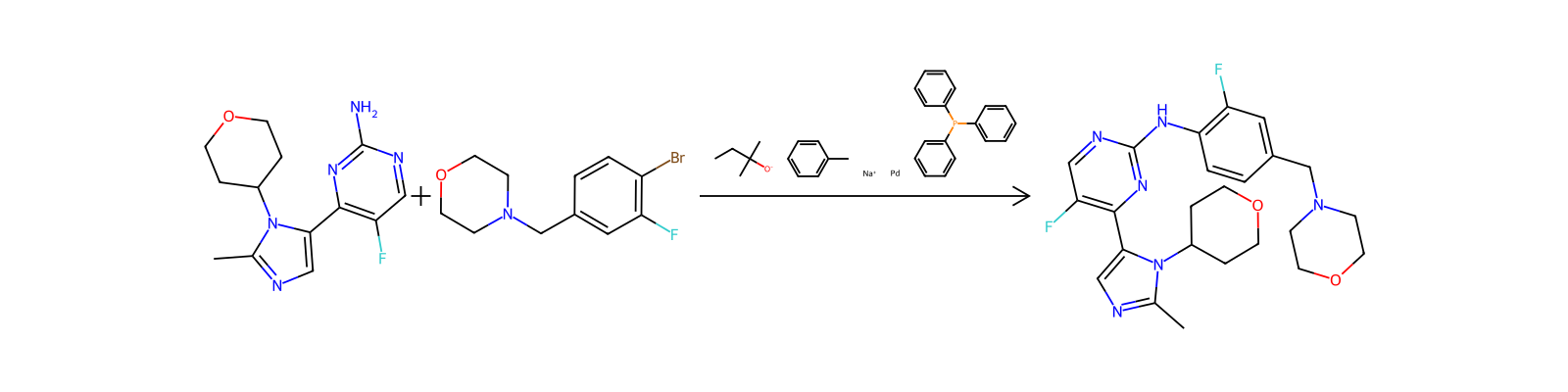
HRID 15 の反応式
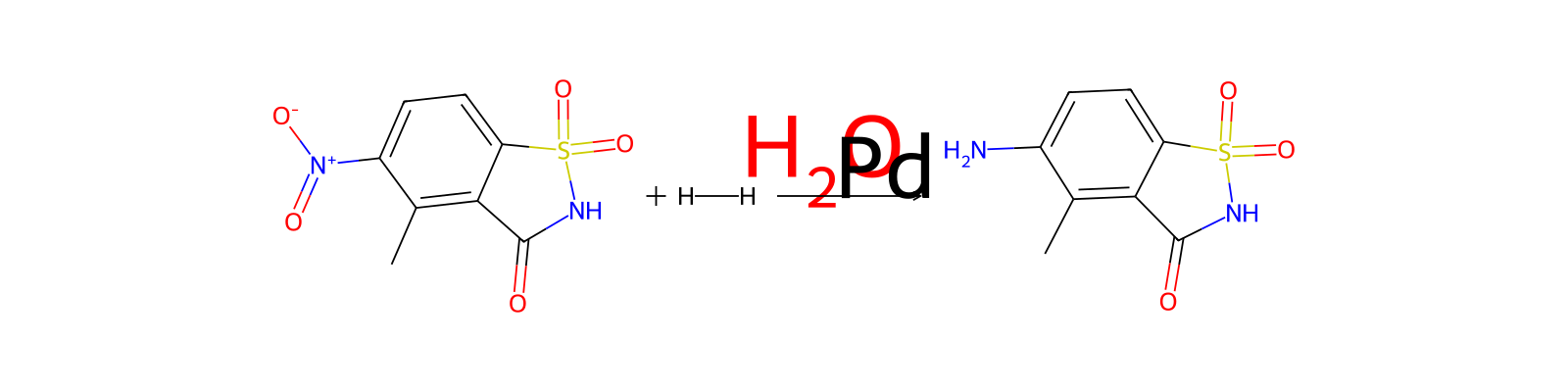
HRID 15触媒として750 AstraZeneca ELN dataset
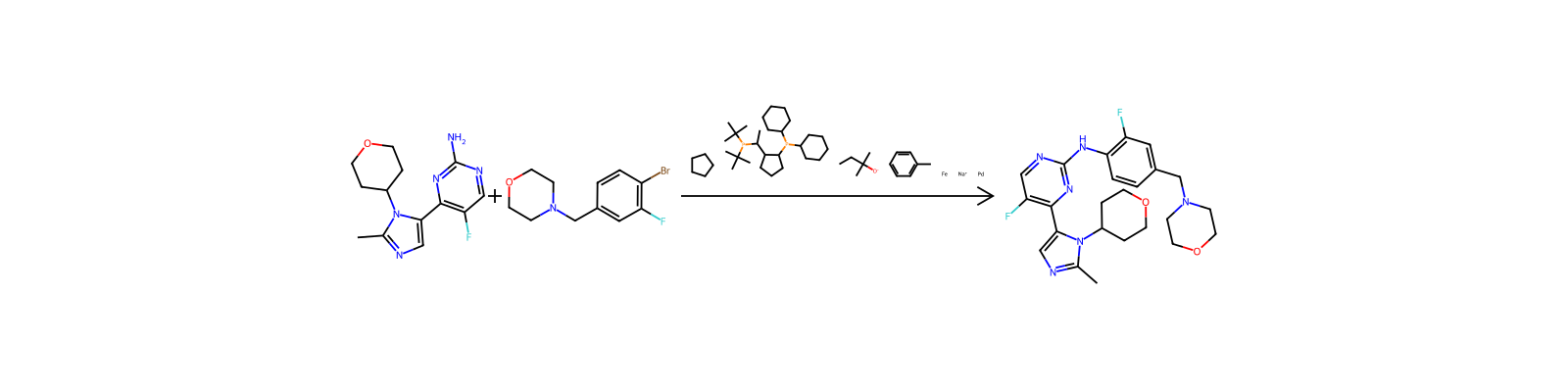
HRID 16 の反応式
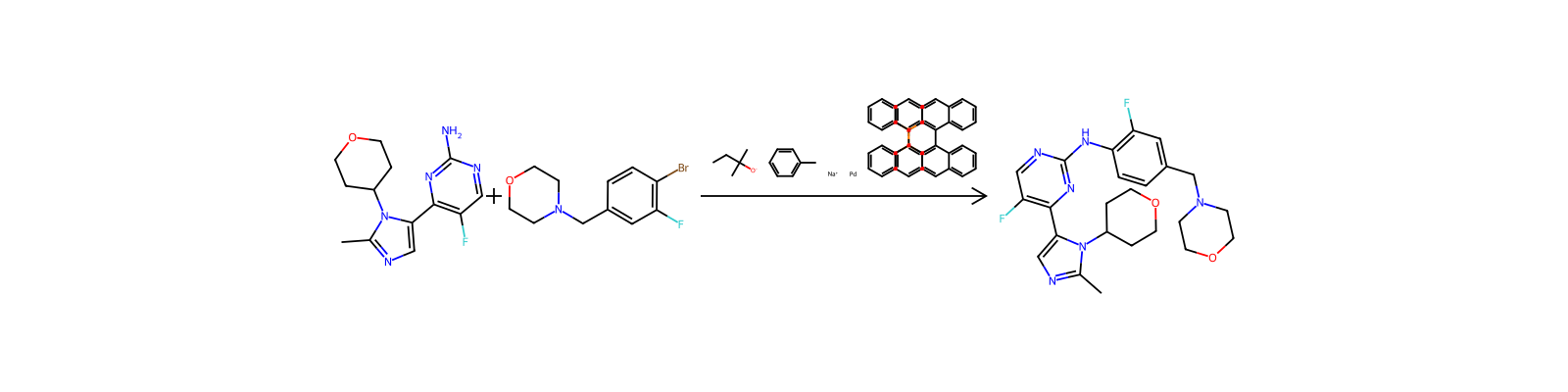
HRID 16触媒として750 AstraZeneca ELN dataset
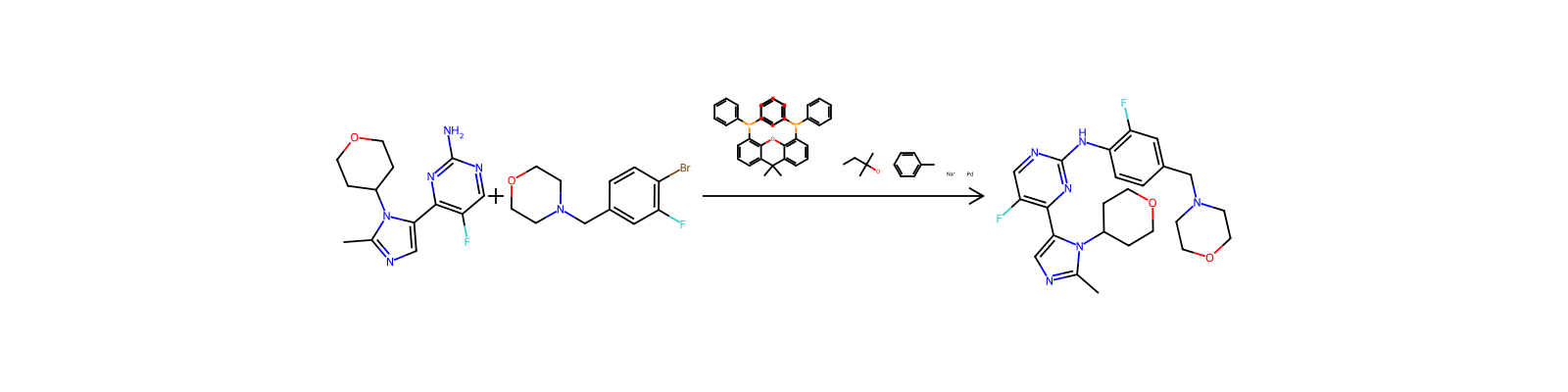
HRID 17 の反応式
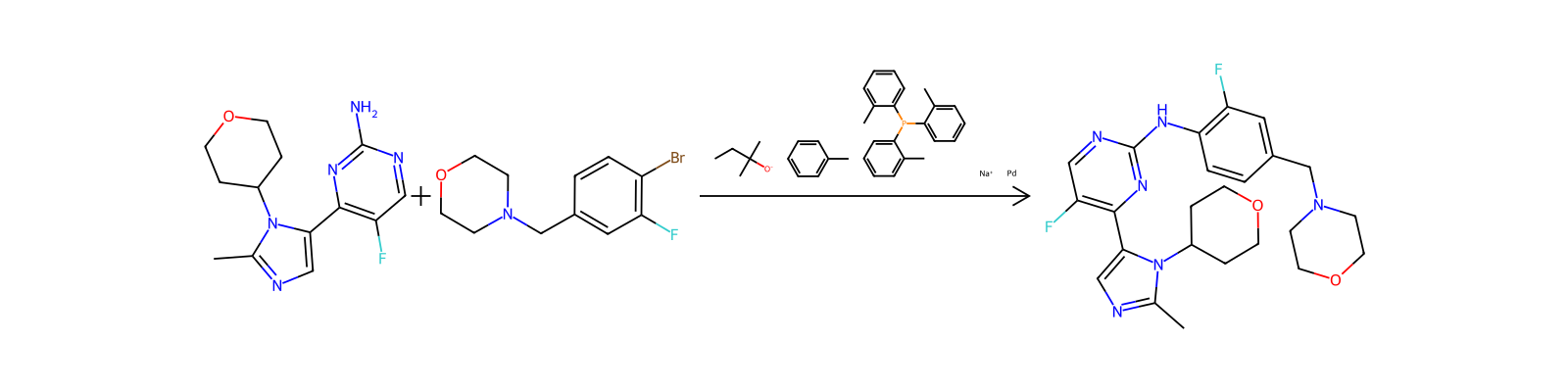
HRID 17触媒として750 AstraZeneca ELN dataset
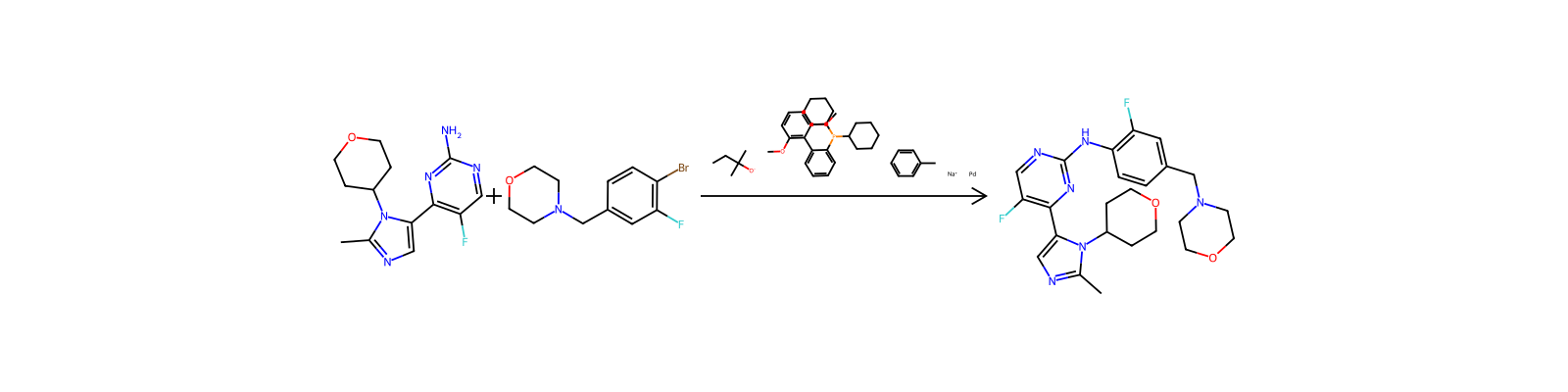
HRID 18 の反応式
HRID 18触媒として750 AstraZeneca ELN dataset
HRID 19 の反応式
HRID 19触媒として750 AstraZeneca ELN dataset
HRID 20 の反応式
HRID 20触媒として750 AstraZeneca ELN dataset
HRID 809 の反応式
HRID 809触媒としてuspto-grants-1998_03
HRID 861 の反応式
HRID 861触媒としてuspto-grants-1998_03
1 / 500 ページ

化合物ノート

読み込み中…

このページの内容基本情報概要名称と識別子物性安全と法規制化学と産業関連反応化合物ノート
その他の操作
ノートを作成反応を作成見積依頼を出す
3.47 Pa (0.0260 mm Hg) at 1552 °C
Physical Description · 2 件

Steel-white metal that does not tarnish in air; Oxidation states: 2+ and 4+; [Nordberg, p. 1113]

Solid

物理化学的性質

融点
1554 °C · 1554 °C(lit.)
沸点
2970 °C · 2970 °C(lit.)
比重(密度)
1.025 g/mL · 1.025 g/mL at 25 °C
貯蔵温度
no restrictions.
溶解性
soluble in aqua regia
外見
ワイヤー
比重
12.03 · 12.03
色
シルバーグレー
臭い (Odor)
無臭
水溶解度
不溶性
比熱容量
0.24 J/ · Cp(crystal): 0.24 J/(g·K); Cp(gas): 0.2 J/(g·K), at 25℃
Merck
14 · 14,6989
安定性
安定。可燃性 - 微粉末は、空気中で火災や爆発を引き起こす可能性があります。オゾン、テトラヒドロホウ酸ナトリウム、硫黄、ヒ素とは相容れない。
化粧品成分の機能
着色剤
InChI
1S/Pd
InChIKey
KDLHZDBZIXYQEI-UHFFFAOYSA-N
SMILES
[Pd]
Hardness, Vickers
37 · 37, Annealed105, Cold Drawn
Modulus of Elasticity
117 GPa · 117 GPa
Poissons Ratio
0.39 · 0.39
Shear Modulus
42 GPa, · 42.0 GPa, Calculated
CAS データベース
7440 · 7440-05-3(CAS DataBase Reference)
NISTの化学物質情報
Palladium(7440-05-3)
EPAの化学物質情報
Palladium (7440-05-3)
FDA Requirements · 1 件

Noble metal alloy: (a) Identification. A noble metal alloy is a device composed primarily of noble metals, such as gold, palladium, platinum, or silver, that is intended for use in the fabrication of cast or porcelain-fused-to-metal crown and bridge restorations. (b) Classification. Class II (special controls). The special control for these devices is FDA's "Class II Special Controls Guidance Document: Dental Noble Metal Alloys." The devices are exempt from the premarket notification procedures in subpart E of part 807 of this chapter subject to the limitations in §872.9. See §872.1(e) for availability of guidance information. /Noble metal alloy/

Hazard Classes and CategoriesFlam. Sol. 1 (31.5%)
Explosive Limits and PotentialExplosive reaction with hydrogen and hydrogen peroxide.
Skin, Eye, and Respiratory IrritationsContact dermatitis has been associated with metallic palladium, especially with palladium alloys ... .
Hazardous Reactivities and Incompatibilities · 4 件

Incompatibilities: Arsenic; carbon; ozonides; methanol; sulfur.

Reaction with formic acid or tetrahydroborate releases explosive hydrogen gas.

Violent reaction with isopropyl alcohol or OF2S.

At a red heat is converted in to the monoxide. Forms dihalides with fluorine or chlorine at a red heat. Reacts with nitric acid, sulfuric acid, a mixture of hydrochloric and choric acids. Reacts slightly with concentrated /hydrochloric acid/; more readily in the presence of air or free chlorine. Forms a sulfide when heated with sulfur, a phosphide when heated with phosphorus. Absorbs a considerable amount of hydrogen.

CSL Reaction Information · 6 件

CSL00027

METHANOL + PALLADIUM

Palladium on carbon (10%) is highly pyrophoric under hydrogen atmosphere and to some extent in air. Palladium on carbon (Pd/C) frequently ignites when it first comes in contact with methanol (and to a lesser extent, any flammable organic solvent) and as such represents a significant safety risk.

Pyrophoric

M (up to 100g)

Addition of Pd/C (10% wet) to the reaction flask containing hydrogen atmospehere (additional catalyst addition to the ongoing reaction in 100 mL methanol) resulted is small fire.

安全と保護具

Disposal Methods · 1 件

SRP: The most favorable course of action is to use an alternative chemical product with less inherent propensity for occupational exposure or environmental contamination. Recycle any unused portion of the material for its approved use or return it to the manufacturer or supplier. Ultimate disposal of the chemical must consider: the material's impact on air quality; potential migration in soil or water; effects on animal, aquatic, and plant life; and conformance with environmental and public health regulations.

Protective Action Criteria (PAC) · 3 件

1.5 [mg/m3]

160 [mg/m3]

970 [mg/m3]

毒性情報

Health EffectsContact with palladium may cause palladium sensitivity and allergy. Animal studies have shown that palladium may damage the liver and kidney. (L798)
Exposure RoutesInhalation (A21) ; oral (A21) ; dermal (A21)
Toxicity Summary · 2 件

IDENTIFICATION: Palladium is a steel white ductile metallic element. It is stable in air and resistant to attack by most reagents. It is soluble in a mixture of hydrochloric and nitric acids. Palladium and its alloys are used as catalysts in the petrochemical and automotive industries. Used in electronics and in dental applications. Purified metals between 99.9% and 99.99% are available for chemical use as foil, granules, rod or wire. HUMAN EXPOSURE: The general population is primarily exposed to palladium through dental alloys, jewlery, food and emissions from automobile catalytic converters. There are limited data concerning the distribution of palladium from dental resorations in human tissues or fluids. Populations at special risk of palladium allergy include people with known nickel allergy. ANIMAL STUDIES: Six months after a single intratracheal application of palladium dust, several histopathological signs of inflammation were noted in the lungs of rats. Daily oral administration of palladium dust over 6 months resulted in changes in several blood and urine parameters. Palladium applied in its metallic form showed no or little cytotoxicity.[

Palladium ions are able to inhibit most major cellular fuctions. They form strong complexes with both inorganic and organic ligands, substitute essential ions, bind to amino acids and various enzymes including creatine kinase and prolyl hydroxylase, and interact with functional groups of other macromolecules such as DNA leading to strand breakage. (L798)

Signs and SymptomsSkin contact with palladium may cause contact dermatitis, erythema, and oedema. (L798)
Natural Pollution Sources · 2 件

Palladium (Pd) is found with platinum, gold, and nickel ores.

Palladium belongs to the platinum group metals (ruthenium, osmium, rhodium, iridium, palladium and platinum), which are rare elements often found together in nature(1). In the lithosphere, the estimated concentration of platinum group metals range from 0.05 to 0.5 ppm(2). Palladium's abundance in the earth's crust is 0.001-0.01 ppm(3).

Human Toxicity Excerpts · 5 件

/CASE REPORTS/ A 54-yr-old woman patient had symptoms of stomatitis and asthma following the provision of a dental prosthesis in July 1991. ...A positive patch test reaction /was found/ to palladium only, without any concomitant metallic contact dermatitis; in particular there was no sensitization to nickel. This is a very rare sensitization. After replacement of the dental alloy the clinical symptoms improved.

/CASE REPORTS/ Granulomatous tissue reactions due to jewelry made of gold, silver, nickel and palladium are rare but nevertheless have been known for a long time. A female patient developed nodular infiltrates after having been pierced with ear stickers containing palladium. A contact allergic reaction could be demonstrated as the underlying cause by inducing similar histological changes following patch testing with palladium.

/CASE REPORTS/ A patient with a metal dental bridge complained of itching and pain in the oral cavity. She suffered also from recurrent blisters, ulceration, and infection of the oral mucous membrane. Skin tests carried out ... on this patient showed... a positive allergic reaction to... palladium metal.

/CASE REPORTS/ ...A case of linear lichen planus extending from the right cheek to the jaw, which was accompanied by itching and an unusual sensation in the mouth /is described/. The eruption was located along the mandible and aligned with the mandibular nerve. The right molars of the patient contained metal compounds and these were considered to be the cause of his disease. Patch testing with various dental metals showed positive reactions to palladium and platinum. A biopsy specimen showed a lichenoid reaction in the lesional tissue, and dermal contact dermatitis was noted at the palladium patch test site. His dentist reported that palladium-silver-gold or nickel-chrome alloys without platinum had been used in the crown and bridge of his molars. After removal of the dental alloys, the skin eruption resolved with some residual hyperpigmentation. In addition, the peculiar mouth sensation disappeared dramatically within 2 months.

For more Human Toxicity Excerpts (Complete) data for PALLADIUM, ELEMENTAL (11 total), please visit the HSDB record page.

Carcinogen ClassificationNo indication of carcinogenicity to humans (not listed by IARC).
Non-Human Toxicity Excerpts · 5 件

/LABORATORY ANIMALS: Acute Exposure/ Palladium powder /was given to/ rats by enteral (intragastric) /administration/ dose not specified. Clinical signs and toxic effects /include/: necrobiotic changes in the mucous membranes of the gastrointestinal tract, granular dystrophy of hepatocytes, swelling in the epithelium of kidney tubules. /from table/

/LABORATORY ANIMALS: Subchronic or Prechronic Exposure/ 6 months after a single intratracheal application of 50 mg palladium dust (about 143 mg/kg bw), the lungs of rats (Sprague-Dawley, female, n=10) were histopathologically examined. There were several signs of inflammatory responses (peribronchial inflammation, lymphocyte infiltration, interstitial pneumonia, formation of granulomata) observed, but no indications of interstitial fibrosis... .

/LABORATORY ANIMALS: Subchronic or Prechronic Exposure/ Acute toxicity tests with 6 different palladium-containing dental alloys (pulverized; mean particle size 200 um; palladium content: 9-80 mass %) have been performed with rats (Wistar, n=10; 5 females, 5 males). Oral doses of 200 mg/kg bw (in gelatin capsules) did not cause deaths or apparent toxic signs. Histopathological changes in lung, liver and kidney of rats (Sprague-Dawley; n=14) were seen 5 weeks after single oral administration of cut dental alloy material (1 g/kg bw, in gelatin capsules; 6 different alloys; particle size not specified), which contained palladium at 2.5-4 weight % and total noble metals (gold, palladium) at 44-62%. However, alloys of a higher noble metal (gold, palladium, platinum) content (78-97%) containing palladium at 4-26.5% did not elicit significant effects.

/LABORATORY ANIMALS: Subchronic or Prechronic Exposure/ Six different pulverized palladium-containing dental alloys have been tested for their subacute toxicity in rats (Wistar, n=10, 5 females, 5 males). Compared with controls, all specimens caused significant histopathological changes in lung, liver, kidney, small intestine and colon following daily oral doses of 1000 mg/kg bw for 7 days (and sacrifice after 7 additional days). The strongest effects were seen with compositions containing copper and/or indium: Pd73, Cu14, In5; Pd74, Sn16, Cu9; and Au51, Pd39, In4-9. The weakest effects were observed for the Pd58, Ag30, Sn6 alloy, and the changes due to the Pd80, Sn7, Ga6-8 and Au77, Pt10, Pd9 alloys fell in between. Some histocompatibility tests have been performed with several implants of palladium-containing dental alloys of different compositions. Four to 12 weeks after sc implantation of the experimental alloys into guinea-pigs, mice, or rats, or after intramuscular implantation into rabbits, the tissue reactions at the implantation site varied from slight to severe. The most extreme reactions were recorded when copper and/or indium were present as additional components. Altogether, the contribution of palladium to adverse effects of dental mixtures is not clear.

For more Non-Human Toxicity Excerpts (Complete) data for PALLADIUM, ELEMENTAL (9 total), please visit the HSDB record page.

Populations at Special RiskPeople with known metal (especially nickel) allergy may have an increased risk of palladium allergy.
Probable Routes of Human Exposure · 1 件

Palladium concentrations in personal samples collected in 1996 during industrial operations involving the handling of palladium compounds were reported to be between 0.4 and 11.6 ug Pd/cu m as a 8-hour time-weighted average(1). Mean palladium concentrations of 3.5 ug/cu m, with local exhaust ventilation, and 5.5 ug/cu m, without dust control, were measured in the breathing zone of dental technicians(1). Palladium concentrations in air in a platinum and palladium refinery in New Jersey ranged from 0.001 to 0.36 ug/cu m(1).

Other Environmental Concentrations · 1 件

Dust samples were collected in 1985 from the surfaces of plants along side roads in San Diego, CA; palladium concentrations ranged from 0.015 mg/kg dry weight in dust collected along Bellaire Court, a residential street with light traffic, up to 0.28 mg/kg dry weight in dust collected approximately 2 ft from the edge of Interstate 5, a major freeway(1). Palladium concentrations of 0.001-0.146 mg/kg were reported in urban road dusts in Germany in 1995(2).

Antidote and Emergency Treatment · 3 件

There are no established detoxification methods following poisoning by palladium or its compounds. Because of its poor absorption by the body, removal from exposure is the best remedy, when palladium is cleared by natural processes.

Basic treatment: Establish a patent airway. Suction if necessary. Watch for signs of respiratory insufficiency and assist ventilations if needed. Administer oxygen by nonrebreather mask at 10 to 15 L/min. Monitor for pulmonary edema and treat if necessary ... . Monitor for shock and treat if necessary ... . Anticipate seizures and treat if necessary ... . For eye contamination, flush eyes immediately with water. Irrigate each eye continuously with normal saline during transport ... . Do not use emetics. For ingestion, rinse mouth and administer 5 ml/kg up to 200 ml of water for dilution if the patient can swallow, has a strong gag reflex, and does not drool ... . Cover skin burns with dry sterile dressings after decontamination ... . /Poison A and B/

Advanced treatment: Consider orotracheal or nasotracheal intubation for airway control in the patient who is unconscious, has severe pulmonary edema, or is in respiratory arrest. Positive pressure ventilation techniques with a bag valve mask device may be beneficial. Monitor cardiac rhythm and treat arrhythmias as necessary ... . Start an IV with D5W /SRP: "To keep open", minimal flow rate/. Use lactated Ringer's if signs of hypovolemia are present. Watch for signs of fluid overload. Consider drug therapy for pulmonary edema ... . For hypotension with signs of hypovolemia, administer fluid cautiously. Watch for signs of fluid overload ... . Treat seizures with diazepam (Valium) ... . Use proparacaine hydrochloride to assist eye irrigation ... . /Poison A and B/

法規制情報

FDA Requirements · 1 件

Noble metal alloy: (a) Identification. A noble metal alloy is a device composed primarily of noble metals, such as gold, palladium, platinum, or silver, that is intended for use in the fabrication of cast or porcelain-fused-to-metal crown and bridge restorations. (b) Classification. Class II (special controls). The special control for these devices is FDA's "Class II Special Controls Guidance Document: Dental Noble Metal Alloys." The devices are exempt from the premarket notification procedures in subpart E of part 807 of this chapter subject to the limitations in §872.9. See §872.1(e) for availability of guidance information. /Noble metal alloy/

安全データ

wgk
nwg
tsca
TSCA listed
rtecs
RT3480500
ridadr
UN 3089 4.1/PG 2
毒性
LD50 oral (rat) 200 mg/kg (palladium chloride) LC50 intratracheal (rat) 6 mg/kg (palladium chloride)
PRTR法
第一種指定化学物質
hs_code
28439000
risk_code
61-33-37/38-40-41-36/37/38-11
安衛法
57-2
消防法
危-2-M-1-II
hazard_code
T,F,Xi
safety_code
53-26-36/37/39-24/25-36-22
hazard_class
4.1
packing_group
III
自然発火温度
>1120 °F
ストレージクラス
13 - Non Combustible Solids
有毒物質データの
7440-05-3(Hazardous Substances Data)

Metal Extraction and Refining [Category: Industry]

Palladium is used in gold, silver and copper alloys in dentistry. Alloys are also used for bearings, strings, and balance wheels in watches. Palladium is used as a catalyst in the manufacture of sulfuric acid. In powder form it is used as a catalyst in hydrogenation. The sponge form is used for separation of hydrogen from a mixture of gases. Silver alloys are used for electrical contacts.

The automotive industry has used palladium in catalytic converters since 1974. ... In jewelry, palladium hardened with 4-5% ruthenium provides a light, white, strong, tarnish-free alloy for watch cases, brooches, and settings for gems.

...For alloy bearings, springs, balance wheels of watches; for mirrors in astronomical instruments; as catalyzer in manufacture of sulfuric acid and in other oxidizing processes.

Alloys for electrical relays and switching systems in telecommunication equipment, catalyst for reforming cracked petroleum fractions and hydrogenation, metallizing ceramics, "white" gold in jewelry, aircraft spark plugs, protective coatings.

Formulations/Preparations · 3 件

Grade: CP (99.99%), technical (99.0%)

Available as wire, leaf, powder, and single crystals.

Purified metals between 99.9% and 99.999% palladium are available for chemical or medical use as foil, granules, powder, rod or wire.

General Manufacturing InformationPalladium: ACTIVE
応用分野 · 8 件

解説パラジウム,Pd.原子番号46の元素.電子配置[Kr]4d10の周期表10族貴金属または白金族元素.原子量106.42(1).質量数102(1.02(1)%),104(11.14(8)%),105(22.33(8)%),106(27.33(3)%),108(26.46(9)%),110(11.72(9)%)の6種の安定同位体と,質量数91~124の放射性同位体が知られている.1802年イギリスのW.H. Wollastonが王水溶液から白金を(NH4)2PtⅣ Cl6として沈殿分離したあとの溶液中に発見し,同じ年に発見された小惑星パラスにちなんで命名した.パラスはギリシア神話知恵の女神Pallas Athene.宇田川榕菴は天保8年(1837年)に出版した「舎密開宗」で,巴爾刺冑母(パルラヂウム)としている.

用途水素添加触媒、水素燃焼触媒。

用途触媒原料。電子・電気材料。合金材料。

用途水素添加反応の触媒。

用途水素反応などに使われる触媒としての用途がもっとも重要である。白金より安価なうえ軽いので各種の合金として、電気接点、歯科材料、装飾品などに使用される。

天然物の起源Palladium is considered a rare metal, making up only about 1 part per 100 million partsof the Earth’s crust. It is considered the 77th most abundant element on Earth, although it is seldom found in pure states. Rather, it is mixed with other metals or in compounds of palladium.It was originally found in gold ores from Brazil, where the miners thought the gold wascontaminated by what they referred to as “white gold.” Later, it was considered an alloy combinationof palladium and gold.Deposits of ores containing palladium, as well as other metals, are found in Siberia and theUral Mountains of Russia, Canada, and South Africa, as well as in South America.

使用Palladium is a soft white metal found in copper and nickel ores. The chloride compound of this element was used after the turn of the century for printing and also in combination with platinum for printing. Palladium is a transition metal element used in catalytic reactions involving processes such as hydrogenation. Lindlar Catalyst. In form of gold, silver, and copper alloys in dentistry; for alloy bearings, springs, balance wheels of watches; for mirrors in astronomical instruments; as catalyzer in manufacture of sulfuric acid and in other oxidizing processes; in powder form as catalyst in hydrogenation and in ignition of hydrogen or hydrocarbons with oxygen; the spongy form is used in gas analysis for separating hydrogen from mixtures of gases.

一般的な説明This product has been enhanced for energy efficiency.

調製方法 · 2 件

Palladium and platinum have been used since 1974 as catalyst to oxidize carbon monoxide to carbon dioxide in automobile engines and in hydrocarbon conversion. This use of palladium results in palladium being emitted as solid particles with automotive exhaust gases.

製造方法It can be made from the ore with dry process in Industrial production; can also copper, nickel sulfide ore preparation of copper, nickel production process as a by-product as raw materials, made by wet smelting. It can also be obtained from the wet process with the byproduct of copper, nickel production from the copper sulfide ore or nickel sulfide ore. The wet method is using the residue of extracted nickel and copper as raw materials, adding aqua for extraction, filtration, adding ammonia and hydrochloric acid to react, thus forming the precipitation of ammonium chloropalladate. After refining, filtration, reduction of ammonium chloropalladate with hydrogen 99.95% finished product of palladium can be obtained.

上流・下流製品情報

上流原料

王水アンモニア水二酸化イオウ塩素塩化アンモニウム塩素酸ナトリウム硫酸水素

下流製品

3-(3,4,5-トリメトキシフェニル)プロパン酸2-メチルブタン二酸ジメチル1H-インダゾール-6-オール3-ブロモピリダジン3-アミノピリダジン1-メチルピペリジン-4-カルボン2',3'-ジデオキシシチジン2-AMINO-3,5-DICYANOPYRIDINE3-ピリジン-2-イルプロパン酸4ブロモ2フルオロベンジルアミン6-キノキサリンアミン3-アミノ-4,6-ジメチルピリジン7‐ヒドロキシインドール1H-インドール-5-アミン/塩酸,(1:x)1H-インドール-6-イルメタノール4-アミノテトラヒドロピラン1-BOC-4-HYDROXY-4-(HYDROXYMETHYL)-PIPERIDINEN-(4-アミノフェニル)-4,6-ジメチル-2-ピリミジンアミン1,2,3-ベンゾチアジアゾール-5-カルボン酸(3R)-(-)-3-アミノピロリジン 二塩酸塩1-(4-AMINO-2,6-DICHLOROPHENOXY)-3-MORPHOLINOPROPAN-2-OL2,3-ジアミノピリジン(2-アミノフェニル)ボロン酸ピリダジン-3(2H)-オン2-(4-AMINOPHENYL)ETHYL AMINE 2HCL1H-インダゾール-7-アミン5-アミノインダゾールテトラヒドロ-3-フロ酸N-METHYL-2-PIPERAZIN-1-YLACETAMIDE2-(アミノメチル)キノリン4-ヒドロキシ-3-メトキシフェニル酢酸4-デオキシピリドキシン塩酸塩(3R)-(+)-3-(ジメチルアミノ)ピロリジン5-ヒドロキシインドールcis-1,2-シクロヘキサンジアミン2-ACETAMIDO-5-AMINO-4-PICOLINE4-(2-MORPHOLINOETHOXY)-3,5-DICHLOROBENZENAMINE4-(2-(N-PHENYL-N-ETHYLAMINO)ETHOXY)-3,5-DICHLOROBENZENAMINE(3S)-(+)-3-アミノピロリジン 二塩酸塩2,6-ジメチルピリジン-3-アミン
補足説明 · 2 件

定義本品は、水中にパラジウムを懸濁させたものである。

定義palladium: Symbol Pd. A soft whiteductile transition element (see alsoplatinum metals); a.n. 46; r.a.m.106.4; r.d. 12.02; m.p. 1552°C; b.p.3140±1°C. It occurs in some copperand nickel ores and is used in jewelleryand as a catalyst for hydrogenationreactions. Chemically, itdoes not react with oxygen at normaltemperatures. It dissolves slowly inhydrochloric acid. Palladium is capableof occluding 900 times its ownvolume of hydrogen. It forms fewsimple salts, most compounds beingcomplexes of palladium(II) with somepalladium(IV). It was discovered byWilliam Woolaston (1766–1828) in1803.