データを補完しています。しばらくしてからページを更新すると最新の内容を表示できます
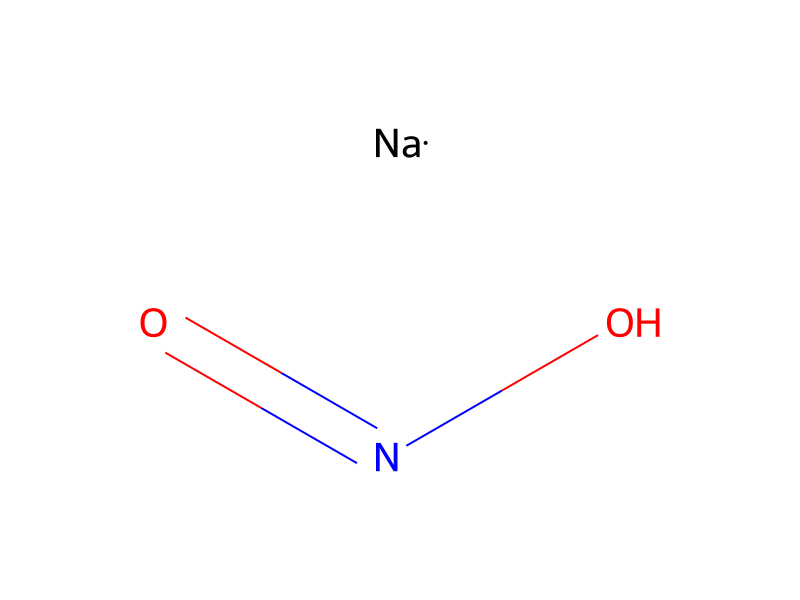
名称と識別子
- 優先名称
- Sodium nitrite
- 現地名
- 亜硝酸ナトリウム
- 英語名
- Sodium nitrite
- 分子式
- NaNO2
- 分子量
- 69
名称と別名
亜硝酸ナトリウム [一般有機合成用]亜硝酸イオン標準液亜硝酸性窒素標準液(NO2‐N 100)0.1MOL/L(M/10) 亜硝酸ナトリウム溶液0.2MOL/L(M/5) 亜硝酸ナトリウム溶液0.5MOL/L(M/2) 亜硝酸ナトリウム溶液10W/V% 亜硝酸ナトリウム溶液1MOL/L(1M) 亜硝酸ナトリウム溶液亜硝酸ナトリウム ACS REAGENT,≥97.0%亜硝酸ナトリウム PURISS. P.A.,ACS REAGENT,REAG. PH. EUR.,≥99%亜硝酸ナトリウム PURISS.,MEETS ANALYTICAL SPECIFICATION OF PH. EUR.,BP,USP,FCC,E 250,99-100.5% (CALC. TO THE DRIED SUBSTANCE)亜硝酸ナトリウム SOLUTION VOLUMETRIC,0.1 M NANO2 (0.1N)
名称をさらに表示
亜硝酸ナトリウム SOLUTION VOLUMETRIC,0.2 M NANO2 (0.2N)0.5MOL/L 亜硝酸ナトリウム溶液亜硝酸ナトリウム STANDARD亜硝酸ナトリウム, U.S.P.亜硝酸ナトリウム 溶液亜硝酸ナトリウム Standard, 100 µg/mL in Water亜硝酸ナトリウム, 97+% (ACS)亜硝酸ナトリウム, 0.1M Standardized SolutionNaNO2YAXIAOSUANNAnatriumnitritNITRITE STANDARD SOLUTIONfilmerineNITRITE STANDARDNANO2(SODIUM NITRITESodium nitrite standardSodiuM nitrite ReagentPlus(R), >=99.0%erinitrit
データベース識別子
- CAS
7632-00-0- PubChem CID
- 24188564
物性
物理化学的性質
- 融点
- 271 °C · 271 °C (lit.)
- 沸点
- 320 °C · 320 °C
- 比重(密度)
- 2.17 g/cm3 · 2.17g/cm3
- 蒸気圧
- 0.0001 hPa · <0.0001 hPa ( 25 °C)
- 屈折率
- 1.65 · 1.65
- 貯蔵温度
- 2 · 2-8°C
- 溶解性
- 1 ml · 水性酸: 1 ml あたり 1 - 2μl の酢酸
- 外見
- 粉
- 色
- 白または無色
- 比重
- 2.168 · 2.168
- 臭い (Odor)
- 無臭
- PH
- 9 · 9 (100g/l, H2O, 20℃)
- 水溶解度
- 820 g/L · 820g/L(20℃)
- Merck
- 14 · 14,8648
- 安定性
- 安定。還元剤、強力な酸化剤、有機物、その他の可燃性物質、微細な金属とは相容れない。可燃物に触れると、火災の原因となることがあります。吸湿性。
- 化粧品成分の機能
- 防錆剤
- InChI
- 1S/HNO2.Na/c2-1-3;/h(H,2,3);/q;+1/p-1
- InChIKey
- LPXPTNMVRIOKMN-UHFFFAOYSA-M
- SMILES
- [Na+].[O-]N=O
- CAS データベース
- 7632 · 7632-00-0(CAS DataBase Reference)
- EPAの化学物質情報
- Sodium nitrite (7632-00-0)
化学的性質
化学的特性Sodium nitrite, NaN02, is a fire-hazardous, air-sensitive, yellowish white powder that is soluble in water and decomposes at temperatures above 320°C (608 °F). Sodium nitrite is used as an intermediate for dye stuffs and for pickling of meat, in dyeing of textiles, in rustproofing, in medicine, and as a reagent in organic chemistry.
安全と法規制
安全情報は参考情報です。供給元の安全データシート(SDS)、適用法令、専門家による評価に代わるものではありません。
安全データ
- F
- 10
- wgk
- 3
- tsca
- TSCA listed
- rtecs
- RA1225000
- ridadr
- UN 1500
- 毒性
- LD50 orally in rats: 180 mg/kg (Smyth)
- hs_code
- 28341000
- risk_code
- 8-25-50-22-36/38
- 化審法
- (1)-483
- 消防法
- 危険物第1類
- hazard_code
- O,T,N,Xn
- safety_code
- 45-61-36-26
- hazard_class
- 5.1
- packing_group
- III
- 毒劇物取締法
- 劇物
- 自然発火温度
- 914 °F
- Hazard Classifications
- Acute Tox. 3 OralAquatic Acute 1Eye Irrit. 2Ox. Sol. 3
- ストレージクラス
- 5.1B - Oxidizing hazardous materials
- 有毒物質データの
- 7632-00-0(Hazardous Substances Data)
- 危険度評価(NFPA 704基準/消防庁データ)
- 人的[青]=1 火災[赤]=0 反応[黄]=1
化学と産業
応用分野
解説亜硝酸ナトリウム,NaNO2(69.00).溶融した硝酸ナトリウムを鉛で還元した生成物から水で抽出すると得られる.工業的には,一酸化窒素と二酸化窒素のほぼ1:1混合ガスを水酸化ナトリウムに吸収させてつくる.斜方晶系,無色または淡黄色のイオン結晶.NO2-は,N-O1.24 Å,∠O-N-O115°.密度2.17 g cm-3.融点271 ℃.320 ℃ で分解する.潮解性があり,水に易溶.水溶液は弱アルカリ性を示す.有機ジアゾニウム塩の合成,食肉加工,さび止め,繊維の漂白,金属の表面処理,分析試薬(ジアゾ化滴定)などに用いられる.また,血管拡張剤として,シアン中毒患者の治療にも利用される.
用途熱処理剤、発泡剤
用途汎用試薬、有機合成原料。
用途ジアゾ滴定用標準液。
用途有機合成原料,写真薬?医薬?染料原料,食品添加物,発色剤,化学プラントなどの加熱?冷却システム用熱媒体
説明Sodium nitrite is similar in name and use to sodium nitrate. Both are preservatives used in processed meats, such as salami, hot dogs, and bacon. Sodium nitrite has been synthesized by several chemical reactions that involve the reduction of sodium nitrate. Industrial production of sodium nitrite is primarily by the absorption of nitrogen oxides into aqueous sodium carbonate or sodium hydroxide. Over the years, sodium nitrite has raised some concerns about its safety in foods, but it remains in use and there are indications that it may actually be healthy. Sodium nitrite was developed during the 1960s. In 1977, the US Department of Agriculture (USDA) considered banning it but the USDA’s final ruling on the additive came out in 1984, allowing its use. Studies in the 1990s indicated some adverse effects of sodium nitrite, for instance the potential to cause childhood leukemia and brain cancers. In the late 1990s, the National Toxicity Program (NTP) began a review of sodium nitrite and proposed listing sodium nitrite as a developmental and reproductive toxicant, but a report in 2000 by NTP proposed that sodium nitrite is not a toxic substance and removed it from the list of developmental and reproductive toxicants. It is now believed that it can help with organ transplants and leg vascular problems, while preventing heart attacks and sickle cell disease.
使用Sodium nitrite is used to fix the colors in preserved fish and meats. It is also important(along with sodium chloride) in controlling the bacterium Clostridium botulinum, which causes botulism. Lunch meats, hams, sausages, hot dogs, and bacon are usually preserved this way.In medicines, it is a vasodilator, intestinal relaxant, bronchodilator, and an antidote to cyanide and hydrogen sulfide poisoning.Sodium nitrite is produced in the human body by the action of saliva on sodium nitrate, and is important in controlling bacteria in the stomach, to prevent gastroenteritis. The body produces more sodium nitrite than is consumed in food.Sodium nitrite can react with proteins in the stomach or during cooking, especially in high heat (such as frying bacon), to form carcinogenic N-nitrosamines.To prevent this, ascorbic acid or erythorbic acid is commonly added to cured meats.manufacture of diazo dyes, nitroso Compounds, and in many other processes of manufacture of organic chemicals; dyeing and printing textile fabrics; bleaching flax, silk, and linen.
関連反応
0 件
現在のフィルター条件では反応記録がありません。
化合物ノート
読み込み中…