ホームMCPワークベンチSkills
ホームワークベンチ通知マイページ
llms.txt · MCPガイドプライバシーポリシー · 利用規約 · サポートv1.8.0
  1. ホーム
  2. /化合物

塩化パラジウム(II)

Palladium Chloride

HCID 24290
ノートを作成反応を作成見積依頼を出す
印刷プレビュー

データを補完しています。しばらくしてからページを更新すると最新の内容を表示できます
基本情報概要名称と識別子物性安全と法規制化学と産業関連反応化合物ノート
部分構造検索類似構造を探す

基本情報

CAS
7647-10-1
標準SMILES
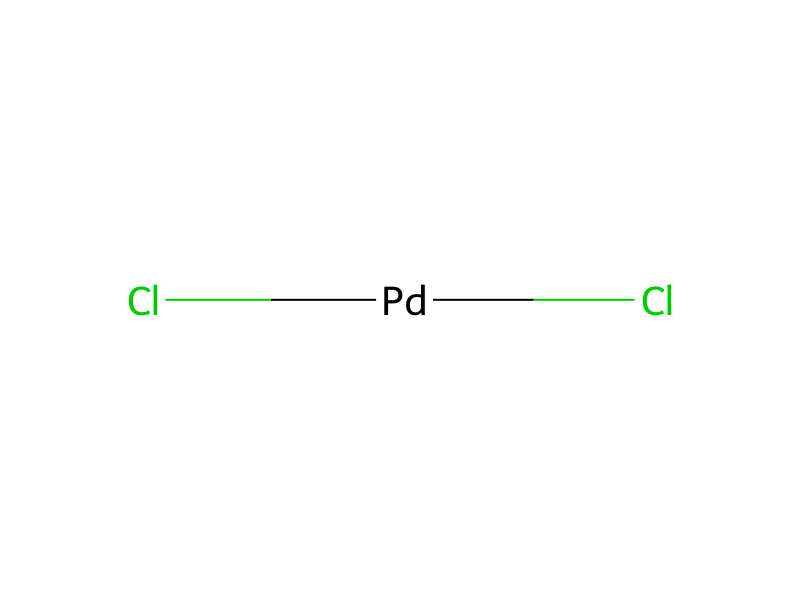
[Cl][Pd][Cl]
InChIKey
PIBWKRNGBLPSSY-UHFFFAOYSA-L
分子式
Cl2Pd
平均分子量
177.32 g/mol

概要

Palladium chloride appears as dark brown crystals. (NTP, 1992)

名称と識別子

優先名称
Palladium Chloride
IUPAC
dichloropalladium
現地名
塩化パラジウム(II)
英語名
Palladium chloride
分子式
Cl2Pd
分子量
177.33

名称と別名

Palladium(II) chloridePalladium chloride7647-10-1DichloropalladiumPalladium dichloridePalladous chloridePalladium(2+) chloridePalladium chloride (PdCl2)Enplate activator 440PdCl2NCI-C60184N9214IR8N7
名称をさらに表示
塩化パラジウム(II)二塩化パラジウムパラジウム(II)ジクロリド塩化パラジウム塩化パラジウム(II) 塩化物塩化パラジウム(Ⅱ)パラジウムジクロリド塩化パラジウム(II), 99.9%塩化パラジウム(II) 溶液Palladium(Ⅱ)chloridePalladium(II) dichloridePalladium(II) chloride, 59% Pdadium(II) chLJACS-7647-10-1Palladiumchlorid
CHEBI:53434NSC-146183RefChem:169620Palladium chloride (pdc12)231-596-2DTXCID305824DTXSID4025824ENPLATE ACTIVATOR-440

データベース識別子

CAS
7647-10-1
PubChem CID
24290
ChEBI
CHEBI:53434
EC Number
231-596-2

物性

構造計算による物性補完中

極性表面積
0 Ų
水素結合供与体数
0
水素結合受容体数
0
回転可能結合数
0
重原子数
3
形式電荷
0
複雑度
2.8

実験および物理化学的性質

Chemical ClassesMetals -> Metals, Inorganic Compounds
Density · 3 件

4 at 64 °F (NTP, 1992) - Denser than water; will sink

4.0 g/cu cm

4 @25 °C

Color/Form · 2 件

Red rhombic crystals; hygroscopic

Brown to brownish violet powder

Solubility · 3 件

Soluble (NTP, 1992)

Sol in water, ethanol, acetone

Readily soluble in hydrochloric acid and solutions of alkali metal chlorides

Decomposition · 2 件

When heated to decomposition it emits highly toxic fumes of /hydrogen chloride/.

Decomposed at high temperature to palladium and chlorine.

Melting Point · 2 件

934 °F (DECOMP) (NTP, 1992)

678-680 °C

Physical Description · 2 件

Palladium chloride appears as dark brown crystals. (NTP, 1992)

Red or brown hygroscopic solid; [HSDB] Dark brown crystalline powder; Insoluble in water; [MSDSonline]

Other Experimental Properties · 4 件

DELIQUESCENT; DECOMPOSES @ 500 °C

Decomposition at high temperatures to palladium and chlorine

安全と法規制

安全情報は参考情報です。供給元の安全データシート(SDS)、適用法令、専門家による評価に代わるものではありません。

GHS分類

GHS Classification · 4 件

Danger

H290 (64.5%): May be corrosive to metals [Warning Corrosive to Metals]

P234, P261, P264, P264+P265, P270, P271, P272, P273, P280, P301+P316, P301+P317, P302+P352, P304+P340, P305+P351+P338, P305+P354+P338, P317, P319, P321, P330, P332+P317, P333+P317, P337+P317, P362+P364, P390, P391, P403+P233, P405, P406, and P501 (click each P-code to see the statement)

Aggregated GHS information provided per 299 reports by companies from 19 notifications to the ECHA C&L Inventory. Each notification may be associated with multiple companies.

危険有害性情報

Regulatory Information · 3 件

Chemical: Palladium chloride (PdCl2)

Status: Active Update: 02-02-2021 https://echa.europa.eu/registration-dossier/-/registered-dossier/18657

Palladium (II) chloride: Does not have an individual approval but may be used under an appropriate group standard

Other Safety InformationIMAP assessments - Palladium chloride (PdCl2): Environment tier I assessment
DOT LabelPoison Corrosive
Fire HazardsFlash point data for this chemical are not available. It is probably combustible. (NTP, 1992)
Fire Potential · 1 件

/Palladium catalysts/ ... should be filtered from catalytic hydrogenation reaction mixtures carefully. Recovered catalyst is usually saturated with hydrogen & highly reactive & ... will enflame spontaneously on exposure to air. Particularly in large-scale reactions, the filter cake should not be allowed to become dry. Funnel containing the still-moist catalyst filter cake should be put into a water bath immediately after completion of filtration. /palladium catalysts/

Health HazardsSYMPTOMS: This compound causes corneal irritation.

化学と産業

薬理情報

Mechanism of Action · 1 件

The effect of palladium chloride on the activity of CPK-MM creatine kinase of rabbit's muscles and human serum was examined and a dose-dependent inhibition of the enzymatic activity, accompanied by a considerable increase in the electrophoretic enzyme mobility toward anode, were noted. Analysis of the Pd-CPK-MM bond has shown that the cation forms an extremely stable bond with the enzyme sulfhydryl groups, resulting in defective energy metabolism in the organism.

Biological Half-Life...In adult rats (Charles River CD-1 strain) ...after iv exposure... a biological half-life of 12 days /was estimated/.
Metabolism/Metabolites · 1 件

Palladium may be absorbed through oral, dermal, and inhalation exposure. Once in the body it distributes to the kidney, liver, spleen, lymph nodes, adrenal gland, lung and bone. Palladium's ability to form complexes allows it the bind to amino acids, proteins, DNA, and other macromolecules. Palladium and its metabolites are excreted in the urine and faeces. (A21)

Absorption, Distribution and Excretion · 5 件

Palladium chloride is not readily absorbed from sc injection ... .

The absorption of palladium from the GI tract is insignificant. A single intragastrical dose of 103Pd isotope given to male Charles River CD-1 rats was rapidly excreted from their organism with feces. The total retention was lower than 0.5%. After 24 hr, insignificant quantities of palladium chloride were found only in liver and kidneys; after 104 days no palladium chloride was found in any analyzed tissue or organ. A considerably higher absorption and retention were observed after iv administration of palladium chloride. The highest concentration of 103PdCl2 isotope was found in kidneys, spleen, liver, adrenals, lungs, and bones. ...In male Charles River CD-1 rats receiving 25 ug PdCl2 in 0.2 mL saline, the retention in the animals' organs after 3 days was 0.4% of the initial charge and the absorption was <0.5% of the initial dose. ...After intratracheal administration, the highest concentrations of 103Pd were observed in lungs, followed by kidneys, spleen, bones, and liver.

The presence of 103Pd isotope was also examined in the internal organs of female rats receiving PdCl2 iv on 16th day of gestation. The concentration of 103Pd was assessed in various organs of the dams and in fetuses 24 hr after the administration. The low concentration of 103Pd isotope in fetal bodies indicates that Pd does not easily penetrate the placenta.

関連反応

3,320 件
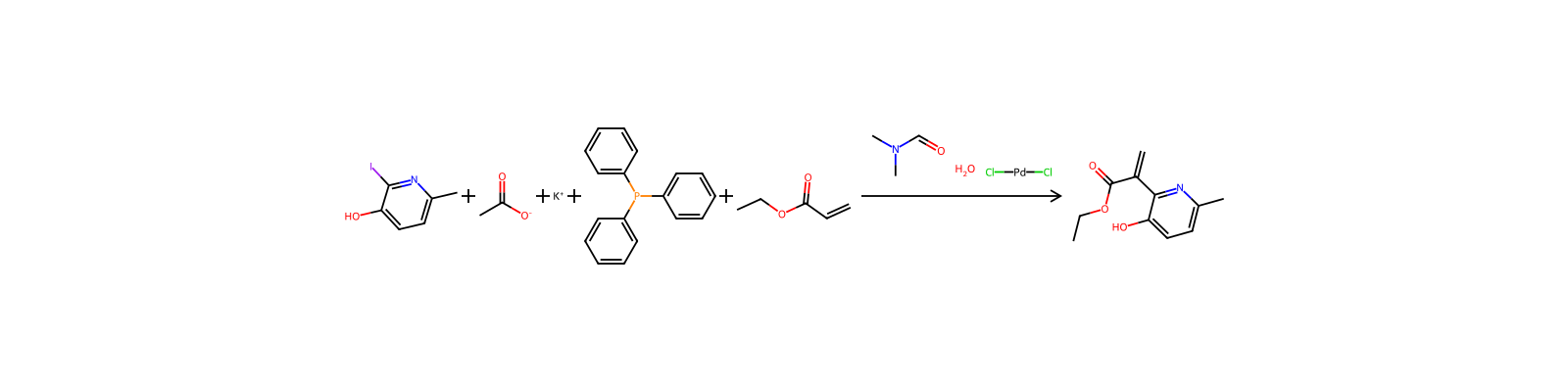
反応記録を作成
HRID 1753 の反応式
HRID 1753触媒としてuspto-grants-1998_03
HRID 1754 の反応式
HRID 1754触媒としてuspto-grants-1998_03
HRID 2356 の反応式
HRID 2356触媒としてuspto-grants-1998_03
HRID 4445 の反応式
HRID 4445触媒としてuspto-grants-1988_02
HRID 4739 の反応式
HRID 4739触媒としてuspto-grants-1988_02
HRID 5680 の反応式
HRID 5680触媒としてuspto-grants-1993_09
HRID 6527 の反応式
HRID 6527触媒としてuspto-grants-1993_09
HRID 6530 の反応式
HRID 6530触媒としてuspto-grants-1993_09
1 / 415 ページ

化合物ノート

読み込み中…

このページの内容基本情報概要名称と識別子物性安全と法規制化学と産業関連反応化合物ノート
その他の操作
ノートを作成反応を作成見積依頼を出す

Sublimes at 590 °C; decomposition begins at 600 °C and is complete at 740 °C

Dark brown crystals; soluble in water, alcohol, acetone; reduced in solution by hydrogen or carbon monoxide to metal /Palladium(II) chloride dihydrate/

物理化学的性質

融点
678 · 678-680 °C(lit.)
比重(密度)
4 g/mL · 4 g/mL at 25 °C(lit.)
蒸気圧
0 Pa · 0Pa at 20℃
貯蔵温度
30 °C · Store below +30°C.
溶解性
55.6 g/l · 55.6g/l 不溶
外見
粉体・固形
比重
4 · 4
色
黄色
PH
2.15 · 2.15 (30g/l, H2O, 20℃)
臭い (Odor)
無臭
水溶解度
不溶性
Decomposition
200 °C · 200 °C
Merck
14 · 14,6990
晶系
直方
空间群
Pnmn
晶格常数
30.382 · a/nmb/nmc/nmα/oβ/oγ/oV/nm30.3820.3351.1029090900.14
安定性
安定。強力な酸化剤とは相容れない。
InChI
1S/2ClH.Pd/h2*1H;/q;;+2/p-2
InChIKey
PIBWKRNGBLPSSY-UHFFFAOYSA-L
SMILES
Cl[Pd]Cl
CAS データベース
7647 · 7647-10-1(CAS DataBase Reference)
EPAの化学物質情報
Palladium dichloride (7647-10-1)
化学的性質 · 2 件

化学的特性Palladium chloride is a dark brown powder, hygroscopic (absorbs moisture from the air). It is incompatible with acids, aluminium, ammonia, magnesium, nitrates, zinc, heat, thiocyanates, and organic solvents. Thermal decomposition of palladium chloride may release chlorine, hydrogen chloride, and oxides of palladium. It is used as a catalyst, photographic, and electroplating reagent. Palladium and its alloys are used as catalysts in the (petro)chemical and, above all, in the automotive industries. Applications of palladium compounds for electronics and electrical technology include use in metallisation processes (thick film paste), electrical contacts and switching systems, in the synthesis of semiconducting metal-containing polymers in which the polypyrrole backbone has a conformational energy minimum and is nearly planar. Palladium chloride is a stable chemical substance and is incompatible with strong oxidising agents.

化学性质赤色,潮解性,600℃以上でパラジウムと塩素に分解する

Hazards SummaryDanger of skin sensitization; [MAK] May cause dermatitis and skin sensitization; [HSDB] May cause irritation to the cornea; [CAMEO] An irritant; [MSDSonline] See Palladium.
Reactive GroupMetals, Less Reactive
Special ReportsWHO; Environ Health Criteria 226: Palladium (2002) Available from: http://www.inchem.org/documents/ehc/ehc/ehc226.htm as of March 3, 2005.
TSCA RequirementsSection 8(a) of TSCA requires manufacturers of this chemical substance to report preliminary assessment information concerned with production, use, and exposure to EPA as cited in the preamble of the 51 FR 41329.
Reactivity AlertsKnown Catalytic Activity
Reactivity ProfilePALLADIUM CHLORIDE is a weak oxidizing agent. It is reduced in solution by hydrogen or carbon monoxide to metallic palladium. (NTP, 1992). Decomposed at high temperatures to metallic palladium and chlorine.

安全と保護具

Fire FightingFires involving this compound should be controlled using a dry chemical carbon dioxide or Halon extinguisher. (NTP, 1992)
First Aid · 1 件

EYES: First check the victim for contact lenses and remove if present. Flush victim's eyes with water or normal saline solution for 20 to 30 minutes while simultaneously calling a hospital or poison control center. Do not put any ointments, oils, or medication in the victim's eyes without specific instructions from a physician. IMMEDIATELY transport the victim after flushing eyes to a hospital even if no symptoms (such as redness or irritation) develop.

Storage ConditionsKeep tightly closed. /Dihydrate/
Nonfire Spill Response · 1 件

SMALL SPILLS AND LEAKAGE: If you spill this chemical, you should dampen the solid spill material with water, then transfer the dampened material to a suitable container. Use absorbent paper dampened with water to pick up any remaining material. Seal your contaminated clothing and the absorbent paper in a vapor-tight plastic bag for eventual disposal. Wash all contaminated surfaces with a soap and water solution. Do not reenter the contaminated area until the Safety Officer (or other responsible person) has verified that the area has been properly cleaned.

Disposal Methods · 1 件

SRP: The most favorable course of action is to use an alternative chemical product with less inherent propensity for occupational exposure or environmental contamination. Recycle any unused portion of the material for its approved use or return it to the manufacturer or supplier. Ultimate disposal of the chemical must consider: the material's impact on air quality; potential migration in soil or water; effects on animal, aquatic, and plant life; and conformance with environmental and public health regulations.

Isolation and EvacuationExcerpt from ERG Guide 154 [Substances - Toxic and/or Corrosive (Non-Combustible)]:
Protective Action Criteria (PAC) · 3 件

2.5 [mg/m3]

89 [mg/m3]

540 [mg/m3]

Personal Protective Equipment (PPE) · 1 件

RECOMMENDED RESPIRATOR: Where the neat test chemical is weighed and diluted, wear a NIOSH-approved half face respirator equipped with an organic vapor/acid gas cartridge (specific for organic vapors, HCl, acid gas and SO2) with a dust/mist filter. (NTP, 1992)

毒性情報

Treatment · 1 件

EYES: irrigate opened eyes for several minutes under running water. INGESTION: do not induce vomiting. Rinse mouth with water (never give anything by mouth to an unconscious person). Seek immediate medical advice. SKIN: should be treated immediately by rinsing the affected parts in cold running water for at least 15 minutes, followed by thorough washing with soap and water. If necessary, the person should shower and change contaminated clothing and shoes, and then must seek medical attention. INHALATION: supply fresh air. If required provide artificial respiration.

InteractionsIn guinea-pigs sensitized to palladium(II) chloride, cross-reactivity to nickel sulfate was observed. However, animals induced with nickel sulfate or chromate or cobalt salts did not react upon challenge with palladium(II) chloride.
Health EffectsContact with palladium may cause palladium sensitivity and allergy. Animal studies have shown that palladium may damage the liver and kidney. (L798)
Ecotoxicity Values · 1 件

LC50 Tubifex tubifex (Tubificid worm) 0.237 mg Pd2+/L/24 hr (95% confidence interval: 0.183-0.316 mg/L); 0.142 mg Pd2+/L/48 hr (95% confidence interval: 0.107-0.184 mg/L); 0.092 mg Pd2+/L/96 hr (95% confidence interval: 0.033-0.052 mg/L); renewal (every 24 hr) /from table/

Adverse EffectsSkin Sensitizer - An agent that can induce an allergic reaction in the skin.
Toxicity Summary · 2 件

IDENTIFICATION: Palladium chloride is a rust colored powder soluble in water, hydrochloric acid, alcohol and acetone. This compound used in plating baths. It is used in photography, toning solutions, electroplating parts of clocks and watches, detecting carbon monoxide leaks in burried gas pipes, manufacture of indelible ink. Palladium chloride is available in purity grades 99% to 99.999%. HUMAN EXPOSURE: A few studies indicate individuals showed a positive skin reaction to palladium chloride patches. ANIMAL/PLANT STUDIES/AQUATIC ORGANISMS: Palladium chloride was poorly absorbed from the digestive tract in adult and suckling rats. Absorption and retention in adult rats was higher following intratracheal or iv exposure. Transfer of small amounts of palladium to offspring via placenta and milk was noted with a single iv doses of this compound. Rats injected with (103)C-palladium chloride mean retention time changed little for the kidney, spleen, muscle, pancreas, thymus, brain. They decreased slightly in liver and markedly in lung, adrenal glandf and blood. Mice given palladium chloride in drinking water from weaning until natural death showed suppression of body weight, a longer life span only in males, an increase in amyloidosis of several inner organs and doubling of malignant tumors. The compound induced eye irritation in rabbits. It also caused erythema in intact and abraded skin. Palladium chloride is a potent skin sensitizer. Reduced testicle weight was noted in mice that recieved sc doses. Mice given palladium chloride in drinking water until natural death developed lymphomas, leukemias and adenocarcinoma of the lung. Eye irritation noted in the eye of a rabbit treated with palladium chloride. This compound inhibited DNA/RNA biosynthesis in vitro with mouse fibroblasts. Palladium chloride is highly toxic to a fresh water worm Tubifex tubifex. It is also highly toxic to fish and grasses.[

Due to their ability to form strong complexes with both inorganic and organic ligands, palladium ions can disturb cellular equilibria, replace other essential ions, and interact with functional groups of macromolecules, such as proteins or DNA. Palladium complexes binding to DNA and RNA leads to strand breakage. Palladium ions are able to inhibit most major cellular functions, including DNA and RNA synthesis. Palladium compounds have been shown to bind to and inhibit various enzymes, including creatine kinase and prolyl hydroxylase. (L798)

Ecotoxicity Excerpts · 1 件

/AQUATIC SPECIES/ The minimum 24-hr lethal concentration of palladium(II) chloride to cyprinodont freshwater fish medaka (Oryzias latipes; n=3 per group) has been reported to be 0.04 mmol/L (7 mg/L [4.2 mg palladium/L]). Compared with platinum (hexachloroplatinic acid: 0.08 mmol/L), palladium was more toxic.

Signs and SymptomsSkin contact with palladium may cause contact dermatitis, erythema, and oedema. (L798)
Human Toxicity Excerpts · 5 件

/HUMAN EXPOSURE STUDIES/ A study of the association of palladium sensitivity with nickel sensitivity was conducted. The study group consisted of 536 consecutive patients, 357 females, who were evaluated for suspected contact dermatitis over a 15 month period. They were patch tested with the European standard allergen series supplemented by 1% palladium-chloride in petrolatum. Thirteen patients, 11 females, gave positive responses to palladium-chloride. All were also positive for 5% nickel-sulfate in the standard allergen series. The reaction to nickel was stronger than the reaction to palladium in 12 subjects. Twelve subjects were tested with discs of pure palladium foil. None showed a positive response. Since it was known that the palladium-chloride patch test material was contaminated with traces of nickel, the palladium foil discs were analyzed for nickel by X-ray energy dispersive analysis. No nickel was detected; the detection limit for nickel was 250 ppm. Twelve of the patients with suspected palladium allergy reported having problems with cheap metal jewelry and metal worn on clothing. One of the two males had chronic hand dermatitis due to occupational exposure. None of patients reported any palladium exposures. The authors conclude that the patients with positive patch test reactions to palladium-chloride may be truly allergic to palladium as well as nickel. The negative response to pure palladium reflects a sub threshold effect. When patch testing is performed with palladium-chloride containing trace amounts of nickel, the threshold for each allergen is reduced and an additive effect of both responses occurs to produce a positive palladium patch test response.

/HUMAN EXPOSURE STUDIES/ A study of palladium allergy in dermatology patients with patch test positivity to palladium-chloride was conducted. The study group consisted of 1307 patients, mostly females, who were consecutively patch tested at a Danish dermatology clinic. Thirty two were positive for palladium-chloride; however, just three reacted to palladium-chloride alone. In the other 29 patients, palladium-chloride sensitivity occurred simultaneously with nickel sensitivity. Nineteen of the palladium-chloride positive patients and 451 other patients were patch tested with a metallic palladium disc. All of the palladium-chloride positive patients reacted negatively to palladium. Three of the other 451 patients tested positive for palladium. None tested positive to nickel-sulfate. A platinum disc was placed in 5 mL of synthetic sweat for 5 days at room temperature, after which the fluid was analyzed for palladium by inductively coupled plasma mass spectrometry. The concentration of palladium in the synthetic sweat was 1 part per billion which represented a loss of palladium from the disc of only 5 nanograms. The authors conclude that positive patch test reactivity to palladium-chloride in most cases is due to a cross reaction with nickel in nickel-sulfate, not to palladium. Primary sensitization to metallic palladium is probably very rare due to its high corrosion resistance. Patients showing a positive patch test reaction to palladium-chloride can tolerate skin contact with metallic palladium.

Carcinogen ClassificationNo indication of carcinogenicity to humans (not listed by IARC).
Volatilization from Water/SoilPalladium compounds are ionic and therefore volatilization from dry or moist soil and water surfaces is not expected to be an important fate process. (SRC)
Non-Human Toxicity Excerpts · 5 件

/LABORATORY ANIMALS: Acute Exposure/ In animals that died from intragastric administration of a /palladium chloride/ dose >129 g/kg, necrotic changes in the mucous membrane of the GI tract, hepatocyte dystrophy, and renal tubule damage were found.

/LABORATORY ANIMALS: Acute Exposure/ After iv injections, the /rats/ died within 5-7 min. Before the animals died, clonic and tonic convulsions were observed. A 7% weight reduction and an 80% reduction in fodder consumption were found in animals after the ip administration of /palladium chloride/. In addition, a decrease in water consumption accompanied by decreased urine excretion and albuminuria were found. The ip administration of /palladium chloride/ to animals resulted in their death within 24 hr and the histopathological examinations confirmed the peritonitis with numerous intestine adhesions and "chemical burn" -type changes.

/LABORATORY ANIMALS: Acute Exposure/ Palladium(II) chloride (10 mg deposited on the eye surface) caused corrosive conjunctival lesions and severe inflammation of the cornea and anterior chamber of the eyes of rabbits (n=6). These effects were observed at 24 hr and persisted at 48 and 72 hr.

/LABORATORY ANIMALS: Acute Exposure/ Palladium chloride /was given to/ rats (n=24) subcutaneously /at a dose of/ 4-24 mg/kg bw. Clinical signs and toxic effects /include/: death: 1/24 within 8 weeks. Survivors: no obvious impairment. /from table/

For more Non-Human Toxicity Excerpts (Complete) data for PALLADIUM(2+) CHLORIDE (17 total), please visit the HSDB record page.

法規制情報

TSCA RequirementsSection 8(a) of TSCA requires manufacturers of this chemical substance to report preliminary assessment information concerned with production, use, and exposure to EPA as cited in the preamble of the 51 FR 41329.

安全データ

F
3
wgk
2
tsca
TSCA listed
rtecs
RT3500000
ridadr
UN 1789 8/PG 3
毒性
MLD i.v. in rabbits: 0.0186 g/kg (Orestano)
hs_code
28439090
risk_code
34-43-40-28-41-37/38-25-22
化審法
(1)-253
hazard_code
C,Xi,T+,T,Xn
safety_code
26-36/37/39-45-37/39-28-27-36/37-27/28
hazard_class
8
packing_group
III
Hazard Classifications
Acute Tox. 4 OralAquatic Acute 1Aquatic Chronic 1Eye Dam. 1Met. Corr. 1Skin Sens. 1
ストレージクラス
8B - Non-combustible corrosive hazardous materials
有毒物質データの
7647-10-1(Hazardous Substances Data)
危険度評価(NFPA 704基準/消防庁データ)
人的[青]=1

Dietary administration to rats of high levels of the slightly water-soluble palladium salts /including/ palladium(II) chloride... (about 3000 mg palladium/kg feed for 4 weeks; corresponding to about 700 mg/kg bw/day) resulted in palladium tissue concentrations (in mg/kg wet weight) as follows: kidney (35, respectively) >liver (2) >spleen (0.7) >testis (0.24) >blood (<0.04) >brain (<0.01). ...The total consumption during the 4-wk diet period amounted to about 2000 mg palladium/rat (i.e., 2020 mg palladium/rat from palladium(II) chloride; mean body weights of the rats when started on the diets: 100-110 g).

For more Absorption, Distribution and Excretion (Complete) data for PALLADIUM(2+) CHLORIDE (7 total), please visit the HSDB record page.

用途と製造

Uses · 6 件

Used in photography, transferring pictures to porcelain, toning solutions, electroplating clocks and watches, making catalysts and indelible inks, finding leaks in buried gas pipes, and for electroless coatings for metals; [HSDB]

Electroplating [Category: Plate]

In photography, for preparing pictures to be transferred to porcelain; toning solutions; electroplating parts of clocks and watches; manufacture of indelible ink; for preparation of the metal for use as a catalyst; palladium dichloride paper is used for detecting carbon monoxide, to find leaks in buried gas pipes. Preparation of palladium catalysts ... .

Analytical chemistry; "electroless" coatings for metals

Palladium(II) chloride is used in plating baths. Pellets or monoliths of oxidation catalysts are either immersed in an aqueous solution of palladium(II) chloride (impregnation technique) or sprayed with a solution of this chemical.

Palladium(II) chloride is a common starting material in palladium chemistry. Palladium(II) chloride is sometimes used to test for the corrosion-resistance of stainless steel and can be found in carbon monoxide detectors. (A30)

Methods of ManufacturingBy solution of palladium in aqua regia & evaporation.
Formulations/Preparations · 3 件

Palladium(II) chloride is 60% palladium. /from table/

GRADES: Technical; reagent.

Different purity grades of palladium(II) chloride ranging from 99% to 99.999% are available for chemical or medical use.

General Manufacturing Information · 4 件

Palladium chloride (PdCl2): ACTIVE

Inert materials such as Chromasorb W solid particles & glass fiber filters coated with palladium chloride were developed as an adsorbent for dry mercury vapor recovery process & as an analysis tool to measure mercury concentration of a contaminated gas stream.

Palladium/aluminum oxide oxidn catalyst prepared from palladium chloride and palladium nitrate had improved durability in automobile exhaust gas treatment.

A known volume of palladium chloride is exposed to gas sample containing carbon monoxide. After the reaction is complete (4 hr), excess palladium dichloride is separated from palladium metal by filtration. Potassium iodide, used in excess, initially precipitates palladium dichloride as palladium iodide, then dissolves palladium iodide to yield a pinkish red soln. Palladium dichloride is determined in an indirect manner by spectrometric comparison with standard solution. This method is capable of successfully measuring carbon monoxide in nitrogen cylinder gas at levels of 0.1, 0.05, & 0.01% with expected average recoveries of 96, 96, & 93%, respectively.

応用分野 · 6 件

解説塩化パラジウム(Ⅱ).二塩化パラジウムともいう.パラジウム粉末に塩素を通じ加熱すると得られる.赤色を帯びた斜方晶系結晶.600 ℃ で昇華し,パラジウムと塩素に分解する.水溶液から二水和物が得られる.二水和物は赤褐色の柱状結晶.水,エタノールに溶けて黄褐色の溶液となる.加水分解して塩化酸化物となる.水素により容易に還元されるので,水素の検出に用いられる.そのほか,写真薬品,マジックインキ,ガラスや陶磁器の着色剤,パラジウムめっき,パラジウム触媒の製造,パッチテスト試薬などに用いられる.

用途石油化学、自動車排ガス、脱臭等における触媒、製造用化合物 、ヘキストワッカー触媒、 ガラス陶器着色剤、 Pdめっき原料。

説明Palladium chloride is a commonly used precious metal catalysts, molecular formula is PaCl2, the appearance is brown-red needle-like crystals or powder, easily deliquescence, the relative density is 4.0 (18 ℃), melting point is 500 ℃ (decomposition), soluble in water, ethanol, acetone and hydrogen bromide. Decomposition in ammonia chloride, potassium iodide, ammonia solution, and precipitation of palladium. [Uses] (1)used as the analysis reagents, such as determination of trace palladium, mercury, thallium, iodine, etc. (2) palladium test strips is used to test carbon monoxide. (3) also used to search for cracks of buried underground gas pipeline cracks, study of agricultural plant resources, preparation of palladium catalyst, electroplating watch parts and photography, and so on. [Preparation method] by melting palladium dichloride hydrate, make it lost part of chloride to get Palladium chlorine finished products. Figure 1 the molecular structure of Palladium chloride.

使用Palladium chloride is used in photography; toning solutions; electroplating parts of docks and watches; detecting carbon monoxide leaks in buried gas pipes; manufacture of indelible ink; preparation of metal for use as a catalyst; catalyst in jewelry; in dental alloys.

一般的な説明Dark brown crystals.

使用用途塩化パラジウムは、塩化パラジウム自体が有機合成反応のカップリング触媒として用いられる他、Pd(PPh3)4 (テトラキス(トリフェニルホスフィン)パラジウム(0)) 、 PdCl2(PPh3)2、Pd2(dba)3 などの様々なパラジウム錯体を合成するために用いられます。これは、塩化パラジウムの塩素原子が比較的容易に脱離しやすく、他の官能基を導入することが可能であるためです。 その他の主な使用用途は、水素の検出、写真薬品、着色剤、メッキ (電子部品など) 、導電塗料、導電ペーストなどです。表面処理用途では、特にプラめっき用触媒粒 (析出核) 、パラジウム触媒粒付与液、パラジウムー錫コロイド触媒付与液などに用いられます。 塩化パラジウムを触媒として用いる有機合成反応の例として、ワッカー酸化があります。ワッカー酸化とは、アルケンを酸素によってカルボニル化合物へ酸化する化学反応であり、工業的にも用いられている反応です。また、パラジウム化合物は、その酸化活性、水素化活性の高さから広く触媒に用いられており、有機合成反応におけるカップリング反応触媒や自動車排気ガス浄化触媒などとして知られています。

調製方法 · 4 件

製造方法Palladium dichloride is prepared by dissolving palladium metal in aqua regia or hydrochloric acid in the presence of chlorine. Alternatively, it may be prepared by heating palladium sponge with chlorine gas at 500°C.

The palladium powder is added to the reactor containing hydrochloric acid, with stirring, passing the air, an oxidation reaction is performed, generating palladium chloride solution, the solution is purified, filtered, concentrated by evaporation, cooling and crystallization, centrifugal separation, and dried to obtain a palladium chloride finished products. Pd+2HCl+0.5O2→PdCl2+H2O

合成方法金属パラジウムを塩素気流中で300℃以上に加熱する

純化方法The anhydrous salt is insoluble in H2O and dissolves in HCl with difficulty. The dihydrate forms red hygroscopic crystals that are readily reduced to Pd. Dissolve it in conc HCl through which dry Cl2 is bubbled. Filter this solution which contains H2PdCl4 and H2PdCl6 and on evaporation it yields a residue of pure PdCl2. [Grube in Handbook of Preparative Inorganic Chemistry (Ed Brauer) Academic Press Vol II p 1582 1965, Mozingo Org Synth Coll Vol III 685 1955.]

上流・下流製品情報

上流原料

パラジウム-硫酸バリウムアセトニトリルエタノールトルエンパラジウムジクロロメタン

下流製品

ブチルビニルエーテル3-ピリド-4-イル安息香酸[1,1'-ビス(ジ-tert-ブチルホスフィノ)フェロセン]パラジウム(II)ジクロリド6-ヒドロキシインドール3-Cyano-6-methyl (1H)indazole酢酸パラジウム(II)[1,1'-ビス(ジフェニルホスフィノ)フェロセン]パラジウム(II)ジクロリド ジクロロメタン付加物N,N,N',N'-テトラメチル-2-ブテン-1,4-ジアミン6-ベンジルオキシインドールトリス(ジベンジリデンアセトン)(クロロホルム)ジパラジウム(0)6-メチル-1H-インダゾール-3-カルボン酸酢酸3-クロロ-4-オキソペンチルpalladium catalyst supported by poly (2, 6-dimethyl-1, 4-phenylene oxide)[1,1'-ビス(ジフェニルホスフィノ)フェロセン]パラジウム(II)ジクロリド ジクロロメタン錯体 (1:1)ダルトロバンビス(トリシクロヘキシルホスフィン)パラジウム(II) ジクロリドビス(ベンゾニトリル)パラジウム(II)ジクロリドビス(2,4-ペンタンジオナト)パラジウム(II)プロピオンアルデヒドビス(ジベンジリデンアセトン) パラジウム(0)[1,2-ビス(ジフェニルホスフィノ)エタン]パラジウム(II)ジクロリド2-[4-(アセチルアミノ)フェニル]チオフェンジクロロ(1,5-シクロオクタジエン)パラジウム(II)硫酸サルブタモールテトラキス(トリフェニルホスフィン)パラジウム(0)3-aminopropanamideビス(トリ-tert-ブチルホスフィン)パラジウム(0)ジフェニルアセチレン3-アミノ安息香酸4-(3-チエニル)ベンズアルデヒド酢酸ビニル (モノマー)2-メチルキナゾリン4-Oxopentyl acetate5-ヒドロキシ-2-ペンタノン (モノマー, ダイマー混合物)アセトアルデヒドビス(アセトニトリル)パラジウム(II)ジクロリドtert-Butyl 5-(4,4,5,5-tetramethyl-1,3,2-dioxaborolan-2-yl)isoindoline-2-carboxylate2-メチルテトラヒドロフランビス(トリフェニルホスフィン)パラジウム(II)ジクロリドトリス(ジベンジリデンアセトン)ジパラジウム(0)

/HUMAN EXPOSURE STUDIES/ In this retrospective study, patch test results of 542 patients (303 female and 239 male), referred to our clinic between June 1996 and July 1999, were evaluated. All patients were patch tested with 32 allergens of an extended European standard series, 140 patients were tested with supplemental series, and 246 patients with their own substances. 280 (51.7%) patients had 1 or more positive results but allergic contact dermatitis, according to clinical relevance, was diagnosed in only 190 (67.9%) of these. Nickel sulfate was the most frequent sensitizer (19.1%), followed by potassium dichromate (11.8%), palladium chloride (9.4%), cobalt chloride (8.5%), and thiuram mix (7.7%). Frequencies of contact allergy to fragrance mix (5.5%), balsam of Peru (Myroxylon Pereirae resin) (2%), quaternium-15 (0.6%), and Kathon CG (methylchloroisothiazolinone+methylisothiazolinone) (0.2%) were relatively low, while no positive reactions were obtained to paraben mix in any case. Current clinical relevance to the present dermatitis was most frequently seen with carba mix (96.2%), thiuram mix (95.2%) and potassium dichromate (78.1%), whereas this rate was low for nickel (37.5%). In 85.8% of patients with allergic contact dermatitis, the responsible allergen was detected by testing with the extended standard series alone (18.4% identified by testing with the additional 10 allergens), in 11.6% by testing with the patients' own substances, and in 2.6% by testing with the supplemental series. Occupational contact dermatitis was diagnosed in 77 of the patients with positive reactions (27.5%), most of these being construction workers and house painters who showed relevant sensitizations to potassium dichromate, cobalt chloride, thiuram mix and carba mix. There was no statistically significant difference in the total contact sensitization rate between atopics and non-atopics, but contact sensitivity to nickel sulfate and palladium chloride was significantly higher among atopics. MOAHL index in % was: 44.1/14.2/24.9/ 54.4/2.4. In conclusion, we believe that similar large series of patients would be helpful to delineate the exact profile of contact dermatitis in Turkey.

/CASE REPORTS/ A patient with a metal dental bridge complained of itching and pain in the oral cavity. She suffered also from recurrent blisters, ulceration, and infection of the oral mucous membrane. Skin tests carried out ... on this patient showed a strong and persistent allergic response to /palladium chloride/ (1% pet)... . The histopathologic examination of food from the test spot showed that... /palladium chloride/ produced contact eczema and lichenoid changes.

For more Human Toxicity Excerpts (Complete) data for PALLADIUM(2+) CHLORIDE (10 total), please visit the HSDB record page.