

基本情報
- 標準SMILES
O=S(=O)([O-])[O-].[K+].[K+]- InChIKey
OTYBMLCTZGSZBG-UHFFFAOYSA-L- 分子式
- K2SO4
- 平均分子量
- 174.26 g/mol
- 単同位体質量
- 173.87914284
概要
Potassium sulfate is an inorganic potassium salt and a potassium salt.
名称と識別子
- 優先名称
- Potassium Sulfate
- IUPAC
- dipotassium;sulfate
名称と別名
POTASSIUM SULFATE7778-80-5Dipotassium sulfatePotassium sulphateSulfuric acid dipotassium saltArcanum duplicatumSulfuric acid, dipotassium saltKalium sulphuricumTartarus vitriolatusKali sulphuricumPotassium sulfate (K2(SO4))K2SO4
名称をさらに表示
Sulfuric acid potassium salt (1:2)1K573LC5TVPotassium (as sulfate)DTXSID6029701INS NO.515(I)INS-515(I)E-515(I)CHEBI:32036
データベース識別子
- CAS
7778-80-5、10233-01-9- PubChem CID
- 24507
- DTXSID
DTXSID6029701- ChEMBL
CHEMBL2021424- ChEBI
CHEBI:32036- UNII
- 1K573LC5TV
- EC Number
- 231-915-5
- Nikkaji
- J43.949E
物性
構造計算による物性
- 極性表面積
- 88.6 Ų
- 水素結合供与体数
- 0
- 水素結合受容体数
- 4
- 回転可能結合数
- 0
- 重原子数
- 7
- 形式電荷
- 0
- 複雑度
- 62.2
実験および物理化学的性質
Chemical ClassesMetals -> Metals, Inorganic Compounds
CosmeticsViscosity controlling; Bulking
pH
Between 5,5 and 8,5 (5 % solution)
AQ SOLN IS NEUTRAL; PH ABOUT 7
SpringerMaterials Propertiesdielectric constant
OdorODORLESS
TasteHARD, BITTER, SALINE TASTE
Food AdditivesFLAVOR ENHANCER, FLAVORING AGENT OR ADJUVANT, MALTING OR FERMENTING AID -> FDA Substance added to food
Density
2.66
2.66 g/cm³
2.66 @25 °C
Color/Form
COLORLESS OR WHITE CRYSTALS, OR WHITE GRANULES OR POWDER
COLORLESS, RHOMBIC OR HEXAGONAL CRYSTALS
Solubility
Freely soluble in water, insoluble in ethanol
ITS SOLUBILITY IN WATER IS DECR BY KCL OR (NH4)2SO4
1 G DISSOLVES IN: 8.3 ML WATER, 4 ML BOILING WATER, 75 ML GLYCEROL; PRACTICALLY INSOL IN SATURATED SOLN OF AMMONIUM SULFATE; INSOL IN ALC
INSOL IN ACETATE, CARBON DISULFIDE
Solubility in water, g/100ml at 25 °C: 12
Human Drugs
FDA approved drugs -> Active ingredient
FDA approved drugs -> Active ingredient
Boiling Point
1689 °C
1689 °C
1689 °C @760 [mm Hg]
安全と法規制
GHS分類
GHS Classification
This chemical does not meet GHS hazard criteria for 89% (517 of 581) of all reports.
Danger
H318 (10.2%): Causes serious eye damage [Danger Serious eye damage/eye irritation]
P264+P265, P280, P305+P354+P338, and P317 (click each P-code to see the statement)
Aggregated GHS information provided per 581 reports by companies from 9 notifications to the ECHA C&L Inventory.
危険有害性情報
Regulatory Information
Chemical: Sulfuric acid, dipotassium salt
Regulation (EC) No 1333/2008 (amended)
Sulfuric acid potassium salt (1:2) is listed on the EPA's Chemical Data Reporting (CDR) system. Manufacturers and importers of Sulfuric acid potassium salt (1:2) are required to report information about their production and use of this chemical to the EPA under the Toxic Substances Control Act (TSCA). (40 eCFR Part 711)
Status: Active Update: 01-02-2023 https://echa.europa.eu/registration-dossier/-/registered-dossier/15527
Dipotassium sulphate: Non hazardous
Other Safety InformationIMAP assessments - Sulfuric acid, dipotassium salt: Human health tier I assessment
Fire HazardsNot combustible.
Hazards SummaryA mild skin, eye, and respiratory tract irritant; [ICSC] A mild skin irritant; [eChemPortal: ERMA] May cause irritation; [MSDSonline]
EPA Safer ChemicalChemical: Potassium sulfate
Chemical DangersDecomposes on heating. This produces sulfur oxides.
Hazard Classes and CategoriesEye Dam. 1 (10.2%)
State Drinking Water Standards
(AL) ALABAMA 500,000 ug/l /Sulfate ion/
(UT) UTAH 1,000,000 ug/l /Sulfate ion/
State Drinking Water Guidelines
(CA) CALIFORNIA 250 ug/l (Recommended); 500 ug/l (Upper); Short-term 600 ug/l /Sulfate ion/
(UT) UTAH 500,000 ug/l /Sulfate ion/
Federal Drinking Water GuidelinesEPA 250,000 ug/l /Sulfate ion/
安全と保護具
Fire FightingIn case of fire in the surroundings, use appropriate extinguishing media.
First Aid Measures
Fresh air, rest.
Rinse and then wash skin with water and soap.
First rinse with plenty of water for several minutes (remove contact lenses if easily possible), then refer for medical attention.
Give one or two glasses of water to drink.
Spillage DisposalSweep spilled substance into covered containers. Personal protection: particulate filter respirator adapted to the airborne concentration of the substance.
Eye PreventionWear safety goggles.
Inhalation RiskEvaporation at 20 °C is negligible; a nuisance-causing concentration of airborne particles can, however, be reached quickly when dispersed, especially if powdered.
Skin PreventionProtective gloves.
Ingestion PreventionDo not eat, drink, or smoke during work.
Inhalation PreventionUse local exhaust.
Effects of Short Term ExposureThe substance is mildly irritating to the eyes, skin and respiratory tract.
Protective Action Criteria (PAC)
30 [mg/m3]
220 [mg/m3]
1300 [mg/m3]
毒性情報
Signs and Symptoms
Cough. Sore throat.
Redness.
Redness. Pain.
Abdominal pain. Diarrhoea. Nausea. Vomiting.
Human Toxicity ExcerptsSWALLOWING LARGE DOSES CAUSES SEVERE GI IRRITATION.
Non-Human Toxicity Excerpts
CATTLE WHICH BROKE INTO FIELD WHICH HAD BEEN TREATED WITH POTASSIUM SULFATE DIED WITHIN 2 DAYS, SHOWING SYMPTOMS OF PROSTRATION, PARESIS, HYPOTHERMIA, CESSATION OF RUMINATION & CONSTIPATION. ONLY LESION SEEN @ POST MORTEM WAS CONGESTION OF MUCOUS MEMBRANE OF ABOMASUM & INTESTINES...
法規制情報
State Drinking Water Standards
(AL) ALABAMA 500,000 ug/l /Sulfate ion/
(UT) UTAH 1,000,000 ug/l /Sulfate ion/
State Drinking Water Guidelines
(CA) CALIFORNIA 250 ug/l (Recommended); 500 ug/l (Upper); Short-term 600 ug/l /Sulfate ion/
(UT) UTAH 500,000 ug/l /Sulfate ion/
Federal Drinking Water GuidelinesEPA 250,000 ug/l /Sulfate ion/
化学と産業
薬理情報
Mechanism of Action
Potassium is the major cation (positive ion) inside animal cells, while sodium is the major cation outside animal cells. The concentration differences of these charged particles causes a difference in electric potential between the inside and outside of cells, known as the membrane potential. The balance between potassium and sodium is maintained by ion pumps in the cell membrane. The cell membrane potential created by potassium and sodium ions allows the cell generate an action potential—a "spike" of electrical discharge. The ability of cells to produce electrical discharge is critical for body functions such as neurotransmission, muscle contraction, and heart function. Potassium is also an essential mineral needed to regulate water balance, blood pressure and levels of acidity.
FDA Pharmacological Classification
KALI SULPHURICUM
Increased Large Intestinal Motility [PE]; Potassium Salt [EPC]; Potassium Compounds [CS]; Osmotic Laxative [EPC]; Inhibition Large Intestine Fluid/Electrolyte Absorption [PE]; Osmotic Activity [MoA]
POTASSIUM SULFATE
Inhibition Large Intestine Fluid/Electrolyte Absorption [PE]; Osmotic Activity [MoA]; Potassium Compounds [CS]; Osmotic Laxative [EPC]; Increased Large Intestinal Motility [PE]; Potassium Salt [EPC]
KALI SULPH
Inhibition Large Intestine Fluid/Electrolyte Absorption [PE]; Osmotic Activity [MoA]; Increased Large Intestinal Motility [PE]; Potassium Salt [EPC]; Potassium Compounds [CS]; Osmotic Laxative [EPC]
Absorption, Distribution and ExcretionMostly urine but also skin and feces.
用途と製造
Uses
Used in gypsum cements, to make alum and glass, as a food additive, in fertilizers, as an accelerator in wallboard, as an expansion control agent for dental materials, as a medical and veterinary cathartic, and as a veterinary sulfate source; [HSDB]
Cement Producing [Category: Industry]
REAGENT IN ANALYTICAL CHEMISTRY; MEDICINE; GYPSUM CEMENTS; ALUM MFR; FOOD ADDITIVE
(VET): CATHARTIC, SULFATE SOURCE
FERTILIZER FOR CHLORIDE-SENSITIVE CROPS (EG, TOBACCO); ACCELERATOR IN WALLBOARD (CONSTRUCTION INDUSTRY); AGENT IN MFR OF GLASS; CATHARTIC IN HUMAN MEDICINE; WATER-CORRECTIVE AGENT FOR FOODS (EG, BREWERY WATER); SETTING-EXPANSION CONTROL AGENT FOR DENTAL MATERIALS
U.S. Exports
(1978) 2.30X10+10 GRAMS
(1979) 2.24X10+10 GRAMS
(1985) 5.53x10+10 g
U.S. Imports
(1977) 6.90X10+10 GRAMS
(1979) 2.02X10+10 GRAMS
(1985) 4.88X10+10 g
U.S. Production
2023: 100,000,000 - <250,000,000 lb
(1977) 4.64X10+10 GRAMS (CONSUMPTION)
(1979) 4.11X10+10 GRAMS (CONSUMPTION)
(1985) 2.10X10+11 g
Consumption Patterns
Agriculture, 63%; exports, 36%; other, 1% (1984)
CHEMICAL PROFILE: Potassium Sulfates. Fertilizer (mainly for non-grain or specialty crops), 56%; exports, 41%; other, 3%. /Potassium sulfates/
CHEMICAL PROFILE: Potassium sulfates. Demand: 1987: 227,600 tons K2O; 1988: 235,000 tons K2O; 1992 /projected/: 280,000 tons K2O. (Does not include imports, which totaled 30,000 tons K2O in 1987.) /Potassium sulfates/
Consumer UsesOther
Industry UsesSoil amendments (fertilizers)
Methods of Manufacturing
REACTION OF POTASSIUM CHLORIDE WITH LANGBEINITE ORE, SCHOENITE OBTAINED FROM KAINITE ORE, OR SODIUM SULFATE (GLASERITE IS AN ISOLATED INTERMEDIATE); REACTION OF POTASSIUM CHLORIDE WITH SULFURIC ACID OR SULFUR DIOXIDE, WATER AND OXYGEN; RECOVERY FROM SUGAR WASTES
(A) BY TREATMENT OF POTASSIUM CHLORIDE EITHER WITH SULFURIC ACID OR WITH SULFUR DIOXIDE, AIR, & WATER (HARGREAVES PROCESS). (B) BY FRACTIONAL CRYSTALLIZATION OF NATURAL SULFATE ORE; (C) FROM SALT LAKE BRINES.
THE POTASSIUM SALT OF SULFURIC ACID. ...FIRST POTASH SALT PRODUCED COMMERCIALLY IN US FROM ANYTHING OTHER THAN WOOD ASHES. IT WAS PRODUCED FROM ALUNITE. SULFATE HAS ALSO BEEN MADE FROM CEMENT MILL DUST, LANGBEINITE, & FROM MURIATE BY TREATMENT WITH SODIUM OR MAGNESIUM SULFATE OR WITH SULFURIC ACID.
Formulations/Preparations
GRADES: HIGHEST PURITY MEDICINAL; COMMERCIAL; CRUDE; CP; AGRICULTURAL
Commercial potassium sulfate contains not less than 48% soluble potash (K2O) chiefly as sulfate, and not more than 2.5% chlorine
Household ProductsInformation on 101 consumer products that contain Potassium sulfate in the following categories is provided:
Use Classification
EPA Safer Chemical Functional Use Classes -> Processing Aids and Additives
Safer Chemical Classes -> Green circle - The chemical has been verified to be of low concern
Food additives
Food Additives -> FLAVOUR_ENHANCER; SALT_SUBSTITUTE -> JECFA Functional Classes
Cosmetics -> Viscosity controlling; Bulking
General Manufacturing Information
Not Known or Reasonably Ascertainable
Sulfuric acid potassium salt (1:2): ACTIVE
Sulfuric acid, potassium salt (1:?): ACTIVE
TECHNICAL GRADES ARE USED IN FERTILIZERS FOR MFR OF POTASSIUM ALUM, POTASSIUM CARBONATE & GLASS; THE REAGENT GRADE IS USED IN THE KJELDAHL DETERMINATION OF NITROGEN.
VET: RARE, AS LAXATIVE, AS IT IS MORE IRRITANT THAN SODIUM OR MAGNESIUM SULFATES. OCCASIONALLY USED IN WATER SOL TRACE MINERAL MIXES AS SOURCE OF POTASSIUM (44.8%) & AS AN ORAL SULFATE SOURCE IN RUMINANT EXPT.
VET: IT IS OF POTENTIAL VALUE AS SULFATE SOURCE, WHICH MAY REDUCE METHIONINE REQUIREMENTS OF POULTRY. A 0.1% LEVEL IN FEED OF LAYING HENS WAS ASSOCIATED WITH A 5% INCR IN EGG PRODUCTION.
関連反応
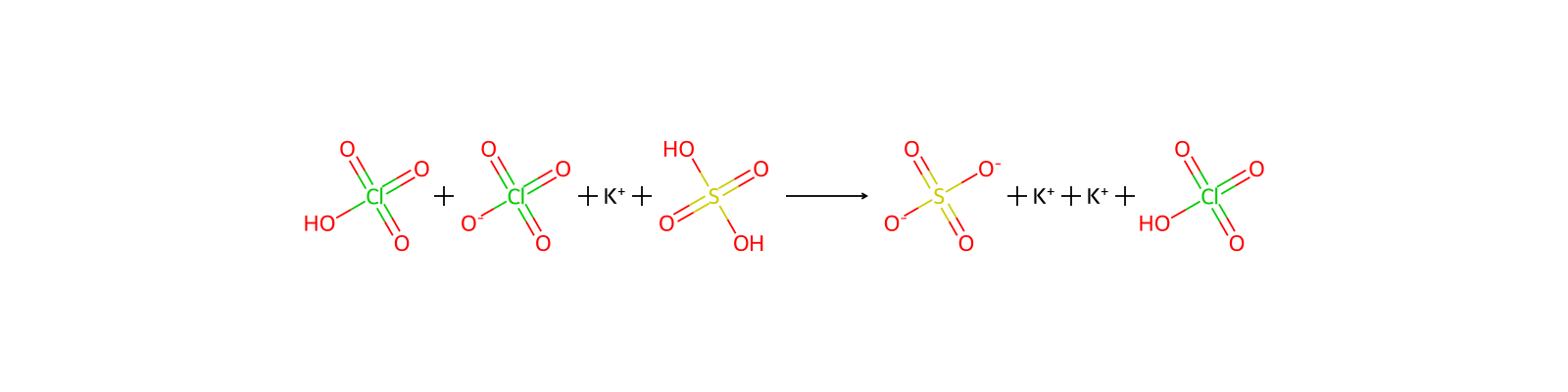
37 件





関連ノート
読み込み中…