

基本情報
- CAS
521-74-4- 標準SMILES
Oc1c(Br)cc(Br)c2cccnc12- InChIKey
ZDASUJMDVPTNTF-UHFFFAOYSA-N- 分子式
- C9H5Br2NO
- 平均分子量
- 302.95 g/mol
- 単同位体質量
- 300.87379
概要
5,7-dibromo-8-quinolinol is an organohalogen compound and a member of quinolines.
名称と識別子
- 優先名称
- Broxyquinoline
- IUPAC
- 5,7-dibromoquinolin-8-ol
- 現地名
- 5,7-ジブロモ-8-ヒドロキシキノリン
- 英語名
- 5,7-Dibromo-8-hydroxyquinoline
- 分子式
- C9H5Br2NO
- 分子量
- 302.95
名称と別名
broxyquinoline5,7-Dibromoquinolin-8-ol521-74-45,7-Dibromo-8-hydroxyquinoline5,7-Dibromo-8-quinolinolDibromoxinBroxyquinolinDibromoxineFenilorDibromoxyquinolineBroxiquinolineBroxykinolin
名称をさらに表示
5,7-ジブロモ-8-ヒドロキシキノリンコレプル5,7-ジブロモオキシン5,7-ジブロモ-8-キノリンオール8-ヒドロキシ-5,7-ジブロモキノリンブロモキシン5,7-ジブロモキノリン-8-オールインテンソパンパラミベ5,7-ジブロモ-8-キノリノールコリパルブロジアルブロキシキノリンフェニロルPavamibeBromoxinBROMOXINE
DibromoquinBrodiarColepurColipar5,7-DibromooxineDibromoksinParamibaParamibe
データベース識別子
- CAS
521-74-4- PubChem CID
- 2453
- DTXSID
DTXSID9045849- ChEMBL
CHEMBL223448
物性
構造計算による物性
- XLogP
- 3.2
- 極性表面積
- 33.1 Ų
- 水素結合供与体数
- 1
- 水素結合受容体数
- 2
- 回転可能結合数
- 0
- 重原子数
- 13
- 形式電荷
- 0
- 複雑度
- 190
実験および物理化学的性質
SpringerMaterials PropertiesBoiling point
Collision Cross Section
137.7 Ų [M+H]+ [CCS Type: TW; Method: calibrated with polyalanine and drug standards]
136.76 Ų [M+H]+ [CCS Type: TW; Method: calibrated with polyalanine and drug standards]
物理化学的性質
- 融点
- 198 · 198-200 °C(lit.)
- 沸点
- 363.74 °C · 363.74°C (rough estimate)
- 比重(密度)
- 2.189 · 2.189
- 屈折率
- 1.64 · 1.6400 (estimate)
- 貯蔵温度
- Keep in dark place,Sealed in dry,Room Temperature
- 溶解性
- DMSO(わずかに、超音波処理)、メタノール(わずかに、超音波処理)
- 外見
- 個体
- 酸解離定数(Pka)
- 2.23 · 2.23±0.30(Predicted)
- 色
- オフホワイトからペールベージュ
- Merck
- 14 · 14,1453
- BRN
- 153624 · 153624
- CAS データベース
- 521 · 521-74-4(CAS DataBase Reference)
- EPAの化学物質情報
- Broxyquinoline (521-74-4)
安全と法規制
GHS分類
GHS Classification
Warning
H315 (100%): Causes skin irritation [Warning Skin corrosion/irritation]
P261, P264, P264+P265, P271, P280, P302+P352, P304+P340, P305+P351+P338, P319, P321, P332+P317, P337+P317, P362+P364, P403+P233, P405, and P501 (click each P-code to see the statement)
Aggregated GHS information provided per 45 reports by companies from 5 notifications to the ECHA C&L Inventory. Each notification may be associated with multiple companies.
危険有害性情報
Hazard Classes and CategoriesSkin Irrit. 2 (100%)
毒性情報
Treatment
EYES: irrigate opened eyes for several minutes under running water. INGESTION: do not induce vomiting. Rinse mouth with water (never give anything by mouth to an unconscious person). Seek immediate medical advice. SKIN: should be treated immediately by rinsing the affected parts in cold running water for at least 15 minutes, followed by thorough washing with soap and water. If necessary, the person should shower and change contaminated clothing and shoes, and then must seek medical attention. INHALATION: supply fresh air. If required provide artificial respiration.
Health Effects
Bromine vapour causes irritation and direct damage to the mucous membranes. Elemental bromine also burns the skin. The bromide ion is a central nervous system depressant and chronic exposure produces neuronal effects. This is called bromism and can result in central reactions reaching from somnolence to coma, cachexia, exicosis, loss of reflexes or pathologic reflexes, clonic seizures, tremor, ataxia, loss of neural sensitivity, paresis, papillar edema of the eyes, abnormal speech, cerebral edema, delirium, aggressiveness, and psychoses. (L625, L626, L627)
Exposure RoutesOral (L626) ; inhalation (L626) ; dermal (L626)
化学と産業
薬理情報
ATC Code
P - Antiparasitic products, insecticides and repellents
G - Genito urinary system and sex hormones
A - Alimentary tract and metabolism
QA - Alimentary tract and metabolism
QG - Genito urinary system and sex hormones
Metabolism/Metabolites
Bromine is mainly absorbed via inhalation, but may also enter the body through dermal contact. Bromine salts can be ingested. Due to its reactivity, bromine quickly forms bromide and may be deposited in the tissues, displacing other halogens. (L626)
用途と製造
UsesIt is used as an anti-infective. Diatomic bromine does not occur naturally, but bromine salts can be found in crustal rock.
General Manufacturing Information8-Quinolinol, 5,7-dibromo-: INACTIVE
応用分野
使用antiinfectant, disinfectant
調製方法
純化方法Crystallise it from acetone/EtOH. It can be sublimed. [Beilstein 21/3 V 290.]
上流・下流製品情報
上流原料
下流製品
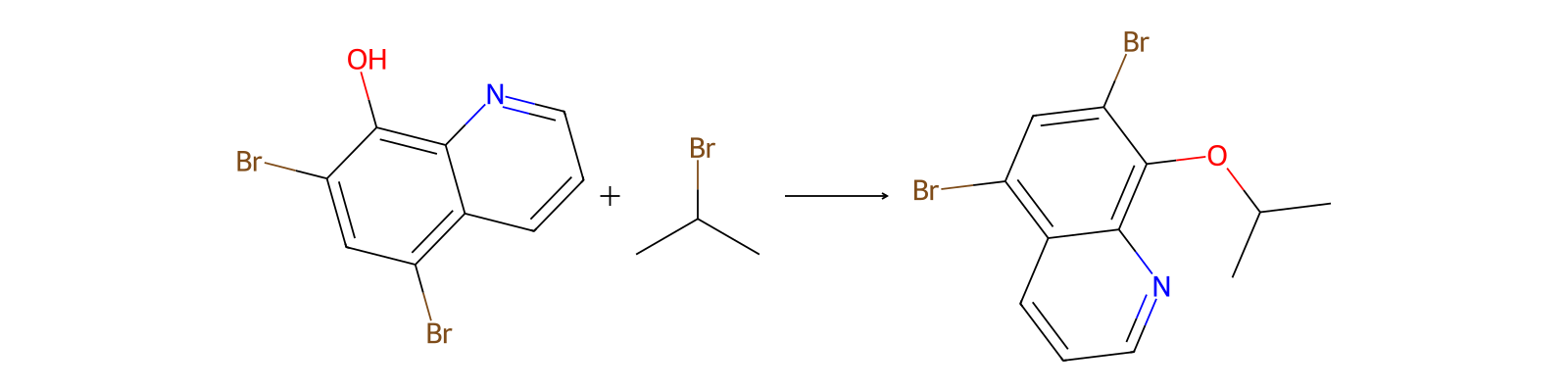
関連反応
9 件


化合物ノート
読み込み中…