

基本情報
- 標準SMILES
NN.O- InChIKey
IKDUDTNKRLTJSI-UHFFFAOYSA-N- 分子式
- H4N2.H2O
- 平均分子量
- 50.061 g/mol
- 単同位体質量
- 50.04801281
概要
Hydrazine hydrate is a hydrate. It contains a hydrazine.
名称と識別子
- 優先名称
- Hydrazine hydrate (1:1)
- IUPAC
- hydrazine;hydrate
- 現地名
- ヒドラジン一水和物
- 英語名
- Hydrazine hydrate
- 分子式
- H4N2.H2O
- 分子量
- 50.06
名称と別名
Hydrazine hydrate7803-57-8Hydrazine hydroxideHYDRAZINE, MONOHYDRATEIdrazina idrataKYD297831PHydrazine hydrate (1:1)DTXSID9037240CHEBI:35511Hydrazine, hydrate (6CI,7CI)RefChem:5889DTXCID7017240
名称をさらに表示
ヒドラジン一水和物 (79%)ヒドラジン·水和物水加ヒドラジン水酸化ヒドラジニウム水加 ヒドラジンヒドラジン 一水和物ヒドラジン,1水和物ヒドラジン一水和ヒドラジン・水和物Diamid hydrateHydrazine, hydrate (1:1)DiamideHydrateDiamineHydrateidrazinaidrataJACS-7803-57-8HYDRAZINE1-HYDRATEhydrazinehydroxide
DTXSID901014833Hydrazinium hydroxideHydrazine monohydrate10217-52-4hydrazine;hydrateHydrazine, hydratehydraziniumhydroxideMFCD00149931
データベース識別子
- CAS
10217-52-4、7803-57-8- PubChem CID
- 24654
- DTXSID
DTXSID9037240- ChEBI
CHEBI:35511- UNII
- KYD297831P
- EC Number
- 600-285-7、616-584-0
物性
構造計算による物性
- 極性表面積
- 53 Ų
- 水素結合供与体数
- 3
- 水素結合受容体数
- 3
- 回転可能結合数
- 0
- 重原子数
- 3
- 形式電荷
- 0
- 複雑度
- 0
実験および物理化学的性質
Chemical Classes
Nitrogen Compounds -> Hydrazines
Corrosives
Density1.03 @ 21°C
Boiling Point119 °C @760 [mm Hg]
Melting Point-51.7 °C
Physical Description
Liquid; Other Solid; Liquid
A colorless fuming liquid with a faint ammonia-like odor; Corresponds to a 64% aqueous solution of hydrazine in water; [CAMEO]
物理化学的性質
- 融点
- 51.7 °C · −51.7 °C(lit.)
- 沸点
- 120.1 °C · 120.1 °C(lit.)
- 比重(密度)
- 1.03 g/mL · 1.03 g/mL at 20 °C
- 蒸気密度
- 1 · >1 (vs air)
- 蒸気圧
- 5 mm · 5 mm Hg ( 25 °C)
- 屈折率
- 20 · n20/D 1.428(lit.)
- 闪点
- 204 °F · 204 °F
- 貯蔵温度
- 0 · 0-6°C
- 溶解性
- Acetonitrile (Sparingly), DMSO (Sparingly), Methanol (Slightly), Water (Sparingly)
- 酸解離定数(Pka)
- 8.2 · 8.20
- 外見
- 発煙液
- 比重
- 1.032 · 1.032
- 色
- fuming liquid
- PH
- 10 · 10-11 (10g/l, H2O, 20℃)
- 爆発限界(explosive limit)
- 3.4 · >3.4-99%(V)
- 水溶解度
- クロロホルム、DMSO、メタノールに可溶。水にわずかに溶ける。
- Merck
- 14 · 14,4771
- BRN
- 878137 · 878137
- 安定性
- 酸化剤、重金属酸化物、脱水剤、アルカリ金属、さび、銀塩など、さまざまな物質と相溶しません。可燃性。多くの物質と接触すると、火災または爆発分解を引き起こす可能性があります。脱水剤、重金属酸素など、さまざまな物質と爆発的に反応する可能性があります。
- InChI
- 1S/H4N2.H2O/c1-2;/h1-2H2;1H2
- InChIKey
- IKDUDTNKRLTJSI-UHFFFAOYSA-N
- SMILES
- O.NN
- CAS データベース
- 7803 · 7803-57-8(CAS DataBase Reference)
- EPAの化学物質情報
- Hydrazine monohydrate (7803-57-8)
化学的性質
化学的特性colourless fuming liquid
安全と法規制
GHS分類
GHS Classification
This chemical does not meet GHS hazard criteria for 0.5% (1 of 214) of reports.
Danger
H226 (95.3%): Flammable liquid and vapor [Warning Flammable liquids]
P203, P210, P233, P240, P241, P242, P243, P260, P261, P262, P264, P264+P265, P270, P271, P272, P273, P280, P284, P301+P316, P301+P330+P331, P302+P352, P302+P361+P354, P303+P361+P353, P304+P340, P305+P354+P338, P316, P317, P318, P320, P321, P330, P333+P317, P361+P364, P362+P364, P363, P370+P378, P391, P403+P233, P403+P235, P405, and P501 (click each P-code to see the statement)
Aggregated GHS information provided per 214 reports by companies from 14 notifications to the ECHA C&L Inventory. Each notification may be associated with multiple companies.
This chemical does not meet GHS hazard criteria for 11.1% (1 of 9) of reports.
危険有害性情報
Regulatory Information
Chemical: Hydrazine, monohydrate
Hydrazine, monohydrate is listed on the EPA's Chemical Data Reporting (CDR) system. Manufacturers and importers of Hydrazine, monohydrate are required to report information about their production and use of this chemical to the EPA under the Toxic Substances Control Act (TSCA). (40 eCFR Part 711)
Hydrazine, monohydrate: HSNO Approval: HSR007167 Approved with controls
Hydrazine, monohydrate: Does not have an individual approval but may be used under an appropriate group standard
The New Jersey Worker and Community Right to Know Act requires public and private employers to provide information about hazardous substances at their workplaces. (N.J.S.A. 34:5A-1 et. seq.)
Other Safety InformationIMAP assessments - Hydrazine: Human health tier II assessment
Hazards Summary
Corrosive to skin; [Quick CPC] Highly toxic by inhalation, ingestion, or skin absorption; [CAMEO] A very strong reducing agent and violent poison; May cause delayed eye irritation; [Merck Index] Causes methemoglobinemia and liver injury in 28-day oral study of rats at 30 mg/kg/day; [JECDB] Causes excitement and muscle contraction or spasticity in oral lethal-dose studies of guinea pigs, mice, rabbits, and rats; [RTECS] Causes burns; Inhalation may cause corrosive injuries to upper respiratory tract and lungs; May cause skin sensitization; Toxic by ingestion, inhalation, and skin absorption; [Alfa Aesar MSDS] See Hydrazine.
Hazard Classes and Categories
Flam. Liq. 3 (44.4%)
Flam. Liq. 3 (95.3%)
Acute toxicity - category 3
Flammable liquids - Category 4
Carcinogenicity - Category 1B
Flammable liquids - Category 4
安全と保護具
Protective Action Criteria (PAC)
0.10 [ppm]
13 [ppm]
35 [ppm]
毒性情報
Adverse EffectsNeurotoxin - Other CNS neurotoxin
安全データ
- F
- 23
- wgk
- 3
- tsca
- Yes
- rtecs
- MV8050000
- ridadr
- UN 2030 8/PG I/II/III (HYDRAZINE AQUEOUS SOLUTION with more than 37 % hydrazine, by mass)
- 毒性
- LD50 orally in Rabbit: 169 mg/kg
- PRTR法
- 第一種指定化学物質
- hs_code
- 28251000
- risk_code
- 45-20/21/22-34-43-51/53-50/53-23/24/25-10
- 化審法
- (1)-374 優先評価化学物質
- 安衛法
- 57,57-2
- 消防法
- 危険物第4類第三石油類(水溶性)
- hazard_code
- T,N
- safety_code
- 53-45-60-61-36/37/39-26
- hazard_class
- 8
- packing_group
- II
- 毒劇物取締法
- 劇物
- 自然発火温度
- 280 °C
- Hazard Classifications
- Acute Tox. 2 InhalationAcute Tox. 3 DermalAcute Tox. 3 OralAquatic Acute 1Aquatic Chronic 1Carc. 1BEye Dam. 1Flam. Liq. 3Skin Corr. 1BSkin Sens. 1
- ストレージクラス
- 3 - Flammable liquids
化学と産業
薬理情報
MeSH Pharmacological Classification
Substances that inhibit or prevent the proliferation of NEOPLASMS.
Substances that increase the risk of NEOPLASMS in humans or animals. Both genotoxic chemicals, which affect DNA directly, and nongenotoxic chemicals, which induce neoplasms by other mechanism, are included.
用途と製造
UsesUsed as a reducing agent and solvent for organic materials; Also used to make Helman catalyst (80% hydrazine hydrate that is used in V-2 type rockets) and mixed with methanol for rocket engine propulsion; [Merck Index]
U.S. Production2023: 75,000 - <500,000 lb
Consumer UsesIntermediate
Industry UsesIntermediate
General Manufacturing InformationPesticide, Fertilizer, and Other Agricultural Chemical Manufacturing
応用分野
用途プラスチック発泡剤、洗浄剤、重合触媒
用途清缶剤、ゴム薬品
用途ロケット燃料(無水ヒドラジン),以下は水和物の用途:ヒドラジン化合物原料,分析用試薬,還元剤,溶剤,医薬?農薬原料,清缶剤
使用Hydrazine hydrate is used as a reducing agent in synthetic and analytical reactions and as a solvent for many inorganic compounds. It also is used with methanol as a propellant for rocket engines. Another application is catalytic decomposition of hydrogen peroxide.
一般的な説明A colorless fuming liquid with a faint ammonia-like odor. Corresponds to a 64% aqueous solution of hydrazine in water. Combustible but may require some effort to ignite. Contact with oxidizing materials may cause spontaneous ignition. Toxic by inhalation and by skin absorption. Corrosive to tissue. Produces toxics oxides of nitrogen during combustion.
調製方法
製造方法Hydrazine hydrate is prepared by treating hydrazine sulfate, N2H4•H2SO4 with sodium hydroxide. The product is collected by distillation under nitrogen. It also is obtained as a by-product in the Bayer Ketazine process for producing hydrazine in which hydrazine solution is hydrolysed under pressure in a ketazine column.
合成方法アンモニアを次亜塩素酸ナトリウムで酸化して水和ヒドラジンを得る.水ヒドラジンは,水加ヒドラジンにキシレンを加えて蒸留するか,強アルカリと接触させて脱水して得る
純化方法It is best obtained by heating hydrazine sulphate (200g), NaOH (160g) and H2O (75mL, exothermic) in a copper flask under reflux for 1.5hours then distilled off (using a flame to remove all the hydrazine). The distillate (175mL) is a clear liquid which contains ~40-45% of N2H4. Note that hydrazine attacks glass, rubber and cork, and stainless steel equipment should be used. The percentage of hydrazine is determined by titration with standard acid (methyl orange indicator) or against standard iodine (starch indicator). Hydrazine monohydrate should contain 64% of N2H4. The ~40-45% solution may be concentrated by mixing it (144mL) with xylene (230mL) and distilling it through an efficient fractionating column (e.g. Hempel column, p 10). All the xylene passes over with about 85mL of H2O. On distilling the residue, hydrated hydrazine (50mL) is obtained containing 80-85% of N2H4. This can be diluted with conductivity H2O to 64% N2H4 to give the monohydrate. Hydrazine and its hydrates have VERY IRRITATING and TOXIC vapours and should be used in an efficient fume cupboard. [Schenk in Handbook of Preparative Inorganic Chemistry (Ed. Brauer) Academic Press Vol I pp 469-472 1963.]
上流・下流製品情報
上流原料
下流製品
関連反応
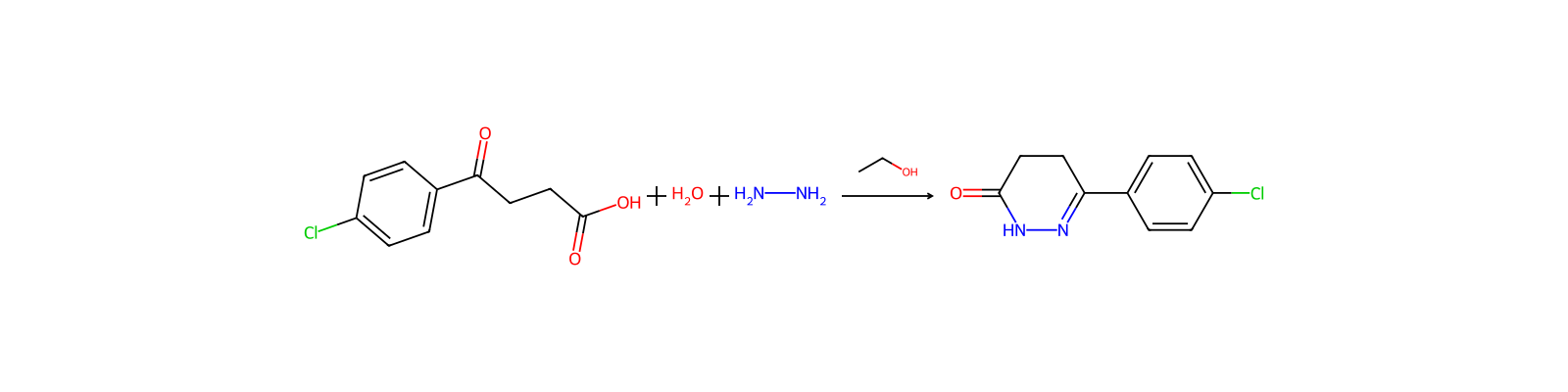
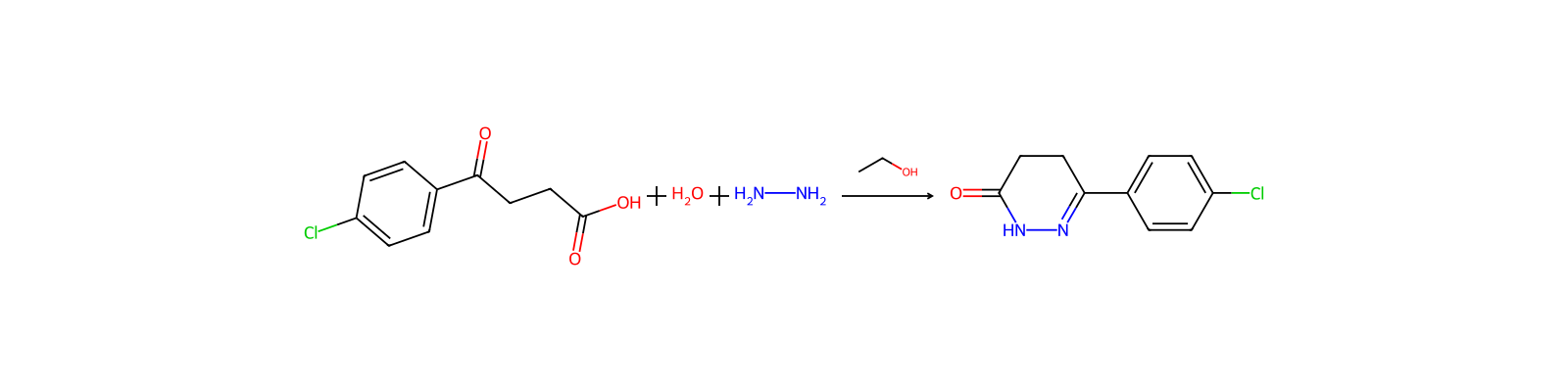
9,961 件

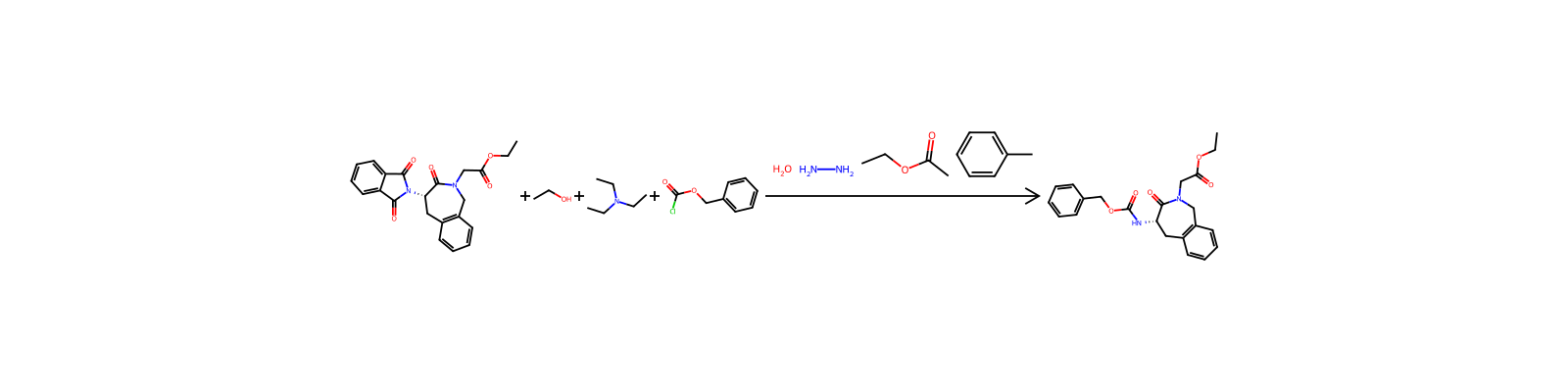
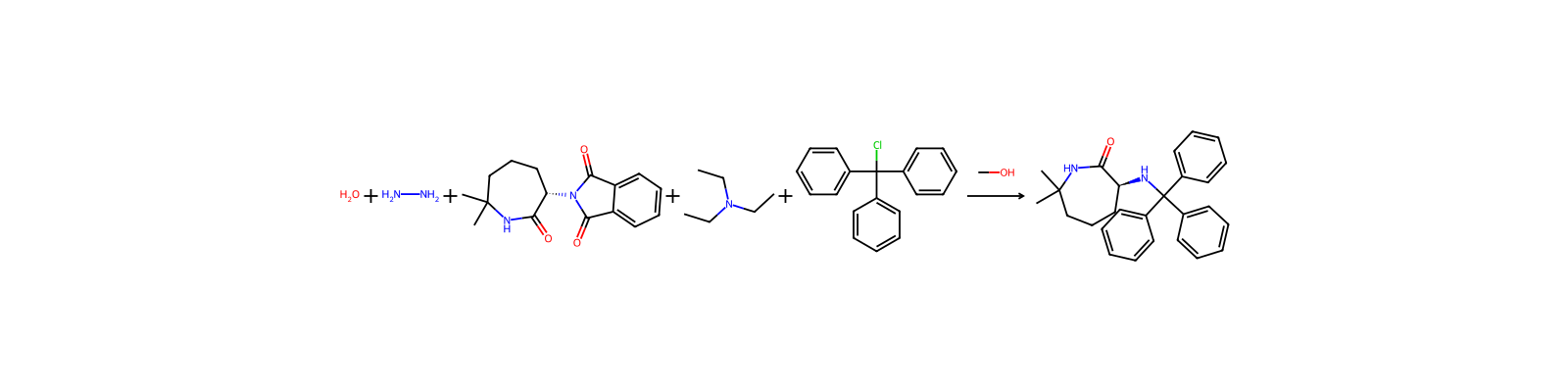
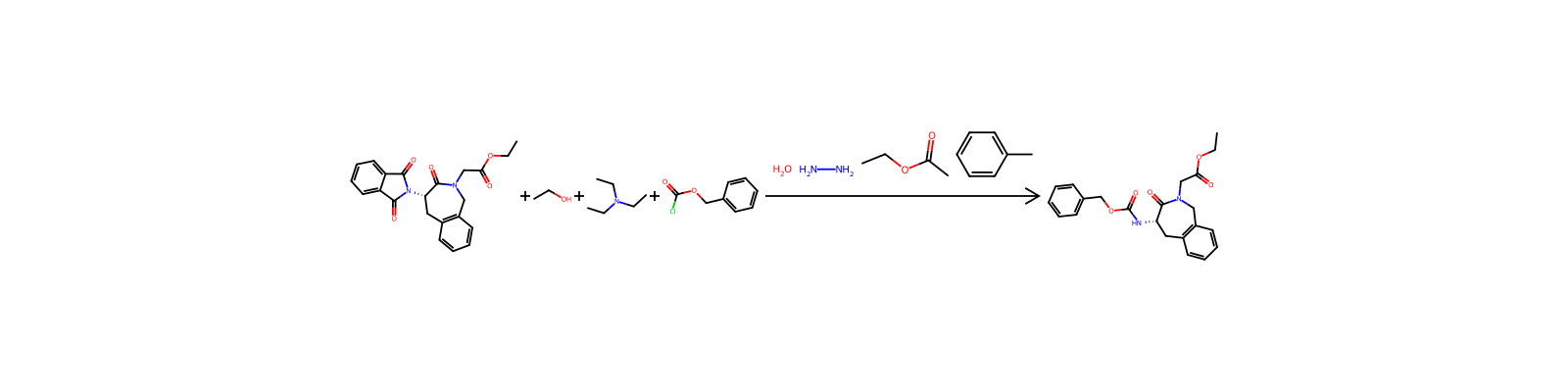
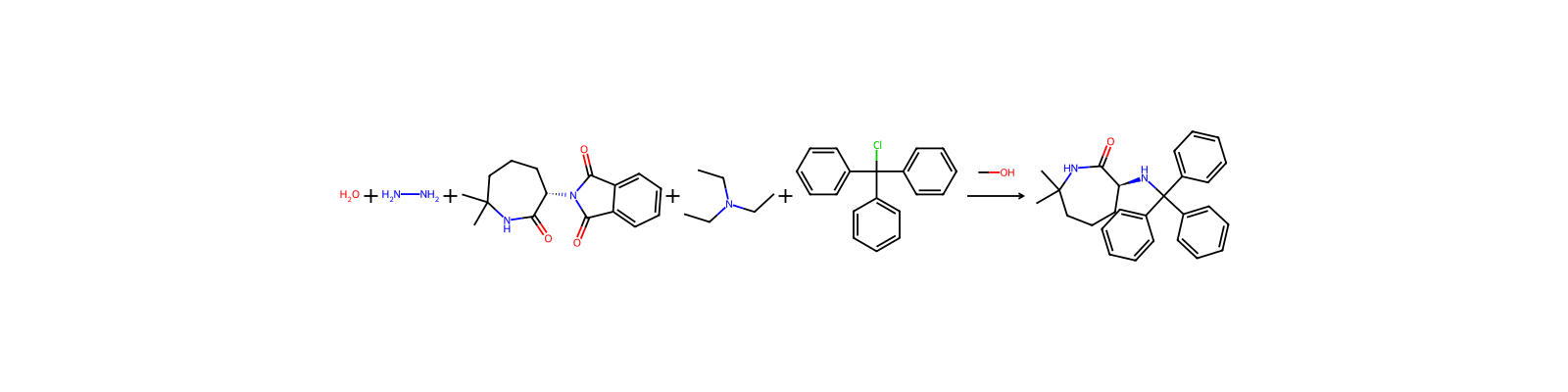
関連ノート
読み込み中…