

基本情報
- 標準SMILES
ClB(Cl)Cl- InChIKey
FAQYAMRNWDIXMY-UHFFFAOYSA-N- 分子式
- BCl3
- 平均分子量
- 117.2 g/mol
- 単同位体質量
- 115.91586344
概要
Boron trichloride appears as a colorless gas with a pungent odor. Fumes irritate the eyes and mucous membranes. Corrosive to metals and tissue and is toxic. Under prolonged exposure to fire or intense heat, the containers may rupture violently and rocket. Used as a catalyst in chemical manufacture, in soldering fluxes, and for many other uses.
名称と識別子
- 優先名称
- Boron Trichloride
- IUPAC
- trichloroborane
- 現地名
- 三塩化ホウ素
- 英語名
- Boron trichloride
- 分子式
- BCl3
- 分子量
- 117.17
名称と別名
BORON TRICHLORIDETrichloroborane10294-34-5Borane, trichloro-TrichloroboronBoron chloride (BCl3)Chlorure de boreK748471RAGDTXSID2041676RefChem:5612DTXCID0021676233-658-4
名称をさらに表示
三塩化ほう素 - 2-クロロエタノール 試薬 (5-10%)三塩化ほう素ほう素トリクロリドトリクロロボラントリクロロほう素三塩化ほう素,1MOL/Lジクロロメタン溶液三化ホウ素三塩化ほう素 (約9%ジクロロメタン溶液, 約1.0mol/L)三塩化ほう素 (約13% p-キシレン溶液, 約1.0mol/L)三塩化ほう素 (約13%トルエン溶液, 約1.0mol/L)三塩化ほう素 (約16%ヘプタン溶液, 約1.0mol/L)三塩化ほう素 (約17%ヘキサン溶液, 約1.0mol/L)ボロントリクロリド 溶液Boron Trichloridboron trichloride solutionBoron trichLchloruredeboretrichloro-borantrichloro-Boron
Boron chlorideBorontrichlorideBCl3MFCD00011313UN 174175507-65-2Boron Trichloride - 2-Chloroethanol Reagent (5-10%) [for Esterification] (1mL*10)Chlorure de bore (French)
データベース識別子
- CAS
10294-34-5、37226-51-0- PubChem CID
- 25135
- DTXSID
DTXSID2041676- UNII
- K748471RAG
- EC Number
- 233-658-4
- Nikkaji
- J42.058A
物性
構造計算による物性
- 極性表面積
- 0 Ų
- 水素結合供与体数
- 0
- 水素結合受容体数
- 0
- 回転可能結合数
- 0
- 重原子数
- 4
- 形式電荷
- 0
- 複雑度
- 8
実験および物理化学的性質
Chemical Classes
Toxic Gases & Vapors -> Corrosive Gases
Corrosives
SpringerMaterials Propertiescrystal structure
Odor
Pungent, irritating odor
Sharp, irritating.
Density
1.35 at 53.6 °F (EPA, 1998) - Denser than water; will sink
4.789 g/L
Relative density (water = 1): 1.35
1.373 @ 0°C
Viscosity1.032 cP at 50 °F
Color/FormGas at room temperature
SolubilitySolubility in water: reaction
Corrosivity
It is corrosive to metals
Vigorously attacks elastomers and packing materials
Strong irritant to tissue. Fumes are corrosive and toxic
Boiling Point
54.5 °F at 760 mmHg (EPA, 1998)
12.5 °C
12.5 °C
12.5 °C @760 [mm Hg]
Decomposition
When heated to decomposition it emits toxic fumes of /hydrogens of chloride/.
Decomposed by water or alcohol.
The toxic action of the halogenated borons is considerably influenced by their decomposition products (hydrofluoric acid-, fluoboric acid-, hydrochloric acid-). /Halogenated borons/
Melting Point
-161 °F (EPA, 1998)
-107.3 °C
-107 °C
-107 °C
Vapor Density
4.03 (EPA, 1998) - Heavier than air; will sink (Relative to Air)
4.03 (Air = 1)
Relative vapor density (air = 1): 4.03
物理化学的性質
- 融点
- 107 °C · −107 °C(lit.)
- 沸点
- 12.5 °C · 12.5 °C(lit.)
- 比重(密度)
- 1.326 g/mL · 1.326 g/mL at 25 °C
- 蒸気密度
- 4.05 · 4.05 (vs air)
- 蒸気圧
- 29.72 psi · 29.72 psi ( 55 °C)
- 闪点
- 84 °F · 84 °F
- 貯蔵温度
- 2 · 2-8°C
- 溶解性
- ジクロロメタン、エタノール、四塩化炭素、エーテル、ジメチルホルムアミド、芳香族溶媒、飽和炭化水素、ハロゲン化炭化水素と混和します。
- 外見
- 解決
- 色
- 白い
- 水溶解度
- 分解する
- 比熱容量
- 0.91 J/ · Cp(liquid): 0.91 J/(g·K); Cp(gas): 0.54 J/(g·K), at 25℃
- Merck
- 14 · 14,1348
- 安定性
- 不安定。金属と互換性がありません。水と激しく反応する。アニリン、ホスフィン、四酸化二窒素と激しく反応する。湿った空気の中で喫煙します。
- InChI
- 1S/BCl3/c2-1(3)4
- InChIKey
- FAQYAMRNWDIXMY-UHFFFAOYSA-N
- SMILES
- ClB(Cl)Cl
- CAS データベース
- 10294 · 10294-34-5(CAS DataBase Reference)
- NISTの化学物質情報
- Borane, trichloro-(10294-34-5)
- EPAの化学物質情報
- Boron trichloride (10294-34-5)
化学的性質
化学的特性Boron trichloride is a colorless gas with a pungent odor. It reacts violently with water, and on decomposition and hydrolysis yields hydrochloric and boric acid. It has a pungent, highly irritating odor. Occupational exposure to boron and boron compounds can occur in industries that produce special glass, washing powder, soap and cosmetics, leather, cement, etc.
安全と法規制
GHS分類
GHS Classification
Danger
H300: Fatal if swallowed [Danger Acute toxicity, oral]
P260, P264, P270, P271, P280, P284, P301+P316, P301+P330+P331, P302+P361+P354, P304+P340, P305+P354+P338, P316, P320, P321, P330, P363, P403+P233, P405, and P501 (click each P-code to see the statement)
Danger
H280 (92.6%): Contains gas under pressure; may explode if heated [Warning Gases under pressure]
P260, P261, P264, P270, P271, P280, P284, P301+P316, P301+P330+P331, P302+P361+P354, P304+P340, P305+P354+P338, P316, P319, P320, P321, P330, P363, P403+P233, P405, P410+P403, and P501 (click each P-code to see the statement)
危険有害性情報
Hazards IdentificationToxic/poison by inhalation (TIH/PIH)
Regulatory Information
Chemical: Borane, trichloro-
Borane, trichloro- is listed on the EPA's Chemical Data Reporting (CDR) system. Manufacturers and importers of Borane, trichloro- are required to report information about their production and use of this chemical to the EPA under the Toxic Substances Control Act (TSCA). (40 eCFR Part 711)
Status: Active Update: 24-09-2021 https://echa.europa.eu/registration-dossier/-/registered-dossier/5454
Borane, trichloro-: HSNO Approval: HSR001036 Approved with controls
The New Jersey Worker and Community Right to Know Act requires public and private employers to provide information about hazardous substances at their workplaces. (N.J.S.A. 34:5A-1 et. seq.)
DOT LabelPoison Gas Corrosive
Fire Hazards
When heated to decomposition, it emits toxic fumes of chlorides. It will react with water or steam to produce heat, and toxic and corrosive fumes. In hot water, decomposes to hydrochloric acid and boric acid. Fumes and hydrolyzes in moist air to form hydrochloric acid and oily, irritating corrosives. Avoid aniline, hexafluorisopropylidene amino lithium, nitrogen dioxide, phosphine, grease, organic matter, and oxygen. Nitrogen peroxide, phosphine, fat or grease react energetically with boron trichloride. Oxygen and boron trichloride react vigorously on sparking. Boron trichloride and aniline react violently in the absence of a coolant or diluent. Stable. (EPA, 1998)
· Some may burn but none ignite readily.
Not combustible. Gives off irritating or toxic fumes (or gases) in a fire.
Fire PotentialNot flammable
Health Hazards
Strong irritant to tissue. Fumes are corrosive and highly toxic. Boron affects the central nervous system causing depression of circulation as well as shock and coma. May cause severe burns to skin. May result in marked fluid and electrolyte loss and shock. (EPA, 1998)
· TOXIC and/or CORROSIVE; may be fatal if inhaled, ingested or absorbed through skin.
Hazards Summary
Corrosive to skin; [Quick CPC] A corrosive substance that can cause injury to skin, eyes, and respiratory tract; Rapidly evaporating liquid can cause frostbite; High inhalation exposure can cause pulmonary edema; [ICSC] Reacts violently with water evolving hydrochloric acid and boric acid; Also forms hydrochloric acid on contact with moisture in air and soil; Corrosive and toxic; [CAMEO] Reacts violently with water producing a visible vapor cloud; Short-term exposure causes second- and third-degree skin burns and severe eye injury; Inhalation can cause edema and severe upper respiratory tract irritation; Vapors are intolerable even at low concentrations; [CHRIS]
DOT ID and Guide1741 125
Reactive GroupHalogenating Agents
EC ClassificationSymbol: T+; R: 14-26/28-34; S: (1/2)-9-26-28-36/37/39-45
UN ClassificationUN Hazard Class: 2.3; UN Subsidiary Risks: 8
Special ReportsUSEPA; EPA Chemical Profiles: Boron Trichloride 1-4 (1985)
安全と保護具
Fire Fighting
It is not flammable. Use dry chemical, carbon dioxide, or dry sand to extinguish. If large quantities of combustibles are involved, use water in flooding quantities as spray and fog. Use water spray to absorb vapors. For large fires use water spray, fog, or foam. Do not get water on material itself. Cool all affected containers with flooding quantities of water. Apply water from as far a distance as possible. Do not get water inside container. Move container from fire area if you can do so without risk. Stay away from ends of tanks. Spray cooling water on containers that are exposed to flames until well after fire is out. Isolate area until gas has dispersed. (EPA, 1998)
NO water. In case of fire in the surroundings, use appropriate extinguishing media. In case of fire: keep cylinder cool by spraying with water. NO direct contact with water.
First Aid Measures
Fresh air, rest. Half-upright position. Artificial respiration may be needed. Refer for medical attention.
ON FROSTBITE: rinse with plenty of water, do NOT remove clothes. Refer for medical attention .
First rinse with plenty of water for several minutes (remove contact lenses if easily possible), then refer for medical attention.
Accidental Release Measures
· CALL 911. Then call emergency response telephone number on shipping paper. If shipping paper not available or no answer, refer to appropriate telephone number listed on the inside back cover.
· Do not touch or walk through spilled material.
First Aid
Warning: Boron trichloride is extremely corrosive. Caution is advised.
General First Aid:
Safe StorageFireproof if in building. Separated from food and feedstuffs. See Chemical Dangers.
Exposure Control and Personal Protection
· Wear positive pressure self-contained breathing apparatus (SCBA).
TIH (Toxic Inhalation Hazard) - Term used to describe gases and volatile liquids that are toxic when inhaled. Some are TIH materials themselves, e.g., chlorine, and some release TIH gases when spilled in water, e.g., chlorosilanes. [ERG 2016].
Fire Fighting Procedures
If material involved in fire: Use dry chemical, dry sand, or carbon dioxide. Do not use water on material itself. If large quantities of combustibles are involved, use water in flooding quantities as spray and fog. Use water spray to knock-down vapors. Cool all affected containers with flooding quantities of water. Apply water from as far a distance as possible.
In case of fire: cool cylinder by spraying with water but avoid contact of the substance with water.
Storage Conditions
Fireproof if in building. Separated from food and feedstuffs.
Storage temp: Ambient
Cleanup Methods
Evacuate danger area! Consult an expert! Ventilation. (Extra personal protection: gas-tight chemical protection suit including self-contained breathing apparatus).
Neutralize spilled material with crushed limestone, soda ash, or lime.
Nonfire Spill ResponseExcerpt from ERG Guide 125 [Gases - Toxic and/or Corrosive]:
Disposal Methods
SRP: The most favorable course of action is to use an alternative chemical product with less inherent propensity for occupational harm/injury/toxicity or environmental contamination. Recycle any unused portion of the material for its approved use or return it to the manufacturer or supplier. Ultimate disposal of the chemical must consider: the material's impact on air quality; potential migration in soil or water; effects on animal and plant life; and conformance with environmental and public health regulations.
Attach an appropriate control valve provided with a trap or check valve and a long piece of flexible hose connected to the control valve outlet. Discharge the gas at a moderate rate into an adequate amount of about 15% aqueous sodium hydroxide or other alkali in a suitable container. When the gas has been discharged, close the valve and transport to neutralization plant for disposal.
Spillage DisposalEvacuate danger area! Consult an expert! Ventilation. Personal protection: gas-tight chemical protection suit including self-contained breathing apparatus.
毒性情報
Environmental FateAQUATIC FATE: Very easily hydrolyzed
Adverse EffectsDermatotoxin - Skin burns.
Exposure RoutesThe substance can be absorbed into the body by inhalation.
Signs and Symptoms
Sore throat. Cough. Burning sensation. Shortness of breath. Laboured breathing. Symptoms may be delayed.
Pain. Redness. Blisters. Skin burns. ON CONTACT WITH LIQUID: FROSTBITE.
Pain. Redness. Severe deep burns. Loss of vision.
Medical SurveillanceNo specific considerations are needed for boric acid or borates except for general health and liver and kidney function. /Boric acid and borates/
Human Toxicity Excerpts
/SIGNS AND SYMPTOMS/ Inhalation of boron trichloride vapor results in edema and irritation of upper respiratory tract.
/SIGNS AND SYMPTOMS/ Classified as a corrosive liquid to the skin and mucous surfaces due to its rapid hydrolysis to hydrochloric acid (and boric acid) by moisture.
/SIGNS AND SYMPTOMS/ EFFECTS OF SHORT-TERM EXPOSURE: ...Inhalation of the gas may cause lung edema. Rapid evaporation of the liquid may cause frostbite. Exposure at high levels may result in death. The effects may be delayed. Medical observation is indicated.
/SIGNS AND SYMPTOMS/ /Effects on exposure by/ inhalation /may include/ sore throat, cough, burning sensation, shortness of breath, and labored breathing.
For more Human Toxicity Excerpts (Complete) data for BORON TRICHLORIDE (7 total), please visit the HSDB record page.
Non-Human Toxicity Excerpts/LABORATORY ANIMALS: Subchronic or Prechronic Exposure/ Exposure to 100 ppm has proved fatal to certain laboratory animals; symptoms included pulmonary lesions and irritation of the mucous membranes.
Probable Routes of Human Exposure
According to the 2006 TSCA Inventory Update Reporting data, the number of persons reasonably likely to be exposed in the industrial manufacturing, processing, and use of boron trichloride is 1 to 99; the data may be greatly underestimated(1).
NIOSH (NOES Survey 1981-1983) has statistically estimated that 1,125 workers (613 of these are female) are potentially exposed to boron trichloride(1). Occupational exposure to boron trichloride may occur through inhalation and dermal contact with this compound at workplaces where boron trichloride is produced or used(SRC).
Industrial exposures ... occur from release ... into the worker atmosphere as well as from production & handling ... /Boron halides/
Environmental Fate/Exposure Summary
The chemistry of boron is dominated by its tendency to form stable bonds with electronegative atoms, especially oxygen. Reduced boron compounds (halides, hydrides, alkyls and aryls) tend to oxidize and hydrolyze readily, and would be expected to be converted into various boron-oxide compounds in the environment. Inorganic boron compounds are nonvolatile and would not be expected to volatilize from moist or dry soil surfaces. (SRC)
Antidote and Emergency Treatment
ON FROSTBITE: rinse with plenty of water, do NOT remove clothes. Refer for medical attention.
In acute poisonings, if a large amount has been ingested and the patient is seen within one hour of exposure, gastrointestinal decontamination should be considered ... .It is important to keep in mind that vomiting and diarrhea are common, and severe poisoning may be associated with seizures. Therefore induction of emesis by syrup of ipecac is probably contraindicated in these exposures. Catharsis is not indicated if diarrhea is present. /Boric acid and Borates/
If ingestion of borate has been massive (several grams), or has extended over several days, administer intravenous glucose and electrolyte solutions to sustain urinary excretion of borate. Monitor fluid balance and serum electrolytes (including bicarbonate capacity ) regularly. Monitor cardiac status by ECG. Test the urine for proteins and cells to detect renal injury, and monitor serum concentration of borate. Metabolic acidosis may be treated with sodium bicarbonate. If shock develops, it may be necessary to infuse plasma or whole blood. Administer oxygen continuously. If oliguria (less than 25 to 30 mL urine per hour) occurs, intravenous fluids must be slowed or stopped to avoid overloading the circulation. Such patients should be referred to a center capable of providing intensive care for critically ill patients. /Boric acid and Borates/
If renal failure occurs, hemodialysis may be necessary to maintain fluid balance and normal extracellular fluid composition. Hemodialysis has had limited success in enhancing clearance of borates. Peritoneal dialysis has been performed in borate poisoning and is felt to be as effective as, and safer than, exchange transfusion in removing borate. No large study has been done, but it is still used somewhat less frequently than hemodialysis. /Boric acid and Borates/
For more Antidote and Emergency Treatment (Complete) data for BORON TRICHLORIDE (12 total), please visit the HSDB record page.
Toxicity DataLC50 (rat) = 2,541 ppm/1hr
RAIS Toxicity Values
0.02
PPRTV Current
0.02
PPRTV Current
2
PPRTV Current
法規制情報
CERCLA Reportable Quantities
Releases of CERCLA hazardous substances are subject to the release reporting requirement of CERCLA section 103, codified at 40 CFR part 302, in addition to the requirements of 40 CFR part 355. Boron trichloride is an extremely hazardous substance (EHS) subject to reporting requirements when stored in amounts in excess of its threshold planning quantity (TPQ) of 500 lbs.
DHS Chemicals of Interest (COI)
Boron trichloride
1
5000
84.7
45
Toxic chemical that can be released at a facility.
State Drinking Water Guidelines
(CA) CALIFORNIA 1000 ug/L /Boron/
(NH) NEW HAMPSHIRE 630 ug/L /Boron/
(ME) MAINE 1,400 ug/L /Boron/
(MN) MINNESOTA 1,000 ug/L /Boron/
(WI) WISCONSIN 960 ug/L /Boron/
Federal Drinking Water GuidelinesEPA 600 ug/L /Boron/
安全データ
- F
- 10-21
- wgk
- 3
- tsca
- TSCA listed
- rtecs
- ED1925000
- ridadr
- UN 1741
- PRTR法
- 第一種指定化学物質
- hs_code
- 28121049
- risk_code
- 14-26/28-36/37/38-40-67-65-62-51/53-48/20-34-11-50/53-26/27/28-63-39/23/24/25-24-21-10
- 化審法
- 優先評価化学物質
- 安衛法
- 有機則 第二種有機溶剤等
- 消防法
- 危-4-1-II
- hazard_code
- T+,T,N,F
- hazard_note
- Very toxic
- safety_code
- 9-26-28-36/37/39-45-8-61-38-28A-16-1-60-33-23-7/9-62-36/37
- hazard_class
- 2.3
- DOT Classification
- 2.3, Hazard Zone C (Gas poisonous by inhalation)
- 毒劇物取締法
- 毒物
- Hazard Classifications
- Acute Tox. 2 OralAcute Tox. 3 InhalationAquatic Acute 1Aquatic Chronic 1Asp. Tox. 1Eye Dam. 1Flam. Liq. 2Repr. 1BSkin Corr. 1BSTOT SE 3
- ストレージクラス
- 3 - Flammable liquids
- 有毒物質データの
- 10294-34-5(Hazardous Substances Data)
化学と産業
用途と製造
Uses
Used in semiconductor manufacturing and in boron production; also used as a catalyst, soldering flux, and metal refining agent; [HSDB]
Soldering [Category: Heat or Machine]
One of the most important uses of BCl3 is in the preparation of boron fibers.
... Used as a Lewis acid catalyst in organic synthesis in the polymerization of olefins and phosphazines, as well as in catalysis of other organic reactions. Boron trichloride is also used in plasma etching of aluminum and silicon, in semiconductor manufacturing, and as a source of boron for chemical vapor deposition.
Steel is boronized by contacting it with a reactive mixture of hydrogen, hydrocarbons, and BCl3 at high temperatures.
Manuf and purification of boron; as catalyst for organic reactions; in semiconductors; in bonding of iron, steels; in purification of metal alloys to remove oxides, nitrides and carbides.
ImpuritiesImpurities: phosgene & chlorine; other possible impurities: hydrogen chloride, ferric chloride, silicon tetrachloride, arsenic trichloride, and sulfur dioxide.
U.S. Production
2023: 367,555 lb
Production volume for non-confidential chemicals reported under the 2006 Inventory Update Rule. Chemical: Borane, trichloro-. Aggregated National Production Volume: 500,000 to < 1 million lbs.
Consumption Patterns96% for boron filament; 4% for catalysts and misc uses (1976)
Methods of Manufacturing
Commercially, boron trichloride is prepared by the reaction of boron carbide with chlorine in a borate melt. This reaction can also be done with dry B4C in a fluidized-bed reactor using a transition-metal halide as a catalyst. Contamination of BCl3 with COCl2 from the chlorination of carbon oxides is a serious problem in BCl3 manufacturing. Because of similar vapor pressure - temperature curves, BCl3 and COCl2 cannot be separated by fractional distillation. Thermal or photochemical conversion of COCl2 to CO and Cl2 followed by fractional distillation has been used to purify BCl3.
Chlorination of a boron trioxide and carbon mixture.
(1) Heating boric oxide and carbon with chlorine; (2) combining boric oxide with phosphorus pentachloride.
Prepared by chlorinating a mixture of finely divided carbon and boric oxide at 871-982 °C; by heating boric oxide with sodium, potassium or lithium chloride at 800-1000 °C.
Formulations/PreparationsGrades: Technical (99%); CP /chemically pure/ (99.5%)
General Manufacturing Information
Borane, trichloro-: ACTIVE
Lab preparation: boron trifluoride + aluminum chloride yields boron trichloride and aluminum fluoride
応用分野
解説三塩化ホウ素とは、1つのホウ素 (B) 原子と3つの (Cl) 原子が結合した無機化合物です。 三塩化ホウ素の化学式は、BCl3と表されます。常温常圧では、無色のガスとして存在します。刺激臭を有する不燃性の毒性ガスで、引火点や発火点はありません。 ホウ素とハロゲンの反応によって、対応する三ハロゲン化ホウ素が得られます。工業的に三塩化ホウ素は、炭素の存在下で、500°Cで酸化ホウ素を塩素化して製造されます。実験室では、塩化アルミニウムと三フッ化ホウ素のハロゲン交換反応によって合成可能です。
説明Boron trichloride is a colorless, acid gas that fumes in the presence of moist air. It is packaged in steel cylinders as a liquid under its own vapor pressure of 19.1 psia (132 kPa, abs) at 70°F (21.1°C). It reacts with water or moist air to produce hydrochloric and boric acid.
使用Boron trichloride is used in the refining of aluminum, copper, magnesium, and zinc to remove oxides, nitrides, and carbides trom the molten metal. Carbon monoxide, hydrogen, and nitrogen can be removed from an aluminum melt by treating with boron trichloride. It also improves the tensile strength of aluminum and will allow remelting without a major change in the grain structure. The electronic industry benefits trom boron trichloride in many applications. It is used in the production of optical fibers, as a p-type dopant for thermal diffusion in silicon, and for ion implantation.
一般的な説明Boron trichloride appears as a colorless gas with a pungent odor. Fumes irritate the eyes and mucous membranes. Corrosive to metals and tissue and is toxic. Under prolonged exposure to fire or intense heat, the containers may rupture violently and rocket. Used as a catalyst in chemical manufacture, in soldering fluxes, and for many other uses.
使用用途主に三塩化ホウ素は、各種半導体内部や液晶パネル内部などの、微細アルミニウム配線のドライエッチングガスとして用いられます。 そのほか、農薬・医薬用化学品の原料、各種触媒の原料、 (BN) の原料として利用されています。化学気相成長法 (英: Chemical Vaper Deposition) を用いた各種CVD製品の原料にも使用可能です。 とくに半導体向けのドライエッチングガスでは、微細な配線を加工するため、非常に高純度な三塩化ホウ素エッチングガスが求められます。
調製方法
純化方法Purify it (from chlorine) by passage through two mercury-filled bubblers, then fractionally distil it under a slight vacuum. In a more extensive purification the nitrobenzene addition compound is formed by passage of the gas over nitrobenzene in a vacuum system at 10o. Volatile impurities are removed from the crystalline yellow solid by pumping at -20o, and the BCl3 is recovered by warming the addition compound at 50o. Passage through a trap at -78o removes entrained nitrobenzene, the BCl3 finally condensing in a trap at -112o [Brown & Holmes J Am Chem Soc 78 2173 1956]. Also purify it by condensing it into a trap cooled in acetone/Dry-ice, where it is pumped for 15minutes to remove volatile impurities. It is then warmed, recondensed and again pumped. [Gamble Inorg Synth III 27 1950.] TOXIC.
上流・下流製品情報
上流原料
下流製品
サプライヤー50 社
国药集团化学试剂有限公司86-21-63210123 · [email protected]
北京华美互利生物化工010-56205725 · [email protected]
梯希爱(上海)化成工业发展有限公司021-67121386 · [email protected]
上海阿拉丁生化科技股份有限公司400-6206333 13167063860 · [email protected]
Shandong chuangyingchemical Co., Ltd.18853181302 · [email protected]
湖北京山新达工贸有限公司18600650043; 18600650043 · [email protected]
南通润丰石油化工有限公司66017690 19952660367 · [email protected]
安徽旺山旺水特种气体有限公司15906197626 · [email protected]
武汉欣扬瑞和化学科技有限公司13720274133 · [email protected]
合肥翰刚医药科技有限公司+8618062405514 · [email protected]
河南多贝化工有限公司0370-6999054 17550096163 · [email protected]
VladaChem GmbH+49-7246-3082843 +86-18411632868 · [email protected]
湖南省华中特种气体有限公司0734-8755555 15674722888 · [email protected]
上海凯曼化工科技有限公司021-021-50400622 15618790390 · [email protected]
Hangzhou Verychem Science And Technology Co.Ltd+86-86-57188162785 +8613606544505 · [email protected]
上海迈瑞尔生化科技有限公司4006356688 18621169109 · [email protected]
江苏普乐司生物科技有限公司0513-66017706 18551496367 · [email protected]
阿法埃莎(中国)化学有限公司400-6106006 · [email protected]
安耐吉化学&3A(安徽泽升科技股份有限公司)400-0056266 · [email protected]
武汉卡诺斯科技有限公司027-83238443 15327105076 · [email protected]
上海瀚鸿科技股份有限公司021-54306202 13764082696 · [email protected]
山东洛克化工有限公司17653113209 13065062079 · [email protected]
嘉兴市艾森化工有限公司0573-85285100 18627885956 · [email protected]
池州捷峰生物科技有限公司0566-8928158 · [email protected]
上海隆盛化工有限公司58099637 13585536065 · [email protected]
上海瀚扬化工产品有限公司13356258271
玛雅试剂+86 (573) 82222445 (0)18006601000 452520369 · [email protected]
HONG KONG IPURE BIOLOGY CO.,LIMITED86 18062405514 18062405514 · [email protected]
四川库利南科技有限公司400-1166-196 18981987031 · [email protected]
赛默飞世尔科技(中国)有限公司800-810-5118 · [email protected]
TCI AMERICA800-4238616 · [email protected]
TOKYO CHEMICAL INDUSTRY CO., LTD.03-36680489 · [email protected]
TCI Europe320-37350700 · [email protected]
苏州爱斯鹏药物研发有限责任公司+86-512-86881668
上海将来实业股份有限公司021-61552785 · [email protected]
雷丁试剂0510-85629785 18013409632 · [email protected]
上海恒岳化工科技有限公司51691706 13391095697 · [email protected]
上海麦克林生化科技股份有限公司15221275939 15221275939 · [email protected]
滁州德威化学技术有限公司0550-3593607 · [email protected]
杭州杰恒化工有限公司0571-87396432 · [email protected]
池州凯隆进出口贸易有限公司[email protected]
Sigma-Aldrich西格玛奥德里奇(上海)贸易有限公司021-61415566 800-8193336 · [email protected]
盘锦研峰科技有限公司400-106-2016 17800804092 · [email protected]
康迪斯化工(湖北)有限公司13343438265 · [email protected]
郑州科豫隆化工产品有限公司17319789407 17319789407 · [email protected]
九鼎化学(上海)科技有限公司4009209199 · [email protected]
沧州达峰化学有限公司18112498720 · [email protected]
山东智尚新材料有限公司+8617653113209 · [email protected]
上海玻尔化学试剂有限公司19102157732 · [email protected]
聊城信立新材料有限公司13370969071
関連反応
1,080 件



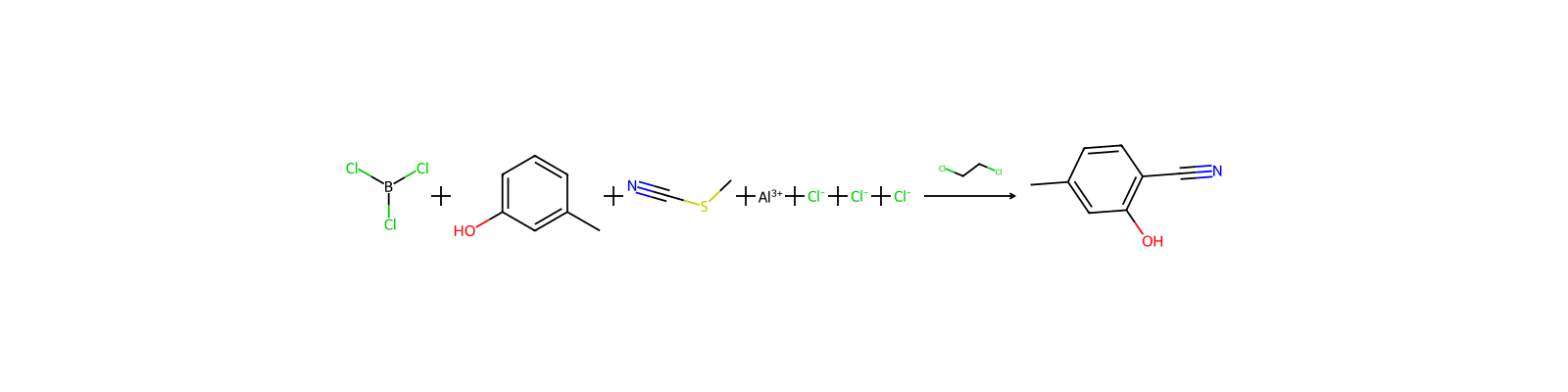


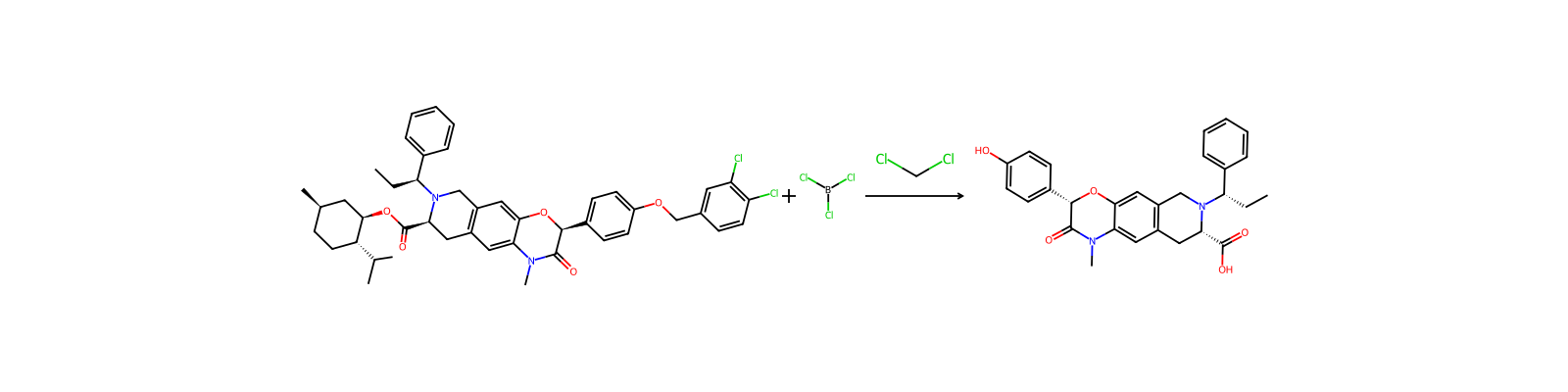
関連ノート
読み込み中…