

基本情報
- 標準SMILES
[Na+].[Na+].[O]=[Cr](=[O])([O-])[O][Cr](=[O])(=[O])[O-]- InChIKey
KIEOKOFEPABQKJ-UHFFFAOYSA-N- 分子式
- Na2Cr2O7
- 平均分子量
- 261.97 g/mol
- 単同位体質量
- 261.8249559
概要
Sodium dichromate appears as a red or red-orange crystalline solid. May be strongly irritating to skin, eyes and mucous membranes. Used as a corrosion inhibitor, and in the manufacture of other chemicals.
名称と識別子
- 優先名称
- Sodium Dichromate
- IUPAC
- disodium;oxido-(oxido(dioxo)chromio)oxy-dioxochromium
- 英語名
- dichromic acid, sodium salt
- 分子式
- Cr2H3NaO7
- 分子量
- 242
名称と別名
Sodium dichromateSodium bichromate10588-01-9Disodium dichromateBichromate of sodaCelcureNatriumdichromatSodium dichromate(VI)NatriumbichromaatNatriumdichromaatCelcure Wood PresrvativeBichromate de sodium
名称をさらに表示
dichromic acid, sodium salt
Sodium dichromate (Na2(Cr2O7))Sodium(dichromate de)Dichromic acid, disodium saltOakite Composition No. 155Sodio (dicromato di)Wood Cure A Wood PreservativeC9G6VY6ZZ4EPA Pesticide Chemical Code 068304
データベース識別子
- CAS
10588-01-9、34493-01-1、10588-01-9 (anhydrous)- PubChem CID
- 25408
- DTXSID
DTXSID8021274- ChEBI
CHEBI:39483- UNII
- C9G6VY6ZZ4
- EC Number
- 234-190-3、252-062-5
物性
構造計算による物性
- 極性表面積
- 124 Ų
- 水素結合供与体数
- 0
- 水素結合受容体数
- 7
- 回転可能結合数
- 0
- 重原子数
- 11
- 形式電荷
- 0
- 複雑度
- 194
実験および物理化学的性質
Chemical Classes
Metals -> Chromium Compounds, Inorganic
Carcinogens
pHSolutions are acidic, pH of 1% soln 4.0 and pH of 10% soln 3.5.
OdorOdorless
Density
2.35 at 77 °F (USCG, 1999) - Denser than water; will sink
2.52 g/cu cm at 13 °C
Bulk density: 1 g/cu cm; heat of solution: -33.5 kJ/kg
Density: 2.35 g/cu cm /Sodium chromate dihydrate/
2.5 g/cm³
2.35 @ 13°C
Color/Form
Light-brown to orange-red plates which are strongly hygroscopic
Monoclinic prisms
Red or red-orange crystalline solid
Red hydroscopic crystals
Solubility
Solubility in water: 77.09 wt% at 40 °C; 82.04 wt% at 60 °C; 88.39 wt% at 80 °C
In water, 187 g/100 g water at 25 °C
In water, 70.6 wt% at 0 °C; 73.18 wt% at 20 °C
513.2 g/L methanol at 19.4 °C
Solubility in water, g/100ml at 20 °C: 236 (very good)
CorrosivityCorrosive because of oxidizing potency. /Chromate salts/
Boiling Point400 °C (decomposes)
Decomposition
Decomposition at about 400 °C
When heated to decomposition, it emits toxic fumes of /disodium oxide/.
400 °C
Melting Point
675 °F (USCG, 1999)
356.7 °C
357 °C
356.7 °C
Physical Description
Sodium dichromate appears as a red or red-orange crystalline solid. May be strongly irritating to skin, eyes and mucous membranes. Used as a corrosion inhibitor, and in the manufacture of other chemicals.
CBI; Other Solid; Liquid; Other Solid; Large Crystals; Liquid; Liquid
Red to orange hygroscopic solid; Soluble in water; [ICSC] Dark red aqueous solution; Deliquescent; [CAMEO]
RED-TO-ORANGE HYGROSCOPIC CRYSTALS.
Stability/Shelf Life
Stable under recommended storage conditions. /Sodium Dichromate Dihydrate/
Considered stable
安全と法規制
GHS分類
GHS Classification
Danger
H272: May intensify fire; oxidizer [Danger Oxidizing liquids; Oxidizing solids]
P203, P210, P220, P233, P260, P261, P264, P270, P271, P272, P273, P280, P284, P301+P316, P301+P330+P331, P302+P352, P302+P361+P354, P304+P340, P305+P354+P338, P316, P317, P318, P319, P320, P321, P330, P333+P317, P342+P316, P362+P364, P363, P370+P378, P391, P403, P403+P233, P405, and P501 (click each P-code to see the statement)
This chemical does not meet GHS hazard criteria for < 0.1% (1 of 2584) of reports.
Danger
H272 (98.5%): May intensify fire; oxidizer [Danger Oxidizing liquids; Oxidizing solids]
危険有害性情報
Regulatory Information
Chemical: Chromic acid (H2Cr2O7), disodium salt
Hazard Traits - Carcinogenicity; Genotoxicity; Reproductive Toxicity; Respiratory Toxicity
Chromic acid (H2Cr2O7), sodium salt (1:2) is listed on the EPA's Chemical Data Reporting (CDR) system. Manufacturers and importers of Chromic acid (H2Cr2O7), sodium salt (1:2) are required to report information about their production and use of this chemical to the EPA under the Toxic Substances Control Act (TSCA). (40 eCFR Part 711)
R - indicates a substance that is the subject of a TSCA section 6 risk management rule.
Status: Active Update: 04-11-2022 https://echa.europa.eu/registration-dossier/-/registered-dossier/15319
Substance: Sodium dichromate
Other Safety InformationIMAP assessments - Chromates and dichromates (soluble): Human health tier II assessment
DOT LabelOxidizer Poison
Fire Hazards
Behavior in Fire: Decomposes to produce oxygen when heated. May ignite other combustibles upon contact. (USCG, 1999)
Not combustible but enhances combustion of other substances. Risk of fire and explosion on contact with combustible substances.
Fire PotentialViolent reaction or ignition with boron + silicon (pyrotechnic); organic residues + sulfuric acid; 2-propanol + sulfuric acid; sulfuric acid + trinitrotoluene.
Health Hazards
Inhalation of dust or mist causes respiratory irritation sometimes resembling asthma; nasal septal perforation may occur. Ingestion causes vomiting, diarrhea, and (rarely) stomach and kidney complications. Contact with eyes or skin produces local irritation; repeated skin exposure causes dermatitis. (USCG, 1999)
Hazards Summary
A corrosive substance that can cause injury to the skin, eyes, and respiratory tract; Can be absorbed through skin; May cause skin sensitization and asthma after prolonged contact; May cause kidney and liver injury; May cause perforated nasal septum; [ICSC] A skin and eye irritant; Can cause asthma-like respiratory irritation; A powerful oxidizing agent; [HSDB] Corrosive to skin and eyes; May cause skin and respiratory sensitization after prolonged contact; [CHEMINFO] See Chromium and linked occupational diseases.
Reactive GroupSalts, Basic
EC ClassificationSymbol: T+, N, O; R: 45-46-60-61-8-21-25-26-34-42/43-48/23-50/53; S: 53-45-60-61; Note: E
UN ClassificationUN Hazard Class: 6.1; UN Pack Group: II
Special ReportsDHHS/ATSDR; Toxicological profile for chromium (September 2012).[DHHS/ATSDR; Toxicological profile for chromium (September 2012); Available from, as of February 8, 2016: ww.atsdr.cdc.gov/toxprofiles/tp7.pdf]
RCRA Requirements
D007; A solid waste containing chromium may or may not become characterized as a hazardous waste when subjected to the Toxicity Characteristic Leaching Procedure listed in 40 CFR 261.24, and if so characterized, must be managed as a hazardous waste. /Chromium/
安全と保護具
Fire Fighting
Excerpt from ERG Guide 141 [Oxidizers - Toxic]:
In case of fire in the surroundings, use appropriate extinguishing media.
First Aid Measures
Fresh air, rest. Half-upright position. Artificial respiration may be needed. Refer for medical attention.
First rinse with plenty of water for at least 15 minutes, then remove contaminated clothes and rinse again. Refer for medical attention .
First rinse with plenty of water for several minutes (remove contact lenses if easily possible), then refer for medical attention.
Rinse mouth. Do NOT induce vomiting. Give one or two glasses of water to drink. Refer for medical attention .
First AidINGESTION: have victim drink water or milk; do NOT induce vomiting; call a doctor.
Safe StorageDry. Provision to contain effluent from fire extinguishing. Separated from combustible substances, reducing agents and food and feedstuffs. Well closed. Store in an area without drain or sewer access.
Fire Fighting Procedures
Suitable extinguishing media: Use water spray, alcohol-resistant foam, dry chemical or carbon dioxide. /Sodium Dichromate Dihydrate/
Advice for firefighters: Wear self-contained breathing apparatus for firefighting if necessary. /Sodium Dichromate Dihydrate/
Use water spray to cool unopened containers. /Sodium Dichromate Dihydrate/
Use flooding amount of water. Extinguish fire using agent suitable for types of surrounding fire (material itself does not burn or burn with difficulty). Use water in flooding quantities as fog. Cool all affected containers with flooding quantities of water. Apply water from as great a distance as possible. /Chromic acid solution/
For more Fire Fighting Procedures (Complete) data for SODIUM DICHROMATE (6 total), please visit the HSDB record page.
Storage Conditions
Keep container tightly closed in a dry and well-ventilated place. Storage class (TRGS 510): Oxidizing hazardous materials /Sodium Dichromate Dihydrate/
PRECAUTIONS FOR "CARCINOGENS": Storage site should be as close as practical to lab in which carcinogens are to be used, so that only small quantities required for ... expt need to be carried. Carcinogens should be kept in only one section of cupboard, an explosion-proof refrigerator or freezer (depending on chemicophysical properties ...) that bears appropriate label. An inventory ... should be kept, showing quantity of carcinogen & date it was acquired ... Facilities for dispensing ... should be contiguous to storage area. /Chemical Carcinogens/
Cleanup Methods
ACCIDENTAL RELEASE MEASURES: Personal precautions, protective equipment and emergency procedures: Wear respiratory protection. Avoid dust formation. Avoid breathing vapors, mist or gas. Ensure adequate ventilation. Evacuate personnel to safe areas. Avoid breathing dust; Environmental precautions: Prevent further leakage or spillage if safe to do so. Do not let product enter drains. Discharge into the environment must be avoided; Methods and materials for containment and cleaning up: Sweep up and shovel. Contain spillage, and then collect with an electrically protected vacuum cleaner or by wetbrushing and place in container for disposal according to local regulations. Keep in suitable, closed containers for disposal. /Sodium Dichromate Dihydrate/
Cr(VI) cmpd in waste sludge are completely removed by redn by carbon at 600 °C. /Chromium VI/
Persons not wearing protective equipment and clothing should be restricted from areas of spills until cleanup has been completed. If chromic acid or chromates are spilled, the following steps should be taken: 1. Ventilate area of spill. 2. Collect spilled material in the most convenient and safe manner and deposit in sealed containers for reclamation or for disposal in a secured sanitary landfill. Liquid containing chromic acid or chromates should be absorbed in vermiculite, dry sand, earth, or a similar material. /Chromic acid and chromates/
PRECAUTIONS FOR "CARCINOGENS": A high-efficiency particulate arrestor (HEPA) or charcoal filters can be used to minimize amt of carcinogen in exhausted air ventilated safety cabinets, lab hoods, glove boxes or animal rooms ... Filter housing that is designed so that used filters can be transferred into plastic bag without contaminating maintenance staff is avail commercially. Filters should be placed in plastic bags immediately after removal ... The plastic bag should be sealed immediately ... The sealed bag should be labelled properly ... Waste liquids ... should be placed or collected in proper containers for disposal. The lid should be secured & the bottles properly labelled. Once filled, bottles should be placed in plastic bag, so that outer surface ... is not contaminated ... The plastic bag should also be sealed & labelled. ... Broken glassware ... should be decontaminated by solvent extraction, by chemical destruction, or in specially designed incinerators. /Chemical Carcinogens/
Nonfire Spill ResponseExcerpt from ERG Guide 141 [Oxidizers - Toxic]:
Disposal Methods
Generators of waste (equal to or greater than 100 kg/mo) containing this contaminant, EPA hazardous waste number D007, must conform with USEPA regulations in storage, transportation, treatment and disposal of waste. /Chromium/
Product: Burn in a chemical incinerator equipped with an afterburner and scrubber but exert extra care in igniting as this material is highly flammable. Offer surplus and non-recyclable solutions to a licensed disposal company. Contact a licensed professional waste disposal service to dispose of this material. Dissolve or mix the material with a combustible solvent and burn in a chemical incinerator equipped with an afterburner and scrubber; Contaminated packaging: Dispose of as unused product. /Sodium Dichromate Dihydrate/
SRP: Wastewater from contaminant suppression, cleaning of protective clothing/equipment, or contaminated sites should be contained and evaluated for subject chemical or decomposition product concentrations. Concentrations shall be lower than applicable environmental discharge or disposal criteria. Alternatively, pretreatment and/or discharge to a permitted wastewater treatment facility is acceptable only after review by the governing authority and assurance that "pass through" violations will not occur. Due consideration shall be given to remediation worker exposure (inhalation, dermal and ingestion) as well as fate during treatment, transfer and disposal. If it is not practicable to manage the chemical in this fashion, it must be evaluated in accordance with EPA 40 CFR Part 261, specifically Subpart B, in order to determine the appropriate local, state and federal requirements for disposal.
The following wastewater treatment technology has been investigated for chromium: Concentration process: Biological Treatment. /Chromium/
For more Disposal Methods (Complete) data for SODIUM DICHROMATE (15 total), please visit the HSDB record page.
Spillage Disposal
Personal protection: complete protective clothing including self-contained breathing apparatus. Do NOT let this chemical enter the environment. Sweep spilled substance into covered non-combustible containers. If appropriate, moisten first to prevent dusting. Carefully collect remainder. Then store and dispose of according to local regulations. Do NOT absorb in saw-dust or other combustible absorbents.
Preventive Measures
ACCIDENTAL RELEASE MEASURES: Personal precautions, protective equipment and emergency procedures: Wear respiratory protection. Avoid dust formation. Avoid breathing vapors, mist or gas. Ensure adequate ventilation. Evacuate personnel to safe areas. Avoid breathing dust; Environmental precautions: Prevent further leakage or spillage if safe to do so. Do not let product enter drains. Discharge into the environment must be avoided. /Sodium Dichromate Dihydrate/
Precautions for safe handling: Avoid contact with skin and eyes. Avoid formation of dust and aerosols. Further processing of solid materials may result in the formation of combustible dusts. The potential for combustible dust formation should be taken into consideration before additional processing occurs. Provide appropriate exhaust ventilation at places where dust is formed. Keep away from sources of ignition - No smoking. Keep away from heat and sources of ignition. /Sodium Dichromate Dihydrate/
Appropriate engineering controls: Avoid contact with skin, eyes and clothing. Wash hands before breaks and immediately after handling the product. /Sodium Dichromate Dihydrate/
Gloves must be inspected prior to use. Use proper glove removal technique (without touching glove's outer surface) to avoid skin contact with this product. Dispose of contaminated gloves after use in accordance with applicable laws and good laboratory practices. Wash and dry hands. /Sodium Dichromate Dihydrate/
For more Preventive Measures (Complete) data for SODIUM DICHROMATE (20 total), please visit the HSDB record page.
Isolation and EvacuationExcerpt from ERG Guide 141 [Oxidizers - Toxic]:
毒性情報
TreatmentThere is no know antidote for chromium poisoning. Exposure is usually handled with symptomatic treatment. (L16)
Interactions
The injection to rats of glycerol, cisplatin, uranyl acetate, sodium dichromate, and mercuric chloride is followed on the third day by acute renal failure. A new approach for quantitative estimation of disturbance of excretory renal function is presented. The decrease in renal function due to uranyl acetate was 77%; sodium dichromate, 71%; mercuric chloride, 52%; cisplatin, 25%; and glycerol, 10%. The kidneys still maintained serum ion concentration close to normal values. Injection of nephrotoxic drugs increased kidney wet weight by 24-57%. This was caused by swelling of renal tissue and increases in dry weight of the kidneys. The sodium content increased in the renal cortex and decreased in the papilla. The potassium content of the renal cortex is increased. The effect of some nephrotoxic drugs is suggested to depend on an increased number of cells in the renal cortex (probably due to hemostasis and inflammation) and a decrease of renal medulla function. The above drugs induce disturbance of kidney tissue but have no effect on the ion and water content in liver and m. gastrocnemius.
Cactus (Opuntia ficus-indica) is a xerophyte plant that belongs to the Cactaceae family. The present study was designed to investigate the possible protective effects of cactus cladodes extract (CCE) on sodium dichromate-induced testis damage in adult male Wistar rats. For this purpose, CCE at a dose of 100 mg/kg was orally administrated, followed by 10 mg/kg sodium dichromate (intraperitoneal injection). After 40 days of treatment, the rats were sacrificed, and the testes were excised for histological, lipid peroxidation (LPO), and antioxidant enzyme analyses. Sodium dichromate treatment significantly (P<0.01) decreased the body, testis, and accessory sex organ weights, sperm count and motility, and serum testosterone level. In addition, histological analysis revealed pronounced morphological alterations with tubular necrosis and reduction in the number of gametes in the lumen of the seminiferous tubules of sodium dichromate-intoxicated rats. Furthermore, exposure to sodium dichromate significantly (P<0.01) increased LPO level and decreased superoxide dismutase (SOD), catalase (CAT), and glutathione peroxidase (GPx) activities in testis. Interestingly, pretreatment with CCE significantly (P<0.01) restored the serum testosterone level, sperm count, and motility to the levels of the control group. Moreover, CCE administration was capable of reducing the elevated level of LPO and significantly (P<0.01) increased SOD, CAT, and GPx activities in testis. Cactus cladodes supplementation minimized oxidative damage and reversed the impairment of spermatogenesis and testosterone production induced by sodium dichromate in the rat testis.
Antioxidants of the vitamin E family have protective effects against metal toxicity. We examined the protective effect of racemic LLU-alpha [2,7,8-trimethyl-2-(carboxyethyl)-6-hydroxychroman] a metabolite of gamma-tocopherol, in comparison to the effect of alpha- and gamma-tocopherol in rats treated with sodium dichromate (Cr) or thallium sulfate (Tl). We measured metal nephrotoxicity based on urinary protein excretion and discussed it with respect to the metal concentration in renal tissue. The ranking of antioxidant activity (iron stimulated lipid peroxidation, luminol and lucigenin amplified chemiluminescence) was determined in the following order: alpha-tocopherol<gamma-tocopherol<LLU-alpha. Pretreatment with LLU-alpha produced lower chromate nephrotoxicity than alpha- or gamma-tocopherol, but did not influence Cr concentration in renal tissue. The protective effect of LLU-alpha against Cr toxicity seemed to be caused by its stronger antioxidant activity in comparison to alpha- and gamma-tocopherol. Pretreatment with LLU-alpha resulted in lower thallium-induced proteinuria, a lower concentration of Tl in the renal medulla, and higher urinary Tl excretion. Unlike LLU-alpha, which has been shown to inhibit K(+) channels in the apical membrane of the thick ascending limb of Henle's loop, we found that gamma-tocopherol did not. This finding reaffirmed the similarity between K(+) and Tl(+) and also explained the significantly decreased Tl concentration in the renal medulla in rats treated with LLU-alpha. We speculate that the protective effect of LLU-alpha against Tl nephrotoxicity is caused both by its antioxidant effect and, at least in part, by its ability to decrease Tl concentration as a consequence of inhibited Tl(+) uptake through K(+) channels. This finding confirmed the similarity between K(+) and Tl(+) and also explained the significantly decreased Tl concentration in the renal medulla in rats treated with LLU-alpha.
Genotoxic effects of xenobiotics are a possible step in tumor initiation in the mucosa of the upper aerodigestive tract. Using the comet assay, detecting genotoxicity in human tissue has been restricted to single incubations in vitro, but in vivo most xenobiotics harm their target in a repetitive or chronic manner. Therefore, we propose a model, which provides repetitive incubations in human upper aerodigestive tract mucosa cultures. Samples of human inferior nasal turbinate mucosa (n = 25) were cultured according to a modified version of a technique originally described by Steinsvag. On day 1 fresh samples and on days 7, 9 and 11 organ cultures were incubated with N-nitrosodiethylamine (NDEA), sodium dichromate (Na2Cr2O7) and N'-methyl-N-nitro-N-nitrosoguanidine (MNNG). Mucosa samples and organ cultures, respectively, underwent a modified comet assay on days 1, 7 and 11. Genotoxicity could be shown for NDEA, Na2Cr2O7 and MNNG on days 1, 7 and 11. Duration of tissue culture and repetitive incubations did not significantly influence the results for NDEA. Nevertheless, Na2Cr2O7 and MNNG caused higher genotoxic effects on cultures subjected to the comet assay on day 11. This model may help to assess genotoxic hazards posed by environmental pollutants that have a cumulative character in repetitive or chronic exposure in vivo.
For more Interactions (Complete) data for SODIUM DICHROMATE (14 total), please visit the HSDB record page.
Health EffectsHexavalent chromium is a known carcinogen. Chronic inhalation especially has been linked to lung cancer. Hexavalent chromium has also been know to cause reproductive and developmental defects. (A12)
Ecotoxicity Values
LC50; Species: /Oncorhynchus mykiss/ (rainbow trout); Conditions: flow through, measured, water hardness 45 mg/L as calcium carbonate; Concentration: 69,000 ug/L for 96 hr
LC50; Species: Salvelinus fontialis (brook trout); Conditions: flow-through, measured, water hardness 45 mg/L as calcium carbonate; Concentration: 59,000 ug/L for 96 hr
LC50; Species: Carassius auratus (goldfish); Conditions: static, unmeasured, water hardness 100 mg/L as calcium carbonate; Concentration: 249,000 ug/L for 96 hr
LC50; Species: Lepomis macrochirus (bluegill); Conditions: static, unmeasured, water hardness of 120 mg/L as calcium carbonate; Concentration: 213,000 ug/L for 96 hr
For more Ecotoxicity Values (Complete) data for SODIUM DICHROMATE (21 total), please visit the HSDB record page.
Adverse EffectsOccupational hepatotoxin - Secondary hepatotoxins: the potential for toxic effect in the occupational setting is based on cases of poisoning by human ingestion or animal experimentation.
Exposure Routes
The substance can be absorbed into the body by inhalation of its aerosol, through the skin and by ingestion.
Inhalation (L16) ; oral (L16) ; dermal (L16)
Toxicity Summary
IDENTIFICATION AND USE: Sodium dichromate is a red or red-orange crystalline solid. It is used as oxidizing agent in the manufacture of dyes, many other synthetic organic chemicals, and inks; in chrome-tanning of hides; in electric batteries; bleaching fats, oils, sponges, resins; refining petroleum; in corrosion-inhibitors, corrosion-inhibiting paints; in many metal treatments; electroengraving of copper; mordant in dyeing; for hardening gelatin; for the defoliation of cotton plants and other plants and shrubs. It is also used as veterinary medication. HUMAN EXPOSURE AND TOXICITY: Eye contact can cause severe damage with possible loss of vision. In clinical course and toxicological findings in 18 patients intoxicated with ingested chromium salts, 17 patients ingested potassium and sodium dichromate while the remaining patients ingested chromic acid. The first stage of 6-valent chromium is characterized by its irritating effect on the gastrointestinal mucous membrane manifested by diarrhea, vomiting often with blood, leading to severe water-electrolyte disorders, acidosis and shock. Lesions to kidneys, liver and myocardium may develop in the next stage. Probably endothelium is also in injured with resulting increase in its permeability. Acute renal failure is not seen even with high levels of chromium in the urine provided, that the recovery from the shock is prompt, and adequate diuresis induced with mannitol and/or furosemide is maintained. All patients with blood chromium concentration exceeding 1 mg/100 g died. This level is of prognostic and diagnostic value indicating an ingestion and absorption of the high doses of this metal. Increased chromosome aberrations were detected in human peripheral lymphocytes cultured in vitro for 72 hr in water soluble compounds containing chromium (6+) (as sodium dichromate). Nanomolar concentrations of sodium dichromate cause DNA base oxidation in human white blood cells. ANIMAL STUDIES: In the rat, a single subcutaneous injection of sodium dichromate (20 mg/kg) causes acute renal injury and significant polyuria, proteinuria, and glycosuria (peaking 2-3 days after treatment, and returning to normal by day 5) without any changes in the plasma levels of protein, glucose, and glycated hemoglobin. Groups of 20 male and 19 female rats received 16 monthly intrapleural injections of 2 mg sodium dichromate(VI) in gelatin and were observed for up to 2 yr. One Adenocarcinoma of lung was observed, and no tumors at injection site were observed in 60 control rats. Chronic ingestion of high concentrations of sodium dichromate in drinking water induced intestinal tumors in mice. Sister chromatid exchanges and chromosome aberrations increased in CHO cells. Salmonella typhimurium strain TA102, particularly suited to the detection of oxidative mutagens, was the most sensitive out of 9 strains of S. typhimurium his- in revealing the mutagenicity of Cr(VI) compounds (sodium dichromate, calcium chromate and chromium trioxide). The rank of sensitivity was the following: TA102, TA100, TA97, TA92, TA1978, TA98, TA1538 and TA1537, TA1535 being the only insensitive strain. ECOTOXICITY STUDIES: Sodium dichromate (25 uM) increased the frequency of chromosome aberrations in the root cells using Allium anaphase-telophase test.
Hexavalent chromium's carcinogenic effects are caused by its metabolites, pentavalent and trivalent chromium. The DNA damage may be caused by hydroxyl radicals produced during reoxidation of pentavalent chromium by hydrogen peroxide molecules present in the cell. Trivalent chromium may also form complexes with peptides, proteins, and DNA, resulting in DNA-protein crosslinks, DNA strand breaks, DNA-DNA interstrand crosslinks, chromium-DNA adducts, chromosomal aberrations and alterations in cellular signaling pathways. It has been shown to induce carcinogenesis by overstimulating cellular regulatory pathways and increasing peroxide levels by activating certain mitogen-activated protein kinases. It can also cause transcriptional repression by cross-linking histone deacetylase 1-DNA methyltransferase 1 complexes to CYP1A1 promoter chromatin, inhibiting histone modification. Chromium may increase its own toxicity by modifying metal regulatory transcription factor 1, causing the inhibition of zinc-induced metallothionein transcription. (A12, L16, A34, A35, A36)
Ecotoxicity Excerpts
/AQUATIC SPECIES/ Little information is available on the responses of lower animals to genotoxic chemicals or on their sensitivity for detecting genotoxic chemicals, especially at different life-stages, despite the established use of the water flea Daphnia magna in ecotoxicity testing. Comet assay methodology was developed and applied to daphnid cells but only limited, non-statistically significant responses to the genotoxicants sodium dichromate (0.2-1 uM), chrysoidine (0.1-2 uM), and mixtures of benzo-a-pyrene (BaP) and sodium dichromate were found (from 0.01 uM BaP & 0.1 uM sodium dichromate to 0.25 uM BaP & 0.75 uM sodium dichromate). Transcriptomic analyses using Agilent D. magna oligonucleotide microarrays were undertaken to assess the effect of a mixture of sodium dichromate and BaP (designed to produce both adducted and oxidized DNA) on gene transcription. Neonates (<24hr) and adults (day 7) were exposed for 6 hr and 24 hr at two combination concentration levels (0.02 uM BaP & 0.15 uM sodium dichromate and 0.1 uM BaP & 0.75 uM sodium dichromate). The greatest differences in transcriptional profile occurred between adults and neonates. Subsets of the transcriptional profiles distinguished genotoxicant-exposed animals from controls, both for neonates and adults. Higher transcript levels of DNA repair genes were found in adults and adults also displayed significant induction of DNA repair gene transcripts in response to exposure whereas neonates did not. Transcriptional changes in response to genotoxicant exposure proved more sensitive than measurement of DNA strand breaks by the Comet assay and the extensive differences in transcription between adults and neonates emphasized the importance of life stage in toxicant testing with Daphnia.
/AQUATIC SPECIES/ The oxidation of DNA and lipid was analyzed in the marine mussel (Mytilus edulis) in response to exposure (10 ug/L and 200 ug/L) to cadmium (Cd) and chromium [Cr(VI)]. Concentration dependent uptake of both metals into mussel tissues was established and levels of gill ATP were not depleted at these exposure levels. DNA strand breakage in gill cells (analyzed by the comet assay) was elevated by both metals, however, DNA oxidation [measured by DNA strand breakage induced by the DNA repair enzyme formamidopyrimidine glycosylase (FPG)] was not elevated. This was despite a statistically significant increase in both malondialdehyde and 4-hydroxynonenal - indicative of lipid peroxidation - following treatment with Cd. In contrast, both frank DNA stand breaks and FPG-induced DNA strand breaks (indicative of DNA oxidation) were increased following injection of mussels with sodium dichromate (10.4 ug Cr(VI)/mussel). The metals also showed differential inhibitory potential towards DNA repair enzyme activity with Cd exhibiting inhibition of DNA cutting activity towards an oligonucleotide containing 8-oxo-7,8-dihydro-2'-deoxyguanosine and Cr(VI) showing inhibition of such activity towards an oligonucleotide containing ethenoadenosine, both at 200 ug/L. The metals thus show DNA damage activity in mussel gill with distinct mechanisms involving both direct and indirect (oxidative) DNA damage, as well as impairing different DNA repair capacities. A combination of these activities can contribute to adverse effects in these organisms.
/AQUATIC SPECIES/ As a result of a widespread application in numerous industrial processes, chromium is a contaminant of many environmental systems. Chromium and their compounds are toxic to both invertebrates and vertebrates and, for this reason, there has been a search for suitable and less toxic alternatives. Molybdenum compounds have been studied as alternative to chromium compounds for some industrial applications. The toxicity of chromium is well known but the effects of molybdenum and molybdenum mining on natural populations and communities of freshwater invertebrates have not often been studied. However, chromium, and molybdenum (and their compounds) are included in the same list (List II) of European Union dangerous substances. In this study, the acute and chronic effects of sodium molybdate and sodium dichromate to Daphnia magna Straus were evaluated. Furthermore, in vitro and in vivo effects of these two metals on acetylcholinesterase (AChE) activity of D. magna Straus were investigated. LC(50) values determined at 48 hr were 0.29 and 2847.5 mg/L for chromium (as sodium dichromate) and molybdenum (as sodium molybdate), respectively. No significant in vitro effects of both metals on AChE were found. However, both toxicants inhibited AChE in vivo at concentrations under the respective 48-hr LC(50) values. Both sodium dichromate and sodium molybdate inhibited the reproduction and growth of D. magna, but the concentrations inducing significant effects were different for the two chemicals. Sodium molybdate had significant lower toxicity to D. magna Straus than sodium dichromate.
/AQUATIC SPECIES/ To stimulate a potential field situation in which seaward-migrating juvenile coho salmon, Oncorhynchus kisutch, pass through Cr-polluted freshwater (FW) before being exposed to seawater (SW), the effects of sublethal FW exposure to Cr (as sodium dichromate) on salinity tolerance and serum osmolality after transfer to SW were investigated. SW survival was significantly decreased in salmon exposed in FW to 0.23 mg Cr/L for four weeks or to 0.5 mg Cr/L for two weeks and transferred to 20 or 30 parts per thousand (%) salinity, respectively. Serum osmolality, measured after two weeks of FW exposure to 0.0 or 0.5 mg Cr/L and after transfer to 20 or 30% SW, was significantly higher in Cr-exposed fish from one-half to two days after SW transfer but not at the end of the FW exposure period or at seven days after SW transfer. These effects in SW occurred at Cr exposure concentrations which had no effect on survival or serum osmolality in FW. It is suggested that Cr acted non-specifically on osmoregulatory epithelia to cause excessive dehydration in SW, and that measurement of salinity tolerance and serum osmolality may be sensitive and ecologically realistic indicators of sublethal toxicity in aquatic animals.
/PLANTS/ The Allium anaphase-telophase test was evaluated to find out if it could be recommended in the screening of wastewater for genotoxicity. Five mutagenic or carcinogenic chemicals usually found in wastewater were tested in the Allium anaphase-telophase test. Sodium dichromate (25 uM), benzene (100 uM), dichloromethane (175 uM) and 1,1,1-trichloromethane (175 uM) increased the frequency of chromosome aberrations in the root cells, whereas formaldehyde (1 mM) was found to be non-mutagenic in this test system. Other studies where chemicals were tested in the Allium test were reviewed. For 15 chemicals the results were compared with results from the Ames test, the Microscreen assay, and carcinogenicity tests in rodents. The sensitivity of the Allium test was calculated to be 82%. In conclusion the Allium test is recommended for the screening of wastewater because it has a high sensitivity, is cheap, rapid, easy to handle, and because it can be used on wastewater without pretreatment of the sample.
Signs and Symptoms
Burning sensation. Sore throat. Cough. Wheezing. Laboured breathing.
Redness. Pain. Skin burns.
Redness. Pain. Blurred vision. Severe deep burns.
Nausea. Vomiting. Abdominal pain. Burning sensation. Diarrhoea. Shock or collapse.
Breathing hexavalent chromium can cause irritation to the lining of the nose, nose ulcers, runny nose, and breathing problems, such as asthma, cough, shortness of breath, or wheezing. Ingestion of hexavalent chromium causes irritation and ulcers in the stomach and small intestine, as well as anemia. Skin contact can cause skin ulcers. (L16)
Ongoing Test Status
The following link will take the user to the National Toxicology Program (NTP) Test Agent Search Results page, which tabulates all of the "Standard Toxicology & Carcinogenesis Studies", "Developmental Studies", and "Genetic Toxicity Studies" performed with this chemical. Clicking on the "Testing Status" link will take the user to the status (i.e., in review, in progress, in preparation, on test, completed, etc.) and results of all the studies that the NTP has done on this chemical. /Sodium dichromate dihydrate (VI)/[Available from: http://ntp-apps.niehs.nih.gov/ntp_tox/index.cfm?fuseaction=ntpsearch.searchresults&searchterm=7789-12-0]
ICSC Environmental DataThe substance is very toxic to aquatic organisms. The substance may cause long-term effects in the aquatic environment. It is strongly advised not to let the chemical enter into the environment.
Medical Surveillance
PRECAUTIONS FOR "CARCINOGENS": Whenever medical surveillance is indicated, in particular when exposure to a carcinogen has occurred, ad hoc decisions should be taken concerning ... /cytogenetic and/or other/ tests that might become useful or mandatory. /Chemical Carcinogens/
法規制情報
RCRA Requirements
D007; A solid waste containing chromium may or may not become characterized as a hazardous waste when subjected to the Toxicity Characteristic Leaching Procedure listed in 40 CFR 261.24, and if so characterized, must be managed as a hazardous waste. /Chromium/
FIFRA Requirements
As the federal pesticide law FIFRA directs, EPA is conducting a comprehensive review of older pesticides to consider their health and environmental effects and make decisions about their future use. Under this pesticide reregistration program, EPA examines health and safety data for pesticide active ingredients initially registered before November 1, 1984, and determines whether they are eligible for reregistration. In addition, all pesticides must meet the new safety standard of the Food Quality Protection Act of 1996. Sodium dichromate is found on List A, which contains most food use pesticides and consists of the 194 chemical cases (or 350 individual active ingredients) for which EPA issued registration standards prior to FIFRA, as amended in 1988. Case No: 0132; Pesticide type: Fungicide (Wood preservative); Registration Standard Date: 06/01/88, 09/10/86; Case Status: OPP is reviewing data from the pesticide's producers regarding its human health and/or environmental effects, or OPP is determining the pesticide's eligibility for reregistration and developing the Reregistration Eligibility Decision (RED) document.; Active ingredient (AI): Sodium dichromate; Data Call-in (DCI) Date(s): 01/31/94; AI Status: The producers of the pesticide has made commitments to conduct the studies and pay the fees required for reregistration, and are meeting those commitments in a timely manner.
Atmospheric Standards
... Substances for which a Federal Register notice has been published that included consideration of the serious health effects, including cancer, from ambient air exposure to the substance. Chromium is included on this list. /Chromium/
Listed as a hazardous air pollutant (HAP) generally known or suspected to cause serious health problems. The Clean Air Act, as amended in 1990, directs EPA to set standards requiring major sources to sharply reduce routine emissions of toxic pollutants. EPA is required to establish and phase in specific performance based standards for all air emission sources that emit one or more of the listed pollutants. Chromium compounds is included on this list. /Chromium compounds/
CERCLA Reportable Quantities
Persons in charge of vessels or facilities are required to notify the National Response Center (NRC) immediately, when there is a release of this designated hazardous substance, in an amount equal to or greater than its reportable quantity of 10 lb or 4.54 kg. The toll free number of the NRC is (800) 424-8802. The rule for determining when notification is required is stated in 40 CFR 302.4 (section IV.D.3.b).
Clean Water Act Requirements
Sodium dichromate is designated as a hazardous substance under section 311(b)(2)(A) of the Federal Water Pollution Control Act and further regulated by the Clean Water Act Amendments of 1977 and 1978. These regulations apply to discharges of this substance. This designation includes any isomers and hydrates, as well as any solutions and mixtures containing this substance.
Toxic pollutant designated pursuant to section 307(a)(1) of the Federal Water Pollution Control Act and is subject to effluent limitations. /Chromium and compounds/
State Drinking Water Standards(CA) CALIFORNIA 10 ug/L /Hexavalent Chromium/
State Drinking Water Guidelines(ME) MAINE 35 ug/L /Cr VI)
Federal Drinking Water StandardsMaximum contaminant level for inorganic contaminants: Contaminant: Chromium; MCL 0.1 mg/L. /Chromium/
Federal Drinking Water GuidelinesMaximum contaminant level goal for inorganic contaminants: Contaminant: Chromium; MCLG 0.1 mg/L. /Chromium/
化学と産業
薬理情報
Metabolism/Metabolites
In order to understand the possible role of reactive intermediates in the formation of tissue-specific DNA damage by chromium(VI), electron paramagnetic resonance spectroscopy was used to study the in vivo formation of chromium(V) in the liver and red blood cells of 14 day chick embryos following treatment with chromium(VI). In vivo administration of sodium dichromate onto the inner shell membrane of 14 day chick embryos resulted in the formation of a persistent chromium(V) species in liver cells (g = 1.987). The intensity of the chromium(V) signal in liver cells plateaued at 70 min and persisted for 240 min after treatment with chromium(VI). The dependence of chromium(V) formation on the dose of sodium dichromate administered to the embryo was clearly different in liver versus red blood cells. Chromium(V) was detected in red blood cells only at high doses of sodium dichromate (0.50-0.60 mmol/kg), whereas chromium(V) was undetectable in red blood cells at lower doses of sodium dichromate (0.10-0.30 mmol/kg) which produced clear evidence for chromium(V) in liver. Uptake studies showed that total chromium levels in red blood cells were 10-fold greater than in liver cells, and that up to 10% of the total chromium existed as chromium(V) in liver and red blood cells in vivo. Depletion of glutathione by pretreatment of embryos with L-buthionine-S,R-sulfoximine (BSO) for 24 hr prior to treatment with a high dose of sodium dichromate (0.60 mmol/kg) caused both a decrease in the levels of chromium(V) species produced and a decrease of chromium uptake into red blood cells 50 min after treatment. At this high dose of chromium(VI), BSO pre-treatment had no effect on the level of the chromium(V) or on chromium uptake into liver cells after a 70 min incubation period. Thus, the concentration of chromium(V) inside the cell correlated with the levels of chromium taken up into the cell. Chromium(V) may be the form of chromium which is responsible for induction of DNA damage following in vivo administration of sodium dichromate.
Chromium is absorbed from oral, inhalation, or dermal exposure and distributes to nearly all tissues, with the highest concentrations found in kidney and liver. Bone is also a major storage site and may contribute to long-term retention. Hexavalent chromium's similarity to sulfate and chromate allow it to be transported into cells via sulfate transport mechanisms. Inside the cell, hexavalent chromium is reduced first to pentavalent chromium, then to trivalent chromium by many substances including ascorbate, glutathione, and nicotinamide adenine dinucleotide. Chromium is almost entirely excreted with the urine. (A12, L16)
Absorption, Distribution and Excretion
1. Intratracheal instillation of sodium dichromate (CrVI) and chromium acetate hydroxide (CrIII) to male Wistar rats gave rise to increased chromium concentrations in whole blood, plasma and urine up to 72 hr post exposure; peak concentrations were reached at 6 hr after exposure. 2. The ratio of whole blood chromium to plasma chromium concentrations was significantly different for Cr(VI) and Cr(III) treatments. Both blood chromium and plasma chromium assays should therefore be used for the assessment of chromium exposure. 3. Chromium was also detected in peripheral lymphocytes. Cr(VI), but not Cr(III) accumulated significantly in the lymphocytes after treatment. These cells have potential to be used for biomarkers of the assessment of exposure to chromium compounds.
用途と製造
Uses
Used in water treatment, dye and electric battery manufacturing, bleaching (fats, oils, sponges, and resins), refining petroleum, corrosion inhibitors (paints, metal coatings, and water systems), metal treatments, electroengraving of copper, defoliation of cotton and other plants and shrubs, fungicides, insecticides, miticides, wood preservation, glass colorants, dye mordants, and breweries (algaecide); [HSDB] Used in colorimetry (copper determination), as a complexing agent, and as an oxidation inhibitor in ethyl ether; [Hawley] Used to make vitamin K and waxes; [eChemPortal: ESIS: RAR] Compared with sodium dichromate dihydrate, it has the advantage of first absorbing 2 molecules of water instead of deliquescing immediately; [Ullmann]
Petroleum Production and Refining [Category: Industry]
For sodium dichromate (USEPA/OPP Pesticide Code: 068304) there are 0 labels match. /SRP: Not registered for current use in the U.S., but approved pesticide uses may change periodically and so federal, state and local authorities must be consulted for currently approved uses./
Sodium dichromate is the primary base material for the manufacture of chromium chemicals, which are used in leather tanning, metal treatment, drilling muds, textile dyes, catalysts, and wood and water treatment.
Oxidizing agent in manufacture of dyes, many other synthetic organic chemicals, inks, etc.; in chrome-tanning of hides; in electric batteries; bleaching fats, oils, sponges, resins; refining petroleum; manufacturing chromic acid, other chromates and chrome pigments; in corrosion-inhibitors, corrosion-inhibiting paints; in many metal treatments; electroengraving of copper; mordant in dyeing; for hardening gelatin; for the defoliation of cotton plants and other plants and shrubs ... . Preparation of titrant in redox reactions.
CHEM INT FOR WOOD PRESERVATIVES & CATALYSTS
U.S. Exports
(1978) 1.36X10+10 G (INCL SODIUM CHROMATE)
(1983) 1.29X10+10 G (INCL SODIUM CHROMATE)
(1985) 8.82X10+9 g (includes sodium chromate)
(1987) 2.73X10+7 lb
(1998) 28,000 short tons; (1999) 29,000 short tons
U.S. Imports
(1977) 1.0X10+8 G (INCL SODIUM CHROMATE)
(1982) 4.2X10+9 G (INCL SODIUM CHROMATE)
(1985) 9.83X10+9 g (includes sodium chromate)
1.53X10+7 lb (includes sodium chromate)
For more U.S. Imports (Complete) data for SODIUM DICHROMATE (6 total), please visit the HSDB record page.
U.S. Production
2023: 100,000,000 - <500,000,000 lb
(1976) 1.42X10+11 G (INCL SODIUM CHROMATE)
(1981) 1.39X10+11 G (INCL SODIUM CHROMATE)
In 1980 ... production of sodium dichromate ... was about 554 million pounds.
(1998) 139,000 short tons; (1999) 140,700 short tons.
Non-confidential 2012 Chemical Data Reporting (CDR) information on the production and use of chemicals manufactured or imported into the United States. Chemical: Chromic acid (H2Cr2O7), sodium salt (1:2). National Production Volume: 203,002,656 lb/yr.
Consumption Patterns
CHEM INTERMED FOR CHROMIC ACID, 28%; CHEM INT FOR PIGMENTS, 24%; LEATHER TANNING, 17%; DRILLING MUD ADDITIVES, METAL TREATMENT, & TEXTILES, 8%; EXPORTS, 8%; CORROSION INHIBITOR, 7%; OTHER, 8% (1981).
Chromic Acid, 35%; pigments, 19%; leather tanning, 11%; oil drilling muds, 5%; water treatment, 4%; metal finishing, 3%; other, 8%; exports 15% (1984)
CHEMICAL PROFILE: Sodium Bichromate. Chromic acid, 54%; leather tanning, 9%; chromium oxide, 9%; pigments, 8%; wood preservation, 5%; other, including drilling muds, catalysts, water treatment, metal finishing, 5%; exports, 10%.
CHEMICAL PROFILE: Sodium bichromate. Demand: 1987: 150,000 tons; 1988: 164,000 tons; 1992 /projected/: 180,000 tons (Includes exports, but not imports, which totaled 5,180 tons last year.)
For more Consumption Patterns (Complete) data for SODIUM DICHROMATE (6 total), please visit the HSDB record page.
Industry UsesPlating agent
Methods of Manufacturing
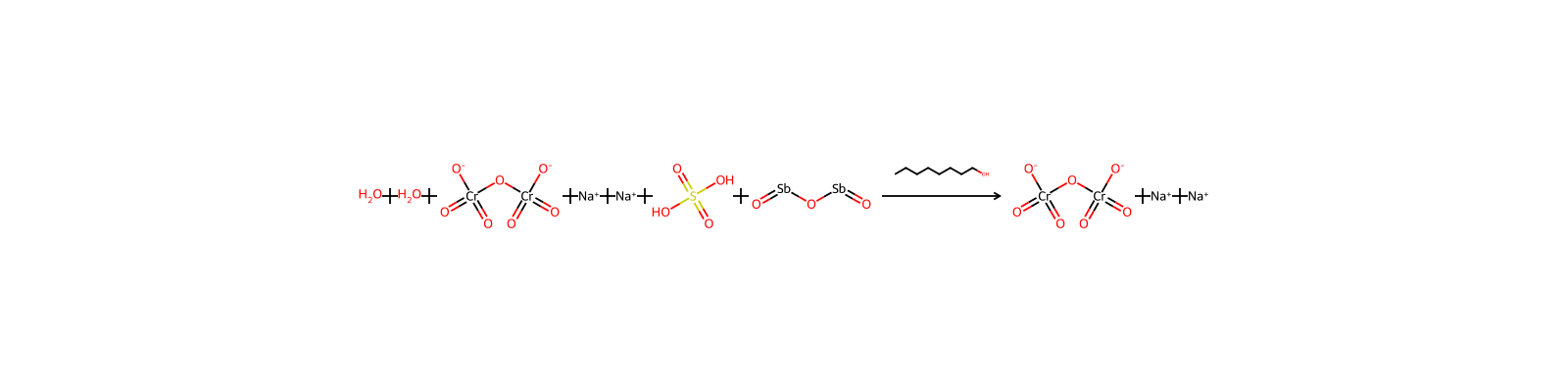
Sodium chromate can be converted to the dichromate by a continuous process treating with sulfuric acid, carbon dioxide, or a combination of these two. Evaporation of the sodium dichromate liquor causes the precipitation of sodium sulfate and/or sodium bicarbonate, and these compounds are removed before the final sodium dichromate crystallization.
Sodium dichromate is made in a three-step process: (1) alkaline roast of chromite under-oxidizing conditions, (2) leaching, and (3) conversion of sodium monochromate to sodium dichromate by means of an acid.
Anhydrous sodium dichromate can be prepared by melting down sodium dichromate dihydrate, by crystallizing aqueous dichromate solutions above 86 °C, or by drying sodium dichromate solutions in spray driers.
Derivation: (a) From chromite ore by alkaline roasting and subsequent leaching, (2) action of sulfuric acid on sodium chromate dihydrate.
Formulations/Preparations
Grade: Technical crystals, technical liquor containing 69-70% sodium dichromate, anhydrous 95 °C, soluble in water and alcohol.
Koppers Wolman Salts CCA, soluble concentrate; 10.0% arsenic pentoxide, 32.0% copper sulfate, 53% sodium dichromate.
Wolman Salts CCA-Type B, solution-ready to use; 30.5% Arsenic pentoxide, 6.2% sodium pyroarsenate, 26.8% copper sulfate, 31.5% sodium dichromate.
Wolman Salts CCA-Type C, solution-ready to use; 26.9% arsenic pentoxide, 25.5% copper sulfate, 42.6% sodium dichromate.
For more Formulations/Preparations (Complete) data for SODIUM DICHROMATE (9 total), please visit the HSDB record page.
General Manufacturing Information
Computer and Electronic Product Manufacturing
Chromic acid (H2Cr2O7), sodium salt (1:2): ACTIVE
Chrome yellow and orange pigments are produced by reacting sodium dichromate, caustic soda and lead nitrate. Lead chromate is recovered, processed, and packaged, while the filtrate containing lead, and Cr(VI) is sent to a wastewater treatment facility.
Calcination of sodium dichromate with sulfur or carbon is used to produce anhydrous chrome oxide for chrome oxide green pigments. Wash waters contain unreacted hexavalent chromate materials. Hydrated chrome oxide is made by reacting sodium dichromate with boric acid, also used as green pigments. Oven residues contain hexavalent and trivalent chromium, as do wash waters from boric acid recovery processes.
Eleven plants manufacture chrome pigments, individually producing 9-79 metric tons/day. Industry wide production= 64,500 metric tons, 60% from two plants in NE United States. /Chrome pigments/
サプライヤー1 社
DAYANG CHEM (HANGZHOU) CO.,LTD+86-88938639 +86-17705817739 · [email protected]
関連反応
91 件



関連ノート
読み込み中…