概要
Titanium dioxide (airborne, unbound particles of respirable size) can cause cancer according to California Labor Code.
名称と識別子
- 優先名称
- Titanium dioxide
- IUPAC
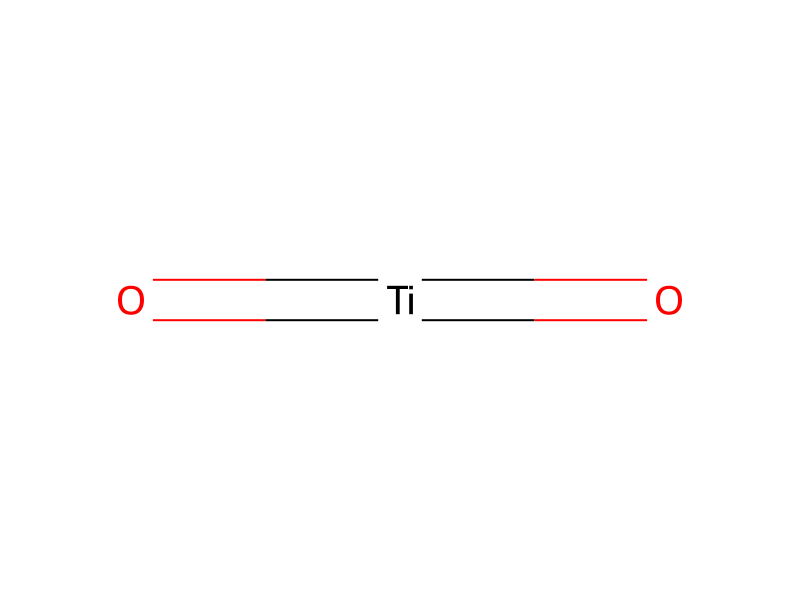
- dioxotitanium
- 現地名
- 酸化チタン(),アナターゼ型
- 英語名
- Titanium dioxide
- 分子式
- O2Ti
- 分子量
- 79.87
名称と別名
TITANIUM DIOXIDE13463-67-7TitaniaTitanium(IV) oxideTitanium WhiteTitafranceTitandioxidFlamencoHombitanTiofineTioxideTipaque
名称をさらに表示
二酸化チタン,アナターゼ型酸化チタン(IV),アナターゼ型酸化チタン(),アナターゼ型二酸化チタン(アナターゼ型)酸化チタン,アナターゼ型(粉末)酸化チタン(IV), アナターゼ型(ルチル型含有), -5ΜM, 99.9%酸化チタン(IV), アナターゼ型酸化チタン(IV)、アナターゼTitanium(IV) oxide, NanoArc^t, アナターゼ, nanopowder, 99.9% (metals basis)二酸化チタン二酸化チタン,アナターゼ型(粉末)アナターゼチタン白TIO2ANATASEPIGMENT WHITE 6Anatase typeTITANIUM DIOXIDE, ANATASEFERRISPEC(R) PL TITANIUM DIOXIDE WHITETitaniuM(IV) oxide, anatase nanopowder, <25 nM particle size, 99.7% trace Metals basis
TitanoxRayoxBayertitan ATitanic anhydrideTioxide RHDTioxide RSMZopaque LDCRutiox CR
データベース識別子
- CAS
1317-70-0、1317-80-2、13463-67-7、200075-84-9、864179-42-0、98084-96-9- PubChem CID
- 26042
- ChEMBL
CHEMBL1201136- ChEBI
CHEBI:32234- EC Number
- 215-280-1、215-282-2、236-675-5、619-318-1、643-044-1、933-915-7
- Nikkaji
- J95.266D
物性
構造計算による物性
- 極性表面積
- 34.1 Ų
- 水素結合供与体数
- 0
- 水素結合受容体数
- 2
- 回転可能結合数
- 0
- 重原子数
- 3
- 形式電荷
- 0
- 複雑度
- 18.3
実験および物理化学的性質
Chemical Classes
Metals -> Metals, Inorganic Compounds
Metals -> Metals, Inorganic Compounds
Polymers
Plastics -> Pigments agents
Plastics -> Other functions -> UV/light stabiliser
Plastics -> Polyolefin-I; PUR; Polyolefin-II; PVC (soft); ABS; PVC (rigid); PET; PMMA; PA; PC; (E)PS
Cosmetics
Cosmetics ingredient -> Anticaking/Absorbents; Base; Bulking/Viscosity; Colorant; Flavor; Fragrance; Opacifying Agent; Other (Specify); Preservative/Stabilizer; Surfactant; UV Inhibitor
Cosmetics ingredient -> Anticaking/Absorbents; Base; Colorant; Conditioning/Emollient; Flavor; Fragrance; Opacifying Agent; Other (Specify); UV Inhibitor
Cosmetic colorant; Uv absorber; Opacifying
pHSUSPENSION IN WATER (1 IN 10) IS NEUTRAL TO LITMUS
SpringerMaterials Properties
phase transformation
dielectric constant
dielectric constant
dielectric constant
dielectric constant
dielectric constant
FragrancesFragrance Ingredient (Titanium oxide (TiO2)) -> IFRA transparency List
OdorOdorless
TasteTASTELESS
Food Additives
Foods, Drugs, Cosmetics, Devices -> FDA Regulatory Status of Color Additives
ANTICAKING AGENT OR FREE-FLOW AGENT, COLOR OR COLORING ADJUNCT, DRYING AGENT, HUMECTANT, PROCESSING AID, SURFACE-FINISHING AGENT, TRACER -> FDA Substance added to food
Density
3.9 to 4.2 (NTP, 1992)
4.23
White, orthorhombic crystals; density: 4.17 g/cu cm /Titanium(IV)oxide (Brookite)/
3.9-4.3 g/cm³
4.26
4.23 @25 °C
Color/Form
White, tetragonal crystals
White powder in two crystalline forms, anatase and rutile
AMORPHOUS, INFUSIBLE POWDER
White powder
Solubility
less than 1 mg/mL at 68 °F (NTP, 1992)
Insoluble in water and organic solvents. Dissolves slowly in hydrofluoric acid and in hot concentrated sulphuric acid.
Insoluble in water
Soluble in hot concentrated sulfuric acid; in hydrofluoric acid; insoluble in hydrochloric acid, nitric acid or diluted sulfuric acid
INSOL IN ORG SOLVENTS
SOLUBLE IN ALKALI
物理化学的性質
- 融点
- 1840 °C · 1840 °C
- 沸点
- 2900 °C · 2900 °C
- 比重(密度)
- 4.26 g/mL · 4.26 g/mL at 25 °C(lit.)
- 闪点
- 368 °C · 368°C
- 貯蔵温度
- Store at room temperature, keep dry and cool
- 外見
- 粉
- 比重
- 3.9 · 3.9
- 色
- 白い
- 水溶解度
- 水、希酸、有機酸、希アルカリに不溶。
- 晶系
- 正方
- Merck
- 14 · 14,9472
- 空间群
- 41 · I41/amd
- 晶格常数
- 30.37848 · a/nmb/nmc/nmα/oβ/oγ/oV/nm30.378480.378480.951199090900.1363
- 安定性
- 安定。強酸とは相容れない。
- 主な用途
- バッテリー製造
- 化粧品成分の機能
- UVフィルター
- InChI
- 1S/2O.Ti
- InChIKey
- GWEVSGVZZGPLCZ-UHFFFAOYSA-N
- SMILES
- O=[Ti]=O
- Hardness, Mohs
- 6.2 · 6.2
- CAS データベース
- 1317 · 1317-70-0(CAS DataBase Reference)
- EPAの化学物質情報
- Anatase (TiO2) (1317-70-0)
化学的性質
化学的特性white powder
安全と法規制
GHS分類
GHS Classification
Warning
H351: Suspected of causing cancer [Warning Carcinogenicity]
P203, P280, P318, P405, and P501 (click each P-code to see the statement)
This chemical does not meet GHS hazard criteria for 62.8% (7032 of 11189) of all reports.
Warning
H351 (36.1%): Suspected of causing cancer [Warning Carcinogenicity]
危険有害性情報
Regulatory Information
Chemical: Anatase (TiO2)
Chemical: Rutile (TiO2)
Chemical: Titanium oxide (TiO2)
Hazard Traits - Carcinogenicity
Regulation (EC) No 1831/2003 (amended)
Titanium oxide (TiO2) is listed on the EPA's Chemical Data Reporting (CDR) system. Manufacturers and importers of Titanium oxide (TiO2) are required to report information about their production and use of this chemical to the EPA under the Toxic Substances Control Act (TSCA). (40 eCFR Part 711)
Other Safety Information
IMAP assessments - Titanium dioxide: Human health tier II assessment
IMAP assessments - Titanium dioxide: Human health tier II assessment
IMAP assessments - Rutile (TiO2): Environment tier I assessment
Fire Hazards
Literature sources indicate that this chemical is noncombustible. (NTP, 1992)
Not combustible.
Not combustible.
Fire PotentialNoncombustible
Health HazardsExcerpt from NIOSH Pocket Guide for Titanium dioxide:
Hazards Summary
A study of 1,576 workers in the U.S. exposed to TiO2 for more than one year used incidence data from 1956 through 1985. Mortality data was available from the company for the years 1935 through 1983. There was no excess of lung cancer or chronic respiratory disease and no cases of pulmonary fibrosis. [Rom, p. 537-8] Cases of pulmonary fibrosis associated with exposure to TiO2 have been reported, but the reactions may have been caused by silica present as contamination. [Hendrick, p. 180-1] No listed effects of short-term or long-term exposure; [ICSC] NIOSH has determined that ultrafine TiO2 is a potential occupational carcinogen but that there are insufficient data at this time to classify fine TiO2 as a potential occupational carcinogen. Summary of Epidemiologic Studies: Overall, these studies provide no clear evidence of elevated risks of lung cancer mortality or morbidity among those workers exposed to TiO2 dust. [Reference #1] 2021 TLV Basis: lower respiratory tract irritation, pneumoconiosis; [ACGIH] See Titanium. See Anatase.
Not a skin irritant; [IUCLID] NIOSH has determined that ultrafine TiO2 is a potential occupational carcinogen but that there are insufficient data at this time to classify fine TiO2 as a potential occupational carcinogen. Summary of Epidemiologic Studies: Overall, these studies provide no clear evidence of elevated risks of lung cancer mortality or morbidity among those workers exposed to TiO2 dust. [Reference #1] A skin and strong eye irritant; Toxic by inhalation; [Sigma-Aldrich MSDS] See Titanium dioxide.
FDA Requirements
The color additive titanium dioxide may be safely used for coloring foods generally, subject to the following restrictions: (1) The quantity of titaanium dioxide does not exceed 1 percent by weight of the food. (2) It may not be used to color foods for which standards of identity have been promulgated under section 401 of the act unless added color is authorized by such standards. ... Certification of this color additive is not necessary for the protection of the public health and therefore batches thereof are exempt from the certification requirements of section 721(c) of the Federal Food, Drug, and Cosmetic Act.
The color additive titanium dioxide may be used for coloring ingested and externally aplied drugs generally, in amounts consistent with good manufacturing practice. External application uncludes use in the area of the eye. Certification of this color additive is not necessary for the protection of the public health and therefore batches thereof are exempt from the certification requirements of section 721(c) of the Federal Food, Drug, and Cosmetic Act.
The color additive titanium dioxide may be safely used in cosmetics, including cosmetics intended for use in the area of the eye, in amounts consistent with good manufacturing practice. Certification of this color additive is not necessary for the protection of the public health and therefore batches thereof are exempt from the certification requirements of section 721(c) of the Federal Food, Drug, and Cosmetic Act.
/Titanium dioxide/ ... may be used as a color additive in contact lenses in amounts not to exceed the minimum reasonably required to accomplish the intended coloring effect. Authorization and compliance with this use shall not be construed as waiving any of the requirements of sections 510(k), 515, and 520(g) of the Federal Food, Drug, and Cosmetic Act with respect to the contact lenses in which the additive is used. ... Certification of this color additive is not necessary for the protection of the public health and therefore batches thereof are exempt from the certification requirements of section 721(c) of the Federal Food, Drug, and Cosmetic Act.
For more FDA Requirements (Complete) data for TITANIUM DIOXIDE (8 total), please visit the HSDB record page.
Reactive GroupNon-Redox-Active Inorganic Compounds
EC ClassificationNote:
Special Reports
Due to its multifunctional applications, titanium dioxide particles have widespread use in commerce. The particle-types function as sources of pigment color, in food products, anti-bacterial components, ultraviolet radiation scavengers, catalysts, as well as in cosmetics. Because of its inherent properties in a diverse number of products, exposures may occur via any of the major point-of-entry routes, i.e., inhalation, oral or dermal. Although the majority of TiO2 applications are known to exist in the pigment-grade form, nanoscale forms of TiO2 are also common components in several products. This brief review is designed to identify relevant toxicology and risk-related issues which inform health effects assessments on the various forms of titanium dioxide particles.[Warheit DB; How to Measure Hazards/Risks Following Exposures to Nanoscale or Pigment-Grade Titanium Dioxide Particles; Toxicol Lett 220 (2): 193-204 (2013)]
Bioassay of Titanium Dioxide for Possible Carcinogenicity (1979) Technical Rpt Series No. 97 DHEW Pub No. (NIH) 79-1347, U.S. Department of Health Education and Welfare, National Cancer Institute, Bethesda, MD 20014
EPA Safer ChemicalChemical: Titanium (IV) oxide
FIFRA Requirements
Residues of titanium dioxide are exempted from the requirement of a tolerance when used in accordance with good agricultural practice as inert (or occasionally active) ingredients in pesticide formulations applied to growing crops only. Use: pigment/coloring agent in plastic bags used to wrap growing banana (preharvest), colorant on seeds for planting.
Residues of titanium dioxide are exempted from the requirement of a tolerance when used in accordance with good agricultural practice as inert (or occasionally active) ingredients in pesticide formulations applied to animals. Use: pigment/colorant in pesticide formulations for animal tag.
Titanium dioxide is exempted from the requirement of a tolerance for residues in or on growing crops, when used as an inert ingredient (UV protectant) in microencapsulated formulations of the insecticide lambda-cyhalothrin at no more than 3.0% by weight of the formulation and as an inert ingredient (UV-stabilizer) at no more than 5% in pesticide formulations containing the active ingredient napropamide.
安全と保護具
Fire Fighting
Fires involving this material can be controlled with a dry chemical, carbon dioxide or Halon extinguisher. (NTP, 1992)
In case of fire in the surroundings: use appropriate extinguishing media.
In case of fire in the surroundings, use appropriate extinguishing media.
First Aid Measures
Rinse and then wash skin with water and soap.
First rinse with plenty of water for several minutes (remove contact lenses if easily possible), then refer for medical attention.
Rinse mouth.
Rinse and then wash skin with water and soap.
First rinse with plenty of water for several minutes (remove contact lenses if easily possible), then refer for medical attention.
Rinse mouth.
First Aid
EYES: First check the victim for contact lenses and remove if present. Flush victim's eyes with water or normal saline solution for 20 to 30 minutes while simultaneously calling a hospital or poison control center. Do not put any ointments, oils, or medication in the victim's eyes without specific instructions from a physician. IMMEDIATELY transport the victim after flushing eyes to a hospital even if no symptoms (such as redness or irritation) develop.
(General first aid procedures)
Safe Storage
Store in covered containers.
Separated from reducing agents.
Exposure Control and Personal Protection0.3 [mg/m3], respirable fraction[German Research Foundation (DFG)]
Fire Fighting ProceduresIn case of fire in the surroundings, use appropriate extinguishing media.
Cleanup MethodsPersonal protection: particulate filter respirator adapted to the airborne concentration of the substance. Sweep spilled substance into covered containers.
Nonfire Spill Response
SMALL SPILLS AND LEAKAGE: If you spill this chemical, dampen the solid spill material with 5% ammonium hydroxide, then transfer the dampened material to a suitable container. Use absorbent paper dampened with 5% ammonium hydroxide to pick up any remaining material. Your contaminated clothing and the absorbent paper should be sealed in a vapor-tight plastic bag for eventual disposal. Wash all contaminated surfaces with 5% ammonium hydroxide followed by washing with a soap and water solution. Do not reenter the contaminated area until the Safety Officer (or other responsible person) has verified that the area has been properly cleaned.
Disposal Methods
SRP: Wastewater from contaminant suppression, cleaning of protective clothing/equipment, or contaminated sites should be contained and evaluated for subject chemical or decomposition product concentrations. Concentrations shall be lower than applicable environmental discharge or disposal criteria. Alternatively, pretreatment and/or discharge to a permitted wastewater treatment facility is acceptable only after review by the governing authority and assurance that "pass through" violations will not occur. Due consideration shall be given to remediation worker exposure (inhalation, dermal and ingestion) as well as fate during treatment, transfer and disposal. If it is not practicable to manage the chemical in this fashion, it must be evaluated in accordance with EPA 40 CFR Part 261, specifically Subpart B, in order to determine the appropriate local, state and federal requirements for disposal.
Spillage Disposal
Personal protection: particulate filter respirator adapted to the airborne concentration of the substance. If appropriate, moisten first to prevent dusting. Sweep spilled substance into covered containers.
Personal protection: particulate filter respirator adapted to the airborne concentration of the substance. If appropriate, moisten first to prevent dusting. Sweep spilled substance into covered containers.
Preventive Measures
PREVENT DISPERSION OF DUST!
Workers whose clothing may have become contaminated should change into uncontaminated clothing before leaving the work premises.
SRP: Local exhaust ventilation should be applied wherever there is an incidence of point source emissions or dispersion of regulated contaminants in the work area. Ventilation control of the contaminant as close to its point of generation is both the most economical and safest method to minimize personnel exposure to airborne contaminants. Ensure that the local ventilation moves the contaminant away from the worker.
SRP: Contaminated protective clothing should be segregated in such a manner so that there is no direct personal contact by personnel who handle, dispose, or clean the clothing. The completeness of the cleaning procedures should be considered before the decontaminated protective clothing is returned for reuse by the workers. Contaminated clothing should not be taken home at the end of shift, but should remain at employee's place of work for cleaning.
Do not eat, drink, or smoke during work.
Eye Prevention
Wear safety spectacles.
Wear safety spectacles.
毒性情報
Cancer Sites[in animals: lung tumors]
Interactions
Nanoparticles (NPs) have been reported to penetrate into human skin through lesional skin or follicular structures. Therefore, their ability to interact with dendritic cell (DC) was investigated using DCs generated from monocytes (mono-DCs). Hybrid titanium dioxide/para-amino benzoic acid (TiO(2)/PABA) NPs did not induce any cell toxicity. NPs were internalized into DCs through macropinocytosis and not by a receptor-mediated mechanism. Confocal microscopy showed that NPs were not detected in the nucleus. These data are confirmed by electronic microscopy which demonstrated that hybrid NPs were rapidly in contact with cellular membrane and localized into cytoplasmic vesicles without colocalization with clathrin-coated vesicles. Hybrid NPs did not induce CD86 or HLA-DR overexpression or cytokine secretion (IL-8 and TNF-alpha) indicating no DC activation. Internalization of hybrid NPs did not modify DC response towards sensitizers such as nickel and thimerosal or /lipopolysaccharide/ LPS used as positive controls. Moreover, hybrid NPs did not induce any oxidative stress implicated in DC activation process. After mono-DC irradiation by ultraviolet A (UVA), hybrid NP-treated cells did not produce UVA-induced reactive oxygen species (ROS) and exhibited a better cell viability compared with UVA-irradiated control cells, suggesting a protecting effect of hybrid TiO(2)/PABA NPs against UVA-induced ROS. /Hybrid TiO(2)/PABA Nanoparticles/
Diminish the penetration of ultraviolet (UV) light through the epidermis by absorbing UV radiation within a specific wavelength range. The amount and wavelength of UV radiation absorbed are affected by the molecular structure of the sunscreen agent. /Sunscreen agents, topical/
A large quantity of white gas containing titanium dioxide and hydrogen chloride was generated unexpectedly during an experiment in a chemical laboratory. Fourteen students and staff complained of nausea, dyspnea, or respiratory irritation immediately after inhaling the gas. On arrival at Saint Luke's International Hospital, more than half of the patients presented with low-grade fever. Symptoms spontaneously resolved soon after admission, although the low-grade fever persisted until the following morning. Low-grade fever after inhalation exposure is not explicable by hydrogen chloride inhalation and therefore appeared to be caused by titanium dioxide inhalation, manifesting as metal fume fever. Titanium dioxide is thought to have no remarkable human toxicity and is considered to be safe clinically. To our knowledge, this is the first report of titanium dioxide inhalation as the potential cause of metal fume fever in humans. Correlations between the degree of fever and quantity and concentration of inhaled titanium dioxide remain to be determined.
Male Long-Evans-hooded-rats were exposed in a nose only setting to cadmium-chloride at concentrations of 1.5 or 5.0 mg/cu m cadmium ... for 30 minutes. Lung clearance and lymphatic uptake were determined after exposing the cadmium treated rats to titanium-dioxide at dust concentrations of 12 to 15 mg/ cu m for 6 hours. The initial deposition of titanium-dioxide was decreased by 40 percent due to the pre-exposure to 5 milligrams cadmium-chloride. The overall clearance of titanium-dioxide was not changed, but the lymph node burden was 2.7 times higher in cadmium exposed animals as compared to controls. The 1.5 mg/cu m cadmium-chloride exposure did not influence lung clearance nor lymphatic uptake of titanium-dioxide. When the order of exposures was reversed and the animals were first exposed to titanium-dioxide followed by cadmium-chloride, the same results were obtained; lymphatic uptake of titanium-dioxide was increased. The authors concluded that dust particle uptake by the lymphatic system is increased when phagocytosis by alveolar macrophages is decreased.
Groups of 24 male and 24 female Syrian golden hamsters, 6-7 weeks of age, received intratracheal instillations of 3 mg titanium dioxide ((purity unspecified); particle size: 97% <5 um; 51% <0.5 um) plus 3 mg benzo(a)pyrene in 0.2 mL saline or 3 mg benzo(a)pyrene alone in saline (controls) once a week for 15 weeks. Animals were observed until spontaneous death; all control and treated hamsters had died by 90- 100 and 60-70 weeks, respectively. In the 48 hamsters treated with titanium dioxide plus benzo[a]pyrene, tumors (number of tumors per sex unspecified) occurred in the larynx (11 papillomas, five squamous-cell carcinomas), trachea (three papillomas, 14 squamouscell carcinomas, one adenocarcinoma) and lung (one adenoma, one adenocarcinoma, 15 squamous-cell carcinomas, one anaplastic carcinoma). Two papillomas occurred in the trachea of benzo(a)pyrene-treated controls. In the same study, ferric oxide (3 mg) and benzo(a)pyrene induced a similar spectrum of tumors to that induced by the combination with titanium dioxide.
Target Organsrespiratory system
Ecotoxicity Values
EC50; Species: Pseudokirchneriella subcapitata (Green algae) exponential growth phase; Conditions: freshwater, static, 24 °C; Concentration: 35900 ug/L for 72 hr (95% confidence interval: 31400-41700 ug/L); Effect: increased growth rate /100% purity/
LC50; Species: Thamnocephalus platyurus (Fairy shrimp) larva; Conditions: freshwater, static, 25 °C, pH 7.3-7.8; Concentration: >20000000 ug/L for 24 hr /100% purity/
EC50; Species: Daphnia magna (Water flea) age < or =24 hr neonate; Conditions: freshwater, static, 20-21 °C, pH 7.1-8.7, dissolved oxygen > or =3 mg/L; Concentration: >100000 ug/L for 48 hr; Effect: intoxication, immobilization /99.4% purity/
LC50; Species: Ceriodaphnia dubia (Water flea) age <24 hr neonate; Conditions: freshwater, static, 20 °C, pH 8.2, hardness 142 mg/L CaCO3, dissolved oxygen 8.5-8.9 mg/L; Concentration: >10000 ug/L for 48 hr />99% purity/
For more Ecotoxicity Values (Complete) data for TITANIUM DIOXIDE (6 total), please visit the HSDB record page.
Adverse Effects
Fibrogenic - Inducing tissue injury and fibrosis (scarring).
Fibrogenic - Inducing tissue injury and fibrosis (scarring).
Exposure Routes
The substance can be absorbed into the body by inhalation of dust.
The substance can be absorbed into the body by inhalation and by ingestion.
inhalation
Ecotoxicity Excerpts
/AQUATIC SPECIES/ This research evaluated the toxicity of TiO2 nanoparticles to freshwater aquatic organisms and the effects of organic and inorganic material on TiO2 toxicity. The fathead minnow was much less acutely sensitive to TiO2 (LC50 500 mg/L and higher) than Ceriodaphnia dubia /water flea/ and Daphnia pulex /water flea/ (mean LC50 values 7.6 and 9.2 mg/L, respectively). Total organic carbon levels of 1.5 mg/L decreased TiO2 acute toxicity to C. dubia (LC50 > 100 mg/L), but kaolinite clay decreased TiO2 toxicity to a lesser extent. In chronic toxicity tests, the green algae Pseudokirchneriella subcapitata was more sensitive to TiO2 (IC25 1-2 mg/L) than C. dubia (IC25 9.4-26.4 mg/L) and the fathead minnow (IC25 values over 340 mg/L). Study results indicate that the specific organisms exposed and the effects of water quality parameters on TiO2 toxicity should be considered in hazard evaluations of this nanoparticle.
Signs and Symptoms
Redness.
Redness.
Lung fibrosis; [potential occupational carcinogen]
Ongoing Test Status
The following link will take the user to the National Toxicology Program (NTP) Test Agent Search Results page, which tabulates all of the "Standard Toxicology & Carcinogenesis Studies", "Developmental Studies", and "Genetic Toxicity Studies" performed with this chemical. Clicking on the "Testing Status" link will take the user to the status (i.e., in review, in progress, in preparation, on test, completed, etc.) and results of all the studies that the NTP has done on this chemical.[Available from, as of October 18, 2013: http://ntp-apps.niehs.nih.gov/ntp_tox/index.cfm?fuseaction=ntpsearch.searchresults&searchterm=13463-67-7]
ICSC Environmental DataThis substance does enter the environment under normal use. Great care, however, should be taken to avoid any additional release, for example through inappropriate disposal.
Medical Surveillance
The following medical procedures should be made available to each employee who is exposed to titanium dioxide at potentially hazardous levels: Employees should be screened for history of certain medical conditions which might place the employee at increased risk from titanium dioxide exposure. Chronic respiratory disease: Titanium dioxide is a nuisance dust. In persons with impaired pulmonary function, especially those with obstructive airway disease, the breathing of titanium dioxide might cause exacerbation of symptoms due to its irritant properties. ... Any employee developing the above listed conditions should be refered for further medical examination.
TSCA Test Submissions
Chronic toxicity and oncogenicity were evaluated in male and female Charles River Crl:CD(SD)BR rats (100/sex/group) exposed to atmospheres containing titanium dioxide dust at concentrations of 0, 10.55, 50.68, or 250.10 mg/cu m for 6 hrs/day, 5 days/week for up to 2 yrs. The mean respirable fractions were 93.7% or greater. Titanium dioxide was observed to accumulate in the upper respiratory tract airways, lungs, gastrointestinal tract, lymphatic system, liver and spleen. There were significant differences between treated and control groups of both sexes in the following: decreased body weights, increased lung weights, increased thymus weights (both sexes at high-dose level and males at 50 mg/cu m/), increased white blood cell counts, increased bilirubin levels (females at 50 and 250 mg/cu m), decreased calcium levels, phosphorus levels (decreased in males and increased in females), increased irregular respiration, and abnormal lung noises. Significant dose-related lung effects included alveolar proteinosis, cholesterol granuloma formation, focal pleurisy, collagenized fibrosis, and thickened alveolar walls impairing oxygen diffusion. Polycythemia was observed in high-dose level rats. Bronchioalveolar adenomas were significantly increased in high-dose animals and cystic keratinizing squamous cell carcinomas were observed primarily in the high-dose animals, females more affected than males. There were significant differences between treated and control animals, without clear dose-responses, in decreased absolute and/or relative liver and kidney weights.
法規制情報
FDA Requirements
The color additive titanium dioxide may be safely used for coloring foods generally, subject to the following restrictions: (1) The quantity of titaanium dioxide does not exceed 1 percent by weight of the food. (2) It may not be used to color foods for which standards of identity have been promulgated under section 401 of the act unless added color is authorized by such standards. ... Certification of this color additive is not necessary for the protection of the public health and therefore batches thereof are exempt from the certification requirements of section 721(c) of the Federal Food, Drug, and Cosmetic Act.
The color additive titanium dioxide may be used for coloring ingested and externally aplied drugs generally, in amounts consistent with good manufacturing practice. External application uncludes use in the area of the eye. Certification of this color additive is not necessary for the protection of the public health and therefore batches thereof are exempt from the certification requirements of section 721(c) of the Federal Food, Drug, and Cosmetic Act.
The color additive titanium dioxide may be safely used in cosmetics, including cosmetics intended for use in the area of the eye, in amounts consistent with good manufacturing practice. Certification of this color additive is not necessary for the protection of the public health and therefore batches thereof are exempt from the certification requirements of section 721(c) of the Federal Food, Drug, and Cosmetic Act.
/Titanium dioxide/ ... may be used as a color additive in contact lenses in amounts not to exceed the minimum reasonably required to accomplish the intended coloring effect. Authorization and compliance with this use shall not be construed as waiving any of the requirements of sections 510(k), 515, and 520(g) of the Federal Food, Drug, and Cosmetic Act with respect to the contact lenses in which the additive is used. ... Certification of this color additive is not necessary for the protection of the public health and therefore batches thereof are exempt from the certification requirements of section 721(c) of the Federal Food, Drug, and Cosmetic Act.
For more FDA Requirements (Complete) data for TITANIUM DIOXIDE (8 total), please visit the HSDB record page.
FIFRA Requirements
Residues of titanium dioxide are exempted from the requirement of a tolerance when used in accordance with good agricultural practice as inert (or occasionally active) ingredients in pesticide formulations applied to growing crops only. Use: pigment/coloring agent in plastic bags used to wrap growing banana (preharvest), colorant on seeds for planting.
Residues of titanium dioxide are exempted from the requirement of a tolerance when used in accordance with good agricultural practice as inert (or occasionally active) ingredients in pesticide formulations applied to animals. Use: pigment/colorant in pesticide formulations for animal tag.
Titanium dioxide is exempted from the requirement of a tolerance for residues in or on growing crops, when used as an inert ingredient (UV protectant) in microencapsulated formulations of the insecticide lambda-cyhalothrin at no more than 3.0% by weight of the formulation and as an inert ingredient (UV-stabilizer) at no more than 5% in pesticide formulations containing the active ingredient napropamide.
安全データ
- wgk
- -
- tsca
- TSCA listed
- rtecs
- XR2275000
- risk_code
- 20-36/37/38
- 安衛法
- 57,57-2
- hazard_code
- Xn
- safety_code
- 26-36
- ストレージクラス
- 13 - Non Combustible Solids
化学と産業
薬理情報
Protein Binding
The researchers/ determined blood levels of titanium dioxide (anatase) following oral ingestion of titanium-dioxide capsules and/or powder in six adult men (24-66 years of age). Titanium dioxide was absorbed by the gastrointestinal tract in a size dependent manner: smaller particles (0.16 um) were more readily absorbed than larger ones (0.38 um). Before the experiment, the background blood levels of titanium dioxide in these men ranged from approximately 6 to 18 ug/L. Blood levels reached up to approximately 50 ug/L or 100 ug/L between 4 and 12 hours after intake of 23 mg or 46 mg titanium dioxide, respectively
Mechanism of Action
Diminish the penetration of ultraviolet (UV) light through the epidermis by absorbing UV radiation within a specific wavelength range. The amount and wavelength of UV radiation absorbed are affected by the molecular structure of the sunscreen agent.
Diminish the penetration of ultraviolet (UV) light through the epidermis by absorbing UV radiation within a specific wavelength range. The amount and wavelength of UV radiation absorbed are affected by the molecular structure of the sunscreen agent. /Sunscreen agents, topical/
Biological Half-Life
The kinetics of TiO2 elimination in the rat lung following its deposition after 7 hr exposure at 10 and 50 mg/cu m were determined for periods up to 140 days...The retention half-time was 14 days for the first clearance phase and 88 days thereafter.
The kinetics of TiO2 elimination in the rat lung following its deposition after 7 hr exposure at 10 and 50 mg/cu m were determined for periods up to 140 days...The retention half-time was 14 days for the first clearance phase and 88 days thereafter.
Metabolism/Metabolites
Rats were intraperitoneal injected with 1.60 g/100 g body wt of TiO(2) in saline solution. Organs (liver, spleen, lung) were processed for histological evaluation. Reactive oxygen species (ROS) in alveolar macrophages obtained by bronchoalveolar lavage (BAL) were evaluated using the nitroblue tetrazolium test and quantitative evaluation by digital image analysis. The histological analysis of organs revealed the presence of titanium in the parenchyma of these organs with no associated tissue damage. Although in lung alveolar macrophages TiO(2) induced a significant rise in ROS generation, it failed to cause tissue alteration. This finding may be attributed to an adaptive response.
MeSH Pharmacological Classification
Synthetic or natural materials, other than DRUGS, that are used to replace or repair any body TISSUES or bodily function.
Chemical or physical agents that protect the skin from sunburn and erythema by absorbing or blocking ultraviolet radiation.
Drugs that are pharmacologically inactive but when exposed to ultraviolet radiation or sunlight are converted to their active metabolite to produce a beneficial reaction affecting the diseased tissue. These compounds can be administered topically or systemically and have been used therapeutically to treat psoriasis and various types of neoplasms.
Chemicals and substances that impart color including soluble dyes and insoluble pigments. They are used in INKS; PAINTS; and as INDICATORS AND REAGENTS.
Absorption, Distribution and Excretion
When male and female rats were fed a diet containing titanium dioxide (100 g/kg) for a period of about 32 days, a significant retention of titanium of 0.06 and 0.11 mg/kg wet weight was found only in the muscles; no retention was observed in the liver, spleen, kidney, bone, plasma, or erythrocytes
The kinetics of TiO2 elimination in the rat lung following its deposition after 7 hr exposure at 10 and 50 mg/cu m were determined for periods up to 140 days.The retention half-time was 14 days for the first clearance phase and 88 days thereafter.
Six hours after titanium dioxide was administered to rats through IV injection at 250 mg/kg body weight, the highest concentration appeared in the liver; after 24 hours, the highest concentration was detected in the celiac lymph nodes, which filter the lymph from the liver.
The clearance of titanium dioxide from the lungs was studied in rats after inhalation of 15 or 100 mg/cu m. The average median aerodynamic diameter of the titanium dioxide particles was 1.48 um. After a single exposure, about 40-45% of the deposited particles were cleared from the lung in 25 days. At 15 mg/cu m, 0.7% was found in the hilar lymph nodes indicating penetration of titanium dioxide particles from alveoli into the lymphatic system and partial clearance by the lymphatic route. The clearance rate was similar after intra-tracheal administration of titanium dioxide. At an exposure of 100 mg/cu m, the clearance rate decreased drastically. /Other researchers/ demonstrated the presence of titanium dioxide in the lymphatic systems of 3 workers employed in processing titanium dioxide pigments.
The deposition of titanium dioxide dust in the lungs of rats is similar to that observed for other particles. Titanium dioxide is found in the lymphocytes and regional nodes in the lungs, indicating that a slow rate of removal occurs by this process. Clearance is also significantly decreased, or even ceases, at high exposure over a period of time because of overload. It is suggested that small amounts of titanium dioxide can enter the general circulation from the lungs.
The case of a 53-year-old man with pneumoconiosis due to approximately 13 years of occupational exposure to 'high' concentrations of titanium dioxide /is reported/. The patient died of lung cancer, which was possibly associated with a 34 pack-year smoking history and not attributed to exposure to titanium dioxide. At autopsy, about 9-10 years after the exposures to titanium dioxide, particle deposition was found to be diffuse in the lung and particles were typically found in interstitial and alveolar macrophages. Examination of lung tissue in the right upper lobe and right hilar lymph nodes showed deposits of crystalloid substances that had a high titanium content and measured 0.2-0.3 um by 0.7 um.
用途と製造
Uses
Pigment or filler in paints, paper, foods, ceramics, and pharmaceuticals; Used in welding rod coatings; [ACGIH] Rutile TiO2 is used as a semiconductor in the electronics industry. [Rom, p. 537] About 95% of all titanium consumed is titanium dioxide; it is an important white pigment in paints, paper coatings, and plastics; It is also a sunscreen and used as a color additive in flours, dairy products, and pharmaceutical tablets; [Nordberg, p. 1289] slag; Used as a whitening and opacifying agent in paints, paper, ceramics, and enamels; [IARC] Used for specialized white pigment applications such as paper and fibers; TIO2 is also used in welding rod coatings; Anatase is a semiconductor, and it is used to make electronic components; [Reference #1] Nanoparticle applications include photocatalysis, paints, sterilization, biomedical ceramics, cosmetics, and pharmaceuticals; [PMID 21191487]
Welding [Category: Weld]
A naturally occurring crystalline form of titanium dioxide obtained from processing ilmenite (a natural iron titinate) or titanium slag; Used as a whitening and opacifying agent in paints, paper, ceramics, and enamels; [IARC] Used for specialized white pigment applications such as paper and fibers; TIO2 is also used in welding rod coatings; Anatase is a semiconductor, and it is used to make electronic components; [Reference #1]
Welding [Category: Weld]
Ceramics making [Category: Hobbies]
Airfloated ilmenite is used for titanium pigment manuf. Rutile sand is suitable for welding-rod-coating materials, as ceramic colorant, as source of titanium metal. As color in the food industry. Anatase titanium dioxide is used for welding-rod-coatings, acid resistant vitreous enamels, in specification paints, exterior white house paints, acetate rayon, white interior air-dry and baked enamels and lacquers, inks and plastics, for paper filling and coating, in water paints, tanners' leather finishes, shoe whiteners, and ceramics. High opacity and tinting values are claimed for rutile-like pigments. Pharmaceutic aid (coating agent).
U.S. Exports
(1977) 1.32X10+9 G
(1982) 1.18X10+9 G
(1985) 9.07X10+10 g
(1986) 9.98X10+10 g
For more U.S. Exports (Complete) data for TITANIUM DIOXIDE (6 total), please visit the HSDB record page.
U.S. Imports
(1977) 1.06X10+11 G
(1982) 1.26X10+11 G
(1985) 1.72X10+11 g
(1986) 1.92X10+11 g
For more U.S. Imports (Complete) data for TITANIUM DIOXIDE (6 total), please visit the HSDB record page.
U.S. Production
2023: 1,000,000,000 - <2,500,000,000 lb
2023: 75,000 - <500,000 lb
2023: 700,000,000 - <850,000,000 lb
(1977) 7.27X10+11 G (CONSUMPTION)
(1982) 6.76X10+11 G (CONSUMPTION)
(1985) 7.26X10+11 g
Consumption Patterns
Pigment in paints, varnishes, & lacquers, 51%; paper uses, 23%; pigment in plastics, 12%; exports, 5%; pigment in elastomers, 2.5%; component of porcelain enamels & glazes, 1.5%; other uses, 5% (1981, does not include unisolated component of ores used in mfr of titanium metal & alloys)
Paints, varnishes & lacquers, 54%; paper, 21%; plastics, 16%; rubber, 2%; ceramics, 1%; and other, 6% (1986)
CHEMICAL PROFILE: Titanium Dioxide. Paint, varnish and lacquer, 49%; paper and paperboard, 19%; plastics, 13%; other, including fibers, inks, ceramics, tire rubbers, food and pharmaceutical, 7%; exports, 12%.
CHEMICAL PROFILE: Titanium dioxide. Demand: 1987: 952,000 tons; 1988: 1,018,000 tons; 1992 /projected/: 1,100,000 tons (Does not include imports, which totaled 192,000 tons in 1987.)
For more Consumption Patterns (Complete) data for TITANIUM DIOXIDE (6 total), please visit the HSDB record page.
Consumer Uses
Heat stabilizer
Pigment
Filler
Industry Uses
Bleaching agent
Pigment
Intermediate
Methods of Manufacturing
May be prepared by direct combination of titanium and oxygen; by treatment of titanium salts in aqueous solution; by reaction of volatile, inorganic titanium compounds with oxygen; by oxidation or hydrolysis of organic compounds of titanium.
Preparation - By adding ammonia or an alkali carbonate to a solution of titanyl sulfate (TiOSO4). Titanic acid Ti(OH)4 or TiO(OH)2 is precipitated and, after filtration and washing, is dried and ignited.
The older sulfate process starts with a digestion reaction of the titanium-containing raw material (ilmenite or titanium slag) with concentrated sulfuric acid at 150 - 220 °C resulting in the ''black liquor'' containing the dissolved Ti, Fe, and impurities. Relatively pure titanium oxide hydrate (TiO(OH)2 or TiO2 dihydrate) is precipitated by hydrolysis of this titanyl sulfate solution. Impurities are largely removed in further purification stages. The titanium oxyhydrate is then calcined, ground, and usually coated with inorganic compounds.
In the chloride process, the titanium-containing raw materials ilmenite, leucoxene, rutile, titanium slag, or anatase are chlorinated at 700 - 1200 °C. The TiCl4 is oxidized at temperatures of 900 - 1400 °C to form TiO2.
Formulations/Preparations
Technical, of many variations, pure, USP, single crystals, whiskers.
Available in several grades depending on the crystal structure, surface treatment, and particle size distribution. Both rutile and anatase forms are available.
Household Products
Cosmetics product ingredient: Titanium dioxide (airborne, unbound particles of respirable size) (CI 77891)
Cosmetics product ingredient: Titanium dioxide (CI 77891)
Information on 9 consumer products that contain Anatase titanium dioxide in the following categories is provided:
Information on 28 consumer products that contain Rutile (Titanium dioxide) in the following categories is provided:
Information on 3445 consumer products that contain Titanium dioxide in the following categories is provided:
Use Classification
EPA Safer Chemical Functional Use Classes -> Colorants;Processing Aids and Additives
Safer Chemical Classes -> Green circle - The chemical has been verified to be of low concern
Food additives
Fragrance Ingredients
Food Additives -> COLOUR -> JECFA Functional Classes
Food Additives -> COLOUR -> JECFA Functional Classes
General Manufacturing Information
Plastics Material and Resin Manufacturing
Printing Ink Manufacturing
Plastics Product Manufacturing
Anatase (TiO2): ACTIVE
Rutile (TiO2): ACTIVE
Titanium oxide (TiO2): ACTIVE
応用分野
解説チタンホワイト,酸化チタンⅣ(二酸化チタンともいう)TiO2の白色顔料で、着色力、隠蔽(いんぺい)力が白色顔料中もっとも大きく、その代表的存在で、生産額も無機顔料中カーボンブラックに次いで二位となっている。チタン白(しろ)ともいう。製法は硫酸法と、新しく開発された塩素法とがあり、逐次後者による比率が増している。塩素法による製法は、精製した塩化チタン(Ⅳ)TiCl4を気化させ、酸素とともに炉内で燃焼させTiO2(ルチル型)を得る方法で、塩化チタン(Ⅳ)は高チタンスラグに還元剤を加え、高温で塩素ガスを通じてつくる。廃酸処理の必要はなく注目されている。 屈折率はルチル型が約2.71で、顔料中もっとも大。無毒で、塗料、化粧品、ゴム、プラスチック、絵の具など広く使用されている。白さの点でルチル型はアナターゼ(鋭錘石(えいすいせき))型のものに劣るが、これは前者が350~400ミリミクロンに吸収を示すためである。セラミック顔料の分野ではTiO2が釉(ゆう)と反応しやすいため、釉の着色に使用できるTiO2系顔料はない。ただTiO2を母格子とするクロムチタン黄が、タイルなどの素地用顔料として使用されている。
用途高純度金属酸化物。
用途チタン化合物合成原料、印刷インク等の添加剤。
用途医薬、製剤原料。
用途チタン化合物合成原料、化粧品等の添加剤。
説明The lattice structure of anatase is also tetragonal, but the lower packing fraction of the crystal lattice explains why anatase crystal exhibits both a lower hardness and refractive indices than rutile.Nevertheless, because the crystal lattice energies of the two phases are quite similar, anatase remains metastable over long periods of time despite being less thermodynamically stable. However, above 700°C, the irreversible and rapid monotropic conversion of anatase to rutile occurs. From an optical point of view, anatase exhibits a greater transparency in the near-UV than rutile.
使用Titania paste may be used as a transparent coating for self cleaning glass.Low optical scattering titania-acrylate nanocomposites have been reported. Metal contacts in solar cells based on titanium dioxide and di-(isothiocyanate)-bis-(2,2′-bipyridyl-4,4′-dicarboxylate)ruthenium(II) have been studied.
一般的な説明Titanium (IV) oxide nanopowder is widely used in skin products, additives, and foods. Nano titania has been proved to be the most active photocatalytic semiconductor under ultraviolet radiation. Titanium isopropoxide, titanium (IV) butoxide has been used as precursor materials to synthesize nano-titania.
上流・下流製品情報
上流原料
サプライヤー50 社
南通润丰石油化工有限公司66017690 19952660367 · [email protected]
Hong Kong Tiansheng New Material Trading Co., Ltd+8617320695765 · [email protected]
Baoji Guokang Healthchem co.,ltd+8615604608665 15604608665 · [email protected]
Hebei Yanxi Chemical Co., Ltd.+86-17531190177 · [email protected]
Henan Xiangtong Chemical Co., Ltd.86-371-61312303 · [email protected]
阿法埃莎(中国)化学有限公司400-6106006 · [email protected]
安耐吉化学&3A(安徽泽升科技股份有限公司)400-0056266 · [email protected]
武汉卡诺斯科技有限公司027-83238443 15327105076 · [email protected]
山东洛克化工有限公司17653113209 13065062079 · [email protected]
武汉丰泰威远科技有限公司027-87465837 19945049750 · [email protected]
四川库利南科技有限公司400-1166-196 18981987031 · [email protected]
天津希恩思生化科技有限公司400 638 7771 · [email protected]
Hebei Qige Biological Technology Co. Ltd+86 +8618733132031
斯百全化学(上海)有限公司021-021-021-67601398-809-809-809 15221380277 · [email protected]
上海遐瑞医药科技有限公司+86 21 61551611
潍坊沃腾进出口有限公司0536-2456718
南京先丰纳米材料科技有限公司400-025-3200 15261867733 · [email protected]
北京环宇世纪化学科技有限公司hysj_bj.com
上海将来实业股份有限公司400-0066400 13621662912 · [email protected]
上海将来实业股份有限公司021-61552785 · [email protected]
HBCChem, Inc.+1-510-219-6317 · [email protected]
日照力德士化工有限公司010-51268198 · [email protected]
北京汤普森生物科技有限公司+86-13439059536 +86-15201677815 · [email protected]
上海爱蝶实业有限公司021-58957966 18930537195 · [email protected]
成都零六生物科技有限公司400-1166-196 13458535857 · [email protected]
雷丁试剂0510-85629785 18013409632 · [email protected]
上海御略医药科技有限公司021-60345187 13671753212 · [email protected]
上海麦克林生化科技股份有限公司15221275939 15221275939 · [email protected]
天津霖谊化工科技有限公司022-58788819 13602056505
上海兴鲁化工科技有限公司02120970332 · [email protected]
池州凯隆进出口贸易有限公司[email protected]
Sigma-Aldrich西格玛奥德里奇(上海)贸易有限公司021-61415566 800-8193336 · [email protected]
上海皓之翔生物科技有限公司(原上海拓青化工有限公司)526763801 13301653310 · [email protected]
尤尼威尔化学品(上海)有限公司021-61932772 13012862996 · [email protected]
厦门志信化学有限公司+86-5922680277 +86-13806087780 · [email protected]
山东智尚新材料有限公司+8617653113209 · [email protected]
Alfa Chemistry+1-5166625404 · [email protected]
成都润泽本土化工有限公司028-88469284 18000562381 · [email protected]
南京艾比克斯生化科技有限公司025-87193546 18652950785 · [email protected]
北京华威锐科化工科技有限公司89508211 18501085097 · [email protected]
上海前衍生物科技有限公司02781293128 · [email protected]
上海源叶生物科技有限公司13636370518 · [email protected]
Yurui (Shanghai) Chemical Co., Ltd.+86-021-50456736 +8613331628239;+8619121032725 · [email protected]
成都华纯科技有限公司400-1166-196 15982826727 · [email protected]
深圳市森迪生物科技有限公司18126413629 0755-23311925 2355327053 · [email protected]
广东翁江化学试剂有限公司0751-2886750 13927877953 · [email protected]
深圳市森迪生物科技有限公司18124570582 TEL:0755-23574479 2355327139 · [email protected]
武汉卡诺斯科技有限公司18064039730 · [email protected]
安徽酷尔生物工程有限公司0551-65171243 13856024262 · [email protected]
武汉曙欧科技有限公司17792809151;18872220797 · [email protected]
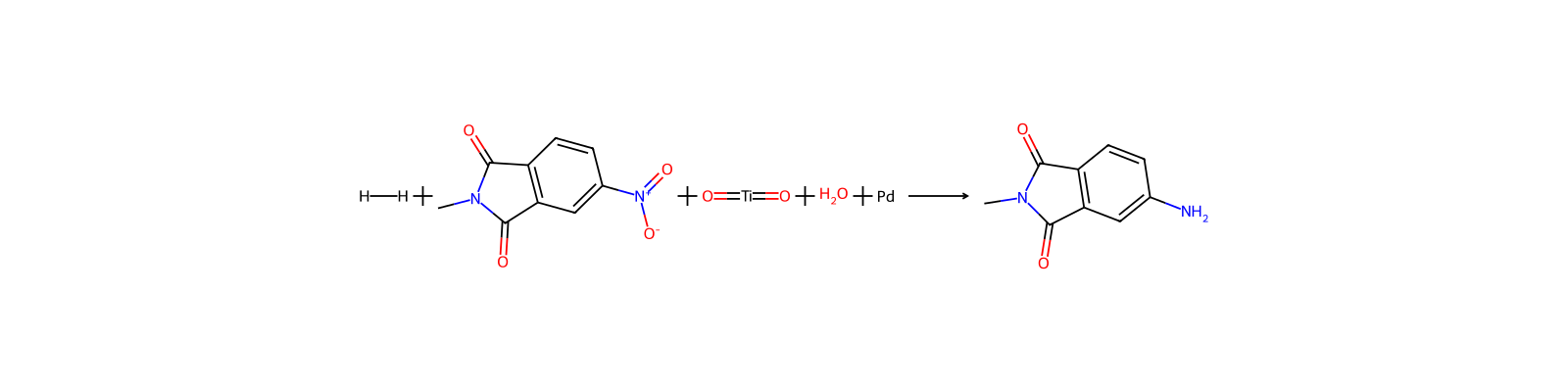
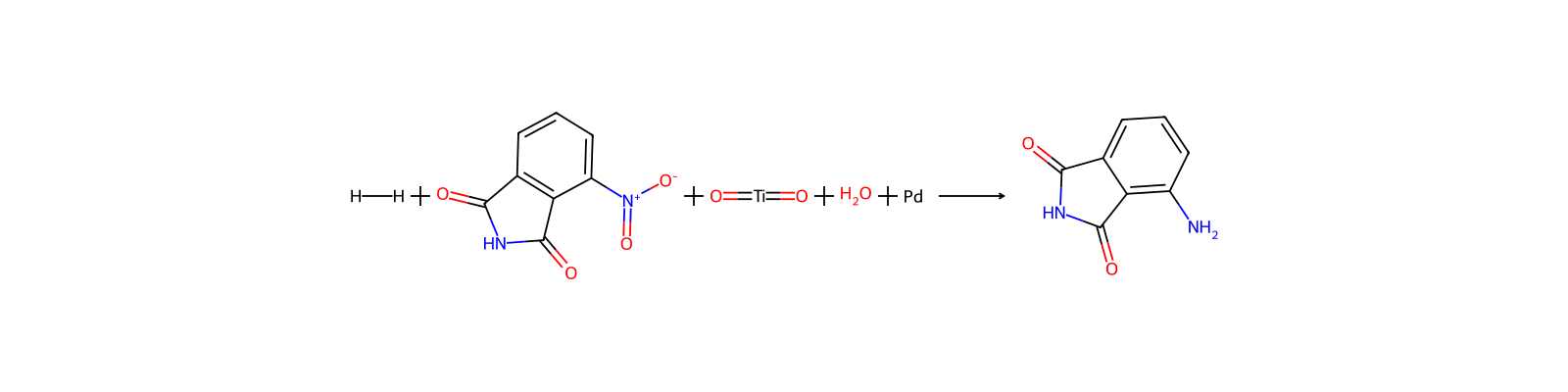
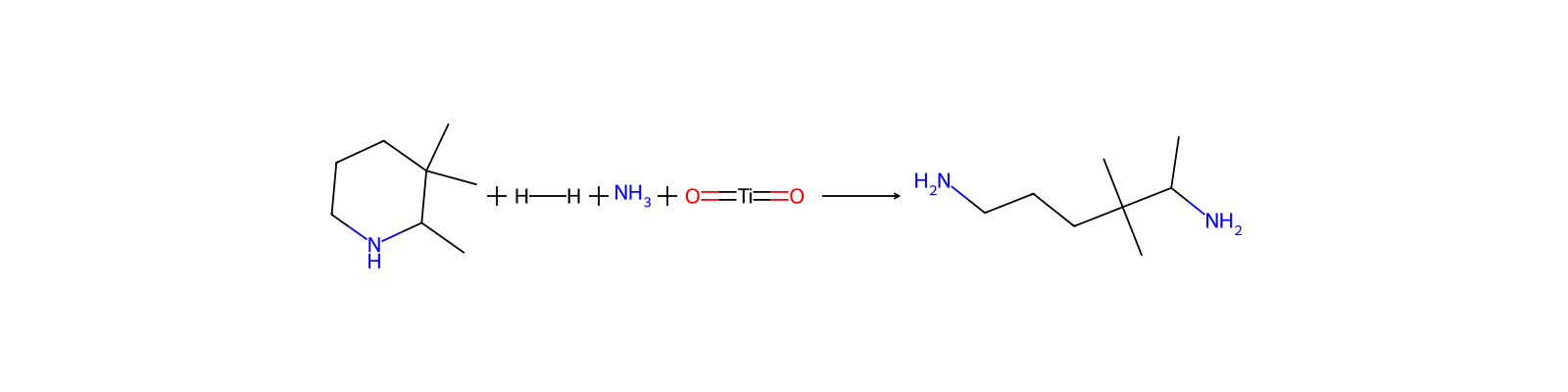
関連反応
12 件


関連ノート
読み込み中…