
ぎ酸アンモニウム
Ammonium formate
データを補完しています。しばらくしてからページを更新すると最新の内容を表示できます
基本情報
- CAS
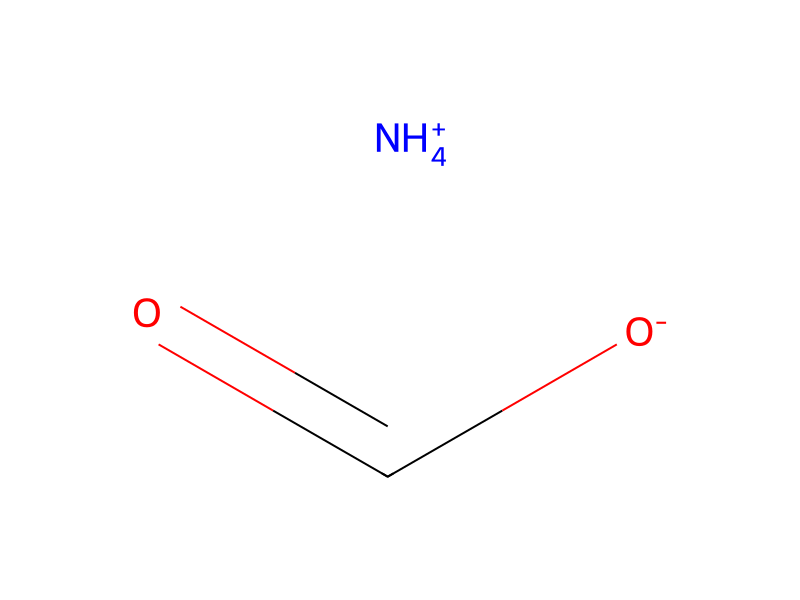
540-69-2- 標準SMILES
O=C[O-].[NH4+]- InChIKey
VZTDIZULWFCMLS-UHFFFAOYSA-N- 分子式
- CH2O2.H3N
- 平均分子量
- 63.056 g/mol
- 単同位体質量
- 63.0320284
概要
Ammonium formate is a white solid with a weak odor of ammonia. Sinks and mixes slowly with water. (USCG, 1999)
名称と識別子
- 優先名称
- Ammonium formate
- IUPAC
- azanium formate
- 現地名
- ぎ酸アンモニウム
- 英語名
- Ammonium formate
- 分子式
- CH5NO2
- 分子量
- 63.06
名称と別名
AMMONIUM FORMATE540-69-2Formic acid, ammonium saltMravencan amonnyFormic acid, ammonium salt (1:1)3801F9644EDTXSID6029624CHEBI:63050RefChem:5549DTXCID309624208-753-9azanium;formate
名称をさらに表示
ぎ酸アンモニウム酸アンモニウムギ酸, アンモニウム1MOL/Lぎ酸アンモニウム溶液ギ酸アンモニウム ELUENT ADDITIVE FOR LC-MSギ酸アンモニウム FOR HPLC,≥99.0%ギ酸アンモニウム LC-MS ULTRAELUENT ADDITIVE FOR UHPLC-MSギ酸アンモニウム PURUM P.A.,≥97.0% (T)ギ酸アンモニウム REAGENT GRADE,97%1MOL/L ぎ酸アンモニウム溶液ぎ酸アンモニウム, 97%, WATER <3%ギ酸アンモニウム 溶液ぎ酸アンモニウム, 98+%ぎ酸アンモニウム, 99.9995%HCOONH4AMMONIUM FORMATAmmomium formateHCOONH4 CH5NO2mravencanamonny97.0%, for HPLCFormiate ammoniaammmonium formate
Formic acid ammonium saltammoniumformateammonium formiateazanium formateMFCD00013103Mravencan amonny [Czech]Amoniumformiateammonia formate
データベース識別子
- CAS
540-69-2、70179-79-2- PubChem CID
- 2723923
- DTXSID
DTXSID6029624- ChEBI
CHEBI:63050- UNII
- 3801F9644E
- EC Number
- 208-753-9
物性
構造計算による物性補完中
- 極性表面積
- 41.1 Ų
- 水素結合供与体数
- 1
- 水素結合受容体数
- 2
- 回転可能結合数
- 0
- 重原子数
- 4
- 形式電荷
- 0
- 複雑度
- 7.5
実験および物理化学的性質
Chemical ClassesNitrogen Compounds -> Ammonium Compounds
Density
1.28 at 77 °F (USCG, 1999) - Denser than water; will sink
1.280
1.26 @25 °C
Color/FormWHITE MONOCLINIC CRYSTALS
SolubilityIN WATER: 102 G/100 CC @ 0 °C, 531 G/100 CC @ 80 °C; SOL IN ETHER, AMMONIA
Boiling Point
180 °C DECOMP
180 °C @760 [mm Hg]
DecompositionWhen heated to decomp ... emits toxic fumes of /nitrogen oxides and ammonia/.
Melting Point
241 °F (USCG, 1999)
116 °C
116 °C
Physical Description
Ammonium formate is a white solid with a weak odor of ammonia. Sinks and mixes slowly with water. (USCG, 1999)
Dry Powder; Liquid
Deliquescent solid; [Hawley] White in color, weak odor of ammonia; [CAMEO] Soluble in water; [MSDSonline]
Other Experimental PropertiesDELIQUESCES
安全と法規制
安全情報は参考情報です。供給元の安全データシート(SDS)、適用法令、専門家による評価に代わるものではありません。
GHS分類
GHS Classification
This chemical does not meet GHS hazard criteria for 17.6% (59 of 335) of reports.
Warning
H315 (66.3%): Causes skin irritation [Warning Skin corrosion/irritation]
P261, P264, P264+P265, P271, P280, P302+P352, P304+P340, P305+P351+P338, P319, P321, P332+P317, P337+P317, P362+P364, P403+P233, P405, and P501 (click each P-code to see the statement)
Aggregated GHS information provided per 335 reports by companies from 24 notifications to the ECHA C&L Inventory. Each notification may be associated with multiple companies.
Not Classified
危険有害性情報
Regulatory Information
Chemical: Formic acid, ammonium salt
Regulation (EC) No 1831/2003 (amended)
Formic acid, ammonium salt (1:1) is listed on the EPA's Chemical Data Reporting (CDR) system. Manufacturers and importers of Formic acid, ammonium salt (1:1) are required to report information about their production and use of this chemical to the EPA under the Toxic Substances Control Act (TSCA). (40 eCFR Part 711)
Status: Active Update: 07-05-2021 https://echa.europa.eu/registration-dossier/-/registered-dossier/30306
Formic acid, ammonium salt: Does not have an individual approval but may be used under an appropriate group standard
Other Safety InformationIMAP assessments - Formic acid, ammonium salt: Environment tier I assessment
Fire HazardsSpecial Hazards of Combustion Products: Toxic and irritating ammonia and formic acid gases may form in fire. (USCG, 1999)
Health HazardsInhalation causes irritation of nose and throat. Ingestion irritates mouth and stomach. Contact with eyes or skin causes irritation. (USCG, 1999)
Hazards SummaryA skin and mucous membrane irritant; [HSDB]
化学と産業
用途と製造
Uses
Use in chemical analysis; [Merck Index] Used as a buffer; [CHEMINFO]
CHEM ANAL TO PPT BASE METALS FROM SALTS OF NOBLE METALS
BUFFER
U.S. Production2023: 550,000 - <1,000,000 lb
Consumer UsesSoil amendments (fertilizers)
Industry UsesPlating agent
Methods of ManufacturingPREPD FROM FORMIC ACID & AMMONIA: ZUFFANTI, J AM CHEM SOC 63, 3123 (1941).
General Manufacturing Information
Not Known or Reasonably Ascertainable
Formic acid, ammonium salt (1:1): ACTIVE
FORMATES ARE COMMONLY USED FOOD PRESERVATIVES.
応用分野
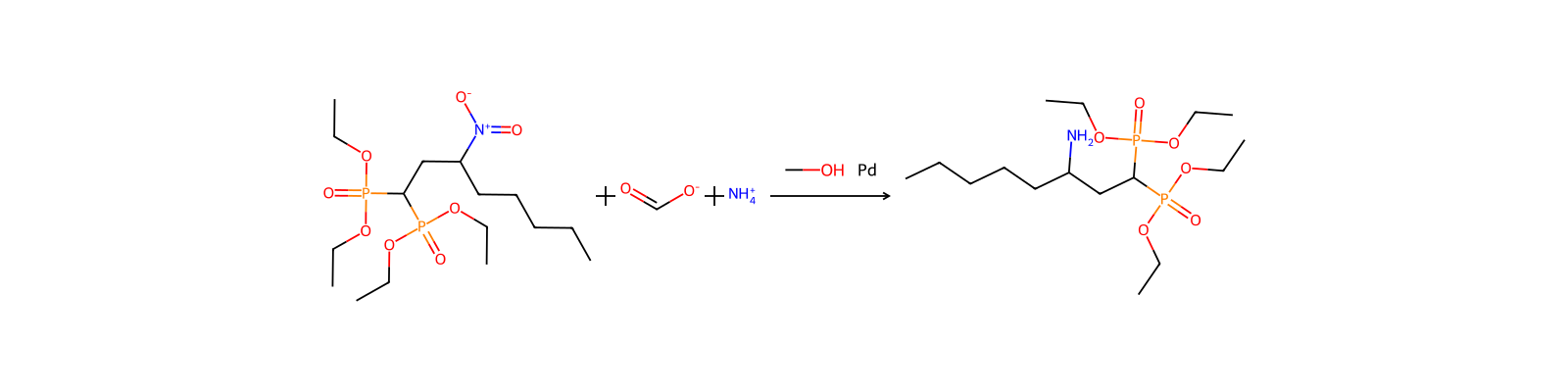
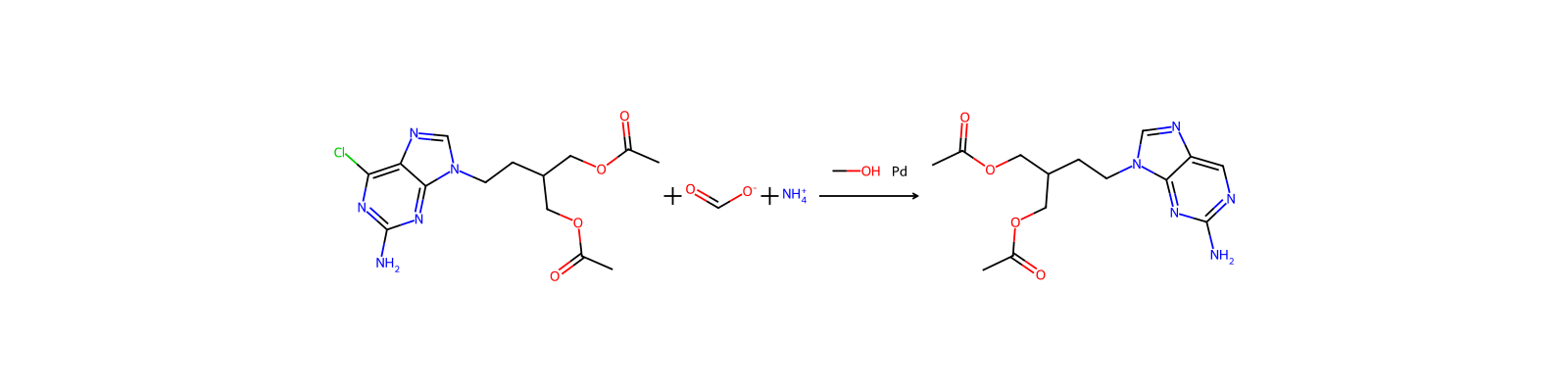
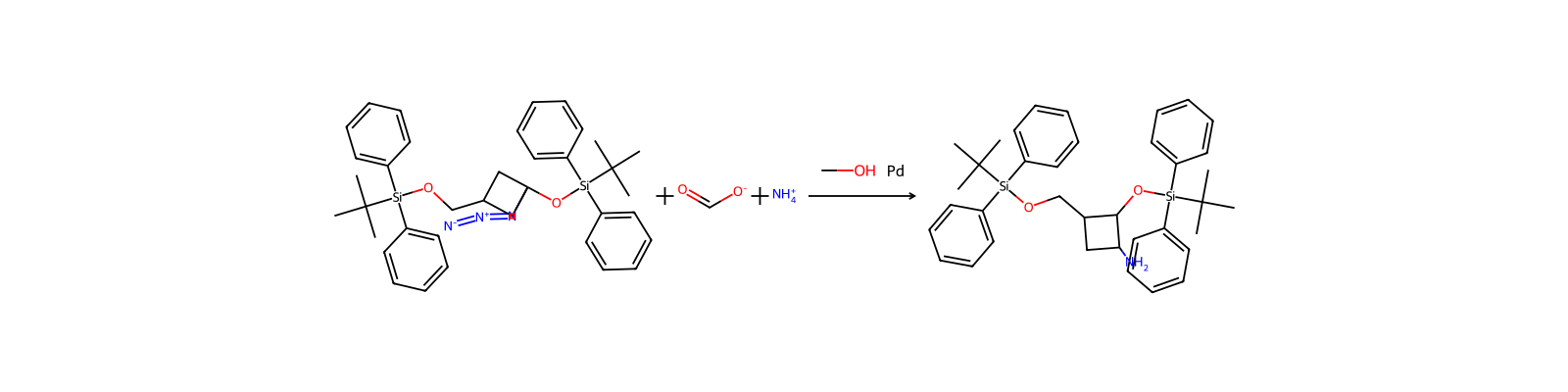
用途純粋なギ酸アンモニウムは、加熱するとホルムアミドと水に分解され、これが工業的な主な利用となる。また、ギ酸アンモニウムと希酸を反応させるとギ酸が得られ、ギ酸アンモニウムはギ酸からも作られるため、ギ酸の貯蔵形態としても使われる。 ギ酸アンモニウムは、官能基のパラジウム炭素還元にも用いることができる。パラジウム炭素の存在下で、ギ酸アンモニウムは水素、一酸化炭素、アンモニアに分解される。生成した水素ガスはパラジウムの表面に吸収され、そこで様々な官能基と反応する。例えば、アルケンはアルカンに還元され、ホルムアルデヒドはメタノールに還元される。活性なヘテロ原子―炭素単結合を切断し、水素に置換することもできる(水素化分解)。 ギ酸アンモニウムは、アルデヒドやケトンの還元的アミノ化にも用いることができる(ロイカート反応)。 ギ酸アンモニウムは、高速液体クロマトグラフィーのバッファとして用いることもでき、LC/MSを行うのに適している。ギ酸アンモニウムとアンモニウムイオンの酸解離定数は、それぞれ3.8と9.2である。
使用Pure ammonium formate decomposes into formamide and water when heated, and this is its primary use in industry. Formic acid can also be obtained by reacting ammonium formate with a dilute acid, and since ammonium formate is also produced from formic acid, it can serve as a way of storing formic acid. In chemical analysis, especially to ppt base metals from salts of the "noble" metals. Ammonium formate can also be used in palladium on carbon (Pd / C) reduction of functional groups. In the presence of Pd / C, ammonium formate decomposes to hydrogen, carbon dioxide, and ammonia. Ammonium formate can be used for reductive amination of aldehydes and ketones (Leuckart reaction) Ammonium formate can be used as a buffer in high performance liquid chromatography (HPLC), and is suitable for use with liquid chromatography/mass spectrometry (LC/MS). .
関連反応
3,036 件




化合物ノート
読み込み中…