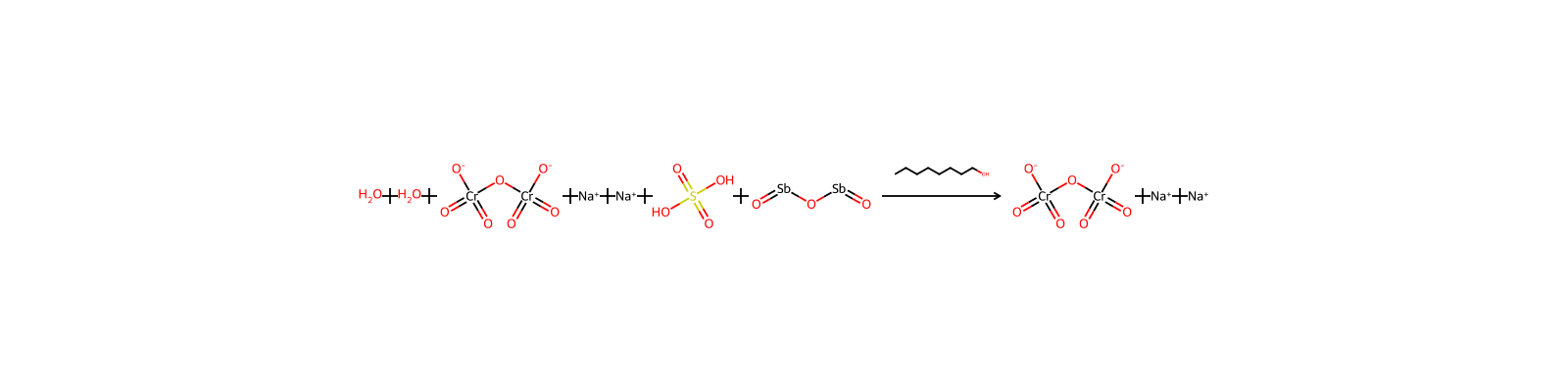
HRID 255397反応物として
Oxo(oxostibanyloxy)stibane

1309-64-4[O]=[Sb][O][Sb]=[O]ADCOVFLJGNWWNZ-UHFFFAOYSA-NAntimony trioxide is the chemical compound with the formula Sb2O3. It is the most important commercial compound of antimony. It is found in nature as the minerals valentinite and senarmontite. Antimony is a metallic element with the chemical symbol Sb and atomic number 51. Small amounts of antimony are found in the earth's crust. (L741, L760)
Plastics -> Polyolefin-I; Polyolefin-II; PVC (soft); ABS; PA
Plastics -> Flame retardants
安全情報は参考情報です。供給元の安全データシート(SDS)、適用法令、専門家による評価に代わるものではありません。
Following oral exposure to antimony, administer charcoal as a slurry (240 mL water/30 g charcoal). Following inhalation exposure, move patient to fresh air. Monitor for respiratory distress. If cough or difficulty breathing develops, evaluate for respiratory tract irritation, bronchitis, or pneumonitis. Administer oxygen and assist ventilation as required. Treat bronchospasm with inhaled beta2 agonist and oral or parenteral corticosteroids. In case of eye exposure, irrigate exposed eyes with copious amounts of room temperature water for at least 15 minutes. Following dermal exposure, remove contaminated clothing and wash exposed area thoroughly with soap and water. A physician may need to examine the area if irritation or pain persists. (T36)
Dermal exposure to antimony can cause antimony spots (papules and pustules around sweat and sebaceous glands). Antimony poisoning can also lead to pneumoconiosis. Alterations in pulmonary function and other effects including chronic bronchitis, chronic emphysema, inactive tuberculosis, pleural adhesions, and irritation can result from inhalation of antimony. Increased blood pressure can also result from antimony poisoning. Myocardial depression, vasodilation and fluid loss may cause shock with hypotension, electrolyte disturbances and acute renal failure. Cerebral oedema, coma, convulsions, and death are possible. (L741)
The inhalation data suggest that the myocardium is a target of antimony toxicity. It is possible that antimony affects circulating glucose by interfering with enzymes of the glycogenolysis and gluconeogenesis pathways. The mechanism of action of antimony remains unclear. However, some studies suggest that antimony combines with sulfhydryl groups including those in several enzymes important for tissue respiration. The antidotal action of BAL depends on its ability to prevent or break the union between antimony and vital enzymes. Moreover, the The cause of death is believed to be essentially the same as that in acute arsenic poisoning. Antimony trioxide poisoning can lead to increased serum alanine aminotransferase and aspartate aminotransferase activities. The mechanism of action of antimony trioxide remains unclear (T18, L741, A238)
Antimony is widely distributed throughout the body. The hair and skin contain the highest levels of antimony. The adrenal glands, lung, large intestine, trachea, cerebellum, and kidneys also contain relatively high levels of antimony. Blood is the main vehicle for the transport of absorbed antimony to various tissue compartments of the body. Antimony is a metal and, therefore, does not undergo catabolism. Antimony can covalently interact with sulfhydryl groups and phosphate, as well as numerous reversible binding interactions with endogenous ligands (e.g., proteins). It is not known if these interactions are toxicologically significant. Antimony is excreted via the urine and feces. Some of the fecal antimony may represent unabsorbed antimony that is cleared from the lung via mucociliary action into the esophagus to the gastrointestinal tract. (L741)
Plastics -> Typical concentration range in plastic materials -> 8%
Breathing air, drinking water, and eating foods that contain antimony. Exposure can also occur through dermal or skin contact (L741).
Plastics -> Flame retardants
Plastics -> Polymer Type -> Polyolefin-I; Polyolefin-II; PVC (soft); ABS; PA
解説酸化アンチモンとは、アンチモンの酸化物の総称であり、酸化アンチモン(Ⅲ)、酸化アンチモン(IV)、酸化アンチモン(V)のことです。 酸化アンチモン(Ⅲ) は、三酸化アンチモン、三酸化二アンチモンとも呼ばれる物質で、組成式はSb2O3
用途アンチモン塩類原料、ペイント等の白色原料三酸化アンチモンは金属アンチモンから生成される。アンチモン製品のうち最も需要が多いのは三酸化アンチモンであり、主にハロゲンを含む塩ビ樹脂等を除く合成樹脂や合成ゴム等に、臭素化合物などのハロゲン化合物と共に練りこんで難燃性を高める助剤として使用されているほか、ポリエチレンテレフタレート(以下、PET)の重合触媒、自動車ブレーキパッド、顔料、高級ガラスの気泡を消す清澄剤などのガラス添加剤、抵抗素子やコンデンサ等の電子部品な
説明This hard shiny metal is often alloyed to other elements. It is used in various industrial fields, such as those making or using batteries, printing machines, bearing, textiles, and ceramics. It caused positive patch test reactions in two workers in a ceramics industry.


1309-64-4DTXSID4023880化学的特性三価アンチモン水酸化物は化学式でSb2O3・nH2Oと表される化合物ですこの物質はアンチモンの酸化物と水分子が結合した形で存在し特に産業界や科学研究において重要な役割を果たしています三価アンチモン水酸化物はその特性により防火剤触媒ガラス製造の添加物など様々な用途で利用されています
化学的特性White or gray mineral, sometimes pale red, white streak and adamantine or silky luster. Mohs hardness 2–3.
Abdominal pain, vomiting, diarrhea can result from inhalation of antimony. Dyspnea, headache, vomiting,cough, conjunctivitis, and bloody purulent discharge from nose can result from inhalation exposure. Skin or eye contact can cause pain and redness of the exposed surface. (T64, L741)
天然物の起源Antimony trioxide occurs in nature as minerals, valentinite [1317-98-2] and senarmontinite [12412-52-1]. It is used as a flame retardant in fabrics; as an opacifier in ceramics, glass and vitreous enamels; as a catalyst; as a white pigment in paints; as a mortar in the manufacture of tartar emetic; and in the production of metallic antimony.
使用manufacture of tartar emetic; as paint pigment; in enamels and glasses; as mordant; in flame-proofing canvas.
一般的な説明Diantimony trioxide is a white crystalline solid. Diantimony trioxide is insoluble in water. The primary hazard is the threat to the environment. Immediate steps should be taken to limit its spread to the environment. Diantimony trioxide is used to fireproof fabrics, paper and plastics, as a paint pigment and for many other uses.
使用用途酸化アンチモンの中で最も利用されているのは、酸化アンチモン(Ⅲ)です。酸化アンチモン(Ⅲ)は、難燃剤として合成樹脂やゴム、繊維等に使用されています。プラスチック等の合成樹脂においては、樹脂の特性を損なわないよう少ない添加量で難燃性を発揮させるために、ハロゲン化合物と併用されています。 また、ガラスに添加することで透明性が上がることからガラスの清澄剤としても使用されている物質です。その他では、酸化アンチモン (Ⅲ) は、白色の顔料や重合触媒などに用いられています。
製造方法Antimony trioxide is obtained by roasting stibnite:2 Sb2S3 + 9 O2 → 2Sb2O3 + 6SO2Temperature and air feed is carefully controlled in the process to suppress any formation of antimony tetroxide (Sb2O4). Antimony trioxide is separated from any arsenic trioxide (As2O3) that may be present as an impurity by volatilization, as the latter is much more volatile than the former. It may be also prepared by alkaline hydrolysis of antimony trichloride and subsequent dehydration of hydrous oxide under controlled heating (rapid or vigorous heating may partially oxidize Sb(III) to Sb(V).Antimony trioxide also may be made by heating the metallic element with oxygen or air. The volatilizing trioxide is condensed and collected.
定義A white insoluble solid. It is an amphoteric oxide with a strong tendency to act as a base. It can be prepared by direct oxidation by air, oxygen, or steam and is formed when antimony(III) chloride is hydrolyzed by excess boiling water.