クロロヒドロキノン
Chlorohydroquinone

基本情報
- CAS
615-67-8- 標準SMILES
Oc1ccc(O)c(Cl)c1- InChIKey
AJPXTSMULZANCB-UHFFFAOYSA-N- 分子式
- C6H5ClO2
- 平均分子量
- 144.55 g/mol
- 単同位体質量
- 143.99780708
概要
Chlorohydroquinone is a benzenediol that consists of hydroquinone bearing a single chloro substituent. It has a role as a metabolite. It is a member of chlorohydroquinones and a member of monochlorobenzenes.
名称と識別子
- 優先名称
- Chlorohydroquinone
- IUPAC
- 2-chlorobenzene-1,4-diol
- 現地名
- クロロヒドロキノン
- 英語名
- Chlorohydroquinone
- 分子式
- C6H5ClO2
- 分子量
- 144.56
名称と別名
chlorohydroquinone615-67-82-chlorobenzene-1,4-diol2-ChlorohydroquinoneChloroquinolMonochlorohydroquinone2-Chloro-1,4-benzenediol1,4-Benzenediol, 2-chloro-Hydroquinone, chloro-2-Chloro-1,4-dihydroxybenzene2,5-Dihydroxychlorobenzene1,4-Dihydroxy-2-chlorobenzene
名称をさらに表示
クロロヒドロキノン2-クロロ-1,4-ジヒドロキシベンゼンモノクロロヒドロキノン2-クロロ-1,4-ベンゼンジオールモノクロロハイドロキノンクロロキノール2-クロロヒドロキノン1-クロロ-2,5-ジヒドロキシベンゼン5-クロロヒドロキノン2-クロロベンゼン-1,4-ジオール2-クロロヒドロキノン, TECH2-クロロヒドロキノン, tech. 90%chlorhydrochinonCHLOROHYDROCHINONchloro-hydroquinon2-Chlorohydroquininechloro-p-hydroquinoneChlorohydroquinone,99%
2-Chloro-1,4-hydroxyquinone1,4-Dihydroxyl-2-chlorobenzeneNSC-42793SNN9E3372-CHLORO-1,4-HYDROQUINONENSC-5934DTXSID4060656CHEBI:27675
データベース識別子
- CAS
615-67-8- PubChem CID
- 301
- DTXSID
DTXSID4060656- ChEBI
CHEBI:27675- UNII
- 93SNN9E337
- EC Number
- 210-442-8
- Nikkaji
- J86.748I
物性
構造計算による物性
- XLogP
- 1.4
- 極性表面積
- 40.5 Ų
- 水素結合供与体数
- 2
- 水素結合受容体数
- 2
- 回転可能結合数
- 0
- 重原子数
- 9
- 形式電荷
- 0
- 複雑度
- 97.1
実験および物理化学的性質
Chemical ClassesOther Classes -> Halogenated Monoaromatics
SpringerMaterials PropertiesBoiling point
LogP
log Kow = 1.40
1.4
Color/FormWHITE TO LIGHT-TAN FINE CRYSTALS
SolubilityVERY SOL IN WATER AND ALC, SLIGHTLY SOL IN ETHER
Boiling Point263 °C
DecompositionWhen heated to decomposition it emits toxic fumes ... .
Melting Point100 °C
Physical DescriptionWhite to light tan solid; [Hawley] Light brown powder; [MSDSonline]
物理化学的性質
- 融点
- 100 · 100-104 °C (lit.)
- 沸点
- 263 °C · 263 °C (lit.)
- 比重(密度)
- 1.2558 · 1.2558 (rough estimate)
安全と法規制
安全情報は参考情報です。供給元の安全データシート(SDS)、適用法令、専門家による評価に代わるものではありません。
GHS分類
GHS Classification
Danger
H302 (18.4%): Harmful if swallowed [Warning Acute toxicity, oral]
P261, P262, P264, P264+P265, P270, P271, P272, P280, P301+P317, P302+P352, P304+P340, P305+P351+P338, P316, P319, P321, P330, P332+P317, P333+P317, P337+P317, P361+P364, P362+P364, P403+P233, P405, and P501 (click each P-code to see the statement)
Aggregated GHS information provided per 49 reports by companies from 7 notifications to the ECHA C&L Inventory. Each notification may be associated with multiple companies.
危険有害性情報
Regulatory InformationTP - indicates a substance that is the subject of a proposed TSCA section 4 test rule.
Hazards SummaryNot mutagenic in assays with Ames salmonella TA100 strain; Emergency medical treatment: see Hydroquinone-quinone; [HSDB] An irritant; [MSDSonline] See Hydroquinone.
Hazard Classes and CategoriesAcute Tox. 4 (18.4%)
安全と保護具
Disposal Methods
SRP: At the time of review, criteria for land treatment or burial (sanitary landfill) disposal practices are subject to significant revision. Prior to implementing land disposal of waste residue (including waste sludge), consult with environmental regulatory agencies for guidance on acceptable disposal practices.
毒性情報
Human Toxicity Excerpts
IRRITATING BUT NOT CORROSIVE. HUMAN POISONINGS HAVE BEEN REPORTED FROM MIXTURE OF HYDROQUINONE & METOL. SYSTEMIC ACTIONS LIKE PHENOL, BUT IN ADDITION TREMORS & CONVULSIONS ARE PROMINENT, PLUS AN OCCASIONAL SEVERE HEMOLYTIC ANEMIA (SUBSEQUENT TO METHEMOGLOBINEMIA?). /HYDROQUINONE/
化学と産業
薬理情報
Metabolism/MetabolitesYIELDS 3-CHLORO-4-HYDROXYPHENYL-BETA-D-GLUCURONIDE IN RABBIT. /FROM TABLE/
用途と製造
Uses
Used as photographic developer, organic intermediate, bactericide, and in dyestuffs; [Hawley]
Using Disinfectants or Biocides [Category: Clean]
PHOTOGRAPHIC DEVELOPER; ORGANIC INTERMEDIATE; IN DYESTUFFS; BACTERICIDE
Methods of ManufacturingChlorination of hydroquinone.
Formulations/Preparations
EDWAL LIQUID CHQ- CHLOROHYDROQUINONE, 10% SOLN.
GRADES: PHOTOGRAPHIC; COMMERCIAL.
General Manufacturing Information1,4-Benzenediol, 2-chloro-: INACTIVE
応用分野
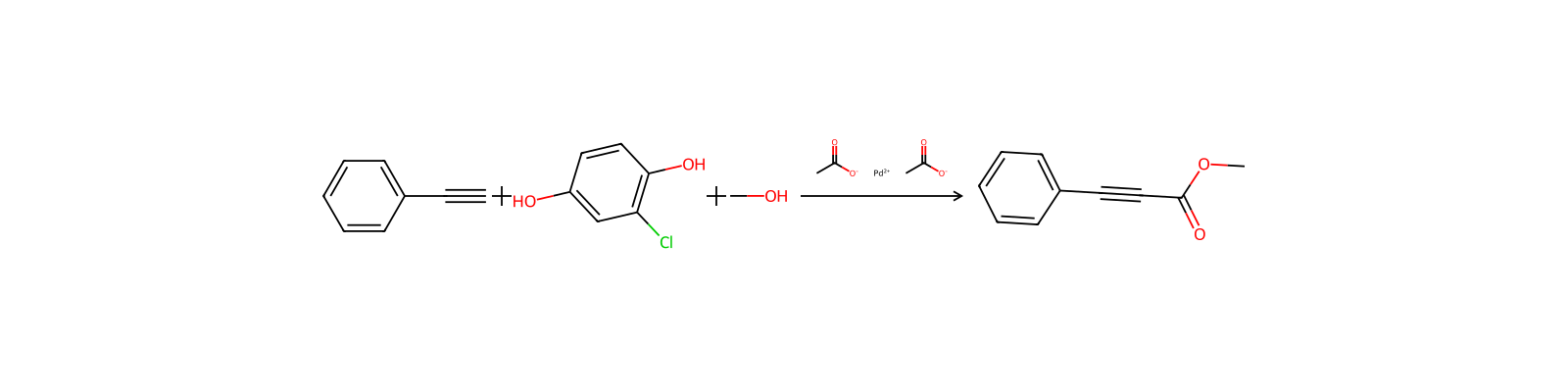
使用Chlorohydroquinone is a component of polyethers based on organotin with potential application to breast cancer treatment via growth inhibition. Also a component in the synthesis of contraceptive agents in pharmaceutical compounds. It is also used within hydroxylation and catalysis organic reactions in the synthesis of pharmacologically active phenolic compounds.
調製方法
製造方法Chlorohydroquinone is obtained by reacting p-benzoquinone with hydrochloric acid. First dissolve p-benzoquinone with chloroform and pass dry hydrogen chloride gas under cooling to obtain.
純化方法Crystallise the hydroquinone from CHCl3 or toluene. [Beilstein 6 IV 5767.]
上流・下流製品情報
関連反応
10 件


化合物ノート
読み込み中…