

基本情報
- 標準SMILES
Cc1cc(C(C)(C)C)c(O)c(C(C)(C)C)c1- InChIKey
NLZUEZXRPGMBCV-UHFFFAOYSA-N- 分子式
- C15H24O
- 平均分子量
- 220.35 g/mol
- 単同位体質量
- 220.18271539
概要
Butylated hydroxytoluene is a white crystalline solid. (NTP, 1992)
名称と識別子
- 優先名称
- 2,6-Di-tert-butyl-4-methylphenol
- IUPAC
- 2,6-ditert-butyl-4-methylphenol
- 現地名
- 3,5-ジ-tert-ブチル-p-クレゾール
- 英語名
- 3,5-di-tert-butyl-4-hydroxytoluene
- 分子式
- C15H24O
- 分子量
- 220.35
名称と別名
2,6-Di-tert-butyl-4-methylphenol128-37-0Butylhydroxytoluene2,6-Di-tert-butyl-p-cresol2,6-Di-t-butyl-4-methylphenolIonolStavoxDBPCImpruvolDalpacDeenaxIonole
名称をさらに表示
3,5-ジ-tert-ブチル-p-クレゾール3,5-ジ-tert-ブチル-4-メチルフェノール3,5-ジtert-ブチル-4-メチルフェノールPhenol, 3,5-bis(1,1-dimethylethyl)-4-methyl-
KerabitTopanolVianolIonol CPAntioxidant KBAntioxidant 4KSumilizer BHTTopanol O
データベース識別子
- CAS
128-37-0、950-56-1- PubChem CID
- 31404
- DTXSID
DTXSID2020216- ChEMBL
CHEMBL146- ChEBI
CHEBI:34247- UNII
- 1P9D0Z171K
- EC Number
- 204-881-4
- Nikkaji
- J2.939D
物性
構造計算による物性
- XLogP
- 5.3
- 極性表面積
- 20.2 Ų
- 水素結合供与体数
- 1
- 水素結合受容体数
- 1
- 回転可能結合数
- 2
- 重原子数
- 16
- 形式電荷
- 0
- 複雑度
- 207
実験および物理化学的性質
Chemical Classes
Other Uses -> Preservatives
Antioxidant
Polymers
Plastics -> Antioxidants
Plastics -> N.a.
CosmeticsAntioxidant
SpringerMaterials Properties13C nuclear magnetic resonance spectrum
FragrancesFragrance Ingredient (Butylated hydroxytoluene) -> IFRA transparency List
LogP
log Kow = 5.10
5.10
5.1
5.1
OdorVery faint, musty, occasional cresylic-type odor
TasteTasteless
Food AdditivesANTIOXIDANT, FLAVOR ENHANCER, FLAVORING AGENT OR ADJUVANT -> FDA Substance added to food
Density
1.048 at 68 °F (NTP, 1992) - Denser than water; will sink
1.048 at 20 °C/4 °C
Density: 0.8937 g/cu cm at 75 °C
1.03-1.05 g/cm³
1.05
1.05
Viscosity3.47 centistokes at 0 °C; 1.54 centistokes at 120 °C
Color/Form
White, crystalline solid
Crystals
Pale yellowish crystalline powder
White to pale-yellow, crystalline solid.
安全と法規制
GHS分類
GHS Classification
This chemical does not meet GHS hazard criteria for 4.6% (306 of 6619) of reports.
Warning
H400 (42.6%): Very toxic to aquatic life [Warning Hazardous to the aquatic environment, acute hazard]
P273, P391, and P501 (click each P-code to see the statement)
Aggregated GHS information provided per 6619 reports by companies from 92 notifications to the ECHA C&L Inventory. Each notification may be associated with multiple companies.
Danger
危険有害性情報
Regulatory Information
Chemical: Phenol, 2,6-bis(1,1-dimethylethyl)-4-methyl-
Regulation (EC) No 1831/2003 (amended)
Phenol, 2,6-bis(1,1-dimethylethyl)-4-methyl- is listed on the EPA's Chemical Data Reporting (CDR) system. Manufacturers and importers of Phenol, 2,6-bis(1,1-dimethylethyl)-4-methyl- are required to report information about their production and use of this chemical to the EPA under the Toxic Substances Control Act (TSCA). (40 eCFR Part 711)
Status: Active Update: 17-02-2023 https://echa.europa.eu/registration-dossier/-/registered-dossier/15975
Butylated hydroxytoluene: Does not have an individual approval but may be used under an appropriate group standard
Other Safety InformationIMAP assessments - Phenol, 2,6-bis(1,1-dimethylethyl)-4-methyl-: Human health tier I assessment
Fire Hazards
This chemical is combustible. (NTP, 1992)
Combustible.
Fire Potential
Combustible when exposed to heat or flame.
DBPC is a combustible solid but does not readily ignite.
Health HazardsExcerpt from NIOSH Pocket Guide for 2,6-Di-tert-butyl-p-cresol:
Hazards Summary
Permitted in food at levels up to 200 ppm; Despite its widespread use, BHT is a rare skin sensitizer; Percent positive patch test responses were 0.1% in a US series in 1992-4; Contact urticaria has been reported; [Marks, p. 138-9] May have effects on the liver; [ICSC]
FDA Requirements
The food additive BHT (butylated hydroxytoluene), alone or in combination with other antioxidants permitted in this subpart B may be safely used in or on specified foods, as follows: (a) The BHT meets the following specification: Assay (total BHT) 99 percent minimum. (b) The BHT is used alone or in combination with BHA, as an antioxidant in foods, as follows:[Table#2878]
The food additive chewing gum base may be safely used in the manufacture of chewing gum in accordance with the following prescribed conditions: (a) The food additive consists of one or more of the following substances that meet the specifications and limitations prescribed in this paragraph, used in amounts not to exceed those required to produce the intended physical or other technical effect. Butylated hydroxytoluene is included on this list. Not to exceed antioxidant content of 0.1% when used alone or in any combination.
Butylated hydroxytoluene is an indirect food additive for use only as a component of adhesives.
Substances classified as antioxidants, when migrating from food-packaging material (limit of addition to food 0.005 percent) shall include: butylated hydroxytoluene.
For more FDA Requirements (Complete) data for 2,6-DI-T-BUTYL-P-CRESOL (6 total), please visit the HSDB record page.
Reactive GroupPhenols and Cresols
Special ReportsDHEW/NCI; Bioassay of Butylated Hydroxytoluene for Possible Carcinogenicity (1979) Technical Rpt Series No. 150 DHEW Pub No. (NIH) 79-1706
FIFRA Requirements
Residues of butylated hydroxytoluene are exempted from the requirement of a tolerance when used as an antioxidant in accordance with good agricultural practice as inert (or occasionally active) ingredients in pesticide formulations applied to growing crops or to raw agricultural commodities after harvest.
Residues of butylated hydroxytoluene are exempted from the requirement of a tolerance when used as a antioxidant in accordance with good agricultural practice as inert (or occasionally active) ingredients in pesticide formulations applied to animals.
OSHA StandardsVacated 1989 OSHA PEL TWA 10 mg/cu m is still enforced in some states.
Reactivity Profile
Phenols, such as BUTYLATED HYDROXYTOLUENE, do not behave as organic alcohols, as one might guess from the presence of a hydroxyl (-OH) group in their structure. Instead, they react as weak organic acids. Phenols and cresols are much weaker as acids than common carboxylic acids (phenol has pKa = 9.88). These materials are incompatible with strong reducing substances such as hydrides, nitrides, alkali metals, and sulfides. Flammable gas (H2) is often generated, and the heat of the reaction may ignite the gas. Heat is also generated by the acid-base reaction between phenols and bases. Such heating may initiate polymerization of the organic compound. Phenols are sulfonated very readily (for example, by concentrated sulfuric acid at room temperature). The reactions generate heat. Phenols are also nitrated very rapidly, even by dilute nitric acid. Nitrated phenols often explode when heated. Many of them form metal salts that tend toward detonation by rather mild shock. May react with oxidizing materials. (NTP, 1992)
安全と保護具
Fire Fighting
Fires involving this compound should be controlled with a dry chemical, carbon dioxide or Halon extinguisher. (NTP, 1992)
Use water spray, powder, foam, carbon dioxide. In case of fire: keep drums, etc., cool by spraying with water.
First Aid Measures
Fresh air, rest. Refer for medical attention.
Remove contaminated clothes. Rinse and then wash skin with water and soap.
First rinse with plenty of water for several minutes (remove contact lenses if easily possible), then refer for medical attention.
Rinse mouth. Rest. Refer for medical attention .
First Aid
EYES: First check the victim for contact lenses and remove if present. Flush victim's eyes with water or normal saline solution for 20 to 30 minutes while simultaneously calling a hospital or poison control center. Do not put any ointments, oils, or medication in the victim's eyes without specific instructions from a physician. IMMEDIATELY transport the victim after flushing eyes to a hospital even if no symptoms (such as redness or irritation) develop.
(General first aid procedures)
Safe StorageSeparated from strong oxidants and strong bases. Well closed.
Exposure Control and Personal Protection10.0 [mg/m3], inhalable fraction[German Research Foundation (DFG)]
Fire Fighting Procedures
Suitable extinguishing media: Use water spray, alcohol-resistant foam, dry chemical or carbon dioxide.
Advice for firefighters: Wear self-contained breathing apparatus for firefighting if necessary.
To fight fire, use carbon dioxide, dry chemical.
Use dry chemical, carbon dioxide, water spray, or alcohol foam extinguishers. Water or foam may cause frothing. ... If material or contaminated runoff enters waterways, notify downstream users of potentially contaminated waters. Notify local health and fire officials and pollution control agencies. From a secure, explosion-proof location, use water spray to cool exposed containers. If cooling streams are ineffective (venting sound increases in volume and pitch, tank discolors, or shows any signs of deforming), withdraw immediately to a secure position. ... The only respirators recommended for firefighting are self-contained breathing apparatuses that have full face-pieces and are operated in a pressure-demand or other positive-pressure mode.
Storage Conditions
Keep container tightly closed in a dry and well-ventilated place. Storage class (TRGS 510): Non Combustible Solids.
General storage may be used. .. A regulated, marked area should be established where this chemical is handled, used, or stored in compliance with OSHA Standard 1910.1045. Store in tightly closed containers in a cool, well-ventilated area away from oxidizing agents (such as peroxides, permanganates, chlorates, perchlorates, and nitrates).
Cleanup Methods
ACCIDENTAL RELEASE MEASURES: Personal precautions, protective equipment and emergency procedures: Avoid dust formation. Avoid breathing vapors, mist or gas. Ensure adequate ventilation. Environmental precautions: Prevent further leakage or spillage if safe to do so. Do not let product enter drains. Discharge into the environment must be avoided. Methods and materials for containment and cleaning up: Pick up and arrange disposal without creating dust. Sweep up and shovel. Keep in suitable, closed containers for disposal.
Evacuate persons not wearing protective equipment from area of spill or leak until cleanup is complete. Remove all ignition sources. Collect powdered material in the most convenient and safe manner and deposit in sealed containers. Ventilate area after cleanup is complete. It may be necessary to contain and dispose of this chemical as a hazardous waste. If material or contaminated runoff enters waterways, notify downstream users of potentially contaminated waters.
Nonfire Spill Response
SMALL SPILLS AND LEAKAGE: Should a spill occur while you are handling this chemical, you should dampen the solid spill material with alcohol, then transfer the dampened material to a suitable container. Use absorbent paper dampened with alcohol to pick up any remaining material. Seal the absorbent paper, and any of your clothes, which may be contaminated, in a vapor-tight plastic bag for eventual disposal. Solvent wash all contaminated surfaces with alcohol followed by washing with a strong soap and water solution. Do not reenter the contaminate area until the Safety Officer (or other responsible person) has verified that the area has been properly cleaned.
Disposal Methods
SRP: Recycle any unused portion of the material for its approved use or return it to the manufacturer or supplier. Ultimate disposal of the chemical must consider: the material's impact on air quality; potential migration in air, soil or water; effects on animal, aquatic and plant life; and conformance with environmental and public health regulations. If it is possible or reasonable use an alternative chemical product with less inherent propensity for occupational harm/injury/toxicity or environmental contamination.
SRP: Wastewater from contaminant suppression, cleaning of protective clothing/equipment, or contaminated sites should be contained and evaluated for subject chemical or decomposition product concentrations. Concentrations shall be lower than applicable environmental discharge or disposal criteria. Alternatively, pretreatment and/or discharge to a permitted wastewater treatment facility is acceptable only after review by the governing authority and assurance that "pass through" violations will not occur. Due consideration shall be given to remediation worker exposure (inhalation, dermal and ingestion) as well as fate during treatment, transfer and disposal. If it is not practicable to manage the chemical in this fashion, it must be evaluated in accordance with EPA 40 CFR Part 261, specifically Subpart B, in order to determine the appropriate local, state and federal requirements for disposal.
Product: Offer surplus and non-recyclable solutions to a licensed disposal company; Contaminated packaging: Dispose of as unused product.
Spillage Disposal
Personal protection: particulate filter respirator adapted to the airborne concentration of the substance. Do NOT let this chemical enter the environment. Sweep spilled substance into covered containers. Carefully collect remainder. Then store and dispose of according to local regulations.
Preventive Measures
ACCIDENTAL RELEASE MEASURES: Personal precautions, protective equipment and emergency procedures: Avoid dust formation. Avoid breathing vapors, mist or gas. Ensure adequate ventilation. Environmental precautions: Prevent further leakage or spillage if safe to do so. Do not let product enter drains. Discharge into the environment must be avoided.
Precautions for safe handling: Further processing of solid materials may result in the formation of combustible dusts. The potential for combustible dust formation should be taken into consideration before additional processing occurs. Provide appropriate exhaust ventilation at places where dust is formed.
Appropriate engineering controls: Handle in accordance with good industrial hygiene and safety practice. Wash hands before breaks and at the end of workday.
Gloves must be inspected prior to use. Use proper glove removal technique (without touching glove's outer surface) to avoid skin contact with this product. Dispose of contaminated gloves after use in accordance with applicable laws and good laboratory practices. Wash and dry hands.
For more Preventive Measures (Complete) data for 2,6-DI-T-BUTYL-P-CRESOL (11 total), please visit the HSDB record page.
毒性情報
Body Burden2,6-Di-t-butyl-p-cresol was detected not quantified in 1 of 12 expired air samples from nine residents of Bayonne and Elizabeth, NJ and 3 volunteers in Research Triangle Park, NC, collected between July and December 1980(1).
Treatment
For acute exposure: EYES: irrigate opened eyes for several minutes under running water. INGESTION: do not induce vomiting. Rinse mouth with water (never give anything by mouth to an unconscious person). Seek immediate medical advice. SKIN: should be treated immediately by rinsing the affected parts in cold running water for at least 15 minutes, followed by thorough washing with soap and water. If necessary, the person should shower and change contaminated clothing and shoes, and then must seek medical attention. INHALATION: supply fresh air. If required provide artificial respiration.
Interactions
During the DPPH scavenging assay carried out in non polar and non protic solvents, such as toluene, BHT regenerates alpha-tocopherol from tocopheryl radical, whereas in polar and protic solvents, like methanol, no regeneration is observed due to a fast electron transfer reaction from the tocopheryl radical to the reactive DPPH radical. ... In the presence of a small amount of alcohol, the synergy is exalted and BHT regenerates twice as much alpha-tocopherol due to a nucleophilic addition of short alcohols on the BHT oxidation product, giving a new phenolic co-antioxidant.
The natural retinoid, retinyl acetate (RA), and the phenolic antioxidant, butylated hydroxytoluene (BHT), are both effective inhibitors of mammary carcinogenesis in rats. The present study was designed to determine if an increased inhibition of mammary carcinogenesis is obtained when RA and BHT are administered in combination. At age 50 days (time 0), virgin, female Sprague-Dawley rats received a single intragastric instillation of 16 mg of 7,12-dimethylbenz(a)anthracene dissolved in 1 mL sesame oil. Groups of 30 carcinogen-treated rats received Wayne Lab Chow supplemented with (per kg diet) 250 mg RA, 5000 mg BHT, or 250 mg RA plus 5000 mg BHT by the following schedule: -2 to +1 week; +1 week until the end of the experiment; -2 weeks to end; or none. Combined administration of RA plus BHT by the -2 weeks to end schedule was more effective in mammary cancer chemoprevention than was RA alone or BHT alone; the interaction of RA and BHT was additive. Similarly, administration of RA plus BHT by the -2 weeks to end protocol was more active in chemoprevention than was RA plus BHT administered either from weeks -2 to +1 or +1 week to end. Chronic exposure to RA plus BHT induced a high incidence of hepatic fibrosis and bile duct hyperplasia; these changes were not observed in controls and were seen in low incidence in animals exposed to RA only or BHT only. These data indicate that enhanced anticarcinogenic activity can be obtained through the use of "combination chemoprevention" regimens; however, chemopreventive compounds may interact not only to inhibit carcinogenesis but also to induce toxicity.
The individual and combined (binary mixtures) (anti)androgenic effect of butylparaben (BuPB), butylated hydroxyanisole (BHA), butylated hydroxytoluene (BHT) and propyl gallate (PG) was evaluated using the MDA-kb2 cell line. Exposing these cells to AR agonists results in the expression of the reporter gene (encoding for luciferase) and luminescence can be measured in order to monitor the activity of the reporter protein. In case of the evaluation of the anti-androgenic effect, the individual test compounds or binary mixtures were tested in the presence of a fixed concentration of a strong AR agonist (1000 pM 5-alpha-dihydrotestosterone; DHT). Cell viability was assessed using a resazurin based assay. For PG, this is the first report in the literature concerning its (anti)androgenic activity. In case of both individual and mixture testing none of the compounds or binary combinations showed androgenic activity. When tested in the presence of DHT, BuPB, BHA and BHT proved to be weak anti-androgens and this was confirmed during the evaluation of binary mixtures (BuPB+BHA, BuPB+BHT and BHA+BHT). Besides performing the in vitro testing of the binary combinations, two mathematical models (dose addition and response addition) were evaluated in terms of accuracy of prediction of the anti-androgenic effect of the selected binary mixtures. The dose addition model guaranteed a good correlation between the experimental and predicted data. However, no estimation was possible in case of mixtures containing PG, due to the lack of effect of the compound in case of the individual testing.
The aim of this study was to compare the effects of L-arginine (L-arg) and food-antioxidant butylated hydroxytoluene (BHT) against oxidative stress of Escherichia coli endotoxin (LPS) in the liver. Ninety Wistar albino rats were assigned in three groups. Rats received one of the following pre-treatment previous to 5 mg/kg LPS intraperitoneally: saline, L-arg (NO donor, 100 mg/kg), or BHT (250 mg/kg/day), for 3 days. At second, fourth and sixth hours, plasma nitrite-plus-nitrate, circulating liver enzymes, glutathione levels, superoxide dismutase, glutathione peroxidase activities were measured. The most remarkable liver injury was evident in BHT pre-treated animals at all time points compared to L-arg pre-treated rats. While BHT enhanced superoxide dismutase activities following LPS, glutathione decreased simultaneously compared to L-arg group. ...
For more Interactions (Complete) data for 2,6-DI-T-BUTYL-P-CRESOL (15 total), please visit the HSDB record page.
Target OrgansEyes, skin
Health Effects
BHT is of low acute toxicity. Acute exposure to BHT can cause coughs and sore throat (inhalation), redness on the skin (via contact) and abdominal pain, confusion, dizziness and nausea (via ingestion). Long-term exposure to high doses of BHT is toxic in mice and rats, causing liver, thyroid and kidney problems and affecting lung function and blood coagulation. BHT can act as a tumour promoter in certain situations (A15353) although it is not a genotoxic carcinogen. Limited evidence suggests that high doses of BHT may mimic estrogen (A15354), the primary female sex hormone, and prevent expression of male sex hormones, resulting in adverse reproductive affects. On chronic oral exposure of rats, liver and thyroid are the main targets. Doses above 25 mg/kg bw/day BHT resulted in thyroid hyperactivity and enlargement of the liver.
Ecotoxicity Values
EC50; Species: Daphnia pulex (Water Flea) age <24 hr, neonate; Conditions: freshwater, static, 17 °C; Concentration: 1440 ug/L for 48 hr; Effect: intoxication, immobilization /> or =96% purity/
LC50; Species: Oryzias latipes (Japanese Medaka); Conditions: freshwater, static, 10 °C; Concentration: 17500 ug/L for 24 hr /formulation/
LC50; Species: Oryzias latipes (Japanese Medaka); Conditions: freshwater, static, 20 °C; Concentration: 13500 ug/L for 24 hr /formulation/
LC50; Species: Oryzias latipes (Japanese Medaka); Conditions: freshwater, static, 30 °C; Concentration: 5300 ug/L for 24 hr /formulation/
For more Ecotoxicity Values (Complete) data for 2,6-DI-T-BUTYL-P-CRESOL (9 total), please visit the HSDB record page.
Environmental Fate
TERRESTRIAL FATE: Based on a classification scheme(1), an estimated Koc value of 1.5X10+4(SRC), determined from a structure estimation method(2), indicates that 2,6-di-t-butyl-p-cresol is expected to be immobile in soil(SRC). Volatilization of 2,6-di-t-butyl-p-cresol from moist soil surfaces is expected to be an important fate process(SRC) given an estimated Henry's Law constant of 2.5X10⁻³ atm-cu m/mole(SRC), using a fragment constant estimation method(3). However, adsorption to soil is expected to attenuate volatilization(SRC). 2,6-Di-t-butyl-p-cresol is not expected to volatilize from dry soil surfaces(SRC) based upon a vapor pressure of 5.16X10⁻³ mm Hg at 25 °C(4). Utilizing three soil innocula, 48.4-57.3% biodegradation was reached in 24 days(5) indicating that biodegradation is not an important environmental fate process in soil(SRC).
AQUATIC FATE: Based on a classification scheme(1), an estimated Koc value of 1.5X10+4(SRC), determined from a structure estimation method(2), indicates that 2,6-di-t-butyl-p-cresol is expected to adsorb to suspended solids and sediment(SRC). Volatilization from water surfaces is expected(3) based upon an estimated Henry's Law constant of 2.5X10⁻³ atm-cu m/mole(SRC), developed using a fragment constant estimation method(4). Using this Henry's Law constant and an estimation method(3), volatilization half-lives for a model river and model lake are 5 hrs and 6 days, respectively(SRC). According to a classification scheme(5), BCF values of 330-1800, 230-2500 and 220-2800(6) suggest that bioconcentration in aquatic organisms is high to very high, provided the compound is not metabolized by the organism(SRC). Utilizing a sludge innocula, 4.5% of the Theoretical BOD was reached in four weeks(6) indicating that biodegradation is not an important environmental fate process in water(SRC).
ATMOSPHERIC FATE: According to a model of gas/particle partitioning of semivolatile organic compounds in the atmosphere(1), 2,6-di-t-butyl-p-cresol, which has a vapor pressure of 5.16X10⁻³ mm Hg at 25 °C(2), is expected to exist solely as a vapor in the ambient atmosphere. Vapor-phase 2,6-di-t-butyl-p-cresol is degraded in the atmosphere by reaction with photochemically-produced hydroxyl radicals(SRC); the half-life for this reaction in air is estimated to be 0.6 days(SRC), calculated from its rate constant of 1.8X10⁻¹¹ cu cm/molecule-sec at 25 °C(SRC) that was derived using a structure estimation method(3). 2,6-Di-t-butyl-p-cresol absorbs at wavelengths >290 nm(4) and, therefore, may be susceptible to direct photolysis by sunlight(SRC).
Food Survey Values2.6-Di-t-butyl-p-cresol was detected in raw beef volatiles (volatile fraction 7.82%)(1). It was detected, not quantified in volatiles from roasted filbrets(2).
Adverse EffectsOccupational hepatotoxin - Secondary hepatotoxins: the potential for toxic effect in the occupational setting is based on cases of poisoning by human ingestion or animal experimentation.
Exposure Routes
The substance can be absorbed into the body by inhalation of its aerosol and by ingestion.
inhalation, ingestion, skin and/or eye contact
Ingestion; Inhalation
Toxicity Summary
IDENTIFICATION AND USE: Butylated hydroxytoluene( BHT) is a white, crystalline, odorless solid. It is used as an antioxidant for fats and oils or in packaging material for fat containing foods. HUMAN EXPOSURE AND TOXICITY: Potential symptoms of overexposure are irritation of eyes and skin. ANIMAL STUDIES: Rats fed high doses of BHT, showed increases in serum cholesterol in both sexes. Groups of weanling rats fed BHT in conjunction with lard supplementation had a reduction in growth rate, especially in males. BHT also increased absolute liver weight and the ratio of liver weight to body weight in both sexes. BHT increased the ratio of left adrenal weight to body weight in male rats but had no consistent effect in female rats. BHT administered to rats for 68-82 days caused reduction in rate of increase in weight and fatty infiltration of the liver. BHT was given in feed of rats and mice of both sex at 3000 or 6000 ppm; in rats 105 wk and 107 or 108 wk in mice. No tumors occurred in either sex of rats and mice. When tested for teratogenic properties BHT produced anophthalmia in offspring in rats, but not in mice. BHT administered to pregnant mice for 18 days along with another group fed BHT for 50 to 64 days including 18 das of pregnancy. No fetal abnormalities were observed. In a study using 144 mice, no blindness was observed in any of the 1162 litters representing 7765 offspring born throughout the reproductive life span of the mothers. BHT was tested for mutagenicity in the Salmonella/microsome preincubation assay in 5 Salmonella typhimurium strains (TA1535, TA1537, TA97, TA98, and TA100) in the presence and absence of metabolic activation. BHT was negative in these tests and the highest ineffective dose tested in any Salmonella typhimurium strain was 10 mg/plate. ECOTOXICITY STUDIES: In salmon fed graded levels of BHT during a 12-week feeding followed by a 2-week depuration period, BHT selectively modulated toxicological responses in the xenobiotic biotransformation pathways during the feeding period.
BHT is metabolized to quinone methides (QMs) which are responsible for promoting tumor formation in many animal models. One example of a QM is 2,6-di-tert-butyl-4-methylenecyclohexa-2,5-dienone (BHT-QM). QMs are strongly electrophilic and readily form adducts with proteins. Some of the QM targets include redox proteins such as glutathione S-transferase P1 (GST-P1), peroxiredoxin 6 (Prx6), Cu,Zn-superoxide dismutase (SOD1), carbonyl reductase, and selenium-binding protein 1, which have direct or indirect antioxidant functions. (A15087, A15355). The modification of these proteins leads to decreased cellular protection from electrophiles and oxidants. Alkylation also may interfere with GSTP1 regulation of stress kinases, thereby influencing phosphorylation and cell growth. BHT also binds to the retinoic acid receptor which can lead to changes in cell development.
Average Daily IntakeThe estimated average daily intake does not exceed a few milligrams/day or approximately 0/2 mg/kg body wieght(1).
法規制情報
FDA Requirements
The food additive BHT (butylated hydroxytoluene), alone or in combination with other antioxidants permitted in this subpart B may be safely used in or on specified foods, as follows: (a) The BHT meets the following specification: Assay (total BHT) 99 percent minimum. (b) The BHT is used alone or in combination with BHA, as an antioxidant in foods, as follows:[Table#2878]
The food additive chewing gum base may be safely used in the manufacture of chewing gum in accordance with the following prescribed conditions: (a) The food additive consists of one or more of the following substances that meet the specifications and limitations prescribed in this paragraph, used in amounts not to exceed those required to produce the intended physical or other technical effect. Butylated hydroxytoluene is included on this list. Not to exceed antioxidant content of 0.1% when used alone or in any combination.
Butylated hydroxytoluene is an indirect food additive for use only as a component of adhesives.
Substances classified as antioxidants, when migrating from food-packaging material (limit of addition to food 0.005 percent) shall include: butylated hydroxytoluene.
For more FDA Requirements (Complete) data for 2,6-DI-T-BUTYL-P-CRESOL (6 total), please visit the HSDB record page.
FIFRA Requirements
Residues of butylated hydroxytoluene are exempted from the requirement of a tolerance when used as an antioxidant in accordance with good agricultural practice as inert (or occasionally active) ingredients in pesticide formulations applied to growing crops or to raw agricultural commodities after harvest.
Residues of butylated hydroxytoluene are exempted from the requirement of a tolerance when used as a antioxidant in accordance with good agricultural practice as inert (or occasionally active) ingredients in pesticide formulations applied to animals.
化学と産業
薬理情報
Mechanism of Action
Pro-oxidative effect of phenolic antioxidant (vitamin E) in combination with the initiators on human low-density lipoprotein is known. /It has been/ reported that oxidative stress induced by vitamin E in combination with the herbicide paraquat enhances structural chromosomal damage in cultured anuran leukocytes. In the present study, the phenolic antioxidant vitamin E-synthetic-analogue 2,6-di-tert-butyl-p-cresol (BHT) in combination with paraquat was found to enhance structural chromosomal damage in cultured Pelophylax (Rana) nigromaculatus leukocytes more than paraquat only and paraquat plus nicotinamido adenine dinucleotido phosphate served as positive control, although BHT only had no effect on induction of structural chromosomal damage. Paraquat plus BHT-enhanced structural chromosomal damage was inhibited by combination of the superoxide dismutase mimic Mn(III)tetrakis(1-methyl-4-pyridyl)porphyrin and the hydrogen peroxide scavenger catalase. In test based on reduction of paraquat cation, BHT was found to reduce paraquat cation chemically to paraquat monocation radical. These results suggest that BHT functions in chemically donating electron to paraquat and thereby induces an acute accumulation of reactive oxygen species, resulting in increase in chromosomal damage.
Promotion of lung tumors in mice by the food additive butylated hydroxytoluene (BHT) is mediated by electrophilic metabolites produced in the target organ. Identifying the proteins alkylated by these quinone methides (QMs) is a necessary step in understanding the underlying mechanisms. Covalent adducts of the antioxidant enzymes peroxiredoxin 6 and Cu,Zn superoxide dismutase were detected previously in lung cytosols from BALB/c mice injected with BHT, and complimentary in vitro studies demonstrated that QM alkylation causes inactivation and enhances oxidative stress. In the present work, adducts of another protective enzyme, carbonyl reductase (CBR), were detected by Western blotting and mass spectrometry in mitochondria from lungs of mice one day after a single injection of BHT and throughout a 28-day period of weekly injections required to achieve tumor promotion. BHT treatment was accompanied by the accumulation of protein carbonyls in lung cytosol from sustained oxidative stress. Studies in vitro demonstrated that CBR activity in lung homogenates was susceptible to concentration- and time-dependent inhibition by QMs. Recombinant CBR underwent irreversible inhibition during QM exposure, and mass spectrometry was utilized to identify alkylation sites at Cys 51, Lys 17, Lys 189, Lys 201, His 28, and His 204. Except for Lys 17, all of these adducts were eliminated as a cause of enzyme inhibition either by chemical modification (cysteine) or site-directed mutagenesis (lysines and histidines). The data demonstrated that Lys 17 is the critical alkylation target, consistent with the role of this basic residue in NADPH binding. These data support the possibility that CBR inhibition occurs in BHT-treated mice, thereby compromising one pathway for inactivating lipid peroxidation products, particularly 4-oxo-2-nonenal. These data, in concert with previous evidence for the inactivation of antioxidant enzymes, provide a molecular basis to explain lung inflammation leading to tumor promotion in this two-stage model for pulmonary carcinogenesis.
Biological Half-Life
Solutions of BHT (10 mg/L) were prepared in polyethylene glycol 400-normal saline (1:1). The solutions were infused in rabbits for <2 minutes at a constant rate of 2 mL/min to provide a total dose of 10 mg/kg. ... The fast disposition phase half-life of BHT was approximately 1 hour and the slow disposition phase decayed with a half-life of >11 days. ...
Metabolism/Metabolites
The metabolism of BHT has been investigated extensively in rabbits, rat, mice and man. The principle routes of metabolism of BHT in all species involve oxidation of the para-methyl and of one, or both, of the tert-butyl substituents. Neither mechanism is mutually exclusive. Oxidation of the methyl-group is catalyzed by the microsomal enzyme, BHT-oxidase and several derivatives including the quinone-methide, 2,6-di-tert-butyl-4-methylene-2,5-cyclohexadienone and 4-hydroxy-4-methyl-2,6-di-tert-butyl-cyclahexe-2,5-dienone have been identified in rat liver. Whereas oxidation of the para-methyl substituent is the major route of metabolism in the rat and rabbit, where BHT-acid accounts for approximately 30% of the dose, some 30-40% of the dose in male and female mice and in man is excreted as metabolites involving oxidation of one or both of the tert-butyl groups. BHT is excreted principally in the urine in man whereas in rodents 50-80% is eliminated in the feces. This is presumed to be due to species differences in the molecular weight threshold for biliary excretion.
The biliary metabolism of BHT, BHT-COOH, BHT-OH, and BHT-aldehyde was compared after i.p. or intravenous administration to male Wistar rats. For all four test compounds, the major metabolites in enterohepatic circulation were BHT-COOH and its ester glucuronide. ... Total biliary excretion after treatment with BHT or BHT-aldehyde was less after i.v. dosing than after i.p. dosing. ...
A comparative metabolism study of BHT was conducted in mice and rats. In male and female DDY/Slc mice given single oral doses (20 or 500 mg/kg body weight) of BHT labelled with (14)C at the p-methyl group, (14)C was distributed mainly in the stomach, intestines, liver and kidney, and then excreted in the urine, feces and expired air. During the 7 days after treatment, 41-65, 26-50 and 69% of the (14)C dose was excreted in feces, urine and expired air, respectively, and the total recovery was 96-98%. Levels of (14)C in 21 male and 22 female tissues 7 days after treatment were less than 1 ug BHT equivalents/g tissue (ppm) in mice given 20 mg/kg and less than 11 ppm in mice given 500 mg/kg. When [(14)C]BHT was given orally to male mice at 20 mg/kg/day for 10 days, (14)C was rapidly excreted and did not exhibit any tendency to accumulate in any tissues. Thin-layer chromatography and high-performance liquid chromatography analyses showed that more than 43 metabolites were present in the urine and feces of both species, and all of these were identified to determine metabolic pathways for BHT in mice and rats. Major metabolic reactions of [(14)C]BHT in mice were the oxidation of the p-methyl group attached to the benzene nng and of the tert-butyl groups. The products from the latter reaction were cyclized to some extent by reacting with the adjacent phenolic OH group to give hemiacetals or lactones. The carboxyl derivatives from the p-methyl oxidation were conjugated with glucuronic acid. When single oral doses of 20 or 500 mg [(14)C]BHT/kg were given to male Sprague-Dawley rats, metabolites similar to those in mice were found. However, the major biotransformation was oxidation of the p-methyl group, and oxidation of the tert-butyl groups was a minor reaction in rats.
The principal metabolites of 2,6-di-tert-butyl-p-cresol (BC) in mouse bronchiolar Clara cells were 6-tert-butyl-2-(hydroxy-tert-butyl)p-cresol (BC-butOH; 4.4 +/- 1.1 pmol/10-6 cells/minute) and 2,6-di-tert-butyl-p-hydroxymethyl-phenol (BC-OH; 1.0 +/- 0.2 pmol/10-6 cells/minute). This metabolite pattern is nearly identical with that obtained with microsomes prepared from whole lungs. Quinone methide production occurred more readily from BC-butOH than from BC (0.52 +/- 0.14 compared to 0.41 +/- 0.06 pmol/10-6 cells/minute). The maximum concentration of the intermediate BC-butOH was very low relative to that of BC; similar quantities of the quinone methides were generated. Furthermore, two glutathion conjugates, expected from attack of BC-quinone methide and BC-butOH-quinone methide, were found. Incubation time was 15 minutes (Clara cells) or 10 minutes (microsomes).
Metabolite of BHT isolated from liver of orally treated male rats. Identified as 2,6-di-tert-butyl-4-methylene-2,5-cyclohexadienone.
Oxidative metabolism (phase 1 reactions) mediated by the microsomal monooxygenase system is the major route for BHT degradation. Oxidation of the tert-butyl groups is most common in man. Gallates and 2-tert-butylhydroquinone are mainly metabolized by non-oxidative pathways (methylation or conjugation with sulphate and glucuronic acid). (A15352). In particular BHT is frequently metabolized to quinone methides (QMs) which are thought to be responsible for promoting tumor formation. One example of a QM is 2,6-di-tert-butyl-4-methylenecyclohexa-2,5-dienone (BHT-QM). QMs are strongly electrophilic and readily form adducts with proteins.
MeSH Pharmacological ClassificationNaturally occurring or synthetic substances that inhibit or retard oxidation reactions. They counteract the damaging effects of oxidation in animal tissues.
Absorption, Distribution and Excretion
The biliary metabolism of BHT, BHT-COOH, BHT-OH, and BHT-aldehyde was compared after i.p. or intravenous administration to male Wistar rats. For all four test compounds, the major metabolites in enterohepatic circulation were BHT-COOH and its ester glucuronide. ... Total biliary excretion after treatment with BHT or BHT-aldehyde was less after i.v. dosing than after i.p. dosing. ...
Rats and humans received single doses of BHT. Male Wistar rats (n=2-10) were treated with 20 to 200 mg/kg BHT. Human subjects were treated with 0.5 mg/kg BHT (seven non-smoking males). In rats, kinetic parameters increased dose-dependently. Rats excreted ~10% of the high dose as unchanged BHT in the feces, mostly on day 1. Urinary excretion of BHT-COOH was little more than 1%, in decreasing amounts, on days 1 to 4. In humans, the mean plasma concentration-time profile was decreased as compared to that of rats. Unchanged BHT was not detected in the feces, and urinary excretion of BHT-COOH was 0 to 5.5%.
After a single dose of [(14)C]BHT /to human males/ at least two-thirds of the radioactivity is excreted in urine, with the major portion appearing within 24 hr of dosing. As occasional assays demonstrated a fecal excretion of about one-half of that in urine, it is probable that the remainder of the radioactivity was excreted by this route. The bulk of the radioactivity appears on the first day after dosing, and thereafter a progressively diminishing slight excretion continues for a considerable period. ...
Solutions of BHT (10 mg/L) were prepared in polyethylene glycol 400-normal saline (1:1). The solutions were infused in rabbits for <2 minutes at a constant rate of 2 mL/min to provide a total dose of 10 mg/kg. Blood samples were collected at 0, 0.085, 0.173, 0.33, 0.50, 0.75, 1, 1.15, 2.0, 3.0, 4.0, 6.0 and 12 hours and thereafter twice per day for 2 days and daily for 3 days. Blood samples were analyzed for their concentration of BHT using a highly sensitive and specific GLC method. The fast disposition phase half-life of BHT was approximately 1 hour and the slow disposition phase decayed with a half-life of >11 days. These data suggest rapid accumulation and slow clearance from the body. BHT tends to be stored in body tissues upon multiple dosing and more than a 16-fold accumulation of BHT is possible on daily exposure.
For more Absorption, Distribution and Excretion (Complete) data for 2,6-DI-T-BUTYL-P-CRESOL (7 total), please visit the HSDB record page.
Cellular LocationsMembrane
用途と製造
Uses
Used as an anti-oxidant in gasoline, oils, waxes, rubbers, paints, and plastics; purified forms are used as anti-oxidants in foods; [ACGIH] Used as an anti-skinning agent in paints and inks; [Merck Index] BHT is a preservative and anti-oxidant used in food, cosmetics, and medications. Industrial applications include: animal feeds, jet fuels, rubber, plastics, paints, and glues. [Marks, p. 138-9]
Painting (Pigments, Binders, and Biocides) [Category: Paint]
For 2,6-Di-tert-butyl-p-cresol (USEPA/OPP Pesticide Code: 022105) there are 0 labels match. /SRP: Not registered for current use in the U.S., but approved pesticide uses may change periodically and so federal, state and local authorities must be consulted for currently approved uses./
Reported uses (ppm):
Antioxidant for food, animal feed, petroleum products, synthetic rubbers, plastics, animal and vegetable oils, soaps. Antiiskinning agent in paints and inks
BHT is used as an antioxidant which finds many applications in a wide variety of industries. It is used in ground vehicle and aviation gasolines; lubricating, turbine, and insulation oils; waxes, synthetic and natural rubbers, paints, plastics, and elastomers. It protects these materials from oxidation during prolonged storage. Highly purified grades are suitable for use in foods to retard oxidation of animal fats, vegetable oils, and oil-soluble vitamins. It is also used in cosmetics and food packaging materials such as waxed paper, paper board, and polyethylene. It is important in delaying the onset of rancidity of oils and fats in animal feeds, and in preserving the essential nutrients and pigment-forming compounds of these foods.
U.S. Imports
(1972) 7.28X10+6 GRAMS (PRINCPL CUSTMS DISTS)
(1975) 6.0X10+7 GRAMS (PRINCPL CUSTMS DISTS)
(1983) 2.46X10+8 g /Tech and Food grade/
U.S. Production
2023: 2,500,000 - <4,000,000 lb
(1972) 1.15X10+10 GRAMS
(1975) 7.76X10+9 GRAMS
(1984) 3.21X10+9 9 g /Tech grade/
(1991) 2.9X10+7 LB
Non-confidential 2012 Chemical Data Reporting (CDR) information on the production and use of chemicals manufactured or imported into the United States. Chemical: Phenol, 2,6-bis(1,1-dimethylethyl)-4-methyl-. National Production Volume: 15,825,841 lb/yr.
Consumption Patterns
30% AS AN ANTIOXIDANT IN RUBBER; 30% AS AN ANTIOXIDANT IN PLASTICS; 20% AS AN ANTIOXIDANT IN PETROLEUM; 15% AS AN ANTIOXIDANT IN FOOD & ANIMAL FEED; 5% IN MISC APPLICATIONS (1973).
Plastic antioxidant, 48%; Rubber antioxidant, 38%; Petroleum additive, 9%; Other (including food and feed antioxidant), 5% (1984).
CHEMICAL PROFILE: Butylated hydroxytoluene (BHT). Plastics antioxidant, 50%; synthetic rubber antioxidant, 30%; petroleum (lubes, greases and waxes) additive, 12%; food and feed antioxidant, 4%; miscellaneous, including exports, 4%.
CHEMICAL PROFILE: Butylated hydroxytoluene (BHT). Demand: 1986: 18 million lb; 1987: 19 million lb; 1991 /projected/: 20 million lb (Figures represent US consumption).
Consumer UsesHeat transferring agent
Industry UsesPlating agent
Methods of Manufacturing
The production of the important antioxidant 2,6-di-tert-butyl-4-methylphenol from 4-cresol and isobutene is carried out at 70 °C using H2SO4 as the catalyst.
BHT is produced commercially by the alkylation of para-cresol with isobutylene.
Formulations/Preparations
The antioxidant formulations most commonly used in edible products contain various combinations of BHA, BHT, and/or propyl gallate together with citric acid in a suitable solvent.
Grades: Technical; feed; FCC /Food Chemical Codex/
Inol CP /Shell/; Hydagen DEO /Henkel/; Embanox 2 /Rhone-Poulenc/
Household ProductsInformation on 642 consumer products that contain 2,6-Di-t-butyl-p-cresol (BHT) in the following categories is provided:
Use Classification
Food additives
Fragrance Ingredients
Food Additives -> ANTIOXIDANT -> JECFA Functional Classes
Food Additives -> ANTIOXIDANT -> JECFA Functional Classes
Plastics -> Polymer Type -> N.a.
Plastics -> Antioxidants
General Manufacturing Information
Wholesale and Retail Trade
Phenol, 2,6-bis(1,1-dimethylethyl)-4-methyl-: ACTIVE
BHA /butylated hydroxyanisole/and BHT (butylated hydroxytoluene) are monohydric phenolic antioxidants that, prior to their introduction and acceptance in the food industry, were used to protect petroleum against oxidative degumming.
Tocopherols, gum guaiac, and similar natural antioxidants usually lack potency in most products compared to combinations of BHA /butylated hydroxyanisole/, BHT, and propyl gallate.
Uniroyal, Koppers Company Inc and Sherwin-Williams Company together account for over 80% of the market
サプライヤー50 社
国药集团化学试剂有限公司86-21-63210123 · [email protected]
北京华美互利生物化工010-56205725 · [email protected]
梯希爱(上海)化成工业发展有限公司021-67121386 · [email protected]
衢州润东化工有限公司0570-8789886 18892685668 · [email protected]
上海阿拉丁生化科技股份有限公司400-6206333 13167063860 · [email protected]
常州市君驰化工有限公司0519-85518211 15195021697 · [email protected]
上海如吉生物科技发展有限公司+86-21-65211385-8001 36031160 · [email protected]
北京安司莫森技术有限公司010-82954736 13391601435 · [email protected]
科瑞迪化学400-821-5857 021-64326257 · [email protected]
上海将来实业股份有限公司400-0066400 13621662912 · [email protected]
Syntechem Co.,Ltd[email protected]
上海迈瑞尔生化科技有限公司4006356688 18621169109 · [email protected]
武汉易泰科技有限公司上海分公司18930552037 · [email protected]
大连美仑生物技术有限公司0411-62910999 13889544652 · [email protected]
西安晋湘药用辅料有限公司18092627517; 18092627517 · [email protected]
阿法埃莎(中国)化学有限公司400-6106006 · [email protected]
安耐吉化学&3A(安徽泽升科技股份有限公司)400-0056266 · [email protected]
上海瀚鸿科技股份有限公司021-54306202 13764082696 · [email protected]
嘉兴市艾森化工有限公司0573-85285100 18627885956 · [email protected]
合肥天健化工有限公司551-65418679 15856988503;15837135945 · [email protected]
武汉丰泰威远科技有限公司027-87465837 19945049750 · [email protected]
Beckmann-Kenko GmbH+49 4241 9308 88 · [email protected]
恒桥产业股份有限公司025-84712192 · [email protected]
山东西亚化学有限公司13355009207 13355009207 · [email protected]
大赛璐药物手性技术(上海)有限公司021-50460086-9 15921403865 · [email protected]
玛雅试剂+86 (573) 82222445 (0)18006601000 452520369 · [email protected]
四川库利南科技有限公司400-1166-196 18981987031 · [email protected]
天津希恩思生化科技有限公司400 638 7771 · [email protected]
湖南汇百侍生物科技有限公司0731-85526065 13308475853 · [email protected]
河南多贝化工有限公司0370-2785118 17550508557 · [email protected]
斯百全化学(上海)有限公司021-021-021-67601398-809-809-809 15221380277 · [email protected]
上海源叶生物科技有限公司13636370518 · [email protected]
艾科试剂4008-755-333 18080918076 · [email protected]
烟台恒诺新材料有限公司0535-6397790 18653519533 · [email protected]
上海思域化工科技有限公司86-21-34053660 · [email protected]
赛默飞世尔科技(中国)有限公司800-810-5118 · [email protected]
北京伊诺凯科技有限公司400-810-7969 010-59572699 · [email protected]
上海特伯化学科技有限公司+86-21-60341587 · [email protected]
TCI AMERICA800-4238616 · [email protected]
TOKYO CHEMICAL INDUSTRY CO., LTD.03-36680489 · [email protected]
TCI Europe320-37350700 · [email protected]
深圳振强药物研发有限公司0755-66853366 13670046396 · [email protected]
无锡市乾丰化工科技有限公司0510-82860650 · [email protected]
南京杜莱生物技术有限公司025-84699383-8003;025-846993838003-8003 18013301590 · [email protected]
广州爱纯医药科技有限公司020-39119399 18927568969 · [email protected]
山东博洛达生物科技有限公司0531-68659041 · [email protected]
南京德尔诺医药科技有限公司02585057128;025-86957866 13952093866 · [email protected]
上海乐晨国际贸易有限公司021-67256163 · [email protected]
Chempioneer Limited+86-398-3831668 · [email protected]
北京环宇世纪化学科技有限公司hysj_bj.com
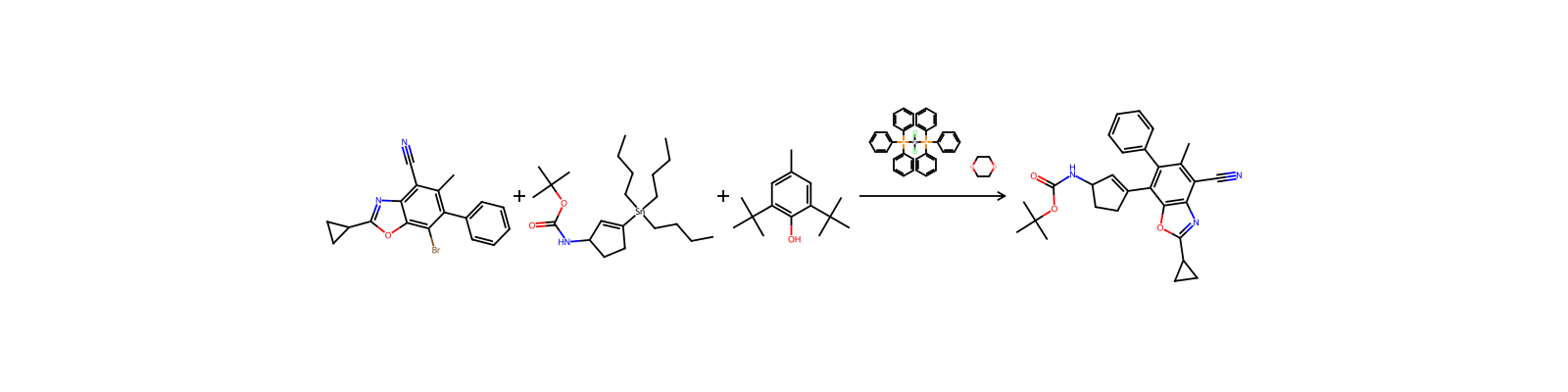
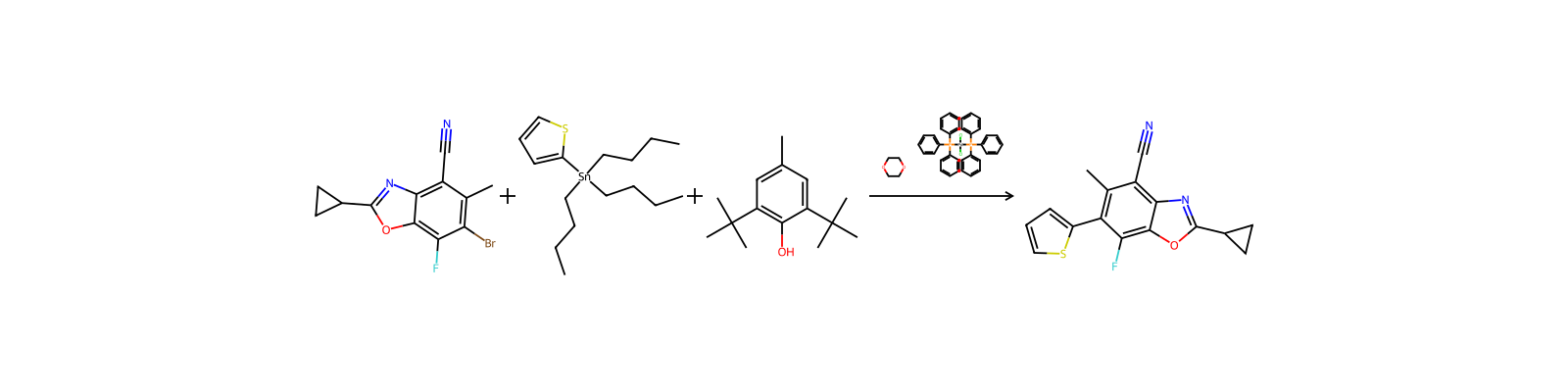
関連反応
503 件




関連ノート
読み込み中…