ホームMCPワークベンチSkills
ホームワークベンチ通知マイページ
llms.txt · MCPガイドプライバシーポリシー · 利用規約 · サポートv1.8.0
  1. ホーム
  2. /化合物

アジ化ナトリウム

Sodium Azide

HCID 33557
ノートを作成反応を作成見積依頼を出す
印刷プレビュー

データを補完しています。しばらくしてからページを更新すると最新の内容を表示できます

基本情報名称と識別子物性安全と法規制化学と産業関連反応化合物ノート
部分構造検索類似構造を探す

基本情報

CAS
26628-22-8
標準SMILES
[N-]=[N+]=[N-].[Na+]
InChIKey
PXIPVTKHYLBLMZ-UHFFFAOYSA-N
分子式
N3Na
平均分子量
65.01 g/mol
単同位体質量
64.99899129

名称と識別子

優先名称
Sodium Azide
IUPAC
sodium azide
現地名
アジ化ナトリウム
英語名
Sodium azide
分子式
N3Na
分子量
65.01

名称と別名

sodium azide26628-22-8Azide, sodiumNatriumazidHydrazoic acid sodium saltAzoture de sodiumNemazydKazoeSodium, azoture deNatriummazidehydrazoic acid, sodium saltAzydek sodu
名称をさらに表示
アジ化ナトリウムアジドナトリウムナトリウムアザイド毒物 アジ化ナトリウム窒化ナトリウムアジ化ナトリウム(ナトリウムアジド)アジ化ナトリウム 0.1 M 溶液アジ化ナトリウム, 99%アジ化ナトリウム, 98%AzidosodiumSodium zaideSodiuM azide (10%)Azide, 2% solutionaziumSmitensc3072
DTXSID8020121Sodium, azoturo diRCRA waste number P105NSC 3072NaN3NCI-C06462968JJ8C9DVU-3886

データベース識別子

CAS
26628-22-8
PubChem CID
33557
ChEMBL
CHEMBL89295
ChEBI
CHEBI:278547
UNII
968JJ8C9DV
EC Number
247-852-1

物性

構造計算による物性補完中

極性表面積
3 Ų
水素結合供与体数
0
水素結合受容体数
2
回転可能結合数
0
重原子数
4
形式電荷
0
複雑度
15

実験および物理化学的性質

OdorOdorless (with traces of water fishy smelling because of HN3 formation)
Density · 6 件

1.846 at 68 °F (EPA, 1998) - Denser than water; will sink

1.846 at 20 °C

Relative density (water = 1): 1.85

1.85

1.846 @25 °C

1.85

Color/Form · 2 件

Colorless hexagonal crystals

Colorless to white, crystalline solid [Note: Forms hydrazoic acid (HN3) in water]

Solubility · 6 件

50 to 100 mg/mL at 72 °F (NTP, 1992)

In water, 41.0 g/100 mL at 17 °C

Highly soluble in water. Rapidly converted to hydrazoic acid ... Solubility in water: 40.16% at 10 °C; 41.7% at 17 °C

Slightly soluble in ethanol, insoluble in ethyl ether

Slightly soluble in alcohol; insoluble in ether; soluble in liquid ammonia

Solubility in water, g/100ml at 17 °C: 41.7 (good)

CorrosivityVery corrosive to aluminum, moderate to copper and lead
Flash PointNot flammable (EPA, 1998)
Boiling Point · 3 件

Decomposes in vacuum (EPA, 1998)

decomposes

Decomposes

Decomposition · 6 件

安全と法規制

安全情報は参考情報です。供給元の安全データシート(SDS)、適用法令、専門家による評価に代わるものではありません。

GHS分類

GHS Classification · 6 件

Danger

H300: Fatal if swallowed [Danger Acute toxicity, oral];H400: Very toxic to aquatic life [Warning Hazardous to the aquatic environment, acute hazard];H410: Very toxic to aquatic life with long lasting effects [Warning Hazardous to the aquatic environment, long-term hazard]

P264, P270, P273, P301+P316, P321, P330, P391, P405, and P501 (click each P-code to see the statement)

This chemical does not meet GHS hazard criteria for 0.2% (1 of 410) of reports.

危険有害性情報

Regulatory Information · 5 件

Chemical: Sodium azide (Na(N3))

Sodium azide (Na(N3)) is listed on the EPA's Chemical Data Reporting (CDR) system. Manufacturers and importers of Sodium azide (Na(N3)) are required to report information about their production and use of this chemical to the EPA under the Toxic Substances Control Act (TSCA). (40 eCFR Part 711)

Status: Active Update: 16-12-2022 https://echa.europa.eu/registration-dossier/-/registered-dossier/14174;Status: Active Update: 28-03-2018 https://echa.europa.eu/registration-dossier/-/registered-dossier/23379

Sodium azide: HSNO Approval: HSR003078 Approved with controls

The New Jersey Worker and Community Right to Know Act requires public and private employers to provide information about hazardous substances at their workplaces. (N.J.S.A. 34:5A-1 et. seq.)

Other Safety Information · 2 件

IMAP assessments - Sodium azide (Na(N3)): Human health tier I assessment

- Indoor Air: Sodium azide can be released into indoor air as fine particles (aerosol).;- Water: Sodium azide can be used to contaminate water.;- Food: Sodium azide can be used to contaminate food.;- Outdoor Air: Sodium azide can be released into outdoor air as fine particles (aerosol).;- Agricultural: If sodium azide is released into the air as fine particles (aerosol), it has the potential to contaminate agricultural products.

DOT LabelPoison

化学と産業

薬理情報

Mechanism of ActionSodium azide /is/ an inhibitor of mitochondrial ATPase. ...
Biological Half-Life · 1 件

A case of fatal sodium azide poisoning induced by suicidal ingestion was reported. When the patient arrived, her vital signs such as consciousness and blood pressure, were normal. But 25 hours after ingestion, she died from metabolic acidosis, ARDS (acute respiratory distress syndrome) and acute cardiac failure. We detected the azide ion in patient's serum using GCMS method and measured the blood concentration of sodium azide using the GC/NPD method. The half-life period of sodium azide in blood was calculated as about 2.5 hours.

Metabolism/Metabolites... Hepatic biotransformation was considered to be the primary route of detoxification based on in vitro data.
MeSH Pharmacological Classification · 4 件

Compounds or agents that combine with an enzyme in such a manner as to prevent the normal substrate-enzyme combination and the catalytic reaction.

Substances used for the detection, identification, analysis, etc. of chemical, biological, or pathologic processes or conditions. Indicators are substances that change in physical appearance, e.g., color, at or approaching the endpoint of a chemical titration, e.g., on the passage between acidity and alkalinity. Reagents are substances used for the detection or determination of another substance by chemical or microscopical means, especially analysis. Types of reagents are precipitants, solvents, oxidizers, reducers, fluxes, and colorimetric reagents. (From Grant & Hackh's Chemical Dictionary, 5th ed, p301, p499)

Chemical agents that increase the rate of genetic mutation by interfering with the function of nucleic acids. A clastogen is a specific mutagen that causes breaks in chromosomes.

Drugs used to cause dilation of the blood vessels.

Absorption, Distribution and Excretion · 3 件

... Sodium azide appeared in rat plasma 5 minutes after a single oral dose at 40 mg/kg and ... by 24 hours, no azide could be detected in either blood or peripheral tissues. A small fraction (7.9 ug) of the administered dose was eliminated in rat urine, but no azide was detected in expired air or feces.

関連反応

7,461 件
反応記録を作成
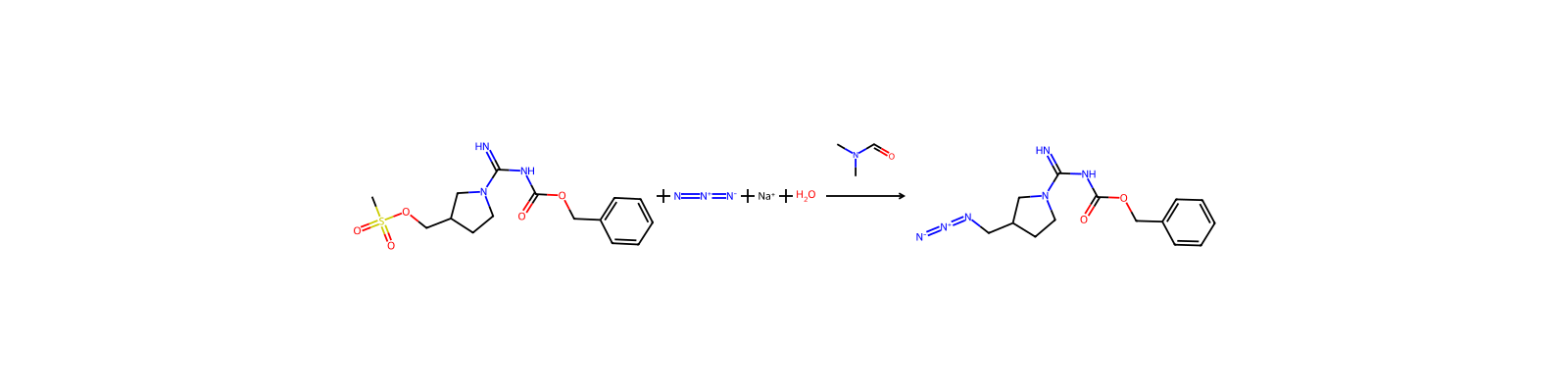
HRID 855 の反応式
HRID 855反応物としてuspto-grants-1998_03
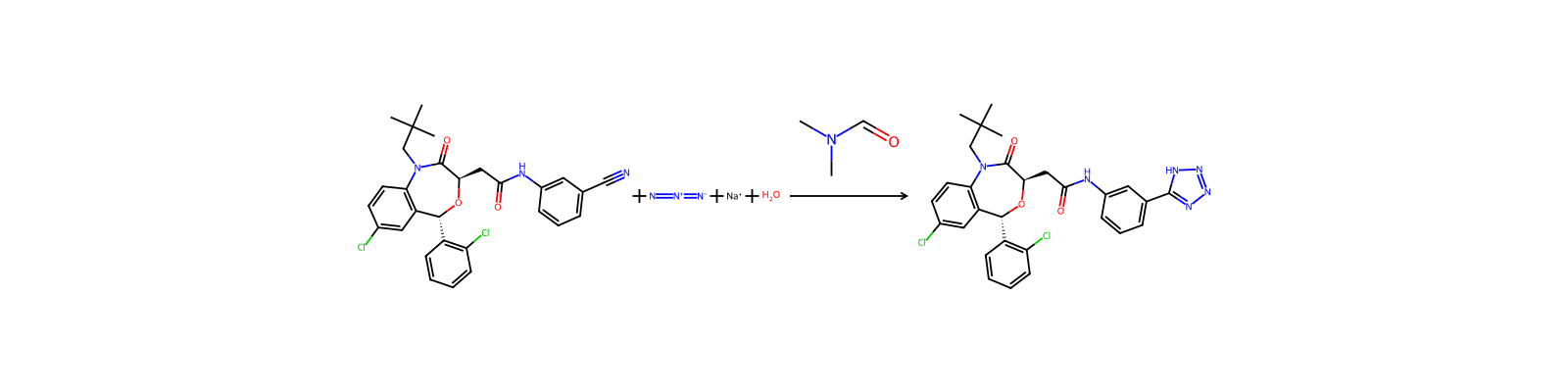
HRID 860 の反応式
HRID 860反応物としてuspto-grants-1998_03
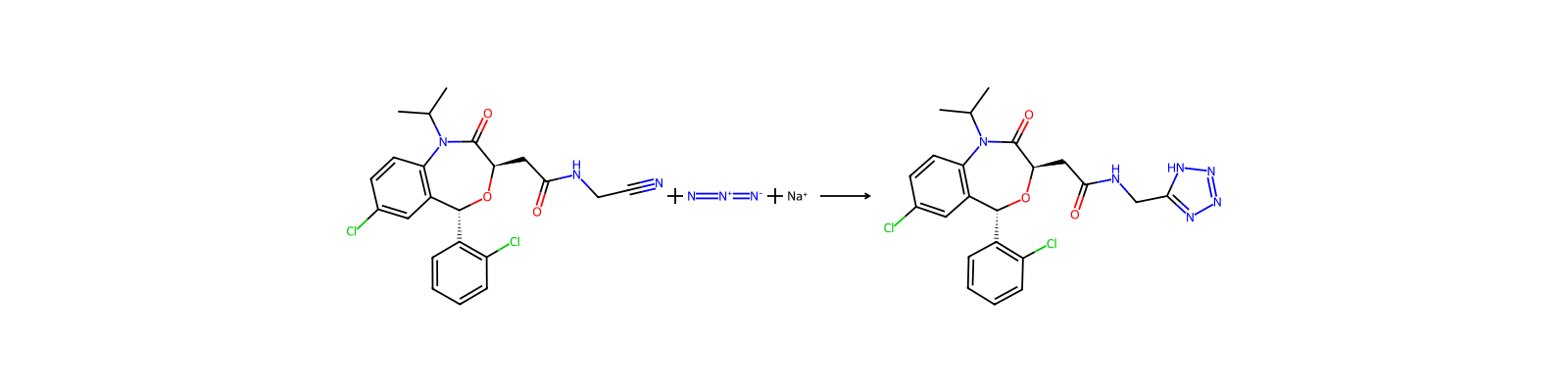
HRID 864 の反応式
HRID 864反応物としてuspto-grants-1998_03
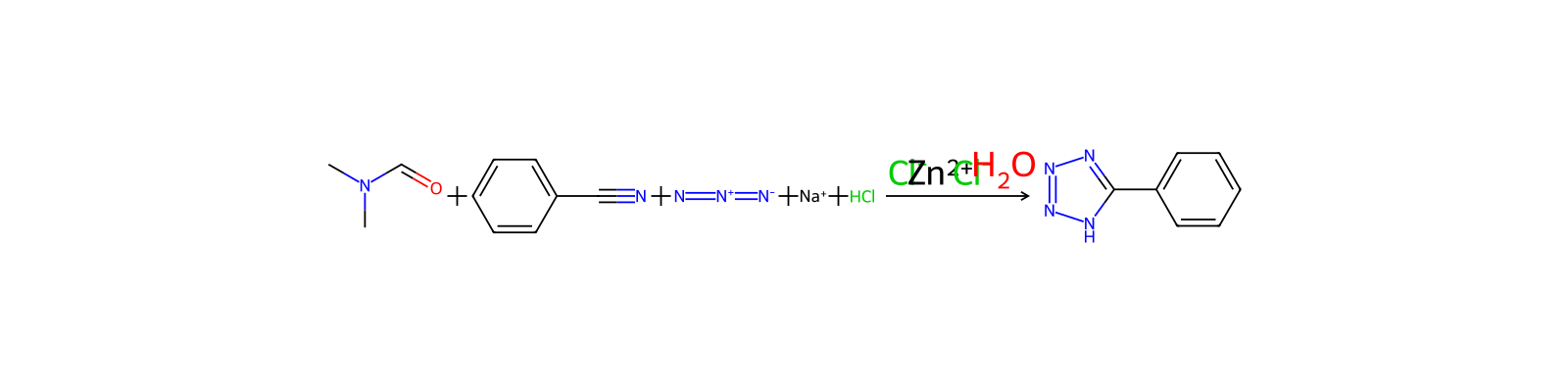
HRID 1048 の反応式
HRID 1048反応物としてuspto-grants-1998_03
HRID 1795 の反応式
HRID 1795反応物としてuspto-grants-1998_03
HRID 1796 の反応式
HRID 1796反応物としてuspto-grants-1998_03
HRID 1901 の反応式
HRID 1901反応物としてuspto-grants-1998_03
HRID 2302 の反応式
HRID 2302反応物としてuspto-grants-1998_03
1 / 500 ページ

化合物ノート

読み込み中…

このページの内容基本情報名称と識別子物性安全と法規制化学と産業関連反応化合物ノート
その他の操作
ノートを作成反応を作成見積依頼を出す

Hazardous decomposition products formed under fire conditions - Sodium oxides.

On heating decomposes into sodium and nitrogen.

Sodium azide decomposes at 275 °C.

Rapid heating above 275 °C can cause rapid decomposition and explosion.

... Appears to be susceptible to photodecomposition by solar radiation. Photolysis ... may result in metal nitrides initially, with the eventual formation of the free metal and nitrogen gas.

When heated to decomposition it emits very toxic fumes of /nitrogen oxides and disodium oxide/.

Melting Point · 4 件

Decomposes at 527 °F to sodium and nitrogen (EPA, 1998)

275 °C (decomp)

527 °F (decomposes to sodium and nitrogen)

527 °F (Decomposes)

Vapor Pressure · 2 件

1 Pa at 20 °C

Vapor pressure, Pa at 20 °C: 1

Ionization Potential · 2 件

11.70 eV

11.70 eV

Physical Description · 6 件

Sodium azide appears as a colorless crystalline solid. Density 1.85 g / cm3. Burns in air and may explode if large quantities are involved. Toxic by ingestion. Toxic oxides of nitrogen are produced in fires.

Dry Powder; CBI

Colorless to white, odorless, crystalline solid. [pesticide] [Note: Forms hydrazoic acid (HN3) in water.]; [NIOSH]

COLOURLESS HEXAGONAL CRYSTALS.

Colorless to white, odorless, crystalline solid.

Colorless to white, odorless, crystalline solid. [pesticide] [Note: Forms hydrazoic acid (HN3) in water.]

物理化学的性質

融点
275 °C · 275 °C
沸点
300 °C · 300 °C
比重(密度)
1.85 · 1.85
蒸気圧
0 Pa · 0Pa at 20℃
闪点
300 °C · 300 °C
貯蔵温度
2 · 2-8°C
溶解性
2 O: · H2O: 1M at20℃、透明、無色
外見
粉体・固形
酸解離定数(Pka)
4.8 · pK = 4.8, aq solns contains HN3 which escapes readily at 37°
色
ホワイトからオフホワイト
比重
1.85 · 1.85
臭い (Odor)
無臭の固体
PH
10 · ~10.0 (25°C, 1M in H2O)
由来生物
synthetic (inorganic)
水溶解度
420 g/L · 420g/L(17℃)
比熱容量
1.18 J/ · Cp(crystal): 1.18 J/(g·K), at 25℃
Merck
14 · 14,8581
安定性
不安定。高温、火、湿気、衝撃、摩擦を避けてください。強力な酸化剤、鉱酸、水、ハロゲン酸およびハロゲン化合物、炭酸バリウム、臭素、二硫化炭素、水銀、硫酸ジメチル、一般的な金属、特に真鍮、銅、鉛、銀、強酸とは相容れない。
InChI
1S/N3.Na/c1-3-2;/q-1;+1
InChIKey
PXIPVTKHYLBLMZ-UHFFFAOYSA-N
SMILES
[Na]N=[N+]=[N-]
CAS データベース
26628 · 26628-22-8(CAS DataBase Reference)
EPAの化学物質情報
Sodium azide (26628-22-8)
Absorption
276 nm · cut-off at 276nm in H2O at 1M

化学的性質

化学的特性Sodium azide is a colorless to white, odorless, crystalline solid. Combustible solid above 300°C.

Fire Hazards · 3 件

When heated to decomposition, it emits very toxic fumes of nitrogen oxides; explosive. Forms explosive-sensitive materials with some metals such as lead, silver, mercury or copper. May form toxic hydrazoic acid fumes in fire. Containers may explode in fire. Avoid acids, benzoyl chloride and potassium hydroxide; bromine; carbon disulfide; copper; lead; nitric acid; barium carbonate; sulfuric acid; chromium (II) hypochlorite, dimethyl sulfate, water, dibromomalononitrile, lead, silver, copper, mercury. Hazardous polymerization may not occur. (EPA, 1998)

· Combustible material: may burn but does not ignite readily.;· When heated, vapors may form explosive mixtures with air: indoors, outdoors and sewers explosion hazards.;· Those substances designated with a (P) may polymerize explosively when heated or involved in a fire.;· Corrosives in contact with metals may evolve flammable hydrogen gas.;· Containers may explode when heated.;· Runoff may pollute waterways.;· Substance may be transported in a molten form.

Combustible. Gives off irritating or toxic fumes (or gases) in a fire. Risk of fire and explosion on contact with acids or metals. Heating will cause rise in pressure with risk of bursting.

Fire PotentialCombustible solid (if heated above 300 °C).
Health Hazards · 2 件

Can cause death by affecting the central nervous system. Contact may cause burns to skin and eyes. (EPA, 1998)

· TOXIC and/or CORROSIVE; inhalation, ingestion or skin contact with material may cause severe injury or death.;· Methyl bromoacetate (UN2643) is an eye irritant/lachrymator (causes flow of tears).;· Contact with molten substance may cause severe burns to skin and eyes.;· Avoid any skin contact.;· Fire may produce irritating, corrosive and/or toxic gases.;· Runoff from fire control or dilution water may be corrosive and/or toxic and cause environmental contamination.

Hazards Summary · 1 件

Azide is a potent vasodilator that has been used as an antihypertensive drug. Disposal of sodium azide in drain pipes can cause an explosive hazard for plumbers. [ACGIH] See Merck Index # 8581. In high-dose animal studies, sodium azide causes increased fetal loss. [Frazier, p. 361-2] As used in automobile airbags, sodium azide reacts at impact to produce nitrogen gas and to fill the air bag. When poured down a drain, sodium azide reacts with water to form hydrogen azide (hydrazoic acid). It can also react with lead pipes or lead solder to form lead azide. Both of these compounds are highly explosive. The azide group (N3) has an affinity for ferric iron in mitochondrial cytochrome oxidase. Like cyanide poisoning, azide poisoning disrupts cellular aerobic metabolism. Azide solutions are alkaline and corrosive to the eyes. Patients contaminated with liquids or solid material should be washed with soap and water after removal of clothing. There are no specific antidotes for azide poisoning. [AHLS, p. 202, 218-20] Doses of 0.65-3.9 mg/day were given as an experimental hypertensive drug--hypotensive effect within 1 minute and headache was only complaint; Ingestion of several grams causes death within 1-2 hours. Sodium azide is a respiratory irritant, and dust or fumes can induce pulmonary edema. [Olson, p. 148] See AZIDES.

DOT ID and Guide · 2 件

1687 153

1687 153

Reactive GroupAzo, Diazo, Azido, Hydrazine, and Azide Compounds
EC ClassificationSymbol: T+, N; R: 28-32-50/53; S: (1/2)-28-45-60-61
UN ClassificationUN Hazard Class: 6.1; UN Pack Group: II
Explosion Hazards · 1 件

- Sodium azide may explode when heated above its melting point, especially if heated rapidly.;- It may decompose explosively with shock, concussion, or friction.;- It reacts explosively with bromine, carbon disulfide, and chromyl chloride.;- It forms explosive compounds with phosgene, brass, zinc, trifluoroacrylol fluoride, and nitrogen-diluted bromine vapor.;- Reacts with copper, lead, silver, mercury, and carbon disulfide to form shock-sensitive compounds.;- Reacts with acids to form explosive hydrazoic acid.;- When heated, vapors may form explosive mixtures with air, presenting an explosion hazard indoors, outdoors, and in sewers.;- Containers may explode when heated.

安全と保護具

Fire Fighting · 3 件

Personnel protection: Avoid breathing dusts and fumes from burning material. Avoid bodily contact with the material. Wear boots, protective gloves and goggles. Do not handle broken packages without protective equipment. Wash away any material which may have contacted the body with copious amounts of water or soap and water. Evacuation: If fire becomes uncontrollable or container is exposed to direct flame, evacuate for a radius of 2500 feet. Keep unnecessary people away; isolate hazard area and deny entry. Stay upwind; keep out of low areas. Ventilate closed spaces before entering. Wear positive pressure breathing apparatus and special protective clothing.;If material is on fire or involved in fire, use water in flooding quantities as fog. Cool all affected containers with flooding quantities of water. Apply water from as far a distance as possible. Use foam, carbon dioxide or dry chemical. Small fires: dry chemical, carbon dioxide, water spray, or foam. Large fires: water spray, fog, or foam. Move container from fire area if you can do so without risk. Spray cooling water on containers that are exposed to flames until well after fire is out. For massive fire in cargo area, use unmanned hose holder or monitor nozzles; if this is impossible, withdraw from area and let fire burn. (EPA, 1998)

Use dry sand, special powder. In case of fire: keep drums, etc., cool by spraying with water.

- Sodium azide is combustible.;- The agent may burn, but it does not ignite readily.;- Fire may produce irritating, corrosive, and/or toxic gases.;- The agent may be transported in a molten form.;- For small fires, use dry chemical, carbon dioxide, or water spray.;- For large fires, use dry chemical, carbon dioxide, alcohol-resistant foam, or water spray. Move containers from the fire area if it is possible to do so without risk to personnel. Dike fire control water for later disposal; do not scatter the material.;- For fire involving tanks or car/trailer loads, fight the fire from maximum distance or use unmanned hose holders or monitor nozzles. Do not get water inside containers. Cool containers with flooding quantities of water until well after the fire is out. Withdraw immediately in case of rising sound from venting safety devices or discoloration of tanks. Always stay away from tanks engulfed in fire.;- Run-off from fire control or dilution water may be corrosive and/or toxic, and it may cause pollution.;- If the situation allows, control and properly dispose of run-off (effluent).

First Aid Measures · 4 件

Fresh air, rest. Half-upright position. Refer immediately for medical attention.

Rinse skin with plenty of water or shower. Seek medical attention if you feel unwell.

First rinse with plenty of water for several minutes (remove contact lenses if easily possible), then refer for medical attention.

Rinse mouth. Do NOT induce vomiting. Give one or two glasses of water to drink. Refer immediately for medical attention.

Accidental Release Measures · 2 件

· CALL 911. Then call emergency response telephone number on shipping paper. If shipping paper not available or no answer, refer to appropriate telephone number listed on the inside back cover.;· Keep unauthorized personnel away.;· Stay upwind, uphill and/or upstream.;· Ventilate closed spaces before entering, but only if properly trained and equipped.

· ELIMINATE all ignition sources (no smoking, flares, sparks or flames) from immediate area.;· Do not touch damaged containers or spilled material unless wearing appropriate protective clothing.;· Stop leak if you can do it without risk.;· Prevent entry into waterways, sewers, basements or confined areas.;· Absorb or cover with dry earth, sand or other non-combustible material and transfer to containers.;· DO NOT GET WATER INSIDE CONTAINERS.

First Aid · 3 件

Warning: Effects may be delayed. Caution is advised. Vital signs should be monitored closely.;Signs and Symptoms of Sodium Azide (Na(N3)) Exposure: Ingestion or inhalation of sodium azide may cause dizziness, weakness, blurred vision, dyspnea (shortness of breath), hypotension (low blood pressure), slowed heart rate, and abdominal pain. Spasms, convulsions, and loss of consciousness may also occur. Dermal or eye exposure to sodium azide may result in pain and redness of exposed areas. Eye exposure may also lead to blurred vision.;Emergency Life-Support Procedures: Acute exposure to sodium azide (Na(N3)) may require decontamination and life support for the victims. Emergency personnel should wear protective clothing appropriate to the type and degree of contamination. Air-purifying or supplied-air respiratory equipment should also be worn, as necessary. Rescue vehicles should carry supplies such as plastic sheeting and disposable plastic bags to assist in preventing spread of contamination.;Inhalation Exposure:;1. Move victims to fresh air. Emergency personnel should avoid self-exposure to sodium azide (Na(N3)).;2. Evaluate vital signs including pulse and respiratory rate, and note any trauma. If no pulse is detected, provide CPR. If not breathing, provide artificial respiration. If breathing is labored, administer oxygen or other respiratory support.;3. Obtain authorization and/or further instructions from the local hospital for administration of an antidote or performance of other invasive procedures.;4. Transport to a health care facility.;Dermal/Eye Exposure:;1. Remove victims from exposure. Emergency personnel should avoid self-exposure to sodium azide (Na(N3)).;2. Evaluate vital signs including pulse and respiratory rate, and note any trauma. If no pulse is detected, provide CPR. If not breathing, provide artificial respiration. If breathing is labored, administer oxygen or other respiratory support.;3. Remove and isolate contaminated clothing as soon as possible.;4. If eye exposure has occurred, eyes must be flushed with lukewarm water for at least 15 minutes.;5. Wash exposed skin areas thoroughly with water.;6. Obtain authorization and/or further instructions from the local hospital for administration of an antidote or performance of other invasive procedures.;7. Transport to a health care facility.;Ingestion Exposure:;1. Evaluate vital signs including pulse and respiratory rate, and note any trauma. If no pulse is detected, provide CPR. If not breathing, provide artificial respiration. If breathing is labored, administer oxygen or other respiratory support.;2. Obtain authorization and/or further instructions from the local hospital for administration of an antidote or performance of other invasive procedures.;3. Vomiting may be induced with syrup of Ipecac. If elapsed time since ingestion of sodium azide (Na(N3)) is unknown or suspected to be greater than 30 minutes, do not induce vomiting and proceed to Step

General First Aid:;· Call 911 or emergency medical service.;· Ensure that medical personnel are aware of the material(s) involved, take precautions to protect themselves and avoid contamination.;· Move victim to fresh air if it can be done safely.;· Administer oxygen if breathing is difficult.;· If victim is not breathing:;-- DO NOT perform mouth-to-mouth resuscitation; the victim may have ingested or inhaled the substance.;-- If equipped and pulse detected, wash face and mouth, then give artificial respiration using a proper respiratory medical device (bag-valve mask, pocket mask equipped with a one-way valve or other device).;-- If no pulse detected or no respiratory medical device available, provide continuous compressions. Conduct a pulse check every two minutes or monitor for any signs of spontaneous respirations.;· Remove and isolate contaminated clothing and shoes.;· For minor skin contact, avoid spreading material on unaffected skin.;· In case of contact with substance, remove immediately by flushing skin or eyes with running water for at least 20 minutes.;· For severe burns, immediate medical attention is required.;· Effects of exposure (inhalation, ingestion, or skin contact) to substance may be delayed.;· Keep victim calm and warm.;· Keep victim under observation.;· For further assistance, contact your local Poison Control Center.;· Note: Basic Life Support (BLS) and Advanced Life Support (ALS) should be done by trained professionals.;Specific First Aid:;· For corrosives, in case of contact, immediately flush skin or eyes with running water for at least 30 minutes. Additional flushing may be required.

Safe StorageSeparated from food and feedstuffs, acids and metals. See Chemical Dangers. Provision to contain effluent from fire extinguishing. Store in an area without drain or sewer access.
Exposure Control and Personal Protection · 2 件

· Wear positive pressure self-contained breathing apparatus (SCBA).;· Wear chemical protective clothing that is specifically recommended by the manufacturer when there is NO RISK OF FIRE.;· Structural firefighters' protective clothing provides thermal protection but only limited chemical protection.

0.2 [mg/m3], inhalable fraction[German Research Foundation (DFG)]

Fire Fighting Procedures · 4 件

Suitable extinguishing media: Dry powder.

Advice for firefighters: Wear self-contained breathing apparatus for firefighting if necessary.

If material on fire or involved in fire: Use water in flooding quantities as fog. Cool all affected containers with flooding quantities of water. Apply water from as far a distance as possible. Use "alcohol" foam, dry chemical or carbon dioxide.

If material is on fire or involved in fire, use water in flooding quantities as fog. Use foam, carbon dioxide, or dry chemical. Small fires: dry chemical, carbon dioxide, water spray, or foam. Large fires: water spray, fog, or foam. Move container from fire area if you can do so without risk. For massive fire in cargo area, use unmanned hose holder or monitor nozzles; if this is impossible, withdraw from area and let fire burn. ... If material or contaminated runoff enters waterways, notify downstream users of potentially contaminated waters. Notify local health and fire officials and pollution control agencies. From a secure, explosion-proof location, use water spray to cool exposed containers. If cooling streams are ineffective (venting sound increases in volume and pitch, tank discolors, or shows any signs of deforming), withdraw immediately to a secure position. ... The only respirators recommended for firefighting are self-contained breathing apparatuses that have full face-pieces and are operated in a pressure-demand or other positive-pressure mode.

Storage Conditions · 2 件

Keep container tightly closed in a dry and well-ventilated place. Never allow product to get in contact with water during storage. Do not store near acids.

Store in a secure poison location. Prior to working with this chemical you should be trained on its proper handling and storage. Sodium azide must be stored to avoid contact with benzoyl chloride, potassium hydroxide, bromine, copper, and lead, since violent reactions can occur. Store in tightly closed containers in a cool, well-ventilated area away from water, heat, and acids. On contact with water it forms hydrazoic acid which is explosive. Danger of explosion exists from friction, heat, or contamination. Where possible, automatically transfer material from drums or other storage containers to process containers. Sources of ignition, such as smoking and open flames, are prohibited where this chemical is handled, used, or stored. Metal containers involving transfer of this chemical should be grounded and bonded. Wherever this chemical is used, handled, manufactured, or stored, use explosion-proof electrical equipment and fittings.

Cleanup Methods · 3 件

ACCIDENTAL RELEASE MEASURES: Personal precautions, protective equipment and emergency procedures: Wear respiratory protection. Avoid dust formation. Avoid breathing vapors, mist or gas. Ensure adequate ventilation. Evacuate personnel to safe areas. Avoid breathing dust. Environmental precautions: Prevent further leakage or spillage if safe to do so. Do not let product enter drains. Discharge into the environment must be avoided. Methods and materials for containment and cleaning up: Pick up and arrange disposal without creating dust. Sweep up and shovel. Do not flush with water. Keep in suitable, closed containers for disposal.

Evacuate persons not wearing protective equipment from area of spill or leak until cleanup is complete. Remove all ignition sources. Do not touch spilled material; stop leak if you can do so without risk. Use water spray to reduce vapors. Small spills: absorb with sand or other noncombustible absorbent material and place into containers for later disposal. Small dry spills: with clean shovel place material into clean, dry container and cover; move containers from spill area. Large spills: dike far ahead of spill for later disposal. Ventilate area after cleanup is complete. It may be necessary to contain and dispose of this chemical as hazardous waste. If material or contaminated runoff enters waterways, notify downstream users of potentially contaminated waters.

ELIMINATE all ignition sources (no smoking, flares, sparks or flames in immediate area). Do not touch damaged containers or spilled material unless wearing appropriate protective clothing. Stop leak if you can do it without risk. Prevent entry into waterways, sewers, basements or confined areas. Absorb or cover with dry earth, sand or other non-combustible material and transfer to containers. DO NOT GET WATER INSIDE CONTAINERS.

Nonfire Spill Response · 1 件

Excerpt from ERG Guide 153 [Substances - Toxic and/or Corrosive (Combustible)]:;ELIMINATE all ignition sources (no smoking, flares, sparks or flames) from immediate area. Do not touch damaged containers or spilled material unless wearing appropriate protective clothing. Stop leak if you can do it without risk. Prevent entry into waterways, sewers, basements or confined areas. Absorb or cover with dry earth, sand or other non-combustible material and transfer to containers. DO NOT GET WATER INSIDE CONTAINERS. (ERG, 2024)

Disposal Methods · 5 件

Generators of waste (equal to or greater than 100 kg/mo) containing this contaminant, EPA hazardous waste number P105, must conform with USEPA regulations in storage, transportation, treatment and disposal of waste.

Product: Offer surplus and non-recyclable solutions to a licensed disposal company. Contact a licensed professional waste disposal service to dispose of this material. Dissolve or mix the material with a combustible solvent and burn in a chemical incinerator equipped with an afterburner and scrubber; Contaminated packaging: Dispose of as unused product.

SRP: Wastewater from contaminant suppression, cleaning of protective clothing/equipment, or contaminated sites should be contained and evaluated for subject chemical or decomposition product concentrations. Concentrations shall be lower than applicable environmental discharge or disposal criteria. Alternatively, pretreatment and/or discharge to a permitted wastewater treatment facility is acceptable only after review by the governing authority and assurance that "pass through" violations will not occur. Due consideration shall be given to remediation worker exposure (inhalation, dermal and ingestion) as well as fate during treatment, transfer and disposal. If it is not practicable to manage the chemical in this fashion, it must be evaluated in accordance with EPA 40 CFR Part 261, specifically Subpart B, in order to determine the appropriate local, state and federal requirements for disposal.

Disposal may be accomplished by reaction with sulfuric acid solution and sodium nitrate in a hard rubber vessel. Nitrogen dioxide is generated by this reaction and the gas is run through a scrubber before it is released to the atmosphere. Controlled incineration is also acceptable (after mixing with other combustible wastes) with adequate scrubbing and ash disposal facilities.

Put into approved storage containers and ship to an approved disposal area.

Spillage Disposal · 1 件

Personal protection: particulate filter respirator adapted to the airborne concentration of the substance. Do NOT let this chemical enter the environment. Sweep spilled substance into covered plastic containers. If appropriate, moisten first to prevent dusting. Carefully collect remainder. Then store and dispose of according to local regulations.

毒性情報

Interactions · 5 件

Pentachlorophenol (PCP) is used in industrial and domestic applications, including as a biocide and a wood preservative. Metabolism of PCP undergoes oxidative dechlorination, forming tetrachlorocatechol (TCC) and tetrachlorohydroquinone (TCHQ). Both sodium azide (NaN(3)) and TCC appear naturally in soil. None of them are cytotoxic by themselves or facilitate autooxidation. Here, we show that their combination leads to synergistic cytotoxicity (>6 log bacterial killing) to Escherichia coli. The rate of oxygen consumption in a cell-free system showed that NaN(3) increases TCC oxidation by 520-fold. The synergism coefficient to cells was calculated as 96 or greater, and we have shown the formation of a new compound. It is suggested that the intermediate species, o-tetrachlorosemiquinine, and an unknown, nitrogen-centered free radical, both visualized by electron-spin resonance, are harmful species responsible for the synergistic cytotoxicity of TCC/NaN(3), rather than the endproduct formed during the reaction. Desferrioxamine and 2-(4-carboxyphenyl)-4,4,5,5-tetramethylimidazoline-1-oxyl-3-oxide offered nearly complete protection, but through radical scavenging rather than through chelating properties. The mechanism of damage for TCC compared to its analogue, TCHQ, were investigated, and whereas the cellular damage of TCHQ/NaN(3) is through a site-specific mechanism, in the case of TCC/NaN(3) it is through the accumulation of the component(s) in the bacterial cell membrane, eventually leading to dysfunction, as evidenced by electron microscopy.

The current study aims to determine the antimutagenic potential of five newly synthesized cyclic compounds against the genotoxic agents sodium azide (NaN3) and N-methyl-N'-nitro-N-nitrosoguanidine (MNNG). The mutant bacterial tester strains were NaN3-sensitive Salmonella typhimurium TA1535 and MNNG-sensitive Escherichia coli WP2uvrA. According to the results, all the test compounds showed significant antimutagenic activity. The inhibition rates ranged from 26.05% (Compound 4-1 ug/plate) to 68.54% (Compound 5-0.01 ug/plate) for NaN3 and from 32.44% (Compound 3-1 ug/plate) to 60.77% (Compound 5-1 ug/plate) for MNNG genotoxicity. Moreover, the mutagenic potential of the test compounds was investigated using the same strains. The results showed that all the test compounds do not have mutagenic potential on the bacterial strains at the tested concentrations. Thus, the findings of the present study give valuable information about chemical prevention from NaN3 and MNNG genotoxicity.

Sodium azide (SA) is used as an active ingredient to control a broad spectrum of soil borne pathogens including insects, weeds, nematodes, fungi, and bacteria. The purpose of this study was to evaluate the ameliorator property of vitamin E (Vit E) or/and selenium (Se) against SA-induced injury in male mice at the biochemical, immunological and histological levels. The mice were divided into nine groups (10/group). The first three groups were served as control, Vit E and Se while, the second three groups were treated with three different doses of SA. The last three groups were treated with high dose of SA with Vit E or Se or Vit E and Se and all animals were treated for a period of 30 days. Exposure to SA at the three doses to mice led to an alteration of liver and kidney functions, decrease the testosterone concentration, decreased IgG and IgM levels as well as the increasing the TNF-alpha. The effects of SA on the biochemical parameters of mice were dose-dependent. Administration of Se or/and Vit E to SA-treated mice attenuates the toxicity of this compound, objectified by biochemical and histological improvement of liver, kidney and testis. But, the alleviation is more pronounced with the both antioxidants. Thus, the synergistic effect of Se and Vit E is most powerful in reducing the toxicity induced by SA and improving the humoral immune response of mice.

Alzheimer's disease is the most common cause of dementia in the elderly. Although the primary cause of the disease is presently unknown, to date several risk factors have been described. Evidence suggests that one of these risk factors could be chronic stress. The aim of this work is to demonstrate that chronic stress is able to induce Alzheimer's disease features after the administration of nontoxic doses of sodium azide. We found that chronic stress increases the levels of several proteins involved in Alzheimer's disease pathogenesis, such as presenilin 1, presenilin 2, and S100beta, besides inducing the aggregation of Tau, ubiquitin, and beta-amyloid proteins in the hippocampus. More important, our work shows a synergistic effect of stress and sodium azide treatment leading to significant neuronal death in the mouse hippocampus. Our results point out that chronic stress is a risk factor contributing to amplify and accelerate Alzheimer's disease features in the hippocampus.

For more Interactions (Complete) data for Sodium azide (6 total), please visit the HSDB record page.

Target OrgansEyes, skin, central nervous system, cardiovascular system, kidneys
Ecotoxicity Values · 5 件

EC50; Species: Simocephalus, first instar; Concentration: 8.4 mg/L for 96 hr at 15 °C (95% confidence limit: 6.1-12.2 mg/L) /Conditions of bioassay not specified in source examined/ /Technical material, 98%/

LC50; Species: G fasciatus, mature; Concentration: 6.4 mg/L for 96 hr at 21 °C (95% confidence limit: 4.6-8.9 mg/L) /Conditions of bioassay not specified in source examined/ /Technical material, 98%/

LC50; Species: Pteronarcys, second year class; Concentration: 8.0 mg/L for 96 hr at 15 °C (95% confidence limit: 5.7-11.0 mg/L) /Technical material, 98%/

LC50; Species: /Oncorhynchus mykiss/ (Rainbow trout) weight 1.4 g; Concentration: 0.8-1.6 mg/L for 96 hr at 13 °C /Technical material, 98%/

For more Ecotoxicity Values (Complete) data for Sodium azide (8 total), please visit the HSDB record page.

Environmental Fate · 3 件

TERRESTRIAL FATE: Sodium azide is a reactive, polar compound(1). As a result, adsorption, volatilization and biodegradation are not expected to be important fate processes in soil(SRC).

AQUATIC FATE: Aqueous sodium azide is readily hydrolyzed to yield hydrazoic acid(1). As a result, adsorption to suspended solids and sediment, bioconcentration, volatilization and biodegradation are not expected to be important fate processes in aquatic systems(SRC).

Aquatic Fate: Photolysis of sodium azide may result in metal nitrides initially, with the eventual formation of the free metal and nitrogen gas.

Adverse Effects · 1 件

Other Poison - Chemical Asphyxiant;Reproductive Toxin - A chemical that is toxic to the reproductive system, including defects in the progeny and injury to male or female reproductive function. Reproductive toxicity includes developmental effects. See Guidelines for Reproductive Toxicity Risk Assessment.;Toxic Pneumonitis - Inflammation of the lungs induced by inhalation of metal fumes or toxic gases and vapors.;ACGIH Carcinogen - Not Classifiable.

Exposure Routes · 3 件

The substance can be absorbed into the body by inhalation and by ingestion.

inhalation, skin absorption, ingestion, skin and/or eye contact

Sodium azide can be absorbed into the body by inhalation, ingestion, skin contact, or eye contact. Ingestion is an important route of exposure to solid sodium azide. Inhalation is an important route of exposure to the vapor, hydrazoic acid.

Toxicity Summary · 1 件

IDENTIFICATION AND USE: Sodium azide is a colorless to white crystalline solid, forming hydrazoic acid in water. It is used in organic synthesis, and in the preparation of hydrazoic acid, lead azide, and pure sodium. Other uses include the differential selection of bacteria, in automatic blood counters, and as a preservative for laboratory reagents. It is also a propellant for inflating automotive safety bags. Agricultural uses including nematocide, herbicide, and fruit rot control. HUMAN STUDIES: Potential symptoms of overexposure include irritation of eyes and skin, nausea, vomiting, restlessness, diarrhea, headache, dizziness, weakness, blurred vision, dyspnea, hypotension, tachycardia, bradycardia, tachypnea, hypothermia, acidosis, convulsions, and kidney changes. Cases of fatal sodium azide poisoning induced by suicidal ingestion have been reported. Death occurs rapidly when significant doses are absorbed, either due to the direct effect of sodium azide or an indirect effect due to nitric oxide, cyanide ions or hydrazoic acid production from sodium azide. The minimal hypotensive dose in humans lies between 0.2 and 0.4 ug/kg. Neuropsychological and psychological tests, a questionnaire, and hematological and cardiac measurements were gathered from 41 exposed workers and 42 unexposed workers in a chemical production plant yearly for 3 years. The exposed workers presented significantly more acute symptoms of exposure (headache, vertigo, nausea, fatigue, cardiac palpitations, irritated or red eyes) than did the unexposed workers. However, only one chronic symptom was repeatedly and more significantly reported, namely trembling of the hands. Azide is one of the few known potent mutagens that does not increase sister-chromatid exchanges SCEs and/or break chromosomes. ANIMAL STUDIES: Sodium azide inhibits respiration of bovine cornea, presumably by poisoning cytochrome oxidase. Repeated intraperitoneal injections in rats (5 to 10 mg/kg every 15 to 30 min for 3 to 6 hr)

Ecotoxicity Excerpts · 5 件

/AQUATIC SPECIES/ /Sodium azide is/ effective in controlling stickleback, but not toxic to sockeye salmon (Oncorhynchus nerka), chinook salmon (O. tschawytscha), steelhead (Salmo gairdneri), and other marketable fish.

/AQUATIC SPECIES/ Sodium azide is a potent mutagen of salmon sperm DNA in an acidic environment.

/AQUATIC SPECIES/ The mutagenic effect was observed /in Scenedesmus acutus (green algae)/ at exposure (1-2 hr) to 0.05-0.8% sodium azide.

/AQUATIC SPECIES/ ... Through disruption of the energy transfer enzymes, sodium azide inhibited cilia movement and phagocytosis in Tetrahymena pyriformis.

For more Ecotoxicity Excerpts (Complete) data for Sodium azide (15 total), please visit the HSDB record page.

Signs and Symptoms · 6 件

Cough. Headache. Nasal congestion. Fall in blood pressure. Shortness of breath.

Redness. Pain.

Abdominal pain. Nausea. Sweating. Fall in blood pressure. Increased heart rate. Weakness. Blurred vision. Shock or collapse. See Effects of short-term exposure

irritation eyes, skin; headache, dizziness, lassitude (weakness, exhaustion), blurred vision; low blood pressure, bradycardia; kidney changes

- Irritation and inflammation of the membranes (conjunctivitis), blurred vision, and dilated pupils (mydriasis).

- Mild to moderate: Mild low blood pressure (hypotension), headache, general feeling of apprehension and being unwell, temporary loss of consciousness (syncope), nausea, vomiting (emesis), diarrhea, abdominal pain, and excessive thirst (polydipsia).;- Severe: Severe low blood pressure (hypotension), sometimes preceded by high blood pressure (hypertension), reduced level of consciousness (CNS depression), seizures, coma, chest discomfort, slow or rapid heart rate (bradycardia or tachycardia), abnormal or disordered heart rhythms (atrial and ventricular dysrhythmias), difficulty breathing or shortness of breath (dyspnea), accumulation of fluid in the lungs (pulmonary edema), exceptionally high body temperature (hyperthermia) or lower than normal body temperature (hypothermia), profuse sweating (diaphoresis), and blurred vision. Seizures, coma, and death.

Acute Toxicity LinkChemical: AZIDE SODIUM
Ongoing Test Status · 2 件

The following link will take the user to the National Toxicology Program (NTP) Test Status of Agents Search page, which tabulates the results and current status of tests such as "Short-Term Toxicity Studies", "Long-term Carcinogenicity Studies", "Developmental Studies", "Genetic Toxicology Studies", etc., performed with this chemical. Testing status for sodium azide is available.[Available from, as of March 27, 2018: https://ntpsearch.niehs.nih.gov/?e=True&ContentType=Testing+Status]

EPA has released the Interactive Chemical Safety for Sustainability (iCSS) Dashboard. The iCSS Dashboard provides an interactive tool to explore rapid, automated (or in vitro high-throughput) chemical screening data generated by the Toxicity Forecaster (ToxCast) project and the federal Toxicity Testing in the 21st century (Tox21) collaboration. /The title compound was tested by ToxCast and/or Tox21 assays/[USEPA; ICSS Dashboard Application; Available from, as of March 27, 2018: http://actor.epa.gov/dashboard/]

ICSC Environmental DataThe substance is very toxic to aquatic organisms. This substance does enter the environment under normal use. Great care, however, should be taken to avoid any additional release, for example through inappropriate disposal.

法規制情報

Regulatory Information · 5 件

Chemical: Sodium azide (Na(N3))

Sodium azide (Na(N3)) is listed on the EPA's Chemical Data Reporting (CDR) system. Manufacturers and importers of Sodium azide (Na(N3)) are required to report information about their production and use of this chemical to the EPA under the Toxic Substances Control Act (TSCA). (40 eCFR Part 711)

Status: Active Update: 16-12-2022 https://echa.europa.eu/registration-dossier/-/registered-dossier/14174;Status: Active Update: 28-03-2018 https://echa.europa.eu/registration-dossier/-/registered-dossier/23379

Sodium azide: HSNO Approval: HSR003078 Approved with controls

The New Jersey Worker and Community Right to Know Act requires public and private employers to provide information about hazardous substances at their workplaces. (N.J.S.A. 34:5A-1 et. seq.)

RCRA Requirements · 1 件

P105; As stipulated in 40 CFR 261.33, when sodium azide, as a commercial chemical product or manufacturing chemical intermediate or an off-specification commercial chemical product or a manufacturing chemical intermediate, becomes a waste, it must be managed according to federal and/or state hazardous waste regulations. Also defined as a hazardous waste is any container or inner liner used to hold this waste or any residue, contaminated soil, water, or other debris resulting from the cleanup of a spill, into water or on dry land, of this waste. Generators of small quantities of this waste may qualify for partial exclusion from hazardous waste regulations (40 CFR 261.5(e)).

CERCLA Reportable Quantities · 2 件

Persons in charge of vessels or facilities are required to notify the National Response Center (NRC) immediately, when there is a release of this designated hazardous substance, in an amount equal to or greater than its reportable quantity of 1000 lb or 454 kg. The toll free number of the NRC is (800) 424-8802. The rule for determining when notification is required is stated in 40 CFR 302.4 (section IV. D.3.b).

Releases of CERCLA hazardous substances are subject to the release reporting requirement of CERCLA section 103, codified at 40 CFR part 302, in addition to the requirements of 40 CFR part 355. Sodium Azide is an extremely hazardous substance (EHS) subject to reporting requirements when stored in amounts in excess of its threshold planning quantity (TPQ) of 500 lbs.

DHS Chemicals of Interest (COI) · 4 件

Sodium azide

A Commercial Grade

400

Explosive/Improvised Explosive Device Precursor material that, if stolen or diverted, can be converted into weapons using simple chemistry, equipment, or techniques.

安全データ

OEL
Ceiling: 0.3 mg/m3 (as NaN3) [skin]
wgk
2
tsca
TSCA listed
rtecs
VY8050000
ridadr
UN 1687
毒性
LD50 in rats (mg/kg): 45 orally (Frederick, Babish)
PRTR法
1-11
hs_code
28500060
risk_code
28-32-50/53-52/53-22-27-21/22
安衛法
57,57-2
消防法
危-5-MA-2-II
hazard_code
Xn,T,N,T+
safety_code
61-60-45-28A-28-36/37
hazard_class
6.1
packing_group
II
毒劇物取締法
II
Hazard Classifications
Acute Tox. 1 DermalAcute Tox. 2 InhalationAcute Tox. 2 OralAquatic Acute 1Aquatic Chronic 1STOT RE 2 Oral
ストレージクラス
6.1A - Combustible acute toxic Cat. 1 and 2very toxic hazardous materials
有毒物質データの
26628-22-8(Hazardous Substances Data)

When rats were given daily doses of 23 mg/kg sodium azide in their drinking water for 147 days, no azide could be found in their blood.

... For treatment of foot rot /in the bovine hoof/ ... the penetration rate ... of sodium azide /is/ less than 0.05 to 0.24 mm per hr. ... Inclusion of sodium lauryl sulfate in treatments enhanced the penetration rate of ... azide approx 6-fold.

用途と製造

Uses · 6 件

Used as a propellant in airbags and an intermediate to produce lead azide, detonators, pesticides, preservatives, and other chemicals; [ACGIH]

For sodium azide (USEPA/OPP Pesticide Code: 107701) there are 0 labels match. /SRP: Not registered for current use in the U.S., but approved pesticide uses may change periodically and so federal, state and local authorities must be consulted for currently approved uses./

In organic synthesis; in the preparation of hydrazoic acid, lead azide, pure sodium. In the differential selection of bacteria; in automatic blood counters; as preservative for laboratory reagents. Propellant for inflating automotive safety bags. Agricultural nematocide; herbicide; in fruit rot control.

Sodium azide is the starting material for the synthesis of other metal azides like Pb(N3)2, important for the explosive industries, as well as for many organic azides, such as tosyl azide or tertiary alkyl azides, which are essential in fine chemical syntheses.

Sodium azide is also utilized in all areas where sterile laboratory equipment is necessary, since it is able to destroy different microorganisms by blocking the oxygen-binding pocket in the active center of cytochrome oxidase.

For more Uses (Complete) data for Sodium azide (14 total), please visit the HSDB record page.

U.S. Imports(1977) AT LEAST 9.08X10+6 G
U.S. Production · 4 件

2023: <75,000 lb;2022: 75,000 - <500,000 lb;2021: <75,000 lb;2020: 75,000 - <500,000 lb

(1978) NO EVIDENCE OF COMMERCIAL PRODN IN U.S.

(1982) NO EVIDENCE OF COMMERCIAL PRODN IN U.S.

Non-confidential 2016 Chemical Data Reporting (CDR) information on the production and use of chemicals manufactured or imported into the United States. Chemical: Sodium azide:;Table: National Aggregate Production Volume (pounds) [Table#1983]

Consumer UsesOther
Industry UsesOther;Intermediate
Methods of Manufacturing · 2 件

Prepared from NaNH2 + N2O ... .

... Ammonia is fed into molten sodium metal, which is contained in a closed steel vessel at 350 °C ... the resulting liquid sodium amide is converted to sodium azide, sodium hydroxide, and ammonia by reaction with dinitrogen monoxide at approximately 230 °C in a horizontal nickel reactor. ... To isolate sodium azide, the crude azide is dissolved in water and the resulting solution is clarified and then evaporated. The separated residual crystalline material is dried at 110 °C and may be used or shipped after the agglomerates have been broken up.

Use ClassificationHERBICIDES
General Manufacturing Information · 3 件

All Other Basic Inorganic Chemical Manufacturing;Explosives Manufacturing

Sodium azide (Na(N3)): ACTIVE

Sodium azide is insensitive but highly toxic. Contact must be avoided with acid, with which it forms the dangerous hydrazoic acid, and with copper, lead, cadmium, silver, mercury, or their alloys, with which sensitive azides may be formed. Nucleating agents may be added during precipitation to produce free flowing crystals or rounded agglomerates required for the large-scale, automatic loading of detonators. The presence of hydrophilic polymeric substances also tends to eliminate the small possibility of spontaneous explosions occurring during the precipitation process. Wetting agents may also be added.

応用分野 · 5 件

解説アジ化ナトリウム.ナトリウムアミドと一酸化二窒素を反応させてつくる.2NaNH2 + N2O → NaN3 + NaOH + NH3無色,六方晶系の結晶.密度1.846 g cm-3.水に易溶.打撃では爆発しないが,加熱すると分解し,Naと N2 になるので純粋なナトリウムの原料になる.酸を加えるとアジ化水素を生じる.シトクロム・オキシダーゼの抑制作用がある.長く接触すると皮膚や眼にかゆみを生じ,摂取すると,おう吐・呼吸困難・頭痛・心悸亢進などを起こす.ほかのアジ化物の原料のほか,医薬品,農薬,防腐剤,分析試薬,自動車のエアバッグや航空機の緊急脱出シュートを膨らませるための起爆剤などに用いられる.有毒.

用途診断薬、爆発原料、有機合成原料、自動車用エアーバッグの推進薬

用途還元剤、発色試薬、金属アジ化物製造原料、調製液原料(安定剤、防腐剤)。有機合成(和光試薬時報Vol.66 No.2,p.21(1998)、Vol.65 No.4,p.30(1997))。

使用Sodium azide is used in making othermetal azides, therapeutically to control bloodpressure, as a propellant for automotivesafety bags, as a preservative for laboratoryreagents, as an analytical reagent, andin organic synthesis. It is also used as anantifading reagent for immunofluorescence(Boeck et al. 1985).

使用用途アジ化ナトリウムの主な使用用途には以下の5つがあります。 アジド基の導入 アジ化ナトリウムはアジ化物イオンとナトリウムイオンで構成される塩です。そのため、アジ化物イオンの求核性を利用することで、有機化合物にアジド基を導入することができます。 窒素ガス発生剤 アジ化ナトリウムは爆発原料としても使用されています。以前までは、自動車の運転席側エアバックにおいて、衝突時などの衝撃で火薬を爆発させることで生じる高熱を利用して、アジ化ナトリウムを爆発させて窒素ガスを発生させる発生剤に使用されていました。 防腐剤 アジ化ナトリウムは市販の抗体に防腐剤として含まれていることがあります。これによって細菌の増殖を抑えることが可能になります。しかし、アジ化ナトリウムはホースラディッシュ・ペルオキシダーゼ (Horseradish peroxidase; HRP) という酵素の活性を阻害することから、HRPの標識抗体には含まれていません。 溶存酸素 (DO) の測定 水中の溶存酸素量 (DO) を測定する方法の1つに「ウィンクラー法」があります。アジ化ナトリウムを試料中に加えておくことで、亜硝酸イオンとDOの反応を抑制することが出来ます。

調製方法 · 3 件

Sodium azide can be prepared from sodium metal and liquid ammonia in the presence of ferric chloride. The amide formed is treated with nitrous oxide to produce the azide.

製造方法Sodium azide is prepared by reacting sodium amide with nitrous oxide. The amide is heated with nitrous oxide at 200°C or its solution in liquid ammonia is treated with nitrous oxide at ambient temperature: 2NaNH2 + N2O → NaN3 + NaOH + NH3.

純化方法Crystallise sodium azide from hot water or from water by adding absolute EtOH or acetone. Also purify it by repeated crystallisation from an aqueous solution saturated at 90o by cooling it to 10o, and adding an equal volume of EtOH. The crystals are washed with acetone, and the azide is dried at room temperature under vacuum for several hours in an Abderhalden pistol. Its solubility in H2O is 42% at 18o, and in EtOH it is 0.22% at 0o. [Das et al. J Chem Soc, Faraday Trans 1 78 3485 1982, Schenk in Handbook of Preparative Inorganic Chemistry (Ed. Brauer) Academic Press Vol I pp 474-475 1963, Browne Inorg Synth 1 79 1939, Frierson Inorg Synth II 139 1946.] HIGHLY POISONOUS and potentially explosive.

上流・下流製品情報

上流原料

抱水ヒドラジンエタノールヒドラジン一水和物亜硝酸ナトリウム1-ブタノール

下流製品

カンデサルタン1-フェニル-5-メルカプト-1H-テトラゾール2,4,6-トリイソプロピルベンゼンスルホニルアザイド3'-アジド-3'-デオキシチミジンアミルアミンTetrahydrothiophene sulfoximine5-(アミノメチル)ピロリジン-2-オンピリジン-2,4-ジアミン2,6-ジクロロピリジン-4-イソシアナートゼニプラチン2-Isocyanato-1-methyl-1H-pyrroleガバペンチントリメチルシリルアジド3-Isocyanato-1,5-dimethyl-1H-pyrazoleインドール-2-カルボン酸メチル1-(2-ジメチルアミノエチル)-5-メルカプトテトラゾールイルベサルタンMethyl 6-(trifluoromethyl)-1H-indole-2-carboxylate2,5-ジヒドロ-5-チオキソ-1H-テトラゾール-1-メタンスルホン酸3-アミノ-1,5-ジメチル-1H-ピラゾール塩酸塩アゾセミドペミロラスト5-イソシアナト-1-メチル-1H-イミダゾール1,5-ジアザビシクロ[4.3.0]-5-ノネン(2-チエニル)アミンロテノンS-(1-Butyl)-S-(5-butylnonan-5-yl) sulfoximineメトキシメチルイソシアナート4-フルオロ-2,1,3-ベンゾオキサジアゾールイソシアン酸4-(トリフルオロメチル)フェニルロサルタン5-メルカプト-1-メチルテトラゾール4,6-ジメトキシ-2-ピリミジニルイソシアナート1,4-Oxathiane sulfoximine(フェニルスルホニル)アザイドdiazepam-polyhydroxybutyrate microspherescis-1,2-シクロヘキサンジアミン5-Methoxyquinolin-6-amineS-Methyl-S-(2-methylpyrazinyl) sulfoximineアジムスルフロン
補足説明 · 1 件

定義sodium azide: A white or colourlesscrystalline solid, NaN3, soluble inwater and slightly soluble in alcohol;hexagonal; r.d. 1.846; decomposes onheating. It is made by the action ofnitrogen(I) oxide on hot sodamide(NaNH2) and is used as an organicreagent and in the manufacture ofdetonators.

(General first aid procedures);Eye: Irrigate immediately - If this chemical contacts the eyes, immediately wash (irrigate) the eyes with large amounts of water, occasionally lifting the lower and upper lids. Get medical attention immediately.;Skin: Water flush immediately - If this chemical contacts the skin, immediately flush the contaminated skin with water. If this chemical penetrates the clothing, immediately remove the clothing and flush the skin with water. Get medical attention promptly.;Breathing: Respiratory support;Swallow: Medical attention immediately - If this chemical has been swallowed, get medical attention immediately.