
基本情報
- 標準SMILES
O=c1[nH]cc(F)c(=O)[nH]1- InChIKey
GHASVSINZRGABV-UHFFFAOYSA-N- 分子式
- C4H3FN2O2
- 平均分子量
- 130.08 g/mol
- 単同位体質量
- 130.01785556
概要
Fluorouracil can cause developmental toxicity according to an independent committee of scientific and health experts.
名称と識別子
- 優先名称
- 5-Fluorouracil
- IUPAC
- 5-fluoro-1H-pyrimidine-2,4-dione
- 現地名
- 5-フルオロウラシル
- 英語名
- 5-Fluorouracil
- 分子式
- C4H3FN2O2
- 分子量
- 130.08
名称と別名
5-Fluorouracilfluorouracil51-21-8EfudexFluracilFluoroblastinCarzonalQueroplexFlurilPhthoruracilArumelTimazin
名称をさらに表示
5-フルオロウラシルルナコールDS5-フルオロピリミジン-2,4-ジオールフルラシル5-フルオロ-1,2,3,4-テトラヒドロピリミジン-2,4-ジオンフルオロプレックスフルリルルナポンカルゾナールフラシルフルオロプレクスフルオロウラシルアドルシルエフデックス5-フルオロピリミジン-2,4(1H,3H)-ジオン5-フルオロ-2,4(1H,3H)-ピリミジンジオン5-フルロウラシル5フルオロウラシル5-フルオルウラシル5‐フルオロウラシル5-FU5-FLUOROPYRIMIDINE-2,4(1H,3H)-DIONEFU5-FlurouracilAdrucilEfudix
FluracilumUlup5-FluoracilFluorouracilumFluro Uracil5 Fluorouracil5-Fluoruracil5-Fluoro-2,4(1H,3H)-pyrimidinedione
データベース識別子
- CAS
51-21-8- PubChem CID
- 3385
- DTXSID
DTXSID2020634- ChEMBL
CHEMBL185- ChEBI
CHEBI:46345- UNII
- U3P01618RT
- EC Number
- 200-085-6
- Nikkaji
- J4.489J
物性
構造計算による物性
- XLogP
- -0.9
- 極性表面積
- 58.2 Ų
- 水素結合供与体数
- 2
- 水素結合受容体数
- 3
- 回転可能結合数
- 0
- 重原子数
- 9
- 形式電荷
- 0
- 複雑度
- 199
実験および物理化学的性質
Chemical ClassesTeratogens
Drugs
Pharmaceuticals
Pharmaceuticals -> Antineoplastic and immunomodulating agents -> Antineoplastic agents
Pharmaceuticals -> Listed in ZINC15
Pharmaceuticals -> Used in Switzerland
Pharmaceuticals -> Metabolite of Capecitabine
SpringerMaterials Properties19F nuclear magnetic resonance spectrum
LogP
log Kow = -0.89
-0.8
OdorPRACTICALLY ODORLESS
Color/Form
White to practically white crystalline powder
Crystals from water or methanol-ether
Solubility
less than 1 mg/mL at 66 °F (NTP, 1992)
1 G IN 80 ML WATER, 170 ML ALCOHOL & 55 ML METHANOL; PRACTICALLY INSOL IN CHLOROFORM, ETHER & BENZENE; SOLUBILITY IN AQ SOLN INCR WITH INCR PH OF SOLN
Soluble in methanol-water mixtures
Sparingly soluble in water and slightly soluble in alcohol. 1 g is soluble in 100 ml of propylene glycol.
In water, 1.11X10+4 mg/L at 22 °C
Human Drugs
Breast Feeding; Lactation; Milk, Human; Antimetabolites; Antineoplastic Agents; Antimetabolites, Antineoplastic; Immunosuppressive Agents
FDA approved drugs -> Active ingredient
FDA approved drugs -> Active ingredient
Cytotoxic medicines
Boiling Point
Decomposes at 282-283 °C; sublimes (0.1 mm): 190-200 °C
361 °C @760 [mm Hg]
DecompositionWhen heated to decomposition it emits very toxic fumes of /hydrogen fluoride and nitrogen oxides/.
Melting Point
Decomposes at 540-541 °F (EPA, 1998)
282-283
282 °C (decomposes)
280 - 282 °C
Vapor Pressure0.00001 [mm Hg] @25 °C
物理化学的性質
- 融点
- 282 · 282-286 °C (dec.) (lit.)
- 沸点
- 190 · 190-200°C/0.1mmHg
- 比重(密度)
- 1.4593 · 1.4593 (estimate)
- 貯蔵温度
- 2 · 2-8°C
- 溶解性
- 2 O: · H2O: 10 mg/mL、透明
- 外見
- 粉
- 酸解離定数(Pka)
- 8 · pKa 8.0±0.1 (H2O) (Uncertain);3.0±0.1(H2O) (Uncertain)
- 色
- 白い
- PH
- 4.3 · 4.3-5.3 (10g/l, H2O, 20℃)
- 水溶解度
- 12.2 g/L · 12.2g/L 20℃
- Merck
- 14 · 14,4181
- BRN
- 127172 · 127172
- Henry's Law Constant
- 5.8 · 5.8×104 mol/(m3Pa) at 25℃, HSDB (2015)
- 安定性
- 安定。光に敏感。可燃性。強酸化剤、強塩基とは相容れない。
- 主な用途
- 診断アッセイの製造血液学組織学
- InChI
- 1S/C4H3FN2O2/c5-2-1-6-4(9)7-3(2)8/h1H,(H2,6,7,8,9)
- InChIKey
- GHASVSINZRGABV-UHFFFAOYSA-N
- SMILES
- FC1=CNC(=O)NC1=O
- CAS データベース
- 51 · 51-21-8(CAS DataBase Reference)
- NISTの化学物質情報
- 2 · 2,4-Pyrimidinedione, 5-fluoro-(51-21-8)
- EPAの化学物質情報
- 5 · 5-Fluorouracil (51-21-8)
化学的性質
化学的特性White or almost white, crystalline powder
安全と法規制
GHS分類
GHS Classification
This chemical does not meet GHS hazard criteria for 32.2% (55 of 171) of reports.
Danger
H301 (66.7%): Toxic if swallowed [Danger Acute toxicity, oral]
P203, P261, P264, P264+P265, P270, P271, P273, P280, P301+P316, P302+P352, P304+P340, P305+P351+P338, P317, P318, P319, P321, P330, P332+P317, P337+P317, P362+P364, P403+P233, P405, and P501 (click each P-code to see the statement)
Aggregated GHS information provided per 171 reports by companies from 21 notifications to the ECHA C&L Inventory. Each notification may be associated with multiple companies.
Danger
危険有害性情報
Regulatory Information
Hazard Traits - Developmental Toxicity
Status: Active Update: 29-05-2018 https://echa.europa.eu/registration-dossier/-/registered-dossier/10855
5-Fluorouracil: Does not have an individual approval but may be used under an appropriate group standard
The New Jersey Worker and Community Right to Know Act requires public and private employers to provide information about hazardous substances at their workplaces. (N.J.S.A. 34:5A-1 et. seq.)
Other Safety InformationIMAP assessments - 2,4(1H,3H)-Pyrimidinedione, 5-fluoro-: Human health tier I assessment
Fire HazardsEmits very toxic fumes of flourides and nitrogen oxides when heated to decomposition. Avoid decomposing heat. (EPA, 1998)
Health Hazards
Minimum toxic dose in humans is approximately 450 mg/kg (total dose) over 30 days for the ingested drug. Intravenous minimum toxic dose in humans is a total dose of 6 mg/kg over three days. Depression of white blood cells occurred after intravenous administrative of a total dose of 480 mg/kg over 32 days. Occasional neuropathy and cardiac toxicity have been reported. Do not use during pregnancy. Patients with impaired hepatic or renal function, with a history of high-dose pelvic irradiation or previous use of alkylating agents should be treated with extreme caution. Patients with nutritional deficiencies and protein depletion have a reduced tolerance to fluorouracil. (EPA, 1998)
FDA Requirements
The Approved Drug Products with Therapeutic Equivalence Evaluations List identifies currently marketed prescription drug products, incl fluorouracil, approved on the basis of safety and effectiveness by FDA under sections 505 of the Federal Food, Drug, and Cosmetic Act.
Reactive GroupAmides and Imides
Reactivity ProfileFLUOROURACIL may be sensitive to prolonged exposure to light. Solutions discolor on storage. This chemical can react with oxidizing agents and strong bases. Incompatible with methotrexate sodium. (NTP, 1992)
Air and Water ReactionsInsoluble in water.
CERCLA Reportable Quantities
Releases of CERCLA hazardous substances are subject to the release reporting requirement of CERCLA section 103, codified at 40 CFR part 302, in addition to the requirements of 40 CFR part 355. Fluoroacil is an extremely hazardous substance (EHS) subject to reporting requirements when stored in amounts in excess of its threshold planning quantity (TPQ) of 500/10,000 lbs.
Hazard Classes and Categories
Acute Tox. 3 (66.7%)
Acute toxicity (Oral) - Category 3
Teratogens
Shipment Methods and Regulations
/PRECAUTIONS FOR ANTINEOPLASTIC AGENTS:/ Methods for transporting hazardous drugs to the health-care setting should be consistent with environmental protection and national or local regulations for transporting hazardous substances. When hazardous drugs are being transported to the home-care setting, appropriate containers (eg, lined cardboard boxes) and procedures should be used to prevent breakage and contain leakage. ... The drugs must be securely capped or sealed and properly packaged and protected during transport to reduce further the chance of breakage and spillage in a public area such as a corridor or elevator. /Antineoplastic agents/
Hazardous Reactivities and IncompatibilitiesOxidizers, strong bases, heat.
安全と保護具
Fire Fighting
(Non-Specific -- Drugs or Medicines, n.o.s. (Solid) Poison B) Avoid breathing dusts, and fumes from burning material. Keep upwind. Avoid bodily contact with the material. Wear boots, protective gloves, and goggles. Wear self-contained breathing apparatus.
First Aid
Signs and Symptoms of Acute Fluorouracil Exposure: Nausea, vomiting, and diarrhea are the earliest symptoms of exposure to fluorouracil. Inflammation or sores in the mouth, gastric burning, and gastrointestinal bleeding may occur in more severe cases. Other symptoms include visual disturbances, lacrimation (tearing), chest pain and tachycardia (rapid heart rate).
Fire Fighting Procedures
Use dry chemical, carbon dioxide, or alcohol or polymer foam extinguishers. Poisonous gases, including nitrogen oxides, hydrogen fluoride, and carbon monoxide, are produced in fire. If material or contaminated runoff enters waterways, notify downstream users of potentially contaminated waters. Notify local health and fire officials and pollution control agencies. From a secure, explosion-proof location, use water spray to cool exposed containers. If cooling streams are ineffective (venting sound increases in volume and pitch, tank discolors, or shows any signs of deforming), withdraw immediately to a secure position. If employees are expected to fight fires, they must be trained and equipped in OSHA 1910.156.
Storage ConditionsStore at 25 °C (77 °F); excursions permitted to 15 °C - 30 °C (59 °F -86 °F). /Efudex Solutions/
Cleanup Methods
/PRECAUTIONS FOR ANTINEOPLASTIC AGENTS:/ Spill kits containing all materials needed to clean up spills of hazardous drugs should be assembled or purchased. These kits should be readily available in all areas where hazardous drugs are routinely handled. If hazardous drugs are being prepared or administered in a nonroutine area (home setting or unusual patient-care area), a spill kit should be obtained by the drug handler. The kit should include two pairs of disposable gloves (one outer pair of utility gloves and one inner latex pair); low-permeability, disposable protective garments (coveralls or gown and shoe covers); safety glasses or splash goggles; respirator; absorbent, plastic-backed sheets or spill pads; disposable toweling; at least 2 sealable thick plastic hazardous waste disposal bags (prelabeled with an appropriate warning label); a disposable scoop for collecting glass fragments; and a puncture-resistant container for glass fragments. All individuals who routinely handle hazardous drugs must be trained in proper spill management and cleanup procedures. Spills and breakages must be cleaned up immediately according to the following procedures. If the spill is not located in a confined space, the spill area should be identified and other people should be prevented from approaching and spreading the contamination. Wearing protective apparel from the spill kit, workers should remove any broken glass fragments and place them in the puncture-resistant container. Liquids should be absorbed with a spill pad; powder should be removed with damp disposable gauze pads or soft toweling. The hazardous material should be completely removed and the area rinsed with water and then cleaned with detergent. The spill cleanup should proceed progressively from areas of lesser to greater contamination. The detergent should be thoroughly rinsed and removed. All contaminated materials should be placed in the disposal bags provided and sealed and transported to a designated containment receptacle. Spills occurring in the biohazard cabinet should be cleaned up immediately; a spill kit should be used if the volume exceeds 150 ml or the contents of one drug vial or ampule. If there is broken glass, utility gloves should be worn to remove it and place it in the puncture-resistant container located in the biohazard cabinet. The biological safety cabinet, including the drain spillage trough, should be thoroughly cleaned. If the spill is not easily and thoroughly contained, the biological safety cabinet should be decontaminated after cleanup. If the spill contaminates the high efficiency particulate air filter, use of the biological safety cabinet should be suspended until the cabinet has been decontaminated and the high efficiency particulate air filter replaced. /Antineoplastic agents/
/PRECAUTIONS FOR ANTINEOPLASTIC AGENTS:/ If hazardous drugs are routinely prepared or administered in carpeted areas, special equipment is necessary to remove the spill. Absorbent powder should be substituted for pads or sheets and left in place on the spill for the time recommended by the manufacturer. The powder should then be picked up with a small vacuum unit reserved for hazardous drug cleanup. The carpet should then be cleaned according to usual procedures. The vacuum bag should be removed and discarded or cleaned, and the exterior of the vacuum cleaner should be washed with detergent and rinsed before being covered and stored. The contaminated powder should be discarded into a sealable plastic bag and segregated with other contaminated waste materials. Alternatively, inexpensive wet or dry vacuum units may be purchased for this express use and used with appropriate cleaners. All such units are contaminated, once used, and must be cleaned, stored, and ultimately discarded /properly/ ... The circumstances and handling of spills should be documented. Health-care personnel exposed during spill management should also complete an incident report or exposure form. /Antineoplastic agents/
Nonfire Spill Response
(Non-Specific -- Drugs) Keep unnecessary people away; isolate hazard area and deny entry. Stay upwind; keep out of low areas. If water pollution occurs, notify appropriate authorities. Spill or leak: shut off ignition sources; no flares, smoking or flames in hazard area. Keep combustibles (wood, paper, oil etc.) away from spilled material. Do not touch spilled material.
Disposal Methods
SRP: At the time of review, criteria for land treatment or burial (sanitary landfill) disposal practices are subject to significant revision. Prior to implementing land disposal of waste residue (including waste sludge), consult with environmental regulatory agencies for guidance on acceptable disposal practices.
/PRECAUTIONS FOR ANTINEOPLASTIC AGENTS:/ All contaminated disposables should be contained in sealable bags for transfer to larger waste containers. /Antineoplastic agents/
/PRECAUTIONS FOR ANTINEOPLASTIC AGENTS:/ All bottles must be discarded as contaminated waste after decontamination of the biohazard cabinet. All protective apparel (gown, gloves, goggles, and respirator) should be discarded as contaminated waste. /Antineoplastic agents/
/PRECAUTIONS FOR ANTINEOPLASTIC AGENTS:/ The contaminated filters must be removed, bagged in thick plastic and prepared for disposal in a hazardous waste dump site or incinerator licensed by the Environmental Protection Agency (EPA). /Antineoplastic agents/
For more Disposal Methods (Complete) data for FLUOROURACIL (8 total), please visit the HSDB record page.
Preventive Measures
/PRECAUTIONS FOR ANTINEOPLASTIC AGENTS:/ Accidental contamination of the health-care environment, resulting in exposure of personnel, patients, visitors, and family members to hazardous substances, is prevented by maintaining the physical integrity and security of packages of hazardous drugs. 1. Access to all areas where hazardous drugs are stored is limited to specified authorized staff. 2. A method should be present for identifying to personnel those drugs that require special precautions (eg, cytotoxics). One way to accomplish this is to apply appropriate warning labels to all hazardous drug containers, shelves, and bins where the drug products are stored. ... 3. A method of identifying, for patients and family members, those drugs that require special precautions in the home should be in place. This may be accomplished in the health-care setting, by providing specific labeling for discharge medications, along with written instructions. 4. Methods for identifying shipping cartons of hazardous drugs should be required from manufacturers and distributors of these drugs. 5. Written procedures for handling damaged packages of hazardous drugs should be maintained. Personnel involved in shipping and receiving hazardous drugs should be trained in these procedures, including the proper use of protective garments and equipment. Damaged shipping cartons of hazardous drugs should be received and opened in an isolated area (eg, in a laboratory fume hood, if available, not in a vertical laminar airflow biological safety cabinet used for preparing sterile products). /Antineoplastic agents/
/PRECAUTIONS FOR ANTINEOPLASTIC AGENTS:/ Facilities (eg, shelves, carts, counters, and trays) for storing hazardous drugs are designed to prevent breakage and to limit contamination in the event of leakage. Bins, shelves with barriers at the front, or other design features that reduce the chance of drug containers falling to the floor should be used. Hazardous drugs requiring refrigeration should be stored separately from nonhazardous drugs in individual bins designed to prevent breakage and to contain leakage. /Antineoplastic agents/
/PRECAUTIONS FOR ANTINEOPLASTIC AGENTS:/ Until the reproductive risks (or lack thereof) associated with handling hazardous drugs within a safety program have been substantiated, staff who are pregnant or breast-feeding should be allowed to avoid contact with these drugs. Policies should be in effect that provide these individuals with alternative tasks or responsibilities if they so desire. /Antineoplastic agents/
/PRECAUTIONS FOR ANTINEOPLASTIC AGENTS:/ The pharmacy should provide access to information on toxicity, treatment of acute exposure (if available), chemical inactivators, solubility and stability of hazardous drugs (including investigational agents) used in the workplace. /Antineoplastic agents/
For more Preventive Measures (Complete) data for FLUOROURACIL (19 total), please visit the HSDB record page.
Protective Action Criteria (PAC)
0.011 [mg/m3]
2.1 [mg/m3]
12 [mg/m3]
Personal Protective Equipment (PPE)
For emergency situations, wear a positive pressure, pressure-demand, full facepiece self-contained breathing apparatus (SCBA) or pressure- demand supplied air respirator with escape SCBA and a fully-encapsulating, chemical resistant suit. (EPA, 1998)
/PRECAUTIONS FOR ANTINEOPLASTIC AGENTS:/ Protective apparel: Disposable closed-front gown or coveralls, disposable utility gloves over disposable latex gloves, NIOSH-approved air-purifying half-mask respirator equipped with a high efficiency filter, and eye protection should be worn. /Antineoplastic agents/
/PRECAUTIONS FOR ANTINEOPLASTIC AGENTS:/ Class 100 clean-air work stations, both horizontal and vertical airflow (with no containment characteristics), are inappropriate engineering controls for handling hazardous drugs because they provide no personnel protection and permit environmental contamination. Although there are no engineering controls designed specifically for the safe handling of hazardous chemicals as sterile products, Class II contained vertical-flow biological safety cabinets (biohazard cabinets) have been adopted for this use. Biohazard cabinetry is, however, designed for the handling of infectious agents, not hazardous chemicals. ... Based on design, ease of use, and cost considerations, Class II contained-vertical-flow biohazard cabinetry is currently recommended for use in preparing sterile doses of hazardous drugs. Class II cabinetry design and performance specifications are defined in NSF Standard 49. Biological safety cabinets selected for use with hazardous drugs should meet NSF Standard 49 specifications to ensure the maximum protection from these engineering controls. /Antineoplastic agents/
/PRECAUTIONS FOR ANTINEOPLASTIC AGENTS:/ Workers should wear powder free, disposable surgical latex gloves of good quality when preparing hazardous drugs. Selection criteria for gloves should include thickness (especially at the fingertips where stress is the greatest), fit, length, and tactile sensation. ... The practice of double gloving is supported by research that indicates that many glove materials vary in drug permeability even within lots; therefore, double gloving is recommended. ... In general, surgical latex gloves fit better, have appropriate elasticity for double gloving and maintaining the integrity of the glove-gown interface, and have sufficient tactile sensation (even during double gloving) for stringent aseptic procedures. ... Powdered gloves should be avoided. /Antineoplastic agents/
/PRECAUTIONS FOR ANTINEOPLASTIC AGENTS:/ Workers who are not protected by the containment environment of a biohazard cabinet should use respiratory protection when handling hazardous drugs. Respiratory protection should be an adjunct to and not a substitute for engineering controls. Surgical masks of all types provide no respiratory protection against powdered or liquid aerosols of hazardous drugs. In situations where workers may be exposed to potential eye contact with hazardous drugs, an appropriate plastic face shield or splash goggles should be worn. /Antineoplastic agents/
/PRECAUTIONS FOR ANTINEOPLASTIC AGENTS:/ During compounding of hazardous drugs (eg, crushing, dissolving, and preparing an ointment), workers should wear low permeability gowns and double gloves. Compounding should take place in a protective area such as a disposable glove box. If compounding must be done in the open, an area away from drafts and traffic must be selected, and the worker should use appropriate respiratory protection. /Antineoplastic agents/
毒性情報
Interactions
To incr the complete response rate of patients with locally advanced head and neck cancer after 3 cycles of neoadjuvant chemotherapy, sequential methotrexate was added to the combination of cis-platin and continuous infusion fluorouracil. The feasibility of administering 3 additional cycles of the same regimen as adjuvant chemotherapy was examined. Thirty eight patients were treated; the median age was 53 yr and 36 patients had stage IV disease. Chemotherapy consisted of methotrexate 120 mg/sq m followed 24 hr later by cis-platin 100 mg/sq m and a 5 day continuous infusion of fluorouracil at 1000 mg/sq m/day. Of 34 patients evaluable for response to neoadjuvant chemotherapy, 9 had a complete response, 21 a partial response, 2 a minimal response, and 1 patient each stable disease and no response. Of 31 patients who received local therapy, 15 were treated with surgery and radiotherapy and 16 with radiotherapy alone. Of 25 patients eligible to receive adjuvant chemotherapy only 10 received all 3 intended cycles, while 15 received less or no adjuvant chemotherapy because of patient refusal, cumulative toxicity, or early disease progression. With a median follow up time of 39 mo, the median survival is estimated to be 20 mo. Of 8 patients with nasopharyngeal or paranasal sinus cancer, none had disease recurrence. Patients with good initial performance status and low N-stage also had a significant survival advantage. Chemotherapy-related toxicities consisted mainly of mucositis, requiring fluorouracil dose reduction in the majority of patients; similar toxicities were exacerbated in the adjuvant setting. The addition of methotrexate did not incr the complete response rate over what has been reported for the combination of cis-platin and fluorouracil alone.
Leukopenic and/or thrombocytopenic effects fluorouracil may be increased with concurrent or recent therapy with blood dyscrasia causing medications.
Concurrent use /with leucovorin/ may increase the therapeutic and toxic effects of fluorouracil.
Because normal defense mechanisms may be suppressed by fluorouracil therapy the patient's antibody responses to vaccine (killed virus) may be decreased.
For more Interactions (Complete) data for FLUOROURACIL (12 total), please visit the HSDB record page.
Hepatotoxicity
Several forms of hepatotoxicity have been associated with fluorouracil therapy. Serum aminotransferase elevations occur in up to 70% of patients treated with cyclic courses of fluorouracil, the rate of abnormalities being partially dose related. The aminotransferase elevations are usually transient and mild, are not commonly above 5 times the upper limit of normal and rarely associated with symptoms. The elevations may be associated with hepatic steatosis, which can be demonstrated by hepatic imaging and has been confirmed by liver biopsies that show variable degrees of macrovesicular steatosis and portal inflammation. The injury rarely leads to clinically apparent liver injury. Isolated case reports of clinically apparent acute liver injury with jaundice attributed to fluorouracil have been published, but such cases are rare and the relatedness to fluorouracil remains unclear. Intrahepatic artery infusion of fluorouracil is also associated with serum aminotransferase elevations or chemical hepatitis (in 5% to 7% of cases) and in biliary abnormalities, but it rarely causes biliary strictures or the sclerosing cholangitis-like syndrome that is common with floxuridine (FUDR) treatment. In systematic reviews of the literature, biliary strictures suggestive of sclerosing cholangitis have occurred in
Ecotoxicity Values
EC50; Species: Xenopus laevis (African clawed frog); Conditions: fresh water; static, temperature 24 °C; Concentration: 80000 ug/L (95% confidence limit: 60000 to 100000 ug/L) for 5 days Effect: growth; abnormal /formulated product/
EC50; Species: Xenopus laevis (African clawed frog); Conditions: fresh water; /conditions of the bioassay not specified/; Concentration: 0.18 ug/L for 4 days Effect: growth; abnormal /formulated product/
LC50; Species: Xenopus laevis (African clawed frog); Conditions: fresh water; /conditions of the bioassay not specified/; Concentration: 1.58 ug/L for 4 days /formulated product/
LC50; Species: Xenopus laevis (African clawed frog); Conditions: fresh water; /conditions of the bioassay not specified/; Concentration: 0.31 ug/L for 4 days /formulated product/
For more Ecotoxicity Values (Complete) data for FLUOROURACIL (10 total), please visit the HSDB record page.
Environmental Fate
TERRESTRIAL FATE: Based on a classification scheme(1), an estimated Koc value of 8(SRC), determined from a log Kow of -0.89(2) and a regression-derived equation(3), indicates that fluorouracil is expected to have very high mobility in soil(SRC). Volatilization of fluorouracil from moist soil surfaces is not expected to be an important fate process(SRC) given an estimated Henry's Law constant of 1.7X10⁻¹⁰ atm-cu m/mole(SRC), using a fragment constant estimation method(4)). Fluorouracil is not expected to volatilize from dry soil surfaces(SRC) based upon an estimated vapor pressure of 2.7X10⁻⁶ mm Hg(SRC), determined from a fragment constant method(5). 100% biodegradation in 5 days using an activated sludge inoculum and the OECD Confirmatory Test(6) suggests that biodegradation is an important environmental fate process in soil(SRC).
AQUATIC FATE: Based on a classification scheme(1), an estimated Koc value of 8(SRC), determined from a log Kow of -0.89(2) and a regression-derived equation(3), indicates that fluorouracil is not expected to adsorb to suspended solids and sediment(SRC). Volatilization from water surfaces is not expected(3) based upon an estimated Henry's Law constant of 1.7X10⁻¹⁰ atm-cu m/mole(SRC), developed using a fragment constant estimation method(4). According to a classification scheme(5), an estimated BCF of 3(SRC), from an estimated log Kow(2) and a regression-derived equation(6), suggests the potential for bioconcentration in aquatic organisms is low(SRC). 100% biodegradation in 5 days using an activated sludge inoculum and the OECD Confirmatory Test(7) suggests that biodegradation is an important environmental fate process in water(SRC).
ATMOSPHERIC FATE: According to a model of gas/particle partitioning of semivolatile organic compounds in the atmosphere(1), fluorouracil, which has an estimated vapor pressure of 2.7X10⁻⁷ mm Hg at 25 °C(SRC), determined from a fragment constant method(2),will exist in both the vapor and particulate phases in the ambient atmosphere. Vapor-phase fluorouracil is degraded in the atmosphere by reaction with photochemically-produced hydroxyl radicals(SRC); the half-life for this reaction in air is estimated to be 3 days(SRC), calculated from its rate constant of 5.8X10⁻¹² cu cm/molecule-sec at 25 °C(SRC) that was derived using a structure estimation method(3). Particulate-phase fluorouracil may be removed from the air by wet or dry deposition(SRC). Fluorouracil absorbs light at wavelengths 256-266 nm(4) and therefore is not expected to be susceptible to direct photolysis by sunlight.
Adverse Effects
Fluorouracil has many adverse drug reactions when used systemically. Diarrhea was the most common adverse effect reported in patients receiving systemic fluorouracil treatment. Clinicians should withhold fluorouracil for severe diarrhea until it is resolved. Other common adverse effects include vomiting, nausea, and dehydration.
Exposure Routes28-100%
Toxicity Summary
As described above, cardiotoxicity and neurotoxicity can be severe, requiring immediate cessation of fluorouracil treatment. Patients experiencing severe adverse effects of fluorouracil treatment can be administered uridine triacetate within 4 days of fluorouracil treatment. Uridine triacetate is a pyrimidine analog composed of uridine triacetate. The mechanism of toxicity reversal is due to the high concentrations of uridine delivered by uridine triacetate that competes with fluorouracil metabolites for binding sites in the body. Uridine triacetate is administered orally, but whether it is safe or efficacious after 4 days following fluorouracil administration is unknown.
The precise mechanism of action has not been fully determined, but the main mechanism of fluorouracil is thought to be the binding of the deoxyribonucleotide of the drug (FdUMP) and the folate cofactor, N5дус10-methylenetetrahydrofolate, to thymidylate synthase (TS) to form a covalently bound ternary complex. This results in the inhibition of the formation of thymidylate from uracil, which leads to the inhibition of DNA and RNA synthesis and cell death. Fluorouracil can also be incorporated into RNA in place of uridine triphosphate (UTP), producing a fraudulent RNA and interfering with RNA processing and protein synthesis.
Effluent Concentrations
Fluorouracil is anticipated to be one of the compounds present in hospital effluent(1). Fluorouracil was assigned a mean theoretical sewage concentration of 2.03 ug/L in the wastewater of a large university hospital based on its use pattern(2). Neither study reported the drug as being detected(SRC).
Medical Surveillance
/PRECAUTIONS FOR ANTINEOPLASTIC AGENTS:/ There is no method available for routine monitoring of personnel for evidence of hazardous drug exposure. Tests for the presence of mutagens or chromosomal damage are not drug specific and are of value only in controlled studies. Chemical analysis of urine for the presence of hazardous drugs at the sensitivity level needed to detect occupational exposure is limited to a few drugs and is not yet commercially available. /Antineoplastic agents/
Soil Adsorption/Mobility
The Koc of fluorouracil is estimated as 8(SRC), using a log Kow of -0.89(1) and a regression-derived equation(2). According to a classification scheme(3), this estimated Koc value suggests that fluorouracil is expected to have very high mobility in soil.
Human Toxicity Excerpts
/SIGNS AND SYMPTOMS/ Systemic administration of fluorouracil has also had adverse effects on the lids, lacrimal system and eyes, producing excessive tearing and discomfort from obstruction of the lacrimal system, from ectropion of the lower lids, or from blepharoconjunctivitis. Fortunately, there has been a strong tendency to recover from these side effects when fluorouracil has been discontinued.
/SIGNS AND SYMPTOMS/ Fluorouracil can cause both acute and delayed neurotoxicity. Acute neurotoxicity manifests as encephalopathy or as cerebellar syndrome; seizures have rarely been reported. Acute neurotoxicity due to fluorouracil is dose related and generally self-limiting. Various mechanisms for such toxicity have been postulated, and treatment with thiamine has been recommended. Delayed neurotoxicity has been reported when fluorouracil was given in combination with levamisole; this form of subacute multifocal leukoencephalopathy is immune mediated and responds to treatment with corticosteroids. Clinicians should be aware of the adverse neurologic effects of fluorouracil and should include them in the differential diagnosis when patients receiving the drug present with neurologic problems.
/SIGNS AND SYMPTOMS/ Fluorouracil inhibits fibroblast proliferation and formation of scar tissue following trabeculectomy surgery for the treatment of glaucoma.
/CASE REPORTS/ A 73-year-old white man with a history of esophageal carcinoma was treated with fluorouracil 1,500 mg iv daily for four days. After completing treatment, he presented with sudden onset of confusion, cognitive disturbances, a cerebellar syndrome, and repeated seizures. A magnetic resonance image of the brain showed no structural abnormalities, and cerebrospinal fluid examination was normal; none of the other laboratory tests provided an explanation for his symptoms. The patient was treated with anticonvulsants, and the cognitive changes resolved in 72 hours. The cerebellar signs, however, did not resolve completely and persisted when the patient was examined two weeks after discharge. Fluorouracil can cause both acute and delayed neurotoxicity. Acute neurotoxicity manifests as encephalopathy or as cerebellar syndrome; seizures, as seen in our patient, have rarely been reported. Acute neurotoxicity due to fluorouracil is dose related and generally self-limiting. Various mechanisms for such toxicity have been postulated, and treatment with thiamine has been recommended. Delayed neurotoxicity has been reported when fluorouracil was given in combination with levamisole; this form of subacute multifocal leukoencephalopathy is immune mediated and responds to treatment with corticosteroids. Clinicians should be aware of the adverse neurologic effects of fluorouracil and should include them in the differential diagnosis when patients receiving the drug present with neurologic problems.
For more Human Toxicity Excerpts (Complete) data for FLUOROURACIL (16 total), please visit the HSDB record page.
Artificial Pollution SourcesFluorouracil's production and use as an antineoplastic(1) may result in its release to the environment through various waste streams(SRC).
法規制情報
FDA Requirements
The Approved Drug Products with Therapeutic Equivalence Evaluations List identifies currently marketed prescription drug products, incl fluorouracil, approved on the basis of safety and effectiveness by FDA under sections 505 of the Federal Food, Drug, and Cosmetic Act.
CERCLA Reportable Quantities
Releases of CERCLA hazardous substances are subject to the release reporting requirement of CERCLA section 103, codified at 40 CFR part 302, in addition to the requirements of 40 CFR part 355. Fluoroacil is an extremely hazardous substance (EHS) subject to reporting requirements when stored in amounts in excess of its threshold planning quantity (TPQ) of 500/10,000 lbs.
安全データ
- F
- 10-23
- wgk
- 3
- tsca
- TSCA listed
- rtecs
- YR0350000
- ridadr
- UN 2811 6.1/PG 3
- 毒性
- LD50 orally in Rabbit: 230 mg/kg
- hs_code
- 29335995
- risk_code
- 22-20/21/22-52-25
- 化審法
- (9)-1180
- hazard_code
- Xn,T,C,Xi
- hazard_note
- Irritant/Highly Toxic
- safety_code
- 36-36/37-36/37/39-22-45-26
- hazard_class
- 6.1
- packing_group
- III
- Hazard Classifications
- Acute Tox. 3 OralCarc. 2
- ストレージクラス
- 6.1C - Combustible acute toxic Cat.3toxic compounds or compounds which causing chronic effects
- 有毒物質データの
- 51-21-8(Hazardous Substances Data)
化学と産業
薬理情報
ATC Code
L01BC02
L - Antineoplastic and immunomodulating agents
QL - Antineoplastic and immunomodulating agents
L01BC02
Protein Binding8-12%
Pharmacodynamics
Fluorouracil is an antineoplastic anti-metabolite. Anti-metabolites masquerade as purine or pyrimidine - which become the building blocks of DNA. They prevent these substances from becoming incorporated into DNA during the "S" phase (of the cell cycle), stopping normal development and division. Fluorouracil blocks an enzyme which converts the cytosine nucleotide into the deoxy derivative. In addition, DNA synthesis is further inhibited because Fluorouracil blocks the incorporation of the thymidine nucleotide into the DNA strand.
Mechanism of Action
The precise mechanism of action has not been fully determined, but the main mechanism of fluorouracil is thought to be the binding of the deoxyribonucleotide of the drug (FdUMP) and the folate cofactor, N5–10-methylenetetrahydrofolate, to thymidylate synthase (TS) to form a covalently bound ternary complex. This results in the inhibition of the formation of thymidylate from uracil, which leads to the inhibition of DNA and RNA synthesis and cell death. Fluorouracil can also be incorporated into RNA in place of uridine triphosphate (UTP), producing a fraudulent RNA and interfering with RNA processing and protein synthesis.
5-FU requires enzymatic conversion to the nucleotide (ribosylation and phosphorylation) in order to exert its cytotoxic activity. Several routes are available for the formation of the 5'-monophosphate nucleotide (F-UMP) in animal cells. 5-FU may be converted to fluorouridine by uridine phosphorylase and then to F-UMP by uridine kinase, or it may react directly with 5-phosphoribosyl-1-pyrophosphate (PRPP), in a reaction catalyzed by ... orotate phosphoribosyl transferase, to form F-UMP. Many metabolic pathways are available to F-UMP, including incorporation in to RNA. A reaction sequence crucial for antineoplastic activity involves reduction of the diphosphate nucleotide by the enzyme ribonucleoside diphosphate reductase to the deoxynucleotide level and the eventual formation of 5-fluoro-2'-deoxyuridine-5'-phosphate (F-dUMP). 5-FU also may be converted directly to the deoxyriboside 5-FUdR by the enzyme thymidine phosphorylase and further to F-dUMP, a potent inhibitor of thymidylate synthesis, by thymidine kinase ... The interaction between F-dUMP and the enzyme thymidylate synthase leads to depletion of TTP, a necessary constituent of DNA ... The folate cofactor, 5,10-methylenetetrahydrofolate, and F-dUMP form a covalently bound ternary complex with the enzyme. The inhibitory complex resembles the transition state formed during the normal enzymatic reaction when dUMP is converted to thymidylate. Although the physiological complex progresses to the synthesis of thymidylate by transfer of the methylene group and 2 hydrogen atoms from folate to dUMP, this reaction is blocked in the inhibitory complex by the stability of the fluorine carbon bond on F-dUMP; sustained inhibition of the enzyme results ...
Although the precise mechanisms of action of fluorouracil have not been fully elucidated, the main mechanism is thought to be the binding of the deoxyribonucleotide of the drug (FdUMP) and the folate cofactor, N5-10-methylenetetrahydrofolate, to thymidylate synthase (TS) to form a covalently bound ternary complex, which inhibits the formation of thymidylate from uracil, thereby interfering with DNA synthesis. In addition, FUTP can be incorporated into RNA in place of uridine triphosphate (UTP), producing a fraudulent RNA and interfering with RNA processing and protein synthesis.
Fluorouracil is an antimetabolite of the pyrimidine analog type. Fluorouracil is considered to be cell cycle-specific for the S phase of cell division. Activity results from its conversion to an active metabolite in the tissues, and includes inhibition of DNA and RNA synthesis.
There is evidence that the metabolism of fluorouracil in the anabolic pathway blocks the methylation reaction of deoxyuridylic acid to thymidylic acid. In this manner fluorouracil interferes with the synthesis of deoxyribonucleic acid (DNA) and to a lesser extent inhibits the formation of ribonucleic acid (RNA). Since DNA and RNA are essential for cell division and growth, the effect of fluorouracil may be to create a thymine deficiency which provokes unbalanced growth and death of the cell. The effects of DNA and RNA deprivation are most marked on those cells which grow more rapidly and take up fluorouracil at a more rapid rate. The catabolic metabolism of fluorouracil results in degradation products (eg, CO2 , urea, (alpha)-fluoro-(beta)-alanine) which are inactive. /Efudex Solutions/
For more Mechanism of Action (Complete) data for FLUOROURACIL (7 total), please visit the HSDB record page.
Biological Half-Life
10-20 minutes
Following iv administration, the plasma elimination half-life averages about 16 minutes (range: 8-20 minutes) and is dose dependent.
Rapid iv admin of 5-FU produces plasma concn of 0.1 to 1.0 mM; plasma clearance is rapid (half-life 10 to 20 min) ...
Metabolism/Metabolites
Hepatic. The catabolic metabolism of fluorouracil results in degradation products ( e.g., CO2, urea and α-fluoro-ß-alanine) which are inactive.
A small portion of fluorouracil is anabolized in the tissues to 5-fluoro-2'-deoxyuridine and then to 5-fluoro-2'-deoxyuridine-5'-monophosphate, the active metabolite of the drug. The major portion of the drug is degraded in the liver. The metabolites are excreted as respiratory carbon dioxide and as urea, alpha-fluoro-beta-alanine, alpha-fluoro-beta-guanidopropionic acid, and alpha-fluoro-beta-ureidopropionic acid in urine. Following a single iv dose of fluorouracil, approximately 15% of the dose is excreted in urine as intact drug within 6 hours; over 90% of this is excreted in the first hour.
... Dihydropyrimidine dehydrogenase /is/ an NADPH-requiring homodimeric protein (Mr ~210 kDa) containing FMN/FAD, and an iron-sulfur cluster in each subunit. The enzyme is located mainly in liver cytosol, where it catalyzes the reduction of 5-fluorouracil and related pyrimidines ...
... Several routes are available for the formation of the 5'-monophosphate nucleotide (F-UMP) in animal cells. 5-FU may be converted to fluorouridine by uridine phosphorylase and then to F-UMP by uridine kinase, or it may react directly with 5-phosphoribosyl-1-pyrophosphate (PRPP), in a reaction catalyzed by ... orotate phosphoribosyl transferase, to form F-UMP. Many metabolic pathways are available to F-UMP, including incorporation into RNA. A reaction sequence crucial for antineoplastic activity involves reduction of the diphosphate nucleotide by the enzyme ribonucleoside diphosphate reductase to the deoxynucleotide level and the eventual formation of 5-fluoro-2'-deoxyuridine-5'-phosphate (F-dUMP). 5-FU also may be converted directly to the deoxyriboside 5-FUdR by the enzyme thymidine phosphorylase and further to F-dUMP, a potent inhibitor of thymidylate synthesis, by thymidine kinase ... The folate cofactor, 5,10-methylenetetrahydrofolate, and F-dUMP form a covalently bound ternary complex with the enzyme /thymidylate synthase/ ...
... Metabolic degradation /of 5-FU and floxuridine/ occurs in many tissues, particularly in liver. Floxuridine is converted by thymidine or deoxyuridine phosphorylases into 5-FU. 5-FU is inactivated by reduction of the pyrimidine ring; this reaction is carried out by dihydropyrimidine dehydrogenase (DPD), which is found in liver, intestinal mucosa, tumor cells, and other tissues ... Its metabolite, 5-fluoro-5,6-dihydrouracil ... is ultimately degraded to alpha-fluoro-beta-alanine ... Although the liver contains high concn of DPD, dosage does not have to be modified in patients with hepatic dysfunction, presumably because of degradation of the drug at extrahepatic sites or by vast excess of this enzyme in the liver ...
5-Fluorouracil is a known human metabolite of Tegafur.
FDA Pharmacological Classification
U3P01618RT
FLUOROURACIL
Mechanisms of Action [MoA] - Nucleic Acid Synthesis Inhibitors
Established Pharmacologic Class [EPC] - Nucleoside Metabolic Inhibitor
Fluorouracil is a Nucleoside Metabolic Inhibitor. The mechanism of action of fluorouracil is as a Nucleic Acid Synthesis Inhibitor.
FLUOROURACIL
MeSH Pharmacological Classification
Drugs that are chemically similar to naturally occurring metabolites, but differ enough to interfere with normal metabolic pathways. (From AMA Drug Evaluations Annual, 1994, p2033)
Antimetabolites that are useful in cancer chemotherapy.
Agents that suppress immune function by one of several mechanisms of action. Classical cytotoxic immunosuppressants act by inhibiting DNA synthesis. Others may act through activation of T-CELLS or by inhibiting the activation of HELPER CELLS. While immunosuppression has been brought about in the past primarily to prevent rejection of transplanted organs, new applications involving mediation of the effects of INTERLEUKINS and other CYTOKINES are emerging.
Absorption, Distribution and Excretion
28-100%
Seven percent to 20% of the parent drug is excreted unchanged in the urine in 6 hours; of this over 90% is excreted in the first hour. The remaining percentage of the administered dose is metabolized, primarily in the liver.
Given by continuous iv infusion for 24 hr, plasma concn in range of 0.5 to 3.0 uM are obtained and urinary excretion of fluorouracil is only 4%.
Fluorouracil readily enters cerebrospinal fluid, and concn of about 7 uM are reached within 30 min after iv admin; values are sustained for approx 3 hr and subside slowly during period of 9 hr.
Fluorouracil crosses the placenta in rats.
Following iv administration of fluorouracil, no intact drug is detected in plasma after 3 hours.
Tissue LocationsKidney
Cellular LocationsCytoplasm
Metabolite PathwaysCapecitabine Action Pathway
用途と製造
Uses
THERAP CAT: Antineoplastic
Antimetabolite suggested for use as insect sterilant ... fluorouracil.
MEDICATION
Use (kg) in Switzerland (2009): >100
For the topical treatment of multiple actinic or solar keratoses. In the 5% strength it is also useful in the treatment of superficial basal cell carcinomas when conventional methods are impractical, such as with multiple lesions or difficult treatment sites. Fluorouracil injection is indicated in the palliative management of some types of cancer, including colon, esophageal, gastric, rectum, breast, biliary tract, stomach, head and neck, cervical, pancreas, renal cell, and carcinoid.
Methods of Manufacturing
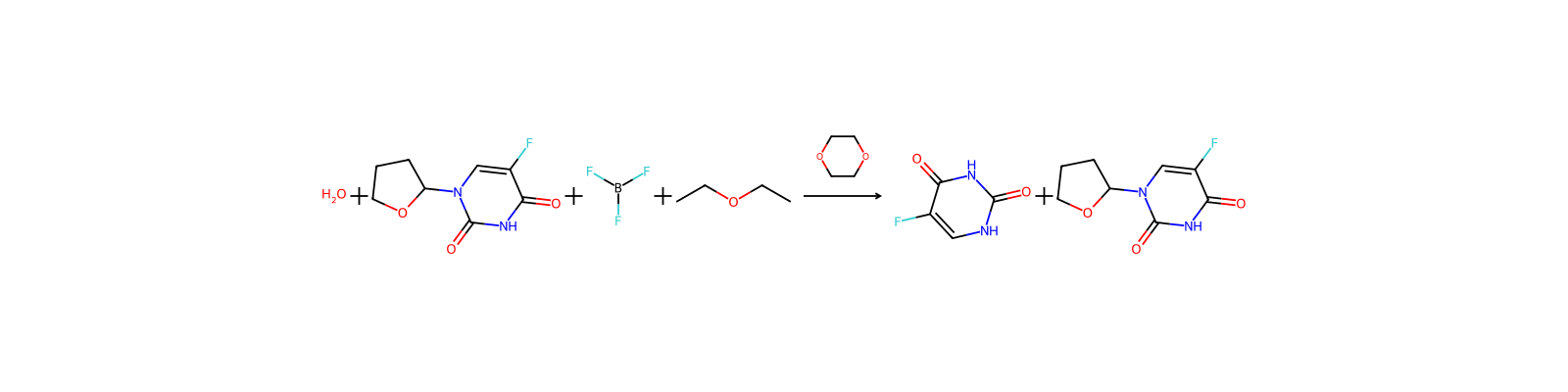
The direct action of fluorine on uracil yields the cancer chemotherapy agent, 5-fluorouracil.
Preparation: ... Heidelberger, Duschinsky, US 2802005 (1957); US 2885396 (1959)
Formulations/Preparations
Parenteral Injection, for iv use, 50 mg/mL, Adrucil, Adria; Fluorouracil Injection, Goldline, Lyphomed, Roche, Smith & Nepheq solopak; 50 mg/ml (2.5 g) pharmacy bulk package, Adrucil, Adria; Fluorouracil Injection, Lyphomed; 50 mg/mL (5 g) pharmacy bulk package, Fluorouracil Injection, Lyphomed, Smith & Nephew SoloPak.
Topical Cream, 1%, Fluoroplex (with benzyl alcohol), Herbert; 5%, Efudex (with parabens and propylene glycol), Roche Derm; Solution, 1%, Fluoroplex (with propylene glycol), Herbert; 2%, Efudex (with parabens and propylene glycol), Roche Derm; 5%, Efudex (with parabens and propylene glycol), Roche Derm.
Efudex Solution is available in 10-mL drop dispensers containing either 2% (NDC 0187-3202-10) or 5% (NDC 0187-3203-10) fluorouracil on a weight/weight basis compounded with propylene glycol, tris (hydroxymethyl) aminomethane, hydroxypropyl cellulose, parabens (methyl and propyl) and disodium edetate. Efudex Cream is available in 40-gm tubes containing 5% fluorouracil (NDC 0187-3204-47) in a vanishing cream base consisting of white petrolatum, stearyl alcohol, propylene glycol, polysorbate 60 and parabens (methyl and propyl). /Efudex Solutions/
General Manufacturing Information
2,4(1H,3H)-Pyrimidinedione, 5-fluoro-: ACTIVE
Commercial preparations are available in a variety of concentrations and vehicles. Solutions in propylene glycol are more active than cream preparations ... .
応用分野
解説フルオロウラシル,化学式はC4II3FN2O2,核酸塩基ウラシルの5位の水素をフッ素原子で置換した誘導体で,代表的な抗癌剤の一つ。ウラシルをフッ素化すると得られる.白色の結晶.分解点280~282 ℃.λmax 265~266 nm(ε 7070,pH 1.0).水に難溶,DMFに易溶.抗悪性腫瘍剤で,消化器がん,乳がん治療薬として使用される.LD50 226 mg/kg(マウス,経口).融点約280℃。水に微溶,エタノールに難溶。腫瘍細胞内でDNA合成を妨げて増殖を阻止,またRNAに取り込まれて異常タンパク質を合成させ,細胞を死亡させる。乳癌や消化器癌などに用いられる。
用途人間と動物医療域の抗腫瘍剤(乳房と消化管)
用途チミジル酸シンターゼを阻害 することにより DNA 合成阻害作用を示しま す
用途チミジル酸シンターゼを阻害 することにより DNA 合成阻害作用を示しま す。
用途抗癌剤研究用。
説明5-Fluorouracil (5-FU) is a prodrug form of the thymidylate synthase inhibitor fluorodeoxyuridylate (FdUMP). It is also converted to the active metabolites FUTP and FdUTP, which induce RNA and DNA damage, respectively. In vivo, 5-FU (15 mg/kg) when administered in combination with docetaxel reduces tumor growth in B88 and CAL 27 oral squamous cell carcinoma (OSCC) mouse xenograft models. Formulations containing 5-FU have been used in the treatment of colorectal, breast, gastric, and pancreatic cancers.
使用5-Fluorouracil is used as an antitumor agent in the treatment of anal, breast, colorectal, oesophageal, stomach, pancreatic and skin cancers. It finds application as a suicide inhibitor due to its irreversible inhibition of thymidylate synthase. It is also used in the treatment of actinic keratoses and bowen's disease. Further, it serves as a potent antineoplastic agent in clinical use. In addition to this, it acts as a DNA synthesis inhibitor.
一般的な説明White to nearly white crystalline powder; practically odorless. Used as an anti neoplastic drug, chemosterilant for insects.
上流・下流製品情報
上流原料
下流製品
サプライヤー50 社
国药集团化学试剂有限公司86-21-63210123 · [email protected]
北京华美互利生物化工010-56205725 · [email protected]
梯希爱(上海)化成工业发展有限公司021-67121386 · [email protected]
上海阿拉丁生化科技股份有限公司400-6206333 13167063860 · [email protected]
INTATRADE GmbH+49 3493/605464 · [email protected]
济南盛邦生物科技有限公司13685312009 · [email protected]
北京安司莫森技术有限公司010-82954736 13391601435 · [email protected]
韶远科技(上海)有限公司021-50795510 4000665055 · [email protected]
科瑞迪化学400-821-5857 021-64326257 · [email protected]
LGM Pharma1-(800)-881-8210 · [email protected]
上海迈瑞尔生化科技有限公司4006356688 18621169109 · [email protected]
武汉易泰科技有限公司上海分公司18930552037 · [email protected]
宁波亿诺化学品有限公司86-574-27787657 · [email protected]
大连美仑生物技术有限公司0411-62910999 13889544652 · [email protected]
阿法埃莎(中国)化学有限公司400-6106006 · [email protected]
安耐吉化学&3A(安徽泽升科技股份有限公司)400-0056266 · [email protected]
武汉凯威斯科技有限公司86-027-67849912 · [email protected]
上海瀚鸿科技股份有限公司021-54306202 13764082696 · [email protected]
常州市淇奥化工有限公司0519-85607258
上海景颜化工科技有限公司13817811078 · [email protected]
嘉兴市艾森化工有限公司0573-85285100 18627885956 · [email protected]
Pure Chemistry Scientific Inc.001-857-928-2050 or 1-888-588-9418 · [email protected]
MedChemexpress LLC021-58955995 · [email protected]
上海攀鸿化工科技有限公司021-56491756 13512199871 · [email protected]
武汉丰泰威远科技有限公司027-87465837 19945049750 · [email protected]
杭州东帆化学有限公司86-0571-85151182
孝感深远化工有限公司15527621225; 15527621225 · [email protected]
云南西力生物技术股份有限公司0871-65217109 · [email protected]
山东西亚化学有限公司13355009207 13355009207 · [email protected]
玛雅试剂+86 (573) 82222445 (0)18006601000 452520369 · [email protected]
四川库利南科技有限公司400-1166-196 18981987031 · [email protected]
天津希恩思生化科技有限公司400 638 7771 · [email protected]
湖南汇百侍生物科技有限公司0731-85526065 13308475853 · [email protected]
河南多贝化工有限公司0370-2785118 17550508557 · [email protected]
斯百全化学(上海)有限公司021-021-021-67601398-809-809-809 15221380277 · [email protected]
泰州志诚化工科技有限公司0523-82837785 13914525028 · [email protected]
上海源叶生物科技有限公司13636370518 · [email protected]
艾科试剂4008-755-333 18080918076 · [email protected]
深圳菲斯生物科技有限公司0755-83725681-603
上海思域化工科技有限公司86-21-34053660 · [email protected]
赛默飞世尔科技(中国)有限公司800-810-5118 · [email protected]
北京伊诺凯科技有限公司400-810-7969 010-59572699 · [email protected]
张家港保税区凯利特化工有限公司18606289633 15862625988 · [email protected]
上海特伯化学科技有限公司+86-21-60341587 · [email protected]
AdooQ BioScience, LLC+1 (866) 930-6790 · [email protected]
南京诺利斯医药科技有限公司13901585132 · [email protected]
TCI AMERICA800-4238616 · [email protected]
TOKYO CHEMICAL INDUSTRY CO., LTD.03-36680489 · [email protected]
TCI Europe320-37350700 · [email protected]
上海贤鼎生物科技有限公司4009209199 · [email protected]
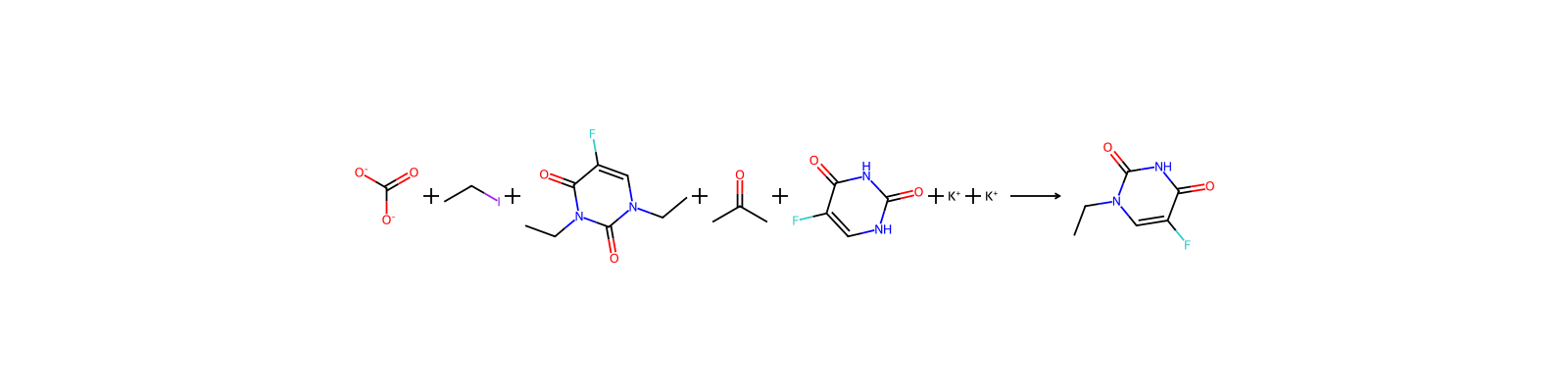
関連反応
219 件




関連ノート
読み込み中…