

基本情報
- 標準SMILES
C=CCN(CC=C)C(=O)C(Cl)Cl- InChIKey
YRMLFORXOOIJDR-UHFFFAOYSA-N- 分子式
- C8H11Cl2NO
- 平均分子量
- 208.08 g/mol
- 単同位体質量
- 207.02176933
概要
Dichlormid is a tertiary carboxamide.
名称と識別子
- 優先名称
- Dichlormid
- IUPAC
- 2,2-dichloro-N,N-bis(prop-2-enyl)acetamide
- 現地名
- ジクロルミド
- 英語名
- Dichlormid
- 分子式
- C8H11Cl2NO
- 分子量
- 208.09
名称と別名
Dichlormid37764-25-3N,N-DIALLYL-2,2-DICHLOROACETAMIDEN,N-DiallyldichloroacetamideStauffer R-25788Acetamide, 2,2-dichloro-N,N-di-2-propenyl-R-25788Acetamide, N,N-diallyl-2,2-dichloro-DTXSID4027997E901J4382O2,2-Dichloro-N,N-di-2-propenylacetamideDTXCID007997
名称をさらに表示
ジクロルミドN,N-ジアリルジクロロアセトアミドN,N-ビス(2-プロペニル)-2,2-ジクロロアセトアミドスタウファR-25788N,N-ジアリル-2,2-ジクロロアセトアミドジクロルミド標準品CS_N-11662-100MG_ジクロルミドジクロルミド STANDARDジクロルミド Standard, 100 µg/mL in MethanolDPCAormidichlormiDiclormidaDCPA amineDICHLOROMIDDICHLOROMIDEEPTC antidote
RefChem:586644253-658-8Compound R-257882,2-dichloro-N,N-bis(prop-2-enyl)acetamideN,N-Diallyl-2,3-dichloroacetamideDICHLORMID [MI]MFCD00072464CHEBI:81956
データベース識別子
- CAS
37764-25-3- PubChem CID
- 37829
- DTXSID
DTXSID4027997- ChEMBL
CHEMBL2251310- ChEBI
CHEBI:81956- UNII
- E901J4382O
- EC Number
- 253-658-8
- Nikkaji
- J20.075A
物性
構造計算による物性
- XLogP
- 2.4
- 極性表面積
- 20.3 Ų
- 水素結合供与体数
- 0
- 水素結合受容体数
- 1
- 回転可能結合数
- 5
- 重原子数
- 12
- 形式電荷
- 0
- 複雑度
- 170
実験および物理化学的性質
PesticidesPesticide (Dichlormid) -> USDA PDB
LogP
log Kow = 1.84 at 25 °C
1.84
Density1.202 at 20 °C
Color/FormClear viscous liquid
Solubility
In water, 5.0X10+3 mg/L at 20 °C
In water, about 5 g/L
Slightly soluble in water
In kerosene, about 15 g/L. Miscible with acetone, ethanol, xylene
Boiling PointBP: 130 °C at 10 mm Hg
DecompositionHazardous decomposition products formed under fire conditions. Carbon oxides, Nitrogen oxides (NOx), Hydrogen chloride gas.
Vapor Pressure6.0X10-3 mm Hg at 25 °C
Physical DescriptionLiquid
Stability/Shelf LifeStable under recommended storage conditions.
Other Experimental Properties
Stable to light
Amber to brown liquid. MP: 5.0-6.5 °C. Density: 1.192-1.204 at 30 degC /technical Dichlormid/
物理化学的性質
- 融点
- 5 · 5.0-6.5°C
- 沸点
- 118 °C · 118 °C / 2mmHg
- 比重(密度)
- 1.192 · 1.192-1.204
- 屈折率
- 1.502 · 1.5020-1.5060
- 貯蔵温度
- Sealed in dry,Room Temperature
- 酸解離定数(Pka)
- -1.54 · -1.54±0.70(Predicted)
- 外見
- Liquid
- 色
- Colorless to Red to Green
- 水溶解度
- 5 g/L · 5g/L(20℃)
- Merck
- 3049 · 3049
- Henry's Law Constant
- 3.1 · 3.1×101 mol/(m3Pa) at 25℃, Hilal et al. (2008)
- 主な用途
- 農業環境
- InChI
- InChI=1S/C8H11Cl2NO/c1-3-5-11(6-4-2)8(12)7(9)10/h3-4,7H,1-2,5-6H2
- InChIKey
- YRMLFORXOOIJDR-UHFFFAOYSA-N
- SMILES
- C(N(CC=C)CC=C)(=O)C(Cl)Cl
- CAS データベース
- 37764 · 37764-25-3(CAS DataBase Reference)
- EPAの化学物質情報
- Dichlormid (37764-25-3)
化学的性質
化学的特性Dichlormid is a colorless to pale yellow viscous liquid that is easily soluble in water, highly volatile in water, and generally does not persist in soil.
安全と法規制
GHS分類
GHS Classification
Warning
H302 (34.6%): Harmful if swallowed [Warning Acute toxicity, oral]
P261, P264, P270, P271, P280, P301+P317, P302+P352, P304+P340, P317, P321, P330, P332+P317, P362+P364, and P501 (click each P-code to see the statement)
Aggregated GHS information provided per 130 reports by companies from 6 notifications to the ECHA C&L Inventory. Each notification may be associated with multiple companies.
Warning
H302: Harmful if swallowed [Warning Acute toxicity, oral]
危険有害性情報
Regulatory Information
Acetamide, 2,2-dichloro-N,N-di-2-propen-1-yl- is listed on the EPA's Chemical Data Reporting (CDR) system. Manufacturers and importers of Acetamide, 2,2-dichloro-N,N-di-2-propen-1-yl- are required to report information about their production and use of this chemical to the EPA under the Toxic Substances Control Act (TSCA). (40 eCFR Part 711)
SP - indicates a substance that is identified in a proposed Significant New Use Rule.
Dichlormid is listed in the dataset of EPA Human Health Benchmarks for Pesticides under the Safe Drinking Water Act (40 eCFR 141)
Dichlormid: Does not have an individual approval but may be used under an appropriate group standard
TSCA Requirements
Section 8(a) of TSCA requires manufacturers of this chemical substance to report preliminary assessment information concerned with production, exposure, and use to EPA as cited in the preamble in 51 FR 41329. Effective date: 9/29/06; Reporting date: 11/28/06.
Pursuant to section 8(d) of TSCA, EPA promulgated a model Health and Safety Data Reporting Rule. The section 8(d) model rule requires manufacturers, importers, and processors of listed chemical substances and mixtures to submit to EPA copies and lists of unpublished health and safety studies. Acetamide, 2,2-dichloro-N,N-di-2-propenyl- is included on this list. Effective date: 9/29/06; Reporting date: 11/28/06.
FIFRA Requirements
Tolerances are established for residues of dichlormid, including its metabolites and degradates, when used as an inert ingredient (herbicide safener) in pesticide formulations, in or on the commodities in the following table. Compliance with the tolerances is to be determined by measuring only dichlormid (2,2-dichloro-N,N-di-2-propenylacetamide).[Table#8492]
Tolerances are established for residues of dichlormid, including its metabolites and degradates, at 0.05 parts per million (ppm) when used as an inert ingredient (herbicide safener) in pesticide formulations containing metolachlor or S-metolachlor in or on raw agricultural commodities for which tolerances have been established for metolachlor or S-metolachlor. Compliance with the tolerances is to be determined by measuring only dichlormid (2,2-dichloro-N,N-di-2-propenylacetamide).
Toxic Combustion ProductsHazardous decomposition products formed under fire conditions. Carbon oxides, Nitrogen oxides (NOx), Hydrogen chloride gas.
Hazard Classes and CategoriesAcute Tox. 4 (34.6%)
Skin, Eye, and Respiratory IrritationsDichlormid is mildly irritating to the skin of rabbits (Category IV) and severely irritating to the eyes of rabbits (Category II). Dichlormid is a mild dermal sensitizer.
Hazardous Reactivities and IncompatibilitiesIncompatible materials: Strong oxidizing agents.
安全と保護具
Fire Fighting Procedures
Suitable extinguishing media: Use water spray, alcohol-resistant foam, dry chemical or carbon dioxide.
Advice for firefighters: Wear self-contained breathing apparatus for firefighting if necessary.
Storage ConditionsKeep container tightly closed in a dry and well-ventilated place. Containers which are opened must be carefully resealed and kept upright to prevent leakage.
Cleanup Methods
ACCIDENTAL RELEASE MEASURES: Personal precautions, protective equipment and emergency procedures: Use personal protective equipment. Avoid breathing vapors, mist or gas. Ensure adequate ventilation. Environmental precautions: Do not let product enter drains. Methods and materials for containment and cleaning up: Soak up with inert absorbent material and dispose of as hazardous waste. Keep in suitable, closed containers for disposal.
Disposal Methods
SRP: Recycle any unused portion of the material for its approved use or return it to the manufacturer or supplier. Ultimate disposal of the chemical must consider: the material's impact on air quality; potential migration in air, soil or water; effects on animal, aquatic and plant life; and conformance with environmental and public health regulations. If it is possible or reasonable use an alternative chemical product with less inherent propensity for occupational harm/injury/toxicity or environmental contamination.
Product: Offer surplus and non-recyclable solutions to a licensed disposal company. Contact a licensed professional waste disposal service to dispose of this material. Contaminated packaging: Dispose of as unused product.
Preventive Measures
ACCIDENTAL RELEASE MEASURES: Personal precautions, protective equipment and emergency procedures: Use personal protective equipment. Avoid breathing vapors, mist or gas. Ensure adequate ventilation. Environmental precautions: Do not let product enter drains.
Precautions for safe handling: Avoid contact with skin and eyes. Avoid inhalation of vapor or mist. Normal measures for preventive fire protection.
Appropriate engineering controls: Handle in accordance with good industrial hygiene and safety practice. Wash hands before breaks and at the end of workday.
Gloves must be inspected prior to use. Use proper glove removal technique (without touching glove's outer surface) to avoid skin contact with this product. Dispose of contaminated gloves after use in accordance with applicable laws and good laboratory practices. Wash and dry hands.
SRP: The scientific literature for the use of contact lenses by industrial workers is inconsistent. The benefits or detrimental effects of wearing contact lenses depend not only upon the substance, but also on factors including the form of the substance, characteristics and duration of the exposure, the uses of other eye protection equipment, and the hygiene of the lenses. However, there may be individual substances whose irritating or corrosive properties are such that the wearing of contact lenses would be harmful to the eye. In those specific cases, contact lenses should not be worn. In any event, the usual eye protection equipment should be worn even when contact lenses are in place.
Allowable Tolerances
Tolerances are established for residues of dichlormid, including its metabolites and degradates, when used as an inert ingredient (herbicide safener) in pesticide formulations, in or on the commodities in the following table. Compliance with the tolerances is to be determined by measuring only dichlormid (2,2-dichloro-N,N-di-2-propenylacetamide).[Table#8491]
Tolerances are established for residues of dichlormid, including its metabolites and degradates, at 0.05 parts per million (ppm) when used as an inert ingredient (herbicide safener) in pesticide formulations containing metolachlor or S-metolachlor in or on raw agricultural commodities for which tolerances have been established for metolachlor or S-metolachlor. Compliance with the tolerances is to be determined by measuring only dichlormid (2,2-dichloro-N,N-di-2-propenylacetamide).
Personal Protective Equipment (PPE)
Eye/face protection: Face shield and safety glasses. Use equipment for eye protection tested and approved under appropriate government standards such as NIOSH (US) or EN 166(EU).
Skin protection: Handle with gloves.
Body Protection: Complete suit protecting against chemicals. The type of protective equipment must be selected according to the concentration and amount of the dangerous substance at the specific workplace.
Respiratory protection: Where risk assessment shows air-purifying respirators are appropriate use a full-face respirator with multipurpose combination (US) or type ABEK (EN 14387) respirator cartridges as a backup to engineering controls. If the respirator is the sole means of protection, use a full-face supplied air respirator. Use respirators and components tested and approved under appropriate government standards such as NIOSH (US) or CEN (EU).
毒性情報
Interactions
Dichlormid, a safener for thiolcarbamate herbicides, was tank-mixed with several herbicidal inhibitors of photosystem II, or with the herbicide acifluorfen, and applied postemergence to Ipomoea hederacea plants. Dichlormid had no visible effects on the plants when applied alone, but interacted synergistically with the herbicides in the combination treatments. Dichlormid strongly decreased the ascorbic acid levels in the Ipomoea hederacea cotyledons. Ascorbate is known to protect plant tissue from photooxidative damage. The herbicides which interacted synergistically with dichlormid are believed to generate their phytotoxic action via the production of excess singlet oxygen. It is suggested that the decreased ascorbate levels in the lpomoea hederacea cotyledons after dichlormid treatment result in an impaired singlet oxygen scavenging system and consequently lead to increased plant damage in the presence of singlet oxygen generating herbicides.
The effects of individual or combined treatment of the cyclohexanedione herbicide sethoxydim and the safener dichlormid on total lipid synthesis, protein synthesis and acetyl-CoA carboxylase (ACCase, EC 6.4.1.12) activity of grain sorghum [Sorghum bicolor (L.) Moench, var. G623] were investigated. Sethoxydim and dichlormid were tested at concentrations of 0, 5, 50, and 100 uM each. Sethoxydim applied alone at 50 and 100 uM, inhibited the incorporation of (14)C-acetate into total lipids of sorghum leaf protoplasts by more than 50%, following a 4 hr incubation. Dichlormid antagonized partially the inhibitory effects of sethoxydim on the incorporation of acetate into total lipids of sorghum protoplasts only when it was used at 100 uM. Sethoxydim applied alone inhibited the incorporation of [(14)C]leucine into sorghum leaf protoplasts only at 100 uM. Dichlormid was not inhibitory of this process at any concentration. The combined effects of sethoxydim and dichlormid on this process were mainly additive indicating no interactions of the two chemicals. Sethoxydim applied alone at 5 and 50 uM inhibited the activity of ACCase extracted from leaf tissues of grain sorghum seedlings by 58 and 90%, respectively. Addition of the safener dichlormid to the assay medium did not inhibit ACCase activity of sorghum leaves even at the high concentration of 50 uM. The combined effects of sethoxydim and dichlormid on the activity of sorghum ACCase were similar to those observed when sethoxydim was used alone. These results indicate that the protection conferred by dichlormid on grain sorghum against sethoxydim injury can not be explained on the basis of an antagonistic interaction of the two chemicals on target metabolic processes (lipid synthesis) or target enzymes (ACCase).
Ecotoxicity Values
LC50; Species: Colinus virginianus (Northern Bobwhite Quail) age 13 days; diet >5200 ppm for 11 days /97% purity/
LD50; Species: Colinus virginianus (Northern Bobwhite Quail) age 16 weeks; oral via capsule 1545 ppm (95% confidence interval: 1319-1830 ppm) /97% purity/
EC50; Species: Daphnia magna (Water Flea) age <24 hr; Conditions: freshwater, static; Concentration: 141000 ug/L for 48 hr (95% confidence interval: 113000-176000 ug/L); Effect: intoxication, immobilization /97.2% purity/
LC50; Species: Oncorhynchus mykiss (Rainbow Trout) weight 0.66 g; Conditions: freshwater, static; Concentration: 141000 ug/L for 96 hr (95% confidence interval: 103000-194000 ug/L) /97% purity/
Environmental Fate
TERRESTRIAL FATE: Based on a classification scheme(1), an estimated Koc value of 120(SRC), determined from a structure estimation method(2), indicates that dichlormid is expected to have high mobility in soil(SRC). Volatilization of dichlormid from moist soil surfaces is not expected to be an important fate process(SRC) given an estimated Henry's Law constant of 3.3X10⁻⁷ atm-cu m/mole(SRC), based upon its vapor pressure, 6.0X10⁻³ mm Hg(3), and water solubility, 5.0X10+3 mg/L(4). Dichlormid is not expected to volatilize from dry soil surfaces(SRC) based upon its vapor pressure(3). Biodegradation data in soil were not available(SRC, 2018).
FIELD STUDY; Dichlormid has an estimated field half-life of <30 days(1).
AQUATIC FATE: Based on a classification scheme(1), an estimated Koc value of 120(SRC), determined from a structure estimation method(2), indicates that dichlormid is not expected to adsorb to suspended solids and sediment(SRC). Volatilization from water surfaces is expected to be a slow process(3) based upon an estimated Henry's Law constant of 3.3X10⁻⁷ atm-cu m/mole(SRC), derived from its vapor pressure, 6.0X10⁻³ mm Hg(4), and water solubility, 5.0X10+3mg/L(5)}. Using this Henry's Law constant and an estimation method(3), volatilization half-lives for a model river and model lake are 160 days and 1,200 days, respectively(SRC). According to a classification scheme(6), an estimated BCF of 8(SRC), from its log Kow of 1.84(7) and a regression-derived equation(2), suggests the potential for bioconcentration in aquatic organisms is low(SRC). Biodegradation data in water were not available(SRC, 2018).
ATMOSPHERIC FATE: According to a model of gas/particle partitioning of semivolatile organic compounds in the atmosphere(1), dichlormid, which has a vapor pressure of 6.0X10⁻³ mm Hg at 25 °C(SRC), determined from a fragment constant method(2), is expected to exist solely as a vapor in the ambient atmosphere. Vapor-phase dichlormid is degraded in the atmosphere by reaction with photochemically-produced hydroxyl radicals(SRC); the half-life for this reaction in air is estimated to be 5 hrs(SRC), calculated from its rate constant of 7.6X10⁻¹¹ cu cm/molecule-sec at 25 °C(SRC) that was derived using a structure estimation method(2). Vapor-phase dichlormid is degraded in the atmosphere by reaction with ozone(SRC); the half-life for this reaction in air is estimated to be 11 hrs(SRC), calculated from its rate constant of 2.4X10⁻¹⁷ cu cm/molecule-sec at 25 °C(SRC) that was derived using a structure estimation method(2). Dichlormid contains chromophores that absorb at wavelengths >290 nm(3) and, therefore, may be susceptible to direct photolysis by sunlight(SRC).
Toxicity Summary
IDENTIFICATION AND USE: Dichlormid is used to increase tolerance of corn to chloroacetanilide and thiocarbamate herbicides. It can also be effective in phytoremediation of water polluted with metals (or other toxic compounds). HUMAN STUDIES: Dichlormid alone did not produce any damage to human erythrocytes and did not elicit any changes in oxidative stress parameters. Combination of dichlormid with another herbicide did not attenuate hemolysis of erythrocytes compared to the herbicide alone. Dichlormid reduced lipid peroxidation induced by herbicides, which suggest the role of safeners as antioxidants. ANIMAL STUDIES: Dichlormid is mildly irritating to the skin of rabbits and severely irritating to the eyes of rabbits. Dichlormid is a mild dermal sensitizer. In a subchronic inhalation toxicity study in rats via whole body exposure for 6 hours a day, 5 days/week for 14 weeks, decreased body weights and increased liver weights were observed at the highest dose tested. 90-day toxicity studies in dogs reported decreased body weight gains, hematological and clinical chemistry alternations, liver toxicity and voluntary muscle pathological changes. In a 90-day rat toxicity study, toxicity was manifested as minor decreases in body weight gains and food efficiency in females and increased liver weight. No increased incidences of treatment related tumors were observed in mice and rats. In the carcinogenicity study in mice, kidney changes and changes in reproductive organs were observed, while rats exhibited decreased body weights and liver toxicity. In a 2-generation reproduction study in rats, no treatment related effects on reproductive parameters were observed. Minimal increased liver weight, minimal decreased weight gain and minimal decrease in food consumption was observed in parental animals. Increased liver weights were observed in the offspring. Mutagenic potential for dichlormid was evaluated in a battery of in vivo and in vitro assays. A negative response was observed in these assays except in one in vitro assay (mouse lymphoma assay). However, the in vivo mouse micronucleus assay was negative.
Ecotoxicity Excerpts
/PLANTS/ In the last decades, many anthropogenic activities have resulted in heavy metal contamination of freshwaters and surrounding environments. This poses serious threats to human health. Phytoremediation is a cost-effective technology which is useful for remediating polluted soils and water. Recently, the use of aquatic free-floating plants has been proposed to remediate polluted water. In this context, a study on the capacity of two aquatic plants, Lemna minor (duckweed) and Salvinia auriculata (salvinia), to remediate Cu+2 (Cu) polluted water was carried out. Initially, the species were exposed to different copper concentrations (1, 5, 10, 20 and 50 umol/L) in order to assess Cu+2 toxicity to the plants. In addition, plants were treated with two safeners (benoxacor and dichlormid), with the aim of pointing out any safening effect of these compounds on the aquatic species. Toxicity tests showed that safened plants had a greater Cu resistance, especially at the higher Cu doses. Finally, unsafened and safened plants were tested in the decontamination of water polluted by copper (1.2 mg/L). In general, duckweed removed higher amounts of Cu from polluted water than salvinia, and, surprisingly, for both the species the safeners significantly increased the plants' capacity to remove the metal from the polluted waters. Lastly, an HPLC-based method was developed and standardized to monitor the residual amounts of the two safeners in the water. While dichlormid was completely absorbed by duckweed within few days after the treatments, some residual amounts of both safeners were found in salvinia vegetated water after two weeks. In conclusion, the results of this research show that the use of aquatic species in combination with safeners is an attractive and reliable tool to make plants more effective in phytoremediation of water polluted with metals (or other toxic compounds).
/PLANTS/ Certain chemicals referred to as herbicide antidotes protect sorghum from injury by chloroacetanilide herbicides such as metolachlor. The effect of herbicide antidotes on the glutathione S-transferase isozyme complement of etiolated sorghum (Sorghum bicolor [L.] Moench) shoots was examined. Elution profiles of glutathione S-transferase isozymes from untreated and antidote-treated seedlings were generated by fast protein liquid chromatography utilizing an anion exchange (Mono Q) column. In untreated seedlings, there were two glutathione S-transferase isozymes, a major isozyme which exhibited activity toward 1-chloro-2,4-dinitrobenzene and a minor isozyme which exhibited activity toward metolachlor. Treating sorghum seedlings with various antidotes (flurazole, oxabetrinil, CGA-133205, naphthalic anhydride, dichlormid) resulted in the appearance of four to five additional glutathione S-transferase isozymes (depending on the particular antidote) which exhibited activity toward metolachlor as a substrate and little or no activity with 1-chloro-2,4-dinitrobenzene. Treating etiolated sorghum shoots with metolachlor was also found to induce at least four isozymes which exhibited activity toward the herbicide. An increase in glutathione S-transferase activity, measured with metolachlor as substrate, was detected within 4 hr after treatment with 30 micromolar oxabetrinil, but 36 hours were required for maximum expression of activity. Addition of either the transcription inhibitor cordycepin or the translation inhibitor cycloheximide inhibited the appearance of glutathione S-transferase activity measured with metolachlor as substrate. The results are consistent with the hypothesis that antidotes confer protection against metolachlor injury in sorghum by inducing the de novo synthesis of glutathione S-transferase isozymes which catalyze the detoxification of the herbicide.
/PLANTS/ Herbicide safeners manipulate herbicide selectivity by enhancing the activities of detoxifying enzymes, such as glutathione transferases (GSTs) and cytochrome P450 mono-oxygenases (CYPs) in cereal crops. As part of a study examining the importance of O-glucosyltransferases (OGTs) in pesticide metabolism in hexaploid bread wheat (Triticum aestivum L.), seedlings were grown in the presence of dichlormid, a safener used in maize and cloquintocet mexyl, a wheat safener. The efficacy of the treatments was confirmed by monitoring changes in the abundance of phi and tau class GSTs. OGT activities in the root and shoot tissue were assayed using phenolics of natural and xenobiotic origin to determine if they were enhanced by safeners. Cloquintocet mexyl selectively increased OGT activities toward xenobiotics (4-nitrophenol and 2,4,5-trichlorophenol) and flavonoids, (quercetin, luteolin, genistein and coumestrol) in both the roots and shoots. However, OGT activity towards simple phenols and phenylpropanoids was not enhanced by cloquintocet mexyl. Dichlormid was a much weaker enhancer of OGT activity, with the same subset of OGT activities increased as determined with cloquintocet mexyl, but with the effect being largely restricted to the roots. OGT activities were also determined in black-grass (Alopecurus myosuroides L.), an agronomically important weed in wheat. Two populations of black-grass differing in their sensitivity to herbicides were analyzed. The population Peldon, which is resistant to multiple classes of herbicides due in part to the elevated expression of CYPs and GSTs active in herbicide detoxification, contained higher OGT activities than herbicide sensitive black-grass. Unlike wheat, treatment with cloquintocet mexyl or dichlormid, had no effect on OGT activities in either black-grass population.
/PLANTS/ The glutathione transferases (GSTs) from maize (Zea mays L.) with activities toward the chloroacetanilide herbicide metolachlor and the diphenyl ether herbicide fluorodifen were fractionated into two pools based on binding to affinity columns. Pool 1 GSTs were retained on Orange A agarose and were identified as isoenzymes Zea mays (Zm) GST I-I, Zm GST I-II and Zm GST I-III, which have been described previously. Pool 2 GSTs selectively bound to S-hexyl-glutathione-Sepharose and were distinct from the pool 1 GSTs, being composed of a homodimer of 28.5 kDa subunits, termed Zm GST V-V, and a heterodimer of the 28.5 kDa polypeptide and a 27.5 kDa subunit, termed Zm GST V-VI. Using an antibody raised to Zm GST V-VI, a cDNA expression library was screened and a Zm GST V clone identified showing sequence similarity to the type-III auxin-inducible GSTs previously identified in tobacco and other dicotyledenous species. Recombinant Zm GST V-V showed high GST activity towards the diphenyl ether herbicide fluorodifen, detoxified toxic alkenal derivatives and reduced organic hydroperoxides. Antibodies raised to Zm GST I-II and Zm GST V-VI were used to monitor the expression of GST subunits in maize seedlings. Over a 24 hr period the Zm GST I subunit was unresponsive to chemical treatment, while expression of Zm GST II was enhanced by auxins, herbicides, the herbicide safener dichlormid and glutathione. The Zm GST V subunit was more selective in its induction, only accumulating significantly in response to dichlormid treatment. During development Zm GST I and Zm GST V were expressed more in roots than in shoots, with Zm GST II expression limited to the roots.
Ongoing Test Status
EPA has released the Interactive Chemical Safety for Sustainability (iCSS) Dashboard. The iCSS Dashboard provides an interactive tool to explore rapid, automated (or in vitro high-throughput) chemical screening data generated by the Toxicity Forecaster (ToxCast) project and the federal Toxicity Testing in the 21st century (Tox21) collaboration. /The title compound was tested by ToxCast and/or Tox21 assays/[USEPA; ICSS Dashboard Application; Available from, as of August 9, 2018: http://actor.epa.gov/dashboard/]
Soil Adsorption/Mobility
Using a structure estimation method based on molecular connectivity indices(1), the Koc of dichlormid can be estimated to be 120(SRC). According to a classification scheme(2), this estimated Koc value suggests that dichlormid is expected to have high mobility in soil(SRC). Dichlormid leaching in soil is affected by percent organic matter and clay content of soil. Movement was greatest thourgh Galestown sand (90% sand, 7% silt, 3% clay, 0.8% organic matter) and least through a Manor gravelly loam (42% sand, 32% silt, 26% clay, 2.7% organic matter)(3).
Human Toxicity Excerpts
/ALTERNATIVE and IN VITRO TESTS/ Chloroacetamides are used as pre-emergent substances for growth control of annual grasses and weeds. Since they can be harmful for crop plants, protective compounds (safeners) are used along with herbicides. So far, their effects on human blood cells have not been evaluated, and this study is the very first one devoted to this subject. We examined the harmful effects of chloroacetamides, their metabolites and safeners /dichlormid/, used alone or in combination with herbicides, on human erythrocytes measuring the extent of hemolysis, lipid peroxidation and catalase activity. Higher impact of herbicides than their metabolites on all of the investigated parameters was found. Safeners alone did not produce any damage to erythrocytes and did not elicit any changes in oxidative stress parameters. Combination of safener with herbicide did not attenuate hemolysis of erythrocytes compared to the herbicide alone. Safeners reduced lipid peroxidation induced by herbicides, which suggest the role of safeners as antioxidants.
Artificial Pollution SourcesDichlormid's production may result in its release to the environment through various waste streams; its use as a herbicide safener to enhance herbicide selectivity(1) will result in its direct release to the environment(SRC).
Environmental Bioconcentration
An estimated BCF of 8 was calculated in fish for dichlormid(SRC), using a log Kow of 1.84(1) and a regression-derived equation(2). According to a classification scheme(2), this BCF suggests the potential for bioconcentration in aquatic organisms is low(SRC).
Volatilization from Water/Soil
The Henry's Law constant for dichlormid is estimated as 3.3X10⁻⁷ atm-cu m/mole(SRC) derived from its vapor pressure, 6.0X10⁻³ mm Hg(1), and water solubility, 5,000 mg/L(2). This Henry's Law constant indicates that dichlormid is expected to volatilize slowly from water surfaces(3). Based on this Henry's Law constant, the volatilization half-life from a model river (1 m deep, flowing 1 m/sec, wind velocity of 3 m/sec)(3) is estimated as 160 days(SRC). The volatilization half-life from a model lake (1 m deep, flowing 0.05 m/sec, wind velocity of 0.5 m/sec)(3) is estimated as 1,173 days(SRC). Dichlormid's estimated Henry's Law constant indicates that volatilization from moist soil surfaces may occur(SRC). Dichlormid is not expected to volatilize from dry soil surfaces(SRC) based upon its vapor pressure(1).
Non-Human Toxicity Excerpts
/LABORATORY ANIMALS: Acute Exposure/ Dichlormid is mildly irritating to the skin of rabbits (Category IV) and severely irritating to the eyes of rabbits (Category II). Dichlormid is a mild dermal sensitizer.
/LABORATORY ANIMALS: Subchronic or Prechronic Exposure/ In a subchronic inhalation toxicity study in rats via whole body exposure for 6 hours a day, 5 days/week for 14 weeks, decreased body weights and increased liver weights were observed at the highest dose tested. The increased liver weights was considered as an adaptive response. Chromorhinorrhea, a respiratory system clinical observation based on the discharge of colored secretion from the nostrils, was exhibited consistently in the two top dose exposure groups. Microscopic pathology identified in the two top dose exposure groups, dose-dependent respiratory tract tissue alterations involving the olfactory epithelium for both genders.
/LABORATORY ANIMALS: Subchronic or Prechronic Exposure/ /In a/ 90-day toxicity study in dogs ..., via capsules /(0, 1, 5, 25, or 50 mg/kg/day)/, decreased body weight gains, hematological and clinical chemistry alternations, liver toxicity and voluntary muscle pathological changes were observed.
/LABORATORY ANIMALS: Subchronic or Prechronic Exposure/ /In a/ 90-day rat toxicity study /using oral doses of 0, 20, 200, or 2000 ppm/, toxicity was manifested as minor decrease in body weight gains and food efficiency in females and on increased liver weight and a slightly increased (not statistically significant) incidence of liver lipidosis in males.
For more Non-Human Toxicity Excerpts (Complete) data for Dichlormid (11 total), please visit the HSDB record page.
法規制情報
TSCA Requirements
Section 8(a) of TSCA requires manufacturers of this chemical substance to report preliminary assessment information concerned with production, exposure, and use to EPA as cited in the preamble in 51 FR 41329. Effective date: 9/29/06; Reporting date: 11/28/06.
Pursuant to section 8(d) of TSCA, EPA promulgated a model Health and Safety Data Reporting Rule. The section 8(d) model rule requires manufacturers, importers, and processors of listed chemical substances and mixtures to submit to EPA copies and lists of unpublished health and safety studies. Acetamide, 2,2-dichloro-N,N-di-2-propenyl- is included on this list. Effective date: 9/29/06; Reporting date: 11/28/06.
FIFRA Requirements
Tolerances are established for residues of dichlormid, including its metabolites and degradates, when used as an inert ingredient (herbicide safener) in pesticide formulations, in or on the commodities in the following table. Compliance with the tolerances is to be determined by measuring only dichlormid (2,2-dichloro-N,N-di-2-propenylacetamide).[Table#8492]
Tolerances are established for residues of dichlormid, including its metabolites and degradates, at 0.05 parts per million (ppm) when used as an inert ingredient (herbicide safener) in pesticide formulations containing metolachlor or S-metolachlor in or on raw agricultural commodities for which tolerances have been established for metolachlor or S-metolachlor. Compliance with the tolerances is to be determined by measuring only dichlormid (2,2-dichloro-N,N-di-2-propenylacetamide).
安全データ
- wgk
- 3
- tsca
- TSCA listed
- rtecs
- AB6080000
- 毒性
- LD50 orally in rats: 2146 mg/kg (Fed. Regist.)
- hs_code
- 2924.19.1150
- risk_code
- 22-23
- 消防法
- 危-4-3-III
- hazard_code
- T
- safety_code
- 45
- Hazard Classifications
- Acute Tox. 4 InhalationAcute Tox. 4 Oral
- ストレージクラス
- 10 - Combustible liquids
- 有毒物質データの
- 37764-25-3(Hazardous Substances Data)
化学と産業
薬理情報
Mechanism of Action
The thiocarbamates, such as pebulate (S-propyl butyl (ethyl) thiocarbamate) are a well-established class of herbicides. They inhibit fatty acid elongation, which is necessary for the biosynthesis of constituents of surface waxes and suberin and this has been proposed to be important for their toxicity. In this study lipid metabolism was investigated in herbicide-treated barley (Hordeum vulgare) and a pernicious weed, wild oats (Avena ludoviciana), to test the hypothesis that inhibitory effects on fatty acid elongation could be counteracted by the safer, dichlormid. Pebulate and its sulfoxide derivative (thought to be the active metabolite in vivo) were tested against lipid metabolism in barley or wild oat shoots. In both plants there was a significant inhibition of very long chain fatty acid (VLCFA) synthesis at herbicide concentrations > or =25 uM. The extent to which safener dichlormid could prevent the inhibition of VLCFA synthesis was different in the two species. Previous treatment of barley with dichlormid (N,N-diallyl-2,2-dichloroacetamide) enabled fatty acid elongation in the presence of pebulate or pebulate sulphoxide, but had no effect on wild oats. The effects on fatty acid elongation mimicked the differential safening action of dichlormid observed on shoot elongation and growth in the two species. These data provide further evidence that inhibition of VLCFA formation is important for the mechanism of action of thiocarbamates.
The changes in fatty acid composition of maize leaf lipids caused by EPTC were generally similar to known effects of this herbicide in other plants: decreasing of linolenic acid content and increasing of its precursors, palmitic, stearic, oleic and linoleic acids. However, novel effects were detected in roots where the proportion of minor fatty acid palmitoleic acid was increased from 2.1 to 7.6 and 16.6% by EPTC and EPTC + dichlormid treatments, respectively. Simultaneously, the phospholipid content of root lipids was increased by both EPTC as well as EPTC + dichlormid treatments.
Metabolism/MetabolitesDichlormid was metabolized via two pathways: 1. Initial dechlorination followed by formation of various chlorinated, water-soluble metabolites, and 2. Formation of various chlorinated metabolites.
Absorption, Distribution and Excretion
Approximately 90% of the orally administered dose was absorbed in rats. Urinary excretion was the major route of elimination of orally administered dichlormid, consistently accounting for 60-78% of the administered dose over 48-168 hours following a single oral dose. Fecal excretion accounted for approximately 8-20% of a single oral dose. Approximately 70-77% of urinary excretion (representing 52-54% of the administered dose) occurred within 24 hours. No gender-related difference in rate or amount of urinary excretion was observed. No significant accumulation in the body was observed.
用途と製造
Uses
Increases tolerance of corn to chloroacetanilide and thiocarbamate herbicides.
Herbicide safener
U.S. Production
2023: <75,000 lb
Non-confidential 2016 Chemical Data Reporting (CDR) information on the production and use of chemicals manufactured or imported into the United States. Chemical: Acetamide, 2,2-dichloro-N,N-di-2-propen-1-yl-:
Consumer UsesSurfactant (surface active agent)
Industry UsesSurfactant (surface active agent)
Methods of ManufacturingPreparation and use in combination with thiocarbamate herbicides: F. M. Pallos et al., United States of America patent 4021224 (1977 to Stauffer)
Formulations/PreparationsPremix Partners: EPTC
General Manufacturing Information
Pesticide, Fertilizer, and Other Agricultural Chemical Manufacturing
Acetamide, 2,2-dichloro-N,N-di-2-propen-1-yl-: ACTIVE
応用分野
説明Dichlormid is a herbicide ‘safener’ currently approved by the U.S. Environmental Protection Agency (USEPA) for use on corn pasture and stover to protect corn from injury with chloroacetanilide and thiocarbamate herbicides; and to protect rice and wheat from etofenprox, butachlor, alachlor, grass, Lasso, tri-allate, Ordram, Simagine, and other herbicides.
使用Dichlormid is a chemical that in vitro has been shown as a potential herbicide for weed control.
上流・下流製品情報
上流原料
サプライヤー50 社
国药集团化学试剂有限公司86-21-63210123 · [email protected]
梯希爱(上海)化成工业发展有限公司021-67121386 · [email protected]
郑州阿尔法化工有限公司+86-18530059196 · [email protected]
湖北永阔科技有限公司027-59223108 15972152991 · [email protected]
上海阿拉丁生化科技股份有限公司400-6206333 13167063860 · [email protected]
Shandong chuangyingchemical Co., Ltd.18853181302 · [email protected]
湖北万得化工有限公司15377098680 15377098680 · [email protected]
成都超九八生物科技有限公司13348960310 13348960310 · [email protected]
合肥翰刚医药科技有限公司+8618062405514 · [email protected]
河北创海生物科技有限公司+86-86-13131129325 · [email protected]
Henan Xiangtong Chemical Co., Ltd.86-371-61312303 · [email protected]
上海将来实业股份有限公司400-0066400 13621662912 · [email protected]
徐州彰梁生化科技有限公司13965018530 18662980000 · [email protected]
上海迈瑞尔生化科技有限公司4006356688 18621169109 · [email protected]
广东云星生物技术有限公司0751-18902340975/189023400307 18902340307 · [email protected]
上海瀚鸿科技股份有限公司021-54306202 13764082696 · [email protected]
上海景颜化工科技有限公司13817811078 · [email protected]
湖北广奥生物科技有限公司027-02702759223056 18162699093 · [email protected]
合肥天健化工有限公司551-65418679 15856988503;15837135945 · [email protected]
山东西亚化学有限公司13355009207 13355009207 · [email protected]
Xiamen AmoyChem Co., Ltd+86-86-5926051114 · [email protected]
艾科试剂4008-755-333 18080918076 · [email protected]
TCI AMERICA800-4238616 · [email protected]
TOKYO CHEMICAL INDUSTRY CO., LTD.03-36680489 · [email protected]
TCI Europe320-37350700 · [email protected]
上海贤鼎生物科技有限公司4009209199 · [email protected]
深圳振强药物研发有限公司0755-66853366 13670046396 · [email protected]
南京生利德生物科技有限公司025-57798810 18652991625 · [email protected]
上海将来实业股份有限公司400-0066400 13621662912 · [email protected]
安徽科迪达化工有限公司0554-2106669 · [email protected]
成都零六生物科技有限公司400-1166-196 13458535857 · [email protected]
上海创赛科技有限公司400-6087598 15021221957 · [email protected]
上海孚一生物科技有限公司+86 (21) 61124340
康迪斯化工(湖北)有限公司13343438265 · [email protected]
天津阿尔塔科技有限公司022-6537-8550 15522853686 · [email protected]
TargetMol中国(陶术生物)021-021-33632979 15002134094 · [email protected]
上海陶术生物科技股份有限公司+1-781-999-5354; +1-00000000000 · [email protected]
上海波以尔化工有限公司021-50182298 021-50180596 · [email protected]
Ring Specialty Chemicals Inc.+1 416 493 6870 · [email protected]
广东翁江化学试剂有限公司0751-2815987 13927875076 · [email protected]
厦门志信化学有限公司+86-5922680277 +86-13806087780 · [email protected]
上海珈得尔化学技术有限公司021-4007787-550 400-7787-550 · [email protected]
邹平铭兴化工有限公司18806491188
上海炎泽化工有限公司15345144255 19901447308 · [email protected]
上海西陇生化科技有限公司021-52907766-8042
杭州汗科化工有限公司0571-88039185
上海前衍生物科技有限公司02781293128 · [email protected]
上海源叶生物科技有限公司13636370518 · [email protected]
湖北齐飞医药化工有限公司027-59322506 18071128681 · [email protected]
山东西亚化学有限公司4009903999 13395398332 · [email protected]
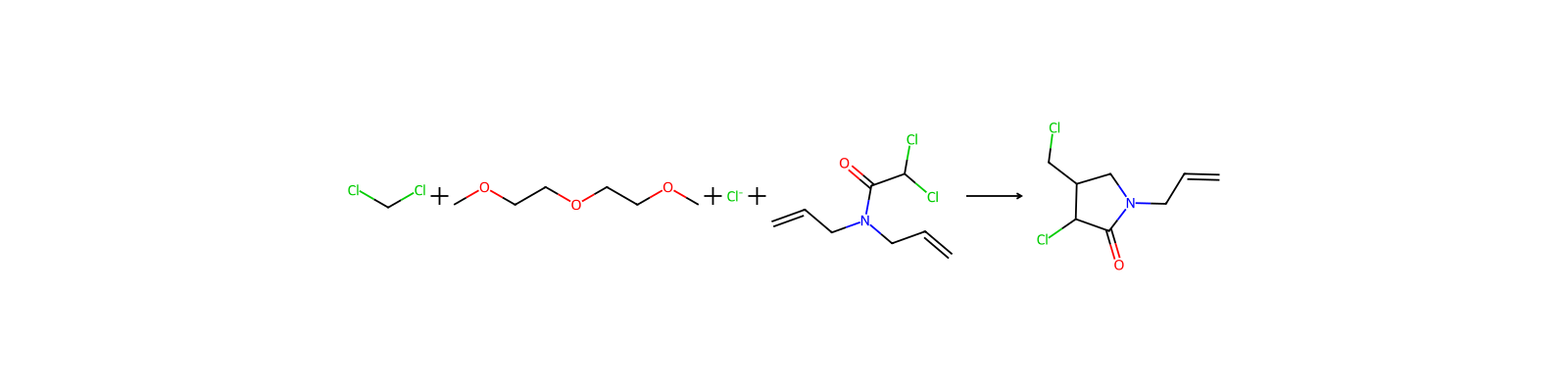
関連反応
3 件

関連ノート
読み込み中…