
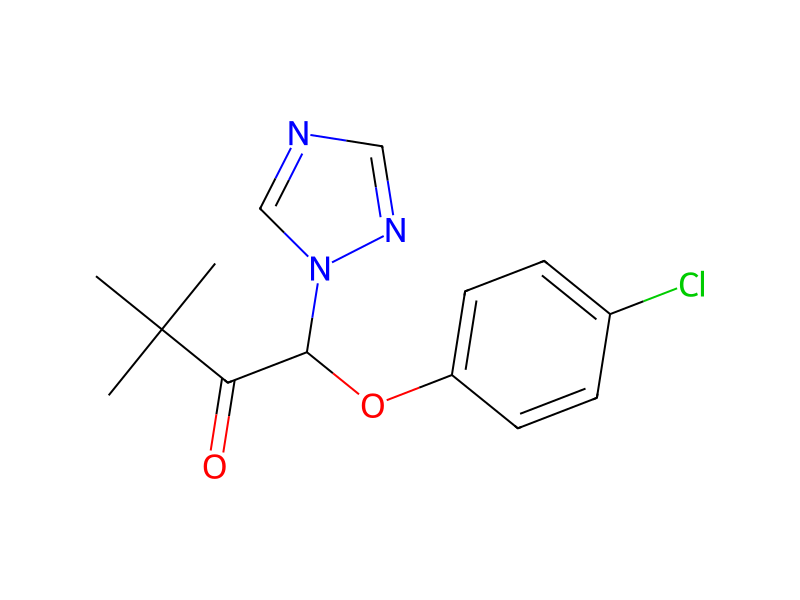
基本情報
- 標準SMILES
CC(C)(C)C(=O)C(Oc1ccc(Cl)cc1)n1cncn1- InChIKey
WURBVZBTWMNKQT-UHFFFAOYSA-N- 分子式
- C14H16ClN3O2
- 平均分子量
- 293.75 g/mol
- 単同位体質量
- 293.09310443
概要
Triadimefon can cause developmental toxicity, female reproductive toxicity and male reproductive toxicity according to The Environmental Protection Agency (EPA).
名称と識別子
- 優先名称
- Triadimefon
- IUPAC
- 1-(4-chlorophenoxy)-3,3-dimethyl-1-(1,2,4-triazol-1-yl)butan-2-one
- 現地名
- 1-(4-クロロフェノキシ)-1-(1H-1,2,4-トリアゾール-1-イル)-3,3-ジメチルブタン-2-オン
- 英語名
- Triadimefon
- 分子式
- C14H16ClN3O2
- 分子量
- 293.75
名称と別名
TRIADIMEFON43121-43-3BayletonAzoceneAmiralFenxiuninTyphonAcizolAdifonHaletonMightyMiltek
名称をさらに表示
1-(p-クロロフェノキシ)-3,3-ジメチル-1-(1H-1,2,4-トリアゾール-1-イル)-2-ブタノン1-(4-クロロフェノキシ)-3,3-ジメチル-1-(1H-1,2,4-トリアゾール-1-イル)-2-ブタノンバイレトントリジメホンベイレトントリアジメホン1-(4-クロロフェノキシ)-1-(1H-1,2,4-トリアゾール-1-イル)-3,3-ジメチルブタン-2-オン1-(4-クロロフェノキシ)-3,3-ジメチル-1-(1H-1,2,4-トリアゾ-ル-1-イル)-2-ブタノントリアジメホン標準品1(4クロロフェノキシ)3,3ジメチル1(1H1,2,4トリアゾル1イル)2ブタノン1-(4-クロロフェノキシ)-3,3-ジメチル-1-(1H-1,2,4-トリアゾール-1-イル)ブタン-2-オントリアジメホン標準物質トリアジメホン IN METHANOLトリアジメホン, 100 µg/mL in MeOHTridimefonTRIADIMEPHONTriadimefoneTriadiMefon StandardOTRIADAYTON
StrikeNurexRofonBayleton tripleBayleton TotalDiametom BBayleton BMBayleton CF
データベース識別子
- CAS
43121-43-3- PubChem CID
- 39385
- DTXSID
DTXSID3023897- ChEMBL
CHEMBL520897- ChEBI
CHEBI:84002- UNII
- 1HW039CJF0
- EC Number
- 256-103-8
- Nikkaji
- J1.896A
物性
構造計算による物性
- XLogP
- 2.8
- 極性表面積
- 57 Ų
- 水素結合供与体数
- 0
- 水素結合受容体数
- 4
- 回転可能結合数
- 5
- 重原子数
- 20
- 形式電荷
- 0
- 複雑度
- 338
実験および物理化学的性質
Pesticides
Pesticide -> EPA IRIS
Fungicides
Active substance -> EU Pesticides database: Not approved
Pesticides -> Fungicides
Fungicides, Transformation products
Environmental transformation -> Pesticide transformation products (metabolite, successor)
LogPlog Kow = 2.77
OdorCharacteristic odor
Density
1.22 at 68 °F (NTP, 1992) - Denser than water; will sink
1.22 at 20 °C
Color/FormColorless solid
Solubility
less than 1 mg/mL at 72 °F (NTP, 1992)
Moderately sol in most organic solvents except aliphatics.
Solubility (20 °C): 0.6-1.2 kg/kg cyclohexanone
In dichloromethane >200, toluene >200, isopropanol 99, hexane 6.3 (all in g/L, 20 °C)
In water, of 71.5 mg/L at 25 °C
CorrosivityNon-corrosive
Flash Point162 °F /72 °C/
Endocrine DisruptorsPotential endocrine disrupting compound
DecompositionWhen heated to decomposition it emits very toxic fumes of /hydrogen chloride & nitrogen oxides/.
Melting Point
180.1 °F (NTP, 1992)
82.3 °C
Vapor Pressure
1.5e-08 mmHg at 68 °F (NTP, 1992)
0.00000002 [mmHg]
1.5X10⁻⁸ mm Hg at 25 °C
物理化学的性質
- 融点
- 82 °C · 82°C
- 沸点
- 441.9 · 441.9±55.0 °C(Predicted)
- 比重(密度)
- 1.22 · 1.2200
- 蒸気圧
- 2 x · 2 x l0-5 Pa (20 °C)
- 屈折率
- 1.5388 · 1.5388 (estimate)
- 闪点
- 11 °C · 11 °C
- 貯蔵温度
- 4 °C · APPROX 4°C
- 溶解性
- 30 mg/ml; · DMF: 30 mg/ml; DMSO: 30 mg/ml; DMSO:PBS(pH7.2) (1:1): 0.5 mg/ml; Ethanol: 10 mg/ml
- 外見
- Solid
- 酸解離定数(Pka)
- 1.41 · 1.41±0.11(Predicted)
- 色
- White to off-white
- 水溶解度
- 0.026 g/100mL · 0.026g/100mL
- Merck
- 13 · 13,9666
- BRN
- 619231 · 619231
- Henry's Law Constant
- 1.2 · 1.2×105 mol/(m3Pa) at 25℃, Duchowicz et al. (2020)
- 主な用途
- 農業環境
- InChI
- 1S/C14H16ClN3O2/c1-14(2,3)12(19)13(18-9-16-8-17-18)20-11-6-4-10(15)5-7-11/h4-9,13H,1-3H3
- InChIKey
- WURBVZBTWMNKQT-UHFFFAOYSA-N
- SMILES
- CC(C)(C)C(=O)C(Oc1ccc(Cl)cc1)n2cncn2
- NISTの化学物質情報
- 2 · 2-Butanone, 1-(4-chlorophenoxy)-3,3-dimethyl-1-(1h-1,2,4-triazol-1-yl)-(43121-43-3)
- EPAの化学物質情報
- Triadimefon (43121-43-3)
安全と法規制
GHS分類
GHS Classification
Warning
H302: Harmful if swallowed [Warning Acute toxicity, oral]
P261, P264, P270, P272, P273, P280, P301+P317, P302+P352, P321, P330, P333+P317, P362+P364, P391, and P501 (click each P-code to see the statement)
Warning
H302 (100%): Harmful if swallowed [Warning Acute toxicity, oral]
P261, P264, P270, P272, P273, P280, P301+P317, P302+P352, P321, P330, P333+P317, P362+P364, P391, and P501 (click each P-code to see the statement)
危険有害性情報
Regulatory Information
Hazard Traits - Developmental Toxicity; Reproductive Toxicity
Commission Regulation (EC) No 1490/2002
Triadimefon is listed in the dataset of EPA Human Health Benchmarks for Pesticides under the Safe Drinking Water Act (40 eCFR 141)
2004/129/EC
Triadimefon: HSNO Approval: HSR002883 Approved with controls
The New Jersey Worker and Community Right to Know Act requires public and private employers to provide information about hazardous substances at their workplaces. (N.J.S.A. 34:5A-1 et. seq.)
Other Safety InformationIMAP assessments - 2-Butanone, 1-(4-chlorophenoxy)-3,3-dimethyl-1-(1H-1,2,4-triazol-1-yl)-: Human health tier I assessment
Fire HazardsFlash point data for this chemical are not available; however, it is probably combustible. (NTP, 1992)
Health HazardsSYMPTOMS: Symptoms of exposure to this compound may include skin, eye and mucous membrane irritation.
Hazards Summary
An eye irritant; [HSDB] A skin, eye, and respiratory tract irritant; Can be absorbed through skin; [CAMEO] May cause skin sensitization; [eChemPortal: ERMA; ESIS] May cause irritation; May cause skin sensitization; Targets blood and nerves; [MSDSonline] Oral LD50 (rat) = 363 mg/kg; Nonirritating to eyes of rabbits; Not a skin sensitizer in guinea pig testing; [Ullmann] In animal testing, has moderate acute oral toxicity and low dermal toxicity; Hyperactivity followed by sedation reported in human poisoning cases; [EPA Pesticides, p. 153-4] See Triadimenol.
Reactive GroupAmines, Phosphines, and Pyridines
Special Reports
USEPA/Office of Prevention, Pesticides and Toxic Substances; Reregistration Eligibility Decision Document for Triadimefon and Tolerance Reassessment for Triadimenol EPA 738-R-06-003 (August 2006). The RED summarizes the risk assessment conclusions and outlines any risk reduction measures necessary for the pesticide to continue to be registered in the U.S.[Available from, as of May 27, 2009: http://www.epa.gov/pesticides/reregistration/status.htm]
California Environmental Protection Agency/Department of Pesticide Regulation; Toxicology Data Review Summary for Triadimefon (43121-43-3).[Available from, as of May 12, 2009 http://www.cdpr.ca.gov/docs/risk/toxsums/toxsumlist.htm]
USEPA, Office of Prevention, Pesticides, and Toxic Substances; Revised HED Human Health Risk Assessment for Triadimefon (43121-43-3) (February 2006). EPA Docket No.: EPA-HQ-OPP-2006-0258-0003.
FIFRA Requirements
Tolerances with regional registrations, as defined in part 180.1(m), are established for the combined residues of the fungicide triadimefon, 1-(4-chlorophenoxy)-3,3-dimethyl-1-(1H -1,2,4-triazol-1-yl)-2-butanone, and triadimenol, beta-(4-chlorophenoxy)-alpha-(1,1-dimethylethyl)-1H -1,2,4-triazole-1-ethanol, expressed as triadimefon, in or on the following food commodities: [Table#6369]
Tolerances are established for the combined residues of the fungicide triadimefon, 1-(4-chlorophenoxy)-3,3-dimethyl-1-(1H -1,2,4-triazol-1-yl)-2-butanone, and triadimenol, beta-(4-chlorophenoxy)-alpha-(1,1-dimethylethyl)-1H -1,2,4-triazole-1-ethanol, expressed as triadimefon, in or on the following food commodities: [Table#6370]
The Agency has previously identified and required the submission of the generic (i.e., active ingredient-specific) data required to support reregistration of products containing triadimefon as an active ingredient. The Agency has completed its review of these generic data, and has determined that the data are sufficient to support reregistration of all products containing triadimefon. The Agency has completed its assessment of the dietary, occupational, residential, and ecological risk associated with the use of pesticide products containing the active ingredient triadimefon. Based on a review of these data and on public comments on the Agency's assessments for triadimefon, the Agency has sufficient information on the human health and ecological effects to make decisions as part of the tolerance reassessment process under FFDCA and reregistration process under FIFRA, as amended by FQPA. The Agency has determined that products containing triadimefon are eligible for reregistration provided that: (i) required product-specific data are submitted; (ii) risk mitigation measures outlined in this /Reregistration Eligibility Decision/ document are adopted (including requests for deletion of certain uses); and (iii) label amendments are made to reflect these measures. ... Based on its evaluation of triadimefon, the Agency has determined that triadimefon products, unless labeled and used as specified in this /Reregistration Eligibility Decision/ document, would present risks inconsistent with FIFRA. Accordingly, should a registrant fail to implement any of the risk mitigation measures identified in this document, the Agency may take regulatory action to address the risk concerns from the use of triadimefon. If all changes outlined in this document are implemented, then all current risks for triadimefon will be adequately mitigated for the purposes of this determination under FIFRA. Additionally, once an endangered species assessment is completed, further changes to these registrations may be necessary, as explained in Section IV..D..4 of this /Reregistration Eligibility Decision/ document. Once the uses that result in risks of concern are deleted and a cancellation order is issued, the Agency will take the appropriate regulatory action under FFDCA to revoke the associated tolerances.
As the federal pesticide law FIFRA directs, EPA is conducting a comprehensive review of older pesticides to consider their health and environmental effects and make decisions about their continued use. Under this pesticide reregistration program, EPA examines newer health and safety data for pesticide active ingredients initially registered before November 1, 1984, and determines whether the use of the pesticide does not pose unreasonable risk in accordance to newer saftey standards, such as those described in the Food Quality Protection Act of 1996. Pesticides for which EPA had not issued Registration Standards prior to the effective date of FIFRA '88 were divided into three lists based upon their potential for human exposure and other factors, with List B containing pesticides of greater concern than those on List C, and with List C containing pesticides of greater concern than those on List D. 1-(4-Chlorophenoxy)-3,3-dimethyl-1(1H-1,2,4-triazol-1-yl)-2-butanone is found on List B. Case No: 2700; Pesticide type: fungicide; Case Status: OPP is reviewing data from the pesticide's producers regarding its human health and/or environmental effects, or OPP is determining the pesticide's eligibility for reregistration and developing the Reregistration Eligibility Decision (RED) document.; Active ingredient (AI): 1-(4-Chlorophenoxy)-3,3-dimethyl-1(1H-1,2,4-triazol-1-yl)-2-butanone; Data Call-in (DCI) Date(s): 04/29/91, 03/03/95, 10/13/95; AI Status: The producers of the pesticide have made commitments to conduct the studies and pay the fees required for reregistration, and are meeting those commitments in a timely manner.
Reactivity ProfileTRIADIMEFON is incompatible with strong oxidizing agents and acids. Reacts with acid halides and anhydrides. Also reacts with most active hydrogen compounds (NTP, 1992).
History and Incidents
Poison Control Center data reported 9 incidents of occupational exposure to triadimefon and 46 non-occupational exposures from 1993 through 2003. Of the 46 nonoccupational exposures, 13 occurred in children under six years of age. Of the total 20 cases with medically determined outcome, 11 reported minor medical outcome. The majority of triadimefon incidents (92%) reported by California Department of Pesticide Regulation occurred prior to 1990. Most of the triadimefon cases (73%) involved use on grapes which is a labor intensive crop involving high exposure to foliar residues. Foliar residues accounted for half of the illnesses and nearly half of the systemic illnesses. Triadimefon was associated with one case out of a total of 5,899 cases reported to NIOSH SENSOR between 1998 and 2003. However, this case was a duplicate of a CDPR case, which had already been reported.
Air and Water ReactionsInsoluble in water.
Toxic Combustion ProductsWhen heated to decomposition it emits very toxic fumes of /chlorides & nitrogen oxides/.
安全と保護具
Fire FightingFires involving this material can be controlled with a dry chemical, carbon dioxide or Halon extinguisher. A water spray may also be used. (NTP, 1992)
First Aid
EYES: First check the victim for contact lenses and remove if present. Flush victim's eyes with water or normal saline solution for 20 to 30 minutes while simultaneously calling a hospital or poison control center. Do not put any ointments, oils, or medication in the victim's eyes without specific instructions from a physician. IMMEDIATELY transport the victim after flushing eyes to a hospital even if no symptoms (such as redness or irritation) develop.
Fire Fighting ProceduresWater spray, foam, carbon dioxide.
Storage ConditionsStore in a cool, dry place and prevent cross contamination with other pesticides, fertilizers, food or feed. Store in original container. Keep out of reach of children, preferably in a locked area.
Cleanup Methods
SRP: Wastewater from contaminant suppression, cleaning of protective clothing/equipment, or contaminated sites should be contained and evaluated for subject chemical or decomposition product concentrations. Concentrations shall be lower than applicable environmental discharge or disposal criteria. Alternatively, pretreatment and/or discharge to a POTW is acceptable only after review by the governing authority. Due consideration shall be given to remediation worker exposure (inhalation, dermal and ingestion) as well as fate during treatment, transfer and disposal. If it is not practicable to manage the chemical in this fashion, it must meet Hazardous Material Criteria for disposal.
Nonfire Spill Response
SMALL SPILLS AND LEAKAGE: Should a spill occur while you are handling this chemical, FIRST REMOVE ALL SOURCES OF IGNITION, then you should dampen the solid spill material with 60-70% ethanol and transfer the dampened material to a suitable container. Use absorbent paper dampened with 60-70% ethanol to pick up any remaining material. Seal the absorbent paper, and any of your clothes, which may be contaminated, in a vapor-tight plastic bag for eventual disposal. Solvent wash all contaminated surfaces with 60-70% ethanol followed by washing with a soap and water solution. Do not reenter the contaminated area until the Safety Officer (or other responsible person) has verified that the area has been properly cleaned.
Disposal Methods
SRP: Criteria for land treatment or burial (sanitary landfill) disposal practices are subject to significant revision. Prior to implementing land disposal of waste residue (including waste sludge), consult with environmental regulatory agencies for guidance on acceptable disposal practices.
Do not discharge effluent containing this product into lakes, streams, ponds, estuaries, oceans, or other waters unless in accordance with the requirements of a National Pollutant Discharge Elimination System (NPDES) permit and the permitting authority has been notified in writing prior to discharge.
Preventive Measures
SRP: Contaminated protective clothing should be segregated in such a manner so that there is no direct personal contact by personnel who handle, dispose, or clean the clothing. Quality assurance to ascertain the completeness of the cleaning procedures should be implemented before the decontaminated protective clothing is returned for reuse by the workers. Contaminated clothing should not be taken home at end of shift, but should remain at employee's place of work for cleaning.
SRP: The scientific literature for the use of contact lenses in industry is conflicting. The benefit or detrimental effects of wearing contact lenses depend not only upon the substance, but also on factors including the form of the substance, characteristics and duration of the exposure, the uses of other eye protection equipment, and the hygiene of the lenses. However, there may be individual substances whose irritating or corrosive properties are such that the wearing of contact lenses would be harmful to the eye. In those specific cases, contact lenses should not be worn. In any event, the usual eye protection equipment should be worn even when contact lenses are in place.
Users should wash hands before eating, drinking, chewing gum, using tobacco, or using the toilet.
Users should remove clothing/PPE immediately if pesticide gets inside. Then wash thoroughly and put on clean clothing.
For more Preventive Measures (Complete) data for TRIADIMEFON (14 total), please visit the HSDB record page.
Allowable Tolerances
Tolerances are established for the combined residues of the fungicide triadimefon, 1-(4-chlorophenoxy)-3,3-dimethyl-1-(1H -1,2,4-triazol-1-yl)-2-butanone, and triadimenol, beta-(4-chlorophenoxy)-alpha-(1,1-dimethylethyl)-1H -1,2,4-triazole-1-ethanol, expressed as triadimefon, in or on the following food commodities: [Table#6367]
Tolerances with regional registrations, as defined in part 180.1(m), are established for the combined residues of the fungicide triadimefon, 1-(4-chlorophenoxy)-3,3-dimethyl-1-(1H -1,2,4-triazol-1-yl)-2-butanone, and triadimenol, beta-(4-chlorophenoxy)-alpha-(1,1-dimethylethyl)-1H -1,2,4-triazole-1-ethanol, expressed as triadimefon, in or on the following food commodities: [Table#6368]
Personal Protective Equipment (PPE)
RECOMMENDED RESPIRATOR: Where the neat test chemical is weighed and diluted, wear a NIOSH-approved half face respirator equipped with an organic vapor/acid gas cartridge (specific for organic vapors, HCl, acid gas and SO2) with a dust/mist filter. (NTP, 1992)
Water soluble packets when used correctly qualify as a closed mixing/loading system under the Worker Protection Standard for Agricultural Pesticides [40 CFR 170.240(d)(4)]. Mixers and loaders using water soluble packets must: -wear the personal protective equipment required on this labeling for mixers and loaders, and -be provided, have immediately available, and wear in an emergency, such as a broken package, spill, or equipment breakdown: >chemical resistant footwear and >a NIOSH-approved respirator equipped with: -- a dust/mist filter with MSHA/NIOSH approval number prefix TC-21C or -- any N, R, P, or HE filter.
Long sleeved shirt and long pants, shoes plus socks, chemical resistant gloves, such as when mixing/loading, when using handheld equipment or handheld nozzles, when participating in dip applications, or when handling treated seed (including spreading, drying, raking, bagging, and sewing seed bags), and chemical-resistant apron, when mixing/loading, when participating in dip applications, or cleaning spills or equipment.
Wear hat, long sleeved shirt, long legged trousers or overalls during mixing, loading and application. Wear rubber or neoprene gloves and dust mask during mixing and loading.
毒性情報
Body BurdenIt has been reported that low levels of triadimefon metabolites have been detected in the urine of workers using triadimefon(1).
Target OrgansHematologic
Ecotoxicity Values
LD50; Species: Canary oral >1000 mg/kg
LD50; Species: Japanese quail oral 1750-2500 mg/kg
LC50; Species: Anas platyrhynchos (Mallard duck) oral >10,000 mg/kg diet/8 day
LC50; Species: Colinus virginianus (Bobwhite quail) oral >4640 mg/kg diet/8 day
For more Ecotoxicity Values (Complete) data for TRIADIMEFON (22 total), please visit the HSDB record page.
Environmental Fate
TERRESTRIAL FATE: Based on a classification scheme(1), a Koc value ranging from 150-510(2-4), indicates that triadimefon is expected to have moderate to low mobility in soil(SRC). On September 15 and again on October 27 of 1992, triadimefon was applied to 8 field plots(sand at pH 6.7) at a rate of 11.32 g active ingredient/plot as a dispersible powder in water(5). Analysis of leachate sampled 37 cm below the soil surface found that the concentration of triadimefon was 7, 4, 9, 16, and 4 ppb on October 30, November 7, 12, 24, and December 18, respectively. Although leachate samples were collected and analyzed until June 8 1993, triadimefon was not detected after December 18(5). Volatilization of triadimefon from moist soil surfaces is not expected to be an important fate process(SRC) given a Henry's Law constant of 8.10X10⁻¹¹ atm-cu m/mole(SRC). Triadimefon is not expected to volatilize from dry soil surfaces based upon a vapor pressure of 1.50X10⁻⁸ mm Hg(6). Soil degradation studies have indicated that triadimefon can degrade at extremely variable rates depending upon environmental factors. In particular, dry conditions seem to favor triadimefon persistence. Field studies generally indicate fairly rapid reduction of triadimefon to triadimenol which persisted in soil for more than 400 days(7). Laboratory persistence studies using a silty clay loam soil with no prior exposure to triadimefon found a soil half-life of 15 days(8), while West German field tests using various soils and conditions found half-lives ranging from 10 days to 7 months(9). Photolysis on soil surfaces may also be an important fate process. Triadimefon was applied to alluvial and laterite soil, irradiated with natural sunlight and monitored for degradation(9). Under these conditions, triadimefon had a half-life of 16.09 and 18.24 days on alluvial and laterite soil, respectively(10). Biodegradation of triadimefon applied to compost heaps had a half-life in soil, thatch, and grass of 3.9, 7.9, and 1.8 days, respectively(11). The U.S. Department of Agriculture's Pesticide Properties Database lists a soil half-life of 26 days for triadimefon(12). Laboratory persistence studies using a silty clay loam soil with no prior exposure to triadimefon found a soil half-life of 15 days(8). West German field tests in various soils and conditions found half-lives ranging from 10 days to 7 months(9). Various fungi have been found to metabolize triadimefon to triadimenol(13).
AQUATIC FATE: Based on a classification scheme(1), a Koc value ranging from 150-510(2-4), indicates that triadimefon is expected to adsorb to suspended solids and sediment(SRC). Volatilization from water surfaces is not expected(5) based upon an estimated Henry's Law constant of 8.10X10⁻¹¹ atm-cu m/mole(SRC) derived from its vapor pressure, 1.50X10⁻⁸ mm Hg at 25 °C(6), and water solubility, 7.15 mg/L(6). According to a classification scheme(7), an estimated BCF of 31(SRC), from a log Kow of 2.77(8) and a regression-derived equation(9), suggests the potential for bioconcentration in aquatic organisms is low(SRC). The photo stability of triadimefon in aqueous media when irradiated with UV light (> 290 nm) in the presence of humic and fulvic acids (isolated from soil) and in their absence was studied(10). The results showed that after four hours of irradiation, 87% was degraded whereas irradiation in the presence of humic and fulvic acids resulted in 91.7 and 93.6% degradation, respectively. In control experiments (not radiated with and without humic/fulvic acids), there was no degradation(10). No aquatic biodegradation data were available.
ATMOSPHERIC FATE: According to a model of gas/particle partitioning of semivolatile organic compounds in the atmosphere(1), triadimefon, which has a vapor pressure of 1.50X10⁻⁸ mm Hg at 25 °C(2), is expected to exist solely in the particulate phase in the ambient atmosphere. Particulate-phase triadimefon may be removed from the air by wet and dry deposition(SRC). Triadimefon absorbs light in the environmental spectrum. When triadimefon in aqueous media was irradiated with UV light (> 290 nm), 87% was degraded after four hours(3). Triadimefon undergoes photodegradation resulting in products that represent transformations at the carbonyl group as well as decarbonylation via alpha cleavage.
Food Survey Values
Triadimefon is one of many pesticides that has been detected in U.S. foods by the US Food and Drug Admin's regulatory monitoring of domestic foods for fiscal years 1983-1986(1); frequencies of occurrence and concentrations were not reported(1). In a US monitoring survey of 6970 produce samples (fruits and vegetables) collected between 1989 and 1991, triadimefon was detected (detection limit of 0.75 ppm) in only one sample(2); the concentration in the sample (from a pear) was not reported, but it was said to be above the tolerable limit set by the EPA(2). During a 5 yr study conducted during 1981-1986, the Los Angeles District Office of the FDA analyzed 19,851 samples of domestic and imported food for pesticide residues(3,4); triadimefon was detected in 9 samples at concns ranging from 0.05 to 0.5 ppm(3,4). In 1989 monitoring conducted by the California Dept of Food and Agric, triadimefon was not detected (detection limit of 0.3 ppm) in 1 cantaloupe, 18 grape, or 13 sugar beet samples(5).
In 1994, 11,348 food samples were analyzed for pesticide residues; 5474 were domestic and 5874 were imported food items(1). Triadimefon was not detected in any of the samples (detection limit not indicated). Strawberries were bought from the supermarkets in Nara, Japan from January to March 1992 and again in 1993 and analyzed for pesticide concentrations(2). Fourteen of 91 imported pineapples collected from Hyogo Perfecture, Japan from 1995-1999 indicated the presence of triadimefon at concentrations between 0.01-0.5 ug/g(3). The concentration of triadimefon in strawberries collected in 1992 ranged from 0.02-0.04 ug/g and in 1993 ranged from 0.01-0.04 ug/g. From January 1995 to December 1996, 4182 food samples were collected in Denmark and analyzed by the Danish National Pesticide Monitoring Program(4). Triadimefon was not detected in any of the samples (detection limit not indicated). Green peas sampled in 1996 from local markets in Egypt detected triadimefon at a concentration of 0.05 mg/kg(5).
Adverse EffectsNeurotoxin - Other CNS neurotoxin
Milk Concentrations
... A lactating goat was fed [phenyl- (14)C]triadimefon at 86 ppm for three consecutive days. The parent was detected at low levels in milk and fat (<5% TRR) but was not detected in kidney, liver, or muscle. The major residue identified was KWG 1342 glucuronide (6-47% TRR). Triadimenol and its conjugates comprised a major portion of the residue in tissues and milk (totals of 9-42% TRR). The remainder of the radioactivity was identified as KWG 1323 glucuronide (19-22% TRR in muscle and fat) and KWG 1342 (1-6% TRR) and its sulfate (1-15% TRR in tissues, 43% TRR in milk).
Ecotoxicity Excerpts
/AQUATIC SPECIES/ Conazole fungicides are commonly used to prevent fungal growth on turf grass and agricultural crops. As many of these sites are adjacent to coastal waterways and estuaries, there exists the potential for nontarget effects of runoff on marine organisms. This study reports 96 hr EC(50) values for four selected conazole fungicides (triadimefon = 5.98 mg/L; triadimenol = 5.51 mg/L; propiconazole = 2.33 mg/L; hexaconazole = 0.91 mg/L) to the model test alga Dunaliella tertiolecta. We further investigated possible mechanisms of toxicity by examining sublethal effects of exposure on cell morphology, osmoregulatory function, and lipid composition. These mechanistic studies revealed that conazole exposure does not inhibit synthesis of the cell's glycerol osmolyte, but does result in an overall increase in cellular volume and total lipid content. Both fungi and chlorophytes rely on ergosterol to maintain membrane structure and fluidity, and we provide evidence that the sterol-inhibiting conazoles may interfere with ergosterol biosynthesis in the cell membrane of Dunaliella. ...
/AQUATIC SPECIES/ ... Toxicity tests on sperm viability, fertilization and embryogenesis of the solitary ascidian Phallusia mammillata were performed to evaluate the effects of ... Triadimefon. ... Triadimefon proved to have strong consequences on P. mammillata. /It/ could influence the reproductive rate of the animal exerting their effects at different levels: acting as spermiotoxic agents, inhibiting fertilization and impairing embryological development. Fertilization rate significantly decreased after ... after exposure of both gametes to ... 1mM Triadimefon (P<0.0001) as compared to controls. Malformations caused by exposure of embryos ... were dose dependent. ... Triadimefon TC50 value was 29.56 and LC50 value was 173.7 uM. Larvae developed from embryos treated with ... Triadimefon showed alterations of the anterior structures of the trunk: papillary nerves and the anterior central nervous system failed to correctly differentiate, as showed by immunostaining with anti-beta-tubulin antibody. ...
/AQUATIC SPECIES/ ... A representative of each of the major demethylase inhibitor (DMI) classes: the piperazine Triforine, the pyrimidine Fenarimol, the pyridine Pyrifenox, the imidazole Prochloraz and the triazole Triadimefon / was/ comparatively investigated /for/ chronic toxicity to Daphnia magna. No toxicity was detectable up to the limit of solubility of Triforine (61 umol/L). All other DMIs reduced reproductive success by delaying molting and development and by causing severe developmental abnormalities among offspring. Prochloraz was most toxic (EC50 fecundity reduction 0.76 umol/L), followed by Fenarimol (1.14 umol/L), Pyrifenox (3.15 umol/L) and Triadimefon (5.13 umol/L). Mean effect concentrations for fecundity reduction were related to lipophilicity and followed baseline-toxicity. However, Triadimefon and Fenarimol (but none of the other tested DMIs) caused severe eye malformations among exposed offspring. Affected neonates did survive but a reduced ecological fitness can be assumed. Offspring exposed to Fenarimol in water matured earlier. The investigated different life history parameters were affected in a substance-specific manner ...
/PLANTS/ Ornamentals may be damaged if used at excessive rates.
Plant Concentrations
The rate of decay of triadimefon and its concentration after application was measured during cucumber cultivation in greenhouses under normal growing conditions(1). One day after high-volume spraying, the residue concentration on leaves was on average 0.009 ug/sq cm. One week after spraying, no changes in concentration on the surfaces were observed(1).
Effluent Concentrations
Triadimefon, having a moderate mobility in soil, is generally not found in water supplies. However, when applied at very high rates under irrigated conditions, triadimefon has been detected at concentrations up to 616 ug/L of agricultural leachate(1,2).
EPA IRIS Information
Bayleton
Hematologic
3 x 10 ^-2 mg/kg-day
Soil Adsorption/Mobility
Triadimefon had a Koc value of 150 in turfgrass soil, 300 in loam soil(1) and between 133-315 in 5 different Indian soil types(2). In another study, a measured soil Kd (partition coefficient) of 8.33 in a silty clay loam soil of 2.8% organic matter(3) can be used to determine a Koc value of 510(SRC). According to a classification scheme(4), these Koc values suggest that triadimefon is expected to have moderate to low mobility depending upon the soil.
法規制情報
FIFRA Requirements
Tolerances with regional registrations, as defined in part 180.1(m), are established for the combined residues of the fungicide triadimefon, 1-(4-chlorophenoxy)-3,3-dimethyl-1-(1H -1,2,4-triazol-1-yl)-2-butanone, and triadimenol, beta-(4-chlorophenoxy)-alpha-(1,1-dimethylethyl)-1H -1,2,4-triazole-1-ethanol, expressed as triadimefon, in or on the following food commodities: [Table#6369]
Tolerances are established for the combined residues of the fungicide triadimefon, 1-(4-chlorophenoxy)-3,3-dimethyl-1-(1H -1,2,4-triazol-1-yl)-2-butanone, and triadimenol, beta-(4-chlorophenoxy)-alpha-(1,1-dimethylethyl)-1H -1,2,4-triazole-1-ethanol, expressed as triadimefon, in or on the following food commodities: [Table#6370]
The Agency has previously identified and required the submission of the generic (i.e., active ingredient-specific) data required to support reregistration of products containing triadimefon as an active ingredient. The Agency has completed its review of these generic data, and has determined that the data are sufficient to support reregistration of all products containing triadimefon. The Agency has completed its assessment of the dietary, occupational, residential, and ecological risk associated with the use of pesticide products containing the active ingredient triadimefon. Based on a review of these data and on public comments on the Agency's assessments for triadimefon, the Agency has sufficient information on the human health and ecological effects to make decisions as part of the tolerance reassessment process under FFDCA and reregistration process under FIFRA, as amended by FQPA. The Agency has determined that products containing triadimefon are eligible for reregistration provided that: (i) required product-specific data are submitted; (ii) risk mitigation measures outlined in this /Reregistration Eligibility Decision/ document are adopted (including requests for deletion of certain uses); and (iii) label amendments are made to reflect these measures. ... Based on its evaluation of triadimefon, the Agency has determined that triadimefon products, unless labeled and used as specified in this /Reregistration Eligibility Decision/ document, would present risks inconsistent with FIFRA. Accordingly, should a registrant fail to implement any of the risk mitigation measures identified in this document, the Agency may take regulatory action to address the risk concerns from the use of triadimefon. If all changes outlined in this document are implemented, then all current risks for triadimefon will be adequately mitigated for the purposes of this determination under FIFRA. Additionally, once an endangered species assessment is completed, further changes to these registrations may be necessary, as explained in Section IV..D..4 of this /Reregistration Eligibility Decision/ document. Once the uses that result in risks of concern are deleted and a cancellation order is issued, the Agency will take the appropriate regulatory action under FFDCA to revoke the associated tolerances.
As the federal pesticide law FIFRA directs, EPA is conducting a comprehensive review of older pesticides to consider their health and environmental effects and make decisions about their continued use. Under this pesticide reregistration program, EPA examines newer health and safety data for pesticide active ingredients initially registered before November 1, 1984, and determines whether the use of the pesticide does not pose unreasonable risk in accordance to newer saftey standards, such as those described in the Food Quality Protection Act of 1996. Pesticides for which EPA had not issued Registration Standards prior to the effective date of FIFRA '88 were divided into three lists based upon their potential for human exposure and other factors, with List B containing pesticides of greater concern than those on List C, and with List C containing pesticides of greater concern than those on List D. 1-(4-Chlorophenoxy)-3,3-dimethyl-1(1H-1,2,4-triazol-1-yl)-2-butanone is found on List B. Case No: 2700; Pesticide type: fungicide; Case Status: OPP is reviewing data from the pesticide's producers regarding its human health and/or environmental effects, or OPP is determining the pesticide's eligibility for reregistration and developing the Reregistration Eligibility Decision (RED) document.; Active ingredient (AI): 1-(4-Chlorophenoxy)-3,3-dimethyl-1(1H-1,2,4-triazol-1-yl)-2-butanone; Data Call-in (DCI) Date(s): 04/29/91, 03/03/95, 10/13/95; AI Status: The producers of the pesticide have made commitments to conduct the studies and pay the fees required for reregistration, and are meeting those commitments in a timely manner.
安全データ
- wgk
- 2
- rtecs
- EL7100000
- ridadr
- 2588
- 毒性
- LD50 in male, female rats (mg/kg): 568, 363 orally (Michel, Pourcharesse)
- hs_code
- 29339900
- risk_code
- 22-43-51/53-39/23/24/25-23/24/25-11
- hazard_code
- Xn,N,T,F
- safety_code
- 24-37-61-45-36/37
- hazard_class
- 6.1(b)
- packing_group
- III
- Hazard Classifications
- Acute Tox. 2 InhalationAcute Tox. 4 OralAquatic Acute 1Aquatic Chronic 2Skin Sens. 1
- ストレージクラス
- 6.1A - Combustible, acute toxic Cat. 1 and 2very toxic hazardous materials
- 有毒物質データの
- 43121-43-3(Hazardous Substances Data)
化学と産業
薬理情報
Mechanism of Action
The present study relates the toxicological effects of conazoles to alterations of gene and pathway transcription and identifies potential modes of tumorigenic action ... Differentially expressed genes and pathways were identified using Affymetrix GeneChips. Gene-pathway associations were obtained from the Kyoto Encyclopedia of Genes and Genomes, Biocarta, and MetaCore compendia. The pathway profiles of each conazole were different at each time point. In general, the number of altered metabolism, signaling, and growth pathways increased with time and dose and were greatest with propiconazole. All conazoles had effects on nuclear receptors as evidenced by increased expression and enzymatic activities of a series of related cytochrome P450s (CYP). A subset of altered genes and pathways distinguished the three conazoles from each other. Triadimefon and propiconazole both altered apoptosis, cell cycle, adherens junction, calcium signaling, and EGFR signaling pathways. Triadimefon produced greater changes in cholesterol biosynthesis and retinoic acid metabolism genes and in selected signaling pathways. Propiconazole had greater effects on genes responding to oxidative stress and on the IGF/P13K/AKt/PTEN/mTor and Wnt-beta-catenin pathways. In conclusion, while triadimefon, propiconazole, and myclobutanil had similar effects in mouse liver on hepatomegaly, histology, CYP activities, cell proliferation, and serum cholesterol, genomic analyses revealed major differences in their gene expression profiles.
Four triazole fungicides were studied using toxicogenomic techniques to identify potential mechanisms of action. Adult male Sprague-Dawley rats were dosed for 14 days by gavage with fluconazole, myclobutanil, propiconazole, or triadimefon. Following exposure, serum was collected for hormone measurements, and liver and testes were collected for histology, enzyme biochemistry, or gene expression profiling. Body and testis weights were unaffected, but liver weights were significantly increased by all four triazoles, and hepatocytes exhibited centrilobular hypertrophy. Myclobutanil exposure increased serum testosterone and decreased sperm motility, but no treatment-related testis histopathology was observed. /It was/ hypothesized that gene expression profiles would identify potential mechanisms of toxicity and used DNA microarrays and quantitative real-time PCR (qPCR) to generate profiles. Triazole fungicides are designed to inhibit fungal cytochrome P450 (CYP) 51 enzyme but can also modulate the expression and function of mammalian CYP genes and enzymes. Triazoles affected the expression of numerous CYP genes in rat liver and testis, including multiple Cyp2c and Cyp3a isoforms as well as other xenobiotic metabolizing enzyme (XME) and transporter genes. For some genes, such as Ces2 and Udpgtr2, all four triazoles had similar effects on expression, suggesting possible common mechanisms of action. Many of these CYP, XME and transporter genes are regulated by xeno-sensing nuclear receptors, and hierarchical clustering of CAR/PXR-regulated genes demonstrated the similarities of toxicogenomic responses in liver between all four triazoles and in testis between myclobutanil and triadimefon. Triazoles also affected expression of multiple genes involved in steroid hormone metabolism in the two tissues. Thus, gene expression profiles helped identify possible toxicological mechanisms of the triazole fungicides.
The triazole derivative Triadimefon (FON) is a systemic fungicide used to control powdery mildews, rusts, and other fungal pests. Some data have already been published about the teratogenic activity of this compound: craniofacial malformations were found in mouse, rat, and Xenopus laevis embryos exposed to FON. These alterations were correlated to defective branchial arch development possibly caused by abnormal neural crest cell (NCC) migration into the branchial mesenchyme. As the migration of NCCs is controlled by the HOX code and by an anteroposterior retinoic acid (RA) gradient, we analyzed the expression of CYP26, a key enzyme in RA metabolism, following FON exposure. The increased expression of this gene and the ability of citral (a RA inhibitor) to reduce the teratogenic effects of the fungicide support the notion that endogenous RA is involved in the mechanism of action of FON. Moreover, by in situ hybridization, we studied the effects of FON exposure at gastrula stage on the expression of some genes involved in craniofacial development, hindbrain patterning, and NCC migration. We observed abnormal localization of xCRABP, Hoxa2 and Xbap signal expression at the level of migrating NCC domains, whereas in the hindbrain, we did not find any alteration in Krox20 and Hoxa2 expression.
Triazole-derivatives alter the pharyngeal apparatus morphogenesis of rodent embryos cultured in vitro. The hindbrain segmentation and the rhombencephalic neural crest cell (NCCs) migration are altered by Fluconazole exposure in vitro. The aim of the present work is to identify if a common pathogenic pathway is detectable also for other molecules of this class of compounds. 9.5 days post coitum (d.p.c.) old rat embryos were exposed in vitro to the teratogenic concentrations of Flusilazole, Triadimefon and Triadimenol and cultured for 24, 48 or 60 hr. The expression and localization of Hox-b1 and Krox-20 proteins (used as markers for hindbrain segmentation) were evaluated after 24 hr of culture. The localization and distribution of NCC was evaluated after 24, 30 and 48 hr of culture. The morphology of the embryos was analyzed after 48 hr, while the branchial nerve structures were evaluated after 60 hr of culture. Hindbrain segmentation and NCC migration alteration as well as pharyngeal arch and cranial nerve abnormalities were detected after exposure of the tested molecules. A common severe teratogenic intrinsic property for the tested molecules of this chemical class has been found, acting through alteration of the normal hindbrain developmental pattern.
For more Mechanism of Action (Complete) data for TRIADIMEFON (10 total), please visit the HSDB record page.
Biological Half-Life
Half-life in blood plasma is approx 2.5 hr.
[(14)C] triadimefon in 50% aqueous ethanol was administered as a single gavage dose at 24.5-25.0 mg/kg to 12 Sprague Dawley rats/sex ... Plasma levels of radioactivity were highest 1-2 hours post-dose (2.5-3.2 ppm), and the half-life was approximately 4 hours.
...Triadimefon was lost more rapidly from the skin of young animals (half-life, 20 to 25 hr) than from the skin of adult animals (half-life, 29 to 53 hr).
Metabolism/Metabolites
Metabolism of two triazole-containing antifungal azoles was studied using expressed human and rat cytochrome P450s (CYP) and liver microsomes. Substrate depletion methods were used due to the complex array of metabolites produced from myclobutanil and triadimefon. Myclobutanil was metabolized more rapidly than triadimefon, which is consistent with metabolism of the n-butyl side-chain in the former and the t-butyl group in the latter compound. Human and rat CYP2C and CYP3A enzymes were the most active. Metabolism was similar in microsomes prepared from livers of control and low-dose rats. High-dose (115 mg/kg/day of triadimefon or 150 mg/kg/day of myclobutanil) rats showed increased liver weight, induction of total CYP, and increased metabolism of the two triazoles, though the apparent Km appeared unchanged relative to the control. These data identify CYP enzymes important for the metabolization of these two triazoles. Estimated hepatic clearances suggest that CYP induction may have limited impact in vivo.
/After/ non-radiolabeled triadimefon (97.6% purity, [phenyl-UL-14C] triadimefon (15.78 Ci/mmole, 99.3% radio-purity); single (5 or 50 mg/kg, 5 rats/sex/dose) and multiple oral dosing (5 mg/kg, pretreat 10 rats/sex daily with non-labeled triadimefon for 14 days prior to pulsing with a single dose of 14C-triadimefon; ... four major metabolites, KWG 0519 acid, KWG 1323-gluc, DeMe-KWG-1342-gluc and HO-DeMe-KWG 1342, were identified in urine and five major metabolites including KWG-0519 acid, KWG-1323, KWG-1342, KWG-1323-gluc were detected in feces; unmetabolized parent triadimefon was detected only in male rat feces and only in trace amounts (<1%).
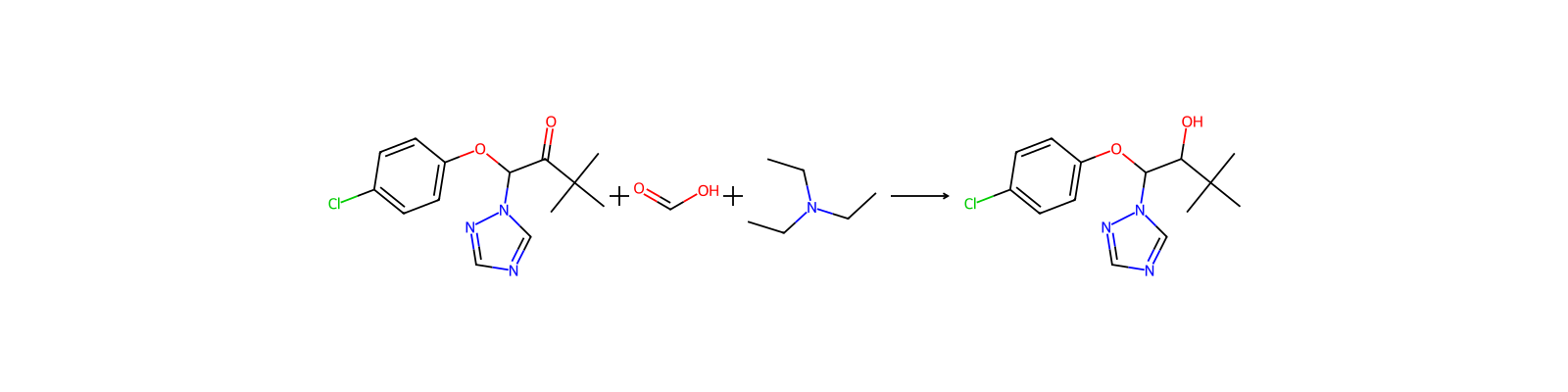
Triadimefon was applied to cucumber, tomato, bean and wheat plants. Differences were primarily quantitative. Triadimenol, the 2-butenol analog, was formed in each case.
In plants, the carbonyl group is reduced to a hydroxyl group, with the formation of triadimenol.
For more Metabolism/Metabolites (Complete) data for TRIADIMEFON (6 total), please visit the HSDB record page.
MeSH Pharmacological ClassificationChemicals that kill or inhibit the growth of fungi in agricultural applications, on wood, plastics, or other materials, in swimming pools, etc.
Absorption, Distribution and Excretion
Non-radiolabeled triadimefon (97.6% purity, [phenyl-UL-14C] triadimefon (15.78 Ci/mmole, 99.3% radiopurity); single (5 or 50 mg/kg, 5 rats/sex/dose) and multiple oral dosing (5 mg/kg, pretreat 10 rats/sex daily with non-labeled triadimefon for 14 days prior to pulsing with a single dose of 14C-triadimefon; triadimefon is rapidly absorbed, metabolized and excreted; <1% of the radioactivity was expired as CO or other volatile organic products; excretion of triadimefon residues in urine and feces was sex dependent; in males, 24-28% of the administered dose was eliminated in urine, and 63-66% in feces, within 96 hrs; in females, 57-67% of the administered radioactivity was excreted in urine, and 32-41% was excreted in the feces, within 96 hrs; total excretion of the administered radioactivity was faster by females: nearly 95% of the dose was excreted by females within 72 hours, whereas males required 96 hrs to reach 90% excretion; no evidence of bioaccumulation after multiple dosing; radioactive residues were highest in the liver and kidneys...
Absorbed by the roots & leaves, with ready translocation in young growing tissues, but less ready translocation in older, woody tissues.
In mammals, following oral admin, 83-96% is excreted unchanged in the urine & feces within 2 to 3 days.
The percutaneous absorption of (14)C phenoxy ring labeled triadimefon was studied in adult & young male & female Sprague Dawley rats. Triadimefon was applied (41.1 to 46.4 ug/sq cm) in 0.2 mL of acetone to areas comprising 3% of the body surface (7.0 to 14.5 sq cm). Thirty six animals were treated at the initiation of each study.Groups of 3 animals were subsequently killed at 1, 4, 8, 12, 24, 48, 72, 96, 120, 144, 168, and 192 hr after treatment. Skin from the treated area as well as blood, heart, liver, kidneys, remaining carcass, urine, and feces were analyzed for (14)C by scintillation counting techniques. Based on 14 counts, triadimefon was lost more rapidly from the skin of young animals (half-life, 20 to 25 hr) than from the skin of adult animals (half-life, 29 to 53 hr). Recovery studies indicated that adult males, adult females, young males, and young females, respectively, absorbed 53, 82, 57, and 52% of the dose. The rest of the dose based on material balance was presumably lost by evaporation. Approx 2.5 to 3.9% of the dose penetrated the skin in 1 hr and was available for absorption. The rate of entry triadimefon into blood was 2 to 2.5 times faster for young than that observed in adult animals. Elimination of it from blood was faster in the case of the young animals. Triadimefon was absorbed through the skins of the adult male, adult female, young male, and young female rat, respectively, at rates of 0.20, 0.50, 0.58, and 0.48 ug/hr/sq cm of skin.
For more Absorption, Distribution and Excretion (Complete) data for TRIADIMEFON (8 total), please visit the HSDB record page.
用途と製造
Uses
Used as systemic fungicide to protect grains, fruits, vegetables, and ornamentals; [Merck Index] Available in powder, concentrate, and paste to protect fruit, cereals, vegetables, coffee, ornamentals, sugarcane, pineapple, and turf; [EPA Pesticides, p. 153]
Farming (Pesticides) [Category: Industry]
For triadimefon (USEPA/OPP Pesticide Code: 109901) ACTIVE products with label matches. /SRP: Registered for use in the U.S. but approved pesticide uses may change periodically and so federal, state and local authorities must be consulted for currently approved uses./
Used for the systemic control of various fungal diseases in fruits, turf, pine seedlings, Christmas trees, and ornamentals.
Food uses: Apples, grapes, pears, pineapples, and raspberries. (Registrant is voluntarily deleting use on apples, grapes, pears, and raspberries).
Non-food uses: Pine seedlings, Christmas trees, residential and commercial turf, ornamentals, and landscapes. (Registrant is voluntarily deleting residential turf use).
Consumption Patterns
The estimated amount of triadimefon applied in the United States in 1982 and 1989 was 52 and 250 (1000 lbs AI/year), respectively.
Screening level estimates of triadimefon use in the U.S., based on data from the years 1990 through 2000, have been provided by the Agency's Biological and Economic Analysis Division. Total use averaged 135,000 lbs ai/year with an upper-end estimate of 266,000 lbs ai/year. The largest market, in terms of total pounds ai, was seen in the turf and ornamental sector.
Methods of Manufacturing
Triadimefon can be produced by dichlorination of pinacolone followed by substitution with sodium p-chlorophenoxide and triazole in a one-pot reaction.
Preparation: W. Meiser et al., DE 2201063 corresponding to US 3912752 (1973, 1975 to Bayer).
Formulations/Preparations
Registered formulations include granular (G)(0.5-1% active ingredient), wettable powder (WP)(25-50% active ingredient), water soluble packets (50% active ingredient), liquid concentrate (LC)(0.88% active ingredient), and ready-to-use (RTU)(0.5% active ingredient).
Wettable powder; emulsifiable concentrate; paste; dustable powder; water dispersible granules
Mixtures: Triadimefon + captan; carbendazim; propineb; cymoxanil; tebucanazole; sulfur
Dry flowable, emulsifiable concentrate, granule, wettable powder.
For more Formulations/Preparations (Complete) data for TRIADIMEFON (41 total), please visit the HSDB record page.
Household ProductsInformation on 2 consumer products that contain Triadimefon in the following categories is provided:
Use Classification
Environmental transformation -> Pesticide transformation products (metabolite, successor)
Fungicides, Transformation products
General Manufacturing Information
The WHO Recommended Classification of Pesticides by Hazard identifies Triadimefon (technical grade) as Class III: slightly hazardous; Main Use: Fungicide (other than for seed treatment).
Compatible with wettable powder formulations of other pesticides.
応用分野
用途DMI剤(脱メチル化阻害剤)茎葉処理剤や種子処理剤として使用
説明Triadimefon has been a widely used fungicide on crops and nonfood products since the early 1970s. The metabolite triadimenol is also active and is registered separately for use as seed treatment. Triadimenol has a broad regulatory toxicology database, but its toxicity is considered to be encompassed in that of triadimefon and therefore the same study was used by the United States Environmental Protection Agency (US EPA) in establishing regulatory levels for both pesticides. In nontarget species, dopaminergic neurotoxicity is the primary effect, but with chronic exposures its toxicities include hepatic, carcinogenic, developmental, and reproductive effects.
使用Triadimefon is an triazole fungicide is used for the management of mango powdery mildew in South Gujarat.
一般的な説明Colorless to pale yellow crystalline solid with a slight odor.
上流・下流製品情報
上流原料
下流製品
サプライヤー50 社
湖北永阔科技有限公司027-59223108 15972152991 · [email protected]
湖北博杰生物科技有限公司0713-2060728 15629612610
上海阿拉丁生化科技股份有限公司400-6206333 13167063860 · [email protected]
湖北万得化工有限公司15377098680 15377098680 · [email protected]
四川省化学工业研究设计院—
武汉欣扬瑞和化学科技有限公司153-07155313 15307155313 · [email protected]
河北创海生物科技有限公司+86-86-13131129325 · [email protected]
Baoji Guokang Healthchem co.,ltd+8615604608665 15604608665 · [email protected]
Dayang Chem (Hangzhou) Co.,Ltd.+86-0571-88938639 17705817739 · [email protected]
上海瀚鸿科技股份有限公司021-54306202 13764082696 · [email protected]
MedBio脉铂医药021-69568360 18916172912 · [email protected]
湖北广奥生物科技有限公司027-02702759223056 18162699093 · [email protected]
合肥天健化工有限公司551-65418679 15856988503;15837135945 · [email protected]
山东西亚化学有限公司13355009207 13355009207 · [email protected]
四川库利南科技有限公司400-1166-196 18981987031 · [email protected]
艾科试剂4008-755-333 18080918076 · [email protected]
成都思天德生物科技有限公司028-83243028 19136088901 · [email protected]
深圳振强药物研发有限公司0755-66853366 13670046396 · [email protected]
潍坊沃腾进出口有限公司0536-2456718
武汉普洛夫生物科技有限公司17612776928 · [email protected]
湖北薪和化工有限公司027-83258456 15392830626 · [email protected]
南京生利德生物科技有限公司025-57798810 18652991625 · [email protected]
苏州亚科科技股份有限公司0512-87182055 13451648594 · [email protected]
上海陶素生化科技有限公司021-33632979 · [email protected]
上海昶衍化工科技有限公司021-20242659 18930833303 · [email protected]
上海将来实业股份有限公司400-0066400 13621662912 · [email protected]
杭州杰恒化工有限公司0571-87396432 · [email protected]
凯试(上海)科技有限公司021-50135380 · [email protected]
湖北巨胜科技有限公司027-59599241 18871490274 · [email protected]
池州凯隆进出口贸易有限公司[email protected]
康迪斯化工(湖北)有限公司13343438265 · [email protected]
天津阿尔塔科技有限公司022-6537-8550 15522853686 · [email protected]
TargetMol中国(陶术生物)021-021-33632979 15002134094 · [email protected]
上海昕凯医药科技有限公司21-619849051-1 18521059765 · [email protected]
上海陶术生物科技股份有限公司+1-781-999-5354; +1-00000000000 · [email protected]
九鼎化学(上海)科技有限公司4009209199 · [email protected]
厦门志信化学有限公司+86-5922680277 +86-13806087780 · [email protected]
泰安嘉岳生物化工有限公司15318151873 · [email protected]
南京择优新材料科技有限公司173-40521416 17340521416 · [email protected]
湖北猫尔沃生物医药有限公司[email protected]
上海源叶生物科技有限公司13636370518 · [email protected]
上海西格生物科技有限公司021-57810052 18930344717 · [email protected]
湖北齐飞医药化工有限公司027-59322506 18071128681 · [email protected]
武汉克米克生物医药技术有限公司027-13163388153 13163388153 · [email protected]
石家庄鑫兆阳化工科技有限公司0311-69032540 13931172911 · [email protected]
山东西亚化学有限公司4009903999 13395398332 · [email protected]
上海新平精细化学品有限公司18221735425 · [email protected]
广东翁江化学试剂有限公司0751-2886750 13927877953 · [email protected]
上海依赫生物科技有限公司021-68882955 17721395025 · [email protected]
湖北威德利化学试剂有限公司027-83778876; 13667159345 · [email protected]
関連反応
10 件


関連ノート
読み込み中…