HRID 832反応物として
Hydroxyamine hydrochloride

5470-11-1Cl.NOWTDHULULXKLSOZ-UHFFFAOYSA-NHydroxylamine hydrochloride appears as colorless or off-white crystalline solid. pH (0.1 molar aqueous solution) 3.4. pH (0.2 molar aqueous solution) 3.2. (NTP, 1992)
5470-11-1CHEMBL542448CHEBI:58071.67 at 63 °F (NTP, 1992) - Denser than water; will sink
1.7 g/cm³
1.6717 @25 °C
greater than or equal to 100 mg/mL at 66 °F (NTP, 1992)
Solubility in water, g/100ml at 25 °C: 94 (freely soluble)
304 °F (Decomposes) (NTP, 1992)
304 °F (decomposes)
154 °C
Hydroxylamine hydrochloride appears as colorless or off-white crystalline solid. pH (0.1 molar aqueous solution) 3.4. pH (0.2 molar aqueous solution) 3.2. (NTP, 1992)
Colorless to off-white crystals that are hygroscopic and water soluble; [CAMEO]
COLOURLESS HYGROSCOPIC CRYSTALS.
安全情報は参考情報です。供給元の安全データシート(SDS)、適用法令、専門家による評価に代わるものではありません。
Warning
H290: May be corrosive to metals [Warning Corrosive to Metals]
P203, P234, P260, P261, P264, P264+P265, P270, P272, P273, P280, P301+P317, P302+P352, P305+P351+P338, P317, P318, P319, P321, P330, P332+P317, P333+P317, P337+P317, P362+P364, P390, P391, P405, P406, and P501 (click each P-code to see the statement)
Warning
H290 (99.8%): May be corrosive to metals [Warning Corrosive to Metals]
P203, P234, P260, P261, P264, P264+P265, P270, P272, P273, P280, P301+P317, P302+P352, P305+P351+P338, P317, P318, P319, P321, P330, P332+P317, P333+P317, P337+P317, P362+P364, P390, P391, P405, P406, and P501 (click each P-code to see the statement)
Chemical: Hydroxylamine, hydrochloride
REACH registered substance: Hydroxylammonium chloride (EC: 226-798-2)
Hydroxylammonium chloride: Does not have an individual approval but may be used under an appropriate group standard
Flash point data for this chemical are not available; however, it is probably combustible. (NTP, 1992)
Not combustible. Gives off irritating or toxic fumes (or gases) in a fire. Risk of explosion as a result of decomposition when heated.
SYMPTOMS: Symptoms of exposure to this chemical include eye, skin and mucous membrane irritation; burning sensation, coughing, wheezing, laryngitis, shortness of breath, headache, nausea, vomiting and methemoglobinemia. Inhalation may be fatal as a result of spasm, inflammation and edema of the larynx and bronchi; chemical pneumonitis and pulmonary edema.
Hydroxylamine is used in organic synthesis; in photographic developers; in the production of rubber, plastics, and steel; and in the separation of uranium and plutonium; [Ullmann]
Steel Producing [Category: Industry]
解説塩酸ヒドロキシルアミン,無色の単斜晶系結晶.[NH3OH]+ を含むイオン結晶.密度約1.68 g cm-3.N-O約1.45 Å,N…Cl約3.16,3.21,3.23 Å.融点152 ℃(分解).湿気のある空中では徐々に分解する.水,液体アンモニアに易溶,メタノール,エタノールに可溶,エーテルに不溶.水溶液中でしだいに分解していく.還元性がある.ケトン,アルデヒドとオキシムをつくる.ヒドロキシルアミンの原料,合成,分析用試薬に用いられる.そのほか,写真用還元剤,せっけん,脂肪酸の酸化防止剤,酵素の再活性化剤などにも用いられる.
用途半導体の剥離剤,医薬?カプロラクタム原料
用途還元剤、医薬品原料
用途比色分析のための鉄及び銅の還元剤。
用途有害金属の原子吸光分析における還元剤。
用途還元剤、酸化防止剤、調製液添加剤、有機合成原料。
説明Hydroxylamine hydrochloride is a reducing agent that is routinely used for the deacetylation of SATA to form free sulfhydryls (Figure 1), for cleavage of protein cross‐linkers that contain carbonyl groups (i.e. EGS) and for mutagenesis of plasmid DNA.Hydroxylamine converts aldehydes and ketones (carbonyls) to their oxime derivative in weak bases, therefore cross‐linkers and other compounds with carbonyl groups are cleavable with Hydroxylamine hydrochloride.SATA and SATP are modification reagents that add a sulfhydryl group to primary amines on biomolecules. The initial modification results in the addition of an acetyl‐protected sulfur enabling storage of the biomolecule. To generate a free sulfhydryl the biomolecule is treated with hydroxylamine to remove the protecting acetyl group (see figure).EGS and sulfo‐EGS are homobifunctional, succinimidyl ester, amine reactive crosslinkers that are resistant to cleavage by denaturants used in SDS‐PAGE conditions, but may be cleaved with hydroxylamine.
使用Hydroxylamine hydrochloride is a monomoamine oxidase inhibitor. It is used to prepare oximes and hydroxmic acids in organic synthesis. It acts as a copolymerization inhibitor. It can be used to remove bromine and polybromide from a solution during extraction of lignin from lignocellulosic biomass. It is key starting material for the preparation of pharmaceuticals and agrochemicals. It plays a vital role in rubber and plastic industries as an antioxidant, a vulcanization accelerator and a radical scavenger. It is also used as a color stabilizer and emulsion additive in color films.
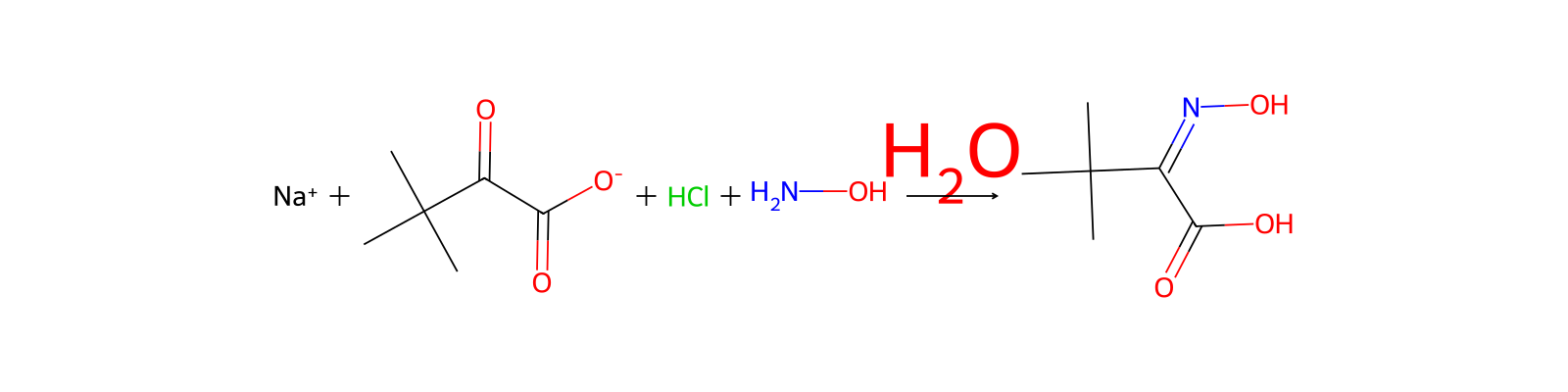
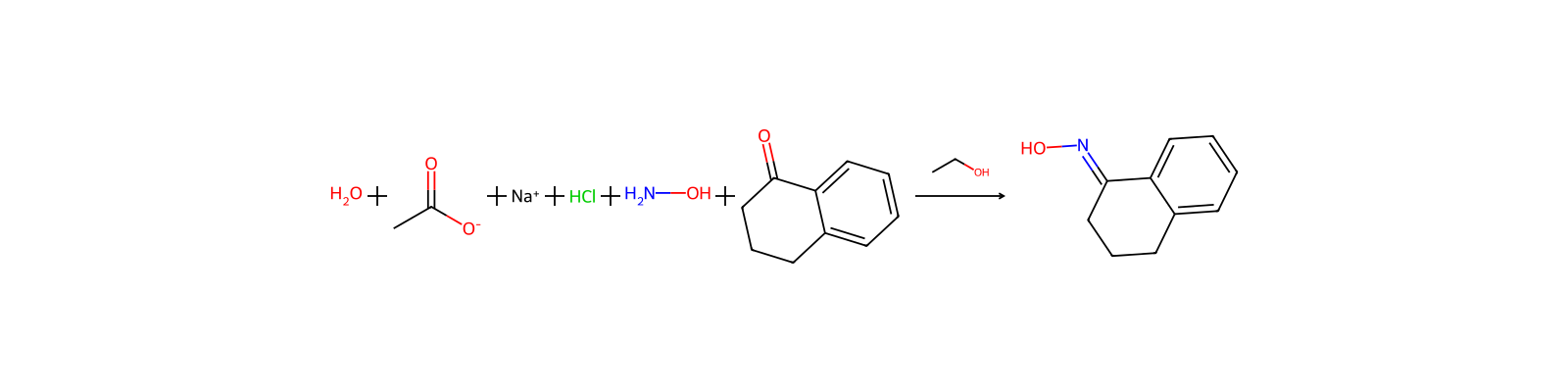
化学的特性Hydroxylamine Hydrochloride(NH2OH.HCl) is an inorganic compound that is the hydrochloric acid salt of hydroxylamine. It is highly hygroscopic and decomposes when exposed to dampness above 151℃. This compound is primarily used as a reducing agent and imaging agent and is instrumental in the preparation of oximes in organic synthesis. It can convert aldehydes and ketones to oximes and acid chlorides to hydroxamic acids. However, This product is highly toxic and irritating to the skin.
A powerful reducing agent and a strong irritant of the skin and eyes; Can cause methemoglobinemia; Inhalation of high concentrations can induce toxic pneumonitis; [CAMEO] Negligible evaporation at room temperature; Harmful if dispersed particles are inhaled; A skin sensitizer; [ICSC] Causes skin burns; [MSDSonline] See Hydroxylamine.
Fires involving this material can be controlled using a dry chemical, carbon dioxide or Halon extinguisher. (NTP, 1992)
In case of fire in the surroundings, use appropriate extinguishing media.
Fresh air, rest. Refer for medical attention.
Remove contaminated clothes. Rinse skin with plenty of water or shower. Refer for medical attention .
First rinse with plenty of water for several minutes (remove contact lenses if easily possible), then refer for medical attention.
Rinse mouth. Give a slurry of activated charcoal in water to drink. Refer for medical attention .
EYES: First check the victim for contact lenses and remove if present. Flush victim's eyes with water or normal saline solution for 20 to 30 minutes while simultaneously calling a hospital or poison control center. Do not put any ointments, oils, or medication in the victim's eyes without specific instructions from a physician. IMMEDIATELY transport the victim after flushing eyes to a hospital even if no symptoms (such as redness or irritation) develop.
SMALL SPILLS AND LEAKAGE: If you spill this chemical, you should dampen the solid spill material with water, then transfer the dampened material to a suitable container. Use absorbent paper dampened with water to pick up any remaining material. Seal your contaminated clothing and the absorbent paper in a vapor-tight plastic bag for eventual disposal. Wash all contaminated surfaces with a soap and water solution. Do not reenter the contaminated area until the Safety Officer (or other responsible person) has verified that the area has been properly cleaned.
Personal protection: particulate filter respirator adapted to the airborne concentration of the substance. Do NOT let this chemical enter the environment. Sweep spilled substance into covered non-metallic containers. If appropriate, moisten first to prevent dusting. Carefully collect remainder. Then store and dispose of according to local regulations.
Blue lips, fingernails and skin. Headache. Dizziness. Nausea. Confusion. Convulsions. Unconsciousness.
MAY BE ABSORBED! Redness. Pain. Further see Inhalation.
Redness. Pain.
See Inhalation.
一般的な説明Hydroxylamine hydrochloride appears as colorless or off-white crystalline solid. pH (0.1 molar aqueous solution) 3.4. pH (0.2 molar aqueous solution) 3.2. (NTP, 1992)
製造方法Hydroxylamine hydrochloride is prepared by electrolytic reduction of ammonium chloride. Or by the action of nitromethane with hydrochloric acid and water to obtain hydroxylamine hydrochloride.
純化方法Crystallise the salt from aqueous75% ethanol or boiling methanol, and dry it under vacuum over CaSO4 or P2O5. It has also been dissolved in a minimum of water and saturated with HCl; after three such crystallisations, it is dried under a vacuum over CaCl2 and NaOH. Its solubility at 20o is 85% in H2O, 6% in EtOH and 12% in MeOH. [Hurd Inorg Synth I 87 1939, Semon in Org Synth Coll Vol I 318 1941.]
定義ChEBI: Hydroxylamine hydrochloride is an organic molecular entity. It is a colorless inorganic compound (HONH2) used in organic synthesis and as a reducing agent, due to its ability to donate nitric oxide.