

基本情報
- 標準SMILES
O=C(O)[C@@H](O)[C@@H](O)C(=O)O- InChIKey
FEWJPZIEWOKRBE-XIXRPRMCSA-N- 分子式
- C4H6O6
- 平均分子量
- 150.09 g/mol
- 単同位体質量
- 150.01643791
概要
Meso-tartaric acid is a 2,3-dihydroxybutanedioic acid that has meso configuration. It is a conjugate acid of a meso-tartrate(1-).
名称と識別子
- 優先名称
- Meso-Tartaric acid
- IUPAC
- (2R,3S)-2,3-dihydroxybutanedioic acid
- 現地名
- DL-酒石酸
- 英語名
- DL-Tartaric acid
- 分子式
- C4H6O6
- 分子量
- 150.09
名称と別名
mesotartaric acidmeso-tartaric acid147-73-9erythraric acid(2R,3S)-2,3-dihydroxybutanedioic acidi-Tartaric acid(r,s)-tartaric acid(2R,3S)-tartaric acidm-tartaric acid(2R,3S)-2,3-dihydroxysuccinic acidTartaric acid, meso-(R*,S*)-2,3-Dihydroxybutanedioic acid
名称をさらに表示
DL-酒石酸rac-(2R*,3R*)-2,3-ジヒドロキシこはく酸ラセミ酸rac-(2R*,3R*)-2,3-ジヒドロキシブタン二酸(±)-2,3-ジヒドロキシブタン二酸(±)-酒石酸ラセム酸dl酒石酸酒石酸DL‐酒石酸DL‐酒石酸標準品DL-酒石酸, 99%DL-酒石酸標準品TARTARIC ACIDRACEMIC ACIDdl-Tartaric acid anhydrousDL-TARTRATEDL-TartaricClopidogrel Impurity 45DL-Tartaric acid concentrateButanedioic acid, 2,3-dihydroxy-, (2R,3R)-rel-DL-Tartaric acid 133-37-9 pure 99% food additives Paratartaric acid kf-wang(at)kf-chem.comUvic acid
JQO211TF1ACHEBI:15673DTXSID60883336RefChem:156674GlyTouCan:G12655FYDTXCID501774085G12655FY205-696-1
データベース識別子
- CAS
133-37-9、147-73-9、5990-63-6- PubChem CID
- 447315
- DTXSID
DTXSID60883336- ChEMBL
CHEMBL225983- ChEBI
CHEBI:15673- UNII
- JQO211TF1A
- EC Number
- 205-105-7、205-696-1、629-249-9
- Nikkaji
- J134.706C
物性
構造計算による物性
- XLogP
- -1.9
- 極性表面積
- 115 Ų
- 水素結合供与体数
- 4
- 水素結合受容体数
- 6
- 回転可能結合数
- 3
- 重原子数
- 10
- 形式電荷
- 0
- 複雑度
- 134
実験および物理化学的性質
Chemical ClassesOther Classes -> Organic Acids
SpringerMaterials PropertiesCrystal structure
FragrancesFragrance Ingredient (Tartaric acid (d-, l-, dl-, meso-)) -> IFRA transparency List
LogP-0.76 (calculated)
DensityRelative density (water = 1): 1.79
Flavoring AgentsEU Flavoring substances
SolubilitySolubility in water, g/l at 20 °C: 1400 (very soluble)
Flash Point210 °C c.c.
Melting Point206 °C
Physical Description
Dry Powder
White solid; [ICSC] Colorless or white odorless solid; [JECFA] White odorless crystalline powder; [Acros Organics MSDS]
WHITE CRYSTALLINE POWDER.
Collision Cross Section
120.87 Ų [M-H]- [CCS Type: DT; Method: stepped-field]
118.4 Ų [M-H]-
Autoignition Temperature425 °C
物理化学的性質
- 融点
- 210 · 210-212 °C(lit.)
- 沸点
- 191.59 °C · 191.59°C (rough estimate)
- 比旋光度
- 20 · [α]D20 -0.2~+0.2° (c=20, H2O)
- 比重(密度)
- 1.788 · 1.788
- 蒸気圧
- 0.1 hPa · <0.1 hPa (20 °C)
- FEMA
- 3044 · 3044 | TARTARIC ACID (D-, L-, DL-, MESO-)
- 屈折率
- 1.586 · 1.5860 (estimate)
- 闪点
- 210 °C · 210 °C
- 貯蔵温度
- 30 °C · Store below +30°C.
- 溶解性
- 2 O: · H2O: 0.1 g/mL、透明
- 外見
- 液体
- 酸解離定数(Pka)
- 3.03 · 3.03, 4.37(at 25℃)
- 色
- 白い
- PH
- 3.19 · 3.19(1 mM solution);2.58(10 mM solution);2.03(100 mM solution);
- 臭い (Odor)
- 100 %で。とてもマイルドなキャラメル味 · 100.00%で。とてもマイルドなキャラメル味
- においのタイプ
- 無臭
- 由来生物
- synthetic
- 水溶解度
- 溶ける
- Merck
- 14 · 14,9069
- JECFA Number
- 621 · 621
- BRN
- 1725148 · 1725148
- Dielectric constant
- 35.9 · 35.9(-10℃)
- 安定性
- 安定。塩基、酸化剤、還元剤、銀と相容れない。
- 主な用途
- フレーバーそして香料
- 化粧品成分の機能
- バッファリング香料
- InChI
- 1S/C4H6O6/c5-1(3(7)8)2(6)4(9)10/h1-2,5-6H,(H,7,8)(H,9,10)/t1-,2-/m0/s1
- InChIKey
- FEWJPZIEWOKRBE-UHFFFAOYSA-N
- SMILES
- O[C@@H]([C@H](O)C(O)=O)C(O)=O
- LogP
- -1.43 · -1.43
- CAS データベース
- 133 · 133-37-9(CAS DataBase Reference)
- NISTの化学物質情報
- Tartaric acid(133-37-9)
- EPAの化学物質情報
- 2 · Butanedioic acid, 2,3-dihydroxy-, (2R,3R)-rel- (133-37-9)
化学的性質
化学的特性DL-Tartaric acid is a water- and alcohol-soluble colorless crystalline solid with a characteristic acid taste and a melting temperature of 170°C(338°F). Naturally occurring tartaric acid is generally of the L-configuration (based on the absolute configuration of D-glyceric acid). The L-forms of tartrates are dextrorotatory in solution and thus are designated as L(+)-tartrates. It is also known as dihydroxy succinic acid. Tartaric acid is used as a chemical intermediate and a sequestrant,as well as in tanning, effervescent beverages, baking powder, ceramics, photography, textile processing,mirror silvering,and metal coloring.
安全と法規制
GHS分類
GHS Classification
This chemical does not meet GHS hazard criteria for 5.1% (26 of 506) of reports.
Danger
H315 (22.1%): Causes skin irritation [Warning Skin corrosion/irritation]
P261, P264, P264+P265, P271, P280, P302+P352, P304+P340, P305+P351+P338, P305+P354+P338, P317, P319, P321, P332+P317, P337+P317, P362+P364, P403+P233, P405, and P501 (click each P-code to see the statement)
Aggregated GHS information provided per 506 reports by companies from 13 notifications to the ECHA C&L Inventory. Each notification may be associated with multiple companies.
Warning
危険有害性情報
Regulatory Information
Chemical: Butanedioic acid, 2,3-dihydroxy-, (R*,R*)-(.+-.)-
Butanedioic acid, 2,3-dihydroxy-, (2R,3R)-rel- is listed on the EPA's Chemical Data Reporting (CDR) system. Manufacturers and importers of Butanedioic acid, 2,3-dihydroxy-, (2R,3R)-rel- are required to report information about their production and use of this chemical to the EPA under the Toxic Substances Control Act (TSCA). (40 eCFR Part 711)
Status: Active Update: 03-10-2022 https://echa.europa.eu/registration-dossier/-/registered-dossier/34095
DL-Tartaric acid: Does not have an individual approval but may be used under an appropriate group standard
Other Safety InformationIMAP assessments - Butanedioic acid, 2,3-dihydroxy-, (R*,R*)-(.+-.)-: Human health tier I assessment
Fire HazardsCombustible.
Hazards SummaryCauses burns; Inhalation of aerosol may cause pulmonary edema; [ICSC] An irritant; [Acros Organics MSDS]
Chemical DangersThe solution in water is a medium strong acid. Reacts with fluorine, strong oxidants, hydrogen peroxide, alkaline compounds and silver. This produces toxic fumes.
Physical DangersThe vapour is heavier than air.
Hazard Classes and Categories
Skin Irrit. 2 (22.1%)
Skin Irrit. 2 (50%)
Skin Irrit. 2 (100%)
安全と保護具
Fire FightingUse water spray, powder, foam, carbon dioxide.
First Aid Measures
Fresh air, rest. Seek medical attention if you feel unwell.
Remove contaminated clothes. Rinse skin with plenty of water or shower.
Rinse with plenty of water for several minutes (remove contact lenses if easily possible). Refer immediately for medical attention.
Rinse mouth. Give one or two glasses of water to drink. Seek medical attention if you feel unwell.
Safe StorageStore only in original packaging.
Spillage Disposal
Personal protection: particulate filter respirator adapted to the airborne concentration of the substance. Sweep spilled substance into covered containers. If appropriate, moisten first to prevent dusting. Store and dispose of according to local regulations.
Eye PreventionWear safety goggles.
Fire PreventionNO open flames.
Inhalation RiskA harmful concentration of airborne particles can be reached quickly when dispersed, especially if powdered.
Skin PreventionProtective gloves. Protective clothing.
Exposure PreventionPREVENT DISPERSION OF DUST! STRICT HYGIENE!
Ingestion PreventionDo not eat, drink, or smoke during work.
Inhalation PreventionUse local exhaust, ventilation or breathing protection.
Effects of Short Term ExposureThe substance is corrosive to the eyes. The substance is irritating to the skin and upper respiratory tract.
毒性情報
Adverse EffectsDermatotoxin - Skin burns.
Exposure RoutesThe substance can be absorbed into the body by inhalation and by ingestion.
Signs and Symptoms
Cough. Sore throat. Burning sensation.
Redness.
Redness. Pain. Severe burns.
Cough. Sore throat. Burning sensation. Nausea. Vomiting.
安全データ
- wgk
- 3
- tsca
- TSCA listed
- hs_code
- 29181200
- risk_code
- 36/37/38-41
- 化審法
- (2)-1456
- hazard_code
- Xi
- safety_code
- 26-37/39-36
- 自然発火温度
- 425 °C
- Hazard Classifications
- Eye Dam. 1
- ストレージクラス
- 11 - Combustible Solids
化学と産業
用途と製造
UsesUsed as a synergist for antioxidants, acid, emulsifier, sequestrant, and flavoring agent; [JECFA]
U.S. Production2023: 43,652 lb
Industry UsesNot Known or Reasonably Ascertainable
Use Classification
Fragrance Ingredients
Flavouring Agent -> FLAVOURING_AGENTFood Additives -> ACID; ANTIOXIDANT_SYNERGIST; EMULSIFIER; SEQUESTRANT; SYNERGIST -> JECFA Functional Classes
Flavouring Agent -> FLAVOURING_AGENTFood Additives -> ACID; ANTIOXIDANT_SYNERGIST; EMULSIFIER; SEQUESTRANT; SYNERGIST -> JECFA Functional Classes
General Manufacturing Information
Soap, Cleaning Compound, and Toilet Preparation Manufacturing
Butanedioic acid, 2,3-dihydroxy-, (2R,3R)-rel-: ACTIVE
Butanedioic acid, 2,3-dihydroxy-, (2R,3S)-rel-: ACTIVE
応用分野
解説dl- 酒石酸ともいわれる。化学式 C4H8O8 。旋光性はないが,分割すれば d -酒石酸と l -酒石酸に分けることができる。マンニットを硝酸で酸化すると生成する。またブドウの果汁中に存在することがある。無水塩は無色の結晶 (73℃以上の熱水から再結晶) で,融点 206℃。1水塩の融点 203~204℃。カルシウム,ストロンチウムの定量試薬に使われる。ブリタニカ国際大百科事典 小項目事典 ブリタニカ
天然物の起源d-Tartaric acid occurs in many fruits or other parts of the plant, free or combined with potassium, calcium or magnesium. It is also reported found in raw, lean fish, white wine, red wine and port wine.
使用DL-Tartaric acid is used as a synergist for antioxidants, emulsifier, sequestrant and flavoring agent. It is also added with citric acid to prepare effervescent salts, thereby enhancing the taste of oral medications. It is also utilized in pigments, processing aids, ink, toner and colorant products. It acts as a chelating agent in metal and farming industries. Further, it is used as lubricant and grease. It is mixed with sodium bicarbonate and used as a leavening agent in food preparation. In the pharmaceutical industry, it is utilized in the preparation of tartar emetic, which is used in cough syrup as an expectorant.
使用用途酒石酸は、食品添加物として利用される場合が多いです。爽やかな酸味を与える酸味料あるいは調味料として、清涼飲料水、ゼリー、ジャム、ソースなどに用いられます。また、酒石酸の塩である酒石酸水素カリウムや酒石酸ナトリウムは、加熱すると分解して二酸化炭素を放出する性質を利用して、膨張剤にも使用される場合があります。 そのほか、pHの調整や収れん作用を目的に、化粧品に配合されることも多いです。やと合わせてケミカルピーリング溶剤に入れることで、皮膚の古い角質を除去する効果があると言われています。 また、酒石酸は有機合成における原料や触媒としても用いられています。
調製方法
製造方法The tartrates used in commerce are obtained as a by-product of wine manufacture and have the L(+) configuration. Produced from argols or wine lees, which are formed in the manufacture of wine by extracting the potassium acid tartrate, transforming this into the calcium salt and then acidifying with dilute sulfuric acid; also by oxidation of d-glucose with nitric acid. The dl-tartaric acid is obtained by boiling the d-tartaric acid with an aqueous solution of NaOH or by oxidation of fumaric acid. The l- and the meso-tartaric acid are also known, but are less important.
上流・下流製品情報
上流原料
下流製品
サプライヤー50 社
国药集团化学试剂有限公司86-21-63210123 · [email protected]
梯希爱(上海)化成工业发展有限公司021-67121386 · [email protected]
上海阿拉丁生化科技股份有限公司400-6206333 13167063860 · [email protected]
天津市恒兴化学试剂制造有限公司022-26772349 15822233318 · [email protected]
爱斯特(成都)生物制药股份有限公司+86-28-85122536 85324413 · [email protected]
上海如吉生物科技发展有限公司+86-21-65211385-8001 36031160 · [email protected]
科瑞迪化学400-821-5857 021-64326257 · [email protected]
Syntechem Co.,Ltd[email protected]
上海迈瑞尔生化科技有限公司4006356688 18621169109 · [email protected]
阿法埃莎(中国)化学有限公司400-6106006 · [email protected]
上海德默医药科技有限公司400-021-7337 2355568890 · [email protected]
安耐吉化学&3A(安徽泽升科技股份有限公司)400-0056266 · [email protected]
上海瀚鸿科技股份有限公司021-54306202 13764082696 · [email protected]
成都普思生物科技股份有限公司028-85370565-229 18080489829 · [email protected]
上海景颜化工科技有限公司13817811078 · [email protected]
合肥天健化工有限公司551-65418679 15856988503;15837135945 · [email protected]
孝感深远化工有限公司15527621225; 15527621225 · [email protected]
山东西亚化学有限公司13355009207 13355009207 · [email protected]
玛雅试剂+86 (573) 82222445 (0)18006601000 452520369 · [email protected]
天津希恩思生化科技有限公司400 638 7771 · [email protected]
南京瑞泰生化技术有限公司+86-(0)25-84931986,(0)18951962398
斯百全化学(上海)有限公司021-021-021-67601398-809-809-809 15221380277 · [email protected]
上海源叶生物科技有限公司13636370518 · [email protected]
艾科试剂4008-755-333 18080918076 · [email protected]
青岛保税区鲁联国际贸易有限公司0532-83893697 18561902820 · [email protected]
上海思域化工科技有限公司86-21-34053660 · [email protected]
赛默飞世尔科技(中国)有限公司800-810-5118 · [email protected]
北京伊诺凯科技有限公司400-810-7969 010-59572699 · [email protected]
上海遐瑞医药科技有限公司+86 21 61551611
江苏艾康生物医药研发有限公司025-66113011 13913916777 · [email protected]
TOKYO CHEMICAL INDUSTRY CO., LTD.03-36680489 · [email protected]
上海贤鼎生物科技有限公司4009209199 · [email protected]
潍坊沃腾进出口有限公司0536-2456718
南京生利德生物科技有限公司025-57798810 18652991625 · [email protected]
北京环宇世纪化学科技有限公司hysj_bj.com
湖北鑫源顺医药化工有限公司13971561712, 13995564702, 027-50664929 · [email protected]
上海将来实业股份有限公司400-0066400 13621662912 · [email protected]
天津阿尔塔科技有限公司022-65378550-8551 · [email protected]
HBCChem, Inc.+1-510-219-6317 · [email protected]
日照力德士化工有限公司010-51268198 · [email protected]
美岚实业(上海)有限公司021-58958189 · [email protected]
上海爱蝶实业有限公司021-58957966 18930537195 · [email protected]
成都零六生物科技有限公司400-1166-196 13458535857 · [email protected]
广拓化学(上海)有限公司021-60899189-8001 18918189673 · [email protected]
雷丁试剂0510-85629785 18013409632 · [email protected]
上海御略医药科技有限公司021-60345187 13671753212 · [email protected]
上海麦克林生化科技股份有限公司15221275939 15221275939 · [email protected]
杭州杰恒化工有限公司0571-87396432 · [email protected]
上海永叶生物科技有限公司86-021-61559134 15921386130 · [email protected]
上海嵩爰化工科技有限公司010-1234567 18521000990 · [email protected]
補足説明
定義本品は、次の化学式で表される有機酸である。
定義ChEBI: DL-Tartaric acid is a tetraric acid that is butanedioic acid substituted by hydroxy groups at positions 2 and 3. It has a role as a human xenobiotic metabolite and a plant metabolite. It is a conjugate acid of a 3-carboxy-2,3-dihydroxypropanoate.
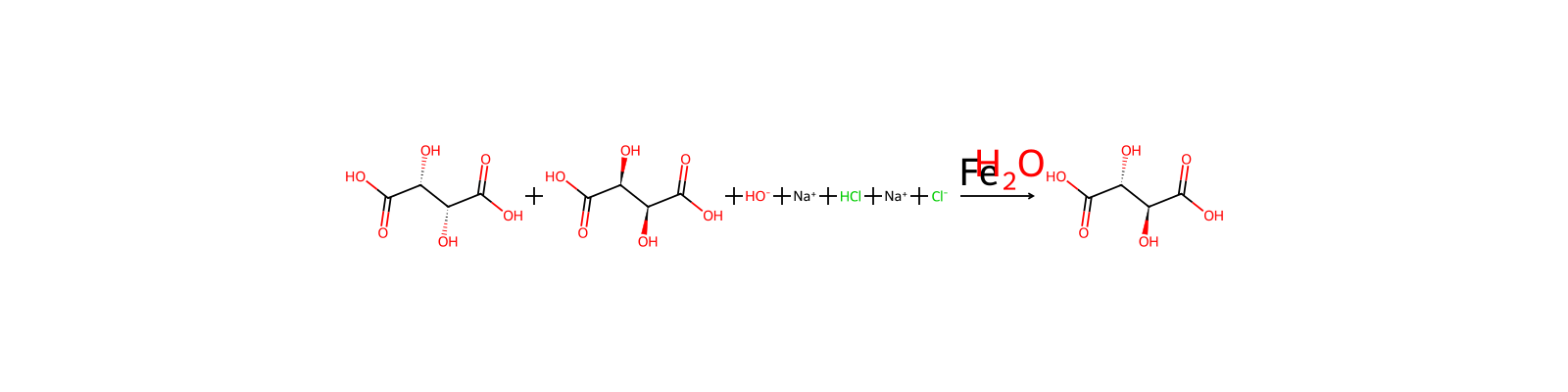
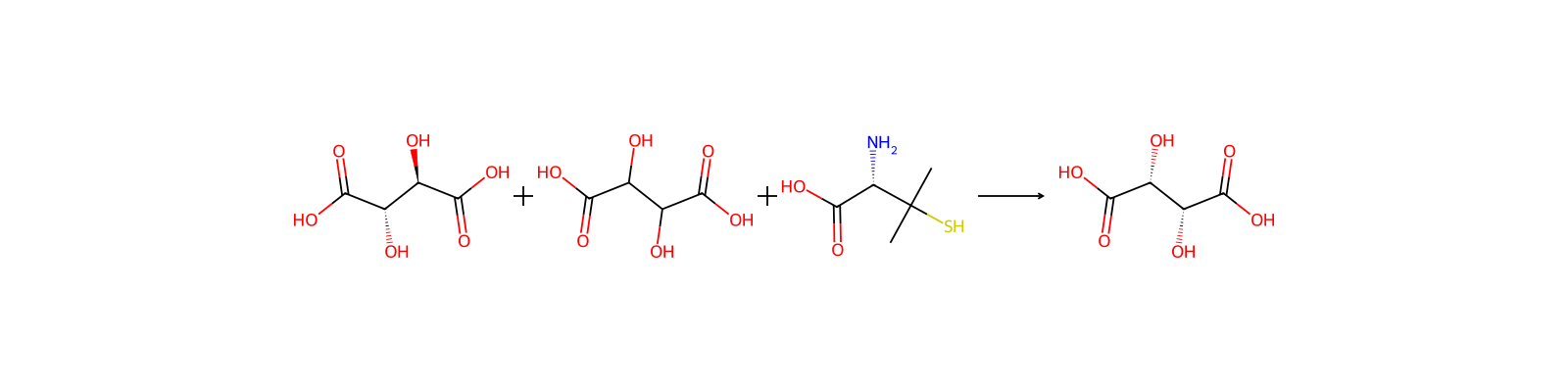
関連反応
12 件



関連ノート
読み込み中…