

基本情報
- 標準SMILES
NC1=NC(=O)C(c2ccccc2)O1- InChIKey
NRNCYVBFPDDJNE-UHFFFAOYSA-N- 分子式
- C9H8N2O2
- 平均分子量
- 176.17 g/mol
- 単同位体質量
- 176.0585775
概要
Pemoline is a member of the class of 1,3-oxazoles that is 1,3-oxazol-4(5H)-one which is substituted by an amino group at position 2 and by a phenyl group at position 5. A central nervous system stimulant, it was used to treat hyperactivity disorders in children, but withdrawn from use following reports of serious hepatotoxicity. It has a role as a central nervous system stimulant.
名称と識別子
- 優先名称
- Pemoline
- IUPAC
- 2-amino-5-phenyl-1,3-oxazol-4-one
名称と別名
pemolinePhenoxazoleAzoksodonPhenylisohydantoinTradonAzoxodonDantrominFenoxazolCylertAzoxodoneCentraminPemolin
名称をさらに表示
HytonDeltamine2152-34-3KethamedSigmadynTradoneVolitalNitan
データベース識別子
- CAS
2152-34-3- PubChem CID
- 4723
- DTXSID
DTXSID3023427- ChEMBL
CHEMBL1177- ChEBI
CHEBI:7953- UNII
- 7GAQ2332NK
- EC Number
- 218-438-8
- Nikkaji
- J4.432F
物性
構造計算による物性
- XLogP
- 0.9
- 極性表面積
- 64.7 Ų
- 水素結合供与体数
- 1
- 水素結合受容体数
- 2
- 回転可能結合数
- 1
- 重原子数
- 13
- 形式電荷
- 0
- 複雑度
- 244
実験および物理化学的性質
Drugs
DEA NFLIS-Drug Category -> Stimulants
DEA Schedule IV Controlled Substance -> Stimulants
Pharmaceuticals -> Synthetic Cannabinoids or Psychoactive Compounds
TasteTasteless
Color/Form
Crystals
White crystalline powder
SolubilityPractically insol in ether, acetone, dil hydrochloric acid; sol in propylene glycol (1%) and hot alcohol
Human Drugs
FDA approved drugs -> Active ingredient
FDA approved drugs -> Active ingredient
Pharmaceuticals
DecompositionWhen heated to decomposition it emits toxic fumes of /Nitrogen oxide/.
Melting PointDecomp: 256-257 °C
Dissociation ConstantspKa = 10.5
安全と法規制
GHS分類
GHS Classification
Warning
H302 (100%): Harmful if swallowed [Warning Acute toxicity, oral]
P261, P264, P270, P271, P280, P301+P317, P302+P352, P304+P340, P317, P321, P330, P362+P364, and P501 (click each P-code to see the statement)
Aggregated GHS information provided per 40 reports by companies from 2 notifications to the ECHA C&L Inventory. Each notification may be associated with multiple companies.
危険有害性情報
Regulatory Information
DEA schedule IV controlled substance
4(5H)-Oxazolone, 2-amino-5-phenyl-: Does not have an individual approval but may be used under an appropriate group standard
FDA Requirements
Schedule IV shall consist of the drugs and other substances, by whatever official name, common or usual name, chemical name, or brand name designated, listed in this section. Each drug or substance has been assigned the DEA Controlled Substances Code Number set forth opposite it. Stimulants: Unless specifically excepted or unless listed in another schedule, any material, compound, mixture, or preparation which contains any quantity of the following substances having a stimulant effect on the central nervous system, including its salts, isomers and salts of isomers: Pemoline (including organometallic complexes and chelates thereof) (DEA Code Number: 1530) is included on this list.
The Approved Drug Products with Therapeutic Equivalence Evaluations List currently identifies pemoline as a discontinued drug product.
Special Reports
International Programme on Chemical Safety; Poisons Information Monograph: Pemoline (PIM 940) (1998) Available from http://www.inchem.org/pages/pims.html as of January 23, 2008
Langer DH et al; Evidence of Lack of Abuse or Dependence Following Pemoline Treatment: Results of a Retrospective Survey. Drug Alcohol Depend 17 (2-3): 213-27 (1986). Pemoline is recognized as an efficacious and safe therapeutic agent for children suffering from attention deficit disorder. A review of adverse experience reports suggests that pemoline has a limited potential for abuse or dependence. ... Human experience indicates that, despite the fact that the drug has been available in the U.S. since 1975, use is limited and is increasing slowly. A review of the literature revealed no published case reports of euphoria, abuse, dependence or withdrawal. While there have been a few reports of tolerance, it is possible that these were a reflection of inadequate dosing rather than actual tolerance to the drug's therapeutic effects. During the 10 yr that pemoline has been available in the United States, there have been only four reports of withdrawal reactions and no reported cases of dependence. Reports of intentional overdose of pemoline are minimal, with no reports involving abuse via the intravenous route.
Hazard Classes and CategoriesAcute Tox. 4 (100%)
安全と保護具
Storage ConditionsTablets should be stored in well-closed containers at a temperature less than 40 °C, preferably at 15 to 30 °C. ... Expiration date /is/ 5 years following the date of manufacture.
Disposal Methods
SRP: At the time of review, criteria for land treatment or burial (sanitary landfill) disposal practices are subject to significant revision. Prior to implementing land disposal of waste residue (including waste sludge), consult with environmental regulatory agencies for guidance on acceptable disposal practices.
毒性情報
Interactions
If pemoline is administered concomitantly with other drugs, especially those with CNS activity, the patient should be monitored carefully. Decreased seizure threshold has been reported in patients receiving pemoline concomitantly with anticonvulsants.
... Pemoline causes toxic liver damage in children. The severity of the damage is highly variable, and its onset may be late in the course of treatment. Pemoline and methylphenidate may act synergistically to cause liver damage. The levels of serum aminotransferases should be monitored throughout treatment with these agents.
Toxicity Summary
IDENTIFICATION: Pemoline is an amphetamine type psychostimulant drug.Pemoline is used to treat narcolepsy and hyperkinetic states in children as an adjunct to psychological, educational and social measures for amphetamine, dextroamphetamine and ethylphenidate. Misuse: Performance enhancement and relief of fatigue. Abuse: Abuse either orally or by injection is extremely common. HUMAN EXPOSURE: Main risks and target organs: Acute central nervous system stimulation, cardiotoxicity causing tachycardia, arrhythmias, hypertension and cardiovascular collapse. High risk of dependency and abuse. Summary of clinical effects: Cardiovascular: Palpitation, chest pain, tachycardia, arrhythmias and hypertension are common; cardiovascular collapse can occur in severe poisoning. Myocardial ischemia, infarction and ventricular dysfunction are described. Central Nervous System (CNS): Stimulation of CNS, tremor, restlessness, agitation, insomnia, increased motor activity, headache, convulsions, coma and hyperreflexia are described. Stroke and cerebral vasculitis have been observed. Gastrointestinal: Vomiting, diarrhea and cramps may occur. Genitourinary: Increased bladder sphincter tone may cause dysuria, hesitancy and acute urinary retention. Renal failure can occur secondary to dehydration or rhabdomyolysis. Renal ischemia may be noted. Dermatologic: Skin is usually pale and diaphoretic, but mucous membranes appear dry. Endocrine: Transient hyperthyroxinemia may be noted. Metabolism: Increased metabolic and muscular activity may result in hyperventilation and hyperthermia. Weight loss is common with chronic use. Fluid/Electrolyte: Hypo- and hyperkalemia have been reported. Dehydration is common. Musculoskeletal: Fasciculations and rigidity may be noted. Psychiatric: Agitation, confusion, mood elevation, increased wakefulness, talkativeness, irritability and panic attacks are typical. Chronic abuse can cause delusions and paranoia. A withdrawal syndrome occurs after abrupt cessation following chronic use. Routes of exposure: Oral: Readily absorbed from the gastro-intestinal tract and buccal mucosa. It is resistant to metabolism by monoamine oxidase. Inhalation: Rapidly absorbed by inhalation and is abused by this route. Parenteral: Frequent route of entry in abuse situations. Absorption by route of exposure: Amphetamine is rapidly absorbed after oral ingestion. Peak plasma levels occur within 1 to 3 hours, varying with the degree of physical activity and the amount of food in the stomach. Absorption is usually complete by 4 to 6 hours. Sustained release preparations are available as resin-bound, rather than soluble, salts. These compounds display reduced peak blood levels compared with standard amphetamine preparations, but total amount absorbed and time to peak levels remain similar. Distribution by route of exposure: Concentrated in the kidney, lungs, cerebrospinal fluid and brain. They are highly lipid soluble and readily cross the blood-brain barrier. Protein binding and volume of distribution varies widely, but the average volume of distribution is 5 L/kg body weight. Biological half-life by route of exposure: Under normal conditions, about 30% is excreted unchanged in the urine but this excretion is highly variable and is dependent on urinary pH. When the urinary pH is acidic (pH 5.5 to 6.0), elimination is predominantly by urinary excretion with approximately 60% of a dose being excreted unchanged by the kidney within 48 hours. When the urinary pH is alkaline (pH 7.5 to 8.0), elimination is predominantly by deamination (less than 7% excreted unchanged in the urine); the half-life ranging from 16 to 31 hours. Metabolism: The major metabolic pathway for amphetamine involves deamination by cytochrome P450 to para-hydroxyamphetamine and phenylacetone; this latter compound is subsequently oxidized to benzoic acid and excreted as glucuronide or glycine (hippuric acid) conjugate. Smaller amounts of amphetamine are converted to norephedrine by oxidation. Hydroxylation produces an active metabolite, O-hyroxynorephedrine, which acts as a false neurotransmitter and may account for some drug effect, especially in chronic users. Elimination and excretion: Normally 5 to 30% of a therapeutic dose is excreted unchanged in the urine by 24 hours, but the actual amount of urinary excretion and metabolism is highly pH dependent. Mode of action: Appears to exert most or all of its effect in the CNS by causing release of biogenic amines, especialy norepinephrine and dopamine, from storage sites in nerve terminals. It may also slow down catecholamine metabolism by inhibiting monoamine oxidase. Toxicity: Adults: The toxic dose varies considerably due to individual variations and the development of tolerance. Children: Children appear to be more susceptible than adults and are less likely to have developed tolerance. Teratogenicity: Amphetamine type compounds generally do not appear to be human teratogens. Mild withdrawal symptoms may be observed in the newborn, but the few studies of infant follow up have not shown long term sequelae, although more studies of this nature are needed. Illicit maternal use or abuse presents a significant risk to the fetus and newborn, including intrauterine growth retardation, premature delivery and the potential for increased maternal, fetal and neonatal morbidity. These poor outcomes are probably multifactorial in origin, involving multiple drug use, life-styles and poor maternal health. However, cerebral injuries occurring in newborns exposed in utero appear to be directly related to the vasoconstrictive properties. Intelligence, psychological function, growth, and physical health were all within the normal range at eight years, but those children exposed throughout pregnancy tended to be more aggressive. Interactions: Acetazolamide: administration may increase serum concentration. Alcohol: may increase serum concentration. Ascorbic acid: lowering urinary pH, may enhance excretion. Furazolidone: May induce a hypertensive response in patients taking furazolidone. Guanethidine: Inhibits the antihypertensive response to guanethidine. Haloperidol: limited evidence indicates that haloperidol may inhibit the effects but the clinical importance of this interaction is not established. Lithium carbonate: isolated case reports indicate that lithium may inhibit the effects. Monoamine oxidase inhibitor: severe hypertensive reactions have followed the administration to patients taking monoamine oxidase inhibitors. Noradrenaline: abuse may enhance the pressor response to noradrenaline. Phenothiazines: may inhibit the antipsychotic effect of phenothiazines, and phenothiazines may inhibit the anorectic effect. Sodium bicarbonate: large doses of sodium bicarbonate inhibit the elimination, thus increasing the Tricyclic antidepressants: theoretically increases the effect, but clinical evidence is lacking. Clinical effects: Acute poisoning: Ingestion: Effects are most marked on the central nervous system, cardiovascular system, and muscles. The triad of hyperactivity, hyperpyrexia, and hypertension is characteristic of acute overdosage. Agitation, confusion, headache, delirium, and hallucination, can be followed by coma, intracranial hemorrhage, stroke, and death. Chest pain, palpitation, hypertension, tachycardia, atrial and ventricular arrhythmia, and myocardial infarction can occur. Muscle contraction, bruxism (jaw-grinding), trismus (jaw clenching), fasciculation, rhabdomyolysis, are seen leading to renal failure; and flushing, sweating, and hyperpyrexia can all occur. Hyperpyrexia can cause disseminated intravascular coagulation. Inhalation: The clinical effects are similar to those after ingestion, but occur more rapidly. Parenteral exposure: Intravenous injection is a common mode of administration by abusers. The euphoria produced is more intense, leading to a rush or flash which is compared to sexual orgasm. Other clinical effects are similar to those observed after ingestion, but occur more rapidly. Chronic poisoning: Ingestion: Tolerance to the euphoric effects and CNS stimulation induced by such drugs develops rapidly, leading abusers to use larger and larger amounts to attain and sustain the desired affect. Habitual use or chronic abuse usually results in toxic psychosis classically characterized by paranoia, delusions and hallucinations, which are usually visual, tactile or olfactory in nature, in contrast to the typical auditory hallucinations of schizophrenia. The individual may act on the delusions, resulting in bizarre violent behavior, hostility and aggression, sometimes leading to suicidal or homicidal actions. Dyskinesia, compulsive behavior and impaired performance are common in chronic abusers. The chronic abuser presents as a restless, garrulous, tremulous individual who is suspicious and anxious. Course, prognosis, cause of death: Symptoms and signs give a clinical guide to the severity of intoxication as follows: Mild toxicity: restlessness, irritability, insomnia, tremor, hyperreflexia, sweating, dilated pupils, flushing; Moderate toxicity: hyperactivity, confusion, hypertension, tachypnea, tachycardia, mild fever, sweating; Severe toxicity: delirium, mania, self-injury, marked hypertension, tachycardia, arrhythmia, hyperpyrexia, convulsion, coma, circulatory collapse. Death can be due to intracranial hemorrhage, acute heart failure or arrhythmia, hyperpyrexia, rhabdomyolysis and consequent hyperkalemia or renal failure, and to violence related to the psychiatric effects. Systematic description of clinical effects: Cardiovascular: Cardiovascular symptoms of acute poisoning include palpitation and chest pain. Tachycardia and hypertension are common. One third of patients had a blood pressure greater than 140/90 mmHg, and nearly two-thirds had a pulse rate above 100 beats per minute. Severe poisoning can cause acute myocardial ischemia, myocardial infarction, and left ventricular failure. These probably result from vasospasm, perhaps at sites of existing atherosclerosis. In at least one case, thrombus was demonstrated initially. Chronic oral abuse can cause a chronic cardiomyopathy; an acute cardiomyopathy has also been described. Hypertensive stroke is a well recognized complication of poisoning. Intra-arterial injection can cause severe burning pain, vasospasm, and gangrene. Respiratory: Pulmonary fibrosis, right ventricular hypertrophy and pulmonary hypertension are frequently found at post-mortem examination. Pulmonary function tests usually are normal except for the carbon monoxide diffusing capacity. Respiratory complications are sometimes caused by fillers or adulterants used in injections by chronic inhalation abusers. These can cause multiple microemboli to the lung, which can lead to restrictive lung disease. Pneumomediastinum has been reported after inhalation. Neurological: Central nervous system (CNS): Main symptoms include agitation, confusion, delirium, hallucinations, dizziness, dyskinesia, hyperactivity, muscle fasciculation and rigidity, rigors, tics, tremors, seizures and coma. Both occlusive and hemorrhagic strokes have been reported after abuse. Twenty-one of 73 drug using young persons with stroke had taken amphetamine, of whom six had documented intracerebral hemorrhage and two had subarachnoid hemorrhage. Patients with underlying arteriovenous malformations may be at particular risk. Stroke can occur after oral, intravenous, or nasal administration. Severe headache beginning within minutes of ingestion is usually the first symptom. In more than half the cases, hypertension which is sometimes extreme, accompanies other symptoms. A Cerebral vasculitis has also been observed. Dystonia and dyskinesia can occur, even with therapeutic dosages. Psychiatric effects, particularly euphoria and excitement, are the motives for abuse. Paranoia and a psychiatric syndrome indistinguishable from schizophrenia are sequelae of chronic use. Autonomic nervous system: Stimulation of alpha-adrenergic receptors produces mydriasis, increased metabolic rate, diaphoresis, increased sphincter tone, peripheral vasoconstriction and decreased gastrointestinal motility. Stimulation of ß-adrenergic receptors produces increased heart rate and contractility, increased automaticity and dilatation of bronchioles. Skeletal and smooth muscle: Myalgia, muscle tenderness, muscle contractions, and rhabdomyolysis, leading to fever, circulatory collapse, and myoglobinuric renal failure, can occur. Gastrointestinal: Most common symptoms are nausea, vomiting, diarrhea, and abdominal cramps. Anorexia may be severe. Epigastric pain and hematemesis have been described after intravenous use. A case of ischemic colitis with normal mesenteric arteriography in a patient taking dexamphetamine has been described. Hepatic: Hepatitis and fatal acute hepatic necrosis have been described. Urinary Renal: Renal failure, secondary to dehydration or rhabdomyolysis may be observed.Other: Increased bladder sphincter tone may cause dysuria, hesitancy and acute urinary retention. This effect may be a direct result of peripheral alpha-agonist activity. Spontaneous rupture of the bladder has been described in a young woman who took alcohol and an amphetamine containing diet tablet. Endocrine and reproductive systems: Transient hyperthyroxinemia may result from heavy amphetamine use. Dermatological: Skin is usually pale and diaphoretic, but mucous membranes appear dry. Chronic users may display skin lesion, abscesses, ulcers, cellulitis or necrotising angiitis due to physical insult to skin, or dermatologic signs of dietary deficiencies, e.g. cheilosis, purpura. Eye, ear, nose, throat: local effects: Mydriasis may be noted. Diffuse hair loss may be noted and chronic users may display signs of dietary deficiencies. Hematological: Disseminated intravascular coagulation is an important consequence of severe poisoning. Idiopathic thrombocytopenic purpura may occur. Fluid and electrolyte disturbance: Increase metabolic and muscular activity may result in dehydration. Special risks: A case report describes a normal female infant born to mother who took dexamphetamine for narcolepsy throughout pregnancy. Breast-feeding: Amphetamine is passed into breast milk and measurable amounts can be detected in breast-fed infant's urine. Therefore lactating mothers are advised not to take or use these drugs. Other: Withdrawal syndrome: Abrupt discontinuance following chronic use is characterized by apathy, depression, lethargy, anxiety and sleep disturbances. Myalgias, abdominal pain, voracious appetite and a profound depression with suicidal tendencies may complicate the immediate post-withdrawal period and peak in 2 to 3 days. To relieve these symptoms, the user will often return to use more, often at increasing doses due to the tolerance which is readily established. Thus a cycle of use withdrawal use is established. Physical effects here are not life threatening but can lead to a stuporose state; the associated depression can lead to suicide. It may take up to eight weeks for suppressed REM (rapid eye movement) sleep to return to normal. Overamped: When the intravenous dosage is increased too rapidly the individual develops a peculiar condition referred to as overamped: in which he or she is conscious but unable to speak or move. Elevated blood pressure, temperature and pulse as well as chest distress occurs in this setting. Death from overdose in tolerant individuals is infrequent.
Human Toxicity Excerpts
/SIGNS AND SYMPTOMS/ Pemoline overdose may produce hyperadrenergic effects including agitation, sinus tachycardia, hypertension, hyperpyrexia, mydriasis, and seizures. Acute choreoathetoid movements and hallucinations have also been reported after overdose. In children, choreoathetosis may be the predominant effect and difficult to control. These movements may last up to 24 hours despite treatment with benzodiazepines. Elevated creatine kinase indicating rhabdomyolysis may occur secondary to muscle hypertonicity or seizure activity. The onset of symptoms is usually within 6 hours and may last for 48 hours.
/SIGNS AND SYMPTOMS/ Large doses of pemoline may cause tachycardia. Rash has occurred in patients receiving the drug, and there have been rare reports of aplastic anemia. Pemoline therapy has been associated with elevated serum prostatic acid phosphatase concentrations and prostatic enlargement in a geriatric male patient; the serum prostatic acid phosphatase concentration returned to normal values following discontinuance of the drug and increased again on rechallenge.
/SIGNS AND SYMPTOMS/ Ingestion of high doses of pemoline by drug abusers has been associated with excitement, restlessness, transient psychotic symptoms (eg, paranoid ideation, hallucinations), and aggressive and disorganized behavior. Irritability, mental depression, and a craving for the drug have occurred when pemoline was abruptly discontinued following excessive use.
/SIGNS AND SYMPTOMS/ Signs and symptoms of acute overdosage, resulting principally from overstimulation of the central nervous system and from excessive sympathomimetic effects, may include the following: vomiting, agitation, tremors, hyperreflexia, muscle twitching, convulsions (may be followed by coma), euphoria, confusion, hallucinations, delirium, sweating, flushing, headache, hyperpyrexia, tachycardia, hypertension and mydriasis.
For more Human Toxicity Excerpts (Complete) data for PEMOLINE (20 total), please visit the HSDB record page.
Drug Induced Liver Injury
Drug Induced Liver Injury Rank (DILIrank 2.0)
Pemoline
vMost-DILI-concern
8
Withdrawn
DOI:10.1016/j.drudis.2016.02.015
Non-Human Toxicity Excerpts
/LABORATORY ANIMALS: Chronic Exposure or Carcinogenicity/ Studies in rats receiving pemoline dosages up to 150 mg/kg daily for 18 months have not revealed evidence of carcinogenicity.
/LABORATORY ANIMALS: Developmental or Reproductive Toxicity/ Reproduction studies in rats and rabbits using pemoline dosages of 18.75 and 37.5 mg/kg daily have not revealed evidence of harm to the fetus; however, in rats, decreased postnatal survival of offspring occurred at both dosages and increased incidence of stillbirth and cannibalization occurred at the higher dosage.
/LABORATORY ANIMALS: Developmental or Reproductive Toxicity/ Reproduction studies in male and female rats receiving pemoline dosages of 18.75 and 37.5 mg/kg daily have not revealed evidence of impaired fertility.
/LABORATORY ANIMALS: Neurotoxicity/ Acute administration of high doses of amphetamine or pemoline to rats produces transient self injurious behavior which is accompanied by severe deterioration of the behavioral repertoire. Repeated sc administration of pemoline to rats produces a high incidence of self injurious behavior without the dramatic behavioral changes produced by high doses of oral pemoline. Repeated pemoline increased locomotions and rears and produced intermittent stereotyped sniffing and licking/biting. However, the animals were still able to eat, drink, sleep and groom. Hotplate tests provided no evidence for analgesia. Because self injurious behavior is often associated with human developmental disorders, the effects of repeated sc administration of pemoline to weanling rats was also investigated. Sc injections every 12 hr produced a high rate of self injurious behavior in weanling rats.
For more Non-Human Toxicity Excerpts (Complete) data for PEMOLINE (6 total), please visit the HSDB record page.
Populations at Special RiskPemoline is contraindicated in patients with known hypersensitivity or idiosyncrasy to the drug and in patients with impaired hepatic function.
Environmental Water Concentrations
While data specific to pemoline were not located(SRC, 2008), the literature suggests that some pharmaceutically active compounds originating from human and veterinary therapy are not eliminated completely in municipal sewage treatment plants and are therefore discharged into receiving waters(1). Wastewater treatment processes often were not designed to remove them from the effluent(2). Selected organic waste compounds may be degrading to new and more persistent compounds that may be released instead of or in addition to the parent compound(2).
Antidote and Emergency Treatment
Treatment of overdose is similar to that for other CNS stimulants. The patient should have IV access established along with frequent monitoring of vital signs and oxygen saturation.
Decontamination: Activated charcoal should be administered to patients with recent ingestions and a protected airway.
Antidotes: There are no specific antidote or antagonist agent for pemoline toxicity.
Supportive Care: Seizure precautions should be observed. A benzodiazepine (diazepam or lorazepam) is the drug of choice for treatment of agitation, tachycardia, hypertension, involuntary movements, or seizures. Aggressive cooling measures should be undertaken for hyperpyrexia. Hypertensive crisis not responding to benzodiazepines may be treated with sodium nitroprusside.
Non-Human Toxicity Values
LD50 Rat oral 436 mg/kg
LD50 Mouse oral 375 mg/kg
LD50 Mouse ip 365 mg/kg
法規制情報
FDA Requirements
Schedule IV shall consist of the drugs and other substances, by whatever official name, common or usual name, chemical name, or brand name designated, listed in this section. Each drug or substance has been assigned the DEA Controlled Substances Code Number set forth opposite it. Stimulants: Unless specifically excepted or unless listed in another schedule, any material, compound, mixture, or preparation which contains any quantity of the following substances having a stimulant effect on the central nervous system, including its salts, isomers and salts of isomers: Pemoline (including organometallic complexes and chelates thereof) (DEA Code Number: 1530) is included on this list.
The Approved Drug Products with Therapeutic Equivalence Evaluations List currently identifies pemoline as a discontinued drug product.
化学と産業
薬理情報
ATC Code
N - Nervous system
QN - Nervous system
Protein BindingApproximately 50% (bound to plasma proteins).
Pharmacodynamics
Pemoline belongs to the group of medicines called central nervous system (CNS) stimulants. It is used to treat attention deficit hyperactivity disorder (ADHD). Pemoline stimulates the brain, probably by affecting neurotransmitters, the chemicals in the brain that nerves use to communicate with each other.
Mechanism of Action
The pharmacologic actions of pemoline are qualitatively similar to those of the amphetamines and methylphenidate, and include CNS and respiratory stimulation and weak sympathomimetic activity. ... Limited animal experiments suggest that the CNS stimulatory action of pemoline may be mediated by brain dopamine. Pemoline may produce an increase in motor activity, mental alertness, diminished sense of fatigue, and mild euphoria. ... In usual therapeutic dosage, pemoline exhibits no substantial effects on the peripheral circulatory system.
Cylert (pemoline) has a pharmacological activity similar to that of other known central nervous system stimulants; however, it has minimal sympathomimetic effects. Although studies indicate that pemoline may act in animals through dopaminergic mechanisms, the exact mechanism and site of action of the drug in man is not known.
Biological Half-Life
The serum half-life of pemoline is approximately 12 hours.
The serum half-life of pemoline is approximately 12 hours.
Following a single oral dose in healthy adults, the plasma or serum half-life of pemoline has ranged from about 9-14 hr. Following a single oral dose in children, the plasma elimination half-life exhibits considerable interindividual variation, ranging from about 2-12 hr (mean: 8.6 hr). Preliminary evidence suggests that the drug may exhibit nonlinar kinetics in children following multiple dosing, with the elimination half-life increasing substantially. ...
Metabolism/Metabolites
Hepatic
Pemoline is metabolized by the liver. Metabolites of pemoline include pemoline conjugate, pemoline dione, mandelic acid, and unidentified polar compounds. Cylert is excreted primarily by the kidneys with approximately 50% excreted unchanged and only minor fractions present as metabolites.
MeSH Pharmacological Classification
A loosely defined group of drugs that tend to increase behavioral alertness, agitation, or excitation. They work by a variety of mechanisms, but usually not by direct excitation of neurons. The many drugs that have such actions as side effects to their main therapeutic use are not included here.
Absorption, Distribution and Excretion
Pemoline is rapidly absorbed from the gastrointestinal tract
Pemoline is excreted primarily by the kidneys with approximately 50% excreted unchanged and only minor fractions present as metabolites.
Pemoline is rapidly absorbed from the gastrointestinal tract. Approximately 50% is bound to plasma proteins. The serum half-life of pemoline is approximately 12 hours. Peak serum levels of the drug occur within 2 to 4 hours after ingestion of a single dose. Multiple dose studies in adults at several dose levels indicate that steady state is reached in approximately 2 to 3 days. In animals given radiolabeled pemoline, the drug was widely and uniformly distributed throughout the tissues, including the brain.
... Pemoline and its metabolites are excreted primarily in urine; only negligible amounts are excreted in feces. About 75% of an oral dose is excreted in urine within 24 hr; about 43% is excreted unchanged and about 22% is excreted as pemoline conjugates.
Pemoline is absorbed from the GI tract, and peak serum concentrations are achieved within 2-4 hours. Multiple-dose studies in adults indicate that serum concentrations plateau in about 3 days. In a study involving adults, the CNS stimulant effect of a single oral dose of pemoline was relatively long, reaching its peak within 4 hr and lasting at least 8 hr. However, when pemoline is administered to children in the treatment of attention deficit disorder, the drug has a gradual onset of action and therapeutic effects may not be apparent until 2 or 3 weeks of therapy.
用途と製造
Uses
This is a /DEA:/ Schedule IV controlled substance.
Therapeutic Category: CNS Stimulant /Former/
MEDICATION /Former/
Formulations/PreparationsCylert, oral, chewable tablets with pemoline 37.5 mg and povidone.
Use ClassificationPharmaceuticals
General Manufacturing InformationDiscontinued for use in the United States in October 2005
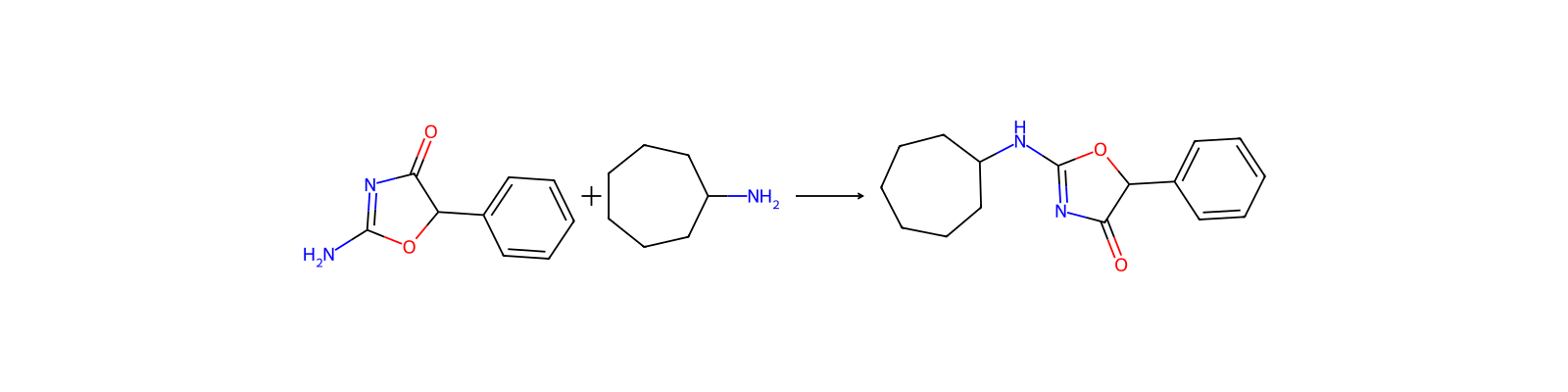
関連反応
10 件


関連ノート
読み込み中…