

基本情報
- 標準SMILES
CCC1(c2ccccc2)C(=O)NC(=O)NC1=O- InChIKey
DDBREPKUVSBGFI-UHFFFAOYSA-N- 分子式
- C12H12N2O3
- 平均分子量
- 232.23 g/mol
- 単同位体質量
- 232.08479224
概要
Phenobarbital can cause cancer according to The World Health Organization's International Agency for Research on Cancer (IARC).
名称と識別子
- 優先名称
- Phenobarbital
- IUPAC
- 5-ethyl-5-phenyl-1,3-diazinane-2,4,6-trione
- 現地名
- フェノバルビタール
- 英語名
- Phenobarbital
- 分子式
- C12H12N2O3
- 分子量
- 232.24
名称と別名
phenobarbitalPhenobarbitoneLuminalPhenobarbitol50-06-6FenobarbitalNunolPhenylethylbarbiturateDormiralGardenalGardepanylNeurobarb
名称をさらに表示
リキタールバルビピル5-フェニル-5-エチルバルビツル酸SK-フェノバルビタールルピアールソルホトン5-エチル-5-フェニル-2,4,6(1H,3H,5H)-ピリミジントリオンガルデナールフェノニルバルビビスフェノバルビトンノイロバルブヌノールフェノバルビツール酸ステンタールバルビフェニルフェノバールルベルガールタルフェノフェノバルPHENOLBARBITALPHENOBARBITAL (2-METHYLBUTYL-3,3,4,4-D5, 98%)PhobLumenPHENOBARBITAL (5-ETHYL-D5, 98%)5-Ethyl-5-phenyl-1,3-diazinane-2,4,6-trione
Phenobarbituric acidAdonalAgrypnalBarbenylBarbiphenylBarbipilBarbivisCratecil
データベース識別子
- CAS
50-06-6- PubChem CID
- 4763
- DTXSID
DTXSID5021122- ChEMBL
CHEMBL40- ChEBI
CHEBI:8069- UNII
- YQE403BP4D
- EC Number
- 200-007-0
- Nikkaji
- J4.499G
物性
構造計算による物性
- XLogP
- 1.5
- 極性表面積
- 75.3 Ų
- 水素結合供与体数
- 2
- 水素結合受容体数
- 3
- 回転可能結合数
- 2
- 重原子数
- 17
- 形式電荷
- 0
- 複雑度
- 339
実験および物理化学的性質
Drugs
DEA NFLIS-Drug Category -> Depressants and Tranquilizers
DEA Schedule IV Controlled Substance -> Depressants
Pharmaceuticals -> Diuretics (Barbiturates)
Pharmaceuticals -> Metabolite of Primidone
Pharmaceuticals -> Synthetic Cannabinoids or Psychoactive Compounds
Pharmaceuticals -> Listed in ZINC15
pHSaturated soln in water has a pH of about 5
SpringerMaterials Properties15N nuclear magnetic resonance spectrum
LogP
log Kow = 1.47
1.47
1.32
OdorOdorless
TasteSlightly bitter taste
Color/Form
Crystals (3 different phases)
Platelets from water
White, shining, crystalline powder
White, glistening, small crystals or a white, crystalline powder which may show polymorphism
Solubility
less than 0.1 mg/mL at 57 °F (NTP, 1992)
1 g soluble in: about 1 L water ; 8 mL alcohol; 40 mL chloroform; 12 mL ether; about 700 mL benzene. Solluble in alkali hydroxides and carbonates.
LOW LIPID SOLUBILITY
Insoluble in benzene; soluble in ethanol, ethyl ether; slightly soluble in dimehtyl sulfoxide
Soluble in alcohol, ether, chloroform, alkali hydroxides, alkali carbonate solutions
Flash Point345 °F (NTP, 1992)
Human Drugs
Breast Feeding; Lactation; Milk, Human; Anticonvulsants; Barbiturates; Hypnotics and Sedatives; GABA Modulators
Antiseizure medicines
Animal Drugs
Active Ingredients (Phenobarbital) -> FDA Greenbook
Pharmaceuticals -> UK Veterinary Medicines Directorate List
Pharmaceuticals -> Animal Drugs -> Approved in Taiwan
Endocrine DisruptorsPotential endocrine disrupting compound
物理化学的性質
- 融点
- 174 °C · 174°C
- 沸点
- 374.4 °C · 374.4°C (rough estimate)
- 比重(密度)
- 1.2243 · 1.2243 (rough estimate)
- 屈折率
- 1.666 · 1.6660 (estimate)
- 闪点
- 11 °C · 11 °C
- 貯蔵温度
- 2 · 2-8°C
- 溶解性
- 96 %)に溶けやすい。アルカリ金属水酸化物、炭酸塩、アンモニアと水溶性化合物を形成します。 · 水に非常に溶けにくく、エタノール(96%)に溶けやすい。アルカリ金属水酸化物、炭酸塩、アンモニアと水溶性化合物を形成します。
- 外見
- Solid
- 酸解離定数(Pka)
- 7.3 · 7.3, 11.8(at 25℃)
- 色
- White to Off-White
- 水溶解度
- 0.01 g/100 · <0.01 g/100 mL で 14 ºC
- Merck
- 13 · 13,7319
- Henry's Law Constant
- 5.8 · 5.8×108 mol/(m3Pa) at 25℃, HSDB (2015)
- BCS Class
- 1 · 1
- 安定性
- 安定。可燃性。強力な酸化剤とは相容れない。
- CAS データベース
- 50 · 50-06-6(CAS DataBase Reference)
- NISTの化学物質情報
- 5 · Barbituric acid, 5-ethyl-5-phenyl-,(50-06-6)
- EPAの化学物質情報
- Phenobarbital (50-06-6)
化学的性質
化学的特性Crystalline Solid
安全と法規制
GHS分類
GHS Classification
Danger
H301 (99.5%): Toxic if swallowed [Danger Acute toxicity, oral]
P203, P261, P264, P270, P272, P280, P301+P316, P302+P352, P318, P321, P330, P333+P317, P362+P364, P405, and P501 (click each P-code to see the statement)
Aggregated GHS information provided per 195 reports by companies from 13 notifications to the ECHA C&L Inventory. Each notification may be associated with multiple companies.
Danger
H350: May cause cancer [Danger Carcinogenicity]
危険有害性情報
Regulatory Information
Hazard Traits - Carcinogenicity
DEA schedule IV controlled substance
Status: Active Update: 23-03-2018 https://echa.europa.eu/registration-dossier/-/registered-dossier/23297
Phenobarbital: Does not have an individual approval but may be used under an appropriate group standard
Other Safety InformationIMAP assessments - 2,4,6(1H,3H,5H)-Pyrimidinetrione, 5-ethyl-5-phenyl-: Human health tier I assessment
DOT LabelPoison
Fire HazardsThis chemical is combustible. (NTP, 1992)
Health Hazards
SYMPTOMS: Symptoms of exposure to this class of compounds via ingestion include sedation, nystagmus, ataxia, irritability and hyperexcitability in children, exfoliative dermatitis and hypoprothrombinemia in the neonate. Other symptoms via ingestion include confusion and restlessness in the elderly or in the presence of pain; respiratory depression, occasional allergic reactions, particularly affecting the skin; maculopapular skin rash, fixed-drug eruptions purpura, photosensitivity, erythema multiforme (the Stevens-Johnson syndrome), toxic epidermal necrolysis, hypothermia with associated pyrexia during recovery; hepatitis, cholestasis, nephritis, hepatic dysfunction and shoulder-hand syndrome. Ingestion may cause agitation in the elderly, hemorrhage in the neonate, morbilliform or scarlatiniform rash, megaloblastic anemia and osteomalacia. Ingestion can also cause sleepiness, unsteadiness, mental confusion, slow and shallow respiration, flaccid muscles, hypotension, cyanosis, hyperthermia, absent reflexes and coma. The duration of coma is dependent on the dose. Cerebral edema contributes to the persistence of coma. If coma persists, moist rales are heard in the lower lung fields, indicating pulmonary edema. Atelectasis or aspiration pneumonia with signs of lung consolidation and fever can also occur. Carbon dioxide retention under these conditions can cause acidosis. Death may occur from pneumonia, pulmonary edema or refractory hypotension. Other symptoms of exposure may include drowsiness, headache, irregular respiration and central nervous system effects Inhalation of the dust may cause irritation of the upper respiratory tract. Hypnosis and excitement have been reported. Other reported symptoms include delirium and deep unconsciousness. It can cause poor judgment and hangover. Chronic symptoms include effects on neurological and pyschic functions, disorientation, skin rash, ataxia, dizziness, depression an foliate deficiency. Chronic exposure may also result in drowsiness, emotional lability, irritability, neglect of personal appearance and other behavior disturbances. Other symptoms of chronic exposure are nystagmus, tremor, mild changes in mental condition such as loss of memory, inability to concentrate, giddiness, depression and dullness of mental perception, and precipitation of acute porphyria. Overdosage may cause hemorrhagic and erythematous bullae, respiratory depression, cardiovascular depression, hypotension and shock leading to renal failure; prolonged coma and death due t respiratory or circulatory failure. Absent bowel sounds are a sign of severe poisoning and their return sometimes indicates further absorption of any remaining compound in the gastrointestinal tract with resultant relapse. Dangerous central nervous system effects occur in children at 10 mg/kg. It causes respiratory depression in the neonate and diminished milk flow in the nursing mother. Eye effects through ingestion include slow eye reaction to light, mydriasis, miosis, bilateral ptosis, rapid fluttering of the eyelids, disturbance of eye movement, weakness of convergence, weakness of vertical gaze and of individual extraocular muscles and transient loss of vision following coma. There has been one case of spontaneous abortion. Exposure to this compound may also cause somnolence, motor activity changes, pulmonary changes, allergic dermatitis, fever, developmental abnormalities of the central nervous system, body wall, musculoskeletal, respiratory, gastrointestinal and urogenital systems. It may also cause jaundice. This compound may increase the metabolism of other drugs. Pyschic or physical dependence may occur with continued use. Abrupt withdrawal may result in severe abstinence syndrome which includes grand mal seizures and delirium.
FDA Requirements
Schedule IV shall consist of the drugs and other substances, by whatever official name, common or usual name, chemical name, or brand name designated, listed in this section. Each drug or substance has been assigned the DEA Controlled Substances Code Number set forth opposite it. Depressants: Unless specifically excepted or unless listed in another schedule, any material, compound, mixture, or preparation which contains any quantity of the following substances, including its salts, isomers, and salts of isomers whenever the existence of such salts, isomers, and salts of isomers is possible within the specific chemical designation: Phenobarbital (DEA Code Number: 2285) is included on this list.
Reactive GroupAmides and Imides
Special Reports
DHHS/NIDA; Research Monograph Series 52: Testing Drugs for Physical Dependence Potential and Abuse Liability (1984) DHHS Pub No. (ADM)87-1332[Available from, as of March 29, 2010: http://www.nida.nih.gov/pdf/monographs/download52.html]
DHHS/NIDA; Research Monograph Series 54: Mechanisms of Tolerance and Dependence (1984) DHHS Pub No. (ADM)88-1330[Available from, as of March 29, 2010: http://www.nida.nih.gov/pdf/monographs/download54.html]
DHHS/NIDA; Research Monograph Series 56: Etiology of Drug Abuse: Implications for Prevention (1987) DHHS Pub No. (ADM)87-1335[Available from, as of March 29, 2010: http://www.nida.nih.gov/pdf/monographs/download56.html]
DHHS/NIDA; Research Monograph Series 59: Current Research on the Consequences of Maternal Drug Abuse (1985) DHHS Pub No. (ADM)85-1400[Available from, as of March 29, 2010: http://www.nida.nih.gov/pdf/monographs/monograph59/download59.html]
For more Special Reports (Complete) data for Phenobarbital (8 total), please visit the HSDB record page.
Reactivity ProfilePHENOBARBITAL is also sensitive to prolonged exposure to light. Incompatible with strong oxidizing agents. Forms a complex of reduced solubility with macrogol 4000. Able to form metal derivatives (NTP, 1992).
Air and Water ReactionsSensitive to hydrolysis. Alkaline solutions react more rapidly than acidic solutions. At pH 7 and 176 °F, has a half life of 74 hours. Insoluble in water.
Hazard Classes and Categories
Acute Tox. 3 (99.5%)
Acute toxicity (Oral) - Category 3
Carcinogenicity - Category 1B
Skin, Eye, and Respiratory IrritationsMay cause irritation. Remove to fresh air. Flush with copious quantities of water.
安全と保護具
Fire FightingFires involving this material can be controlled with a dry chemical, carbon dioxide or Halon extinguisher. A water spray may also be use. (NTP, 1992)
First Aid
EYES: First check the victim for contact lenses and remove if present. Flush victim's eyes with water or normal saline solution for 20 to 30 minutes while simultaneously calling a hospital or poison control center. Do not put any ointments, oils, or medication in the victim's eyes without specific instructions from a physician. IMMEDIATELY transport the victim after flushing eyes to a hospital even if no symptoms (such as redness or irritation) develop.
Fire Fighting Procedures
Water spray, dry chemical, carbon dioxide, or foam as appropriate for surrounding fire and materials.
As with all fires, evacuate personnel to a safe area. Firefighters should use self-contained breathing equipment and protective clothing.
Storage Conditions
Store in tight container as defined in the USP-NF. This material should be handled and stored per label instructions to ensure product integrity.
Store below 40 °C (104 °F), preferably between 15 and 30 °C (59 and 86 °F), unless otherwise specified by manufacturer. Store in a well-closed, light-resistant container. Protect from freezing.
Cleanup Methods
Wipe up spillage or collect spillage using a high- efficiency vacuum cleaner. Avoid breathing dust. Wash spill site. Place spillage and all contaminated cleanup materials in a thick plastic hazardous waste disposal bag or leakproof container and label it CAUTION: HAZARDOUS CHEMICAL WASTE.
Nonfire Spill Response
SMALL SPILLS AND LEAKAGE: Should a spill occur while you are handling this chemical, FIRST REMOVE ALL SOURCES OF IGNITION, then you should dampen the solid spill material with 60-70% ethanol and transfer the dampened material to a suitable container. Use absorbent paper dampened with 60-70% ethanol to pick up any remaining material. Seal the absorbent paper, and any of your clothes, which may be contaminated, in a vapor-tight plastic bag for eventual disposal. Solvent wash all contaminated surfaces with 60-70% ethanol followed by washing with a soap and water solution. Do not reenter the contaminated area until the Safety Officer (or other responsible person) has verified that the area has been properly cleaned.
Disposal Methods
SRP: Expired or waste pharmaceuticals shall carefully take into consideration applicable DEA, EPA, and FDA regulations. It is not appropriate to dispose by flushing the pharmaceutical down the toilet or discarding to trash. If possible return the pharmaceutical to the manufacturer for proper disposal being careful to properly label and securely package the material. Alternatively, the waste pharmaceutical shall be labeled, securely packaged and transported by a state licensed medical waste contractor to dispose by burial in a licensed hazardous or toxic waste landfill or incinerator.
SRP: At the time of review, regulatory criteria for small quantity disposal are subject to significant revision, however, household quantities of waste pharmaceuticals may be managed as follows: Mix with wet cat litter or coffee grounds, double bag in plastic, discard in trash.
Preventive Measures
This material is assumed to be combustible. As with all dry powders, it is advisable to ground mechanical equipment in contact with dry material to dissipate the potential buildup of static electricity.
As a general rule, when handling USP Reference Standards avoid all contact and inhalation of dust, mists, and/or vapors associated with the material. Wash thoroughly after handling.
/Use/ safety glasses or goggles /and/ protect exposed skin.
Isolation and EvacuationExcerpt from ERG Guide 154 [Substances - Toxic and/or Corrosive (Non-Combustible)]:
Personal Protective Equipment (PPE)
RECOMMENDED RESPIRATOR: Where the neat test chemical is weighed and diluted, wear a NIOSH-approved half face respirator equipped with a combination filter cartridge, i.e. organic vapor/acid gas/HEPA (specific for organic vapors, HCl, acid gas, SO2 and a high efficiency particulate filter). (NTP, 1992)
Engineering controls such as exhaust ventilation are recommended.
Use a NIOSH-approved respirator, if it is determined to be necessary by an industrial hygiene survey involving air monitoring. In the event that a respirator is not required, an approved dust mask should be used.
毒性情報
Treatment
Treatment of overdosage is mainly supportive and consists of maintaining an adequate airway with assisted respiration and oxygen administration as necessary, as well as monitoring of vital signs and fluid balance. If the patient is conscious and has not lost the gag reflex, emesis may be induced with ipecac. Care should be taken to prevent pulmonary aspiration of vomitus. After completion of vomiting, 30 grams activated charcoal in a glass of water may be administered. If emesis is contraindicated, gastric lavage may be performed with a cuffed endotracheal tube in place with the patient in the face down position. Activated charcoal may be left in the emptied stomach and a saline cathartic administered. Fluid therapy and other standard treatment for shock should be performed if needed. If renal function is normal, forced diuresis may aid in the elimination of the barbiturate. Alkalinization of the urine increases renal excretion of some barbiturates, especially phenobarbital, also aprobarbital, and mephobarbital (which is metabolized to phenobarbital). Although not recommended as a routine procedure, hemodialysis may be used in severe barbiturate intoxications or if the patient is anuric or in shock. Patient should be rolled from side to side every 30 minutes, and antibiotics should be given if pneumonia is suspected. Appropriate nursing care to prevent hypostatic pneumonia, decubiti, aspiration and other complications of patients with altered states of consciousness should also be performed. (L1712)
Interactions
Chronic use of barbiturates prior to enflurane, halothane, or methoxyflurane anesthesia may increase anesthetic metabolism leading to increased risk of hepatotoxicity. Chronic use of barbiturates prior to methoxyflurane anesthesia may increase formation of nephrotoxic metabolites leading to increased risk of nephrotoxicity. /Barbiturates/
Osteopenia induced by barbiturates, especially phenobarbital, may be enhanced when carbonic anhydrase inhibitors are used concurrently; it is recommended that patients receiving concurrent therapy be monitored for early signs of osteopenia and that the carbonic anhydrase inhibitor be discontinued and appropriate treatment initiated if necessary. /Barbiturates/
Concurrent use with barbiturates, especially phenobarbital, may reduce serum disopyramide to ineffective concentrations; therefore, monitoring of its serum concentrations is necessary during concurrent therapy. /Barbiturates/
Concurrent use of divalproex sodium or valproic acid may decrease the metabolism of barbiturates, resulting in increased serum concentrations, which may lead to increased CNS depression and neurological toxicity; barbiturate serum concentrations should be monitored to determine if dosage adjustment is necessary when these medications are used concurrently. Also, the half-life of valproic acid may be decreased and dosage adjustment may be necessary. In addition, phenobarbital may enhance valproic acid hepatotoxicity, presumably through the formation of hepatotoxic valproate metabolites.
For more Interactions (Complete) data for Phenobarbital (40 total), please visit the HSDB record page.
Health Effects
They cause slurred speech, disorientation and "drunken" behavior. They are physically and psychologically addictive. May cause a potentially dangerous rash that may develop into Stevens Johnson syndrome, an extremely rare but potentially fatal skin disease.
Hepatotoxicity
Prospective studies suggest that less than 1% of subjects develop elevations in serum aminotransferase levels during long term phenobarbital therapy. Clinically apparent hepatotoxicity from phenobarbital is rare but can be abrupt in onset, severe and even fatal. Phenobarbital hepatotoxicity typically occurs in the setting of anticonvulsant hypersensitivity syndrome with onset of fever, rash, facial edema, lymphadenopathy, elevations in white count and eosinophilia occurring 1 week to several months after starting therapy. Liver involvement is common, but is usually mild and anicteric and overshadowed by other features of hypersensitivity (rash, fever). In some cases, hepatic involvement is more prominent with marked elevations in serum enzyme levels, jaundice and even signs of hepatic failure. The typical pattern of serum enzyme elevations is mixed, but can be hepatocellular or cholestatic. Liver biopsy shows mixed hepatitis-cholestatic injury with prominence of eosinophils and occasionally granulomata. Re-exposure usually results in recurrence and should be avoided.
Ecotoxicity Values
LC50; Species: Daphnia magna (Water flea); Concentration: 1,460 mg/L for 24 hr /Conditions of bioassay not specified/
LC50; Species: Pimephales promelas (Fathead minnow, age 30 days, mean length 16.5 mm, mena weight 0.067 g); Conditions: flow through, 24.9 °C, pH 7.8, hardness 45.1 mg/L CaCO3, alkalinity 108 mg/L CaCO3, dissolved oxygen 6.8 mg/L; Concentration: 484 mg/L for 96 hr (95% confidence limit: 446-526 mg/L) /99+% purity/
Environmental Fate
TERRESTRIAL FATE: Based on a classification scheme(1), an estimated Koc value of 59(SRC), determined from a log Kow of 1.47(2) and a regression-derived equation(3), indicates that phenobarbital is expected to have high mobility in soil(SRC). The pKa of phenobarbital is 7.3(4), indicating that this compound will exist partially in the anion form in the environment and anions generally do not adsorb more strongly to soils containing organic carbon and clay than their neutral counterparts(5). Volatilization of the neutral species from moist soil surfaces is not expected to be an important fate process(SRC) given an estimated Henry's Law constant of 1.7X10⁻¹⁴ atm-cu m/mole(SRC), using a fragment constant estimation method(6). Phenobarbital is not expected to volatilize from dry soil surfaces(SRC) based upon an estimated vapor pressure of 1.4X10⁻¹¹ mm Hg at 25 °C(SRC), determined from a fragment constant method(7). Utilizing the Japanese MITI test, 0% of the theoretical BOD was reached in 4 weeks(8) indicating that biodegradation is not an important environmental fate process(SRC).
AQUATIC FATE: Based on a classification scheme(1), an estimated Koc value of 59(SRC), determined from a log Kow of 1.47(2) and a regression-derived equation(3), indicates that phenobarbital is not expected to adsorb to suspended solids and sediment(SRC). Volatilization of the neutral species from water surfaces is not expected(4) based upon an estimated Henry's Law constant of 1.7X10⁻¹⁴ atm-cu m/mole(SRC), developed using a fragment constant estimation method(5). According to a classification scheme(6), an estimated BCF of 4(SRC),from its log Kow(2) and a regression-derived equation(7), suggests the potential for bioconcentration in aquatic organisms is low(SRC). Utilizing the Japanese MITI test, 0% of the theoretical BOD was reached in 4 weeks(8) indicating that biodegradation is not an important environmental fate process(SRC).
ATMOSPHERIC FATE: According to a model of gas/particle partitioning of semivolatile organic compounds in the atmosphere(1), phenobarbital, which has an estimated vapor pressure of 1.4X10⁻¹¹ mm Hg at 25 °C(SRC), determined from a fragment constant method(2), is expected to exist solely in the particulate phase in the ambient atmosphere. Particulate-phase phenobarbital may be removed from the air by wet or dry deposition(SRC). Phenobarbital contains chromophores that absorb at wavelengths >290 nm(4) and therefore may be susceptible to direct photolysis by sunlight(SRC).
Adverse Effects
Complications associated with phenobarbital use include coma, impaired breathing effort, low blood pressure, incoordination, poor balance, and drowsiness. These adverse effects, stemming from phenobarbital usage, impact older patients to a greater degree. Therefore, newer antiepileptics (lamotrigine, levetiracetam) are preferred as seizure treatment in this patient population.
Exposure Routes
Absorbed in varying degrees following oral, rectal or parenteral administration. The salts are more rapidly absorbed than are the acids. The rate of absorption is increased if the sodium salt is ingested as a dilute solution or taken on an empty stomach.
Milk Concentrations
Because barbiturates are distributed into the milk of nursing women, nursing should be discontinued if nursing infants of barbiturate-treated women exhibit signs of toxicity. /Barbiturates General Statement/
Phenobarbital is excreted into breast milk. In two reports, the milk:plasma ratio varied between 0.4-0.6. The amount of phenobarbital ingested by the nursing infant has been estimated to reach 2-4 mg/day. ... Due to slower elimination in the nursing infant, accumulation may occur to the point that blood levels in the infant may actually exceed those of the mother. Phenobarbital-induced sedation has been observed in three nursing infants probably caused by this accumulation.
The drugs are distributed into milk in concentrations much lower than those in plasma. /Barbiturates General Statement/
A case of withdrawal in a 7 month old nursing infant after abrupt weaning from a mother taking phenobarbital, primidone, and carbamazepine has been reported. The mother had taken the anticonvulsant agents throughout gestation and during lactation. The baby's serum phenobarbital level at approximately 8 weeks of age was 13.8 umol/L, near the lower level of the therapeutic range. At 7 months of age, the mother abruptly stopped nursing her infant and, shortly thereafter, withdrawal symptoms were observed in the infant consisting of episodes of "startle" responses, and infantile spasms confirmed by EEG. The infant was treated with phenobarbital with prompt resolution of her symptoms and she was gradually weaned from the drug over a 6 month interval. Her neurological and mental development were normal during the subsequent 5 year follow-up period.
Phenobarbital is excreted into breast milk. In two reports, the milk:plasma ratio varied between 0.4-0.6. The amount of phenobarbital ingested by the nursing infant has been estimated to reach 2-4 mg/day. The pharmacokinetics of phenobarbital during lactation have been reviewed. Due to slower elimination in the nursing infant, accumulation may occur to the point that blood levels in the infant may actually exceed those of the mother. Phenobarbital induced sedation has been observed in three nursing infants probably caused by this accumulation.
Toxicity Summary
Barbiturate toxicity is noticeable at 1 g orally, although this varies depending on the individual. Doses above 2 g can result in death, but the deadly dose usually is between 40 and 80 μg/mL.
Phenobarbital acts on GABAA receptors, increasing synaptic inhibition. This has the effect of elevating seizure threshold and reducing the spread of seizure activity from a seizure focus. Phenobarbital may also inhibit calcium channels, resulting in a decrease in excitatory transmitter release. The sedative-hypnotic effects of phenobarbital are likely the result of its effect on the polysynaptic midbrain reticular formation, which controls CNS arousal.
Ecotoxicity Excerpts
/BIRDS and MAMMALS/ Livers from mallards (Anas platyrhynchos) were treated with either beta-naphthoflavone (50 mg/kg) or phenobarbital (70 mg/kg). Purification of induced hepatic cytochrome P450 was accomplished using both DEAE and hydroxyapatite columns, as well as sodium dodecyl sulfate polyacrylamide gel electrophoresis separation. Polyclonal antibodies to these proteins were then produced in young male New Zealand White rabbits. beta-Naphthoflavone (betaNF) - and phenobarbital (PB) -treated red-winged blackbird, screech owl, European starling, and lesser scaup liver microsomes were analyzed in western blots for species cross-reactivity.Although all four of these avain species exhibited cross-reactivity with antibodies to betaNF-induced mallard P450, all but the lesser scaup revealed a protein of higher molecular weight than that of the betaNF-induced mallard. In addition, only the lesser scaup exhibited cross-reactivity with the anti-PB-induced mallard P450 antibodies.
Signs and Symptoms
CNS and respiratory depression which may progress to Cheyne-Stokes respiration, areflexia, constriction of the pupils to a slight degree (though in severe poisoning they may wshow paralytic dilation), oliguria, tachycardia, hypotension, lowered body temperature, and coma. Typical shock syndrome (apnea, circulatory collapse, respiratory arrest, and death) may occur.
法規制情報
FDA Requirements
Schedule IV shall consist of the drugs and other substances, by whatever official name, common or usual name, chemical name, or brand name designated, listed in this section. Each drug or substance has been assigned the DEA Controlled Substances Code Number set forth opposite it. Depressants: Unless specifically excepted or unless listed in another schedule, any material, compound, mixture, or preparation which contains any quantity of the following substances, including its salts, isomers, and salts of isomers whenever the existence of such salts, isomers, and salts of isomers is possible within the specific chemical designation: Phenobarbital (DEA Code Number: 2285) is included on this list.
安全データ
- wgk
- 3
- rtecs
- CQ6825000
- ridadr
- UN 2811 6.1/PG 3
- 毒性
- LD50 orally in rats: 162 ±14 mg/kg (Goldenthal)
- hs_code
- 2933530000
- risk_code
- 61-25-40-43-39/23/24/25-23/24/25-11
- 化審法
- 9-2284
- hazard_code
- T,F
- safety_code
- 53-36/37-45-16
- hazard_class
- 6.1(b)
- packing_group
- III
- 環境リスク評価
- 5-エチル-5-フェニル-2,4,6(1H, 3H, 5H)-ピリミジントリオン(50-06-6)
- 有毒物質データの
- 50-06-6(Hazardous Substances Data)
化学と産業
薬理情報
ATC Code
N03AA02
N - Nervous system
QN - Nervous system
N03AA02
Protein Binding20 to 45%
PharmacodynamicsPhenobarbital, the longest-acting barbiturate, is used for its anticonvulsant and sedative-hypnotic properties in the management of all seizure disorders except absence (petit mal).
Mechanism of Action
Phenobarbital acts on GABAA receptors, increasing synaptic inhibition. This has the effect of elevating seizure threshold and reducing the spread of seizure activity from a seizure focus. Phenobarbital may also inhibit calcium channels, resulting in a decrease in excitatory transmitter release. The sedative-hypnotic effects of phenobarbital are likely the result of its effect on the polysynaptic midbrain reticular formation, which controls CNS arousal.
/Phenobarbital/ produces anticonvulsant effects in subhypnotic doses. The drug lowers serum bilirubin concentrations in neonates and patients with congenital nonhemolytic unconjugated hyperbilirubinemia and patients with chronic intrahepatic cholestasis, presumably by induction of glucuronyl transferase, the enzyme which conjugates bilirubin.
The exact mechanism(s) by which barbiturates exert their effect on the CNS, has not been fully elucidated. However, it is believed that such effects are related, at least partially, to the drugs' ability to enhance the activity of gamma-aminobutyric acid (GABA), the principal inhibitory neurotransmitter in the CNS, by altering inhibitory synaptic transmissions that are mediated by GABAA receptors. /Barbiturates General Statement/
Although the drugs act throughout the CNS, a site of particular sensitivity is the polysynaptic midbrain reticular formation which is concerned with the arousal mechanism. Barbiturates induce an imbalance in central inhibitory and facilitatory mechanisms influencing the cerebral cortex and the reticular formation. The significance of the effect of barbiturates on neurotransmitters is unclear. It appears that the drugs decrease the excitability of both presynaptic and postsynaptic membranes. It has not been determined which of the various actions of barbiturates at cellular and synaptic levels are responsible for their sedative and hypnotic effects. /Barbiturates General Statement/
Relatively low doses of the barbiturates depress the sensory cortex, decrease motor activity, and produce sedation and drowsiness. In some patients, however, drowsiness may be preceded by a period of transient elation, confusion, euphoria, or excitement, especially after subhypnotic doses of aprobarbital, pentobarbital, or secobarbital. /Barbiturates General Statement/
For more Mechanism of Action (Complete) data for Phenobarbital (12 total), please visit the HSDB record page.
Biological Half-Life
53 to 118 hours (mean 79 hours)
The plasma half-life for phenobarbital in adults ranges between 53 and 118 hours with an mean of 79 hours.
The plasma half-life for phenobarbital in children and newborns (less than 48 hours old) ranges between 60 to 180 hours with a mean of 110 hours.
Metabolism/Metabolites
Hepatic (mostly via CYP2C19).
Phenobarbital is hydroxylated by the liver to form p-hydroxyphenobarbital, an inactive metabolite. Phenobarbital is a potent inducer of the enzymes involved in the metabolism of other drugs, but there is no conclusive evidence that phenobarbital accelerates its own metabolism.
The inactive metabolites of the barbiturates are excreted as conjugates of glucuronic acid.
Biotransformation occurs primarily by the hepatic microsomal enzyme system. /Barbiturates/
Metabolites of phenobarbital sodium produced in rats and guinea pigs are 5-(3,4-dihydroxy-1,5-cyclohexadien-1-yl)-5-ethylbarbituric acid; 5-(1-hydroxyethyl)-5-phenylbarbituric acid; 5-(3,4-dihydroxyphenyl)-5-ethylbarbituric acid; and 5-(4-hydroxyphenyl)-5-ethylbarbituric acid ...
For more Metabolism/Metabolites (Complete) data for Phenobarbital (6 total), please visit the HSDB record page.
MeSH Pharmacological Classification
Drugs used to prevent SEIZURES or reduce their severity.
Drugs used to induce drowsiness or sleep or to reduce psychological excitement or anxiety.
Drugs that bind to but do not activate excitatory amino acid receptors, thereby blocking the actions of agonists.
Substances that do not act as agonists or antagonists but do affect the GAMMA-AMINOBUTYRIC ACID receptor-ionophore complex. GABA-A receptors (RECEPTORS, GABA-A) appear to have at least three allosteric sites at which modulators act: a site at which BENZODIAZEPINES act by increasing the opening frequency of GAMMA-AMINOBUTYRIC ACID-activated chloride channels; a site at which BARBITURATES act to prolong the duration of channel opening; and a site at which some steroids may act. GENERAL ANESTHETICS probably act at least partly by potentiating GABAergic responses, but they are not included here.
Drugs and compounds that induce the synthesis of CYTOCHROME P-450 CYP2B6.
Drugs and compounds that induce the synthesis of CYTOCHROME P-450 CYP3A.
Absorption, Distribution and Excretion
Absorbed in varying degrees following oral, rectal or parenteral administration. The salts are more rapidly absorbed than are the acids. The rate of absorption is increased if the sodium salt is ingested as a dilute solution or taken on an empty stomach.
About 70-90% of an oral dose of phenobarbital is absorbed slowly from the GI tract. Following rectal administration of phenobarbital sodium, the drug is readily absorbed from the colon. Following oral administration of phenobarbital, peak blood concentrations are reached in 8-12 hours and peak brain concentrations in 10-15 hours. ... When phenobarbital sodium is administered IV, the onset of action usually occurs within 5 minutes and maximum effects are achieved within 30 minutes. IM or subcutaneous administration of phenobarbital sodium results in a slightly slower onset of action. The duration of action of parenterally administered phenobarbital sodium is usually 4-6 hours.
Barbiturates are absorbed in varying degrees following oral, rectal, or im administration. The sodium salts are more rapidly absorbed by all routes of administration than are the acids. The rate of oral absorption is increased when the sodium salt is ingested as a dilute solution or taken on an empty stomach. Alcohol also enhances the rate of absorption, possibly by increasing blood flow through the gastric mucosa. /Barbiturates General Statement/
Following oral or rectal administration, the onset of action varies from 10-30 minutes for amobarbital, aprobarbital, butabarbital, pentobarbital, and secobarbital and from 20-60 minutes for metharbital, mephobarbital, and phenobarbital. IM administration results in a slightly faster onset of action. Following iv administration of the sodium salts of amobarbital, pentobarbital, phenobarbital, or secobarbital, the onset of action ranges from almost immediately for methohexital, pentobarbital, and thiopental to 5 minutes for phenobarbital. Maximum effects of thiopental or pentobarbital are achieved within about 1 minute while as much as 30 minutes may be required with administration of phenobarbital. /Barbiturates General Statement/
The duration of sedative effects of all the barbiturates is usually 3-6 hours following iv administration and 6-8 hours when the drugs are administered by other routes. There appears to be very little difference in duration of hypnotic action among barbiturates used orally as hypnotics. Therefore, most authorities now believe that barbiturates should be classified according to their intended pharmacologic action (ie, sedative-hypnotic barbiturates and anesthetic barbiturates [methohexital, thiamylal (no longer commercially available in the US), thiopental]), rather than as long-acting (mephobarbital, metharbital, and phenobarbital), intermediate-acting (amobarbital and butabarbital), short-acting (aprobarbital, pentobarbital, and secobarbital), and ultrashort-acting (methohexital, thiopental). /Barbiturates General Statement/
For more Absorption, Distribution and Excretion (Complete) data for Phenobarbital (15 total), please visit the HSDB record page.
Tissue LocationsKidney
Cellular LocationsMembrane
用途と製造
Uses
... DEA /schedule IV /controlled substance
Laboratory reagent. Also available as the sodium salt, which has good water solubility.
THERAPEUTIC CATEGORY: Anticonvulsant; sedative; hypnotic
THERAPEUTIC CATEGORY (veterinary): Anticonvulsant; sedative
For more Uses (Complete) data for Phenobarbital (6 total), please visit the HSDB record page.
Use (kg; approx.) in Germany (2009): >750
Methods of Manufacturing
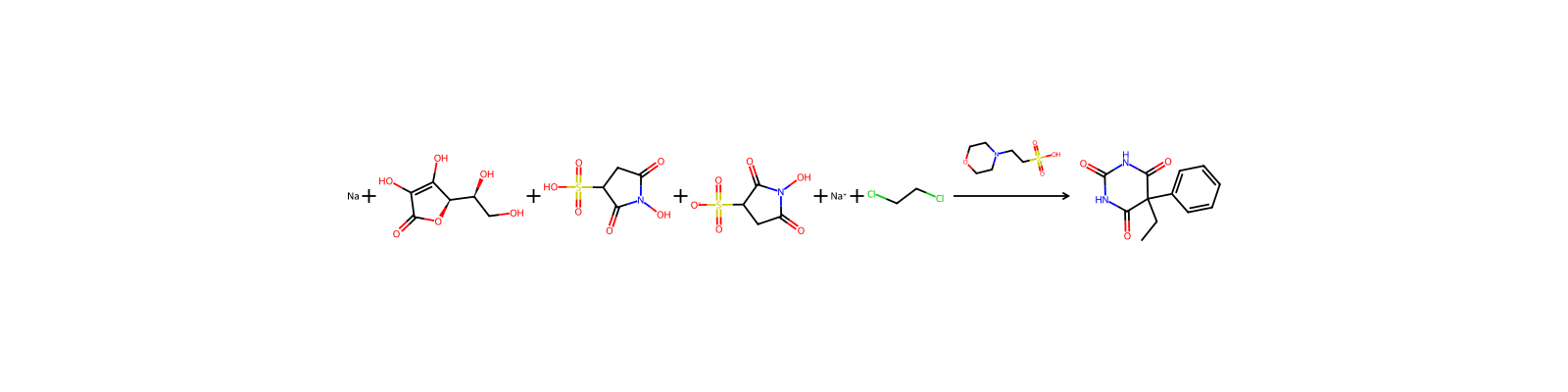
Phenylmalonic acid + ethyl bromide + urea (esterification/dehydrobromination/cyclization)
The 5,5-disubstituted barbituric acids are still synthesized by the classical condensation of substituted malonic esters, malonic amides, or cyanoacetic esters with urea, thiourea, guanidine, or dicyanodiamide, followed by the hydrolysis of the resulting imino- or cyanobarbiturate. /5,5-Disubstituted barbituric acids/
Formulations/Preparations
Phenobarbital preparations: (AHFS, 2009)
Phenobarbital Sodium preparations: (AHFS, 2009)
Proplyene glycol is frequently used as a solvent in commercially available phenobarbital sodium injections.
Phenobarbital is available in the USA as a USP grade containing 98-101% active ingredient on a dried basis. It is available in 7.5 & 20 mg doses per 5 mL of elixir which contains 92.5-107.5% of the stated amount of phenobarbital. The alcoholic content of the elixir is 12 to 15% as ethanol. Phenobarbital tablets in doses of 8, 15, 25, 30, 60 and 100 mg are available containing 94-106% of the stated amt of phenobarbital. Available also in powder form.
Grade: USP
Use Classification
Animal Drugs -> FDA Approved Animal Drug Products (Green Book) -> Active Ingredients
Pharmaceuticals -> Animal Drugs -> Approved in Taiwan
応用分野
解説フェノバルビタール,白色の結晶.融点174~178 ℃.エタノール,エーテル,アセトンに易溶,クロロホルムに可溶,水に難溶.pK1 7.3,pK2 11.8.λmax 240 nm(ε 6600).バルビツル酸系の長時間型催眠薬で,抗けいれん作用も強く,抗てんかん薬としても用いられる.LD50 660 mg/kg(ラット,経口).
用途中枢神経系を抑制し、催眠作用や鎮静作用を有する。抗てんかん薬にも用いる。
説明Phenobarbital (Item No. 9001494) is an analytical reference material categorized as a barbiturate. Phenobarbital is regulated as a Schedule IV compound in the United States. This product is intended for research and forensic applications.
使用Phenobarbital exhibits relaxant, soporific, and anticonvulsant activities. It is widely used in treating epilepsy, chorea, and spastic paralysis, and is used as a component of a large number of combined drugs, valocordin and corvalol in particular.
一般的な説明Phenobarbital, 5-ethyl-5-phenylbarbituricacid (Luminal), is a long-acting sedative and hypnotic.It is also a valuable anticonvulsant, especially in generalizedtonic–clonic and partial seizures (see the discussionon anticonvulsants). Metabolism to the p-hydroxylphenylcompound followed by glucuronidation accounts for about90% of a dose.
上流・下流製品情報
上流原料
下流製品
補足説明
定義ChEBI: A member of the class of barbiturates, the structure of which is that of barbituric acid substituted at C-5 by ethyl and phenyl groups.
関連反応
14 件



関連ノート
読み込み中…