

基本情報
- CAS
25895-60-7- 標準SMILES
[BH3-]C#N.[Na+]- InChIKey
CVDUGUOQTVTBJH-UHFFFAOYSA-N- 分子式
- CH3BNNa
- 平均分子量
- 62.84 g/mol
- 単同位体質量
- 63.0256235
名称と識別子
- 優先名称
- Sodium cyanoborohydride
- IUPAC
- sodium cyanoboranuide
- 現地名
- シアノ水素化ほう素ナトリウム
- 英語名
- Sodium cyanoborohydride
- 分子式
- CH3BNNa
- 分子量
- 62.84
名称と別名
Sodium cyanotrihydroborateDTXSID40894864C4I8C58P9TBorate(1-), (cyano-kappaC)trihydro-, sodium, (T-4)-Borate(1-), (cyano-kappaC)trihydro-, sodium (1:1), (T-4)-sodium cyanohydridoborateNaBH(3)CNsodium cyanoborohydride, borate (1-) ionRefChem:887464DTXCID001838713247-317-225895-60-7
名称をさらに表示
シアノ水素化ほう素ナトリウムシアノボロ水素化ナトリウムシアノ水素化硼素ナトリウムシアノトリヒドリドほう酸ナトリウムシアノトリヒドロほう酸ナトリウムシアノ水素化ホウ素ナトリウム 溶液水素化シアノほう素ナトリウム, 95%ボラン・シアン化ナトリウムナトリウム=シアノボラヌイドボラン/シアン化ナトリウムナトリウムシアニド・ボランナトリウムシアノボロヒドリドNaBH3CNNaCNBH3SODIUM CYANOTRIHYDRIDOBORATESodium cyanoboronhydrideSodium cyanborohydrideCyanoborohydride SodiumCyano sodiuM borohydridesodium (cyano-kappaC)(trihydrido)borate(1-)Sodium cyanoborohydride, 1M solution in THF, AcroSeal
Borate(1-), (cyano-C)trihydro-, sodium, (T-4)-Sodium borocyanohydrideSodium cyanoborohydrideCH3BNNasodiumcyanoborohydrideSodium (cyanido-kappaC)trihydridoborate(1-)CVDUGUOQTVTBJH-UHFFFAOYSA-NSodium (T-4)-(Cyano-C)trihydroborate(1-); Sodium borocyanohydride; Sodium Cyanotrihydroborate; Sodium Cyanotrihydroborate(1-);
データベース識別子
- CAS
25895-60-7- PubChem CID
- 5003444
- DTXSID
DTXSID40894864- UNII
- C4I8C58P9T
- EC Number
- 247-317-2
物性
構造計算による物性
- 極性表面積
- 23.8 Ų
- 水素結合供与体数
- 0
- 水素結合受容体数
- 2
- 回転可能結合数
- 0
- 重原子数
- 4
- 形式電荷
- 0
- 複雑度
- 34
実験および物理化学的性質
Physical DescriptionWhite hygroscopic solid; [Merck Index] White powder; [Alfa Aesar MSDS]
物理化学的性質
- 融点
- 242 °C · >242 °C (dec.) (lit.)
- 沸点
- 307 °C · 307°C
- 比重(密度)
- 1.083 g/mL · 1.083 g/mL at 25 °C
- 闪点
- 1 °F · −1 °F
- 貯蔵温度
- 30 °C · Store below +30°C.
- 溶解性
- 水 (100 mg/ml、加熱)、メタノール、エタノール、THF に可溶。ベンゼンやヘキサンなどの非極性溶媒に不溶
- 外見
- 粉
- 色
- 白い
- 比重
- 1.2 · 1.2
- 由来生物
- synthetic
- 水溶解度
- 29 ℃で2120g/L · 29℃で2120g/L(分解)
- Merck
- 14 · 14,8606
- BRN
- 4152656 · 4152656
- 安定性
- 安定。吸湿性。水と激しく反応し、可燃性の水素を放出する。この化学物質による火災は水では消火できません。代わりに乾燥したソーダ灰が使用されます。強酸、水、強力な酸化剤とは相容れない。
- InChI
- 1S/CH3BN.Na/c2-1-3;/h2H3;/q-1;+1
- InChIKey
- CVDUGUOQTVTBJH-UHFFFAOYSA-N
- SMILES
- [Na+].[BH3-]C#N
安全と法規制
GHS分類
GHS Classification
Danger
H228 (97.1%): Flammable solid [Danger Flammable solids];H300 (100%): Fatal if swallowed [Danger Acute toxicity, oral];H310 (100%): Fatal in contact with skin [Danger Acute toxicity, dermal];H314 (100%): Causes severe skin burns and eye damage [Danger Skin corrosion/irritation];H318 (25%): Causes serious eye damage [Danger Serious eye damage/eye irritation];H330 (100%): Fatal if inhaled [Danger Acute toxicity, inhalation];H400 (75.8%): Very toxic to aquatic life [Warning Hazardous to the aquatic environment, acute hazard];H410 (77%): Very toxic to aquatic life with long lasting effects [Warning Hazardous to the aquatic environment, long-term hazard]
P210, P240, P241, P260, P262, P264, P264+P265, P270, P271, P273, P280, P284, P301+P316, P301+P330+P331, P302+P352, P302+P361+P354, P304+P340, P305+P354+P338, P316, P317, P320, P321, P330, P361+P364, P363, P370+P378, P391, P403+P233, P405, and P501 (click each P-code to see the statement)
Aggregated GHS information provided per 244 reports by companies from 16 notifications to the ECHA C&L Inventory. Each notification may be associated with multiple companies.;Information may vary between notifications depending on impurities, additives, and other factors. The percentage value in parenthesis indicates the notified classification ratio from companies that provide hazard codes. Only hazard codes with percentage values above 10% are shown. For more detailed information, please visit ECHA C&L website.
危険有害性情報
Regulatory Information
Chemical: Borate(1-), (cyano-C)trihydro-, sodium, (T-4)-
Sodium cyanoborohydride: HSNO Approval: HSR004685 Approved with controls
Other Safety InformationIMAP assessments - Borate(1-), (cyano-C)trihydro-, sodium, (T-4)-: Human health tier I assessment;IMAP assessments - Borate(1-), (cyano-C)trihydro-, sodium, (T-4)-: Environment tier I assessment
Hazards SummaryReacts with water evolving extremely flammable gases; Causes burns; Highly toxic by ingestion, inhalation, and skin absorption; [Alfa Aesar MSDS]
化学と産業
薬理情報
MeSH Pharmacological Classification
Substances used for the detection, identification, analysis, etc. of chemical, biological, or pathologic processes or conditions. Indicators are substances that change in physical appearance, e.g., color, at or approaching the endpoint of a chemical titration, e.g., on the passage between acidity and alkalinity. Reagents are substances used for the detection or determination of another substance by chemical or microscopical means, especially analysis. Types of reagents are precipitants, solvents, oxidizers, reducers, fluxes, and colorimetric reagents. (From Grant & Hackh's Chemical Dictionary, 5th ed, p301, p499)
用途と製造
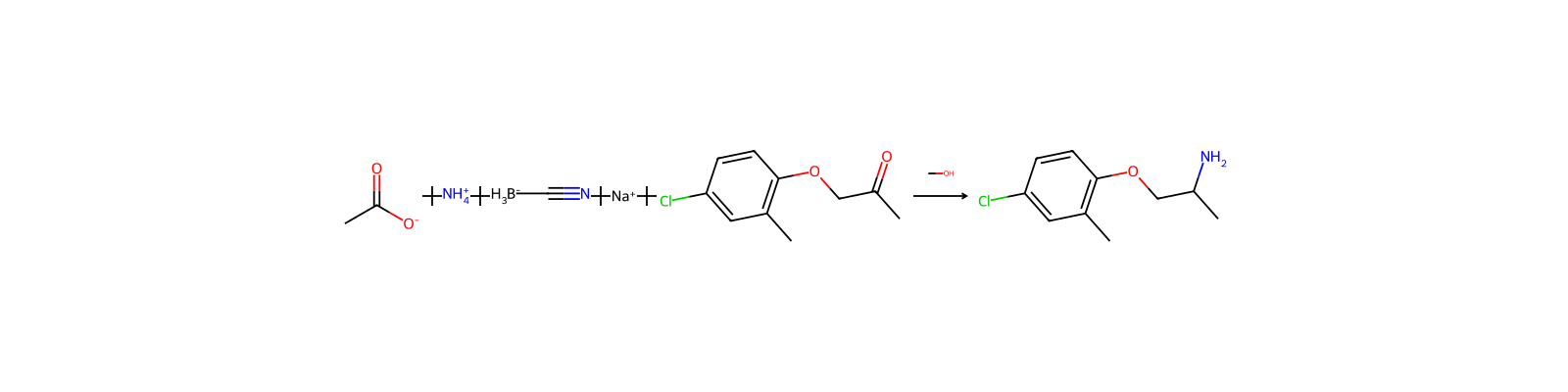
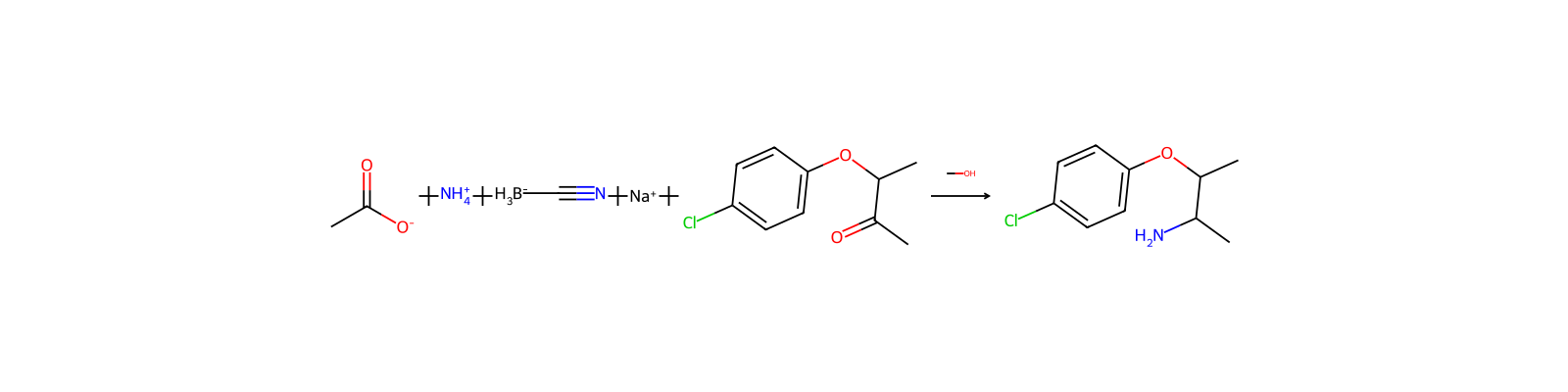
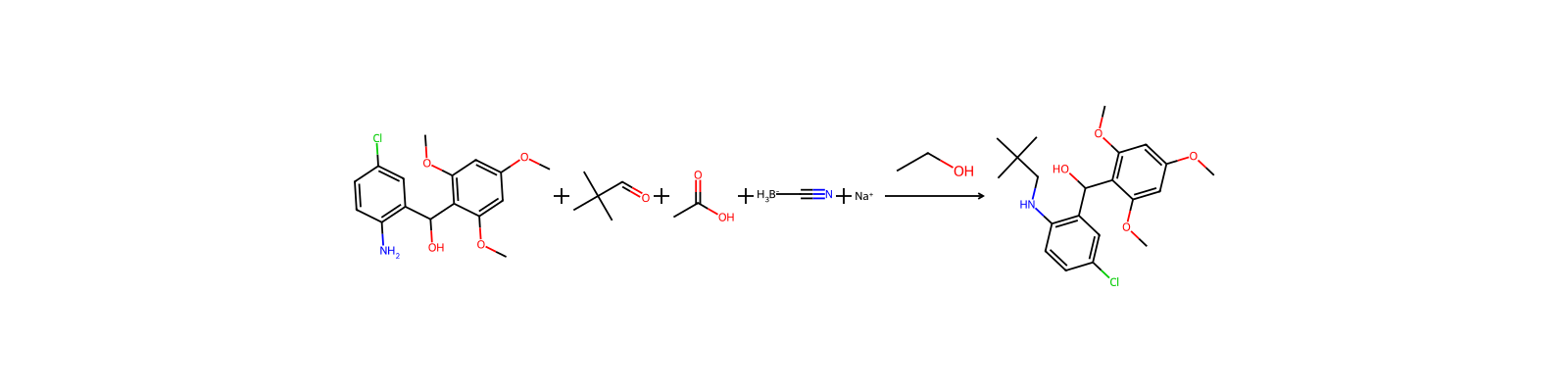
UsesUsed as a reducing agent (aldehydes, ketones, oximes, and enamines); Also used for reductive amination, reductive alkylation, reductive displacement, and deoxygenation; [Merck Index]
応用分野
用途化学式が NaBH3CN と表される無機化合物。無色の塩で、有機合成化学においてイミンの還元に用いられる。
用途有機合成原料。
説明Sodium cyanoborohydride (NaBH3CN) is a selective reducing agent used for a variety of chemical reductions, including aldehyde, ketones, acetals, epoxides, oximes, enamines, reductive aminations of aldehydes and ketones, and reductive alkylations of amines and hydrazines. The utility of sodium cyanoborohydride as a reducing agent is greatly enhanced by its stability under acid conditions, and its solubility in aprotic solvents. Sodium cyanoborohydride is a milder and more selective reducing agent than sodium borohydride. Sodium cyanoborohydride is a weaker and more-selective reducing agent than sodium borohydride because of the electron-withdrawing effect of the cyano group. It has the further advantage that it is stable in acid to pH = 3 and can be employed to effect reductions in the presence of functional groups that are sensitive to the more-basic conditions of reduction with sodium borohydride. Aldehydes and ketones are unaffected by sodium cyanoborohydride in neutral solution, but they are readily reduced to the corresponding alcohol at pH=3-4 by way of the protonated carbonyl group. By previous exchange of the hydrogens of the borohydride for deuterium or tritium, by reaction with D2O or tritiated water, an efficient and economical route is available for deuteride or tritiide reduction of aldehydes and ketones.
関連反応
9,344 件




化合物ノート
読み込み中…