
基本情報
- 標準SMILES
O=C(c1ccc(OCCN2CCCCC2)cc1)c1c(-c2ccc(O)cc2)sc2cc(O)ccc12- InChIKey
GZUITABIAKMVPG-UHFFFAOYSA-N- 分子式
- C28H27NO4S
- 平均分子量
- 473.6 g/mol
- 単同位体質量
- 473.16607934
概要
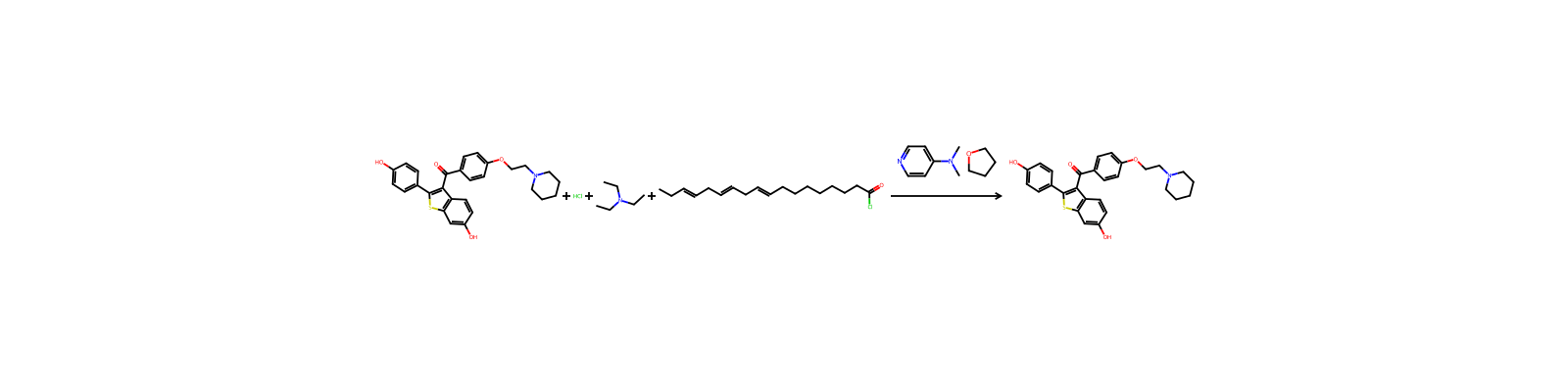
Raloxifene is a member of the class of 1-benzothiophenes that is 1-benzothiophene in which the hydrogens at positions 2, 3, and 6 have been replaced by p-hydroxyphenyl, p-[2-(piperidin-1-yl)ethoxy]benzoyl, and hydroxy groups, respectively. It has a role as a bone density conservation agent, an estrogen receptor modulator and an estrogen antagonist. It is a member of phenols, a member of 1-benzothiophenes, a N-oxyethylpiperidine and an aromatic ketone. It is a conjugate base of a raloxifene(1+).
名称と識別子
- 優先名称
- Raloxifene
- IUPAC
- [6-hydroxy-2-(4-hydroxyphenyl)-1-benzothiophen-3-yl]-[4-(2-piperidin-1-ylethoxy)phenyl]methanone
- 現地名
- ラロキシフェン
- 英語名
- Raloxifene
- 分子式
- C28H27NO4S
- 分子量
- 473.58
名称と別名
raloxifene84449-90-1KeoxifeneRaloxifenoRaloxifenumRaloxifenum [Latin]RaloxipheneLY-139481EvidenRaxetoLY 139481DTXSID3023550
名称をさらに表示
[2-(4-ヒドロキシフェニル)-6-ヒドロキシベンゾ[b]チオフェン-3-イル][4-[2-(1-ピペリジニル)エトキシ]フェニル]ケトン2-(4-ヒドロキシフェニル)-6-ヒドロキシ-1-ベンゾチオフェン-3-イル4-(2-ピペリジノエトキシ)フェニルケトンラロキシフェン[2-(4-ヒドロキシフェニル)-6-ヒドロキシベンゾ[b]チオフェン-3-イル][4-(2-ピペリジノエトキシ)フェニル]ケトン[6-ヒドロキシ-2-(4-ヒドロキシフェニル)ベンゾ[b]チオフェン-3-イル][4-[2-(1-ピペリジニル)エトキシ]フェニル]メタノン[6-ヒドロキシ-2-(4-ヒドロキシフェニル)ベンゾ[b]チオフェン-3-イル][4-[2-(1-ピペリジニル)エトキシ]フェニル]ケトン2-(4-ヒドロキシフェニル)-3-[4-(2-ピペリジノエトキシ)ベンゾイル]ベンゾ[b]チオフェン-6-オール2-(4-ヒドロキシフェニル)-3-[4-[2-(1-ピペリジニル)エトキシ]ベンゾイル]-1-ベンゾチオフェン-6-オールケオキシフェンraloxifene (ラロキフェン)α-[2-(4-ヒドロキシフェニル)-6-ヒドロキシベンゾ[b]チオフェン-3-イル]-4-(2-ピペリジノエトキシ)ベンズアルデヒド2-(4-ヒドロキシフェニル)-3-{4-[2-(ピペリジン-1-イル)エトキシ]ベンゾイル}-1-ベンゾチオフェン-6-オール1-[2-[4-[[6-ヒドロキシ-2-(4-ヒドロキシフェニル)-[1]ベンゾチオフェン-3-イル]カルボニル]フェノキシ]エチル]ピペリジンRALOXIFENEvista(6-hydroxy-2-(4-hydroxyphenyl)benzo[b]thiophen-3-yl)(4-(2-(piperidin-1-yl)ethoxy)phenyl)MethanoneRALOXAFINERALOXIFENE-D7Raloxifene CRSLY156758 free baseRaloxifene USP/EP/BPRaloxifene hydrochlo
NSC-747974YX9162EO3IJ22.982B(2-(4-Hydroxyphenyl)-6-hydroxybenzo(b)thien-3-yl)(4-(2-(1-piperidinyl)ethoxy)phenyl)methanoneMethanone, (6-hydroxy-2-(4-hydroxyphenyl)benzo(b)thien-3-yl)(4-(2-(1-piperidinyl)ethoxy)phenyl)-CHEBI:8772DTXCID803550Raloxifenum (Latin)
データベース識別子
- CAS
82640-04-8、84449-90-1- PubChem CID
- 5035
- DTXSID
DTXSID3023550- ChEMBL
CHEMBL81- ChEBI
CHEBI:8772- UNII
- YX9162EO3I
- EC Number
- 686-786-1
- Nikkaji
- J22.982B
物性
構造計算による物性
- XLogP
- 6.1
- 極性表面積
- 98.2 Ų
- 水素結合供与体数
- 2
- 水素結合受容体数
- 6
- 回転可能結合数
- 7
- 重原子数
- 34
- 形式電荷
- 0
- 複雑度
- 655
実験および物理化学的性質
Chemical ClassesPharmaceutical
Drugs
Pharmaceuticals -> Listed in ZINC15
Pharmaceuticals
LogP
5.2
4.48
Color/FormCrystals from acetone
Solubility
Insoluble
5.12e-04 g/L
Human Drugs
EMA approved medicines: Human medicine
EMA approved medicines: Human medicine
EMA approved medicines: Human medicine
Pharmaceuticals
Endocrine DisruptorsPotential endocrine disrupting compound
Melting Point
268-272
143-147 °C
Crystals from methanol/water; mp: 258 °C; UV max (ethanol): 286 nm (epsilon 32800). Freely soluble in dimethylsulfoxide; sparingly soluble in methanol; slightly soluble in alcohol; very slightly soluble in water, isopropyl alcohol, octanol. Practically insoluble in ether, ethyl acetate /Raloxifene hydrochloride/
143 - 147 °C
Physical DescriptionSolid
Stability/Shelf LifeStable under recommended storage conditions. /Raloxifene hydrochloride/
Collision Cross Section
213.4 Ų [M-H]- [CCS Type: DT; Buffer gas: N2; Ionization: ESI-; Dataset: TOXCAST; Source Identifier: DTXSID1034181]
212.74 Ų [M+H]+ [CCS Type: TW; Method: calibrated with polyalanine and drug standards]
物理化学的性質
- 融点
- 250 · 250-253°C
- 沸点
- 728.2 · 728.2±60.0 °C(Predicted)
- 比重(密度)
- 1.289 · 1.289±0.06 g/cm3(Predicted)
- 貯蔵温度
- 4 °C · Desiccate at +4°C
- 溶解性
- 28 mg/mL、可溶 · DMSO: 28 mg/mL、可溶
- 酸解離定数(Pka)
- 8.83 · 8.83±0.15(Predicted)
- 外見
- 個体
- 色
- ライトイエロー
- 水溶解度
- 560 μg/L · 560μg/L at 25℃
- InChI
- InChI=1S/C28H27NO4S/c30-21-8-4-20(5-9-21)28-26(24-13-10-22(31)18-25(24)34-28)27(32)19-6-11-23(12-7-19)33-17-16-29-14-2-1-3-15-29/h4-13,18,30-31H,1-3,14-17H2
- InChIKey
- GZUITABIAKMVPG-UHFFFAOYSA-N
- SMILES
- C(C1=C(C2=CC=C(O)C=C2)SC2=CC(O)=CC=C21)(C1=CC=C(OCCN2CCCCC2)C=C1)=O
- LogP
- 6.09 · 6.09
- CAS データベース
- 84449 · 84449-90-1(CAS DataBase Reference)
化学的性質
化学的特性Light-Yellow Solid
安全と法規制
GHS分類
GHS Classification
Danger
H302 (33.3%): Harmful if swallowed [Warning Acute toxicity, oral]
P203, P261, P262, P264, P264+P265, P270, P271, P273, P280, P301+P317, P302+P352, P304+P340, P305+P351+P338, P316, P317, P318, P319, P321, P330, P332+P317, P337+P317, P361+P364, P362+P364, P391, P403+P233, P405, and P501 (click each P-code to see the statement)
Aggregated GHS information provided per 3 reports by companies from 2 notifications to the ECHA C&L Inventory. Each notification may be associated with multiple companies.
危険有害性情報
Regulatory InformationStatus: Active Update: 28-04-2022 https://echa.europa.eu/registration-dossier/-/registered-dossier/33491
FDA Requirements
The Approved Drug Products with Therapeutic Equivalence Evaluations identifies currently marketed prescription drug products, including raloxifene hydrochloride, approved on the basis of safety and effectiveness by FDA under sections 505 of the Federal Food, Drug, and Cosmetic Act. /Raloxifene hydrochloride/
Toxic Combustion ProductsSpecial hazards arising from the substance or mixture: Carbon oxides, Nitrogen oxides (NOx), Sulfur oxides, Hydrogen chloride gas. /Raloxifene hydrochloride/
Hazard Classes and CategoriesAcute Tox. 4 (33.3%)
Shipment Methods and Regulations
/PRECAUTIONS FOR ANTINEOPLASTIC AGENTS:/ Methods for transporting hazardous drugs to the health-care setting should be consistent with environmental protection and national or local regulations for transporting hazardous substances. When hazardous drugs are being transported to the home-care setting, appropriate containers (eg, lined cardboard boxes) and procedures should be used to prevent breakage and contain leakage. ... The drugs must be securely capped or sealed and properly packaged and protected during transport to reduce further the chance of breakage and spillage in a public area such as a corridor or elevator. /Antineoplastic agents/
安全と保護具
Fire Fighting Procedures
Suitable extinguishing media: Use water spray, alcohol-resistant foam, dry chemical or carbon dioxide. /Raloxifene hydrochloride/
Advice for firefighters: Wear self-contained breathing apparatus for fire fighting if necessary. /Raloxifene hydrochloride/
Storage Conditions
Store at controlled room temperature, 20 deg to 25 °C (68 deg to 77 °F) [see USP]. The USP defines controlled room temperature as a temperature maintained thermostatically that encompasses the usual and customary working environment of 20 deg to 25 det C (68 deg to 77 °F); that results in a mean kinetic temperature calculated to be not more than 25 °C; and that allows for excursions between 15 deg and 30 °C (59 deg and 86 °F) that are experienced in pharmacies, hospitals, and warehouses.
Keep container tightly closed in a dry and well-ventilated place. /Raloxifene hydrochloride/
Cleanup Methods
ACCIDENT RELEASE MEASURES: Personal precautions, protective equipment and emergency procedures: Avoid dust formation. Avoid breathing vapors, mist or gas. Environmental precautions: Do not let product enter drains. Methods and materials for containment and cleaning up: Sweep up and shovel. Keep in suitable, closed containers for disposal. /Raloxifene hydrochloride/
/PRECAUTIONS FOR ANTINEOPLASTIC AGENTS:/ Spill kits containing all materials needed to clean up spills of hazardous drugs should be assembled or purchased. These kits should be readily available in all areas where hazardous drugs are routinely handled. If hazardous drugs are being prepared or administered in a nonroutine area (home setting or unusual patient-care area), a spill kit should be obtained by the drug handler. The kit should include two pairs of disposable gloves (one outer pair of utility gloves and one inner latex pair); low-permeability, disposable protective garments (coveralls or gown and shoe covers); safety glasses or splash goggles; respirator; absorbent, plastic-backed sheets or spill pads; disposable toweling; at least 2 sealable thick plastic hazardous waste disposal bags (prelabeled with an appropriate warning label); a disposable scoop for collecting glass fragments; and a puncture-resistant container for glass fragments. All individuals who routinely handle hazardous drugs must be trained in proper spill management and cleanup procedures. Spills and breakages must be cleaned up immediately according to the following procedures. If the spill is not located in a confined space, the spill area should be identified and other people should be prevented from approaching and spreading the contamination. Wearing protective apparel from the spill kit, workers should remove any broken glass fragments and place them in the puncture-resistant container. Liquids should be absorbed with a spill pad; powder should be removed with damp disposable gauze pads or soft toweling. The hazardous material should be completely removed and the area rinsed with water and then cleaned with detergent. The spill cleanup should proceed progressively from areas of lesser to greater contamination. The detergent should be thoroughly rinsed and removed. All contaminated materials should be placed in the disposal bags provided and sealed and transported to a designated containment receptacle. Spills occurring in the biohazard cabinet should be cleaned up immediately; a spill kit should be used if the volume exceeds 150 ml or the contents of one drug vial or ampule. If there is broken glass, utility gloves should be worn to remove it and place it in the puncture-resistant container located in the biohazard cabinet. The biological safety cabinet, including the drain spillage trough, should be thoroughly cleaned. If the spill is not easily and thoroughly contained, the biological safety cabinet should be decontaminated after cleanup. If the spill contaminates the high efficiency particulate air filter, use of the biological safety cabinet should be suspended until the cabinet has been decontaminated and the high efficiency particulate air filter replaced. /Antineoplastic agents/
/PRECAUTIONS FOR ANTINEOPLASTIC AGENTS:/ If hazardous drugs are routinely prepared or administered in carpeted areas, special equipment is necessary to remove the spill. Absorbent powder should be substituted for pads or sheets and left in place on the spill for the time recommended by the manufacturer. The powder should then be picked up with a small vacuum unit reserved for hazardous drug cleanup. The carpet should then be cleaned according to usual procedures. The vacuum bag should be removed and discarded or cleaned, and the exterior of the vacuum cleaner should be washed with detergent and rinsed before being covered and stored. The contaminated powder should be discarded into a sealable plastic bag and segregated with other contaminated waste materials. Alternatively, inexpensive wet or dry vacuum units may be purchased for this express use and used with appropriate cleaners. All such units are contaminated, once used, and must be cleaned, stored, and ultimately discarded /properly/ ... The circumstances and handling of spills should be documented. Health-care personnel exposed during spill management should also complete an incident report or exposure form. /Antineoplastic agents/
Disposal Methods
SRP: Expired or waste pharmaceuticals shall carefully take into consideration applicable DEA, EPA, and FDA regulations. It is not appropriate to dispose by flushing the pharmaceutical down the toilet or discarding to trash. If possible return the pharmaceutical to the manufacturer for proper disposal being careful to properly label and securely package the material. Alternatively, the waste pharmaceutical shall be labeled, securely packaged and transported by a state licensed medical waste contractor to dispose by burial in a licensed hazardous or toxic waste landfill or incinerator.
Product: Offer surplus and non-recyclable solutions to a licensed disposal company. Contaminated packaging: Dispose of as unused product. /Raloxifene hydrochloride/
/PRECAUTIONS FOR ANTINEOPLASTIC AGENTS:/ All contaminated disposables should be contained in sealable bags for transfer to larger waste containers. /Antineoplastic agents/
/PRECAUTIONS FOR ANTINEOPLASTIC AGENTS:/ All bottles must be discarded as contaminated waste after decontamination of the biohazard cabinet. All protective apparel (gown, gloves, goggles, and respirator) should be discarded as contaminated waste. /Antineoplastic agents/
For more Disposal Methods (Complete) data for Raloxifene (9 total), please visit the HSDB record page.
Preventive Measures
ACCIDENT RELEASE MEASURES: Personal precautions, protective equipment and emergency procedures: Avoid dust formation. Avoid breathing vapors, mist or gas. Environmental precautions: Do not let product enter drains. /Raloxifene hydrochloride/
Precautions for safe handling: Provide appropriate exhaust ventilation at places where dust is formed. Normal measures for preventive fire protection. /Raloxifene hydrochloride/
Appropriate engineering controls: General industrial hygiene practice. /Raloxifene hydrochloride/
Gloves must be inspected prior to use. Use proper glove removal technique (without touching glove's outer surface) to avoid skin contact with this product. Dispose of contaminated gloves after use in accordance with applicable laws and good laboratory practices. Wash and dry hands. /Raloxifene hydrochloride/
For more Preventive Measures (Complete) data for Raloxifene (24 total), please visit the HSDB record page.
Personal Protective Equipment (PPE)
Eye/face protection: Use equipment for eye protection tested and approved under appropriate government standards such as NIOSH (US) or EN 166(EU). /Raloxifene hydrochloride/
Skin protection: Handle with gloves. /Raloxifene hydrochloride/
Body Protection: Choose body protection in relation to its type, to the concentration and amount of dangerous substances, and to the specific work-place. /Raloxifene hydrochloride/
Respiratory protection: Respiratory protection is not required. Where protection from nuisance levels of dusts are desired, use type N95 (US) or type P1 (EN 143) dust masks. Use respirators and components tested and approved under appropriate government standards such as NIOSH (US) or CEN (EU). /Raloxifene hydrochloride/
For more Personal Protective Equipment (PPE) (Complete) data for Raloxifene (9 total), please visit the HSDB record page.
毒性情報
Interactions
The manufacturer states that concomitant use of systemic estrogens with raloxifene currently is not recommended because of the lack of experience from prospective clinical trials with such use.
Concomitant administration of raloxifene and ampicillin results in a 28% decrease in peak plasma concentration and a 14% decrease in the extent of absorption of raloxifene. These changes in raloxifene absorption are consistent with decreased enterohepatic cycling associated with a reduction of enteric bacteria. Because systemic exposure and the elimination rate of raloxifene are not affected, raloxifene may be given concomitantly with ampicillin. In raloxifene-treated women with osteoporosis, concomitant administration of amoxicillin did not affect the plasma concentrations of raloxifene. Raloxifene may be given concomitantly with amoxicillin.
While the effect of long-term administration of raloxifene in conjunction with warfarin has not been studied and the drug reportedly does not affect the protein binding of the anticoagulant, concomitant administration of single doses of raloxifene and warfarin has resulted in a 10% decrease in prothrombin time compared with administration of warfarin alone. In raloxifene-treated women with osteoporosis, concomitant administration of warfarin did not affect the plasma concentrations of raloxifene. If the drugs are used concomitantly, the patient and prothrombin time should be monitored closely and the dosage of the anticoagulant adjusted accordingly.
Administration of cholestyramine and raloxifene results in a 60% decrease in the absorption and enterohepatic cycling of raloxifene. The manufacturer states that raloxifene should not be administered with cholestyramine. Although not studied specifically, other anion-exchange resins would also be expected to decrease the absorption and enterohepatic cycling of raloxifene.
Raloxifene is more than 95% bound to plasma proteins. The manufacturer states that concomitant administration of raloxifene with other highly protein-bound drugs is not expected to affect the plasma concentrations of raloxifene. In raloxifene-treated women with osteoporosis, concomitant administration of other highly protein-bound drugs (eg, gemfibrozil) did not affect the plasma concentrations of raloxifene. Raloxifene reportedly does not affect the protein binding of phenytoin, tamoxifen, or warfarin in vitro. The manufacturer states that caution is advised if raloxifene is used concomitantly with other highly protein-bound drugs such as diazepam, diazoxide, or lidocaine.
Adverse Effects
Raloxifene's most common documented adverse effects are hot flashes, flu-like symptoms, muscle spasms, arthralgia, and infection. Less common effects are insomnia, vomiting, sinusitis, deep venous thrombosis, bronchitis, pharyngitis, and breast pain. Raloxifene-treated women reported peripheral edema ( raloxifene 14.1% vs placebo 11.7%), muscle spasms/leg cramps (12.1% vs 8.3% ), hot flashes (7.8% vs 4.7% ), cholelithiasis (3.3% vs 2.6% ), and venous thromboembolic events 2.0% vs 1.4%).
Toxicity Summary
IDENTIFICATION AND USE: Raloxifene is used for the treatment and prevention of osteoporosis in postmenopausal women and for the reduction in risk of invasive breast cancer in postmenopausal women with osteoporosis. HUMAN STUDIES: No fatalities associated with raloxifene overdose have been reported. In postmarketing reports, adverse reactions were reported in approximately half of the adults who took >/= 180 mg raloxifene HCl and included leg cramps and dizziness. Raloxifene therapy is associated with an increased risk of venous thromboembolic events such as deep-vein thrombosis and pulmonary embolism. Increased risk of death due to stroke occurred in a trial in postmenopausal women with documented coronary heart disease or at increased risk for major coronary events. A few cases of jaw bone osteonecrosis have been associated with raloxifene. Two 18-month-old children each ingested raloxifene HCl 180 mg, symptoms reported included ataxia, dizziness, vomiting, rash, diarrhea, tremor, and flushing, as well as elevation in alkaline phosphatase. Raloxifene may cause fetal toxicity when administered to pregnant women. Effects on reproductive function are expected because raloxifene is an estrogen agonist-antagonist. ANIMAL STUDIES: Mortality was not observed in rats or mice following single oral doses of raloxifene hydrochloride 5000 mg/kg, or in monkeys following single oral doses of raloxifene hydrochloride 1000 mg/kg. In a 21-month carcinogenicity study in mice, there was an increased incidence of ovarian tumors in female mice given oral raloxifene hydrochloride 9-242 mg/kg daily and an increased incidence of testicular interstitial cell tumors, prostatic adenomas, and adenocarcinomas in male mice given raloxifene hydrochloride 41 or 210 mg/kg daily. In studies in rats using raloxifene hydrochloride, doses of 0.1-10 mg/kg during gestation and lactation delayed and disrupted parturition, decreased neonatal survival and altered physical development, sex- and age-specific reductions in growth and changes in pituitary hormone content, and decreased lymphoid compartment size in offspring were observed. Disruption of parturition, which resulted in maternal and progeny morbidity and/or death, was observed in rats given raloxifene hydrochloride 10 mg/kg. While ovarian or vaginal pathology was not observed in adult offspring (4 months of age), uterine hypoplasia and reduced fertility were noted. In reproductive studies in rabbits using raloxifene hydrochloride, doses of 0.1 mg/kg or more resulted in abortion and a low rate of fetal heart anomalies (i.e., ventricular septal defects). In rabbits using raloxifene doses of 10 mg/kg or more (at least 4 times the recommended dose in humans on a mg/sq m basis), hydrocephaly was observed in the fetuses. In female rats, at doses of 0.1 to 10 mg/kg/day, raloxifene disrupted estrous cycles and inhibited ovulation. These effects of raloxifene were reversible. When male and female rats were given daily doses >/=5 mg/kg prior to and during mating, no pregnancies occurred. In reproductive studies in rats using raloxifene hydrochloride doses of 1 mg/kg or more, retardation of fetal development and developmental abnormalities (i.e., wavy ribs, kidney cavitation) were observed. Raloxifene was not mutagenic in in vitro or in vivo studies, including the Ames microbial test with and without metabolic activation, the unscheduled DNA synthesis assay in rat hepatocytes, the mouse lymphoma assay for mammalian cell mutation, the chromosomal aberration assay in Chinese hamster ovary cells, the sister chromatid exchange assay in Chinese hamsters, and the micronucleus test in mice.
There is some documentation of increased risk of deep vein thrombosis, embolic cerebrovascular accident, and pulmonary embolism with the usage of this drug. Patients developing new-onset vaginal bleeding require a workup, including an endometrial biopsy and an OB/GYN consultation. There are some reports of an increased risk of death due to a cerebrovascular accident in trials of postmenopausal women with coronary heart disease or with high-risk factors for coronary arterial disease.
Ongoing Test Status
EPA has released the Interactive Chemical Safety for Sustainability (iCSS) Dashboard. The iCSS Dashboard provides an interactive tool to explore rapid, automated (or in vitro high-throughput) chemical screening data generated by the Toxicity Forecaster (ToxCast) project and the federal Toxicity Testing in the 21st century (Tox21) collaboration. /The title compound was tested by ToxCast and/or Tox21 assays/[USEPA; ICSS Dashboard Application; Available from, as of February 4, 2019: http://actor.epa.gov/dashboard/]
Medical Surveillance
/PRECAUTIONS FOR ANTINEOPLASTIC AGENTS:/ There is no method available for routine monitoring of personnel for evidence of hazardous drug exposure. Tests for the presence of mutagens or chromosomal damage are not drug specific and are of value only in controlled studies. Chemical analysis of urine for the presence of hazardous drugs at the sensitivity level needed to detect occupational exposure is limited to a few drugs and is not yet commercially available. /Antineoplastic agents/
/PRECAUTIONS FOR ANTINEOPLASTIC AGENTS:/ There is no method available for routine monitoring of personnel for evidence of hazardous drug exposure. Tests for the presence of mutagens or chromosomal damage are not drug specific and are of value only in controlled studies. Chemical analysis of urine for the presence of hazardous drugs at the sensitivity level needed to detect occupational exposure is limited to a few drugs and is not yet commercially available. /Antineoplastic agents/
Human Toxicity Excerpts
/HUMAN EXPOSURE STUDIES/ Estrogen replacement therapy after menopause reduces the incidence of arterial disease and cerebrovascular events. The reduced incidence also seems to be due to a positive effect of estrogens on brain blood flow as shown by a decrease in the carotid artery pulsatility index. Raloxifene, a second-generation selective estrogen receptor modulator, has aroused considerable interest because of its tissue-specific agonist-antagonist effect on estrogen receptors. However, there have been no studies on the effect of raloxifene on carotid blood flow after menopause. A total of 66 healthy women in postmenopause for more than a year were divided randomly into 2 groups: the first group (n = 33; mean age +/- SD, 53.3 +/- 5.2 years) was treated with raloxifene (one 60-mg capsule per day) for 6 months, and the other group (n = 33; mean age +/- SD, 51.9 +/- 4 years) was untreated. Doppler ultrasonography was used to measure carotid artery pulsatility index (PI) at the beginning of the study and at 2-month intervals. A reduction in carotid artery PI was observed in all patients receiving raloxifene. No significant changes were observed in the control group. The reduction with respect to baseline values was 6.1%(P <.05) after 2 months, 11.2% (P <.05) after 4 months, and 13.2% (P <.05) after 6 months of therapy. The higher the baseline PI, the greater was its reduction after therapy. After 6 months of therapy, raloxifene induced a reduction in PI similar to that reported after estrogen therapy. The present results further our understanding of the mechanisms by which raloxifene might reduce the incidence of cardiovascular disease in postmenopausal women.
/SIGNS AND SYMPTOMS/ In postmarketing spontaneous reports, raloxifene overdose has been reported very rarely (less than 1 out of 10,000 [<0.01%] patients treated). The highest overdose has been approximately 1.5 grams. No fatalities associated with raloxifene overdose have been reported. Adverse reactions were reported in approximately half of the adults who took >/=180 mg raloxifene HCl and included leg cramps and dizziness.
/SIGNS AND SYMPTOMS/ Raloxifene therapy is associated with an increased risk of venous thromboembolic events such as deep-vein thrombosis and pulmonary embolism.
/SIGNS AND SYMPTOMS/ Increased risk of deep vein thrombosis and pulmonary embolism have been reported with Evista. Women with active or past history of venous thromboembolism should not take Evista. Increased risk of death due to stroke occurred in a trial in postmenopausal women with documented coronary heart disease or at increased risk for major coronary events. Consider risk-benefit balance in women at risk for stroke
For more Human Toxicity Excerpts (Complete) data for Raloxifene (14 total), please visit the HSDB record page.
Artificial Pollution SourcesRaloxifene's production and administration as a medication for osteoporosis(1) may result in its release to the environment through various waste streams(SRC).
Drug Induced Liver Injury
Drug-Induced Liver Injury Severity and Toxicity (DILIst)
raloxifene
DILI Negative
Oral
DOI:10.1016/j.drudis.2019.09.022
Non-Human Toxicity Excerpts
/LABORATORY ANIMALS: Acute Exposure/ Mortality was not observed in rats or mice following single oral doses of raloxifene hydrochloride 5000 mg/kg (810 or 405 times, respectively, the recommended human dose on a mg/sq m basis).
/LABORATORY ANIMALS: Acute Exposure/ Mortality was not observed in monkeys following single oral doses of raloxifene hydrochloride 1000 mg/kg (80 times the recommended human dose on a mg/sq m basis).
/LABORATORY ANIMALS: Chronic Exposure or Carcinogenicity/ Cisplatin induced nephrotoxicity is the chief obstacle in the use of cisplatin as chemotherapeutic agent. However, it remains as most widely employed anticancer agent to treat various solid tumors like head-neck, testicular, ovarian and mammary gland cancer. Raloxifene is claimed to be potent anti-inflammatory as well as anti-cancer agent. The present study was carried out to explore the effect of pre-treatment of raloxifene on cisplatin induced nephrotoxicity and its anti-tumor activity in 7,12 dimethyl benz-[a]-anthracene induced mammary tumor in animal model. Renal damage was accessed by measuring serum level of creatinine, blood urea nitrogen and albumin whereas systemic inflammation was accessed by measuring level of pro-inflammatory cytokines like tumor necrosis factor alpha (TNF-a), interleukin 6 (IL-6), interleukin 10 (IL-10) and nuclear factor kappa B (NFkB). Moreover, assessment of tumor reduction was done by measuring tumor volume and percentage tumor reduction. A single dose of cisplatin (7.5 mg/kg) resulted in significant increase in serum creatinine, blood urea nitrogen, NF-kB, TNF-a and IL-6 levels along with decrease in albumin and IL-10 levels. However, there were no significant changes in raloxifene (8 mg/kg) treated group. Pre-treatment of raloxifene (8 mg/kg) caused marked decrease in serum creatinine, blood urea nitrogen, TNF-a and IL-6 levels whereas increase in albumin and IL-10 levels. However, pre-treatment of raloxifene showed maximum tumor reduction as compared to cisplatin and raloxifene treated groups. The present study demonstrates that raloxifene potentiates anti-tumor activity of cisplatin with simultaneous reduction in its nephrotoxicity, and this effect is attributed to its direct anti-inflammatory activity.
/LABORATORY ANIMALS: Chronic Exposure or Carcinogenicity/ In a 21-month carcinogenicity study in mice, there was an increased incidence of ovarian tumors (i.e., benign and malignant tumors of granulosa/theca cell origin, benign tumors of epithelial cell origin) in female mice given oral raloxifene hydrochloride 9-242 mg/kg daily (equivalent to systemic exposure of about 0.3-34 times the area under the plasma concentration-time curve [AUC] in women receiving the recommended raloxifene hydrochloride dosage) and an increased incidence of testicular interstitial cell tumors, prostatic adenomas, and adenocarcinomas in male mice given raloxifene hydrochloride 41 or 210 mg/kg daily (4.7 or 24 times the AUC in women).
For more Non-Human Toxicity Excerpts (Complete) data for Raloxifene (22 total), please visit the HSDB record page.
Populations at Special Risk
Increased risk of deep vein thrombosis and pulmonary embolism have been reported with Evista. Women with active or past history of venous thromboembolism should not take Evista. Increased risk of death due to stroke occurred in a trial in postmenopausal women with documented coronary heart disease or at increased risk for major coronary events. Consider risk-benefit balance in women at risk for stroke
Raloxifene is contraindicated in women with active or past episodes of venous thrombosis, including deep-vein thrombosis, pulmonary embolism, or retinal vein thrombosis. Potential therapeutic benefit versus risk should be assessed in women at risk of thromboembolic disease secondary to congestive heart failure, superficial thrombophlebitis, or active malignancy.
The manufacturer states that raloxifene should not be used in pediatric patients.
Antidote and Emergency Treatment
/SRP:/ Immediate first aid: Ensure that adequate decontamination has been carried out. If patient is not breathing, start artificial respiration, preferably with a demand valve resuscitator, bag-valve-mask device, or pocket mask, as trained. Perform CPR if necessary. Immediately flush contaminated eyes with gently flowing water. Do not induce vomiting. If vomiting occurs, lean patient forward or place on left side (head-down position, if possible) to maintain an open airway and prevent aspiration. Keep patient quiet and maintain normal body temperature. Obtain medical attention. /Poisons A and B/
/SRP:/ Basic treatment: Establish a patent airway (oropharyngeal or nasopharyngeal airway, if needed). Suction if necessary. Watch for signs of respiratory insufficiency and assist ventilations if needed. Administer oxygen by nonrebreather mask at 10 to 15 L/min. Monitor for pulmonary edema and treat if necessary ... . Monitor for shock and treat if necessary ... . Anticipate seizures and treat if necessary ... . For eye contamination, flush eyes immediately with water. Irrigate each eye continuously with 0.9% saline (NS) during transport ... . Do not use emetics. For ingestion, rinse mouth and administer 5 mL/kg up to 200 mL of water for dilution if the patient can swallow, has a strong gag reflex, and does not drool ... . Cover skin burns with dry sterile dressings after decontamination ... . /Poisons A and B/
/SRP:/ Advanced treatment: Consider orotracheal or nasotracheal intubation for airway control in the patient who is unconscious, has severe pulmonary edema, or is in severe respiratory distress. Positive-pressure ventilation techniques with a bag valve mask device may be beneficial. Consider drug therapy for pulmonary edema ... . Consider administering a beta agonist such as albuterol for severe bronchospasm ... . Monitor cardiac rhythm and treat arrhythmias as necessary ... . Start IV administration of D5W TKO /SRP: "To keep open", minimal flow rate/. Use 0.9% saline (NS) or lactated Ringer's (LR) if signs of hypovolemia are present. For hypotension with signs of hypovolemia, administer fluid cautiously. Watch for signs of fluid overload ... . Treat seizures with diazepam (Valium) or lorazepam (Ativan) ... . Use proparacaine hydrochloride to assist eye irrigation ... . /Poisons A and B/
USGS Health-Based Screening Levels for Evaluating Water-Quality
Raloxifene
Pharmaceutical
Smith, C.D. and Nowell, L.H., 2024. Health-Based Screening Levels for evaluating water-quality data (3rd ed.). DOI:10.5066/F71C1TWP
法規制情報
FDA Requirements
The Approved Drug Products with Therapeutic Equivalence Evaluations identifies currently marketed prescription drug products, including raloxifene hydrochloride, approved on the basis of safety and effectiveness by FDA under sections 505 of the Federal Food, Drug, and Cosmetic Act. /Raloxifene hydrochloride/
安全データ
- wgk
- 3
- hs_code
- 29349990
- 有毒物質データの
- 84449-90-1(Hazardous Substances Data)
化学と産業
薬理情報
ATC Code
G03XC01
G - Genito urinary system and sex hormones
QG - Genito urinary system and sex hormones
Protein Binding
About 95% of raloxifene and its glucuronide metabolites are bound to plasma proteins. Although this is a relatively high protein binding profile, _in vitro_ studies suggest that raloxifene and its metabolites do not significantly interact with binding of highly protein-bound drugs. FDA Label still advises patients to use raloxifene with caution co-administering with other highly protein-bound drugs.
Pharmacodynamics
Raloxifene belongs to the selective estrogen receptor modulator (SERM) drug class that exhibits estrogenic effects on bone and lipid metabolism while mediating anti-estrogenic effects on uterine endometrium and breast tissues. On skeletal tissues, raloxifene stimulates bone-depositing osteoblasts and inhibits bone-resorbing osteoclasts to augument bone mineral density. Raloxifene produces estrogen-like effects on bone, reducing the resorption of bone and increasing bone mineral density in postmenopausal women, thus slowing the rate of bone loss. In three randomized, placebo-controlled trials in Europe, postmenopausal women receiving raloxifene at variable doses of 30 to 150 mg daily demonstrated significant increases in bone mineral density in the lumbar spine, total hip, femoral neck and total body compared to placebo. In the MORE and RUTH trials, there were fewer incidences of vertebral fractures in postmeopausal women receiving raloxifene compared to placebo. In a eight-week study evaluating short-term effects of raloxifene in healthy postmenopausal women, there was a decrease in the bone turnover markers, such as serum alkaline phosphatase level, serum osteocalcin level and urinary calcium excretion. Raloxifene was shown to inhibit estrogen-dependent proliferation of human breast cancer cells _in vitro_ and development of induced mammary tumors in rats _in vivo_. In adult female rats, raloxifene produced a greater regression of the mammary gland than [tamoxifen]. The MORE trial was a multicenter, randomized, double-blind clinical trial that investigated the long-term effects of the drug therapy in European and American postmenopausal women receiving raloxifene for 40 months. Additionally, a reduction in the incidence of invasive breast cancer was also demonstrates in the CORE and RUTH trials. Study findings demonstrated that compared to placebo, the risk of invasive breast cancer was decreased by 76% among postmenopausal women with osteoporosis. There was a decrease in the risk of estrogen receptor-positive breast cancer by 90% but there was no increase in the risk of endometrial cancer. Unlike hormone replacement therapy, raloxifene does not mediate proliferative or stimulatory effects on endometrial tissue. Findings from both animal and human studies demonstrated no significant changes in the histologic appearance of the endometrium. Raloxifene promotes estrogen-like effects on lipid metabolism. In a European trial that evaluated lipid profiles following raloxifene therapy over the 24-month period, there were significant decreases in the serum concentrations of total and low-density lipoprotein (LDL) cholesterol over a 24-month period of raloxifene therapy. Raloxifene is not associated with causing alterations in the serum levels of HDL cholesterol or triglycerides. As the HDL choesterol level is considered a strong inverse predictor of cardiovascular disease in women, the cardioprotective effects of raloxifene were questioned. Due to limited data on the long-term trials, it is not possible to determine whether the small lipid effects produced by raloxifene correlate with a smaller degree of cardioprotective activity compared with hormone replacement therapy.
Mechanism of Action
Raloxifene is a selective estrogen receptor modulator that acts as both an estrogen agonist and antagonist via differential effects on the tissue-specific estrogen receptors. Based on the findings of competitive binding assays, raloxifene displays binding affinity that is similar to that of [estradiol], the predominant circulating estrogen. Estrogens play variable roles at different tissues in females, including the bone, breasts, uterus and liver, by binding to the steroid nuclear hormone receptors, Estrogen Receptor alpha (ERα) or Estrogen Receptor beta (ERβ). These receptors are normally bound to the Heat Shock Protein 90 (Hsp90) when unbound to the ligand. Ligand binding induces a conformational change in the receptor that promotes dissociation of the receptor from Hsp90, dimerization and translocation into the nucleus. This movement into the nucleus allows the receptor to bind to genomic locations based on sequence recognition of the DNA binding domain, also known as the Estrogen Response Elements (EREs). In bones, endogenous estrogens normally modulate multiple DNA response elements, including the gene-encoding transforming growth factor-β3 (TGF-β3), which is a cytokine embedded in the bone matrix. TGF-β3 plays an important role in bone remodelling by working with other cytokines to induce production of osteoblasts, such as IL-6, and attenuate the activity of osetoclasts. Estrogens typically maintain the bone integrity by inhibiting the cytokines that recruit osteoclasts and oppose the bone-resorbing, Ca2+-mobilizing action of parathyroid hormone. In contrast, estrogens promote osteoblast proliferation, augment the production of TGF-β3 and bone morphogenic proteins, and inhibit apoptosis. Mimicking the action of endogenous estrogen in bone tissues, raloxifene binds to the estrogen receptor to influence gene transcription through interactions with the estrogen response element (ERE) and a distinct DNA target, the raloxifene response element (RRE). It occupies the same ER ligand binding site as estrogen. Upon binding, raloxifene induces a conformational change of the receptor, allowing mediation of direct binding to transcriptional elements by accessory proteins. Increased expression of bone matrix proteins, such as alkaline phosphatase, osteonectin, osteocalcin and collagen may be seen. The agonistic or antagonistic action of raloxifene depends on the extent of recruitment of coactivators and corepressors to estrogen receptor (ER) target gene promotors. In breast tissues, raloxifene acts as an estrogen receptor antagonist to attenuate the estrogen-dependent proliferative effects of epithelial cell expansion. In addition to the antiproliferative effects, raloxifene prevents the production of cytokines and recruitment of macrophages and lymphocytes into tumor mass.
Bone remodeling is controlled by the actions of bone-degrading osteoclasts and bone-forming osteoblasts (OBs). Aging and loss of estrogen after menopause affects bone mass and quality. Estrogen therapy, including selective estrogen receptor modulators (SERMs), can prevent bone loss and increase bone mineral density in post-menopausal women. Although investigations of the effects of estrogen on osteoclast activity are well advanced, the mechanism of action of estrogen on OBs is still unclear. The proline-rich tyrosine kinase 2 (Pyk2) is important for bone formation and female mice lacking Pyk2 (Pyk2-KO) exhibit elevated bone mass, increased bone formation rate and reduced osteoclast activity. Therefore, in the current study, we examined the role of estrogen signaling on the mechanism of action of Pyk2 in OBs. As expected, Pyk2-KO OBs showed significantly higher proliferation, matrix formation, and mineralization than WT OBs. In addition we found that Pyk2-KO OBs cultured in the presence of either 17beta-estradiol (E2) or raloxifene, a SERM used for the treatment of post-menopausal osteoporosis, showed a further robust increase in alkaline phosphatase (ALP) activity and mineralization. We examined the possible mechanism of action and found that Pyk2 deletion promotes the proteasome-mediated degradation of estrogen receptor a (ERa), but not estrogen receptor beta (ERbeta). As a consequence, E2 signaling via ERbeta was enhanced in Pyk2-KO OBs. In addition, we found that Pyk2 deletion and E2 stimulation had an additive effect on ERK phosphorylation, which is known to stimulate cell differentiation and survival. Our findings suggest that in the absence of Pyk2, estrogen exerts an osteogenic effect on OBs through altered ERalpha and ERbeta signaling. Thus, targeting Pyk2, in combination with estrogen or raloxifene, may be a novel strategy for the prevention and/or treatment of bone loss diseases.
The estrogenic character of tamoxifen and raloxifene was studied on three different genes, an ERE-reporter construct and two endogenous genes, sex hormone binding globulin (SHBG) and pS2, in two variants of the human liver carcinoma cell line HepG2. On the ERE-reporter construct and the pS2 gene both tamoxifen and raloxifene acted as pure estrogen antagonists, whereas on the SHBG gene they functioned as partial estrogens/antiestrogens at concentrations below 1 uM and as full "agonists" at concentrations higher than 1 microM. The fold stimulatory effect of tamoxifen and raloxifene on SHBG protein expression was similar in the estrogen receptor (ER) expressing HepG2 cells (HepER3) and the parental non-ER expressing HepG2 cells at concentrations above 1 uM. In contrast, the 17beta-estradiol analogue moxestrol stimulated SHBG expression only in the HepER3 cells. Both tamoxifen and raloxifene had an additive effect to estrogen receptor-dependent SHBG gene expression in the HepER3 cells in the presence of saturating concentrations of moxestrol. However, a significant difference was observed in that a much higher concentration of moxestrol was required to see an additive effect of raloxifene compared to tamoxifen. The cytokine IL1-beta completely blocked the tamoxifen-dependent induction of SHBG gene expression in HepER3 cells, but only partly blocked the effect of moxestrol mediated by the ER. In conclusion, our results suggest that the mechanism for the liver-selective "estrogenic" character of tamoxifen and raloxifene is mediated by a non-ER dependent pathway.
Biological Half-Life
The average plasma elimination half-life of raloxifene ranges from 27 to 32 hours. The prolonged half-life has been attributed to the drug's reversible systemic metabolism and significant enterohepatic cycling.
The plasma elimination half-life of raloxifene at steady-state averages 32.5 hours (range: 15.8-86.6 hours).
Raloxifene and its glucuronide conjugates are interconverted by reversible systemic metabolism and enterohepatic cycling, thereby prolonging its plasma elimination half-life to 27.7 hours after oral dosing.
Metabolism/Metabolites
Raloxifene is reported to undergo metabolism in the intestines and liver devoid of cytochrome P450 pathway. It is extensively metabolized, where less than 1% of the total dose exists as unchanged compound. It mainly undergoes first-pass metabolism to form glucuronide conjugates, raloxifene-4'-glucuronide (raloxifene-4'-β-glucuronide), raloxifene-6-glucuronide (raloxifene-6-β-glucuronide), and raloxifene-6,4'-diglucuronide. No other metabolites have been detected in human plasma. The terminal log-linear portions of the plasma concentration curves for raloxifene and the glucuronides are generally parallel. This is consistent with interconversion of raloxifene and the glucuronide metabolites.
Biotransformation and disposition of raloxifene in humans have been determined following oral administration of (14)C-labeled raloxifene. Raloxifene undergoes extensive first-pass metabolism to the glucuronide conjugates: raloxifene-4'-glucuronide, raloxifene-6-glucuronide, and raloxifene-6, 4'-diglucuronide. No other metabolites have been detected, providing strong evidence that raloxifene is not metabolized by cytochrome P450 pathways. Unconjugated raloxifene comprises less than 1% of the total radiolabeled material in plasma. The terminal log-linear portions of the plasma concentration curves for raloxifene and the glucuronides are generally parallel. This is consistent with interconversion of raloxifene and the glucuronide metabolites.
Raloxifene undergoes extensive first-pass metabolism to the glucuronide conjugates raloxifene 4'-glucuronide, 6-glucuronide, and 6,4'-diglucuronide. Metabolism of raloxifene does not appear to be mediated by cytochrome P-450 enzymes, since metabolites other than glucuronide conjugates have not been identified.
Raloxifene has known human metabolites that include Raloxifene 6-O-glucuronide, [6,7-Dihydroxy-2-(4-hydroxyphenyl)benzo[b]thiophene-3-yl][4-(2-piperidinoethoxy)phenyl]methanone, and [2-(3,4-dihydroxyphenyl)-6-hydroxy-1-benzothiophen-3-yl]-[4-(2-piperidin-1-ylethoxy)phenyl]methanone.
FDA Pharmacological Classification
YX9162EO3I
RALOXIFENE
Established Pharmacologic Class [EPC] - Estrogen Agonist/Antagonist
Mechanisms of Action [MoA] - Selective Estrogen Receptor Modulators
Raloxifene is an Estrogen Agonist/Antagonist. The mechanism of action of raloxifene is as a Selective Estrogen Receptor Modulator.
RALOXIFENE
MeSH Pharmacological Classification
Compounds which inhibit or antagonize the action or biosynthesis of estrogenic compounds.
A structurally diverse group of compounds distinguished from ESTROGENS by their ability to bind and activate ESTROGEN RECEPTORS but act as either an agonist or antagonist depending on the tissue type and hormonal milieu. They are classified as either first generation because they demonstrate estrogen agonist properties in the ENDOMETRIUM or second generation based on their patterns of tissue specificity. (Horm Res 1997;48:155-63)
Agents that inhibit BONE RESORPTION and/or favor BONE MINERALIZATION and BONE REGENERATION. They are used to heal BONE FRACTURES and to treat METABOLIC BONE DISEASES such as OSTEOPOROSIS.
Absorption, Distribution and Excretion
Raloxifene is well absorbed from the gastrointestinal tract, with approximately 60% fo the drug being absorbed following oral administration. Due to the extensive first-pass hepatic metabolism that involves glucuronide conjugation, the absolute oral bioavailability of raloxifene is about 2%. Following oral ingestion of a single dose or multiple dose of raloxifen in healthy postmenopausal women, the mean peak plasma concentrations (Cmax) were 0.50 and 1.36 ng/mL, respectively, and the AUC values were 27.2 and 24.2 ngxhr/mL, respectively. The time to reach Cmax following a single or multiple oral doses were 27.7 and 32.5 hours, respectively. Although not clinically significant, oral ingestion of raloxifene with high-fat meals is thought to increase the systemic bioavailability of the drug by increasnig the peak plasma concentrations (Cmax) and AUC by 28% and 16%, respectively.
Raloxifene predominantly undergoes fecal excretion, with less than 0.2% of the dose being excreted in the urine as unchanged form of the compound and less than 6% of the dose being excreted as glucuronide conjugates. Co-administration with [cholestyramine], a bile acid sequestrant, was shown to reduce the enterohepatic recycling of raloxifene by 60%.
Following oral administration of single doses randing from 30 to 150 mg in postmenopausal women, the volume of distribution was about 2348 L/kg. Following oral administration of multiple doses, the value increased to 2853 L/kg. Raloxifene is widely distributed in the tissues. It is not known whether raloxifene is excreted in human milk.
Following intravenous administration, raloxifene was shown to be cleared at a rate approximating hepatic blood flow. The apparent oral clearance is reported to be 44.1 L/kgxhr. The clearance can range from 40 to 60L/kgxhr following chronic dosing. In healthy postmenopausal women receiving multiple oral dose, the mean clearance was 47.4 L/kgxhr. Apparent clearance can be reduced by 56% in patients with hepatic impairment.
It is not known whether raloxifene crosses the human placenta. The molecular weight (about 474 for the free base) and the long elimination half life suggest that the drug will cross to the embryo-fetus. However, the high plasma protein binding might limit the exposure.
Raloxifene undergoes extensive first-pass glucuronidation and enterohepatic circulation, and peak plasma concentrations of the glucuronide conjugates of raloxifene are achieved more rapidly than peak plasma concentrations of the parent drug. Following oral administration of a single 120- or 150-mg dose of raloxifene hydrochloride, peak plasma concentrations of raloxifene and its glucuronide conjugates are achieved at 6 and 1 hour, respectively. Plasma concentrations of raloxifene's glucuronide conjugates exceed those of the parent drug, and the time to achieve maximum concentrations of the drug and glucuronide metabolites depends on the extent and rate of systemic interconversion and enterohepatic circulation. Following oral administration of radiolabeled raloxifene, less than 1% of total circulating radiolabeled material in plasma represented parent drug.
Cellular LocationsCytoplasm
用途と製造
Uses
Estrogen Antagonists; Selective Estrogen Receptor Modulators; Bone Density Conservation Agents
MEDICATION
Methods of Manufacturing
Condensation of alpha-bromo-p-methoxyacetophenone with m-methoxythiophenol using polyphosphoric acid yields alpha-(m-methoxyphenylthio)-p-methoxy-acetophenone, which is cyclized by a Friedel-Crafts-type reaction to form 2-(p-methoxyphenyl)-6-methoxybenzothiazole. The methoxyphenyl group apparently shifts from the theoretical 3- to the 2-position on the thiazole ring. The two methyl ether groups are removed and the resulting phenols reacted with methanesufonyl chloride to form the sulfonate ester (I). Methyl paraben is alkylated with 1-(2-chloroethyl)piperidine to yield the piperidinoethyl ether; the ester is hydrolyzed to the acid and converted to the acyl halide (II). Compound I is then acylated with II (Friedel-Crafts), which attaches the carbonyl group to the 3-position of the thiazole ring, and finally the sulfonate esters are hydrolyzed to the free base of the title compound.
Preparation ... C. D. Jones, European Patent Office patent 62503; idem, United States of America patent 4418068 (1982, 1983 both to Lilly).
Formulations/PreparationsTable: Raloxifene Hydrochloride Preparations [Table#7118]
Use ClassificationPharmaceuticals
応用分野
用途選択的エストロゲン受容体モジュレーター(SERM)骨粗鬆症の治療薬
使用Raloxifene is a nonsteroidal, selective estrogen receptor modulator (SERM). Antiosteoporotic.
一般的な説明Raloxifene, [6-hydroxy-2-(4-hydroxyphenyl)benzo[b]thien-3-yl][4-[2-(1-piperidinyl)ethoxy]phenyl]methanone (Evista), is a benzothiophene derivativethat differs slightly from the triphenylethyleneSERMs. A key structural difference is the carbonyl “hinge”that connects the modified phenolic side chain to the benzothiophenering system. This hinge is the key structural elementthat leads to the differing actions at the ERs.Raloxifene, unlike tamoxifen and toremifene, has antagonistproperties on the endometrium and breast tissue and agonistproperties on bone and the cardiovascular system. The lackof agonist action on endometrial tissue has been suggestedas a reason for the lack of endometrial cancer associatedwith raloxifene use. Raloxifene is approved for the preventionand treatment of osteoporosis in postmenopausalwomen. It has also been investigated for preventing breastcancer in comparison with tamoxifen. Recent studies indicatesthat it has similar effectiveness to tamoxifen, but has apreferable side effect profile.
上流・下流製品情報
上流原料
下流製品
サプライヤー50 社
北京华美互利生物化工010-56205725 · [email protected]
Shanghai Biolang Biotechnology Co., Ltd.+86-15970428662 +86-13397199602 · [email protected]
qingdao future trading Co., Ltd+86-13335044410 · [email protected]
盐城通铭生物科技有限公司15195160625 · [email protected]
艾吉析科技(上海)有限公司17717235263 · [email protected]
武汉鹏垒生物科技有限公司15871464247 · [email protected]
合肥翰刚医药科技有限公司+8618062405514 · [email protected]
Shenzhen Monkono Technology Co.,Ltd+86-17063441314 · [email protected]
上海优宁维生物科技股份有限公司15921930842 15921930842 · [email protected]
普善实业(陕西)有限公司029-81310890 18165209495 · [email protected]
Shandong Hanjiang Chemical Co., Ltd+86-0533-2066820 +8618369939125 · [email protected]
南京世洲生物科技有限公司025-025-85560043 17301488900 · [email protected]
Sinoway Industrial co., ltd.+86-0592-5800732 +86-13806035118 · [email protected]
河北枫嘉新材料科技有限公司+86-0311-87836622 +86-18712993135 · [email protected]
LGM Pharma1-(800)-881-8210 · [email protected]
Syntechem Co.,Ltd[email protected]
武汉易泰科技有限公司上海分公司18930552037 · [email protected]
广东元丰化学试剂有限公司0751-2829979 13318593351 · [email protected]
Advanced chemblocks inc650-6922368 650-6922368;650-6922368 · [email protected]
United Life Science020-82099279 18988941402 · [email protected]
MedBio脉铂医药021-69568360 18916172912 · [email protected]
銳迪國際科技有限公司18024082417 · [email protected]
南京爱珂医药科技有限公司025-58395930 · [email protected]
Hebei Shengyuan Jinlong Import and Export Co. LTD+86-17367750398 · [email protected]
宝鸡缔都医药化工有限公司029-81145305 17791533577 · [email protected]
Xiamen AmoyChem Co., Ltd+86-86-5926051114 · [email protected]
广东元丰化学试剂有限公司0751-2829979 13376591640 · [email protected]
武汉鹏胤药业有限公司13163333255 · [email protected]
Cato Research Chemicals Inc.020-81960175 · [email protected]
PT CHEM GROUP LIMITED+86-85511178; +86-85511178 · [email protected]
HBCChem, Inc.+1-510-219-6317 · [email protected]
天津普西唐生物医药科技有限公司010-60605840 · [email protected]
成都安斯利生物医药有限公司028-85305008 02885305008 · [email protected]
广州市慈铭生物科技有限公司020-38082199,29065168,38082986,29878298,29866629,4000192398
上海孚一生物科技有限公司+86 (21) 61124340
池州凯隆进出口贸易有限公司[email protected]
上海裕英生物医药科技有限公司021-50158063 · [email protected]
南兴化工(江苏)有限公司0512-66387035 18662433356 · [email protected]
南京玖思诺生物医药技术有限公司19822625399
西安美川生物科技有限公司029-89275612 +8618991951683 · [email protected]
HANGZHOU LEAP CHEM CO., LTD.+86-571-87711850 +86-15355479329 · [email protected]
Dingwang Technology (Wuhan) Co., Ltd.+undefined-27-2786652399 +undefined13627115097 · [email protected]
sgtlifesciences pvt ltd+91-8790379245 · [email protected]
上海阿拉丁生化科技股份有限公司6206333 13167063860 · [email protected]
Anhui Ruihan Technology Co., Ltd+undefined17756083858 · [email protected]
Wuhan Nutra Biotechnology Co.,Ltd[email protected]
风咏生物(AbMole)021-10000000 13000000000 · [email protected]
广州阿斯利康医药有限公司17074820606 · [email protected]
Hebei Endun Biological Technology Co. LTD+86-8615932657220 +86-15932657220 · [email protected]
南京博米尔生物科技有限公司025-83453382-8005 · [email protected]
補足説明
定義ChEBI: A member of the class of 1-benzothiophenes that is 1-benzothiophene in which the hydrogens at positions 2, 3, and 6 have been replaced by p-hydroxyphenyl, p-[2-(piperidin-1-yl)ethoxy]benzoyl, and hydroxy groups, respectively.
関連反応
52 件


関連ノート
読み込み中…