ホームMCPワークベンチSkills
ホームワークベンチ通知マイページ
llms.txt · MCPガイドプライバシーポリシー · 利用規約 · サポートv1.8.0
  1. ホーム
  2. /化合物

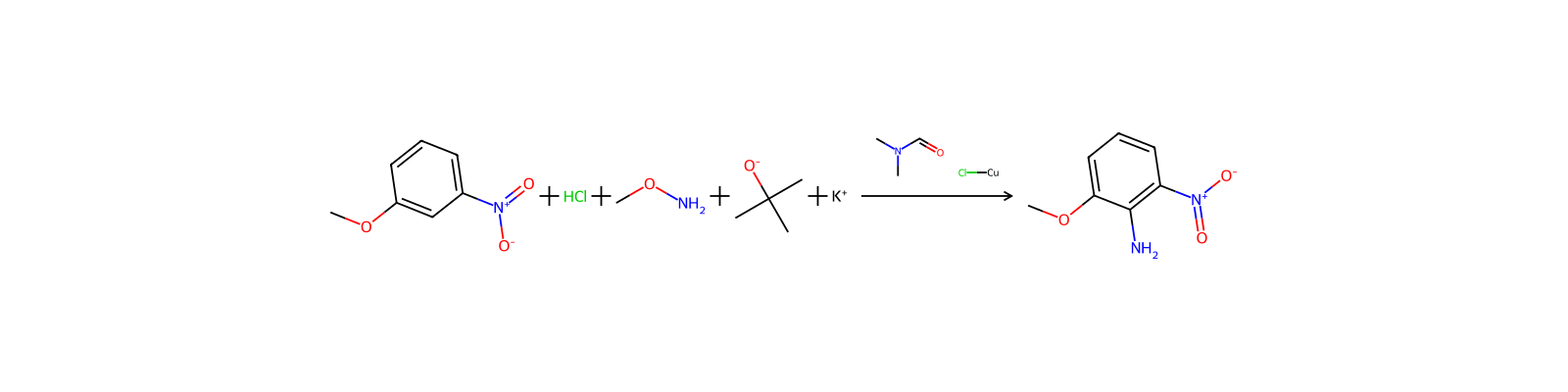
O-メチルヒドロキシルアミン塩酸塩

O-Methylhydroxylamine hydrochloride

HCID 521874
ノートを作成反応を作成見積依頼を出す
印刷プレビュー

データを補完しています。しばらくしてからページを更新すると最新の内容を表示できます

基本情報名称と識別子物性安全と法規制化学と産業関連反応化合物ノート
部分構造検索類似構造を探す

基本情報

CAS
593-56-6
標準SMILES
CON.Cl
InChIKey
XNXVOSBNFZWHBV-UHFFFAOYSA-N
分子式
CH6ClNO
平均分子量
83.52 g/mol
単同位体質量
83.0137915

名称と識別子

優先名称
O-Methylhydroxylamine hydrochloride
IUPAC
O-methylhydroxylamine;hydrochloride
現地名
O-メチルヒドロキシルアミン塩酸塩
英語名
Methoxyamine Hydrochloride
分子式
CH5NO.ClH
分子量
83.52

名称と別名

593-56-6O-METHYLHYDROXYLAMINE HYDROCHLORIDEMethoxyamine hydrochlorideMethoxylamine hydrochloridemethoxyamine HClMethoxyammonium chloride(aminooxy)methane hydrochlorideMethyloxyammonium chlorideMethoxyamine, hydrochlorideNSC-3801Hydroxylamine methyl ether hydrochloride203546OLMF
名称をさらに表示
O-メチルヒドロキシルアミン 塩酸塩 (約5.4mol/L 水溶液)O-メチルヒドロキシルアミン塩酸塩メトキシアミン塩酸塩O-メチルヒドロキシルアミン·塩酸メトキシアミン·塩酸塩O-メチルヒドロキシルアミン·塩酸塩塩酸メトキシルアミンメトキシルアミン塩酸塩メトキシアミン酸塩α-メチルヒドロキシルアミン塩酸メトキシアミン酸ヒドロキシルアミンメチルエーテル塩酸塩O-メチルヒドロキシルアミン塩酸塩 (約40%水溶液, 約5.4mol/L)メトキシアミン塩酸塩 (約40%水溶液, 約5.4mol/L)メトキシルアミン塩酸塩 (約40%水溶液, 約5.4mol/L)O-メチルヒドロキシルアンモニウムクロリドメトキシルアミン塩酸塩, 98+%メトキシアミン 塩酸塩メトキシルアミン 塩酸塩 溶液MAHMETHYLHYDROXYLAMINE HYDROCHLORIDEO-METHOXYAMINE HCLO-METHYLHYDROXYLAMINE HCLO-Methoxylamine Hydrochloride
DTXSID9025615NSC3801TRC-102RefChem:157068DTXCID005615TRC 102209-798-7MFCD00012951

データベース識別子

CAS
593-56-6
PubChem CID
521874
DTXSID
DTXSID9025615
ChEMBL
CHEMBL1609430
UNII
203546OLMF
EC Number
209-798-7

物性

構造計算による物性補完中

極性表面積
35.3 Ų
水素結合供与体数
2
水素結合受容体数
2
回転可能結合数
0
重原子数
4
形式電荷
0
複雑度
4

実験および物理化学的性質

SolubilitySoluble (NTP, 1992)
Melting Point300 to 304 °F (decomposes) (NTP, 1992)
Physical Description · 2 件

O-methylhydroxylamine hydrochloride appears as off-white crystals. (NTP, 1992)

Off-white solid; [CAMEO] Colorless hygroscopic solid; [Sigma-Aldrich MSDS]

物理化学的性質

融点
151 · 151-154 °C(lit.)
沸点
105 · 105-110°C
比重(密度)
1.1 g/mL · 1.1 g/mL at 25 °C
屈折率
20 · n20/D 1.4021
貯蔵温度
Sealed in dry,Room Temperature
溶解性
アルコール: 可溶(lit.)
外見
結晶性粉末
色
白色から非常に薄い黄色
水溶解度
溶ける
Merck
14 · 14,5989
BRN
3589723 · 3589723
InChI
1S/CH5NO.ClH/c1-3-2;/h2H2,1H3;1H
InChIKey
XNXVOSBNFZWHBV-UHFFFAOYSA-N

安全と法規制

安全情報は参考情報です。供給元の安全データシート(SDS)、適用法令、専門家による評価に代わるものではありません。

GHS分類

GHS Classification · 5 件

Danger

H302+H312 (46.7%): Harmful if swallowed or in contact with skin [Warning Acute toxicity, oral; acute toxicity, dermal];H302 (76.4%): Harmful if swallowed [Warning Acute toxicity, oral];H312 (75.6%): Harmful in contact with skin [Warning Acute toxicity, dermal];H314 (26.7%): Causes severe skin burns and eye damage [Danger Skin corrosion/irritation];H315 (27.1%): Causes skin irritation [Warning Skin corrosion/irritation];H317 (80%): May cause an allergic skin reaction [Warning Sensitization, Skin];H318 (73.3%): Causes serious eye damage [Danger Serious eye damage/eye irritation];H351 (74.2%): Suspected of causing cancer [Warning Carcinogenicity];H372 (27.1%): Causes damage to organs through prolonged or repeated exposure [Danger Specific target organ toxicity, repeated exposure];H373 (52%): May causes damage to organs through prolonged or repeated exposure [Warning Specific target organ toxicity, repeated exposure];H400 (98.7%): Very toxic to aquatic life [Warning Hazardous to the aquatic environment, acute hazard];H412 (71.6%): Harmful to aquatic life with long lasting effects [Hazardous to the aquatic environment, long-term hazard]

P203, P260, P261, P264, P264+P265, P270, P272, P273, P280, P301+P317, P301+P330+P331, P302+P352, P302+P361+P354, P304+P340, P305+P354+P338, P316, P317, P318, P319, P321, P330, P332+P317, P333+P317, P362+P364, P363, P391, P405, and P501 (click each P-code to see the statement)

Aggregated GHS information provided per 225 reports by companies from 22 notifications to the ECHA C&L Inventory. Each notification may be associated with multiple companies.;Information may vary between notifications depending on impurities, additives, and other factors. The percentage value in parenthesis indicates the notified classification ratio from companies that provide hazard codes. Only hazard codes with percentage values above 10% are shown. For more detailed information, please visit ECHA C&L website.

危険有害性情報

Regulatory Information · 3 件

Chemical: Hydroxylamine, O-methyl-, hydrochloride

Status: Active Update: 17-05-2023 https://echa.europa.eu/registration-dossier/-/registered-dossier/13115;Status: Active Update: 21-01-2016 https://echa.europa.eu/registration-dossier/-/registered-dossier/16768

化学と産業

用途と製造

UsesUsed as an analytical reagent for aldehydes and ketones; [NTP]
General Manufacturing InformationHydroxylamine, O-methyl-, hydrochloride (1:1): ACTIVE
応用分野 · 4 件

用途有機合成原料。

説明Methoxamine hydrochloride, also known as methoxamine hydrochloride, O-methyl hydroxylamine hydrochloride. It is a white crystalline powder, and its fusing point is 149 ~ 152°C, soluble in water, dissolved in alcohol, insoluble in ether and toluene, etc., and the solution is in acid. Methoxamine hydrochloride is an important chemical and medicine intermediate, can be used for the development and printing of color photography and film, and is widely used in the synthesis of medicine, functional dye, low-toxin farm chemicals, and new herbicides. Methoxamine hydrochloride is mainly used in the synthesis of s-generation cephalosporin product cephalofruxin in medical, and sulfamethoxazole; alkynes promise are bright, the synthesis of hydroxyurea, etc.; Agricultural chemicals aspect is then mainly used in the kresoxim-methyl of synthesizing efficient low toxicity.

使用antineoplastic, hydroxymethyltransferase inhibitor

一般的な説明Off-white crystals.

調製方法

純化方法Crystallise the hydrochloride from absolute EtOH or EtOH by addition of diethyl ether. [Kovach et al. J Am Chem Soc 107 7360 1985, Beilstein 1 IV 1252.]

上流・下流製品情報

上流原料

2-メトキシイソインドリン-1,3-ジオン塩酸1,4-ジオキサン

関連反応

1,213 件
反応記録を作成
HRID 821 の反応式
HRID 821反応物としてuspto-grants-1998_03
HRID 4903 の反応式
HRID 4903反応物としてuspto-grants-1993_09
HRID 4908 の反応式
HRID 4908反応物としてuspto-grants-1993_09
HRID 5951 の反応式
HRID 5951反応物としてuspto-grants-1993_09
HRID 5965 の反応式
HRID 5965反応物としてuspto-grants-1993_09
HRID 7088 の反応式
HRID 7088反応物としてuspto-grants-2006_08
HRID 7090 の反応式
HRID 7090反応物としてuspto-grants-2006_08
HRID 12346 の反応式
HRID 12346反応物としてuspto-grants-2010_06
1 / 152 ページ

化合物ノート

読み込み中…

このページの内容基本情報名称と識別子物性安全と法規制化学と産業関連反応化合物ノート
その他の操作
ノートを作成反応を作成見積依頼を出す
SMILES
Cl.CON
CAS データベース
593 · 593-56-6(CAS DataBase Reference)
EPAの化学物質情報
O-Methylhydroxylamine hydrochloride (593-56-6)

化学的性質

化学的特性White to very faintly yellow crystalline powder

Methoxyammonium chloride: Does not have an individual approval but may be used under an appropriate group standard

DOT LabelCorrosive
Fire HazardsFlash point data for this chemical are not available. It is probably combustible. (NTP, 1992)
Health Hazards · 1 件

SYMPTOMS: Symptoms of exposure to this compound may include burns to the skin, eyes and mucous membranes.;ACUTE/CHRONIC HAZARDS: This compound causes strong irritation to the eyes, skin and mucous membranes on contact. It is corrosive. (NTP, 1992)

Hazards SummaryCauses burns; [CAMEO] Causes severe irritation or burns to skin, eyes, and mucous membranes; [NTP] Causes burns; Inhalation may cause corrosive injuries to upper respiratory tract and lungs; [Sigma-Aldrich MSDS] See Methoxyamine.
Reactive GroupEthers;Salts, Acidic
Reactivity Profile · 1 件

In aqueous solution, O-METHYLHYDROXYLAMINE HYDROCHLORIDE behaves as an acid. Materials in this group are generally soluble in water. The resulting solutions contain moderate concentrations of hydrogen ions and have pH's of less than 7.0. They react as acids to neutralize bases. These neutralizations generate heat, but less or far less than is generated by neutralization of inorganic acids, inorganic oxoacids, and carboxylic acid. They usually do not react as either oxidizing agents or reducing agents but such behavior is not impossible. Many of these compounds catalyze organic reactions.

Air and Water ReactionsWater soluble.
Hazard Classes and CategoriesAcute Tox. 4 (76.4%);Acute Tox. 4 (75.6%);Skin Corr. 1B (26.7%);Skin Irrit. 2 (27.1%);Skin Sens. 1B (80%);Eye Dam. 1 (73.3%);Carc. 2 (74.2%);STOT RE 1 (27.1%);STOT RE 2 (52%);Aquatic Acute 1 (98.7%);Aquatic Chronic 3 (71.6%)

安全と保護具

Fire FightingFires involving this material can be controlled with a dry chemical, carbon dioxide or Halon extinguisher. (NTP, 1992)
First Aid · 1 件

EYES: First check the victim for contact lenses and remove if present. Flush victim's eyes with water or normal saline solution for 20 to 30 minutes while simultaneously calling a hospital or poison control center. Do not put any ointments, oils, or medication in the victim's eyes without specific instructions from a physician. IMMEDIATELY transport the victim after flushing eyes to a hospital even if no symptoms (such as redness or irritation) develop.;SKIN: IMMEDIATELY flood affected skin with water while removing and isolating all contaminated clothing. Gently wash all affected skin areas thoroughly with soap and water. IMMEDIATELY call a hospital or poison control center even if no symptoms (such as redness or irritation) develop. IMMEDIATELY transport the victim to a hospital for treatment after washing the affected areas.;INHALATION: IMMEDIATELY leave the contaminated area; take deep breaths of fresh air. If symptoms (such as wheezing, coughing, shortness of breath, or burning in the mouth, throat, or chest) develop, call a physician and be prepared to transport the victim to a hospital. Provide proper respiratory protection to rescuers entering an unknown atmosphere. Whenever possible, Self-Contained Breathing Apparatus (SCBA) should be used; if not available, use a level of protection greater than or equal to that advised under Protective Clothing.;INGESTION: DO NOT INDUCE VOMITING. Corrosive chemicals will destroy the membranes of the mouth, throat, and esophagus and, in addition, have a high risk of being aspirated into the victim's lungs during vomiting which increases the medical problems. If the victim is conscious and not convulsing, give 1 or 2 glasses of water to dilute the chemical and IMMEDIATELY call a hospital or poison control center. IMMEDIATELY transport the victim to a hospital. If the victim is convulsing or unconscious, do not give anything by mouth, ensure that the victim's airway is open and lay the victim on his/her side with the head lower than the body. DO NOT INDUCE VOMITING. Transport the victim IMMEDIATELY to a hospital. (NTP, 1992)

Nonfire Spill Response · 1 件

SMALL SPILLS AND LEAKAGE: If you spill this chemical, you should dampen the solid spill material with water, then transfer the dampened material to a suitable container. Use absorbent paper dampened with water to pick up any remaining material. Seal your contaminated clothing and the absorbent paper in a vapor-tight plastic bag for eventual disposal. Wash all contaminated surfaces with a soap and water solution. Do not reenter the contaminated area until the Safety Officer (or other responsible person) has verified that the area has been properly cleaned.;STORAGE PRECAUTIONS: You should store this material in a refrigerator. (NTP, 1992)

Isolation and Evacuation · 1 件

Excerpt from ERG Guide 154 [Substances - Toxic and/or Corrosive (Non-Combustible)]:;IMMEDIATE PRECAUTIONARY MEASURE: Isolate spill or leak area in all directions for at least 50 meters (150 feet) for liquids and at least 25 meters (75 feet) for solids.;SPILL: Increase the immediate precautionary measure distance, in the downwind direction, as necessary.;FIRE: If tank, rail tank car or highway tank is involved in a fire, ISOLATE for 800 meters (1/2 mile) in all directions; also, consider initial evacuation for 800 meters (1/2 mile) in all directions. (ERG, 2024)

Personal Protective Equipment (PPE) · 1 件

MINIMUM PROTECTIVE CLOTHING: If Tyvek-type disposable protective clothing is not worn during handling of this chemical, wear disposable Tyvek-type sleeves taped to your gloves.;RECOMMENDED RESPIRATOR: Where the neat test chemical is weighed and diluted, wear a NIOSH-approved half face respirator equipped with an organic vapor/acid gas cartridge (specific for organic vapors, HCl, acid gas and SO2) with a dust/mist filter. Splash proof safety goggles should be worn while handling this chemical. Alternatively, a full face respirator, equipped as above, may be used to provide simultaneous eye and respiratory protection. (NTP, 1992)

毒性情報

Adverse EffectsDermatotoxin - Skin burns.;Toxic Pneumonitis - Inflammation of the lungs induced by inhalation of metal fumes or toxic gases and vapors.

法規制情報

Regulatory Information · 3 件

Chemical: Hydroxylamine, O-methyl-, hydrochloride

Status: Active Update: 17-05-2023 https://echa.europa.eu/registration-dossier/-/registered-dossier/13115;Status: Active Update: 21-01-2016 https://echa.europa.eu/registration-dossier/-/registered-dossier/16768

Methoxyammonium chloride: Does not have an individual approval but may be used under an appropriate group standard

安全データ

F
3-10
wgk
3
tsca
TSCA listed
rtecs
NC3980000
ridadr
UN 3265 8/PG 2
hs_code
2928 00 90
risk_code
34-36/37/38-50-43-20/21/22-37-35
hazard_code
C,Xi,N
hazard_note
Corrosive/Hygroscopic
safety_code
3-24-26-36/37/39-45-61-24/25-27
hazard_class
8
packing_group
III
Hazard Classifications
Acute Tox. 4 DermalAcute Tox. 4 OralAquatic Acute 1Aquatic Chronic 1Carc. 2Eye Irrit. 2Met. Corr. 1Skin Irrit. 2Skin Sens. 1STOT RE 1
ストレージクラス
6.1C - Combustible acute toxic Cat.3toxic compounds or compounds which causing chronic effects
ジクロロメタン
メチルヒドラジン

下流製品

4-Nitro-pyridin-3-ylamineMethoxyimino-acetic acidピリジン-2,3,6-トリアミン[3-ethoxy-2-(methoxyimino)-3-oxopropyl](triphenyl)phosphonium bromide1H-Pyrrole-2-carboxamide, N-methoxy-1-BOC-3-(ヒドロキシイミノ)アゼチジン2-(methoxyimino)acetic acidSYN-2-メトキシイミノ-2-(2-フリル)-酢酸アンモニウム3-(4-chlorophenyl)-N-methoxy-N-methylacrylamide(R)-Methyl 1-(MethoxyaMino)-1-oxo-3-phenylpropan-2-ylcarbaMate3,4-ジヒドロ-2H-1-ベンゾチオピラン-4-アミン・塩酸塩ミラメリン塩酸塩