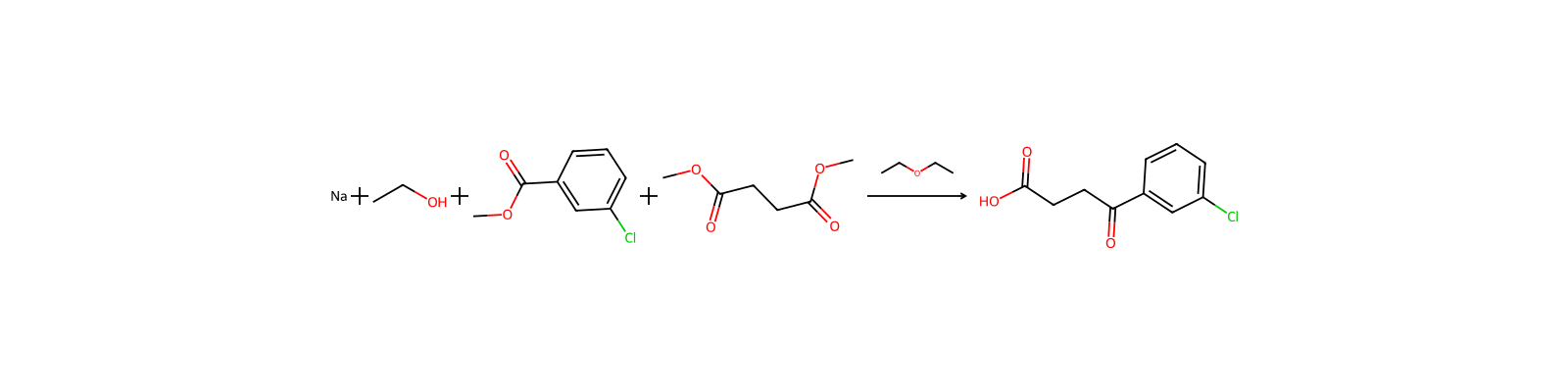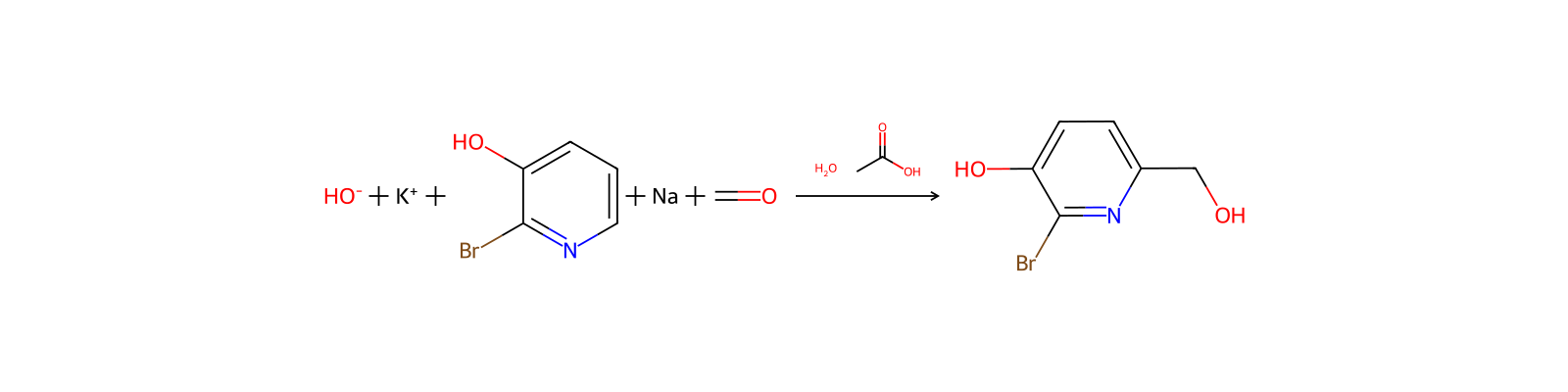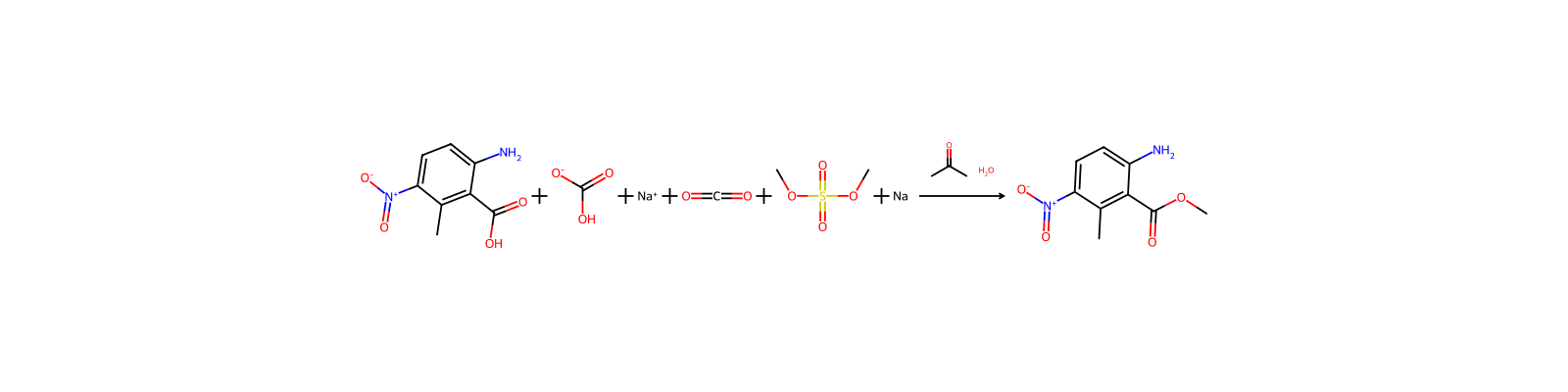
HRID 807反応物として
Sodium

7440-23-5[Na]KEAYESYHFKHZAL-UHFFFAOYSA-NSodium appears as a silvery soft metal that becomes grayish white upon exposure to air. Shipped as a solid or molten liquid. Burns violently with explosions that may spatter the material. Used for making gasoline additives, electric power cable, sodium lamps, other chemicals.
7440-23-5DTXSID1049774CHEBI:26708Metals -> Elements, Metallic
Flammable agents - 3rd degree
Major ion
0.971 at 68 °F (USCG, 1999) - Less dense than water; will float
0.968 g/cu cm at 20 °C
Ionization potential: 5.139 V; thermal conductivity: 132.3W/m K at 293.15 K; electrical resistivity: 4.77x10⁻⁸ Ohm m at 293 K; critical density: 206 kg/cu m; atomic radius in metallic lattice: 189.6 pm
0.97 g/cm³
0.97 @25 °C
Light, silvery-white metal; body-centered cubic structure; lustrous when freshly cut; tarnishes on exposure to air, becoming dull and gray; soft at ordinary temperature, fairly hard at -20 °C
Waxlike at room temperature, brittle at low temperatures
Light, soft, ductile, malleable, silver-white metal
Insoluble in benzene, kerosene, naphtha
Dissolves in liquid ammonia to give blue solution: dissolves in mercury, forming sodium amalgam
Solubility in water: reaction
安全情報は参考情報です。供給元の安全データシート(SDS)、適用法令、専門家による評価に代わるものではありません。
Danger
H260: In contact with water releases flammable gases which may ignite spontaneously [Danger Substances and mixtures which in contact with water, emit flammable gases]
P223, P231+P232, P260, P264, P280, P301+P330+P331, P302+P335+P334, P302+P361+P354, P304+P340, P305+P354+P338, P316, P321, P363, P370+P378, P402+P404, P405, and P501 (click each P-code to see the statement)
Danger
H260 (100%): In contact with water releases flammable gases which may ignite spontaneously [Danger Substances and mixtures which in contact with water, emit flammable gases]
P223, P231+P232, P260, P264, P264+P265, P280, P301+P330+P331, P302+P335+P334, P302+P361+P354, P304+P340, P305+P354+P338, P316, P317, P321, P363, P370+P378, P402+P404, P405, and P501 (click each P-code to see the statement)
Chemical: Sodium
Hazard Traits - Environmental tox
Sodium is listed on the EPA's Chemical Data Reporting (CDR) system. Manufacturers and importers of Sodium are required to report information about their production and use of this chemical to the EPA under the Toxic Substances Control Act (TSCA). (40 eCFR Part 711)
REACH registered substance: Sodium (EC: 231-132-9)
Sodium: HSNO Approval: HSR001293 Approved with controls
The New Jersey Worker and Community Right to Know Act requires public and private employers to provide information about hazardous substances at their workplaces. (N.J.S.A. 34:5A-1 et. seq.)
Special Hazards of Combustion Products: Fumes of burning Na are highly irritating to skin, eyes, and mucous membranes. (USCG, 1999)
MFR OF SODIUM CMPD, SUCH AS CYANIDE, AZIDE, PEROXIDE, ETC; IN MFR OF TETRAETHYL LEAD; IN ORG SYNTHESES; FOR PHOTOELECTRIC CELLS; IN SODIUM LAMPS; ALLOYED WITH POTASSIUM IN HEAT TRANSFER MEDIA.
IMPROVE STRUCTURE OF CERTAIN ALLOYS, TO DESCALE METAL, TO PURIFY MOLTEN METALS, IN REDUCTION OF ORG ESTERS.
CHEM INT FOR SODIUM HYDRIDE; CHEMICAL INT & CATALYST IN NUMEROUS MISC APPLICATIONS; REDUCING AGENT FOR METALS.
LABORATORY REAGENT; COOLANT IN NUCLEAR REACTORS; ELECTRIC POWER CABLE (ENCASED IN POLYETHYLENE); RADIOACTIVE FORMS IN TRACER STUDIES & MEDICINE; HEAT TRANSFER AGENT IN SOLAR-POWERED ELECTRIC GENERATORS.
(1972) 2.9X10+5 GRAMS (INCL CESIUM & POTASSIUM)
(1975) 1.98X10+6 G (INCL CESIUM & POTASSIUM)
2023: 55,000,000 - <70,000,000 lb
(1972) 1.45X10+11 GRAMS
(1975) 1.31X10+11 GRAMS
(1984) 8.58X10+10 g
80% AS A CHEMICAL INTERMEDIATE FOR TETRAALKYL LEAD GASOLINE ADDITIVES; 7% AS A REDUCING AGENT FOR METALS; 13% IN OTHER APPLICATIONS (1974)
Lead antiknocks (tetraethyl and tetramethyl lead), 30%; Titanium reduction, 27%; Misc, including catalysts, pulp bleaching metal descaling, dyes, pharmaceuticals, perfumes, and herbicide, 23%; exports, 20% (1985)
ELECTROLYSIS OF A FUSED MIXTURE OF SODIUM CHLORIDE & CALCIUM CHLORIDE.
PREPARED BY ... ELECTROLYSIS OF FUSED SODIUM HYDROXIDE.
1621 °F at 760 mmHg (USCG, 1999)
881.4 °C
880 °C
882.94 °C @760 [mm Hg]
VIOLENTLY DECOMPOSES WATER, FORMING SODIUM HYDROXIDE & HYDROGEN ... .
Decomp water & alcohol.
207.5 °F (USCG, 1999)
97.82 °C
Alkali metal; valence 1; naturally occurring isotope (stable): 23 (100%); heat capacity (solid): 0.292 cal/g °C; heat capacity (liquid at melting point): 0.331 cal/g °C; heat of fusion: 27.05 cal/g; reduction potential (aqueous) Na/Na+: 2.714 V; reacts vigorously with oxygen, burning with a yellow flame;; combines directly with the halogens, with phosphorus; reduces most oxides to the elemental state, reduces metallic chlorides; when heated in ammonia gas yields sodamide
97.4 °C
97.794 °C
1.2 [mmHg]
0.000185 Pa (1.39X10⁻⁶ mm Hg) at 400 K (127 °C); 5.60 Pa (0.042 mm Hg) at 600 K (327 °C)
Vapor pressure at 20 °C: negligible
化学的特性Sodium is a soft silvery white metallic element. Pyrophoric solid or molten liquid. Odorless, oxidizing rapidly in air; waxlike at room temperature, brittle at low temperatures. Store in airtight containers or in naphtha or similar liquid that does not contain water or free oxygen. Decomposes water on contact, with evolution of hydrogen to form sodium hydroxide; insoluble in benzene, kerosene, and naphtha. Has excellent elec- trical conductivity and high heat-absorbing capacity.
· Produce flammable gases on contact with water.
Highly flammable. Many reactions may cause fire or explosion. Gives off irritating or toxic fumes (or gases) in a fire. Risk of fire and explosion on contact with acids, halogens or water.
VIOLENTLY DECOMPOSES WATER, FORMING SODIUM HYDROXIDE & HYDROGEN WHICH MAY IGNITE SPONTANEOUSLY.
HEATED SODIUM IS SPONTANEOUSLY FLAMMABLE IN AIR.
... Combustible solid. May ignite spontaneously on exposure to moist air ...
... /Sodium/ is to some extent pyrophoric. Dispersions of sodium in volatile solvents may become pyrophoric if the solvent evaporates round the neck of a container.
The ignition temp of sodium in air depends on size of surface exposed: vapor ignites at room temp; droplets at about 250 °F; an agitated pool at 400 °F; a calm pool at 500 to 800 °F. In the absence of moisture and hydrogen, the reaction is insignificant below 1000 °F.
Severe burns caused by burning metal or by caustic soda formed by reaction with moisture on skin. (USCG, 1999)
· Inhalation or contact with vapors, substance or decomposition products may cause severe injury or death.
Can cause second or third degree burns after brief skin contact. [CHRIS] Reacts violently with water releasing hydrogen gas, which will ignite and explode in air; Reacts rapidly with moisture in air or tissues to form caustic sodium hydroxide; [CHEMINFO MSDS]
Excerpt from ERG Guide 138 [Substances - Water-Reactive (Emitting Flammable Gases)]:
Use special powder, dry sand. NO other agents. Combat fire from a sheltered position.
Fresh air, rest. Half-upright position. Artificial respiration may be needed. Refer for medical attention.
Remove contaminated clothes. Rinse skin with plenty of water or shower. Refer for medical attention .
First rinse with plenty of water for several minutes (remove contact lenses if easily possible), then refer for medical attention.
Rinse mouth. Refer for medical attention .
· CALL 911. Then call emergency response telephone number on shipping paper. If shipping paper not available or no answer, refer to appropriate telephone number listed on the inside back cover.
· ELIMINATE all ignition sources (no smoking, flares, sparks or flames) from immediate area.
SKIN: brush off any metal, then flood with water for at least 15 min.; treat as heat or caustic burn; call a doctor. (USCG, 1999)
General First Aid:
... Improved methods for extinction of liq sodium ... fires are described which involve application of low-melting inorganic powder mixtures which melt and form a protective crust. Mixtures of sodium carbonate or graphite, with lithium carbonate, sodium chloride or sodium fluoride are very effective for sodium.
use approved Class D extinguishers or smother with dry sand, dry clay, or dry ground limestone. DO NOT use carbon dioxide or halogenated extinguishing agents. DO NOT use water. Violent reaction may result.
If material on fire or involved in fire: Do not use water. Do not use carbon dioxide. Use graphite, soda ash, powdered sodium chloride, or suitable dry powder.
Sodium and carbon dioxide are normally unreactive till red-heat has been attained, but mixtures of the 2 solids are impact-sensitive and explode violently. Carbon dioxide is unsuitable as an extinguishant for the burning metal alone, as the intensity of combustion is incr by replacing air with carbon dioxide (72.7% oxygen content). However it has been used successfully to extinguish solvent fires where sodium was also present, since it often fails to ignite because of the blanketing effect of solvent vapor. Conversely addition of kerosene to burning sodium enables the whole to be extinguished with carbon dioxide. Finely divided silica (sand) will often react with burning sodium, so is not entirely suitable as an extinguishant. (Anhydrous sodium carbonate and sodium chloride are suitably unreactive for this purpose) ...
Store in cool, dry, well-ventilated location. Separate from water.
Serum cap closures are safer than screw caps.
Sodium must be stored to avoid contact with water, halogenated hydrocarbons, phosphorus and phosphorus compounds and sulfur and sulfur compounds since violent reactions occur. Protect storage containers from physical damage. Keep in an inert atmosphere or under oil. Requires special precautions to avoid contact with moisture, including condensation from other objects and perspiration. Store in a dry, fire resistive room exclusively for sodium storage. Sprinkler systems should not be used, so keep combustibles away. Remove only the amount of sodium needed for immediate use and place dry in a friction top metal can under a layer of oil. Transport in a special container with a tight fitting cover.
One-pound bricks and smaller amounts may be encountered in chemistry laboratories, where it is usually protected from the air by immersion in an aliphatic oil.
Keep water away from release. Do not create dust. Shovel into suitable dry container.
Absorb spilled sodium dry, cover remainder with kerosine, paraffin oil or dry sand, eliminate last traces with methylated spirit.
Evacuate persons not wearing protective equipment from area of spill or leak until clean-up is complete. Remove all ignition sources. Put on proper protective equipment. Blanket with appropriate inert material. Scoop up and place in a suitable, sealed container. Ventilare area after clean-up is complete. It may be necessary to contain and dispose of this chemical as a hazardous waste. If material or contaminated runoff enters waterways, notify downstreen users of potentially contaminated waters...
This chemical is a combustible solid. A severe fire risk on contact with water or moisture. Blanket with dry soda-ash, graphite, salt, dry limestone or other approved dry powder. Do NOT use water, carbon dioxide or halogenated extingushers.
For more Cleanup Methods (Complete) data for SODIUM (6 total), please visit the HSDB record page.
SRP: The most favorable course of action is to use an alternative chemical product with less inherent propensity for occupational exposure or environmental contamination. Recycle any unused portion of the material for its approved use or return it to the manufacturer or supplier. Ultimate disposal of the chemical must consider: the material's impact on air quality; potential migration in soil or water; effects on animal, aquatic, and plant life; and conformance with environmental and public health regulations.
Incineration with absorption of oxide fumes.
SCRAPS ... SHOULD BE DESTROYED BY REACTION WITH N-BUTYL ALCOHOL.
In a discussion of safe methods for lab use of sodium, disposal of small quantities (up to 5 to 10 g) by immersion on isopropanol, which may contain up to 2% of water to incr the rate of reaction, is recommended. Quantities up to 50 g should be burned in a heavy metal dish, using a gas flame, (with suitable arrangements for dispersion or absorption of the alkaline particulate smoke so produced).
Cough. Sore throat. Burning sensation.
Pain. Blisters. Serious skin burns.
Severe deep burns. Loss of vision.
Burning sensation. Shock or collapse.
Before beginning employment and at regular times after that, for those with frequent or potentially high exposure to sodium metal, the following are recommended: lung function tests. If symptoms develop or overexposure is suspected, the following may be useful: consider chest x-ray after acute overexposure.
Occurrence in earth's crust: 2.83% by wt; principal cation in hydrosphere. ... found in form of its cmpd, halides, silicates, carbonates; does not occur free.
Sodium is present in fair abundance in sun and stars. D-lines of sodium are among most prominent in solar spectrum. ... 6th most abundant element on earth ... most abundant of alkali group of metals ... most common cmpd is sodium chloride ... other minerals ... soda niter, cryolite, amphibole, zeolite, sodalite ... .
/SIGNS AND SYMPTOMS/ Short-Term Exposure: Inhalation: Contact with water, including perspiration, causes the formation of sodium hydroxide fumes which are highly irritating to skin, eyes, nose and throat. May cause sneezing and coughing. Very severe exposures may result in difficult breathing, coughing, and chemical bronchitis. High exposures can cause pulmonary edema, a medical emergency that can be delayed for several hours. This can cause death. Skin: Contact may cause itching, tingling, thermal and caustic burns and may cause permanent damage. Eyes: May cause tearing, very painful irritation, and burns. Contact with eyes may result in permanent damage and loss of sight. Ingestion: Causes immediate intense burning sensation in mouth, throat and stomach, followed by salivation, vomiting, rapid breathing, symptoms of shock, diarrhea, loss of consciousness and death.
/SIGNS AND SYMPTOMS/ Occasional severe burns of eyes which have been caused by sodium are attributable principally to sodium hydroxide.
/SIGNS AND SYMPTOMS/ Extremely caustic to all tissue.
/SIGNS AND SYMPTOMS/ Corrosive. Causes severe eye and skin burns.
Basic treatment: Establish a patent airway (oropharyngeal or nasopharyngeal airway, if needed). Suction if necessary. Watch for signs of respiratory insufficiency and assist ventilations if necessary. Administer oxygen by nonrebreather mask at 10 to 15 L/min. Monitor for pulmonary edema and treat if necessary ... . Monitor for shock and treat if necessary ... . Anticipate seizures and treat if necessary ... . For eye contamination, flush eyes immediately with water. Irrigate each eye continuously with 0.9% saline (NS) during transport ... . Do not use emetics. For ingestion, rinse mouth and administer 5 ml/kg up to 200 ml of water for dilution if the patient can swallow, has a strong gag reflex, and does not drool ... . If product was ingested, protect yourself from contact with vomitus, since it may cause burns. /Flammable Solids/
Advanced treatment: Consider orotracheal or nasotracheal intubation for airway control in the patient who is unconscious, has severe pulmonary edema, or is in severe respiratory distress. Positive-pressure ventilation techniques with a bag valve mask device may be beneficial. Consider drug therapy for pulmonary edema ... . Monitor cardiac rhythm and treat arrhythmias as necessary ... . Start IV administration of D5W /SRP: "To keep open", minimal flow rate/. Use 0.9% saline (NS) or lactated Ringer's if signs of hypovolemia are present. For hypotension with signs of hypovolemia, administer fluid cautiously. Watch for signs of fluid overload ... . Monitor for signs of hypoglycemia (decreased level of consciousness, tachycardia, pallor, dilated pupils,diaphoresis, and/or readings below 50 mg/dl on dextrose strip 130 or glucometer) and administer 50% dextrose if necessary. Draw blood sample before administration ... . Treat seizures with diazepam or lorazepam ... . Use proparacaine hydrochloride to assist eye irrigation ... . /Flammable solids/
Sodium
Major ion
Smith, C.D. and Nowell, L.H., 2024. Health-Based Screening Levels for evaluating water-quality data (3rd ed.). DOI:10.5066/F71C1TWP
Persons in charge of vessels or facilities are required to notify the National Response Center (NRC) immediately, when there is a release of this designated hazardous substance, in an amount equal to or greater than its reportable quantity of 10 lb or 4.54 kg. The toll free number of the NRC is (800) 424-8802. The rule for determining when notification is required is stated in 40 CFR 302.4 (section IV. D.3.b).
Sodium is designated as a hazardous substance under section 311(b)(2)(A) of the Federal Water Pollution Control Act and further regulated by the Clean Water Act Amendments of 1977 and 1978. These regulations apply to discharges of this substance. This designation includes any isomers and hydrates, as well as any solutions and mixtures containing this substance.
GRADES: COMMERCIAL; TECHNICAL; BRICK, AMALGAM; COATED POWDERS; DISPERSIONS ... REACTOR (99.99% PURE)
Available as regular and reactor grades with a min purity of about 99.95%.
Bricks, fused solid: regular and low-calcium grades. Tank car, tank truck, 230-, 280-, 320-, and 420-lb nonreturnable drums.
All Other Basic Organic Chemical Manufacturing
Sodium: ACTIVE
Ethyl phased out its /Baton Rouge, LA/ sodium plant in January, 1985.
Violently decomposes water, forming sodium hydroxide and hydrogen which may ignite spontaneously; decomposes alcohol
解説ナトリウム,Na.原子番号11の元素.電子配置1s22s22p63s1の周期表1族元素.原子量22.99.安定同位体は 23Na だけであるが,ほかに6種類の放射性同位体が知られている.海水中には塩化ナトリウムとして約3% 含まれている.ナトリウムの水酸化物または塩化物の融解電解により得られる.真空蒸留により精製する.銀白色の軟らかい金属.等軸晶系.体心立方格子構造.格子定数a = 0.428 nm(20 ℃).融点97.8 ℃,沸点883 ℃.密度0.971 g cm-3(20 ℃).融解熱2.63 kJ mol-1.イオン化電位5.138 eV.炎色反応は黄色.空気中で酸化されてただちに光沢を失う.水とはげしく反応して水素を発生し,水酸化ナトリウムとなる.このとき,生成する反応熱のため水素が発火することもある.ハロゲン,酸素,ホウ素,炭素,ケイ素,硫黄族の元素とはげしく反応し,リン,ヒ素,水素とも化合する.アンモニアと反応しナトリウムアミドを生じる.高温では二酸化炭素,ケイ酸塩などとも反応し,ガラス,磁器を侵す.酸とは爆発的に反応する.塩においては酸化数1のイオンとして存在し,塩は一般に無色で,水に易溶で結晶水をもつものが多く,潮解性のものも少なくない.原子炉の冷却剤,ナトリウム化合物の製造,有機合成の還元剤,チタン・ジルコニウムなどの金属の製造,陰イオン重合触媒などに用いられる.
用途シアン化ナトリウムの製造、過酸化ナトリウムの製造、染料、医薬品、有機合成
説明In its ionic form, sodium is one of the most important biological nutrients and is found nearly everywhere on Earth. Although it was isolated as a free metal in 1807 by Sir Humphry Davy and makes up 2.83% of Earth’s lithosphere, it is not found in its metallic form in nature. Pure sodium is extremely reactive, particularly with water to form explosive hydrogen gas and lye (NaOH); it can also react with water vapor in air or biological tissues. Mined and refined salts from terrestrial and aquatic sources contain sodium in the form of sodium chloride, sodium iodide, and other compounds. Natron, a naturally occurring mixture of sodium compounds, has been used since the time of the ancient Egyptians, and sodium compounds are essential to numerous industries, including those involving glass, paper, and soap production. Since it does not occur in its metallic form in nature, pure sodium metal must be produced industrially, which is accomplished via electrolysis of molten sodium chloride.
天然物の起源Sodium is the sixth most abundant of the Earth’s elements. Since it is a highly electropositive metal and so reactive with nonmetals, it is not found in its pure elemental form on Earth.Rather, it is found in numerous compounds in relatively abundant quantities. About 2.83%of the Earth’s crust consists of sodium in compounds.Sodium is produced by an electrolytic process, similar to the other alkali earth metals. (Seefigure 4.1). The difference is the electrolyte, which is molten sodium chloride (NaCl, common table salt). A high temperature is required to melt the salt, allowing the sodium cationsto collect at the cathode as liquid metallic sodium, while the chlorine anions are liberated aschlorine gas at the anode: 2NaCl (salt) + electrolysis → Cl2↑ (gas) + 2Na (sodium metal). Thecommercial electrolytic process is referred to as a Downs cell, and at temperatures over 800°C,the liquid sodium metal is drained off as it is produced at the cathode. After chlorine, sodiumis the most abundant element found in solution in seawater.
使用manufacture of sodium Compounds, such as the cyanide, azide, peroxide, etc.; manufacture of tetraethyllead; manufacture of refractory metals; in org syntheses; for photoelectric cells; in sodium lamps; as catalyst for many polymerization reactions. Alloyed with potassium in heat transfer media.
一般的な説明Sodium,Na, melts at 97.8°C and boils at 892°C. It is silver-white in color, is soft and malleable, and oxidizes in air. When exposed to air, a silvery soft metal that becomes grayish white upon. It occurs naturally only in the forms of its salts. Shipped as a solid or molten liquid. Burns violently with explosions that may spatter the material. Sodium is used as a chemical intermediate. and in pharmaceuticals, petroleum refining and metallurgy, electric power cable, Sodium lamps, other chemicals.
使用用途ナトリウムは、反応性が高いため、金属を精錬する際の還元剤や触媒として用いることが可能です。 さらに、融点が低く熱伝導率が良いことを利用して、高速増殖炉の冷却剤など、冷却を目的として利用されることもあります。そのほか、が高速道路やトンネルの中で使われていたり、石鹸にナトリウムが含まれていたり、身近なところで広く利用されています。 また、ナトリウムは人体にも欠かすことのできないミネラルで、筋肉や神経を正常に保つ働きを担っている元素です。
Sodium is an essential element needed for all organic life. Sodium is produced commercially through the electrolysis of liquid sodium chloride mixed with calcium chloride in a Downs Cell. Very pure sodium can be isolated by the thermal decomposition of sodium azide (NaN3). Sodium, in its metallic form, can be used to refine some reactive metals, such as zirconium and potassium, from their compounds and is very important in making esters.
純化方法The metal is placed on a coarse grade of sintered-glass filter, melted under vacuum and forced through the filter using argon. The Pyrex apparatus is then re-evacuated and sealed off below the filter, so that the sodium could be distilled at 460o through a side arm and condenser into a receiver bulb which is then sealed off [Gunn & Green J Am Chem Soc 80 4782 1958]. EXPLODES and IGNITES in water.
定義sodium: Symbol Na. A soft silveryreactive element belonging to group1 (formerly IA) of the periodic table(see alkali metals); a.n. 11; r.a.m.22.9898; r.d. 0.97; m.p. 97.8°C; b.p.882–889°C. Sodium occurs as thechloride in sea water and in the mineralhalite. It is extracted by electrolysisin a Downs cell. The metal isused as a reducing agent in certainreactions and liquid sodium is also acoolant in nuclear reactors. Chemically,it is highly reactive, oxidizingin air and reacting violently withwater (it is kept under oil). It dissolvesin liquid ammonia to formblue solutions containing solvatedelectrons. Sodium is a major essentialelement required by living organisms.The element was first isolatedby Humphry Davy in 1807.