
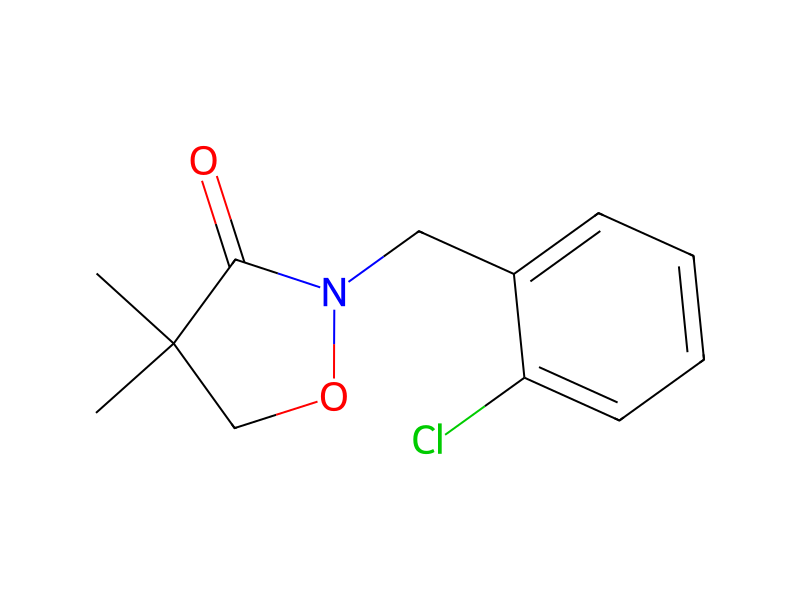
基本情報
- 標準SMILES
CC1(C)CON(Cc2ccccc2Cl)C1=O- InChIKey
KIEDNEWSYUYDSN-UHFFFAOYSA-N- 分子式
- C12H14ClNO2
- 平均分子量
- 239.7 g/mol
- 単同位体質量
- 239.07130637
概要
Clomazone is an isoxazolidinone that is 1,2-oxazolidin-3-one substituted by a 2-chlorobenzyl group at position 2 and two methyl groups at position 4. It has a role as a carotenoid biosynthesis inhibitor, a herbicide, an agrochemical, a xenobiotic and an environmental contaminant. It is an isoxazolidinone and a member of monochlorobenzenes.
名称と識別子
- 優先名称
- Clomazone
- IUPAC
- 2-[(2-chlorophenyl)methyl]-4,4-dimethyl-1,2-oxazolidin-3-one
- 現地名
- 2-[(2-クロロフェニル)メチル]-4,4-ジメチルイソオキサゾリジン-3-オン
- 英語名
- Clomazone
- 分子式
- C12H14ClNO2
- 分子量
- 239.7
名称と別名
Clomazone81777-89-1Dimethazone2-(2-Chlorobenzyl)-4,4-dimethylisoxazolidin-3-oneCommandGamitDTXSID1032355FMC 570202-(2-Chlorobenzyl)-4,4-dimethyl-1,2-oxazolidin-3-one570RAC03NF2-[(2-chlorophenyl)methyl]-4,4-dimethyl-1,2-oxazolidin-3-oneFMC57020
名称をさらに表示
ジメタゾン2-[(2-クロロフェニル)メチル]-4,4-ジメチルイソオキサゾリジン-3-オンクロマゾンクロマゾン標準品CS_N-11495-100MG_コマンドクロマゾンクロマゾン (100ΜG/MLメタノール溶液)2-(2-クロロベンジル)-4,4-ジメチルイソキサゾーリジン-3-オン2-[(2-クロロフェニル)メチル]-4,4-ジメチル-1,2-オキサゾリジン-3-オンClomazonComazonelomazoneDimethazon
2-((2-Chlorophenyl)methyl)-4,4-dimethyl-3-isoxazolidinoneCHEBI:3751DTXCID90123552-[(2-chlorophenyl)methyl]-4,4-dimethyl-isoxazolidin-3-one3-ISOXAZOLIDINONE, 2-((2-CHLOROPHENYL)METHYL)-4,4-DIMETHYL-2-(2-chlorophenyl)methyl-4,4-dimethyl-3-isoxazolidinone2-((2-chlorophenyl)methyl)-4,4-dimethyl-isoxazolidin-3-one2-((2-chlorophenyl)methyl)-4,4-dimethyl-1,2-oxazolidin-3-one
データベース識別子
- CAS
81777-89-1- PubChem CID
- 54778
- DTXSID
DTXSID1032355- ChEMBL
CHEMBL1076356- ChEBI
CHEBI:3751- UNII
- 570RAC03NF
- EC Number
- 617-258-0
- Nikkaji
- J134.068I
物性
構造計算による物性
- XLogP
- 2.5
- 極性表面積
- 29.5 Ų
- 水素結合供与体数
- 0
- 水素結合受容体数
- 2
- 回転可能結合数
- 2
- 重原子数
- 16
- 形式電荷
- 0
- 複雑度
- 280
実験および物理化学的性質
Pesticides
Agrochemicals -> Pesticide active substances
Active substance -> EU Pesticides database: Approved
Pesticides -> Herbicides, Other
Herbicides
Environmental transformation -> Pesticides (parent, predecessor)
Pesticide
LogPlog Kow = 2.5 at 25 °C
Density1.192 at 25 °C
Color/FormClear colorless to light brown viscous liquid
Solubility
Readily soluble in acetonitrile, hexane, dioxane, xylene
Miscible in acetone, chloroform, cyclohexanone, methylene chloride, methanol, toluene, heptane, and DMF
In water, 1,100 ppm at 25 °C
Flash Point
4 /emulsifiable concentrates/: 106-109 °F /(41.11-42.78 °C)/ (Closed cup)
70-75 °C (closed cup) /Formulation not specified/
106-109 °F
Endocrine DisruptorsPotential endocrine disrupting compound
Boiling Point
275 °C
527 °F
Melting Point
25 °C
77 °F
Vapor Density1.192 at 77 °F
Vapor Pressure
0.00014 [mmHg]
1.4X10⁻⁴ mm Hg at 25 °C
1.4x10(-4) mmHg
Henry's Law ConstantHenry's Law constant = 4.13X10⁻⁸ atm-cu m/mole at 25 °C
物理化学的性質
- 融点
- 25 °C · 25°C
- 沸点
- 275.4 °C · 275.4°C
- 比重(密度)
- 1.192 · 1.192
- 屈折率
- 1.5388 · 1.5388 (estimate)
- 闪点
- 157 °C · 157 °C
- 貯蔵温度
- 2 · Sealed in dry,2-8°C
- 溶解性
- 33 mg/ml,DMSO: · DMF: 33 mg/ml,DMSO: 16 mg/ml,Ethanol: 33 mg/ml,PBS (pH 7.2): 1 mg/ml
- 外見
- Solid
- 酸解離定数(Pka)
- -1.48 · -1.48±0.40(Predicted)
- 色
- White to off-white
- 水溶解度
- 1.101 g/L · 1.101g/L(温度表記なし)
- BRN
- 7480026 · 7480026
- Henry's Law Constant
- 2.4 · 2.4×102 mol/(m3Pa) at 25℃, Duchowicz et al. (2020)
- 主な用途
- 農業環境
- InChI
- 1S/C12H14ClNO2/c1-12(2)8-16-14(11(12)15)7-9-5-3-4-6-10(9)13/h3-6H,7-8H2,1-2H3
- InChIKey
- KIEDNEWSYUYDSN-UHFFFAOYSA-N
- SMILES
- CC1(C)CON(Cc2ccccc2Cl)C1=O
- CAS データベース
- 81777 · 81777-89-1(CAS DataBase Reference)
- NISTの化学物質情報
- Dimethazone(81777-89-1)
- EPAの化学物質情報
- Clomazone (81777-89-1)
化学的性質
化学的特性Depending purity, it may be clear and colorless to pale yellow or brownish liquid. Commercially available as emulsifiable concentrates that can be dissolved in water
安全と法規制
GHS分類
GHS Classification
Warning
H302: Harmful if swallowed [Warning Acute toxicity, oral]
P261, P264, P270, P271, P273, P301+P317, P304+P340, P317, P330, P391, and P501 (click each P-code to see the statement)
Warning
H302+H332 (27.6%): Harmful if swallowed or if inhaled [Warning Acute toxicity, oral; acute toxicity, inhalation]
P261, P264, P264+P265, P270, P271, P273, P280, P301+P317, P302+P352, P304+P340, P305+P351+P338, P317, P321, P330, P332+P317, P337+P317, P362+P364, P391, and P501 (click each P-code to see the statement)
危険有害性情報
Regulatory Information
Commission Regulation (EC) No 1490/2002
Clomazone is listed in the dataset of EPA Human Health Benchmarks for Pesticides under the Safe Drinking Water Act (40 eCFR 141)
2007/76, Reg. (EU) 2018/1262, Reg. (EU) 2019/1589, Reg. (EU) 2020/1511, Reg. (EU) 2021/1449, Reg. (EU) 2022/1480, Reg. (EU) 2023/1757, Reg. (EU) No 540/2011
Clomazone: Does not have an individual approval but may be used under an appropriate group standard
Hazards SummaryA minor skin irritant; [MSDSonline]
FIFRA Requirements
Tolerances are established for residues of the herbicide clomazone, 2-(2-chlorophenyl)methyl-4,4-dimethyl-3-isoxazolidinone, in or on the following raw agricultural commodities: bean, snap, succulent; cabbage; cotton, undelinted seed; cucumber; pea (succulent); pepper; peppermint, tops; pumpkin; rice, grain; rice, straw; soybean; spearmint, tops; squash, summer; squash, winter; sugarcane, cane; sweet potato, roots; vegetable, cucurbit, group 9; and vegetable, tuberous and corm, except potato, subgroup 1D.
New Active Ingredients ... includes pesticide active ingredients initially registered after November 1, 1984, that currently have active product registrations. By law, these newer pesticides are not subject to the reregistration program. They must, however, meet the new safety standard of the FQPA, and will be reviewed on a 15-year cycle under the registration review program. ... Active Ingredient Number: 125401; Type of Pesticide: conventional - herbicide; Use Site: food use, ornamentals; Year: 1986.
Hazard Classes and Categories
Acute Tox. 4 (100%)
Acute Tox. 4
安全と保護具
Fire Fighting Procedures/Use/ foam, carbondioxide, or dry chemical.
Storage Conditions
Store in a cool, well-ventilated, secure area, out of the reach of children and animals.
No loss of tech at ambient temperature for 1 year, no loss at 50 °C for 3 months. Do not store below 40 °F.
Safe Storage of Pesticides. Always store pesticides in their original containers, complete with labels that list ingredients, directions for use, and first aid steps in case of accidental poisoning. Never store pesticides in cabinets with or near food, animal feed, or medical supplies. Do not store pesticides in places where flooding is possible or in places where they might spill or leak into wells, drains, ground water, or surface water.
Cleanup Methods
If a spill occurs, clean it up promptly. Don't wash it away. Instead, sprinkle the spill with sawdust, vermiculite, or kitty litter. Sweep it into a plastic garbage bag, and dispose of it as directed on the pesticide product label.
After Applying a Pesticide, Indoors or Outdoors. To remove pesticide residues, use a bucket to rinse tools or equipment three times, including any containers or utensils that you used when mixing the pesticide. Then pour the rinsewater into the pesticide sprayer and reuse the solution by applying it according to the pesticide product label directions. After applying any pesticide wash your hands and any other parts of your body that may have come in contact with the pesticide..To prevent tracking pesticides inside, remove or rinse your boots or shoes before entering your home. Wash any clothes that have been exposed to a lot of pesticide separately from your regular wash.
Disposal Methods
Safe Disposal of Pesticides. The best way to dispose of small amounts of excess pesticides is to use them - apply them - according to the directions on the label. If you cannot use them, ask your neighbors whether they have a similar pest control problem and can use them. If all of the remaining pesticide cannot be properly used, check with your local solid waste management authority, environmental agency, or health department to find out whether your community has a household hazardous waste collection program or a similar program for getting rid of unwanted, leftover pesticides. These authorities can also inform you of any local requirements for pesticide waste disposal.
Safe Disposal of Pesticides. An empty pesticide container can be as hazardous as a full one because of residues left inside. Never reuse such a container. When empty, a pesticide container should be rinsed carefully three times and the rinsewater thoroughly drained back onto the sprayer or the container previously used to mix the pesticide. Use the rinsewater as a pesticide, following label directions. Replace the cap or closure securely. Dispose of the container according to label instructions. Do not puncture or burn a pressurized container like an aerosol - it could explode. Do cut or puncture other empty pesticide containers made of metal or plastic to prevent someone from reusing them. Wrap the empty container and put it in the trash after you have rinsed it.
SRP: The most favorable course of action is to use an alternative chemical product with less inherent propensity for occupational exposure or environmental contamination. Recycle any unused portion of the material for its approved use or return it to the manufacturer or supplier. Ultimate disposal of the chemical must consider: the material's impact on air quality; potential migration in soil or water; effects on animal, aquatic, and plant life; and conformance with environmental and public health regulations.
Preventive Measures
/For applying the product/ wear the items of protective clothing the label requires: for example, non-absorbent gloves (not leather or fabric), rubber footwear (not canvas or leather), a hat, goggles, or a dust-mist filter. If no specific clothing is listed, gloves, long-sleeved shirts and long pants, and closed shoes are recommended. You can buy protective clothing and equipment at hardware stores or building supply stores.
Indoor Applications. If the label directions permit, leave all windows open and fans operating after the application is completed. If the pesticide product is only effective in an unventilated (sealed) room or house, do not stay there. Put all pets outdoors, and take yourself any your family away from treated areas for at least the length of time prescribed on the label. Apply most surface sprays only to limited areas such as cracks; don't treat entire floors, walls, or ceilings. Don't let pesticides get on any surfaces that are used for food preparation. Wash any surfaces that may have pesticide residue before placing food on them.
Indoor Applications. When using total release foggers to control pests, use no more than the amount needed and to keep foggers away from ignition sources (ovens, stoves, air conditioners, space heaters, and water heaters, for example). Foggers should not be used in small, enclosed places such as closets and cabinets or under tables and counters.
Outdoor Applications. Never apply pesticides outdoors on a windy day (winds higher than 10 mph). Position yourself so that a light breeze does not blow pesticide spray or dust into your face.
SRP: Contaminated protective clothing should be segregated in such a manner so that there is no direct personal contact by personnel who handle, dispose, or clean the clothing. Quality assurance to ascertain the completeness of the cleaning procedures should be implemented before the decontaminated protective clothing is returned for reuse by the workers. Contaminated clothing should not be taken home at end of shift, but should remain at employee's place of work for cleaning.
Allowable Tolerances
Tolerances are established for residues of the herbicide clomazone, 2-(2-chlorophenyl)methyl-4,4-dimethyl-3-isoxazolidinone, in or on the following raw agricultural commodities: bean, snap, succulent, 0.05 ppm; cabbage, 0.1 ppm; cotton, undelinted seed, 0.05 ppm; cucumber, 0.1 ppm; pea (succulent), 0.05 ppm; pepper, 0.05 ppm; peppermint, tops, 0.05 ppm; pumpkin, 0.1 ppm; rice, grain, 0.02 ppm; rice, straw, 0.02 ppm; soybean, 0.05 ppm; spearmint, tops, 0.05 ppm; squash, summer, 0.1 ppm; squash, winter, 0.1 ppm; sugarcane, cane, 0.05 ppm; sweet potato, roots, 0.05 ppm; vegetable, cucurbit, group 9, 0.05 ppm; and vegetable, tuberous and corm, except potato, subgroup 1D, 0.05 ppm.
Personal Protective Equipment (PPE)Long-sleeved shirt and long pants. Protective eyewear. Hat. Rubber gloves. Rubber boots.
毒性情報
Ecotoxicity Values
LD50 /Anas platyrhynchos/ (Mallard duck) oral >2510 mg/kg
LC50 Anas platyrhynchos (Mallard duck, 14 days old) dietary >5620 ppm/8 days[USEPA, Office of Pesticide Programs; Pesticide Ecotoxicity Database (2000) on 2-
LD50 /Colinus virginianus/ (Bobwhite quail) oral >2510 mg/kg
LC50 Colinus virginianus (Northern bobwhite, 14 days old) dietary >5620 ppm/8 days[USEPA, Office of Pesticide Programs; Pesticide Ecotoxicity Database (2000) on 2-
For more Ecotoxicity Values (Complete) data for DIMETHAZONE (12 total), please visit the HSDB record page.
Environmental Fate
TERRESTRIAL FATE: Based on a classification scheme(1), Koc values ranging from 60-573, depending on the soil(2), indicate that dimethazone is expected to have moderate mobility in soil(SRC). Volatilization of dimethazone from moist soil surfaces is not expected to be an important fate process(SRC) given a Henry's Law constant of 4.13X10⁻⁸ atm-cu m/mole(3). Dimethazone is not expected to volatilize from dry soil surfaces(SRC) based upon a vapor pressure of 1.4X10⁻⁴ mm Hg(3). Pure culture studies indicated that dimethazone is slowly metabolized by most organisms(4). After 84 days, 59% of 14C radiolabeled dimethazone extracted from the soil remained unchanged(5), indicating that biodegradation is a slow environmental fate process in soil(SRC).
TERRESTRIAL FATE: Dimethazone was applied to 1.5 by 3.0 meter plots of wheat crops on Cisne soil loam and Drummer silty clay loam in May of 1984-1986 at a rate of 1.12 kg/hour. In the Cisne soil initial concentrations for the 1985 and 1986 studies were 710 and 770 ppb dry weight, respectively. These concentrations decreased to 140 and 170 ppb dry weight by days 29 (1985) and 31 (1986), respectively, and by day 131, no detectable levels of dimethazone were found in either soil. The maximum concentration of dimethazone found in soil below 7.5 cm was 39 ppb. In Drummer silty clay loam the initial concentrations in 1985 and 1986 were 1270 and 1190 ppb dry weight, respectively. Dimethazone had a much longer half life in drummer loam and was still detected in concentrations of 220 and 150 ppb dry weight, respectively, 145 days after treatment. Dimethazone was also detected below 7.5 cm in the soil in concentrations as high as 100 ppb weight(1).
TERRESTRIAL FATE: Dimethazone was applied to pumpkin and pepper crops on Lowell silty loam soil in Franklin County, Kentucky. Grass strips were located between each cropping row and black plastic mulch or no mulch were placed on the crops. Runoff water and sediment samples from these crops were collected and monitored via gas liquid chromatography(1). Dimethazone for the most part stayed in the first 23 cm of soil depth. For the pepper plants, dimethazone was found in concentrations of 5, 15, and 30 mg/L in the runoff water from the pepper crops on the sites of grass strips, black plastic mulch and no mulch respectively and in concentrations of 1, 80, and 35 mg/L in the runoff sediment on the sites of grass strips, black plastic mulch and no mulch respectively. The majority of dimethazone (>60 mg/kg) was found in the soil mulch and non-mulch treated soil and around 10 mg/kg in the grass strip. The highest concn of dimethazone was found in the soil from the pumpkin crops with concentrations of approximately 8, 60 and 30 mg/kg in the grass strip, mulch treated, and non mulch treated soil, respectively. For the pumpkin plants, dimethazone was found in concentrations of 2, 23, and 20 mg/L in the runoff water on the sites of grass strips, black plastic mulch, and no mulch, respectively, and in concentrations of <1, 50, and 21 mg/L in the runoff sediment from the sites of grass strips, black plastic mulch, and no mulch, respectively(1).
AQUATIC FATE: Based on a classification scheme(1), Koc values ranging from 60-573(2) indicate that dimethazone may adsorb to suspended solids and sediment depending on the soil type(SRC). Volatilization from water surfaces is not expected(3) based upon a Henry's Law constant of 4.13X10⁻⁸ atm-cu m/mole(4). According to a classification scheme(5), an estimated BCF of 17(SRC), from its log Kow of 2.5(4) and a regression-derived equation(6), suggests the potential for bioconcentration in aquatic organisms is low(SRC). Pure culture studies indicated that dimethazone is slowly metabolized by most organisms(7). After 84 days 59% of 14C radiolabeled dimethazone extracted from the soil remained unchanged(8), indicating that biodegradation may be a slow environmental fate process in water(SRC).
ATMOSPHERIC FATE: According to a model of gas/particle partitioning of semivolatile organic compounds in the atmosphere(1), dimethazone, which has a vapor pressure of 1.44X10⁻⁴ mm Hg at 25 °C(2), is expected to exist solely as a vapor in the ambient atmosphere. Vapor-phase dimethazone is degraded in the atmosphere by reaction with photochemically-produced hydroxyl radicals(SRC); the half-life for this reaction in air is estimated to be 5.8 hours(SRC), calculated from its rate constant of 2.2X10⁻¹¹ cu cm/molecule-sec at 25 °C(SRC) that was derived using a structure estimation method(3). Aqueous solutions of dimethazone have a half life of 30 days when exposed to sunlight(2).
Toxicity SummaryClomazone induces oxidative stress and AChE inhibition in human erythrocytes (in vitro), suggesting a role for reactive oxygen species in the toxicity mechanism induced by clomazone in humans. (A15208)
Ecotoxicity Excerpts
/AQUATIC SPECIES/ Fingerlings of the silver catfish (Rhamdia quelen) were exposed to clomazone, quinclorac, and metsulfuron methyl.... The LC50 value (nominal concentration) was 7.32 mg/L for clomazone and 395 mg/L for quinclorac, but was not obtained for metsulfuron-methyl since all fingerlings survived the highest concentration of 1200 mg/L. ... Clomazone significantly inhibited AChE activity in both tissues, achieving maximal inhibition of about 83% in brain and 89% in muscle tissue. In contrast, quinclorac and metsulfuron methyl caused increases in enzyme activity in the brain (98 and 179%, respectively) and inhibitions in muscle tissue (88 and 56%, respectively).
/OTHER TERRESTRIAL SPECIES/ The midge Chironomus tepperi was used in laboratory experiments to assess the relative toxicity. ... Clomazone had no effect on any parameters at concentrations up to 0.288 mg/L (p > 0.05). Molinate significantly increased development time at concentrations equivalent to the AFC (3.6 mg/L) and above (p < 0.05). Thiobencarb reduced emergence success of adult C. tepperi at 0.0625 times the AFC (0.1875 mg/L) as well as decreasing male adult size and increasing development time for males and females at 0.125 times the AFC (p < 0.05).
/AQUATIC SPECIES/ ...Liver glycogen /of the silver catfish (Rhamdia quelen)/ increased significantly (P<0.05) in all periods and concentrations tested. The maximum glycogen increase reaches 250% after 12 hr of exposure. Muscle glycogen reduced significantly after 24, 48, 96 and 192 hr for both clomazone concentrations (P<0.05). Significantly elevated plasma glucose values (P<0.05) and variation in glucose in the liver and muscle of exposed fish were observed. Muscle lactate levels increased after 12, 24 and 48 hr of clomazone exposure (22-67%), but reduced in the liver (P<0.05). Protein levels were enhanced in the liver and white muscle, except at 96 and 192h of exposure, whereas it increased in the plasma in the period from 48 to 96 hr (P<0.05). Alanine aminotransferase (ALT) and aspartate aminotransferase (AST) activities were significantly elevated in the plasma (P<0.05). In the liver, ALT increased after 24 hr, while AST activity was enhanced only after 12 hr of exposure.[Crestani Me t al; Ecotoxicol Environ Saf 12
Soil Adsorption/Mobility
Koc values of dimethazone in 19 different soils were measured(1). The Koc values ranged from 60 in silt loam from Lebanon, MO with a pH of 4.5 to 573 in sandy loam from Goldsboro, GA with a pH of 5.2(1). The majority of soil samples had Koc values from 100-150(1). According to a classification scheme(2), these Koc values suggest that dimethazone is expected to have moderate mobility in soil.
Artificial Pollution SourcesDimethazone's production may result in its release to the environment through various waste streams; it's use as a herbicide(1) will result in its direct release to the environment(SRC).
Environmental Biodegradation
AEROBIC: 14C-labeled dimethazone was applied to silty clay loam at various temperatures and moisture levels in Fort Wayne, IN from Oct 1992-March 1993(1). In 28 days less than 1.5% of the dimethazone was degraded in the sterilized soil while 5.8% was degraded in the reinocculated soil(1).
AEROBIC: Pure culture studies showed oxidation to be the most likely route for degradation(1). Slant cultures using typical soil microbes were incubated with 10 mg dimethazone/25 ml dimethylformamide for 73 hours at 28 °C. Degradation products detected in 17 of the 41 cultures screened included 5-hydroxydimethazone, hydroxymethyldimethazone, 5-ketodimethazone, 3'-hydroxydimethazone and 6-ketodimethazone(1).
Carcinogen ClassificationNo indication of carcinogenicity to humans (not listed by IARC).
Environmental Bioconcentration
An estimated BCF of 17 was calculated for dimethazone(SRC), using a log Kow of 2.5(1) and a regression-derived equation(2). According to a classification scheme(3), this BCF suggests the potential for bioconcentration in aquatic organisms is low(SRC).
Volatilization from Water/Soil
The Henry's Law constant for dimethazone is 4.13X10⁻⁸ atm-cu m/mole(1). This Henry's Law constant indicates that dimethazone is expected to be essentially nonvolatile from moist soil and water surfaces(2). Dimethazone is not expected to volatilize from dry soil surfaces(SRC) based upon a vapor pressure of 1.44X10⁻⁴ mm Hg(1).
Non-Human Toxicity Excerpts
/LABORATORY ANIMALS: Subchronic or Prechronic Exposure/ One hundred twenty CD-1 mice/sex/group were treated in the diet with 0, 20, 100, 500, 1000, 2000, 4000 or 8000 ppm of FMC 57020 Technical (purity: 88.8%) for 90 days (M: 0, 3.79, 19.5, 97.7, 188.2, 370.8, 761.0, 1689 mg/kg/day, F: 0, 5.26, 25.9, 126.4, 263.2, 522.3, 1049, 2233 mg/kg/day). Ten animals/sex/group were euthanized and examined at the 1 and 2 month intervals. Twenty animals/sex/group were euthanized and examined at 3 months. The surviving animals were maintained for the chronic feeding study. There was no treatment-related effect upon clinical signs, mean body weight or food consumption. There were no treatment-related effects indicated by the hematology results or clinical chemistry. The mean liver weight was increased above that of the control for both sexes at 4000 ppm and above (p<0.01). In the histopathology examination, diffuse, centrilobular megalocytosis was noted in the liver for the 8000 ppm males (minimal: 4/20, mild: 4/20, moderate: 1/20). (Note: the 4000 ppm animals were not examined). Target organ: liver; No adverse effect indicated. Reported Subchronic NOEL: (M/F) 2000 ppm (M: 370.8 mg/kg/day, F: 522.3 mg/kg/day) based upon the increased mean liver weights for the 4000 ppm animals.
/LABORATORY ANIMALS: Subchronic or Prechronic Exposure/ Clomazone Technical (purity = 92.7%) was applied to the clipped dorsal skin of 10 Sprague-Dawley CD rats per sex per dose at dose levels of 0 (tap water only) or 1000 mg/kg/day for 6 hours per day, 5 days per week for 4 consecutive weeks. No mortalities occurred. No clinical signs or local irritation effects were observed. Body weight, food consumption, ophthalmology, serum chemistry, hematology, and organ weight data revealed no treatment-related effects. FOB and motor activity assessments revealed no treatment-related effects. Necropsy revealed no treatment-related abnormalities. Microscopic examination revealed an increase in severity (males) and incidence (females) of epidermal hyperplasia in the treated skin. No adverse effects. NOEL (M/F, systemic) = 1000 mg/kg/day based on no treatment-related effects at the highest dose tested; NOEL (M/F, skin) < 1000 mg/kg/day based on an increase in severity (males) or incidence (females) of epidermal hyperplasia in the treated skin.
/LABORATORY ANIMALS: Subchronic or Prechronic Exposure/ One hundred twenty CD outbred rats/sex/group were dosed in the diet with 0, 20, 100, 500, 1000, 2000, 4000 or 8000 ppm of FMC 57020 Technical (purity: 88.8%) for 90 days (M: 0, 1.40, 7.80, 35.3, 69.7, 138.8, 278.8, 562.9 mg/kg/day, F: 0, 1.67, 8.38, 42.6, 84.7, 163.3, 324.2, 638.1 mg/kg/day). Ten animals/sex/group were euthanized and examined at the 1 and 2 month intervals. Twenty animals/sex/group were euthanized and examined at 3 months. The surviving animals were maintained for the chronic feeding study. The mean body weights of the 8000 ppm males (p<0.01) and the 4000 and 8000 ppm females (p<0.01) were less than that of the control animals. Mean food consumption was reduced for the 8000 ppm males and the 4000 and 8000 ppm females over the course of the study (p<0.05). No treatment-related signs were noted. There were no treatment-related effects indicated by the hematology results. In the clinical chemistry, the mean total cholesterol levels in the serum were elevated for the 8000 ppm males and females at 1, 2, and 3 months (p<0.01). The mean levels for the 1000 (p<0.01) and 4000 (p<0.05) ppm females were elevated at 3 months as well. There were no treatment-related effects in the urinalysis data. The mean liver weight was increased above that of the control for both sexes at 2000 ppm and above and for the 500 ppm males. In the histopathology examination, diffuse, centrilobular megalocytosis was noted in the liver for the 2000 ppm males (minimal: 2/20) and the 8000 ppm males (minimal: 4/20, mild: 1/20) and 8000 ppm females (minimal: 8/20, mild: 11/20). (Note: the 4000 ppm animals were not examined). Target organ: liver; No adverse effect indicated. Reported NOEL: (M/F) 1000 ppm (M: 69.7 mg/kg/day, F: 84.7 mg/kg/day), based upon the increased mean liver weight of the 2000 ppm treatment group.
/LABORATORY ANIMALS: Chronic Exposure or Carcinogenicity/ FMC 57020 Technical (purity = 88.8%) was admixed to the feed (plus 2% corn oil) and fed to 6 beagle dogs per sex per dose at dose levels of 0 (untreated diet), 100, 500, 2500, or 5000 (reduced from 7500 ppm at Day 8) (0, 19.4, 97.8, 493.9, 1038.4 mg/kg/day, respectively, for males and 0, 20.7, 104.0, 529.4, 1011.9 mg/kg/day, respectively, for females, (values calculated by the reviewer)) for 1 year (2 animals per sex per dose were sacrificed after 3 months of treatment). No animals died. At the high dose level, decreased body weight and low food consumption were observed in the first 2 weeks of treatment; therefore, the high dose level was decreased from 7500 ppm to 5000 ppm. A treatment-related increase in serum cholesterol levels in both sexes at 2500 and 5000 ppm at all intervals was observed. A treatment-related increase in mean relative liver weight at 2500 and 5000 ppm in males (both interim and terminal sacrifice animals) and females (interim sacrifice animals only) was observed. Macroscopic and microscopic examinations revealed no treatment related abnormalities. No adverse effects. NOEL (M)= 97.8 mg/kg/day (500 ppm) and NOEL (F) = 104.0 mg/kg/day (500 ppm) (values calculated by the reviewer) based on increased serum cholesterol levels and increased mean relative liver weights.
For more Non-Human Toxicity Excerpts (Complete) data for DIMETHAZONE (13 total), please visit the HSDB record page.
Evidence for CarcinogenicityCancer Classification: Not Likely to be Carcinogenic to Humans
法規制情報
FIFRA Requirements
Tolerances are established for residues of the herbicide clomazone, 2-(2-chlorophenyl)methyl-4,4-dimethyl-3-isoxazolidinone, in or on the following raw agricultural commodities: bean, snap, succulent; cabbage; cotton, undelinted seed; cucumber; pea (succulent); pepper; peppermint, tops; pumpkin; rice, grain; rice, straw; soybean; spearmint, tops; squash, summer; squash, winter; sugarcane, cane; sweet potato, roots; vegetable, cucurbit, group 9; and vegetable, tuberous and corm, except potato, subgroup 1D.
New Active Ingredients ... includes pesticide active ingredients initially registered after November 1, 1984, that currently have active product registrations. By law, these newer pesticides are not subject to the reregistration program. They must, however, meet the new safety standard of the FQPA, and will be reviewed on a 15-year cycle under the registration review program. ... Active Ingredient Number: 125401; Type of Pesticide: conventional - herbicide; Use Site: food use, ornamentals; Year: 1986.
安全データ
- wgk
- 2
- rtecs
- NY2977000
- ridadr
- 2902
- 毒性
- LD50 in male rats, female rats, mallard duck-bobwhite quail (mg/kg): 2077, 1369, >2510 orally; in rabbits (mg/kg): >2000 dermally (Chen)
- risk_code
- 20/22-36/38
- hazard_code
- Xn
- safety_code
- 26-36
- hazard_class
- 6.1(b)
- packing_group
- III
- Hazard Classifications
- Acute Tox. 4 InhalationAcute Tox. 4 OralAquatic Acute 1Aquatic Chronic 1
- ストレージクラス
- 10 - Combustible liquids
- 有毒物質データの
- 81777-89-1(Hazardous Substances Data)
化学と産業
薬理情報
Metabolism/Metabolites
Four Sprague-Dawley rats/sex were treated by oral gavage with a single dose of 50 mg/kg of a mixture of Methylene-14C FMC 57020 (specific activity: 26.85 mCi/mmol, radiochemical purity: 99.3%) and Carbonyl-14C FMC 57020 (specific activity: 27.98 mCi/mmol, radiochemical purity: 99.3%). Radiolabeled compounds were recovered from the urine and feces samples and analyzed... in order to identify various metabolites of the test material. Twelve metabolites were recovered and identified. Hydroxylation of the phenyl and/or isoxazolidinone rings was the most common alteration of the parent compound which was observed with some evidence of glucuronide and sulfate conjugation.
Absorption, Distribution and Excretion
Sprague-Dawley (CD, Crl (SD)Br) rats of both sexes were dosed with 3, 5, or 900 mg/kg of Methylene 14C-Labeled FMC 57020 (2[(2'-chlorophenyl)-14C-methyl]-4,4-dimethyl-3-isoxazolidinone; radiopurity: 99.8%; specific activity: 26.81 mCi/mmol). In Study A, two rats/sex were orally dosed by gavage with 5 mg/kg of the test material and expired air was collected for up to 24 hours. In the remaining studies, 5 animals/sex/group were dosed. In Studies B and C, the animals received a single oral dose of 5 and 900 mg/kg of the test material, respectively. In Study D, each animal was dosed intravenously with 3 mg/kg of the test material. In Study E, the animals received 14 doses, once per day for 2 weeks, of unlabeled FMC 57020 (purity: 99.0%). In Study B, C, D and E, urine and feces samples were collected periodically for 7 days. After 7 days, the animals were euthanized and radioactivity in the tissues was determined. Excretion of radiolabeled CO2 constituted less than 0.01% of the recovered dose. The primary pathway of excretion was in the urine with a range of 63.4 to 82.9% of the administered dose in the urine. Recovery in the feces ranged from 15.1 to 38.7% of the administered dose. At 7 days post-dose, aggregate residue levels in the tissues and carcass ranged from 0.08 to 0.17% of the administered dose. The amount dosed or frequency of the dosing did not affect the excretory profile.
用途と製造
Uses
Used as herbicide for control of annual grasses and broad-leaved weeds in vegetables, cotton, melons, rice, soy beans, sugarcane, and tobacco; Also used for weed control in fallow wheat fields; [HSDB]
Farming (Pesticides) [Category: Industry]
For dimethazone (USEPA/OPP Pesticide Code: 125401) ACTIVE products with label matches. /SRP: Registered for use in the U.S. but approved pesticide uses may change periodically and so federal, state and local authorities must be consulted for currently approved uses./
Herbicide; For annual grasses, broadleaf weeds in beans (succulent), cabbage, cotton, cucumbers, melons, peas, pepers, rice, soy beans, squash, sugarcane, sweet potato, tobacco, tuberous and corn vegetables; weeds in chemical fallow wheat fields.
This is a man-made compound that is used as a pesticide.
Methods of ManufacturingPreparation: J. H. Chang, BE 889040; idem, US 4405357 (1982, 1983 both to FMC)
Formulations/Preparations
Emulsifiable concentrate, micro-encapsulated
Discontinued products: Command cotton
Use Classification
Environmental transformation -> Pesticides (parent, predecessor)
Herbicides
General Manufacturing InformationFoliar contact or vapors may cause visual symptoms of chlorosis to nearby sensitive plants.
応用分野
説明The molecular target site of clomazone has recently been determined. With clomazone, carotenoid synthesis is inhibited, but no intermediates in the carotenoidcommitted portion of the pathway accumulate (5,6). Synthesis of the derivatives of GGPP (gibberellic acid, phytol, carotenoids) is inhibited by clomazone (5–8). However, the synthesis of certain sesquiterpenoids and triterpenoids is not inhibited (9). Until recently, there was no credible report of the effect of clomazone on any enzyme of the terpenoid pathway (10–12). This was due to the fact that clomazone is a proherbicide and that the proper enzyme had not been tested.
使用Herbicide.
上流・下流製品情報
上流原料
サプライヤー50 社
湖北博杰生物科技有限公司0713-2060728 15629612610
上海阿拉丁生化科技股份有限公司400-6206333 13167063860 · [email protected]
湖北威德利化学试剂有限公司181-6332-1995 18062128043 · [email protected]
湖北科麦迪化工有限公司18372743325
武汉欣扬瑞和化学科技有限公司13720274133 · [email protected]
山东海舟生物工程有限公司130-0567-0367 13006570367 · [email protected]
河北创海生物科技有限公司+86-86-13131129325 · [email protected]
江西瑞威尔生物科技有限公司18502728206 · [email protected]
湖北威德利化学试剂有限公司17771473825 13385289472 · [email protected]
安耐吉化学&3A(安徽泽升科技有限公司)021-58432009 400-005-6266 · [email protected]
梯希爱(上海)化工贸易有限公司021-61109150 · [email protected]
广东云星生物技术有限公司0751-18902340975/189023400307 18902340307 · [email protected]
南京圣亿来化工有限公司19951936396 · [email protected]
湖北魏氏化学试剂股份有限公司027-59102966 18717199209 · [email protected]
安庆融创生物科技有限公司15001988657 · [email protected]
西安泽邦生物科技有限公司[email protected]
湖北广奥生物科技有限公司027-02702759223056 18162699093 · [email protected]
上海平创化工科技有限公司15001988657 15802146997
武汉丰泰威远科技有限公司+86-27-8746-5837 +86-18627785180 · [email protected]
合肥天健化工有限公司551-65418679 15856988503;15837135945 · [email protected]
武汉丰泰威远科技有限公司027-87465837 19945049750 · [email protected]
河北茹麒科技有限公司176-03256889 17603256889 · [email protected]
广东谦进化学试剂有限公司0751-2818792 13435114148 · [email protected]
孝感深远化工有限公司15527621225; 15527621225 · [email protected]
上海毕楷科技有限公司18516304666
四川库利南科技有限公司400-1166-196 18981987031 · [email protected]
Xiamen AmoyChem Co., Ltd+86-86-5926051114 · [email protected]
斯百全化学(上海)有限公司021-021-021-67601398-809-809-809 15221380277 · [email protected]
艾科试剂4008-755-333 18080918076 · [email protected]
成都思天德生物科技有限公司028-83243028 19136088901 · [email protected]
武汉普洛夫生物科技有限公司17612776928 · [email protected]
南京杜莱生物技术有限公司025-84699383-8003;025-846993838003-8003 18013301590 · [email protected]
广州爱纯医药科技有限公司020-39119399 18927568969 · [email protected]
南京生利德生物科技有限公司025-57798810 18652991625 · [email protected]
河南赢创生物科技有限公司15672878902 · [email protected]
上海将来实业股份有限公司400-0066400 13621662912 · [email protected]
天津阿尔塔科技有限公司022-65378550-8551 · [email protected]
天津普西唐生物医药科技有限公司010-60605840 · [email protected]
杭州杰恒化工有限公司0571-87396432 · [email protected]
上海寰川实业有限公司021-61478794 · [email protected]
江苏艾康生物医药研发有限公司025-66028182 17714375163 · [email protected]
湖北巨胜科技有限公司027-59599241 18871490274 · [email protected]
天津阿尔塔科技有限公司022-6537-8550 15522853686 · [email protected]
TargetMol中国(陶术生物)021-021-33632979 15002134094 · [email protected]
上海裕英生物医药科技有限公司021-50158063 · [email protected]
上海陶术生物科技股份有限公司+1-781-999-5354; +1-00000000000 · [email protected]
湖北威德利化学科技有限公司027-83989310 18627915365
湖北威德利化学试剂有限公司18327179646 · [email protected]
广东翁江化学试剂有限公司0751-2815987 13927875076 · [email protected]
厦门志信化学有限公司+86-5922680277 +86-13806087780 · [email protected]
補足説明
定義ChEBI: A oxazolidinone that is 1,2-oxazolidin-3-one substituted by a 2-chlorobenzyl group at position 2 and two methyl groups at position 4.
関連反応
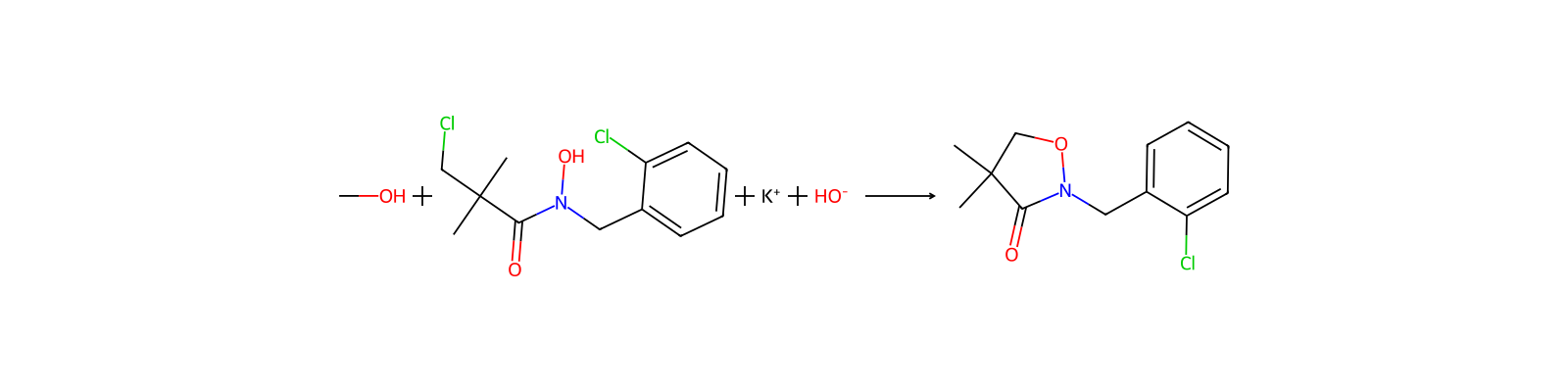
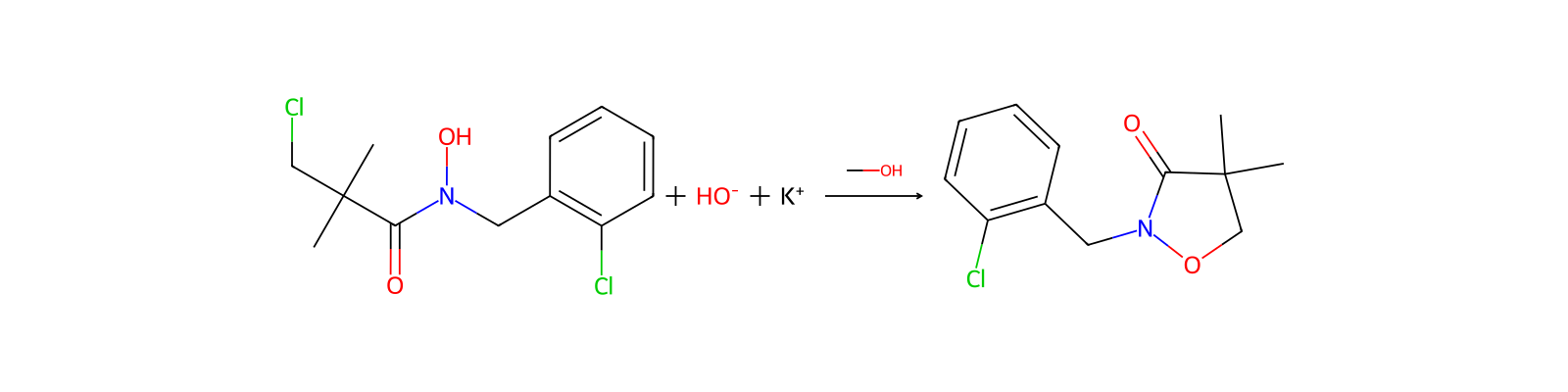
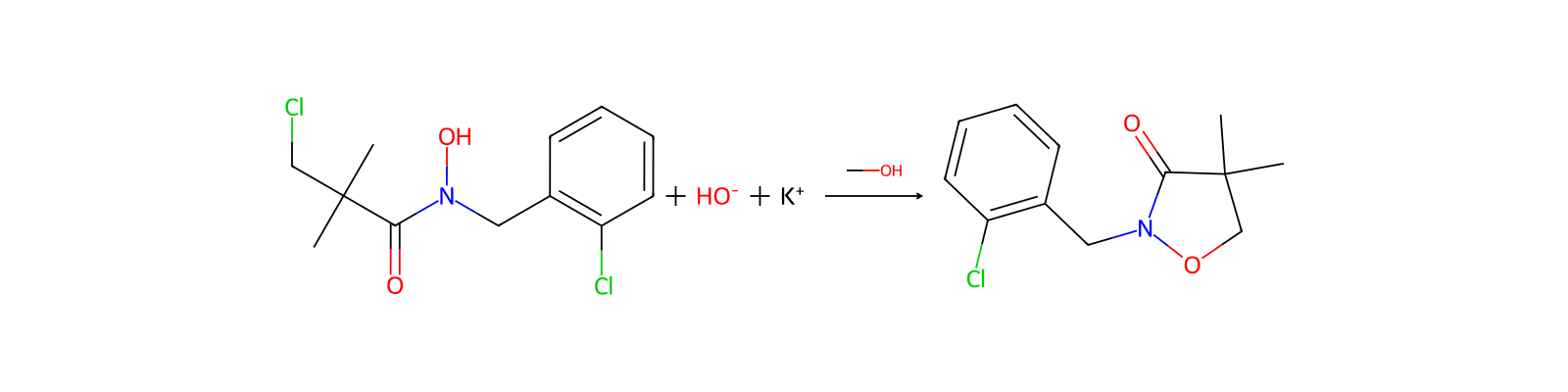
12 件




関連ノート
読み込み中…