
基本情報
- 標準SMILES
C[C@]12CC[C@@H]3c4ccc(O)cc4CC[C@H]3[C@@H]1CCC2=O- InChIKey
DNXHEGUUPJUMQT-CBZIJGRNSA-N- 分子式
- C18H22O2
- 平均分子量
- 270.4 g/mol
- 単同位体質量
- 270.16197994
概要
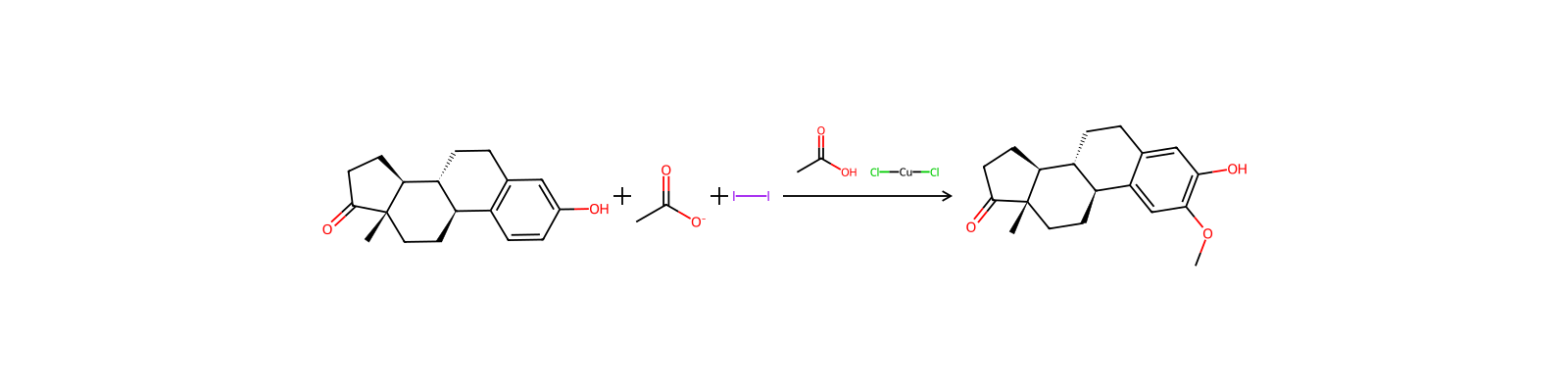
Estrone can cause cancer according to an independent committee of scientific and health experts.
名称と識別子
- 優先名称
- Estrone
- IUPAC
- (8R,9S,13S,14S)-3-hydroxy-13-methyl-7,8,9,11,12,14,15,16-octahydro-6H-cyclopenta[a]phenanthren-17-one
- 英語名
- DL-ESTRONE
- 分子式
- C18H22O2
- 分子量
- 270.37
名称と別名
estrone53-16-7folliculinTheelinestrovarinThelykininKestroneKetohydroxyestrinEstrugenoneTokokinFollicunodisDisynformon
名称をさらに表示
DL-ESTRONEEstradiol Hemihydrate EP Impurity AQ: What is Estradiol Hemihydrate EP Impurity A Q: What is the CAS Number of Estradiol Hemihydrate EP Impurity A
GlandubolinHiestroneOestroformOestroperosEstronFemidynFolipexFolisan
データベース識別子
- CAS
19973-76-3、53-16-7- PubChem CID
- 5870
- DTXSID
DTXSID4022367- ChEMBL
CHEMBL1405- ChEBI
CHEBI:17263- UNII
- 2DI9HA706A、X9XKA379T9
- EC Number
- 200-164-5
- Nikkaji
- J9.114F
物性
構造計算による物性
- XLogP
- 3.1
- 極性表面積
- 37.3 Ų
- 水素結合供与体数
- 1
- 水素結合受容体数
- 2
- 回転可能結合数
- 0
- 重原子数
- 20
- 形式電荷
- 0
- 複雑度
- 418
実験および物理化学的性質
Chemical ClassesHormone and(or) waste-water effluent contaminant
Drugs
Pharmaceutical
Pharmaceuticals -> Listed in ZINC15
LipidsLipids -> Sterol Lipids [ST] -> Steroids [ST02] -> C18 steroids (estrogens) and derivatives [ST0201]
SpringerMaterials PropertiesChemical shift
LogP
log Kow = 3.13
3.13
OdorOdorless
Density1.236 g/cu cm at 25 °C
Color/Form
Small, white crystals, or white to creamy white, crystalline powder
Monoclinic orthorhombic crystals (alpha-form)
Crystals from acetone
Exists in three crystalline phases, one monoclinic, the other two orthorhombic
Solubility
Slightly soluble in ethanol, ethyl ether, benzene; soluble in acetone, dioxane
One gram of estrone dissolves in 250 mL of 96% alcohol at 15 °C, in 50 mL of boiling alcohol; in 50 mL of acetone at 15 °C, in 110 mL chloroform at 15 °C, in 145 mL boiling benzene. Soluble in dioxane, pyridine, fixed alkali hydroxide solutions; slightly soluble in ether, vegetable oils.
In double-distilled water, 12.42 mg/L
Solubility in water (25 °C): 0.003 g/100 mL
0.03 mg/mL
Human Drugs
FDA approved drugs -> Active ingredient
FDA approved drugs -> Active ingredient
Pharmaceuticals
Endocrine DisruptorsPotential endocrine disrupting compound
物理化学的性質
- 融点
- 251 · 251-254°
- 沸点
- 445.2 · 445.2±45.0 °C(Predicted)
- 比重(密度)
- 1.164 · 1.164±0.06 g/cm3(Predicted)
- 酸解離定数(Pka)
- 10.25 · 10.25±0.40(Predicted)
安全と法規制
GHS分類
GHS Classification
Danger
H350 (39.1%): May cause cancer [Danger Carcinogenicity]
P203, P260, P263, P264, P270, P280, P318, P405, and P501 (click each P-code to see the statement)
Aggregated GHS information provided per 138 reports by companies from 17 notifications to the ECHA C&L Inventory. Each notification may be associated with multiple companies.
Danger
H350: May cause cancer [Danger Carcinogenicity]
危険有害性情報
Regulatory Information
Hazard Traits - Carcinogenicity
Status: Active Update: 24-08-2021 https://echa.europa.eu/registration-dossier/-/registered-dossier/1910
Estra-1,3,5(10)-trien-17-one, 3-hydroxy-: Does not have an individual approval but may be used as a component in a product covered by a group standard. It is not approved for use as a chemical in its own right.
Other Safety InformationIMAP assessments - Estra-1,3,5(10)-trien-17-one, 3-hydroxy-: Environment tier I assessment
FDA Requirements
The Approved Drug Products with Therapeutic Equivalence Evaluations identifies currently marketed prescription drug products, including estrone, approved on the basis of safety and effectiveness by FDA under sections 505 of the Federal Food, Drug, and Cosmetic Act.
Drug products containing certain active ingredients offered over-the-counter (OTC) for certain uses. A number of active ingredients have been present in OTC drug products for various uses, as described below. However, based on evidence currently available, there are inadequate data to establish general recognition of the safety and effectiveness of these ingredients for the specified uses: estrone is included in topical acne drug products.
Special Reports
National Toxicology Program. Eleventh Report on Carcinogens (2005). The Report on Carcinogens is an informational scientific and public health document that identifies and discusses substances (including agents, mixtures, or exposure circumstances) that may pose a carcinogenic hazard to human health. Estrogens, Steroidal are listed as known to be human carcinogens. /Estrogens, Steroidal/[Available from, as of July 31, 2009: http://ntp.niehs.nih.gov/ntp/roc/eleventh/profiles/s084ster.pdf]
Toxic Combustion ProductsEmits toxic fumes under fire conditions.
Hazard Classes and Categories
Carc. 1A (39.1%)
Carcinogenicity - Category 1A
安全と保護具
Fire Fighting Procedures
Water spray, dry chemical, carbon dioxide, or foam as appropriate for surrounding fire and materials. ... As with all fires, evacuate personnel to a safe area. Firefighters should use self-contained breathing equipment and protective clothing.
Storage Conditions
Store in the original package. Do not store above 25 °C.
Store in tight, light-resistant container as defined in the USP-NF. This material should be handled and stored per label instructions to ensure product integrity.
Cleanup Methods
Wear approved respiratory protection, chemically compatible gloves, and protective clothing. Wipe up spillage or collect spillage using a high-efficiency vacuum cleaner. Avoid breathing dust. Place spillage in appropriately labeled container for disposal. Wash spill site.
Disposal Methods
SRP: Expired or waste pharmaceuticals shall carefully take into consideration applicable DEA, EPA, and FDA regulations. It is not appropriate to dispose by flushing the pharmaceutical down the toilet or discarding to trash. If possible return the pharmaceutical to the manufacturer for proper disposal being careful to properly label and securely package the material. Alternatively, the waste pharmaceutical shall be labeled, securely packaged and transported by a state licensed medical waste contractor to dispose by burial in a licensed hazardous or toxic waste landfill or incinerator.
SRP: At the time of review, regulatory criteria for small quantity disposal are subject to significant revision, however, household quantities of waste pharmaceuticals may be managed as follows: Mix with wet cat litter or coffee grounds, double bag in plastic, discard in trash.
Preventive Measures
As a general rule, when handling USP Reference Standards, avoid all contact and inhalation of dust, mists, and/or vapors associated with the material. Wash thoroughly after handling.
This material is assumed to be combustible. As with all dry powders, it is advisable to ground mechanical equipment in contact with dry material to dissipate the potential buildup of static electricity.
Engineering controls such as exhaust ventilation are recommended.
SRP: Wastewater from contaminant suppression, cleaning of protective clothing/equipment, or contaminated sites should be contained and evaluated for subject chemical or decomposition product concentrations. Concentrations shall be lower than applicable environmental discharge or disposal criteria. Alternatively, pretreatment and/or discharge to a permitted wastewater treatment facility is acceptable only after review by the governing authority and assurance that "pass through" violations will not occur. Due consideration shall be given to remediation worker exposure (inhalation, dermal and ingestion) as well as fate during treatment, transfer and disposal. If it is not practicable to manage the chemical in this fashion, it must be evaluated in accordance with EPA 40 CFR Part 261, specifically Subpart B, in order to determine the appropriate local, state and federal requirements for disposal.
For more Preventive Measures (Complete) data for ESTRONE (6 total), please visit the HSDB record page.
Personal Protective Equipment (PPE)
Use a NIOSH-approved respirator, if it is determined to be necessary by an industrial hygiene survey involving air monitoring. In the event a respirator is not required, an approved dust mask should be used. Gloves: Chemically compatible. Eye Protection: Safety goggles or glasses. Protective clothing: Protect exposed skin.
毒性情報
Body Burden... Human colostrum demonstrated a maximum concentration of 4 to 5 ng/mL for estrone. By the 5th day postpartum, it decreased to become similar to cow's milk.
Interactions
Within the framework of experiments related to the association between dietary fiber and breast cancer an in vitro test system was used to study the binding of estrogens to various fibers (eg cholestyramin, lignin and cellulose) and fiber sources (eg wheat bran, cereals, seeds and legumes). Furthermore, the in vivo apparent digestibility of the different fiber sources was tested using a mobile nylon bag technique in intestine-cannulate pigs. Estradiol-(17) beta bound more strongly to the various fibers than did estrone, estriol or estrone-3-glucuronide. At increasing pH (greater than 7) binding of both estrone and estradiol-(17) beta to wheat bran decreased significantly. Cholestyramine and lignin bound almost all estrogens present in the medium. Linseed (91%), oats (83%), barley chaff (88%) and wheat bran (82%) are other excellent binders of estradiol-(17) beta. Corn rye and white wheat flour showed lower binding capacity with a relatively low affinity. Cereals with the highest percentage of lignin in the fiber (greater than 3%) were also the fiber sources with the lowest apparent digestibility. Estrogens bound with the highest affinity (relative to bovine serum albumin) to these fiber sources. Together with wheat bran and lignin, oats, linseed and soybean seem to be products with good perspectives for in vivo evaluation of the lowering effect of dietary fiber on estrogen exposure of estrogen sensitive tissues.
Estrogens may interfere with the effects of bromocriptine; dosage adjustment may be necessary. /Estrogens/
Concurrent use with estrogens may increase calcium absorption and exacerbate nephrolithiasis in susceptible individuals; this can be used to therapeutic advantage to increase bone mass. /Estrogens/
Concurrent use /of glucocorticoid corticosteroids/ with estrogens may alter the metabolism and protein binding of the glucocorticoids, leading to decreased clearance, increased elimination half-life, and increased therapeutic and toxic effects of the glucocorticoids; glucocorticoid dosage adjustment may be required during and following concurrent use. /Estrogens/
For more Interactions (Complete) data for ESTRONE (14 total), please visit the HSDB record page.
Ecotoxicity Values
EC50; Species: Acartia tonsa (Calanoid Copepod, eggs); Conditions: saltwater, renewal; Concentration: 410 ug/L for 5 days (95% confidence interval: 210-810 ug/L); Effect: decreased larval development; slowed, retarded, delayed or non-development /99% purity/
LC50; Species: Neomysis integer (Opossum Shrimp, juvenile, length 2-4 mm); Conditions: freshwater, renewal, 15 °C; Concentration: >10000 ug/L for 96 hr /100% purity/
LC50; Species: Tisbe battagliai (Harpacticoid copepod, age <24 hr nauplii); Conditions: saltwater, renewal, 19.4-21.0 °C, pH 7.11-8.42, salinity 34.75-35.55 ppt, dissolved oxygen 7.0-8.4 mg/L; Concentration: >100 ug/L for 10 days /formulation/
LC50; Species: Tisbe battagliai (Harpacticoid copepod, age <24 hr nauplii); Conditions: saltwater, renewal, 19.4-21.0 °C, pH 7.11-8.42, salinity 34.75-35.55 ppt, dissolved oxygen 7.0-8.4 mg/L; Concentration: >100 ug/L for 21 days /formulation/
For more Ecotoxicity Values (Complete) data for ESTRONE (8 total), please visit the HSDB record page.
Environmental Fate
TERRESTRIAL FATE: Based on a classification scheme(1), a Koc range of 457(2) to 18,000(3), indicates that estrone is expected to have moderate to no mobility in soil(SRC). In soils with a long history of treatment with manure, biosolids, or wastewater, sorption of estrone becomes dependent on soil organic carbon content(4). Volatilization of estrone from moist soil surfaces is not expected to be an important fate process(SRC) given an estimated Henry's Law constant of 3.8X10⁻¹⁰ atm-cu m/mole(SRC), using a fragment constant estimation method(5). Estrone is not expected to volatilize from dry soil surfaces(SRC) based upon an estimated vapor pressure of 2.5X10⁻¹⁰ mm Hg at 25 °C(SRC), determined from a fragment constant method(6). C14-labeled estrone, present at 0.1 mg/kg, reached 2.0-17.4% mineralization in 21 days using natural soils(4,8), indicating that biodegradation may not be an important environmental fate process in soil.
AQUATIC FATE: Based on a classification scheme(1), a Koc range of 457(2) to 18,000(3), indicates that estrone is expected to adsorb to suspended solids and sediment(SRC). Volatilization from water surfaces is not expected(3) based upon an estimated Henry's Law constant of 3.8X10⁻¹⁰ atm-cu m/mole(SRC), developed using a fragment constant estimation method(4). According to a classification scheme(6), an estimated BCF of 54(SRC), from its log Kow of 3.13(6) and a regression-derived equation(7), suggests the potential for bioconcentration in aquatic organisms is moderate(SRC). Estrone exhibited approximately 38-90% mineralization in 33 days using Colorado river sediments collected downstream from sewage treatment plants; upstream sediments exhibited approximately 1% mineralization(8), respectively, indicating that biodegradation is dependent upon acclimation and may not be an important environmental fate process under pristine conditions(SRC).
ATMOSPHERIC FATE: According to a model of gas/particle partitioning of semivolatile organic compounds in the atmosphere(1), estrone, which has an estimated vapor pressure of 2.5X10⁻¹⁰ mm Hg at 25 °C(SRC), determined from a fragment constant method(2), is expected to exist solely in the particulate phase in the ambient atmosphere. Particulate-phase estrone may be removed from the air by wet or dry deposition(SRC). Estrone irradiated with a xenon arc lamp exhibited a photodegradation half-life 2-3 hours in river water and 4.7 hours in air-saturated purified water(3), suggesting that estrone is susceptible to direct photolysis by sunlight(SRC).
Exposure Routes43%
Milk Concentrations
ENVIRONMENTAL: Free natural estrogens in raw and commercial whole milk were quantitated by radioimmunoassay. The concentration range of estrone was 34 to 55 pg/mL. The proportion of estrone in the fat phases of milk by radioactive tracer on separated milk was 80%. Equilibrium dialysis of skim milk with hydrogen 3-labeled estrogens showed that 84 to 85% of estrone was protein bound. Whey proteins demonstrated a greater binding capacity than casein. This result was confirmed by radioimmunoassay of dry curd cottage cheese and whey. The concentration in curd was 35 pg/g and in whey 4 pg/mL. Butter was highest with a concentration of 539 pg/g. Human colostrum demonstrated a maximum concentration of 4 to 5 ng/mL for estrone. By the 5th day postpartum, it decreased to become similar to cow's milk.
EXPERIMENTAL: Estrogen administration to nursing mothers has been shown to decrease the quantity and quality of the milk. Detectable amounts of estrogens have been identified in the milk of mothers receiving this drug. Caution should be exercised when Esterified Estrogens and Methyltestosterone Tablets H.S. and Esterified Estrogens and Methyltestosterone Tablets D.S. are administered to a nursing woman. /Estrone sodium sulfate/
... Oestrone sulphate concentration in cow's milk or cream (0.49-0.67 nmol/L)... /Estrone sulphate/
Toxicity Summary
Estrogens enter the cells of responsive tissues (e.g. female organs, breasts, hypothalamus, pituitary) where they interact with estrogen receptors. Hormone-bound estrogen receptors dimerize, translocate to the nucleus of cells and bind to estrogen response elements (ERE) of genes. Binding to ERE alters the transcription rate of affected genes. Estrogens increase the hepatic synthesis of sex hormone binding globulin (SHBG), thyroid-binding globulin (TBG), and other serum proteins and suppress follicle-stimulating hormone (FSH) release from the anterior pituitary.
Ecotoxicity Excerpts
/AQUATIC SPECIES/ Estrone is a natural estrogen detected in sewage treatment works effluents and in estuarine waters. However, there is little information on the effects of estrone on marine fish. This study investigated the effects of estrone on reproduction of the estuarine fish, Java medaka (Oryzias javanicus). Java medaka were exposed to concentrations of 39, 198, 484, 1,188, and 3,701 ng/L of estrone from embryonic stages up to adult stages for 239 d after hatching. The fertility and egg numbers of Java medaka exposed to 1,188 and 3,701 ng/L were significantly lower than that of control. The hepatic vitellogenin concentrations in male Java medaka exposed to estrone greater than 484 ng/L were significantly higher than that of control. Oocytes in testis (testis-ova) were not detected in the males in any of the exposure groups. The lowest-observed-effect concentration and no-observed-effect concentration for Java medaka were 484 and 198 ng/L of estrone. These results suggest that in relatively low estrone concentrations, 39 and 198 ng/L, Java medaka will not be affected by exposure to estrone.
/AQUATIC SPECIES/ Occurrence of alkylphenol ethoxylates or their metabolites (alkylphenols and carboxylated derivatives), as well as natural and synthetic steroids in sewage treatment plant (STP) effluents and in their receiving waters, has been related to biological effects, measured as alterations of plasma vitellogenin (VTG) concentration in natural fish populations. Water composites of STP influents, effluents, sludge, river water, sediment, and feral carps (Cyprinus carpio) were analyzed over a seven-month period in two tributaries of the Llobregat River (NE Spain). ...Natural and synthetic estrogens and progestogens also occurred in the water and sediments analyzed but in the ng/L and ug/kg range, respectively. Vitellogenin fluctuated among sites and sampling periods, but it was found to be increased in male carp collected downstream of the main STP. A correlation between endocrine-disrupting compounds (EDCs) in water and sediment and plasma VTG concentration in male carp was observed, especially for alkylphenolic compounds in water and sediment samples (r = 0.83-0.84 for n = 24) and for estriol and estrone in water (r =0.78 and 0.94 for n = 9 and 8, respectively).
/AQUATIC SPECIES/ Animal feeding operations in the United States produce more than 500 million tons of manure annually. Disposal of poultry waste via application as fertilizer results in substantial runoff of poultry litter-associated contaminants (PLAC). Of particular concern are sex steroids, 17beta-estradiol, estrone and testosterone, responsible for sex differentiation and development of reproductive structures. In a series of laboratory assays, mature male and mixed-sex larval/juvenile fish were continuously exposed to environmentally relevant PLAC solutions. Effects on gonads were assessed histologically, and vitellogenin (VTG) induction was measured as a gauge of estrogenicity. Twenty-one-day exposures to laboratory-generated PLAC solutions routinely induced VTG in mature male Pimephales promelas. Vitellogenesis in Fundulus heteroclitus only occurred at the highest tested PLAC concentration, and Cyprinodon variegatus were unresponsive at any tested concentration. All species produced considerable VTG in response to a 17beta-estradiol-positive control. A pronounced feminization was seen in P. promelas when exposed to PLAC as larvae but not when exposed as juveniles. Runoff from a poultry litter-amended field cropped under standard agronomic practices induced significant VTG in male P. promelas. Results indicate that environmentally relevant PLAC concentrations exhibit endocrine activity sufficient to induce VTG production in male fish and possibly affect sex ratios in resident fish populations.
/AQUATIC SPECIES/ The bioaccumulation of estrone by Daphnia magna was determined. Direct uptake via the aqueous medium occurred within the first 16 hr. A bioconcentration factor of 228 was established over all temporal periods. Ingestion via Chlorella vulgaris gave a partitioning factor of 24, which may approximate to a biomagnification factor assuming steady state conditions. These preliminary results indicate that the partitioning to Daphnia magna via the food source, C. vulgaris is less significant than bioconcentration.
Plant ConcentrationsPlants which contain estrone(1). [Table#4532]
Signs and Symptoms
Symptoms of overdose include nausea and vomiting. Estrogen related side effects include nausea, breast tenderness, fluid retention and edema, headaches and/or migraines, chloasma and poor contact lens fit. Estrogen hormone deficiency is associated with breakthrough bleeding, hypomenorrhea, irritability, depression and menopausal symptoms. Withdrawal bleeds may occur in females.
Effluent Concentrations
Estrone was reported in 37% of 95-144 samples of central California municipal waste water treatment plant effluent with a maximum concentration of 19.5 ng/L(1). The compound was tested for but not detected (detection limit = 0.4 ng/L) in effluent samples collected from the Jefferson Parish East Bank Wastewater Treatment Plant in New Orleans, Louisiana between September and November, 2001. It was not detected in effluent samples collected during the same time from the A.H. Weeks Water Treatment Plant and the ENWIN Pilot Plant in Windsor, Ontario, Canada(2). The mean estrone concentration in effluents samples from a large coastal primary sewage treatment plant in Malabar, Sydney, Australia was 54 ng/L(3). Estrone was detected in 15 of 16 effluent samples collected from Ulm, Langenau, and Blaubeuren, southern Germany between June to October 2000 at concentrations ranging from 0.35 to 18 ng/L, median 3.4 ng/L(4). Estrone was detected in 20 of 38 German municipal sewage treatment plant effluents at a median concentration of 0.001 ug/L, maximum 0.070 ug/L(5). Estrone was detected at concentrations of 71.4 (July 2003), 57.8 (Sept 2003), and 17.2 ng/L (Feb 2004) in effluent from the Eysines Sewage Treatment Plant (northern suburbs, Bordeaux, France) and runs through agricultural and residential areas(6). Concentrations in sewage treatment plant effluents were as follows: Italy, 10/99-03/2000, 30 samples, 2.5-92.1 ng/L (9.3 ng/L median); Netherlands, 10/97-12/97, 6 samples, <0.4-47 ng/L (4.5 ng/L median); Germany, 11/97, 16 samples, <detection limit-70 ng/L (9 ng/L median); Canada, 11/97, 10 samples, <detection limit-48 ng/L (3 ng/L median): UK, 5/95-1/96, 21 samples, 1.4-76 ng/L (9.9 ng/L median); Germany, 6/2000-10/2000, 16 samples, <0.1-18 ng/L (1.5 ng/L median)(7).
Estrone was detected in a typical dairy waste disposal system for 2000 dairy cows in San Jacinto, CA (ug/kg dry weight) as follows; fresh manure less than 2 hrs old, 535; piled manure at 2 weeks, 697; 3 lagoon dams at 3 months at 93, 107, and 68, respectively(2).
Land application of animal manures such as poultry litter is a common practice, especially in states with surplus manure. Past studies have shown that animal manure may contain estrogens, which are classified as endocrine-disrupting chemicals and may pose a threat to aquatic and wildlife species. We evaluated the concentrations of estrogens in surface runoff from experimental plots (5 x 12 m each) receiving raw and pelletized poultry litter. We evaluated the free (estrone, E1; 17beta-estradiol, E2beta; estriol, E3) and conjugate forms (glucuronides and sulfates) of estrogens, which differ in their toxicity. Sampling was performed for 10 natural storm events over a 4-mo period (April-July 2008). Estrogen concentrations were screened using enzyme-linked immunosorbent assay (ELISA), followed by quantification using liquid chromatography with tandem mass spectrometry (LC/MS/MS). Concentrations of estrogens from ELISA were much higher than the LC/MS/MS values, indicating crossreactivity with organic compounds. Exports of estrogens were much lower from soils amended with pelletized poultry litter than the raw form of the litter. No-tillage management practice also resulted in a lower export of estrogens with surface runoff compared with reduced tillage. The concentrations and exports of conjugate forms of estrogens were much higher than the free forms for some treatments, indicating that the conjugate forms should be considered for a comprehensive assessment of the threat posed by estrogens.
Soil Adsorption/Mobility
The Koc of estrone was reported as 2,000-18,000, using a Chelsea, MI topsoil (total organic carbon 5.45%)(1). Natural estrogens such as estrone are mainly removed from the aqueous phase by adsorption onto solids such as sludge in wastewater or soil in cases of land application(2). Sorption of estrone from CaCl2 solution and artificial urine in pastoral soils from North Island, New Zealand was studied. The log Koc values using Horotiu silt loam (pH 5.4; % OC 8.2; % Sand 34; % Silt 48; % Clay 17), Hamilton clay loam (pH 5.1; % OC 4; % Sand 19; % Silt 51; % Clay 30), and TeKowhai silt loam (pH 5.1; % OC 5; % Sand 9; % Silt 54; % Clay 37) were 2.66 and 2.75, 2.93 and 3.04, and 3.15 and 2.9, respectively(3), corresponding to Koc values of 457 and 562, 851 and 1096, and 1412 and 794, respectively(SRC). According to a classification scheme(4), these Koc values suggest that estrone mobility in soil is moderate to immobile. In soils with a long history of treatment with manure, biosolids, or wastewater, sorption of estrone becomes dependent on soil organic carbon content (SOC). Kd values of 122, 46, 134, 72, and 67 mL/g were reported using Metelan (grassland, SOC 3.3%), Koeln (crop field, 0.7% SOC), Halle (crop field, 1.3% SOC), Gumpenstein (crop field, 2.2% SOC), and Hamapil (orchard, 1.5% SOC) soils in Germany, respectively(5). A Kd of 402 L/kg was reported using activated sludge(6).
法規制情報
FDA Requirements
The Approved Drug Products with Therapeutic Equivalence Evaluations identifies currently marketed prescription drug products, including estrone, approved on the basis of safety and effectiveness by FDA under sections 505 of the Federal Food, Drug, and Cosmetic Act.
Drug products containing certain active ingredients offered over-the-counter (OTC) for certain uses. A number of active ingredients have been present in OTC drug products for various uses, as described below. However, based on evidence currently available, there are inadequate data to establish general recognition of the safety and effectiveness of these ingredients for the specified uses: estrone is included in topical acne drug products.
化学と産業
薬理情報
ATC Code
G - Genito urinary system and sex hormones
G - Genito urinary system and sex hormones
QG - Genito urinary system and sex hormones
QG - Genito urinary system and sex hormones
Protein Binding> 95%
Pharmacodynamics
Estrone, a synthetically prepared or naturally occurring steroidal estrogen obtained from pregnant equine urine, is the primary circulating estrogen after menopause. Estrone is naturally derived from the peripheral conversion of androstenedione by an aromatase enzyme found in adipose tissues and is converted to estradiol in peripheral tissues. The estrogenic potency of estrone is one third that of estradiol. Estropipate is piperazine-stabilized estrone sulfate. Estrone, and estropipate are used to treat abnormalities related to gonadotropin hormone dysfunction, vasomotor symptoms, atrophic vaginitis, and vulvar atrophy associated with menopause, and for the prevention of osteoporosis due to estrogen deficiency.
Mechanism of Action
Estrogens enter the cells of responsive tissues (e.g. female organs, breasts, hypothalamus, pituitary) where they interact with estrogen receptors. Hormone-bound estrogen receptors dimerize, translocate to the nucleus of cells and bind to estrogen response elements (ERE) of genes. Binding to ERE alters the transcription rate of affected genes. Estrogens increase the hepatic synthesis of sex hormone binding globulin (SHBG), thyroid-binding globulin (TBG), and other serum proteins and suppress follicle-stimulating hormone (FSH) release from the anterior pituitary.
Endogenous estrogens are largely responsible for the development and maintenance of the female reproductive system and secondary sexual characteristics. Although circulating estrogens exist in a dynamic equilibrium of metabolic interconversions, estradiol is the principal intracellular human estrogen and is substantially more potent than its metabolites, estrone and estriol at the receptor level. ... Estrogens act through binding to nuclear receptors in estrogen-responsive tissues. To date, two estrogen receptors have been identified. These vary in proportion from tissue to tissue. Circulating estrogens modulate the pituitary secretion of the gonadotropins, luteinizing hormone (LH) and follicle stimulating hormone (FSH), through a negative feedback mechanism. Estrogens act to reduce the elevated levels of these hormones seen in postmenopausal women.
Estrogens have an important role in the reproductive, skeletal, cardiovascular, and central nervous systems in women, and act principally by regulating gene expression. Biologic response is initiated when estrogen binds to a ligand-binding domain of the estrogen receptor resulting in a conformational change that leads to gene transcription through specific estrogen response elements (ERE) of target gene promoters; subsequent activation or repression of the target gene is mediated through 2 distinct transactivation domains (ie, AF-1 and AF-2) of the receptor. The estrogen receptor also mediates gene transcription using different response elements (ie, AP-1) and other signal pathways. Recent advances in the molecular pharmacology of estrogen and estrogen receptors have resulted in the development of selective estrogen receptor modulators (eg, clomiphene, raloxifene, tamoxifen, toremifene), agents that bind and activate the estrogen receptor but that exhibit tissue-specific effects distinct from estrogen. Tissue-specific estrogen-agonist or -antagonist activity of these drugs appears to be related to structural differences in their estrogen receptor complex (eg, specifically the surface topography of AF-2 for raloxifene) compared with the estrogen (estradiol)-estrogen receptor complex. A second estrogen receptor also has been identified, and existence of at least 2 estrogen receptors (ER-alpha, ER-beta) may contribute to the tissue-specific activity of selective modulators. While the role of the estrogen receptor in bone, cardiovascular tissue, and the CNS continues to be studied, emerging evidence indicates that the mechanism of action of estrogen receptors in these tissues differs from the manner in which estrogen receptors function in reproductive tissue. /Estrogen General Statement/
Intracellular cytosol-binding proteins for estrogens have been identified in estrogen-responsive tissues including the female genital organs, breasts, pituitary, and hypothalamus. The estrogen-binding protein complex (ie, cytosol-binding protein and estrogen) distributes into the cell nucleus where it stimulates DNA, RNA, and protein synthesis. The presence of these receptor proteins is responsible for the palliative response to estrogen therapy in women with metastatic carcinoma of the breast. /Estrogen General Statement/
Estrogens have generally favorable effects on blood cholesterol and phospholipid concentrations. Estrogens reduce LDL-cholesterol and increase HDL-cholesterol concentrations in a dose-related manner. The decrease in LDL-cholesterol concentrations associated with estrogen therapy appears to result from increased LDL catabolism, while the increase in triglyceride concentrations is caused by increased production of large, triglyceride-rich, very-low-density lipoproteins (VLDLs); changes in serum HDL-cholesterol concentrations appear to result principally from an increase in the cholesterol and apolipoprotein A-1 content of HDL2- and a slight increase in HDL3-cholesterol. /Estrogen General Statement/
For more Mechanism of Action (Complete) data for ESTRONE (7 total), please visit the HSDB record page.
Biological Half-Life19 hours
Metabolism/Metabolites
Hepatic.
Exogenous estrogens are metabolized in the same manner as endogenous estrogens. Circulating estrogens exist in a dynamic equilibrium of metabolic interconversions. These transformations take place mainly in the liver. Estradiol is converted reversibly to estrone, and both can be converted to estriol, which is the major urinary metabolite. Estrogens also undergo enterohepatic recirculation via sulfate and glucuronide conjugation in the liver, biliary secretion of conjugates into the intestine, and hydrolysis in the gut followed by reabsorption. In postmenopausal women, a significant proportion of the circulating estrogens exist as sulfate conjugates, especially estrone sulfate, which serves as a circulating reservoir for the formation of more active estrogens.
In the liver estradiol is readily oxidised to estrone and both estradiol and estrone are converted by hydration to estriol. Metabolites of estrogens are mainly excreted in the urine as conjugates of glucuronic and sulphuric acid.
The 17beta-hydroxy steroid dehydrogenase transforms estrone to estradiol reversibly. This enzyme occurred in all tissues of all species examined and is linked to either the cytosolic or microsomal subcellular compartment. In human liver, a NAD-linked 17beta-hydroxy steroid 3-hydrogenase occurs in cytosol and in microsomes, and a further NADP-linked enzyme has been found in cytosol. Hence, estrone and estradiol are largely biologically equivalent; they are also metabolized via the same pathways.
The steroidal estrogens are metabolized principally in the liver, although the kidneys, gonads, and muscle tissues may be involved to some extent. The steroids and their metabolites are conjugated at the hydroxyl group of the C 3 position with sulfuric or glucuronic acid; these conjugates may undergo further metabolic change. Conjugation increases water solubility and facilitates excretion in urine. Large amounts of free estrogens are also distributed into the bile, reabsorbed from the GI tract, and recirculated through the liver where further degradation occurs. /Estrogen General Statement/
For more Metabolism/Metabolites (Complete) data for ESTRONE (13 total), please visit the HSDB record page.
MeSH Pharmacological Classification
Compounds that interact with ESTROGEN RECEPTORS in target tissues to bring about the effects similar to those of ESTRADIOL. Estrogens stimulate the female reproductive organs, and the development of secondary female SEX CHARACTERISTICS. Estrogenic chemicals include natural, synthetic, steroidal, or non-steroidal compounds.
Absorption, Distribution and Excretion
43%
The natural estrogens are generally quickly and well absorbed from the gastrointestinal tract, there being little difference between estrone, estradiol and estriol. Estrogens are inactivated in the liver. A proportion of absorbed estrogen is excreted in the bile and then reabsorbed from the intestine.
The distribution of exogenous estrogens is similar to that of endogenous estrogens. Estrogens are widely distributed in the body and are generally found in higher concentrations in the sex hormone target organs. Estrogens circulate in the blood largely bound to sex hormone binding globulin (SHBG) and albumin.
Following administration of Hormonin, physiological estrogen concentrations are achieved at different rates. The maximum plasma levels and the time to reach the peak in the plasma level varied between subjects and was; estrone 750-2116 pmol/litre, 0.5-6.0 hours; estradiol 246-813 pmol/litre, 1-8 hours; estriol 173-241 pmol/litre, 5-12 hours. Following steady state conditions after cessation of Hormonin therapy, estrogen levels remained in the pre-menopausal range for approximately 48 hours.
Estrogens are available for oral, parenteral, transdermal, or topical administration ... absorption is generally good with the appropriate preparation. /Estrogens/
For more Absorption, Distribution and Excretion (Complete) data for ESTRONE (11 total), please visit the HSDB record page.
Tissue LocationsKidney
Cellular LocationsCytoplasm
Metabolite Pathways17-Beta Hydroxysteroid Dehydrogenase III Deficiency
用途と製造
Uses
MEDICATION
MEDICATION (VET)
In the preparation of commercial 19-norsteriods
For management of perimenopausal and postmenopausal symptoms.
Methods of Manufacturing
... From mexican yam (Dioscorea Mexicana) ... via 16-dehydropregnenolone acetate ... side chain at position-17 ... degraded by ... forming 2-oxime and then ... Beckmann rearrangement with p-acetamidobenzenesulfonyl chloride to 17-acetamido ... which ... with ... sulfuric ... forms enamine acetate ... hydrolyzed to ... estrone.
Isolated from pregnant human urine, synthesis from ergosterol.
Occurs in pregnancy urine on women and mares, in follicular liquor of many animals, in human placenta, in urine of bulls and stallions, in palm-kernel oil. Isoln: Butenandt, Naturwiss. 17, 879 (1929); Doisy et al., Am. J. Physiol. 90, 329 (1929).
Also isolated from moghat roots (Glossostemon Bruguieri) and date palm pollen grains (Phoenix Dactylifera): Amin et al., Phytochemistry 8, 295 (1969).
Estrone is synthesized from androstenolone, which is first hydrogenated with palladium charcoal to give epiandro sterone...
Formulations/Preparations
Esterified Estrogens, USP is a mixture of the sodium salts of the sulfate esters of the estrogenic substances, principally estrone, that are of the type excreted by pregnant mares. Esterified Estrogens contain not less than 75.0 percent and not more than 85.0 percent of sodium estrone sulfate, and not less than 6.0 percent and not more than 15.0 percent of sodium equilin sulfate, in such proportion that the total of these two components is not less than 90.0 percent.
Grade: NF
Parenteral suspension: 5 mg/mL
Vials, 2 mg/mL and 5 mg/mL.
Oral: Tablet: Estrone 1.4 mg Estradiol 0.6 mg Estriol 0.27 mg (per tablet), Hormonin (Amdipharm Plc).
Use ClassificationPharmaceuticals
General Manufacturing Information
Estra-1,3,5(10)-trien-17-one, 3-hydroxy-: ACTIVE
... Estrogenic activity of 0.1 ug of crystalline estrone constitutes the international unit of estrogenic activity.
Aqueous mixture of water-insoluble estrone and water-soluble potassium salt of the sulfate ester ... Claimed ... more prompt effect than insoluble estrone suspensions. Potency of most oral mixtures is expressed in terms of their estrone sodium sulfate content.
U.S. pats. 1,967,350, 1,967,351 (1934 both to St. Louis University); Fr. pat. 1,305,992 (1962 to Roussel-Uclaf)
サプライヤー3 社
济南百隆化学有限公司[email protected] · [email protected]
上海稳同科技有限公司02151600108 13062666369 · [email protected]
青岛腾龙微波科技有限公司0532-83818797 17669478191 · [email protected]
関連反応
84 件


関連ノート
読み込み中…