
基本情報
- 標準SMILES
CC(C)CCC[C@@H](C)[C@H]1CC[C@H]2[C@@H]3CC=C4C[C@@H](O)CC[C@]4(C)[C@H]3CC[C@]12C- InChIKey
HVYWMOMLDIMFJA-DPAQBDIFSA-N- 分子式
- C27H46O
- 平均分子量
- 386.7 g/mol
- 単同位体質量
- 386.35486609
概要
Cholesterol is a cholestanoid consisting of cholestane having a double bond at the 5,6-position as well as a 3beta-hydroxy group. It has a role as a mouse metabolite, a human metabolite, a Daphnia galeata metabolite and an algal metabolite. It is a C27-steroid, a 3beta-hydroxy-Delta(5)-steroid, a 3beta-sterol and a cholestanoid.
名称と識別子
- 優先名称
- Cholesterol
- IUPAC
- (3S,8S,9S,10R,13R,14S,17R)-10,13-dimethyl-17-[(2R)-6-methylheptan-2-yl]-2,3,4,7,8,9,11,12,14,15,16,17-dodecahydro-1H-cyclopenta[a]phenanthren-3-ol
- 現地名
- コレステロール
- 英語名
- Cholesterol
- 分子式
- C27H46O
- 分子量
- 386.65
名称と別名
cholesterol57-88-5CholesterinCholest-5-en-3beta-olCholesteryl alcoholDytholCordulanDusolineDusoranCholesterineCholestrinCholestrol
名称をさらに表示
コレステロール3β-ヒドロキシコレスタ-5-エンコレステリンジトールコレスタ-5-エン-3-オールコレステリルアルコールコレスタ-5-エン-3β-オールコレステロ-ルコレステロール CRM6001-Aコレステロルコレステロール CRM6001‐Aコレステロール標準品コレステロール 溶液コレステロール (JP17)コレステロール (>99%)(1R,3aS,3bS,9aR,9bS,11aR)-9a,11a-ジメチル-1-[(2R)-6-メチルヘプタン-2-イル]-1H,2H,3H,3aH,3bH,4H,6H,7H,8H,9H,9aH,9bH,10H,11H,11aH-シクロペンタ[a]フェナントレン-7-オール5α-コレスタ-5-エン-3β-オール(1R,3aS,3bS,7S,9aR,9bS,11aR)-9a,11a-ジメチル-1-[(2R)-6-メチルヘプタン-2-イル]-1H,2H,3H,3aH,3bH,4H,6H,7H,8H,9H,9aH,9bH,10H,11H,11aH-シクロペンタ[a]フェナントレン-7-オール5-コレステン-3β-オール5-コレステン-3β-オール CRM6001-aCHO-HPCholest-5-en-3-ol(3.beta.)-Cholest-5-en-3-olcholest-5-en-3β-olSYNTHETIC CHOLESTEROL(3S,8S,9S,10R,13R,14S,17R)-10,13-Dimethyl-17-((R)-6-methylheptan-2-yl)-2,3,4,7,8,9,10,11,12,13,14,15,16,17-tetradecahydro-1H-cyclopenta[a]phenanthren-3-olCHOLESTEROL HP
HydrocerinLidiniteKathroLanolSuper hartolanLidinitCholesterol base HNimco cholesterol base H
データベース識別子
- CAS
22243-67-0、57-88-5- PubChem CID
- 5997
- DTXSID
DTXSID3022401- ChEMBL
CHEMBL112570- ChEBI
CHEBI:16113- UNII
- 97C5T2UQ7J
- EC Number
- 200-353-2
- Nikkaji
- J2.804E
物性
構造計算による物性
- XLogP
- 8.7
- 極性表面積
- 20.2 Ų
- 水素結合供与体数
- 1
- 水素結合受容体数
- 1
- 回転可能結合数
- 5
- 重原子数
- 28
- 形式電荷
- 0
- 複雑度
- 591
実験および物理化学的性質
Chemical Classes
Biological Agents -> Cholesterol and Derivatives
Hormone and(or) waste-water effluent contaminant
DrugsPharmaceuticals -> Listed in ZINC15
LipidsLipids -> Sterol Lipids [ST] -> Sterols [ST01] -> Cholesterol and derivatives [ST0101]
Cosmetics
Cosmetic ingredients (Cholesterol) -> CIR (Cosmetic Ingredient Review)
Emulsifying; Emollient; Stabilizing
SpringerMaterials PropertiesBoiling point
OdorAlmost odorless
Density
1.067 @ 20 °C/4 °C
Pearly leaflets or plates from dilute alcohol; becomes anhydrous at 70-80 °C; density 1.03; practically insoluble in water (about 0.2 mg/100 ml H2O); slightly soluble in alcohol (1.29% w/w at 20 °C); more soluble in hot alcohol (100 g of saturated 96% alcoholic solution contains 28 g at 80 °C); one gram dissolves in 2.8 ml ether, in 4.5 ml chloroform, in 1.5 ml pyridine. Also soluble in benzene petroleum, oils, fats. Soluble in aqueous solution of bile salts; optical rotation (20 °C/D) = -31.5 deg (c = 2 in ether); optical rotation (20 °C/D) = -39.5 deg (c= 2 in chloroform). /Monohydrate/
Color/FormWhite or faintly yellow pearly granules or crystals
Solubility
Moderately soluble in hot alcohol; soluble in benzene, oils, fats and aq solns of bile salts
In water, 0.095 mg/l @ 30 °C.
9.5e-05 mg/mL
Endocrine DisruptorsPotential endocrine disrupting compound
Boiling Point360 °C (decomposes)
DecompositionWhen heated to decomposition it emit acrid smoke and irritating fumes.
物理化学的性質
- 融点
- 148 · 148-150 °C
- 比旋光度
- -36 · -36 º (c=2, dioxane)
- 沸点
- 360 °C · 360 °C
- 比重(密度)
- 1.06 · 1.06
- 屈折率
- 1.525 · 1.5250 (estimate)
- 闪点
- 250 °C · 250 °C
- 貯蔵温度
- -20 °C · -20°C
- 溶解性
- 2 O: · H2O: 0.002 mg/mL
- 外見
- 粉
- 酸解離定数(Pka)
- 15.03 · 15.03±0.70(Predicted)
- 色
- 白い
- 比重
- 1.067 · 1.067
- 臭い (Odor)
- 白色の結晶、ほとんど無臭
- 由来生物
- synthetic
- 水溶解度
- 無視できる
- Merck
- 14 · 14,2201
- BRN
- 1915888 · 1915888
- Henry's Law Constant
- 5.8 · 5.8×10-2 mol/(m3Pa) at 25℃, HSDB (2015)
- Dielectric constant
- 2.9 · 2.9(Ambient)
- 化粧品成分の機能
- 界面活性剤 - 乳化剤スキンコンディショニング粘度制御光安定剤皮膚コンディショニング剤 - 保湿剤
- InChIKey
- HVYWMOMLDIMFJA-DPAQBDIFSA-N
- SMILES
- CC(C)CCC[C@@H](C)[C@H]1CC[C@H]2[C@@H]3CC=C4C[C@@H](O)CC[C@]4(C)[C@H]3CC[C@]12C
- LogP
- 9.619 · 9.619 (est)
- CAS データベース
- 57 · 57-88-5(CAS DataBase Reference)
- NISTの化学物質情報
- Cholesterol(57-88-5)
- EPAの化学物質情報
- Cholesterol (57-88-5)
化学的性質
化学的特性Cholesterol occurs as white or faintly yellow, almost odorless, pearly leaflets, needles, powder, or granules. On prolonged exposure to light and air, cholesterol acquires a yellow to tan color.
安全と法規制
GHS分類
GHS Classification
This chemical does not meet GHS hazard criteria for 97.8% (222 of 227) of all reports.
Not Classified
Aggregated GHS information provided per 227 reports by companies from 4 notifications to the ECHA C&L Inventory.
危険有害性情報
Regulatory Information
Chemical: Cholest-5-en-3-ol, (3.beta.)-
Status: Active Update: 15-03-2023 https://echa.europa.eu/registration-dossier/-/registered-dossier/11031
Cholesterol: Does not have an individual approval but may be used under an appropriate group standard
Hazards SummaryMay cause irritation; [Sigma-Aldrich MSDS]
FDA Requirements
Drug products containing active ingredients offered over-the-counter (OTC) for the treatment of boils. (a) ... /Cholesterol has/ been present in OTC boil treatment drug products. There is a lack of adequate data to establish general recognition of the safety and effectiveness of these or any other ingredient for OTC use for the treatment of boils. ... Based on evidence currently available, any OTC drug product offered for the treatment of boils cannot be considered generally recognized as safe and effective. (b) Any OTC drug product that is labeled, represented, or promoted for the treatment of boils is regarded as a new drug within the meaning of section 201(p) of the Federal Food, Drug, and Cosmetic Act (the act), for which an approved application or abbreviated application under section 505 of the act and part 314 of this chapter is required for marketing. In the absence of an approved new drug application or abbreviated new drug application, such product is also misbranded under section 502 of the act. (c) Clinical investigations designed to obtain evidence that any OTC boil treatment drug product is safe and effective for the purpose intended must comply with the requirements and procedures governing the use of investigational new drugs set forth in part 312 of this chapter. (d) After May 7, 1991, any such OTC drug product that contains ... cholesterol ... initially introduced or initially delivered for introduction into interstate commerce that is not in compliance with this section is subject to regulatory action.
Hazard Classes and CategoriesNot Classified
安全と保護具
Disposal Methods
SRP: At the time of review, criteria for land treatment or burial (sanitary landfill) disposal practices are subject to significant revision. Prior to implementing land disposal of waste residue (including waste sludge), consult with environmental regulatory agencies for guidance on acceptable disposal practices.
Minimum Risk Level
Ideal plasma cholesterol (total free plust cholesterol ester) levels for adults should be <5200 uM or about <200 mg/dL. Chronically high values of >6200 uM (>240 mg/dL) are considered high risk and can lead to heart disease, atherosclerosis and stroke. The desirable LDL level is considered to be less than 100 mg/dL (2.6 mM)
毒性情報
Body BurdenCholesterol is found in all body tissues(2).
Treatment
Cardiologists recommend that individuals 20 or older should be screened for high cholesterol at least once every five years, with more frequent screenings for anyone deemed to be at high risk for heart disease. The USDA recommends that those wishing to reduce their cholesterol through a change in diet should aim to consume less than 7% of their daily energy needs from saturated fat and fewer than 200 mg of cholesterol per day. Statin drugs (which are HMG-CoA reductase inhibitors) are effective at reducing the amount of cholesterol produced in the liver. The National Institute for Health and Clinical Excellence (NICE) recommends statin treatment for adults with an estimated 10-year risk of developing cardiovascular disease that is greater than 20%. Several types of cholesterol-lowering medication are available, including niacin, bile acid resins, dietary fiber, psyllium and fibrates. But statins are the treatment of choice for most individuals.
Health Effects
High plasma levels lead to hyperlipidemia or hypercholesterolemia which over a long period of time can lead to athersoclerosis, heart disease, stroke, poor kidney function. Extremely low levels of cholesterol (hypocholesterolemia) can lead to depression, cancer and cerebral hemorrhage. Chronically high levels of cholesterol are associated with at least 5 inborn errors of metabolism including: Cerebrotendinous Xanthomatosis, Cholesteryl ester storage disease, Congenital Lipoid Adrenal Hyperplasia, Hypercholesterolemia and Zellweger syndrome.
Environmental Fate
TERRESTRIAL FATE: Based on a classification scheme(1), an estimated Koc value of 16,000(SRC), determined from a water solubility of 0.095 mg/l(2) and a regression-derived equation(3), indicates that cholesterol is expected to be immobile in soil(SRC). Volatilization of cholesterol from moist soil surfaces is expected to be an important fate process(SRC) given an estimated Henry's Law constant of 1.7X10⁻⁴ atm-cu m/mole(SRC), using a fragment constant estimation method(4). However, volatilization from moist soil surfaces is expected to be attenuated by adsorption(SRC). Cholesterol is not expected to volatilize from dry soil surfaces(SRC) based upon an estimated vapor pressure of 7.8X10⁻¹⁰ mm(SRC), determined from a fragment constant method(5).
AQUATIC FATE: Based on a classification scheme(1), an estimated Koc value of 16,000(SRC), determined from a water solubility of 0.095 mg/l(2) and a regression-derived equation(3), indicates that cholesterol is expected to adsorb to suspended solids and sediment(SRC). Volatilization from water surfaces is expected(3) based upon an estimated Henry's Law constant of 1.7X10⁻⁴ atm-cu m/mole(SRC), developed using a fragment constant estimation method(4). Using this Henry's Law constant and an estimation method(3), volatilization half-lives for a model river and model lake are 8.9 hours and 11 days, respectively(SRC). However, volatilization from water surfaces is expected to be attenuated by adsorption to suspended solids and sediment(SRC). The estimated volatilization half-life from a model pond is 145 years if adsorption is considered(5). According to a classification scheme(6), an estimated BCF of 270(SRC), from an estimated log Kow(2) and a regression-derived equation(7), suggests the potential for bioconcentration in aquatic organisms is high(SRC).
ATMOSPHERIC FATE: According to a model of gas/particle partitioning of semivolatile organic compounds in the atmosphere(1), cholesterol, which has an estimated vapor pressure of 7.8X10⁻¹⁰ mm Hg at 25 °C(SRC), determined from a fragment constant method(2), is expected to exist solely in the particulate phase in the ambient atmosphere(SRC). Particulate-phase cholesterol may be removed from the air by wet and dry deposition(SRC).
Exposure RoutesIngestion, endogenous production.
Toxicity Summary
Safe in the present practices of use and concentration. Ingredient, concentration, and use information are available in documents discoverable at https://cir-reports.cir-safety.org
Cholesterol is essential for life. However, chronically high levels (from diet or from genetic predisposition or from diseases such as hyperlipidemia) of cholesterol and cholesterol esters lead to an excess of low-density lipoprotein (LDL) particles. In healthy individuals the LDL particles are large and relatively few in number. In contrast, large numbers of small LDL particles are strongly associated with promoting atheromatous disease within the arteries. In conditions with elevated concentrations of oxidized LDL particles, especially small LDL particles, cholesterol promotes atheroma plaque deposits in the walls of arteries, a condition known as atherosclerosis, which is a major contributor to coronary heart disease and other forms of cardiovascular disease. Resistin, a protein secreted by fat tissue, has been shown to increase the production of LDL in human liver cells and also degrades LDL receptors in the liver. As a result, the liver is less able to clear cholesterol from the bloodstream. Resistin accelerates the accumulation of LDL in arteries, increasing the risk of heart disease.
Signs and Symptoms
There are no visible symptoms of high serum cholesterol. The following are symptoms of cardiovascular diseases: shortness of breath, chest pain, pain or weakness in legs or arms, pain in the neck, jaw, throat, upper abdomen, poor exercise tolerance, atherosclerotic plaques.
Effluent Concentrations
Effluent from three New Jersey (USA) publically owned treatment works contained concns of cholesterol ranging from 1 to 9 ppb(1). Cholesterol was detected in wastewater from Zagreb, Croatia at concns ranging from 10-100 ng/l(2). The concn of cholesterol in waters from sewage works located in Goteborg (Sweden) between 1989-1991 ranged 5 to 300 ug/l in influent; in the effluent, the concn ranged from not detected to 0.8 ug/l (sum isomers)(3).
Soil Adsorption/Mobility
The Koc of cholesterol is estimated as 16,000(SRC), using a water solubility of 0.095 mg/l(1) and a regression-derived equation(2). According to a classification scheme(3), this estimated Koc value suggests that cholesterol is expected to be immobile in soil(SRC).
Natural Pollution SourcesCholesterol is found in animals and humans in all body tissues(1).
Atmospheric Concentrations
URBAN/SUBURBAN: Between December 1995 and January 1996, cholesterol was detected at concns of 9.9 and 7.0 ng/cu m in particulate air samples taken from Bakersfield and Fresno, CA as part of a California air quality study(1). In 1982, ambient annual concns of cholesterol in fine particle matter found at West Los Angeles, downtown Los Angeles, Pasadena, Riverside, and San Nicolas Island were (detection limit, not stated): 2.7 ng/cu m, not detected, 1.9 ng/cu m, not detected, and <0.10 ng/cu m, respectively(2).
SOURCE DOMINATED: Emissions from a municipal waste incineration plant in Germany contained 0.70 ug/cu m of cholesterol(2).
Human Toxicity Excerpts
/CASE REPORTS/ Twenty-three female subjects completed a study comparing the skin irritation of 6 cosmetic products, including moisturizing base containing 1.4% cholesterol. A petrolatum control was included in the study. Approximately 0.3 g of test material was applied to the back via an occlusive patch that remained in contact with the skin for 72 hrs. The test sites were scored for irritation on a 0 (normal) to 4 (ulcerating and blistering) scale at patch removal (72 hours) and 24 hours (96 hours) later. The group mean score was 0.31 at 72 hours and 0.22 at 96 hours (max 4). The moisturizing base was minimally to mildly irritating.
/CASE REPORTS/ The phototoxicity of a moisturizing base containing 1.4% cholesterol was evaluated in 10 subjects. Five ul/sq cm of the test agent were applied to the lower back, allowed to dry, and placed under occlusion for 6 hrs. Test sites were irradiated at patch removal with 150 W xenon solar simulator with a Schott WG345 filter, and test sites were scored for phototoxic reactions immediately after irradiation, and 24 and 48 hours later. A petrolatum control was run concurrently with the test material. There were no reaction at any of the test or control site. The moisturizing base had no detectable phototoxicity under these test conditions.
/EPIDEMIOLOGY STUDIES/ Studies of Japanese migrants to the US have indicated that an increase in dietary fat, dietary cholesterol and blood cholesterol levels accompany an increased risk of cancers of the colon, pancreas and prostate.
/SPECIAL STUDIES/ Cholesterol; oxygenated: Prominent vascular effects: atheroma formation; arterial damage. Associated diseases: atherosclerosis derivatives of cholesterol: noncholesterol steroids. /from table/
法規制情報
FDA Requirements
Drug products containing active ingredients offered over-the-counter (OTC) for the treatment of boils. (a) ... /Cholesterol has/ been present in OTC boil treatment drug products. There is a lack of adequate data to establish general recognition of the safety and effectiveness of these or any other ingredient for OTC use for the treatment of boils. ... Based on evidence currently available, any OTC drug product offered for the treatment of boils cannot be considered generally recognized as safe and effective. (b) Any OTC drug product that is labeled, represented, or promoted for the treatment of boils is regarded as a new drug within the meaning of section 201(p) of the Federal Food, Drug, and Cosmetic Act (the act), for which an approved application or abbreviated application under section 505 of the act and part 314 of this chapter is required for marketing. In the absence of an approved new drug application or abbreviated new drug application, such product is also misbranded under section 502 of the act. (c) Clinical investigations designed to obtain evidence that any OTC boil treatment drug product is safe and effective for the purpose intended must comply with the requirements and procedures governing the use of investigational new drugs set forth in part 312 of this chapter. (d) After May 7, 1991, any such OTC drug product that contains ... cholesterol ... initially introduced or initially delivered for introduction into interstate commerce that is not in compliance with this section is subject to regulatory action.
安全データ
- wgk
- 1
- tsca
- TSCA listed
- rtecs
- FZ8400000
- ridadr
- UN 1170 3/PG 3
- 毒性
- Present in all parts of the animal body; concentrated in spinal cord, brain, skin secretions, and gallstones. An unsaturated, unsaponifiable alcohol (m.p. 149℃). It is synthesized in the body from ethanoate units; its metabolism is regulated by a specific set of enzymes. It is the parent compound of many other steroids and its presence in high concentrations in the blood is suspected as being a contributory factor in cardiovascular disease.
- hs_code
- 2906 13 10
- risk_code
- 10-48/20/22-40-38-22-36/37/38-67-36/38-20-63
- 化審法
- (4)-1301
- hazard_code
- Xn,Xi
- safety_code
- 24/25-22-36/37-36-26
- hazard_class
- IRRITANT
- ストレージクラス
- 11 - Combustible Solids
- 有毒物質データの
- 57-88-5(Hazardous Substances Data)
化学と産業
薬理情報
Mechanism of Action
Cell degeneration in Alzheimer's disease is mediated by a toxic mechanism that involves interaction of the AbetaP peptide with the plasma membrane of the target cell. PC12 cells become resistant to the cytotoxic action of AbetaP when incubated in a medium that enriches cholesterol levels of the surface membrane. On the other hand, making cholesterol-deficient membranes by either cholesterol extraction with cyclodextrin or by inhibiting de novo synthesis of cholesterol makes PC12 cells more vulnerable to the action of AbetaP. Increasing cholesterol content of PS liposomes also suppresses AbetaP-dependent liposome aggregation. /The authors/ suggest that by modifying the fluidity of the neuronal membranes, cholesterol may modulate the incorporation and pore formation of AbetaP into cell membranes. This idea is supported by the finding that the enhanced cytotoxicity generated by lowering the membrane cholesterol content can be reversed by AbetaP calcium channel blockers Zn2+ and tromethamine.
Metabolism/Metabolites
Cholesterol itself in the animal system is the precursor of bile acids, steroid hormones, and provitamin D3.
Cholesterol is the substrate for steroid biosynthesis. Conversion of cholesterol to pregnenolone occurs in the mitochondria, and oxidative reactions catalyzed by P450 enzymes occur in the smooth endoplasmic reticulum and mitochondria. Sources of cholesterol include lipoprotein uptake from serum (LDL and HDL), de novo synthesis from acetate via the acetyl coenzyme A pathway, and hydrolysis of cholesteryl ester (CE) by neutral CE hydrolase (nCEH). The storage pool in the form of lipid droplets is derived principally from the conversion of free cholesterol to CE catalyzed by acyl coenzyme A: cholesterol acyltransferase (ACAT). Direct uptake of CE from serum to the storage pool is minimal in the rat.
Cholesterol introduced into the cecum of rats is changed to lithocholic and isolithocholic acids, which are partly excreted in the feces. In the guinea pig, the gut bacteria can metabolize cholesterol to estradiol and estrone, which are excreted in the urine.
Cholesterol is metabolized in the liver, the main metabolic pathway being conversion to the two primary bile acids, cholic acid and chenodeoxycholic acid. These, after conjugation with either glycine or taurine, pass into the intestine via the bile, where they may be further metabolized by bacterial enzymes to yield the secondary bile acids, deoxycholic acid and lithocholic acid. Cholesterol is also converted to other neutral sterols; in the liver, reduction yields cholestanol. In the intestine, the main metabolites produced by bacterial enzymes are coprostanol (a stereoisomer of cholestanol) and cholestanone. Although both bile acids and neutral sterols undergo enterohepatic recirculation, there is a net loss daily of about 250 mg cholesterol as bile acids and about 500 mg as neutral sterols.
For more Metabolism/Metabolites (Complete) data for CHOLESTEROL (6 total), please visit the HSDB record page.
Cholesterol is not readily biodegradable and is primarily eliminated in the feces as bile acids. Only the liver possesses the enzymes to degrade significant amounts. Cholesterol and its oxidized metabolites (oxysterols) are transferred back from peripheral tissues in lipoprotein complexes to the liver for catabolism by conversion to oxysterols and bile acids. The latter are exported into the intestines to aid digestion. Until recently, it was believed that approximately 90% of cholesterol elimination from the body occurred via bile acids in humans. However, experiments with animal models now suggest that a significant amount is secreted directly into the intestines by a process known as trans-intestinal cholesterol efflux.
Absorption, Distribution and Excretion
Found in all body tissues, especially in the brain, spinal cord, and in animal fats or oils. Main constituent of gallstones.
Cholesterol is distributed universally in all animal tissues. It can be derived either from intestinal absorption of dietary cholesterol or from synthesis de novo within the body.
The fraction of dietary cholesterol absorbed is dependent on the intake; after reaching a plateau, the amount absorbed decreases with increased dietary intake. Most people in western societies ingest between 500 and 800 mg/day and absorb from 300 to 400 mg/day.
Cholesterol is absorbed from the gut via lymph. The primary site of absorption of dietary cholesterol is the proximal small intestine. Cholesterol is absorbed from the intestine after incorporation into chylomicrons, which are mixed micelles composed of triglycerides, phospholipids, protein and free and esterified cholesterol.
For more Absorption, Distribution and Excretion (Complete) data for CHOLESTEROL (6 total), please visit the HSDB record page.
Tissue LocationsAll Tissues
Cellular LocationsCytoplasm
Metabolite Pathways11-beta-hydroxylase deficiency (CYP11B1)
用途と製造
Uses
CIR ingredient: Cholesterol
Main sterol of higher animals found in all body tissues; Used as an emulsifying agent for pharmaceuticals; [Merck Index] Also used as a raw material for syntheses; [HSDB]
Used in pharmaceutical and dermal preparations as an emulsifying agent.
... Important as raw material for syntheses involving microbiological degradation of the side chain.
Found in many foods (meats, eggs, milk, cheese, fish, shellfish) derived from animal products. Essential for membrane integrity. Used in steroid hormone synthesis.
ImpuritiesCholesterol from animal organs always contains cholestanol (dihydrocholesterol) and other saturated sterols.
Methods of Manufacturing
Prepared commercially from the spinal cord of cattle by petroleum ether extraction of the nonsaponifiable matter. Also produced from wool grease.
Cholesterol is commercially prepared from bovine spinal cord and wool grease by extraction with petroleum ether. The extracted material is then purified by repeated bromination.
Formulations/PreparationsTechnical, USP, SCW (standard for clinical work)
Household ProductsInformation on 23 consumer products that contain Cholesterol in the following categories is provided:
Use ClassificationCosmetics -> Emulsifying; Emollient; Stabilizing
General Manufacturing InformationCholest-5-en-3-ol (3.beta.)-: ACTIVE
応用分野
解説cholest-5-en-3β-ol.C27H46O(386.65).コレステリンともいう.もっとも代表的なステロールで,脊椎動物中に広く分布しており,あらゆる組織の重要な構成成分である.また,多くの紅藻類,褐藻類にも含まれる.市販コレステロールは,ウシの脊髄または羊毛脂から抽出されたものである.精製品は5,6-ジブロミドとして再結晶したのち,エーテル-酢酸中で亜鉛末と処理してつくられる.融点149 ℃ の針状晶.[α]D-39°(クロロホルム).血液中に約2 mg mL-1 含まれるが,その70% は脂肪酸エステルとして存在する.肉食性昆虫は必須栄養素としてコレステロールを要求する.クロロホルムに溶かし無水酢酸と硫酸を滴下すると青紫に発色する(リーベルマン-ブルヒァルト反応).ジギトニンと処理すると難溶性のジギトニドをつくる.コレステロールの全合成はR.B. Woodward(ウッドワード)ら,R. Robinson(ロビンソン)ら,およびW.S. Johnsonらによってなされている.また,生合成はK.E. Blockら,F. Lynenら,およびJ.W. Cornforth(コーンフォース)らによって解明された.すなわち,アセチルCoAからスクアレンが生成し,ついで2,3-エポキシスクアレンに酸化され,このものの環化反応でラノステロールが生じる.最後の3個のメチル基の脱離,および二重結合の転位が起こって生合成が完結する.生体内でコレステロールは胆汁酸や性ホルモンおよび副じん皮質ホルモンに代謝され,また一部はコプロスタノールになり糞中に排出される.血液中のコレステロール値が上がると動脈硬化症を起こすといわれている.森北出版「化学辞典(第2版)
用途有機合成原料、医薬原料、化粧品原料。
用途化粧品原料、医薬品原料
説明Cholesterol is a soft waxy substance that is a steroidal alcohol or sterol. It is the most abundant steroid in the human body and is a component of every cell. Cholesterol is essential to life and most animals and many plants contain this compound. Cholesterol biosynthesis occurs primarily in the liver, but it may be produced in other organs. A number of other substances are synthesized from cholesterol including vitamin D, steroid hormones (including the sex hormones), and bile salts. Cholesterol resides mainly in cell membranes.Humans produce about 1 gram of cholesterol daily in the liver. Dietary cholesterol is consumed through food. High cholesterol foods are associated with saturated fats and trans-fatty acids (commonly called trans fats). Dietary cholesterol comes from animal products (plants contain minute amounts of cholesterol) such as meats and dairy products.
来歴Cholesterol was discovered in 1769 by Poulletier dela Salle (1719–1787), who isolated the compound from bile and gallstones. It was rediscovered by Michel Eugène Chevreul (1786–1889) in 1815 and named cholesterine. The name comes from the Greek words khole meaning bile and steros meaning solid or stiff . The “ine” ending was later changed to “ol” to designate it as an alcohol.
使用Cholesterol is a major component of all biological membranes; ~25% of total brain lipid is Cholesterol. Cholesterol is the principal sterol of the higher animals. Cholesterol was found in all body tis sues, especial in the brain, spinal cord, and in animal fats or oils. Cholesterol is the main constituent of gallstones.
一般的な説明Cholesterol is a minor sterol present in plants. It is majorly associated with the plant membranes and is a constituent of leaf surface lipids.
調製方法
The commercial material is normally obtained from the spinal cord of cattle by extraction with petroleum ethers, but it may also be obtained from wool fat. Purification is normally accomplished by repeated bromination. Cholesterol may also be produced by entirely synthetic means. Cholesterol produced from animal organs will always contain cholestanol and other saturated sterols.
純化方法Crystallise cholesterol from ethyl acetate, EtOH or isopropyl ether/MeOH. [Hiromitsu & Kevan J Am Chem Soc 109 4501 1987.] For extensive details of purification through the dibromide, see Fieser [J Am Chem Soc 75 5421 1953] and Schwenk and Werthessen [Arch Biochem Biophys 40 334 1952], and by repeated crystallisation from acetic acid; see Fieser [J Am Chem Soc 75 4395 1953]. Like many sterols, cholesterol gives colour reactions with conc H2SO4: When cholesterol is dissolved in a small volume of CHCl3 and mixed with conc H2SO4, the colour of the organic layer becomes crimson, then changes to purple and on further standing in air it turns to blue, then green and finally yellow. The H2SO4 layer develops a green fluorescence. [Beilstein 6 III 2607, 6 IV 4000.]
上流・下流製品情報
上流原料
下流製品
サプライヤー50 社
国药集团化学试剂有限公司86-21-63210123 · [email protected]
北京华美互利生物化工010-56205725 · [email protected]
梯希爱(上海)化成工业发展有限公司021-67121386 · [email protected]
上海阿拉丁生化科技股份有限公司400-6206333 13167063860 · [email protected]
INTATRADE GmbH+49 3493/605464 · [email protected]
中节能万润股份有限公司0535-6101880 · [email protected]
上海如吉生物科技发展有限公司+86-21-65211385-8001 36031160 · [email protected]
上海宝博洛新材料科技有限公司15572878882; 15572878882 · [email protected]
宜昌众意泰贸易有限公司0717-6449896 13886658719 · [email protected]
韶远科技(上海)有限公司021-50795510 4000665055 · [email protected]
科瑞迪化学400-821-5857 021-64326257 · [email protected]
上海迈瑞尔生化科技有限公司4006356688 18621169109 · [email protected]
武汉易泰科技有限公司上海分公司18930552037 · [email protected]
阿法埃莎(中国)化学有限公司400-6106006 · [email protected]
太原市瑞和丰科贸有限公司+86 351 7031519 · [email protected]
安耐吉化学&3A(安徽泽升科技股份有限公司)400-0056266 · [email protected]
上海瀚鸿科技股份有限公司021-54306202 13764082696 · [email protected]
上海柯维化学技术有限公司021-64609169 18901607656 · [email protected]
上海星酶生物科技有限公司18112588827
上海景颜化工科技有限公司13817811078 · [email protected]
Pure Chemistry Scientific Inc.001-857-928-2050 or 1-888-588-9418 · [email protected]
上海泰坦科技股份有限公司400-6009262 15618770481 · [email protected]
MedChemexpress LLC021-58955995 · [email protected]
医恩医疗系统研发(上海)有限公司021-58958002 18930822973 · [email protected]
武汉丰泰威远科技有限公司027-87465837 19945049750 · [email protected]
孝感深远化工有限公司15527621225; 15527621225 · [email protected]
云南西力生物技术股份有限公司0871-65217109 · [email protected]
Beckmann-Kenko GmbH+49 4241 9308 88 · [email protected]
山东西亚化学有限公司13355009207 13355009207 · [email protected]
四川库利南科技有限公司400-1166-196 18981987031 · [email protected]
天津希恩思生化科技有限公司400 638 7771 · [email protected]
长沙钰腾新材料有限公司13487087296; 13487087296 · [email protected]
湖南汇百侍生物科技有限公司0731-85526065 13308475853 · [email protected]
斯百全化学(上海)有限公司021-021-021-67601398-809-809-809 15221380277 · [email protected]
上海源叶生物科技有限公司13636370518 · [email protected]
艾科试剂4008-755-333 18080918076 · [email protected]
深圳菲斯生物科技有限公司0755-83725681-603
上海思域化工科技有限公司86-21-34053660 · [email protected]
赛默飞世尔科技(中国)有限公司800-810-5118 · [email protected]
北京伊诺凯科技有限公司400-810-7969 010-59572699 · [email protected]
TCI AMERICA800-4238616 · [email protected]
TOKYO CHEMICAL INDUSTRY CO., LTD.03-36680489 · [email protected]
TCI Europe320-37350700 · [email protected]
深圳振强药物研发有限公司0755-66853366 13670046396 · [email protected]
南京杜莱生物技术有限公司025-84699383-8003;025-846993838003-8003 18013301590 · [email protected]
湖南复瑞生物医药技术有限责任公司15901640172,19275032510 15901640172 · [email protected]
广州爱纯医药科技有限公司020-39119399 18927568969 · [email protected]
南京生利德生物科技有限公司025-57798810 18652991625 · [email protected]
风火轮(上海)生物科技有限公司13774412103 · [email protected]
上海倍卓生物科技有限公司021-61119791,13386096464 · [email protected]
補足説明
定義本品は、次の化学式で表される有機化合物である。
定義cholesterol: A sterol occurringwidely in animal tissues and also insome higher plants and algae. It canexist as a free sterol or esterified witha long-chain fatty acid. Cholesterol isabsorbed through the intestine ormanufactured in the liver. It servesprincipally as a constituent of bloodplasma lipoproteins and of thelipid–protein complexes that formcell membranes. It is also importantas a precursor of various steroids, especiallythe bile acids, sex hormones,and adrenocorticoid hormones. Thederivative 7-dehydrocholesterol isconverted to vitamin D3 by the actionof sunlight on skin. Increased levelsof dietary and blood cholesterol havebeen associated with atherosclerosis,a condition in which lipids accumulateon the inner walls of arteries andeventually obstruct blood flow.
関連反応
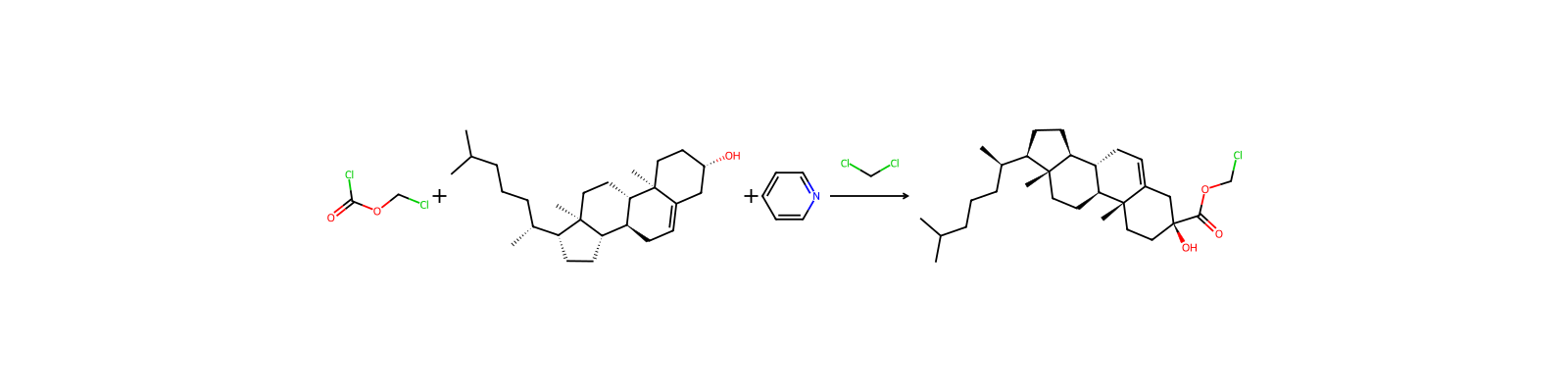
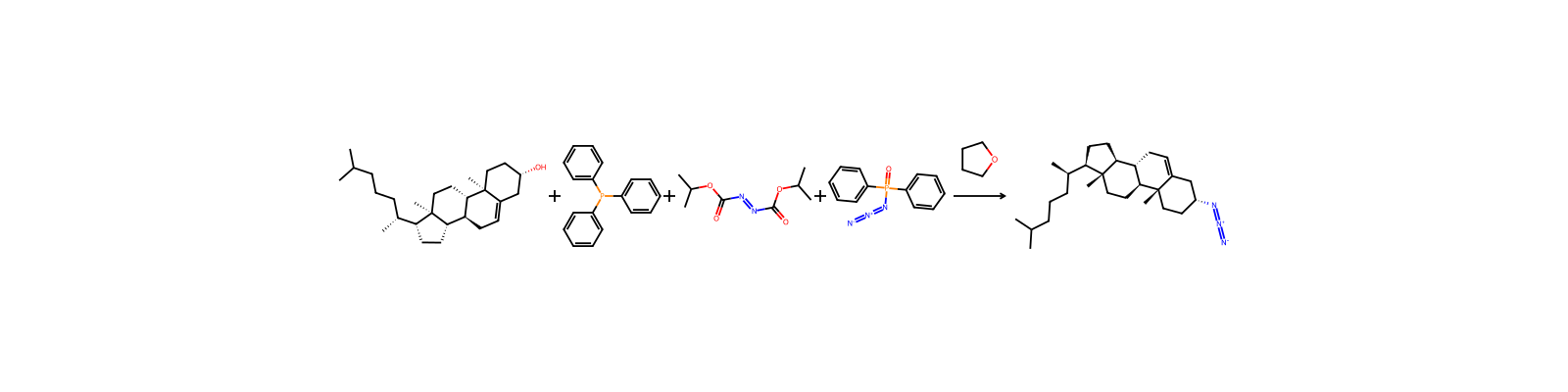
125 件





関連ノート
読み込み中…