
基本情報
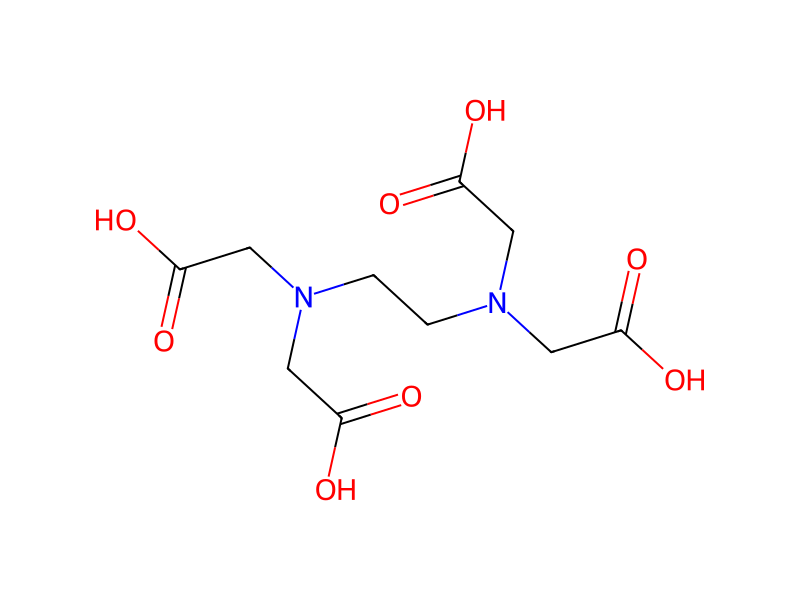
- 標準SMILES
O=C(O)CN(CCN(CC(=O)O)CC(=O)O)CC(=O)O- InChIKey
KCXVZYZYPLLWCC-UHFFFAOYSA-N- 分子式
- C10H16N2O8
- 平均分子量
- 292.24 g/mol
- 単同位体質量
- 292.09066547
名称と識別子
- 優先名称
- Ethylenediaminetetraacetic Acid
- IUPAC
- 2-[2-[bis(carboxymethyl)amino]ethyl-(carboxymethyl)amino]acetic acid
- 現地名
- 無水エデト酸二ナトリウム
- 英語名
- Ethylenediaminetetraacetic acid disodium salt
- 分子式
- C10H14N2Na2O8
- 分子量
- 336.21
名称と別名
EDTAEthylenediaminetetraacetic acidEdetic acid60-00-4EdathamilSequestrolHavidoteTitriplexCheeloxEDTA acidSequestrene aaVersene acid
名称をさらに表示
エチレンジアミン四酢酸二ナトリウム溶液 [水の硬度測定用] [ppm用](エチレンビスニトリロ)四酢酸1,1''-ジナトリウム(エチレンビスニトリロ)四酢酸1,1''-二ナトリウムエデト酸ジナトリウムエチレンジニトリロ四酢酸二水素1,1''-二ナトリウム3,6-ビス[(ソジオオキシカルボニル)メチル]-3,6-ジアザオクタン二酸EDTAジナトリウムEDTA二ナトリウムエチレンジアミン四酢酸ジナトリウムエデチン酸二ナトリウムエチレンジアミン-N,N,N',N'-四酢酸二水素N,N'-二ナトリウムコンプレキソンIIIエチレンジアミン四酢酸二ナトリウムエチレンジアミンテトラ酢酸二ナトリウムEDTA-2NaHW 34550-10L-VOLPAC エチレンジアミン四酢酸二ナトリウム塩 SOLUTION REAG. PH. EUR.,VOLUMETRIC,0.1 M EDTA-NA2,FOHW 34550-5L-VOLPAC エチレンジアミン四酢酸二ナトリウム塩 SOLUTION REAG. PH. EUR.,VOLUMETRIC,0.1 M EDTA-NA2,FORHW 35102-10L-VOLPAC エチレンジアミン四酢酸二ナトリウム塩 SOLUTION VOLUMETRIC,0.2 M EDTA-NA2,FOR COMPLEXOMETRYHW 35102-5L-VOLPAC エチレンジアミン四酢酸二ナトリウム塩 SOLUTION VOLUMETRIC,0.2 M EDTA-NA2,FOR COMPLEXOMETRYエチレンジアミン四酢酸二ナトリウム塩 SOLUTION REAG. PH. EUR.,VOLUMETRIC,0.1 M EDTA-NA2,FOR COMPLEXOMETRYEDTA-2NADISODIUM EDTADISODIUM EDETATEETAEDETATE DISODIUMEDTA DISODIUMEDTA DISODIUM SALTTITRIPLEX IIIDISODIUM ETHYLENEDIAMINETETRAACETATEEDTA NA2
Trilon BSGluma cleanserSequestric acidWarkeelate acidKomplexon iiTetrine acidQuastal SpecialMetaquest A
データベース識別子
- CAS
139-33-3、60-00-4、62-33-9、6381-92-6、64-02-8、688-55-1- PubChem CID
- 6049
- DTXSID
DTXSID6022977- ChEMBL
CHEMBL858- ChEBI
CHEBI:4735- UNII
- 9G34HU7RV0
- EC Number
- 200-449-4、613-386-6
- Nikkaji
- J4.406G
物性
構造計算による物性
- XLogP
- -5.9
- 極性表面積
- 156 Ų
- 水素結合供与体数
- 4
- 水素結合受容体数
- 10
- 回転可能結合数
- 11
- 重原子数
- 20
- 形式電荷
- 0
- 複雑度
- 315
実験および物理化学的性質
LogP
-2.6
-2.6
-3.34 (calculated)
Density
0.86 at 68 °F (USCG, 1999) - Less dense than water; will float
Relative density (water = 1): 0.86
Color/Form
Crystals from water
Colorless crystals
White crystalline powder
Solubility
1000000
SOL IN SOLN OF ALKALI HYDROXIDES
Insoluble in common organic solvents
In water, 1,000 mg/L at 25 °C
9.26e+00 g/L
Solubility in water, g/100ml at 20 °C: 0.05 (very poor)
Flash PointFlash point is> 100 °C,
Decomposition
When heated to decomp it emits toxic fume of /nitrogen oxides/.
Disodium EDTA decomposes at 252 °C.
When heated to decomposition it emits toxic fumes of /nitrogen oxides and sodium oxides/.
220-245 °C
Melting Point
237
245 °C
MP: 240-241 °C (decomposes). The free acid tends to carboxylate when heated to temps of 150 °C. Stable on storage and on boiling in aqueous solution.
MP: 242 °C /EDTA disodium dihydrate/
Vapor Pressure1.50X10-12 mm Hg at 25 °C /Extrapolated/
Physical Description
Ethylenediamine tetraacetic acid is a colorless crystalline solid. It is slightly soluble in water. The primary hazard is the threat to the environment. Immediate steps should be taken to limit its spread to the environment. It is used in chemical analysis, to make detergents and cleaning compounds, and for many other uses.
CBI; Other Solid; Dry Powder
Liquid; Dry Powder; Liquid; Dry Powder; CBI; Large Crystals
Clear crystals; [CAMEO]
White odorless solid; [JECFA] White odorless crystals; [Mallinckrodt Baker MSDS]
Solid
Stability/Shelf Life
Generally, EDTA is stable as a solid and in aqueous solution. Only strong oxidizing agents can attack it chemically. The stability of EDTA-metal chelates increases according to the order: Na+ <Ca2+ < Fe2+ < Co2+ <Zn2+ < Cu2+ < Pb2+ < Fe3+
EDTA is less stable than its salts and tends to decarboxylate when heated to 150 °C. It is stable when stored and when boiled in aqueous solution.
Dissociation ConstantspKa = 0.26
Collision Cross Section151.17 Ų [M-H]- [CCS Type: DT; Method: single field calibrated with Agilent tune mix (Agilent)];159.6 Ų [M+H]+ [CCS Type: DT; Method: single field calibrated with Agilent tune mix (Agilent)]
物理化学的性質
- 融点
- 248 °C · 248 °C (dec.)(lit.)
- 沸点
- 100 °C · >100 °C
- 比重(密度)
- 1.01 g/mL · 1.01 g/mL at 25 °C
- 蒸気圧
- 0 Pa · 0Pa at 25℃
- 屈折率
- 20 · n20/D 1.363
- 貯蔵温度
- 2 · 2-8°C
- 溶解性
- 2 O: · H2O: 無色透明
- 外見
- 解決
- 色
- 5 · ≤5 (0.5 M)(APHA)
- PH
- 8 · 8.0±0.2
- 臭い (Odor)
- 100 %で。無臭 · 100.00%で。無臭
- 水溶解度
- 水と混和します。
- BRN
- 3822669 · 3822669
- 安定性
- 吸湿性
- 化粧品成分の機能
- キレート化粘度制御
- InChI
- 1S/C10H16N2O8.2Na/c13-7(14)3-11(4-8(15)16)1-2-12(5-9(17)18)6-10(19)20;;/h1-6H2,(H,13,14)(H,15,16)(H,17,18)(H,19,20);;/q;2*+1/p-2
- InChIKey
- ZGTMUACCHSMWAC-UHFFFAOYSA-L
- SMILES
- [Na+].[Na+].OC(=O)CN(CCN(CC(O)=O)CC([O-])=O)CC([O-])=O
- LogP
- -4.3 at · -4.3 at 25℃
- CAS データベース
- 139 · 139-33-3(CAS DataBase Reference)
- EPAの化学物質情報
- Ethylenediaminetetraacetic acid disodium salt (139-33-3)
- Absorption
- 268 nm · cut-off at 268nm
化学的性質
化学的特性Disodium edetate occurs as a white crystalline, odorless powder with a slightly acidic taste.
安全と法規制
GHS分類
GHS Classification
Warning
H319: Causes serious eye irritation [Warning Serious eye damage/eye irritation]
P264+P265, P280, P305+P351+P338, and P337+P317 (click each P-code to see the statement)
This chemical does not meet GHS hazard criteria for 0.4% (6 of 1452) of reports.
危険有害性情報
Regulatory Information
Chemical: Glycine, N,N'-1,2-ethanediylbis[N-(carboxymethyl)-
Chemical: Glycine, N,Nâ²-1,2-ethanediylbis[N-(carboxymethyl)-, sodium salt (1:2)
Glycine, N,N'-1,2-ethanediylbis[N-(carboxymethyl)-, sodium salt (1:2) is listed on the EPA's Chemical Data Reporting (CDR) system. Manufacturers and importers of Glycine, N,N'-1,2-ethanediylbis[N-(carboxymethyl)-, sodium salt (1:2) are required to report information about their production and use of this chemical to the EPA under the Toxic Substances Control Act (TSCA). (40 eCFR Part 711)
Glycine, N,N'-1,2-ethanediylbis[N-(carboxymethyl)- is listed on the EPA's Chemical Data Reporting (CDR) system. Manufacturers and importers of Glycine, N,N'-1,2-ethanediylbis[N-(carboxymethyl)- are required to report information about their production and use of this chemical to the EPA under the Toxic Substances Control Act (TSCA). (40 eCFR Part 711)
Status: Active Update: 14-04-2023 https://echa.europa.eu/registration-dossier/-/registered-dossier/14698;Status: Active Update: 25-02-2016 https://echa.europa.eu/registration-dossier/-/registered-dossier/7894
Disodium EDTA: Does not have an individual approval but may be used under an appropriate group standard
Other Safety Information
IMAP assessments - Glycine, N,N'-1,2-ethanediylbis[N-(carboxymethyl)-, disodium salt: Human health tier I assessment
IMAP assessments - Glycine, N,N'-1,2-ethanediylbis[N-(carboxymethyl)-: Human health tier I assessment
Fire HazardsCombustible. Gives off irritating or toxic fumes (or gases) in a fire. Finely dispersed particles form explosive mixtures in air.
Hazards Summary
Can cause burns to skin and eyes; [CAMEO] Potential skin sensitizer; [HSDB] Has reproductive toxicity in animal studies; May cause kidney damage after chronic exposure; A skin and eye irritant; [MSDSonline] See Tetrasodium EDTA.
Causes convulsions in oral lethal-dose studies of rats; Causes other changes of the liver and kidney in 30-day intermittent oral studies of rabbits; [RTECS] Acceptable daily intake (ADI) of 0-2.5 mg/kg; [JECFA] A mild irritant; [Mallinckrodt Baker MSDS] See Edetic acid.
FDA RequirementsThe Approved Drug Products with Therapeutic Equivalence Evaluations identifies discontinued drug products. Edetate disodium is included on this list.
Reactive GroupAcids, Carboxylic;Amines, Phosphines, and Pyridines
Special Reports
Hart JR; Cosmet Toiletries 98 (4): 54-8 (1983); use of EDTA-type chelating agents and their salts in shampoos, liquid soaps, skin cleaners, creams and lotions, and other products are reviewed.
NTP TR No 011; Route: oral in feed; Species: rats and mice. NTIS No PB270938/AS. /Trisodium ethylenediaminetetraacetate trihydrate/[NTP; Division of Toxicology Research and Testing; Management Status Report; 07/07/93; p.28]
FIFRA Requirements
As the federal pesticide law FIFRA directs, EPA is conducting a comprehensive review of older pesticides to consider their health and environmental effects and make decisions about their continued use. Under this pesticide reregistration program, EPA examines newer health and safety data for pesticide active ingredients initially registered before November 1, 1984, and determines whether the use of the pesticide does not pose unreasonable risk in accordance to newer saftey standards, such as those described in the Food Quality Protection Act of 1996. Pesticides for which EPA had not issued Registration Standards prior to the effective date of FIFRA '88 were divided into three lists based upon their potential for human exposure and other factors, with List B containing pesticides of greater concern than those on List C, and with List C containing pesticides of greater concern than those on List D. Ethylenediaminetetraacetic acid is found on List D. Case No: 4036; Pesticide type: insecticide fungicide, herbicide, antimicrobial; Case Status: None of the active ingredients in the case are being supported for reregistration by their registrants. All are unsupported, or some are unsupported and some are cancelled. Cases described as "unsupported" generally are being processed for cancellation.; Active ingredient (AI): ethylenediaminetetraacetic acid; AI Status: The active ingredient is no longer contained in any registered products ... "cancelled."
Residues of the following chemical substances are exempted from the requirement of a tolerance when used in accordance with good manufacturing practice as ingredients in an antimicrobial pesticide formulation, provided that the substance is applied on a semi-permanent or permanent food-contact surface (other than being applied on food packaging) with adequate draining before contact with food. ... (b) The following chemical substances when used as ingredients in an antimicrobial pesticide formulation may be applied to: Dairy processing equipment, and food-processing equipment and utensils. Ethylenediaminetetraacetic acid (EDTA), disodium salt is included on this list. Limit: When ready for use, the end-use concentration is not to exceed 1400 ppm.
Residues of the following chemical substances are exempted from the requirement of a tolerance when used in accordance with good manufacturing practice as ingredients in an antimicrobial pesticide formulation, provided that the substance is applied on a semi-permanent or permanent food-contact surface (other than being applied on food packaging) with adequate draining before contact with food. ... (c) The following chemical substances when used as ingredients in an antimicrobial pesticide formulation may be applied to: Food-processing equipment and utensils. Ethylenediaminetetraacetic acid (EDTA), disodium salt is included on this list. Limit: When ready for use, the end-use concentration is not to exceed 1400 ppm.
As the federal pesticide law FIFRA directs, EPA is conducting a comprehensive review of older pesticides to consider their health and environmental effects and make decisions about their continued use. Under this pesticide reregistration program, EPA examines newer health and safety data for pesticide active ingredients initially registered before November 1, 1984, and determines whether the use of the pesticide does not pose unreasonable risk in accordance to newer saftey standards, such as those described in the Food Quality Protection Act of 1996. Pesticides for which EPA had not issued Registration Standards prior to the effective date of FIFRA '88 were divided into three lists based upon their potential for human exposure and other factors, with List B containing pesticides of greater concern than those on List C, and with List C containing pesticides of greater concern than those on List D. Ethylenediaminetetraacetic acid, disodium salt is found on List D. Case No: 4036; Pesticide type: insecticide, fungicide, herbicide, antimicrobial; Case Status: None of the active ingredients in the case are being supported for reregistration by their registrants. All are unsupported, or some are unsupported and some are cancelled. Cases described as "unsupported" generally are being processed for cancellation.; Active ingredient (AI): Ethylenediaminetetraacetic acid, disodium salt; AI Status: The active ingredient is no longer contained in any registered products ... "cancelled."
Reactivity Profile
Behaves as a weak organic acid. Carboxylic acids donate hydrogen ions if a base is present to accept them. They react in this way with all bases, both organic (for example, the amines) and inorganic. Their reactions with bases, called "neutralizations", are accompanied by the evolution of substantial amounts of heat. Neutralization between an acid and a base produces water plus a salt. Carboxylic acids with six or fewer carbon atoms are freely or moderately soluble in water; those with more than six carbons are slightly soluble in water. Soluble carboxylic acid dissociate to an extent in water to yield hydrogen ions. The pH of solutions of carboxylic acids is therefore less than 7.0. Many insoluble carboxylic acids react rapidly with aqueous solutions containing a chemical base and dissolve as the neutralization generates a soluble salt. Carboxylic acids in aqueous solution and liquid or molten carboxylic acids can react with active metals to form gaseous hydrogen and a metal salt. Such reactions occur in principle for solid carboxylic acids as well, but are slow if the solid acid remains dry. Even "insoluble" carboxylic acids may absorb enough water from the air and dissolve sufficiently in it to corrode or dissolve iron, steel, and aluminum parts and containers. Carboxylic acids, like other acids, react with cyanide salts to generate gaseous hydrogen cyanide. The reaction is slower for dry, solid carboxylic acids. Insoluble carboxylic acids react with solutions of cyanides to cause the release of gaseous hydrogen cyanide. Flammable and/or toxic gases and heat are generated by the reaction of carboxylic acids with diazo compounds, dithiocarbamates, isocyanates, mercaptans, nitrides, and sulfides. Carboxylic acids, especially in aqueous solution, also react with sulfites, nitrites, thiosulfates (to give H2S and SO3), dithionites (SO2), to generate flammable and/or toxic gases and heat. Their reaction with carbonates and bicarbonates generates a harmless gas (carbon
Chemical DangersDecomposes on heating. This produces toxic fumes of nitrous oxides. Reacts with strong oxidants. Attacks some forms of metals and rubber.
Physical DangersDust explosion possible if in powder or granular form, mixed with air.
History and Incidents
The Food and Drug Administration (FDA) is withdrawing approval of one new drug application (NDA) and two abbreviated new drug applications (ANDAs) for edetate disodium injection. The holders of these applications have agreed in writing to permit FDA to withdraw approval of the applications and have waived their opportunity for a hearing. ... Edetate disodium is indicated for the treatment of hypercalcemia and for the control of ventricular arrhythmias associated with digitalis toxicity. Hospira, Inc. (Hospira), Apotex Inc. (Apotex), and Bioniche Pharma (Bioniche) have agreed in writing to permit FDA to withdraw approval of their respective applications (listed in the table of this document), and to voluntarily remove their respective products from the market, under part 314.150(d) (21 CFR 314.150(d)). On January 16, 2008, FDA issued a public health advisory to alert patients and healthcare professionals about important safety information concerning the drug edetate disodium (see ''FDA Public Health Advisory: Edetate Disodium (Marketed as ENDRATE and Generic Products), ... As noted in the January 16, 2008, Public Health Advisory, there have been cases where children and adults have died when they were mistakenly given edetate disodium instead of edetate calcium disodium (calcium disodium versenate) or when edetate disodium was used for indications other than those approved by FDA.
/OTHER TOXICITY INFORMATION/ Fatal medication errors have occurred that involve confusion between edetate calcium disodium (calcium EDTA) and edetate disodium (no longer commercially available in the US). Children and adults have mistakenly received edetate disodium instead of edetate calcium disodium; at least 5 deaths have occurred as a result of inadvertent administration of edetate disodium. Although both edetate calcium disodium and edetate disodium are heavy metal antagonists, the 2 drugs were originally approved by the US Food and Drug Administration (FDA) for different uses and have different effects; edetate disodium was formerly FDA approved for use in selected patients for the emergency treatment of hypercalcemia or for the control of ventricular arrhythmias associated with cardiac glycoside toxicity. Use of edetate disodium may result in a substantial, and sometimes fatal, decrease in serum calcium concentrations. In June 2008, FDA withdrew its prior approval for edetate disodium because of safety concerns following a review of the risk-benefit profile of the drug. FDA stated that it was not considering additional action regarding edetate calcium disodium at that time; most of the fatalities following administration of an EDTA drug have involved medication errors in which edetate disodium was administered instead of edetate calcium disodium. FDA has not received reports of any fatalities resulting from the administration of edetate calcium disodium that involve a medication error.
安全と保護具
Fire FightingUse water spray, foam, carbon dioxide, powder.
First Aid Measures
Fresh air, rest.
Rinse skin with plenty of water or shower.
Rinse with plenty of water (remove contact lenses if easily possible).
Rinse mouth. Give one or two glasses of water to drink.
Safe StorageSeparated from strong oxidants, metals and food and feedstuffs.
Fire Fighting Procedures
This chemical is a combustible solid. It does not easily ignite. Use dry chemical, carbon dioxide, water spray, or alcohol or polymer foam extinguishers. ...
If material on fire or involved in fire: Do not extinguish fire unless flow can be stopped. Use water in flooding quantities as fog. Solid streams of water may be ineffective. Cool all affected containers with flooding quantities of water. Apply water from as far a distance as possible. Use "alcohol" foam, dry chemical or carbon dioxide.
Water spray, dry chemical, carbon dioxide, or foam as appropriate for surrounding fire and materials.
This material is assumed to be combustible. As with all dry powders, it is advisable to ground mechanical equipment in contact with dry material to dissipate the potential buildup of static electricity.
Storage Conditions
Chelating agents, by their very nature, tend to be corrosive to metals such as copper, zinc, and iron. The alkaline salts corrode aluminum severely, and contact with these salts should be avoided. Stainless steel and most polymers or coatings that are able to withstand dilute alkali are acceptable as construction materials. Solid chelating agents should be stored in a cool, dry place to avoid caking. /Chelating agents/
Store at 25 °C (77 °F) with excursions permitted between 15 to 30 °C (59 to 86 °F).
Store in tight container as defined in the USP-NF. This material should be handled and stored per label instructions to ensure product integrity. Store in a refrigerator.
Cleanup Methods
Environmental considerations: Land spill: Dig a pit, pond, lagoon, holding area to contain liquid or solid material. /SRP: If time permits, pits, ponds, lagoons, soak holes, or holding areas should be sealed with an impermeable flexible membrane liner./ Dike surface flow using soil, sand bags, foamed polyurethane, or foamed concrete. Absorb bulk liquid with fly ash or cement powder. Neutralize with sodium bisulfate (NaHSO4).
Environmental considerations: Air spill: Apply water spray or mist to knock down vapors. Vapor knockdown water is corrosive or toxic and should be diked for containment.
Environmental considerations: Water spill: Use natural barriers or oil spill control booms to limit spill travel. Use surface active agent (e.g., detergent, soaps, alcohols), if approved by EPA. Inject "universal" gelling agent to solidify encircled spill and increase effectiveness of booms. Add sodium bisulfate (NaHSO4). If dissolved, in region of 10 ppm or greater concentration, apply activated carbon at ten times the spilled amount. Use mechanical dredges or lifts to remove immobilized masses of pollutants and precipitates.
Wear approved respiratory protection, chemically compatible gloves, and protective clothing. Wipe up spillage or collect spillage using a high-efficiency vacuum cleaner. Avoid breathing dust. Place spillage in appropriately labeled container for disposal. Wash spill site.
Disposal Methods
SRP: The most favorable course of action is to use an alternative chemical product with less inherent propensity for occupational exposure or environmental contamination. Recycle any unused portion of the material for its approved use or return it to the manufacturer or supplier. Ultimate disposal of the chemical must consider: the material's impact on air quality; potential migration in soil or water; effects on animal, aquatic, and plant life; and conformance with environmental and public health regulations.
SRP: The most favorable course of action is to use an alternative chemical product with less inherent propensity for occupational harm/injury/toxicity or environmental contamination. Recycle any unused portion of the material for its approved use or return it to the manufacturer or supplier. Ultimate disposal of the chemical must consider: the material's impact on air quality; potential migration in soil or water; effects on animal and plant life; and conformance with environmental and public health regulations.
Spillage Disposal
Personal protection: particulate filter respirator adapted to the airborne concentration of the substance. Sweep spilled substance into covered non-metallic containers. Carefully collect remainder. Then store and dispose of according to local regulations.
Preventive Measures
SRP: The scientific literature for the use of contact lenses by industrial workers is inconsistent. The benefits or detrimental effects of wearing contact lenses depend not only upon the substance, but also on factors including the form of the substance, characteristics and duration of the exposure, the uses of other eye protection equipment, and the hygiene of the lenses. However, there may be individual substances whose irritating or corrosive properties are such that the wearing of contact lenses would be harmful to the eye. In those specific cases, contact lenses should not be worn. In any event, the usual eye protection equipment should be worn even when contact lenses are in place.
Personnel protection: Avoid breathing vapors. Keep upwind. Avoid bodily contact with the material. ... Do not handle broken packages unless wearing appropriate personal protective equipment. Wash away any material which may have contacted the body with copious amounts of water or soap and water. ... If contact with the material anticipated, wear appropriate chemical protective clothing.
If material not on fire and not involved in fire: Keep sparks, flames, and other sources of ignition away. Keep material out of water sources and sewers. build dikes to contain flow as necessary.
As with all fires, evacuate personnel to a safe area. Firefighters should use self-contained breathing equipment and protective clothing.
As a general rule, when handling USP Reference Standards avoid all contact and inhalation of dust, mists, and/or vapors associated with the material. Wash thoroughly after handling.
/Wear/ chemically compatible gloves /and/ safety glasses or goggles. Protect exposed skin.
Eye PreventionWear safety goggles.
Fire PreventionNO open flames. Prevent deposition of dust. Closed system, dust explosion-proof electrical equipment and lighting.
Inhalation RiskA nuisance-causing concentration of airborne particles can be reached quickly.
毒性情報
Interactions
Total myocardial calcium content of rats treated with adriamycin was very high. Treatment with EDTA decreased calcium levels almost to normal values; however the histological adriamycin-induced cardiac alterations were not prevented.
The effect of EDTA (ethylenediaminetetraacetate) on the antimicrobial activity of 10% sodium sulfacetamide solutions was evaluated in this study by kill rate and minimum /inhibitory/ concentration (mic). EDTA improves the kill rate, but not the mic, for the pseudomonas, serratia, and candida species regardless of the preservative.
... Increased absorption of drugs ... occurs in presence of ... ethylenediaminetetraacetic acid (EDTA). When given orally ... (100-500 mg/kg in rats), the chelator increased ... /the/ rate of absorption of heparin, sulfopolyglucin, mannitol, inulin, decamethonium, sulfanilic acid ... Phenol red, all lipid-insoluble substances which ordinarily are poorly absorbed from GI tract. The wide variety of the chemical structures of these suggests that the chelating agent is acting in a nonspecific way and is not affecting the physical or chemical state of the compounds within the intestine ... /there is/ direct evidence that EDTA acts by increasing the permeability of the intestinal epithelium ... Perhaps EDTA alters permeability by increasing the size of the membrane pores or by widening the spaces between the epithelial cells through the removal of calcium ions.
The effects of EDTA on contractile responses of hamster cremaster arterioles and rat aortic strips to epinephrine (EPI) or norepinephrine (NOR) were examined. Comparable contractile responses were elicited by lower EPI or NOR concentration in presence than in absence of EDTA. Individual responses were maintained in the presence of EDTA but rapidly declined if EDTA was not present. Apparently, oxidation of EPI and NOR reduces apparent vascular reactivity and EDTA prevents or delays the reduction.
For more Interactions (Complete) data for ETHYLENEDIAMINE TETRAACETIC ACID (8 total), please visit the HSDB record page.
/Investigators/ reported that Disodium EDTA (10 mg/mL) increased the intestinal absorption of neutral, basic, and acidic compounds in the male Sprague-Dawley rat. The chelating agent increased the absorption of (14)C-mannitol and (14)C-inulin from <2% to 7%-b 1%, the absorption of (14)C-N-methyldecamethonium from 2%-3% to 11%-15%, and the absorption of sulfanilic acid from 11%-14% to 26%-32%. Plasma concentrations of the drugs were increased as much as five- or sixfold, compared to controls.
Ecotoxicity Values
LC50; Species: Daphnia magna (Water flea); Conditions: static; Concentration: 625 mg/L for 24 hr /formulated product/
LC50; Species: Lepomis macrochirus (Bluegill); Conditions: static, pH 3.7; Concentration: 159 mg/L for 96 hr; 96 hr No Observed Effect Concentration: 100 mg/L
LC50; Species: Lepomis macrochirus (Bluegill) weight 0.74 (0.62-1.28) g, length 34 (28-38) mm; Conditions: static; Concentration: 41 mg/L for 96 hr (95% confidence interval: 34-62 mg/L) /99.33 % a.i., Versene Acid/
LC50; Species: Ictalurus punctatus (Channel catfish) fingerling, length 2-3 in; Conditions: static; Concentration: >500 mg/L for 1, 2 hr; static /Versene acid/
For more Ecotoxicity Values (Complete) data for ETHYLENEDIAMINE TETRAACETIC ACID (10 total), please visit the HSDB record page.
Environmental Fate
TERRESTRIAL FATE: Based on a classification scheme(1), an estimated Koc value of 313(SRC), determined from a structure estimation method(2), indicates that ethylenediamine tetraacetic acid is expected to have moderate mobility in soil(SRC). The pKa of ethylenediamine tetraacetic acid is 0.26(3), indicating that this compound will exist almost entirely in anion form in the environment and anions generally do not adsorb more strongly to soils containing organic carbon and clay than their neutral counterparts(4). Volatilization of ethylenediamine tetraacetic acid from moist soil surfaces is not expected to be an important fate process(SRC) given its pKa(3). Ethylenediamine tetraacetic acid is not expected to volatilize from dry soil surfaces(SRC) based upon a vapor pressure of 1.5X10⁻¹² mm Hg at 25 °C(4). A 0% of theoretical BOD using activated sludge in the Japanese MITI test(5) suggests that biodegradation is not important in soil(SRC).
AQUATIC FATE: Based on a classification scheme(1), an estimated Koc value of 313(SRC), determined from a structure estimation method(2), indicates that ethylenediamine tetraacetic acid is expected to adsorb to suspended solids and sediment(SRC). A pKa of 0.26(3) indicates ethylenediamine tetraacetic acid will exist almost entirely in the anion form at pH values of 5 to 9 and therefore volatilization from water surfaces is not expected to be an important fate process(SRC). According to a classification scheme(4), an estimated BCF of 3(SRC), from an estimated log Kow of -3.86(5) and a regression-derived equation(6), suggests the potential for bioconcentration in aquatic organisms is low(SRC). Ethylenediamine tetraacetic acid was poorly biodegraded anaerobically(7). Photodegradation half-lives of ethylenediamine tetraacetic acid in lake water at pH 3.1 and 6.5 are reported as 31.1 and 56.8 minutes, respectively(8). Ethylenediamine tetraacetic acid is not expected to undergo hydrolysis in the environment due to lack of functional groups that hydrolyze under environmental conditions(9).
ATMOSPHERIC FATE: According to a model of gas/particle partitioning of semivolatile organic compounds in the atmosphere(1), ethylenediamine tetraacetic acid, which has a vapor pressure of 1.5X10⁻¹² mm Hg at 25 °C(2), is expected to exist solely in the particulate phase in the ambient atmosphere. Particulate-phase ethylenediamine tetraacetic acid may be removed from the air by wet or dry deposition(SRC).
Adverse Effects
Dermatotoxin - Skin burns.
There are multiple adverse effects related to the use of EDTA. These side effects are dependent on various factors, including dosage, renal function, and frequency of administration. The most commonly recognized adverse effect is renal toxicity. The toxic effects can manifest as acute tubular necrosis, renal failure, anuria, and proteinuria. Both intramuscular and intravenous routes of administration were shown to increase blood urea nitrogen in more than 25% of patients.;Additionally, calcium EDTA has a strong affinity for zinc, which can lead to a zinc deficiency. The amount of zinc lost from the body was shown to be negatively correlated with weight. A study assessing the efficacy of calcium disodium edetate found that smaller children were losing a larger proportion of zinc than larger children. The study further reinforced the need to monitor levels of zinc during chelation therapy.;Other side effects include fever, nausea, vomiting, chills, fatigue, arthralgia, hypotension, arrhythmias, acute tubular necrosis, proteinuria, tremors, headache, cheilosis, bone marrow depression, anemia, and hypercalcemia. Pain at the injection site is a common adverse drug reaction of intramuscular administration.;Administration of edetate calcium disodium must be carefully distinguished from the administration of edetate disodium. Edetate disodium is similar in structure to edetate calcium disodium; however, it is not complexed with calcium. This minor difference protects serum levels of calcium and avoids life-threatening hypocalcemia. Cases have been reported where patients who were incorrectly given edetate disodium had seizures and cardiac arrest.
Exposure Routes
The substance can be absorbed into the body by inhalation of dust, by inhalation of its aerosol and by ingestion.
Poorly absorbed from the gastrointestinal tract. Well absorbed following intramuscular injection.
Toxicity Summary
Safe in the present practices of use and concentration. Ingredient, concentration, and use information are available in documents discoverable at https://cir-reports.cir-safety.org
Safe in the present practices of use and concentration. Ingredient, concentration, and use information are available in documents discoverable at https://cir-reports.cir-safety.org
Currently, no antidotes are available for EDTA. In patients who have cerebral edema, increases in intracranial pressure should be treated immediately with osmotic agents. Patients with nephrotoxicity should be given fluids to ensure hydration and be monitored for urine output. Renal function should be continuously monitored even after the development of toxicity. Overall, patients who develop signs or symptoms of toxicity should immediately be discontinued from the drug.
The pharmacologic effects of edetate calcium disodium are due to the formation of chelates with divalent and trivalent metals. A stable chelate will form with any metal that has the ability to displace calcium from the molecule, a feature shared by lead, zinc, cadmium, manganese, iron and mercury. The amounts of manganese and iron metabolized are not significant. Copper is not mobilized and mercury is unavailable for chelation because it is too tightly bound to body ligands or it is stored in inaccessible body compartments. The excretion of calcium by the body is not increased following intravenous administration of edetate calcium disodium, but the excretion of zinc is considerably increased.
Average Daily IntakeThe average daily intake of ethylenediamine tetraacetic acid for a man who drinks two liters of water per day would be a maximum of 50 ug. The acceptable daily intake for man is 0 to 2.5 mg/kg(1).
Ecotoxicity Excerpts
/AQUATIC SPECIES/ The effect of the strong metal-complexing agent EDTA on survival, growth, and copper and zinc concentrations in Hyalella azteca (scud) was studied to determine if metal concentrations in control amphipods represent minimum physiological levels. Exposure to EDTA concentrations of up to 560 uM for 1 week did not reduce metal levels (mean background = 1.2 umol Cu/g and 1.0 umol Zn/g dry weight), indicating that background metals are firmly bound to Hyalella. Chronic (4 week) exposure to EDTA resulted in increased mortality and reduced growth rates, both of which could be partially ameliorated by adding zinc to culture media. ...
/AQUATIC SPECIES/ Unicellular alga, poterioochromonas malhamensis, was exposed to inorganic lead or triethyl lead and simultaneously treated with lead antidotes. Some of the antidotes alone slightly to severely inhibited algal growth (bal, EDTA, and salts).
/AQUATIC SPECIES/ .../The investigators/ evaluated the effect of a series of factors that could potentially modify metal speciation on the toxicity of Hg, Cu, Zn, and Cd toward a recombinant strain of the freshwater cyanobacterium Anabaena sp. PCC 7120 with cloned lux operon of luminescent terrestrial bacterium Photorhabdus luminescens. The strain, denoted as Anabaena CPB4337, showed a high constitutive luminescence with no need to add exogenous aldehyde. The tested factors were pH, EDTA (as organic ligand), and anions PO(4)(3-), CO(3)(2-), and Cl(-). Chemical modeling and correlation analyses were used to predict metal speciation and link it with toxicity. In general, metal toxicity significantly correlated to the predicted metal free-ion concentration, although Zn-EDTA complexes and certain Hg chloro-complexes could also exhibit some toxicity to cyanobacteria. An interesting feature of metal toxicity to strain Anabaena CPB4337 was that low amounts of PO(4)(3-) and CO(3)(2-) increased metal toxicity; this effect could not be related to significant changes in metal speciation and could be attributed to a modulating effect of these anions on metal/uptake toxicity. The combination of toxicity studies that take into account a range of factors that might modulate metal toxicity with chemical modeling to predict changes in metal speciation might be useful for interpreting complex toxicity data. Finally, this cyanobacterial bioreporter, due to its ecological relevance as a primary producer, could be used as a tool for toxicity assessment in freshwater environments.
/AQUATIC SPECIES/ ...Standard toxicity bioassays (semi-static, chronic) /were used/ to evaluate EDTA as a chelating agent for reducing trivalent and hexavalent chromium toxicity on Petrolisthes laevigatus. Crab survival decreased linearly with increased chromium concentrations and dropped significantly beginning at 40 mg/L Cr (VI) and 80 mg/L Cr (III). No significant differences were observed with Cr (III) + EDTA as compared with untreated controls. Cr (VI) toxicity was greater than that of Cr (III), with low individual survival rates. The protective effect of EDTA in the medium increased crab survival by 41%-48%.
/PLANTS/ The effects of Pb chelater (EDTA-Pb) and ionic Pb (Pb(NO(3))(2)) on root cell death, Pb accumulation, changes of ROS, activities of antioxidant enzymes and uptake of mineral elements in response to Pb toxicity in Sedum alfredii H. were compared. Loss of plasma membrane integrity became serious by increasing Pb concentration in the medium, 200 uM Pb + 200 uM EDTA has alleviated the root cell death. The biomass was significantly affected by high concentration of Pb, and root growth was also affected by EDTA-Pb compared with ionic Pb. Lead accumulation was higher in the samples treated with ionic lead than that of the control. The concentration of reactive oxygen species (ROS) was determined by fluorescence microscopy, which indicates that the Pb stress increased the content of ROS significantly, whereas the EDTA-Pb decreased the burst of H(2)O(2). High Pb concentrations increase the activity of /superoxide dismutase/ (SOD) and /lipoxygenase/ (LOX). The Cu concentration in root increased significantly under Pb and EDTA-Pb treatment, and 200 uM Pb markedly increased the Fe content in roots. Under ionic Pb condition, the contents of Mg, Ca and K in shoots decreased, whereas they were significantly increased in case of EDTA-Pb. These results suggested that accumulating ecotype of S. alfredii roots were inefficient in uptake of higher concentration of EDTA-chelated Pb for long treatment duration, and that lead toxicity could be alleviated by EDTA.
Signs and Symptoms
Cough.
Redness. Pain.
Abdominal pain. Diarrhoea.
Ongoing Test Status
The following link will take the user to the National Toxicology Program (NTP) Test Agent Search Results page, which tabulates all of the "Standard Toxicology & Carcinogenesis Studies", "Developmental Studies", and "Genetic Toxicity Studies" performed with this chemical. Clicking on the "Testing Status" link will take the user to the status (i.e., in review, in progress, in preparation, on test, completed, etc.) and results of all the studies that the NTP has done on this chemical. /Trisodium ethylenediaminetetraacetate trihydrate/[Available from: http://ntp-apps.niehs.nih.gov/ntp_tox/index.cfm?fuseaction=ntpsearch.searchresults&searchterm=150-38-9]
Effluent Concentrations
Ethylenediamine tetraacetic acid was identified in the effluent from the Rye Meads, England sewage treatment plant at concentrations ranging from 200 ppb to 1200 ppb in samples taken in 1974(1). The concentration of ethylenediamine tetraacetic acid waste water effluents of five Finnish pulp and paper mills was between 0.24 mg/L and 8.4 mg/L(2).
Soil Adsorption/Mobility
Using a structure estimation method based on molecular connectivity indices(1), the Koc of ethylenediamine tetraacetic acid can be estimated to be 313(SRC). According to a classification scheme(2), this estimated Koc value suggests that ethylenediamine tetraacetic acid is expected to have moderate mobility in soil. The pKa of ethylenediamine tetraacetic acid is 0.26(3), indicating that this compound will almost entirely exist in anion form in the environment and anions generally do not adsorb more strongly to soils containing organic carbon and clay than their neutral counterparts(4). Ethylenediamine tetraacetic acid adsorption onto lake sediment was 9, 8.6, 24.8, 21.3, 15.4 and 6.3% when complexed with sodium, copper, iron III, mercury, manganese and nickle, respectively(5). The fraction of ethylenediamine tetraacetic acid absorbed onto sediment in samples of surface waters, ground waters, and waste water treatment plant effluents from Switzerland was an average of one percent(6).
法規制情報
Regulatory Information
Chemical: Glycine, N,N'-1,2-ethanediylbis[N-(carboxymethyl)-
Chemical: Glycine, N,Nâ²-1,2-ethanediylbis[N-(carboxymethyl)-, sodium salt (1:2)
Glycine, N,N'-1,2-ethanediylbis[N-(carboxymethyl)-, sodium salt (1:2) is listed on the EPA's Chemical Data Reporting (CDR) system. Manufacturers and importers of Glycine, N,N'-1,2-ethanediylbis[N-(carboxymethyl)-, sodium salt (1:2) are required to report information about their production and use of this chemical to the EPA under the Toxic Substances Control Act (TSCA). (40 eCFR Part 711)
Glycine, N,N'-1,2-ethanediylbis[N-(carboxymethyl)- is listed on the EPA's Chemical Data Reporting (CDR) system. Manufacturers and importers of Glycine, N,N'-1,2-ethanediylbis[N-(carboxymethyl)- are required to report information about their production and use of this chemical to the EPA under the Toxic Substances Control Act (TSCA). (40 eCFR Part 711)
Status: Active Update: 14-04-2023 https://echa.europa.eu/registration-dossier/-/registered-dossier/14698;Status: Active Update: 25-02-2016 https://echa.europa.eu/registration-dossier/-/registered-dossier/7894
Disodium EDTA: Does not have an individual approval but may be used under an appropriate group standard
FDA RequirementsThe Approved Drug Products with Therapeutic Equivalence Evaluations identifies discontinued drug products. Edetate disodium is included on this list.
FIFRA Requirements
As the federal pesticide law FIFRA directs, EPA is conducting a comprehensive review of older pesticides to consider their health and environmental effects and make decisions about their continued use. Under this pesticide reregistration program, EPA examines newer health and safety data for pesticide active ingredients initially registered before November 1, 1984, and determines whether the use of the pesticide does not pose unreasonable risk in accordance to newer saftey standards, such as those described in the Food Quality Protection Act of 1996. Pesticides for which EPA had not issued Registration Standards prior to the effective date of FIFRA '88 were divided into three lists based upon their potential for human exposure and other factors, with List B containing pesticides of greater concern than those on List C, and with List C containing pesticides of greater concern than those on List D. Ethylenediaminetetraacetic acid is found on List D. Case No: 4036; Pesticide type: insecticide fungicide, herbicide, antimicrobial; Case Status: None of the active ingredients in the case are being supported for reregistration by their registrants. All are unsupported, or some are unsupported and some are cancelled. Cases described as "unsupported" generally are being processed for cancellation.; Active ingredient (AI): ethylenediaminetetraacetic acid; AI Status: The active ingredient is no longer contained in any registered products ... "cancelled."
Residues of the following chemical substances are exempted from the requirement of a tolerance when used in accordance with good manufacturing practice as ingredients in an antimicrobial pesticide formulation, provided that the substance is applied on a semi-permanent or permanent food-contact surface (other than being applied on food packaging) with adequate draining before contact with food. ... (b) The following chemical substances when used as ingredients in an antimicrobial pesticide formulation may be applied to: Dairy processing equipment, and food-processing equipment and utensils. Ethylenediaminetetraacetic acid (EDTA), disodium salt is included on this list. Limit: When ready for use, the end-use concentration is not to exceed 1400 ppm.
Residues of the following chemical substances are exempted from the requirement of a tolerance when used in accordance with good manufacturing practice as ingredients in an antimicrobial pesticide formulation, provided that the substance is applied on a semi-permanent or permanent food-contact surface (other than being applied on food packaging) with adequate draining before contact with food. ... (c) The following chemical substances when used as ingredients in an antimicrobial pesticide formulation may be applied to: Food-processing equipment and utensils. Ethylenediaminetetraacetic acid (EDTA), disodium salt is included on this list. Limit: When ready for use, the end-use concentration is not to exceed 1400 ppm.
As the federal pesticide law FIFRA directs, EPA is conducting a comprehensive review of older pesticides to consider their health and environmental effects and make decisions about their continued use. Under this pesticide reregistration program, EPA examines newer health and safety data for pesticide active ingredients initially registered before November 1, 1984, and determines whether the use of the pesticide does not pose unreasonable risk in accordance to newer saftey standards, such as those described in the Food Quality Protection Act of 1996. Pesticides for which EPA had not issued Registration Standards prior to the effective date of FIFRA '88 were divided into three lists based upon their potential for human exposure and other factors, with List B containing pesticides of greater concern than those on List C, and with List C containing pesticides of greater concern than those on List D. Ethylenediaminetetraacetic acid, disodium salt is found on List D. Case No: 4036; Pesticide type: insecticide, fungicide, herbicide, antimicrobial; Case Status: None of the active ingredients in the case are being supported for reregistration by their registrants. All are unsupported, or some are unsupported and some are cancelled. Cases described as "unsupported" generally are being processed for cancellation.; Active ingredient (AI): Ethylenediaminetetraacetic acid, disodium salt; AI Status: The active ingredient is no longer contained in any registered products ... "cancelled."
CERCLA Reportable Quantities
Persons in charge of vessels or facilities are required to notify the National Response Center (NRC) immediately, when there is a release of this designated hazardous substance, in an amount equal to or greater than its reportable quantity of 5000 lb or 2270 kg. The toll free number of the NRC is (800) 424-8802. The rule for determining when notification is required is stated in 40 CFR 302.4 (section IV. D.3.b).
Clean Water Act Requirements
Ethylenediamine tetraacetic acid is designated as a hazardous substance under section 311(b)(2)(A) of the Federal Water Pollution Control Act and further regulated by the Clean Water Act Amendments of 1977 and 1978. These regulations apply to discharges of this substance. This designation includes any isomers and hydrates, as well as any solutions and mixtures containing this substance.
安全データ
- wgk
- 2
- tsca
- TSCA listed
- rtecs
- AH4410000
- 毒性
- mouse,LD50,intraperitoneal,260mg/kg (260mg/kg),Nippon Yakurigaku Zasshi. Japanese Journal of Pharmacology. Vol. 52, Pg. 126S, 1956.
- hs_code
- 29224999
- risk_code
- 36/38-36/37/38-22-34-21/22
- 化審法
- (2)-1265
- hazard_code
- Xn,C
- safety_code
- 26-36-37/39-45-36/37/39-36/37
- ストレージクラス
- 12 - Non Combustible Liquids
- 有毒物質データの
- 139-33-3(Hazardous Substances Data)
化学と産業
薬理情報
Pharmacodynamics
Edetate calcium is a heavy metal chelating agent. The calcium in edetate calcium can be displaced by divalent or trivalent metals to form a stable water soluble complex that can be excreted in the urine. In theory, 1 g of edetate calcium can theoretically bind 620 mg of lead, but in reality only about 5 mg per gram is actually excreted into the urine in lead poisoned patients. In addition to chelating lead, edetate calcium also chelates and eliminates zinc from the body. Edetate calcium also binds cadmium, copper, iron and manganese, but to a much lesser extent than either lead or zinc. Edetate calcium is relatively ineffective for use in treating mercury, gold or arsenic poisoning.
Mechanism of Action
The pharmacologic effects of edetate calcium disodium are due to the formation of chelates with divalent and trivalent metals. A stable chelate will form with any metal that has the ability to displace calcium from the molecule, a feature shared by lead, zinc, cadmium, manganese, iron and mercury. The amounts of manganese and iron metabolized are not significant. Copper is not mobilized and mercury is unavailable for chelation because it is too tightly bound to body ligands or it is stored in inaccessible body compartments. The excretion of calcium by the body is not increased following intravenous administration of edetate calcium disodium, but the excretion of zinc is considerably increased.
Effects on rat liver glucocorticoid receptor in vitro was studied. At 4 °C, 10 mmole EDTA had a stablizing effect on unbound hepatic glucocorticoid receptors. Apparently, endogenous metal ions are involved in the processes of glucocorticoid-receptor complex stabilization and transformation.
Edetate disodium injection forms chelates with the cations of calcium and many divalent and trivalent metals. Because of its affinity for calcium, edetate disodium will produce a lowering of the serum calcium level during intravenous infusion. Slow infusion over a protracted period may cause mobilization of extracirculatory calcium stores. Edetate disodium exerts a negative inotropic effect upon the heart.
Edetate disodium likewise forms chelates with other polyvalent metals and produces increases in urinary excretion of magnesium, zinc and other trace elements. It does not form a chelate with potassium but may reduce the serum level and increase urinary loss of potassium.
Biological Half-Life
The half life of edetate calcium disodium is 20 to 60 minutes.
... About 50% of EDTA admin iv is excreted within 1 hr and 90% within 7 hr. ...
After intravenous administration, the chelate formed is excreted in the urine with 50% appearing in 1 hour and over 95% in 24 hours.
Metabolism/Metabolites
Almost none of the compound is metabolized.
EDTA is reportedly eliminated essentially unchanged.
Almost none of the compound is metabolized.
FDA Pharmacological Classification
9G34HU7RV0
EDETIC ACID
Mechanisms of Action [MoA] - Lead Chelating Activity
Established Pharmacologic Class [EPC] - Lead Chelator
Established Pharmacologic Class [EPC] - Anti-coagulant
Physiologic Effects [PE] - Decreased Coagulation Factor Activity
MeSH Pharmacological Classification
Agents that prevent BLOOD CLOTTING.
Substances used in the processing or storage of foods or animal feed including ANTIOXIDANTS; FOOD PRESERVATIVES; FOOD COLORING AGENTS; FLAVORING AGENTS; ANTI-INFECTIVE AGENTS; EXCIPIENTS and other similarly used substances. Many of the same substances are used as PHARMACEUTIC AIDS.
Substances that bind to and sequester CALCIUM ions.
Absorption, Distribution and Excretion
Poorly absorbed from the gastrointestinal tract. Well absorbed following intramuscular injection.
It is excreted primarily by the kidney, with about 50% excreted in one hour and over 95% within 24 hours.2 Almost none of the compound is metabolized.
Studies with (14)C-EDTA were performed in a similar manner to studies with (14)C-Diethylenetriamine Pentaacetic Acid (DTPA). (14)C-DTFA, 10 to 15mg with a (14)C activity of 15 to 20 pCi, was administered IV to 4 patients. Oral doses of (14)C-EDTA, either 3 mg with a 14C activity of 5 to 10 pCi or 50 mg (14)C-EDTA with a (14)C activity of 75 to 100 pCi, were administered to two patients. The urinary excretion pattern for (14)C-EDTA was similar to that of (14)C-DTPA. The kidneys were the major route of excretion for (14)C-DTPA after IV injection. At the end of 24 hours, 90% to 100% of the dose of (14)C-DTPA was excreted in the urine. Oral doses of (14)C-DTPA passed through the intestine and 95% to 100% of the dose was recovered in the stool within 2 to 5 days. The urinary excretion was < 8% in the seven patients who received (14)C-DTPA orally. Results for (14)C-EDTA were similar, although it was administered orally to two patients. Additionally, blood samples taken from 1 hour to 3 days after oral administration of (14)C-DTPA did not have any (14)C activity. Similar results were obtained for (14)C-EDTA.
/Investigatos/ found that increasing concentrations of EDTA increases its binding per milligram of albumin. This binding action increases as the pH values increase from 5.1 to 8.2 and the beta-globulin fraction binds more EDTA than other plasma proteins.
/Investigators/ reported that (51)Cr-EDTA moved passively across the epithelium of the gastrointestinal (GI) tract of dogs. The investigators treated muscle-stripped segments of the stomach, ileum, and colon with 0.5 mL of the chelate at a concentration of 9.0 mM. The rate of flux of the chelate was greatest in the ileum, less in the colon, and least in the stomach. No net accumulation of the probe was observed. In addition, the movement of the chelate across the ileum was not affected by neuronal blockade with tetrodotoxin. The investigators suggested that (51)Cr-EDTA moved from the gut lumen via a shunt pathway.
/Investigators/ instilled a solution containing 5 MBq (51)Cr-EDTA (in 14 mL of isotonic saline) in the nasal cavity of 6 smokers and 12 nonsmokers, and maintained the exposure for 15 minutes. Urine was collected for 24 hours after instillation. The median recovered amount of the chelate in smokers was 0.07 mL, and the median amount in nonsmokers was 0.16 mL. After instillation was repeated with the addition of 0.6% dioctylsodium sulfosuccinate to the solution, the median amount recovered for six nonsmokers increased to 1.13 mL. The investigators concluded that nasal airway absorption was not increased in smokers compared to nonsmokers. The investigators also administered 5 MBq (51)Cr-EDTA and 0.6% dioctylsodium sulfosuccinate in 2.0 mL saline to four separate subjects to determine the GI absorption of EDTA. The mean amount of the chelate recovered in the urine corresponded to 1.4% of the dose.
Cellular LocationsCytoplasm;Extracellular;Membrane
用途と製造
Uses
CIR ingredient: Disodium EDTA
CIR ingredient: EDTA
Used in chemical analysis and to make detergents; [CAMEO] Used therapeutically as a metal chelating agent; Also used as a food preservative, blood anticoagulant, and a chelating agent in personal care products and in the pulp and paper industry; [Merck Index, 3517] Used therapeutically to remove (chelate) metal ions in the body; [HSDB] Used in photography (color developing baths) and holography; [www.ci.tucson.az.us/arthazards/medium.html]
Pulp and Paper Processing [Category: Industry];Photographic Processing [Category: Other]
Formerly registered in the US for use as a disinfectant and component of contact lens solutions; [NPIRS] Used as a preservative, color retention agent, antioxidant, flavoring agent for foods, anticoagulant for blood collection, and chelating agent in personal care products; Also used in the pulp and paper industry, in laboratory titrimetric analysis of metals, and as a therapeutic chelating agent; [Merck Index] Used in the agricultural, chemical, paper-pulp-board, textile processing, detergent, and cosmetics industries; Used as a cleaning/washing agent, disinfectant, coloring agent, complexing agent, stabilizer, and micro-nutrient; [IUCLID]
Pulp and Paper Processing [Category: Industry];Using Disinfectants or Biocides [Category: Clean];Textiles (Printing, Dyeing, or Finishing) [Category: Industry]
Impurities
Salts of NTA, N-(carboxymethyl) glycine, and of glycine ... Glycolic acid salts are formed from the reaction of sodium cyanide and formaldehyde.
Very small amounts of the impurity, nitrilotriacetate, can be found in EDTA. Nitrilotriacetate is a potential oral carcinogen in rats in large doses. This is not a concern for human exposure given the low concentrations of use of EDTA and the poor dermal absorption of EDTA. Also, although nitrilotriacetate is readily absorbed from the GI tract of the rat, it is poorly absorbed in man.
Disodium EDTA is not expected to contain pesticides, 1,4-dioxane, free ethylene oxide, monochloroacetic acid, sulfite, organic solvents, nitrosamines, or other substances. The maximum concentration of heavy metals and formaldehyde is 10 ppm and 100 ppm, respectively.
U.S. Exports
(1978) No Data
(1982) No Data
(1987) No Data
U.S. Imports
(1978) No Data
(1982) No Data
(1987) No Data
U.S. Production
2023: 4,000,000 - <5,500,000 lb;2022: 2,500,000 - <4,000,000 lb;2021: 4,000,000 - <5,500,000 lb;2020: 4,000,000 - <5,500,000 lb
2023: 25,000,000 - <40,000,000 lb;2022: 40,000,000 - <55,000,000 lb;2021: 40,000,000 - <55,000,000 lb;2020: 40,000,000 - <55,000,000 lb
(1979) 4.49X10+9 G
(1982) 2.82X10+9 G
(1985) 4.49X10+9 g
Glycine, N,N'-1,2-ethanediylbis[N-(carboxymethyl)- is listed as a High Production Volume (HPV) chemical (65FR81686). Chemicals listed as HPV were produced in or imported into the U.S. in >1 million pounds in 1990 and/or 1994. The HPV list is based on the 1990 Inventory Update Rule. (IUR) (40 CFR part 710 subpart B; 51FR21438).[EPA/Office of Pollution Prevention and Toxics; High Production Volume (HPV) Challenge Program. Glycine, N,N'-1,2-ethanediylbis
Consumer Uses
Chelating agent;Ion exchange agent
Binder;Ion exchange agent;Not Known or Reasonably Ascertainable;Soil amendments (fertilizers);Chelating agent
Industry Uses
CBI;Chelating agent;Ion exchange agent
Binder;Processing aids not otherwise specified;Cleaning agent;Not Known or Reasonably Ascertainable;Ion exchange agent;Soil amendments (fertilizers);Chelating agent;Oxidizing agent
Methods of Manufacturing
EDTA ... /is/ formed when ethylenediamine was condensed with sodium monochloroacetate in the presence of sodium carbonate. An aqueous solution of the reactants was heated to 90 °C for 10 hours, then was cooled and acidified with hydrochloric acid, where upon the acid precipitated.
All of the industrially used methods of manufacture of EDTA and its salts involve the addition of formaldehyde and hydrogen cyanide or an alkali metal cyanide to an aqueous solution of EDTA. The salts, or edetates, are then formed by hydrolysis. EDTA can also be formed by heating tetrahydroxyethylethylenediamine with sodium or potassium hydroxide using a cadmium oxide catalyst.
The most widely used synthesis is the alkaline cyanomethylation of ethylenediamine by means of sodium cyanide and formaldehyde. ... This method offers high yields (>90%) of the chelating agent. The principal byproduct is ammonia, which is continuously boiled off during the reaction. However, some of the ammonia is cyanomethylated to yield salts of NTA, N-(carboxymethyl) glycine, and of glycine. In addition, glycolic acid salts are formed from the reaction of sodium cyanide and formaldehyde. These impurities are not detrimental to most applications of chelating agents.
/In the Singer synthesis process/ the cyanomethylation step is separate from the hydrolysis. Hydrogen cyanide and formaldehyde react with ethylenediamine to form insoluble (ethylenedinitrilo)tetraacetonitrile (EDTN), 2,2',2'',2'''-(1,2-ethanediyldinitrilo)tetrakis(acetonitrile), in high yield (>96%). The intermediate nitrile is separated, washed, and subsequently hydrolyzed with sodium hydroxide to tetrasodium EDTA, with liberation of byproduct ammonia. Carrying out the synthesis in two stages eliminates most of the impurity-forming reactions and yields a very pure form of chelating agent.
All of the industrially used methods of manufacture of EDTA and its salts involve the addition of formaldehyde and hydrogen cyanide or an alkali metal cyanide to an aqueous solution of EDTA. The salts, or edetates, are then formed by hydrolysis. EDTA can also be formed by heating tetrahydroxyethylethylenediamine with sodium or potassium hydroxide using a cadmium oxide catalyst. Disodium EDTA was prepared by dissolving EDTA into a hot solution that contained two equivalents of sodium hydroxide. The solution was then allowed to crystallize.
(Ethylenedinitrilo)tetraacetic acid is dissolved in a hot solution containing two equivalents of NaOH, and the disodium salt is allowed to crystallize.
Formulations/Preparations
The food- and pharmaceutical-grade compound contains not less than 98.0% and not more than 100.5% of C10-H16-N2-08. The cosmetic-grade material contains 99.0% to 102.0% EDTA.
Disodium EDTA is a substituted diamine ... it contains 76.0% to 77.5% EDTA. When dried, the cosmetic-grade material contains not less than 99.0% of Disodium EDTA ... The pharmaceutical-grade material contains not less than 99.0% and not more than 101.0% /disodium EDTA/, calculated on a dried basis.
Endrate (Edetate Disodium Injection, USP) is supplied in 20 mL (3 g) ampuls
Household Products
Information on 389 consumer products that contain Ethylenediaminetetraacetic acid (EDTA) in the following categories is provided:;• Auto Products;• Commercial / Institutional;• Home Maintenance;• Inside the Home;• Personal Care;• Pet Care
Information on 1150 consumer products that contain Disodium EDTA in the following categories is provided:;• Auto Products;• Inside the Home;• Personal Care;• Pet Care
Use Classification
Food Additives -> ANTIOXIDANT_SYNERGIST; PRESERVATIVE; SEQUESTRANT; SYNERGIST -> JECFA Functional Classes
Food Additives -> ANTIOXIDANT_SYNERGIST; PRESERVATIVE; SEQUESTRANT; SYNERGIST -> JECFA Functional Classes
Adjuvants
Cosmetics -> Viscosity controlling; Chelating
General Manufacturing Information
Soap, Cleaning Compound, and Toilet Preparation Manufacturing;CBI;Pharmaceutical and Medicine Manufacturing;All Other Basic Organic Chemical Manufacturing
All Other Basic Organic Chemical Manufacturing;Textiles, apparel, and leather manufacturing;Not Known or Reasonably Ascertainable;All Other Chemical Product and Preparation Manufacturing;Agriculture, Forestry, Fishing and Hunting;Computer and Electronic Product Manufacturing;Wholesale and Retail Trade;Soap, Cleaning Compound, and Toilet Preparation Manufacturing;Oil and Gas Drilling, Extraction, and Support activities;All Other Basic Inorganic Chemical Manufacturing;Pesticide, Fertilizer, and Other Agricultural Chemical Manufacturing;Pharmaceutical and Medicine Manufacturing
Glycine, N,N'-1,2-ethanediylbis[N-(carboxymethyl)-: ACTIVE
Glycine, N,N'-1,2-ethanediylbis[N-(carboxymethyl)-, sodium salt (1:2): ACTIVE
EDTA ... the anticoagulant of choice for hematological testing because it allows the best preservation of cellular components and morphology of blood cells.
A number of salts of EDTA are available with uses identical or similar to the acid. The USP salts are called edetates (calcium disodium, disodium edetates); others are usually abbreviated to EDTA (tetrasodium, trisodium EDTA). Other salts, known chiefly under trademark names, are the sodium ferric, dihydrogen ferrous and a range of disodium salts with magnesium, divalent cobalt, manganese, copper, zinc, and nickel.
応用分野
使用Ethylenediaminetetraacetic acid disodium salt is widely used in textile industry. Usually applied to dissolve limescale. It is applied in textile industry, pulp and paper industry and also in chelation therapy. In cosmetics, it acts as a sequestering agent. It acts as a corrosion inhibitor to carbon steel in the industries. It also acts as a food additive.
一般的な説明Ethylenediamine tetraacetate (EDTA) is a calcium ion chelator, that has a low molecular mass of 292.24 Da.
調製方法
Disodium edetate may be prepared by the reaction of edetic acid and sodium hydroxide.
上流・下流製品情報
上流原料
下流製品
サプライヤー50 社
国药集团化学试剂有限公司86-21-63210123 · [email protected]
北京华美互利生物化工010-56205725 · [email protected]
衢州润东化工有限公司0570-8789886 18892685668 · [email protected]
南通如通化工有限公司18962933129 18962933129 · [email protected]
韶远科技(上海)有限公司021-50795510 4000665055 · [email protected]
上海迈瑞尔生化科技有限公司4006356688 18621169109 · [email protected]
武汉吉业升化工有限公司15387013945 · [email protected]
阿法埃莎(中国)化学有限公司400-6106006 · [email protected]
安耐吉化学&3A(安徽泽升科技股份有限公司)400-0056266 · [email protected]
广东云星生物技术有限公司0751-18902340975/189023400307 18902340307 · [email protected]
上海瀚鸿科技股份有限公司021-54306202 13764082696 · [email protected]
上海柯维化学技术有限公司021-64609169 18901607656 · [email protected]
上海泰坦科技股份有限公司400-6009262 15618770481 · [email protected]
济南圣丰工贸有限公司186-15597515 17615809616
合肥天健化工有限公司551-65418679 15856988503;15837135945 · [email protected]
武汉丰泰威远科技有限公司027-87465837 19945049750 · [email protected]
Beckmann-Kenko GmbH+49 4241 9308 88 · [email protected]
山东西亚化学有限公司13355009207 13355009207 · [email protected]
玛雅试剂+86 (573) 82222445 (0)18006601000 452520369 · [email protected]
湖南汇百侍生物科技有限公司0731-85526065 13308475853 · [email protected]
Connect Chemicals GmbH+49 2102 2077 19 · [email protected]
斯百全化学(上海)有限公司021-021-021-67601398-809-809-809 15221380277 · [email protected]
赛默飞世尔科技(中国)有限公司800-810-5118 · [email protected]
TOKYO CHEMICAL INDUSTRY CO., LTD.03-36680489 · [email protected]
深圳振强药物研发有限公司0755-66853366 13670046396 · [email protected]
南京生利德生物科技有限公司025-57798810 18652991625 · [email protected]
上海倍卓生物科技有限公司021-61119791,13386096464 · [email protected]
北京环宇世纪化学科技有限公司hysj_bj.com
湖北鑫源顺医药化工有限公司13971561712, 13995564702, 027-50664929 · [email protected]
上海将来实业股份有限公司400-0066400 13621662912 · [email protected]
上海将来实业股份有限公司021-61552785 · [email protected]
日照力德士化工有限公司010-51268198 · [email protected]
上海爱蝶实业有限公司021-58957966 18930537195 · [email protected]
成都零六生物科技有限公司400-1166-196 13458535857 · [email protected]
广拓化学(上海)有限公司021-60899189-8001 18918189673 · [email protected]
上海麦克林生化科技股份有限公司15221275939 15221275939 · [email protected]
北京欣赛维化学科技有限公司010-56218822 13717722232 · [email protected]
江苏艾康生物医药研发有限公司025-66028182 17714375163 · [email protected]
上海孚一生物科技有限公司+86 (21) 61124340
成都润泽本土化工有限公司13096311329 028-88469284 616445927 · [email protected]
湖北巨胜科技有限公司027-59599241 18871490274 · [email protected]
池州凯隆进出口贸易有限公司[email protected]
Sigma-Aldrich西格玛奥德里奇(上海)贸易有限公司021-61415566 800-8193336 · [email protected]
Alfa Chemistry1-516-6625404 · [email protected]
上海昕凯医药科技有限公司21-619849051-1 18521059765 · [email protected]
南京励合化学新材料有限公司025-87787262
九鼎化学(上海)科技有限公司4009209199 · [email protected]
杭州鼎燕化工有限公司0571-87157530-8003 18267553885 · [email protected]
湖南汇百益新材料有限公司400-0909710 13319523173 · [email protected]
武汉吉业升化工有限公司15307169873 · [email protected]
補足説明
定義本品は、エチレンジアミン四酢酸(EDTA(*))の二ナトリウム塩であり、次の化学式で表されるジアミン誘導体である。参照表示名称:EDTA
定義ChEBI: An organic sodium salt that is the anhydrous form of the disodium salt of ethylenediaminetetraacetic acid (EDTA).
関連反応
317 件



関連ノート
読み込み中…