
基本情報
- 標準SMILES
O=C1Cc2cc(CCN3CCN(c4nsc5ccccc45)CC3)c(Cl)cc2N1- InChIKey
MVWVFYHBGMAFLY-UHFFFAOYSA-N- 分子式
- C21H21ClN4OS
- 平均分子量
- 412.9 g/mol
- 単同位体質量
- 412.11245997
概要
Ziprasidone is a piperazine compound having 1,2-benzothiazol-3-yl- and 2-(6-chloro-1,3-dihydro-2-oxindol-5-yl)ethyl substituents attached to the nitrogen atoms. It has a role as a psychotropic drug, an antipsychotic agent, a histamine antagonist, a serotonergic antagonist, a dopaminergic antagonist and a muscarinic antagonist. It is a member of indolones, a member of piperazines, an organochlorine compound and a 1,2-benzisothiazole.
名称と識別子
- 優先名称
- Ziprasidone
- IUPAC
- 5-[2-[4-(1,2-benzothiazol-3-yl)piperazin-1-yl]ethyl]-6-chloro-1,3-dihydroindol-2-one
- 現地名
- ジプラシドン
- 英語名
- Ziprasidone
- 分子式
- C21H21ClN4OS
- 分子量
- 412.94
名称と別名
Ziprasidone146939-27-7ziprasidonaZipradonziprasidonum5-[2-[4-(1,2-benzothiazol-3-yl)piperazin-1-yl]ethyl]-6-chloro-1,3-dihydroindol-2-oneDTXSID40237536UKA5VEJ6XCP-880592H-Indol-2-one, 5-[2-[4-(1,2-benzisothiazol-3-yl)-1-piperazinyl]ethyl]-6-chloro-1,3-dihydro-DTXCID403753CHEBI:10119
名称をさらに表示
ジプラシドン5-{2-[4-(1,2-ベンゾチアゾール-3-イル)ピペラジン-1-イル]エチル}-6-クロロ-2,3-ジヒドロ-1H-インドール-2-オン6-クロロ-5-[2-[4-(1,2-ベンゾイソチアゾール-3-イル)ピペラジン-1-イル]エチル]-1,3-ジヒドロ-2H-インドール-2-オンGeodonZIPRASIDONE-D8CP 88059Ziprasidone HBrCP-88059:CP-88059-1Ziprasidone solutionZiprasidone Free BaseZiprasidone USP/EP/BPZiprasidone - Bio-X ?
5-{2-[4-(1,2-benzothiazol-3-yl)piperazin-1-yl]ethyl}-6-chloro-2,3-dihydro-1H-indol-2-oneziprazidone2H-Indol-2-one, 5-(2-(4-(1,2-benzisothiazol-3-yl)-1-piperazinyl)ethyl)-6-chloro-1,3-dihydro-CP-88,0595-(2-(4-(1,2-benzothiazol-3-yl)piperazin-1-yl)ethyl)-6-chloro-1,3-dihydroindol-2-oneCP-88,059-015-(2-(4-(1,2-benzothiazol-3-yl)piperazin-1-yl)ethyl)-6-chloro-2,3-dihydro-1H-indol-2-oneRefChem:56241
データベース識別子
- CAS
146939-27-7- PubChem CID
- 60854
- DTXSID
DTXSID4023753- ChEMBL
CHEMBL708- ChEBI
CHEBI:10119- UNII
- 6UKA5VEJ6X
- EC Number
- 638-809-1、928-541-6
- Nikkaji
- J553.147K
物性
構造計算による物性
- XLogP
- 4
- 極性表面積
- 76.7 Ų
- 水素結合供与体数
- 1
- 水素結合受容体数
- 5
- 回転可能結合数
- 4
- 重原子数
- 28
- 形式電荷
- 0
- 複雑度
- 573
実験および物理化学的性質
Drugs
Pharmaceuticals -> Listed in ZINC15
Pharmaceuticals -> Antipsychotics
Pharmaceuticals
LogP3.8
Solubility7.18e-03 g/L
Flash Point-2 °C (28 °F) - closed cup
Human DrugsBreast Feeding; Lactation; Milk, Human; Antipsychotic Agents
Melting Point
>276°C (Ziprasidone Hydrochloride Monohydrate)
> 300 °C
Physical DescriptionSolid
Stability/Shelf LifeStable under recommended storage conditions.
Collision Cross Section192.6 Ų [M+H]+ [CCS Type: TW; Method: Major Mix IMS/Tof Calibration Kit (Waters)]
Other Experimental PropertiesWhite to slightly pink powder. MW: 467.41. Also prepared as the hemihydrate, mp >300 °C /Ziprasidone hydrochloride monohydrate/
物理化学的性質
- 融点
- 213 · 213-215°C
- 沸点
- 554.8 · 554.8±50.0 °C(Predicted)
- 比重(密度)
- 1.369 · 1.369±0.06 g/cm3(Predicted)
- 貯蔵温度
- Sealed in dry,Room Temperature
- 溶解性
- DMSO(微量)、メタノール(微量)
- 酸解離定数(Pka)
- 13.34 · 13.34±0.20(Predicted)
- 外見
- 個体
- 色
- ブラウン~ダークブラウン
- Merck
- 14 · 14,10171
- InChI
- 1S/C21H21ClN4OS/c22-17-13-18-15(12-20(27)23-18)11-14(17)5-6-25-7-9-26(10-8-25)21-16-3-1-2-4-19(16)28-24-21/h1-4,11,13H,5-10,12H2,(H,23,27)
- InChIKey
- MVWVFYHBGMAFLY-UHFFFAOYSA-N
- SMILES
- O=C1CC(C=C(C(Cl)=C2)CCN3CCN(CC3)C4=NSC5=C4C=CC=C5)=C2N1.[xHCl].[yH2O]
- CAS データベース
- 146939 · 146939-27-7(CAS DataBase Reference)
化学的性質
化学的特性Tan Solid
安全と法規制
GHS分類
GHS Classification
Warning
H373 (98.5%): May causes damage to organs through prolonged or repeated exposure [Warning Specific target organ toxicity, repeated exposure]
P260, P319, and P501 (click each P-code to see the statement)
Aggregated GHS information provided per 68 reports by companies from 3 notifications to the ECHA C&L Inventory.
Warning
H336 (100%): May cause drowsiness or dizziness [Warning Specific target organ toxicity, single exposure; Narcotic effects]
危険有害性情報
Regulatory Information
Status: Active Update: 29-05-2018 https://echa.europa.eu/registration-dossier/-/registered-dossier/19250
Ziprasidone: Does not have an individual approval but may be used under an appropriate group standard
FDA Requirements
The Approved Drug Products with Therapeutic Equivalence Evaluations identifies currently marketed prescription drug products, including ziprasidone hydrochloride, approved on the basis of safety and effectiveness by FDA under sections 505 of the Federal Food, Drug, and Cosmetic Act. /Ziprasidone hydrochloride/
The Approved Drug Products with Therapeutic Equivalence Evaluations identifies currently marketed prescription drug products, including ziprasidone mesylate, approved on the basis of safety and effectiveness by FDA under sections 505 of the Federal Food, Drug, and Cosmetic Act. /Ziprasidone mesylate/
Hazard Classes and Categories
STOT SE 3 (100%)
STOT RE 2 (98.5%)
Hazardous Reactivities and IncompatibilitiesIncompatible materials: Alkali metals, Aluminum, Strong oxidizing agents, Bases, Amines, Magnesium, Strong acids and strong bases, Vinyl compounds
安全と保護具
Fire Fighting Procedures
Advice for firefighters: Wear self-contained breathing apparatus for firefighting if necessary. Use water spray to cool unopened containers.
Suitable extinguishing media: Use water spray, alcohol-resistant foam, dry chemical or carbon dioxide.
Storage Conditions
Conditions for safe storage, including any incompatibilities: Keep container tightly closed in a dry and well-ventilated place. Containers which are opened must be carefully resealed and kept upright to prevent leakage. Recommended storage temperature -20 °C; Storage class (TRGS 510): Flammable liquids
Ziprasidone for Injection should be stored at 25 °C (77 °F); excursions permitted to 15-30 °C (59-86 °F) in dry form. Protect from light. Following reconstitution, ziprasidone for Injection can be stored, when protected from light, for up to 24 hours at 15-30 °C (59-86 °F) or up to 7 days refrigerated, 2-8 °C (36-46 °F).
Ziprasidone capsules should be stored at 25 °C (77 °F); excursions permitted to 15-30 °C (59-86 °F).
Cleanup Methods
ACCIDENTAL RELEASE MEASURES. Personal precautions, protective equipment and emergency procedures: Use personal protective equipment. Avoid breathing vapours, mist or gas. Ensure adequate ventilation. Remove all sources of ignition. Evacuate personnel to safe areas. Beware of vapours accumulating to form explosive concentrations. Vapours can accumulate in low areas.; Environmental precautions: Prevent further leakage or spillage if safe to do so. Do not let product enter drains.; Methods and materials for containment and cleaning up: Contain spillage, and then collect with an electrically protected vacuum cleaner or by wet-brushing and place in container for disposal according to local regulations.
Disposal Methods
SRP: At the time of review, regulatory criteria for small quantity disposal are subject to significant revision, however, household quantities of waste pharmaceuticals may be managed as follows: Mix with wet cat litter or coffee grounds, double bag in plastic, discard in trash.
SRP: Expired or waste pharmaceuticals shall carefully take into consideration applicable DEA, EPA, and FDA regulations. It is not appropriate to dispose by flushing the pharmaceutical down the toilet or discarding to trash. If possible return the pharmaceutical to the manufacturer for proper disposal being careful to properly label and securely package the material. Alternatively, the waste pharmaceutical shall be labeled, securely packaged and transported by a state licensed medical waste contractor to dispose by burial in a licensed hazardous or toxic waste landfill or incinerator.
Preventive Measures
Gloves must be inspected prior to use. Use proper glove removal technique (without touching glove's outer surface) to avoid skin contact with this product. Dispose of contaminated gloves after use in accordance with applicable laws and good laboratory practices. Wash and dry hands.
Appropriate engineering controls: Handle in accordance with good industrial hygiene and safety practice. Wash hands before breaks and at the end of workday.
Precautions for safe handling: Avoid contact with skin and eyes. Avoid inhalation of vapour or mist. Use explosion-proof equipment.Keep away from sources of ignition - No smoking.Take measures to prevent the build up of electrostatic charge.
Personal Protective Equipment (PPE)
Respiratory protection: Where risk assessment shows air-purifying respirators are appropriate use a full-face respirator with multipurpose combination (US) or type ABEK (EN 14387) respirator cartridges as a backup to engineering controls. If the respirator is the sole means of protection, use a full-face supplied air respirator. Use respirators and components tested and approved under appropriate government standards such as NIOSH (US) or CEN (EU).
Body Protection: Impervious clothing, Flame retardant antistatic protective clothing., The type of protective equipment must be selected according to the concentration and amount of the dangerous substance at the specific workplace.
Skin protection: Handle with gloves.
Eye/face protection: Face shield and safety glasses Use equipment for eye protection tested and approved under appropriate government standards such as NIOSH (US) or EN 166(EU).
毒性情報
Interactions
In vivo studies have revealed an approximately 35% decrease in ziprasidone AUC by concomitantly administered carbamazepine, an approximately 35-40% increase in ziprasidone AUC by concomitantly administered ketoconazole, but no effect on ziprasidone's pharmacokinetics by cimetidine or antacid.
Pharmacokinetic/pharmacodynamic studies between ziprasidone and other drugs that prolong the QT interval have not been performed. An additive effect of ziprasidone and other drugs that prolong the QT interval cannot be excluded. Therefore, ziprasidone should not be given with dofetilide, sotalol, quinidine, other Class Ia and III anti-arrhythmics, mesoridazine, thioridazine, chlorpromazine, droperidol, pimozide, sparfloxacin, gatifloxacin, moxifloxacin, halofantrine, mefloquine, pentamidine, arsenic trioxide, levomethadyl acetate, dolasetron mesylate, probucol or tacrolimus. Ziprasidone is also contraindicated with drugs that have demonstrated QT prolongation as one of their pharmacodynamic effects and have this effect described in the full prescribing information as a contraindication or a boxed or bolded warning.
Because of its potential for inducing hypotension, ziprasidone may enhance the effects of certain antihypertensive agents.
Ziprasidone may antagonize the effects of levodopa and dopamine agonists.
For more Interactions (Complete) data for Ziprasidone (8 total), please visit the HSDB record page.
Hepatotoxicity
Liver test abnormalities have been reported in patients taking ziprasidone, but they have not been well characterized in the literature and the frequency of elevations appears to be similar to placebo therapy. Several instances of hypersensitivity reactions have been reported in patients taking ziprasidone, arising within 1 to 4 weeks of starting therapy and with rapid recurrence on reexposure in at least one case. In several instances, the hypersensitivity reaction qualified as DRESS syndrome with rash, eosinophilia and an accompanying liver injury either in the form of moderate serum enzymes or a mixed hepatitis with jaundice. In all instances, the symptoms, signs and laboratory abnormalities resolved rapidly with stopping ziprasidone. Thus, on rare occasions, ziprasidone can cause acute hypersensitivity reactions that can be accompanied by hepatitis, but the liver injury is usually mild and self-limited.
Environmental Fate
TERRESTRIAL FATE: Based on a classification scheme(1), an estimated Koc value of 1.3X10+5(SRC), determined from a structure estimation method(2), indicates that ziprasidone is expected to be immobile in soil(SRC). An estimated pKa of ziprasidone of 14.89(3) indicates that this compound will exist entirely in the cation form in the environment and cations generally adsorb more strongly to soils containing organic carbon and clay than their neutral counterparts(4). Volatilization from moist soil is not expected because the compound exists as an cation and cations do not volatilize. Ziprasidone is not expected to volatilize from dry soil surfaces(SRC) based upon an estimated vapor pressure of 1.0X10⁻¹³ mm Hg at 25 °C(SRC), determined from a fragment constant method(2). Biodegradation data in soil were not available(SRC, 2015).
AQUATIC FATE: Based on a classification scheme(1), an estimated Koc value of 1.3X10+5(SRC), determined from a structure estimation method(2), indicates that ziprasidone is expected to adsorb to suspended solids and sediment(SRC). The estimated pKa of 14.89(3) indicates ziprasidone will exist entirely in the cation form at pH values of 5 to 9 and, therefore, volatilization from water surfaces is not expected to be an important fate process. According to a classification scheme(4), an estimated BCF of 110(SRC), from an estimated log Kow of 3.60(2) and a regression-derived equation(2), suggests the potential for bioconcentration in aquatic organisms is highSRC). Biodegradation data in water were not available(SRC, 2015).
ATMOSPHERIC FATE: According to a model of gas/particle partitioning of semivolatile organic compounds in the atmosphere(1), ziprasidone, which has an estimated vapor pressure of 1.0X10⁻¹³ mm at Hg 25 °C(SRC), determined from a fragment constant method(2), is expected to exist solely in the particulate phase in the ambient atmosphere. Particulate-phase ziprasidone may be removed from the air by wet and dry deposition(SRC). Ziprasidone contains chromophores that absorb at wavelengths >290 nm(4) and, therefore, may be susceptible to direct photolysis by sunlight(SRC).
Adverse Effects
Common adverse effects in more than 10% of patients enrolled in clinical trials included drowsiness, headache, dizziness, nausea, and lightheadedness. More than 5% of patients experienced orthostatic hypotension, akathisia, anxiety, skin rash, weight gain, constipation, dyspepsia, xerostomia, vomiting, diarrhea, visual disturbances, and pain at the injection site. Patients treated with antipsychotic drugs may develop tardive dyskinesia. This condition is characterized by repetitive, involuntary movements such as facial grimacing with protrusion or twisting of the tongue. This condition is more prevalent among older women; however, clinicians should not solely rely on prevalence rates to identify patients most susceptible to developing this adverse effect. Increased risk of irreversible tardive dyskinesia is associated with high dosage and prolonged treatment. If tardive dyskinesia is suspected in a patient, clinicians should discontinue the drug.
Toxicity Summary
IDENTIFICATION AND USE: Ziprasidone is indicated for the treatment of schizophrenia. Ziprasidone is indicated as monotherapy for the acute treatment of manic or mixed episodes associated with bipolar I disorder. Ziprasidone is indicated as an adjunct to lithium or valproate for the maintenance treatment of bipolar I disorder. HUMAN EXPOSURE AND TOXICITY: In the patient taking the largest confirmed amount, 3240 mg, the only symptoms reported were minimal sedation, slurring of speech, and transitory hypertension (200/95). In post-marketing use, adverse events reported in association with ziprasidone overdose generally included extrapyramidal symptoms, somnolence, tremor, and anxiety. Previously reported pediatric ziprasidone overdoses describe a syndrome of sedation, tachycardia, hypotonia, and coma. In pediatric ziprasidone overdose, QTc prolongation and hypotension have also been illustrated, but seizures have not been reported. An interesting case of ziprasidone intoxication involving the development of pinpoint pupils unresponsive to naloxone has been reported. This phenomenon has been reported before with overdose of olanzapine, a similar atypical antipsychotic. The mechanism of miosis associated with overdose of atypical antipsychotics is unclear but is likely related to interference with central innervation of the pupil. Geriatric patients with dementia-related psychosis treated with atypical antipsychotic drugs appear to be at an increased risk of death compared with that among patients receiving placebo. In one study, oral ziprasidone prolonged the QT interval on ECG by a mean of 9-14 msec more than that observed in patients receiving risperidone, olanzapine, quetiapine, or haloperidol, but approximately 14 msec less than that observed in patients receiving thioridazine. A ziprasidone overdose with quantitative serum levels of a pediatric patient in coma and with pinpoint pupils illustrating that ingestion of just 1 pill may result to profound mental status and respiratory depression in a child. Positive results were obtained in an in vitro chromosomal aberration assay in human lymphocytes. Psychiatric patients treated with atypical antipsychotic medications should be closely monitored for rhabdomyolysis during correction of hyponatremia, thus permitting prompt therapy to limit its complications. ANIMAL STUDIES: Lifetime carcinogenicity studies were conducted with ziprasidone in rats and mice. Ziprasidone was administered for 24 months in the diet at doses of 2, 6, or 12 mg/kg/day to rats, and 50, 100, or 200 mg/kg/day to mice (0.1 to 0.6 and 1 to 5 times the maximum recommended human dose [MRHD] of 200 mg/day on a sq m basis, respectively). In the rat study, there was no evidence of an increased incidence of tumors compared to controls. In male mice, there was no increase in incidence of tumors relative to controls. In female mice, there were dose-related increases in the incidences of pituitary gland adenoma and carcinoma, and mammary gland adenocarcinoma at all doses tested (50 to 200 mg/kg/day or 1 to 5 times the MRHD on an mg/sq m basis). Proliferative changes in the pituitary and mammary glands of rodents have been observed following chronic administration of other antipsychotic agents and are considered to be prolactin-mediated. Increases in serum prolactin were observed in a 1-month dietary study in female, but not male, mice at 100 and 200 mg/kg/day (or 2.5 and 5 times the MRHD on an mg/sq m basis). Ziprasidone had no effect on serum prolactin in rats in a 5-week dietary study at the doses that were used in the carcinogenicity study. Ziprasidone failed to induce significant weight gain during weeks 1-3, however, significant weight gain was observed on day 28 at 2.5 mg/kg (p < 0.05). Ziprasidone had no effect on food intake at any time point. A significant reduction in water intake (p < 0.05) was observed during the first week of treatment with 2.5 mg/kg ziprasidone. Ziprasidone had no effect on intra-abdominal fat weight, wet or dry uterine weight or plasma prolactin levels. All ziprasidone treated animals displayed a normal four-day estrous cycle. In rats, embryofetal toxicity (decreased fetal weights, delayed skeletal ossification) was observed following administration of 10 to 160 mg/kg/day during organogenesis or throughout gestation, but there was no evidence of teratogenicity. Doses of 40 and 160 mg/kg/day were associated with maternal toxicity. Ziprasidone was tested in the Ames bacterial mutation assay, the in vitro mammalian cell gene mutation mouse lymphoma assay, and the in vivo chromosomal aberration assay in mouse bone marrow. There was a reproducible mutagenic response in the Ames assay in one strain of S. typhimurium in the absence of metabolic activation. Positive results were obtained in the in vitro mammalian cell gene mutation assay.
As ziprasidone also has a binding affinity to histamine H1 receptors, somnolence can occur, especially at toxic levels. Priapism, body temperature regulation, and suicide can also occur from toxic drug levels if appropriate patient and case management are implemented. The risk of esophageal dysmotility and aspiration pneumonia in older patients must be assessed before giving this drug. Antipsychotics, in general, have been associated with both of these conditions, particularly in patients with Alzheimer disease.
Soil Adsorption/Mobility
Using a structure estimation method based on molecular connectivity indices(1), the Koc of ziprasidone can be estimated to be 1.3X10+5(SRC). According to a classification scheme(2), this estimated Koc value suggests that ziprasidone is expected to be immobile in soil. The estimated pKa value of ziprasidone is 14.89(3), indicating that this compound will exist entirely in the cation form in the environment and cations generally adsorb more strongly to soils containing organic carbon and clay than their neutral counterparts(4).
Human Toxicity Excerpts
/SIGNS AND SYMPTOMS/ In premarketing trials involving more than 5400 patients and/or normal subjects, accidental or intentional overdosage of oral ziprasidone was documented in 10 patients. All of these patients survived without sequelae. In the patient taking the largest confirmed amount, 3,240 mg, the only symptoms reported were minimal sedation, slurring of speech, and transitory hypertension (200/95). Adverse reactions reported with ziprasidone overdose included extrapyramidal symptoms, somnolence, tremor, and anxiety.
/SIGNS AND SYMPTOMS/ We describe the first ziprasidone overdose with quantitative serum levels of a pediatric patient in coma and with pinpoint pupils. This case is an important contribution to the pediatric ziprasidone literature because it illustrates that ingestion of just 1 pill may result to profound mental status and respiratory depression in a child. H.C., a 30-month-old girl, presented to the emergency department approximately 30 minutes after an accidental ingestion of an adult family member's medication. The child was found on the floor surrounded by numerous pills and was witnessed to have ingested at least 1 tablet by a caregiver. After finding the child with the pills, the family observed the child for a brief period but transported her to the hospital after she became lethargic and unresponsive. The child received 2 doses of 0.4 mg of intravenous naloxone without change in her neurologic status. The child then underwent a rapid sequence intubation for airway protection and subsequently received gastrointestinal decontamination with 15 g of activated charcoal via the orogastric tube. Ziprasidone is an atypical antipsychotic drug that was approved by the Food and Drug Administration in February 2001 for the general treatment of schizophrenia in adults. Previously reported pediatric ziprasidone overdoses describe a syndrome of sedation, tachycardia, hypotonia, and coma consistent with that of the patient described in this paper. In pediatric ziprasidone overdose, QTc prolongation and hypotension have also been illustrated, but seizures have not been reported. An interesting aspect of this case is the development of pinpoint pupils unresponsive to naloxone. This phenomenon has been reported before with overdose of olanzapine, a similar atypical antipsychotic. The mechanism of miosis associated with overdose of atypical antipsychotics is unclear but is likely related to interference with central innervation of the pupil. Pupil size is maintained by a balance between sympathetic and parasympathetic neurohumeral tones. We propose that an overdose of an alpha-1 receptor blocking agent, such as ziprasidone, results in unopposed parasympathetic stimulation resulting in miosis.
/SIGNS AND SYMPTOMS/ Geriatric patients with dementia-related psychosis treated with atypical antipsychotic drugs appear to be at an increased risk of death compared with that among patients receiving placebo. Analyses of seventeen placebo-controlled trials (average duration of 10 weeks) revealed an approximate 1.6 - to 1.7-fold increase in mortality among geriatric patients receiving atypical antipsychotic drugs (ie, aripiprazole, olanzapine, quetiapine, risperidone) compared with that in patients receiving placebo. Over the course of a typical 10-week controlled trial, the rate of death in drug-treated patients was about 4.5% compared with a rate of about 2.6% in the placebo group. Although the causes of death were varied, most of the deaths appeared to be either cardiovascular (eg, heart failure, sudden death) or infectious (eg, pneumonia) in nature. The manufacturer states that ziprasidone is not approved for the treatment of patients with dementia-related psychosis.
/SIGNS AND SYMPTOMS/ Orthostatic hypotension and associated adverse effects (e.g., dizziness, tachycardia, syncope) may occur during ziprasidone therapy in some patients, particularly during the initial dosage titration period, because of the drug's alpha1-adrenergic blocking activity. Syncope was reported in 0.6% of ziprasidone-treated patients in clinical studies. Ziprasidone should be used with particular caution in patients with known cardiovascular disease (e.g., history of myocardial infarction or ischemic heart disease, heart failure, conduction abnormalities), cerebrovascular disease, and/or conditions that would predispose patients to hypotension (e.g., dehydration, hypovolemia, concomitant antihypertensive therapy).
For more Human Toxicity Excerpts (Complete) data for Ziprasidone (22 total), please visit the HSDB record page.
Artificial Pollution SourcesZiprasidone's production and adminitration as a medication(1) may result in its release to the environment through various waste streams(SRC).
Drug Induced Liver Injury
Drug-Induced Liver Injury Severity and Toxicity (DILIst)
ziprasidone
DILI Positive
Oral
DOI:10.1016/j.drudis.2019.09.022
Environmental Bioconcentration
An estimated BCF of 110 was calculated in fish for ziprasidone(SRC), using n estimated log Kow of 3.60(1) and a regression-derived equation(1). According to a classification scheme(2), this BCF suggests the potential for bioconcentration in aquatic organisms is high(SRC).
Volatilization from Water/Soil
The estimated pKa of 14.89(1) indicates ziprasidone will exist entirely in the cation form at pH values of 5 to 9 and, therefore, volatilization from water surfaces is not expected to be an important fate process.Ziprasidone is not expected to volatilize from dry soil surfaces(SRC) based upon an estimated vapor pressure of 1.0X10⁻¹³ mm Hg(SRC), determined from a fragment constant method(2).
Non-Human Toxicity Excerpts
/LABORATORY ANIMALS: Subchronic or Prechronic Exposure/ Increases in serum prolactin were observed in a 1-month dietary study in female, but not male, mice at 100 and 200 mg/kg/day (or 2.5 and 5 times the MRHD on a mg/sq m basis).
/LABORATORY ANIMALS: Chronic Exposure or Carcinogenicity/ Lifetime carcinogenicity studies were conducted with ziprasidone in Long Evans rats and CD-1 mice. Ziprasidone was administered for 24 months in the diet at doses of 2, 6, or 12 mg/kg/day to rats, and 50, 100, or 200 mg/kg/day to mice (0.1 to 0.6 and 1 to 5 times the maximum recommended human dose [MRHD] of 200 mg/day on a mg/sq m basis, respectively). In the rat study, there was no evidence of an increased incidence of tumors compared to controls. In male mice, there was no increase in incidence of tumors relative to controls. In female mice, there were dose-related increases in the incidences of pituitary gland adenoma and carcinoma, and mammary gland adenocarcinoma at all doses tested (50 to 200 mg/kg/day or 1 to 5 times the MRHD on a mg/sq m basis).
/LABORATORY ANIMALS: Developmental or Reproductive Toxicity/ The aim of this study was to investigate effects of ziprasidone on weight gain and reproductive function in female rats. Ziprasidone (1 and 2.5 mg/kg ip) or vehicle was administered once daily for 28 days and body weight, food and water intake measured, in addition to histological examination of vaginal lavage to determine the stage of the estrous cycle. On day 28, the rats were sacrificed and the uterine weights recorded, intra-abdominal fat weight and plasma prolactin levels measured. Ziprasidone failed to induce significant weight gain during weeks 1-3, however, significant weight gain was observed on day 28 at 2.5 mg/kg (p < 0.05). Ziprasidone had no effect on food intake at any time point. A significant reduction in water intake (p < 0.05) was observed during the first week of treatment with 2.5 mg/kg ziprasidone. Ziprasidone had no effect on intra-abdominal fat weight, wet or dry uterine weight or plasma prolactin levels. All ziprasidone treated animals displayed a normal four-day estrous cycle.
/LABORATORY ANIMALS: Developmental or Reproductive Toxicity/ Ziprasidone was shown to increase time to copulation in Sprague-Dawley rats in two fertility and early embryonic development studies at doses of 10 to 160 mg/kg/day. Fertility rate was reduced at 160 mg/kg/day. There was no effect on fertility at 40 mg/kg/day (2 times the MRHD on a mg/sq m basis). The effect on fertility appeared to be in the female since fertility was not impaired when males given 160 mg/kg/day were mated with untreated females.
For more Non-Human Toxicity Excerpts (Complete) data for Ziprasidone (11 total), please visit the HSDB record page.
法規制情報
FDA Requirements
The Approved Drug Products with Therapeutic Equivalence Evaluations identifies currently marketed prescription drug products, including ziprasidone hydrochloride, approved on the basis of safety and effectiveness by FDA under sections 505 of the Federal Food, Drug, and Cosmetic Act. /Ziprasidone hydrochloride/
The Approved Drug Products with Therapeutic Equivalence Evaluations identifies currently marketed prescription drug products, including ziprasidone mesylate, approved on the basis of safety and effectiveness by FDA under sections 505 of the Federal Food, Drug, and Cosmetic Act. /Ziprasidone mesylate/
安全データ
- wgk
- WGK 3
- rtecs
- NM3241000
- hs_code
- 2934.20.8000
- risk_code
- 60-61-11-19-38
- hazard_code
- F,T
- safety_code
- 53-45
- Hazard Classifications
- Skin Sens. 1STOT RE 2
- ストレージクラス
- 11 - Combustible Solids
- 有毒物質データの
- 146939-27-7(Hazardous Substances Data)
化学と産業
薬理情報
ATC Code
N - Nervous system
QN - Nervous system
Protein BindingZiprasidone is extensively protein bound with over 99% of the drug bound to plasma proteins, primarily albumin and alpha1-acid glycoprotein.
Pharmacodynamics
Ziprasidone is classified as a "second generation" or "atypical" antipsychotic and is a dopamine and 5HT2A receptor antagonist with a unique receptor binding profile. As previously mentioned, ziprasidone has a very high 5-HT2A/D2 affinity ratio, binds to multiple serotonin receptors in addition to 5-HT2A, and blocks monoamine transporters which prevents 5HT and NE reuptake. On the other hand, ziprasidone has a low affinity for muscarinic cholinergic M1, histamine H1, and alpha1-adrenergic receptors.
Mechanism of Action
The effects of ziprasidone are differentiated from other antispychotics based on its preference and affinity for certain receptors. Ziprasidone binds to serotonin-2A (5-HT2A) and dopamine D2 receptors in a similar fashion to other atypical antipsychotics; however, one key difference is that ziprasidone has a higher 5-HT2A/D2 receptor affinity ratio when compared to other antipsychotics such as olanzapine, quetiapine, risperidone, and aripiprazole. Ziprasidone offers enhanced modulation of mood, notable negative symptom relief, overall cognitive improvement and reduced motor dysfunction which is linked to it's potent interaction with 5-HT2C, 5-HT1D, and 5-HT1A receptors in brain tissue. Ziprasidone can bind moderately to norepinephrine and serotonin reuptake sites which may contribute to its antidepressant and anxiolytic activity. Patient's taking ziprasidone will likely experience a lower incidence of orthostatic hypotension, cognitive disturbance, sedation, weight gain, and disruption in prolactin levels since ziprasidone has a lower affinity for histamine H1, muscarinic M1, and alpha1-adrenoceptors.
Ziprasidone is a benzisothiazolyl piperazine-derivative antipsychotic agent that is chemically unrelated to other currently available antipsychotic agents (eg, butyrophenones, phenothiazines) and has been referred to as an atypical or second-generation antipsychotic agent. The exact mechanism of antipsychotic action of ziprasidone has not been fully elucidated but, like that of other atypical antipsychotic agents (eg, olanzapine, risperidone), may involve antagonism of central type 2 serotonergic (5-HT2) receptors and central dopamine D2 receptors. As with other drugs that are effective in bipolar disorder, the precise mechanism of antimanic action of ziprasidone has not been fully elucidated. Antagonism of various other receptors (eg, histamine H1 receptors, alpha1-adrenergic receptors) may contribute to other therapeutic and adverse effects (eg, orthostatic hypotension, somnolence) observed with ziprasidone.
Ziprasidone exhibited high in vitro binding affinity for the dopamine D2 and D3, the serotonin 5HT2A, 5HT2C, 5HT1A, 5HT1D, and alpha1-adrenergic receptors (Ki s of 4.8, 7.2, 0.4, 1.3, 3.4, 2, and 10 nM, respectively), and moderate affinity for the histamine H1 receptor (Ki=47 nM). Ziprasidone functioned as an antagonist at the D2, 5HT2A, and 5HT1D receptors, and as an agonist at the 5HT1A receptor. Ziprasidone inhibited synaptic reuptake of serotonin and norepinephrine. No appreciable affinity was exhibited for other receptor/binding sites tested, including the cholinergic muscarinic receptor (IC50 >1 uM).
Antagonism at receptors other than dopamine and 5HT2 with similar receptor affinities may explain some of the other therapeutic and side effects of ziprasidone. Ziprasidone's antagonism of histamine H1 receptors may explain the somnolence observed with this drug. Ziprasidone's antagonism of alpha1-adrenergic receptors may explain the orthostatic hypotension observed with this drug.
c-Fos immunohistochemistry was performed on paraformaldehyde-fixed cryosections of rat brains obtained, initially, from animals 2, 4, or 6 hr after oral administration of 10 mg/kg ziprasidone or vehicle and, subsequently, from animals 2 hr after oral administration of 1, 3, or 10 mg/kg ziprasidone or vehicle. The density of immunoreactive nuclei was assessed in pre-determined forebrain regions. Ziprasidone induced a time-dependent increase in the density of c-Fos-positive nuclei that was maximal at 2 hr. At the 2 hr time-point, c-Fos expression was significantly (p<0.05) elevated in the shell and core of the nucleus accumbens, lateral and medial caudate putamen, and lateral septum. At 4 hr post-dose, c-Fos expression was also significantly increased in the cingulate gyrus. Ziprasidone-induced c-Fos expression was dose-dependent with significant (p<0.05) c-Fos expression observed in the nucleus accumbens (shell and core) and caudate putamen (lateral and medial) at 3 and 10 mg/kg and in the lateral septum at 10 mg/kg. Increased c-Fos expression in the nucleus accumbens and lateral septum is considered to be predictive of activity against positive symptoms, in the caudate putamen of motor side effect liability, and in the cingulate gyrus of efficacy against negative symptoms. Thus, the observed pattern of c-Fos expression induced in rat brain by ziprasidone is consistent with its reported clinical effects...
... The mechanism of action for antipsychotics has not been fully elucidated, but the hypothermia induced by this class of medications is believed to be driven through the antagonism of the dopamine (D(1-4)) and 5-hydroxytryptamine-2 (5-HT2) receptors. It has been theorized that under normal conditions, there is a balance between dopamine acting to reduce the body temperature and 5-HT2 acting to elevate body temperature. Atypical antipsychotics, particularly ziprasidone, appear to have a higher affinity to antagonize the 5-HT2 receptor and less at the D(2) receptor, therefore creating an imbalance favoring the lowering of core body temperature. Other theories include the antagonism of alpha(1) receptors by these medications causing vasodilatation and shunting of blood to the skin causing profound heat loss. ...
Biological Half-Life
The half life of ziprasidone is 6-7 hours.
Elimination of ziprasidone is mainly via hepatic metabolism with a mean terminal half-life of about 7 hours within the proposed clinical dose range.
The mean t(1/2), z in the young men, young women, elderly men and elderly women were 3.1, 4.1, 5.7 and 5.3 hr, respectively.
Metabolism/Metabolites
Ziprasidone is heavily metabolized in the liver with less than 5% of the drug excreted unchanged in the urine. The primary reductive pathway is catalyzed by aldehyde oxidase, while 2 other less prominent oxidative pathways are catalyzed by CYP3A4. Ziprasidone is unlikely to interact with other medications metabolized by CYP3A4 since only 1/3 of the antipsychotic is metabolized by the CYP3A4 system. There are 12 identified ziprasidone metabolites (abbreviations italicized): Ziprasidone sulfoxide, ziprasidone sulfone, (6-chloro-2-oxo-2,3-dihydro-1H-indol-5-yl)acetic acid (_OX-COOH_), OX-COOH glucuronide, 3-(piperazine-1-yl)-1,2-benzisothiazole (_BITP_), BITP sulfoxide, BITP sulfone, BITP sulfone lactam, S-Methyl-dihydro-ziprasidone, S-Methyl-dihydro-ziprasidone-sulfoxide, 6-chloro-5-(2-piperazin-1-yl-ethyl)-1,3-dihydro-indol-2-one (_OX-P_), and dihydro-ziprasidone-sulfone. As suggested by the quantity of metabolites, ziprasidone is metabolized through several different pathways. Ziprasidone is sequentially oxidized to ziprasidone sulfoxide and ziprasidone sulfone, and oxidative N-dealkylation of ziprasidone produces OX-COOH and BITP. OX-COOH undergoes phase II metabolism to yield a glucuronidated metabolite while BITP is sequentially oxidized into BITP sulfoxide, BITP sulfone, then BITP sulfone lactam. Ziprasidone can also undergo reductive cleavage and methylation to produce S-Methyl-dihydro-ziprasidone and then further oxidation to produce S-Methyl-dihydro-ziprasidone-sulfoxide. Finally dearylation of ziprasidone produces OX-P, and the process of hydration and oxidation transforms the parent drug into dihydro-ziprasidone-sulfone. Although CYP3A4 and aldehyde oxidase are the primary enzymes involved in ziprasidone metabolism, the pathways associated with each enzyme have not been specified.
Ziprasidone is extensively metabolized in the liver principally via reduction by aldehyde oxidase with minimal excretion of unchanged drug in urine or feces. About one-third of ziprasidone's metabolic clearance is mediated by the cytochrome P-450 (CYP) 3A4 isoenzyme.
Ziprasidone is primarily cleared via three metabolic routes to yield four major circulating metabolites, benzisothiazole (BITP) sulphoxide, BITP-sulphone, ziprasidone sulphoxide, and S-methyl-dihydroziprasidone.
In vitro studies using human liver subcellular fractions indicate that S-methyl-dihydroziprasidone is generated in two steps. The data indicate that the reduction reaction is mediated by aldehyde oxidase and the subsequent methylation is mediated by thiol methyltransferase.
In vitro studies using human liver microsomes and recombinant enzymes indicate that CYP3A4 is the major CYP contributing to the oxidative metabolism of ziprasidone. CYP1A2 may contribute to a much lesser extent. Based on in vivo abundance of excretory metabolites, less than one-third of ziprasidone metabolic clearance is mediated by cytochrome P450 catalyzed oxidation and approximately two-thirds via reduction by aldehyde oxidase. There are no known clinically relevant inhibitors or inducers of aldehyde oxidase.
The metabolism and excretion of ziprasidone (5-[2-[4-(1,2-benzisothiazol-3-yl)piperazin-1-yl]ethyl]-6-+++chloroindolin-2-one hydrochloride hydrate) were studied in Long Evans rats after oral administration of a single dose of a mixture of 14C- and 3H-labeled ziprasidone. ... Ziprasidone was extensively metabolized in rats, and only a small amount of ziprasidone was excreted as unchanged drug. Twelve metabolites were identified ... The structures of eight metabolites were unambiguously confirmed by coelution on HPLC with synthetic standards, and four additional metabolites were partially identified. There was a gender-related difference in the excretion of urinary metabolites in Long Evans rats. The major route of metabolism in male rats involved N-dealkylation. In female rats the major metabolites were due to oxidation at the benzisothiazole ring. Based on the structures of these metabolites, four major and two minor routes of metabolism of ziprasidone were identified. The major routes included 1) N-dealkylation of the ethyl side chain attached to the piperazinyl nitrogen, 2) oxidation at the sulfur, resulting in the formation of sulfoxide and sulfone, 3) oxidation on the benzisothiazole moiety (other than sulfur), and 4) hydration of the C==N bond and subsequent oxidation at the sulfur of the benzisothiazole moiety. The minor routes involved N-oxidation on the piperazine ring and hydrolysis of the oxindole moiety.
FDA Pharmacological Classification
6UKA5VEJ6X
ZIPRASIDONE
Established Pharmacologic Class [EPC] - Atypical Antipsychotic
Ziprasidone is an Atypical Antipsychotic.
ZIPRASIDONE
Atypical Antipsychotic [EPC]
MeSH Pharmacological Classification
Drugs that bind to but do not activate serotonin receptors, thereby blocking the actions of serotonin or SEROTONIN RECEPTOR AGONISTS.
Agents that control agitated psychotic behavior, alleviate acute psychotic states, reduce psychotic symptoms, and exert a quieting effect. They are used in SCHIZOPHRENIA; senile dementia; transient psychosis following surgery; or MYOCARDIAL INFARCTION; etc. These drugs are often referred to as neuroleptics alluding to the tendency to produce neurological side effects, but not all antipsychotics are likely to produce such effects. Many of these drugs may also be effective against nausea, emesis, and pruritus.
Drugs that bind to but do not activate DOPAMINE RECEPTORS, thereby blocking the actions of dopamine or exogenous agonists. Many drugs used in the treatment of psychotic disorders (ANTIPSYCHOTIC AGENTS) are dopamine antagonists, although their therapeutic effects may be due to long-term adjustments of the brain rather than to the acute effects of blocking dopamine receptors. Dopamine antagonists have been used for several other clinical purposes including as ANTIEMETICS, in the treatment of Tourette syndrome, and for hiccup. Dopamine receptor blockade is associated with NEUROLEPTIC MALIGNANT SYNDROME.
Absorption, Distribution and Excretion
In the absence of food, ziprasidone's oral bioavailability is 60%, and absorption may reach 100% if ziprasidone is taken with a meal containing at least 500 kcal. The difference in bioavailability has little to do with the fat content of the food and appears to be related to the bulk of the meal since more absorption occurs the longer ziprasidone remains in the stomach.
Ziprasidone is extensively metabolized after oral administration with only a small amount excreted in the urine (<1%) or feces (<4%) as unchanged drug.
The mean apparent volume of distribution of Ziprasidone is 1.5 L/kg.
The mean apparent systemic clearance is 7.5 mL/min/kg.
Ziprasidone is well absorbed after oral administration, reaching peak plasma concentrations in 6 to 8 hours. The absolute bioavailability of a 20 mg dose under fed conditions is approximately 60%. The absorption of ziprasidone is increased up to two-fold in the presence of food.
The bioavailability of ziprasidone administered intramuscularly is 100%. After intramuscular administration of single doses, peak serum concentrations typically occur at approximately 60 minutes post-dose or earlier ...
Cellular LocationsMembrane
用途と製造
Uses
MEDICATION
Antipsychotic Agents; Dopamine Antagonists; Serotonin Antagonists
Use (kg; approx.) in Germany (2009): >500
Methods of Manufacturing
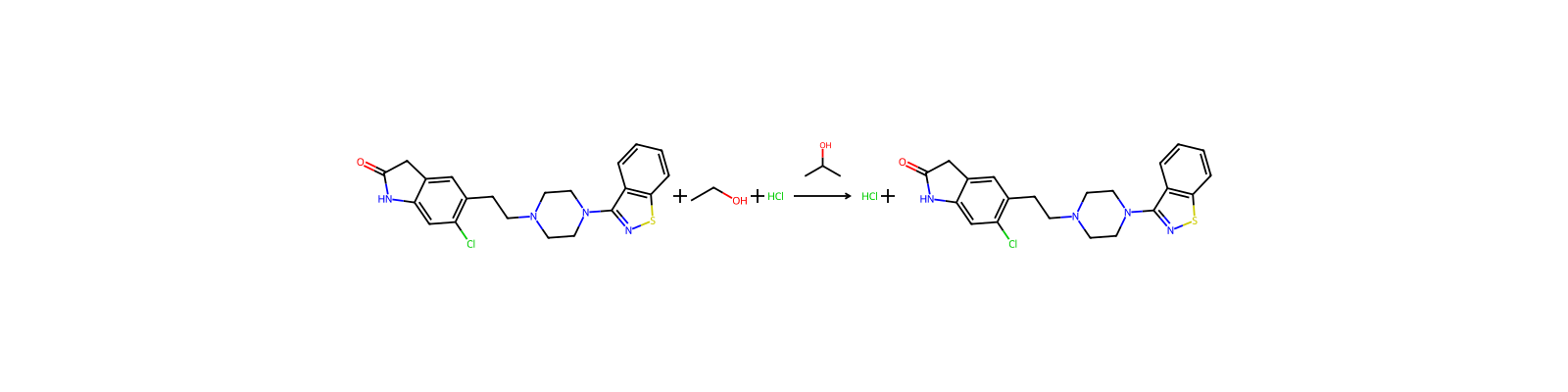
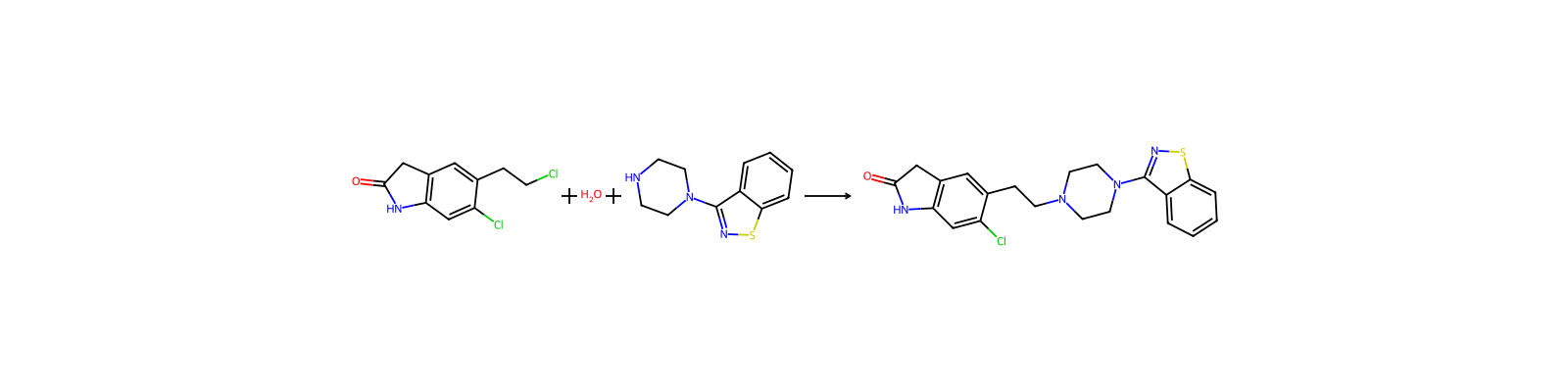
Preparation: By refluxing 5-(2-chloroethyl)oxindole and N-(1,2-benzisothiazol-3-yl)piperazine with sodium carbonate and sodium iodide in methyl isobutyl ketone, followed by evaporation of the solvent and chromatography on silica gel with 4% methanol in methylene chloride. The salt is formed from the amine by addition of ether saturated with HCl gas.
Preparation: J. A. Lowe III, A. A. Nagel, European Patent Office patent 281309; eidem, United States of America patent 4831031 (1988, 1989 both to Pfizer).
Formulations/Preparations
Geodon is available in two routes of adminitration: orally in a capsule formulation of ziprasidone hydrochloride in 20 mg, 40 mg, 60 mg, and 80 mg concentrations; and an injection form of ziprasidone mesylate for intramuscular use only in a 20 mg of ziprasidone concentration.
応用分野
使用Labelled Ziprasidone, which is used as an antipsychotic. Combined serotonin (5HT2) and dopamine (D2) receptor antagonist.
一般的な説明Ziprasidone (Geodon, a benzisothiazolpiprazinylindolonederivative) also has the structuralfeatures of a hybrid molecule between a butyrophenone antipsychoticand a trazodone-like antidepressant. It is highlymetabolized to four major metabolites, only one of which, Smethyldihydroziprasidone,likely contributes to its clinical activity. In humans, less than 5% of the dose isexcreted unchanged. Reduction by aldehyde oxidase accountsfor about 66% of ziprasidone metabolism; two oxidative pathwaysinvolving hepatic CYP3A4 account for the remainder.
上流・下流製品情報
上流原料
サプライヤー50 社
北京华美互利生物化工010-56205725 · [email protected]
梯希爱(上海)化成工业发展有限公司021-67121386 · [email protected]
上海阿拉丁生化科技股份有限公司400-6206333 13167063860 · [email protected]
成都超九八生物科技有限公司13348960310 13348960310 · [email protected]
上海麦克林生化科技股份有限公司021-50706066 15221275939 · [email protected]
普善实业(陕西)有限公司029-81310890 18165209495 · [email protected]
Baoji Guokang Healthchem co.,ltd+8615604608665 15604608665 · [email protected]
LGM Pharma1-(800)-881-8210 · [email protected]
石家庄感拓生物科技有限公司[email protected]
武汉易泰科技有限公司上海分公司18930552037 · [email protected]
上海波以尔化工有限公司[email protected]
安耐吉化学&3A(安徽泽升科技有限公司)021-58432009 400-005-6266 · [email protected]
常州科化生物科技有限公司0519-68985668 13685222090 · [email protected]
广州市亿邦医药科技有限公司+86 (20) 28996708,29078958,28139708,29076128,28133708,28139728,28139738,28133718,021-31663278,021-31663578,021-60538387
南京圣亿来化工有限公司19951936396 · [email protected]
InvivoChem中国13549236410 · [email protected]
MedBio脉铂医药021-69568360 18916172912 · [email protected]
怀化市冰峰化工有限公司0745-2866851 17711757908 · [email protected]
北京博奥森生物技术有限公司400-901-9800 18611424007 · [email protected]
上海泰坦科技股份有限公司400-6009262 15618770481 · [email protected]
MedChemexpress LLC021-58955995 · [email protected]
武汉丰泰威远科技有限公司+86-27-8746-5837 +86-18627785180 · [email protected]
武汉丰泰威远科技有限公司027-87465837 19945049750 · [email protected]
佛山宝诺生物科技有限公司0757-85921206 18520245316 · [email protected]
武汉裕清嘉衡药业有限公司027-83850128 18207128853 · [email protected]
ChemeGen 中国18818260767 · [email protected]
Xiamen AmoyChem Co., Ltd+86-86-5926051114 · [email protected]
武汉海正工贸发展有限公司027-8866 0053/88660577/88660578
上海明褀化学有限公司86-21-60936353
TOKYO CHEMICAL INDUSTRY CO., LTD.03-36680489 · [email protected]
上海诺宝化工有限公司+86(0)21 60484900
广州爱纯医药科技有限公司020-39119399 18927568969 · [email protected]
南京生利德生物科技有限公司025-57798810 18652991625 · [email protected]
苏州亚科科技股份有限公司0512-87182055 13451648594 · [email protected]
Cato Research Chemicals Inc.020-81960175 · [email protected]
上海喀露蓝科技有限公司18149758185 18149758185 · [email protected]
上海将来实业股份有限公司021-61552785 · [email protected]
天津普西唐生物医药科技有限公司010-60605840 · [email protected]
苏州汇和药业有限公司86-0512-88819360,88985990 · [email protected]
南京百鑫德诺生物科技有限公司025-58849295 · [email protected]
长春澜江医药科技有限公司18004466855 · [email protected]
广州市慈铭生物科技有限公司020-38082199,29065168,38082986,29878298,29866629,4000192398
上海孚一生物科技有限公司+86 (21) 61124340
盖米科技(青岛)有限公司19524370118 · [email protected]
凯试(上海)科技有限公司021-50135380 · [email protected]
TargetMol中国(陶术生物)021-021-33632979 15002134094 · [email protected]
上海陶术生物科技股份有限公司+1-781-999-5354; +1-00000000000 · [email protected]
上海博熠生物医药科技有限公司021-021-54331997 18321536537 · [email protected]
西安美川生物科技有限公司029-89275612 +8618991951683 · [email protected]
上海玻尔化学试剂有限公司19102157732 · [email protected]
補足説明
定義ChEBI: A piperazine compound having 1,2-benzothiazol-3-yl- and 2-(6-chloro-1,3-dihydro-2-oxindol-5-yl)ethyl substituents attached to the nitrogen atoms.
関連反応
50 件






関連ノート
読み込み中…