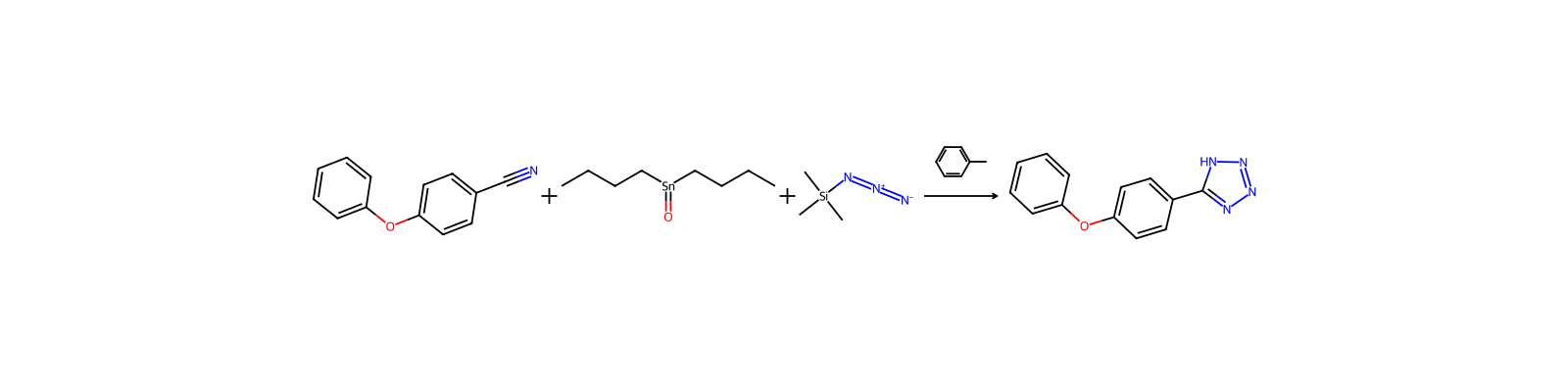
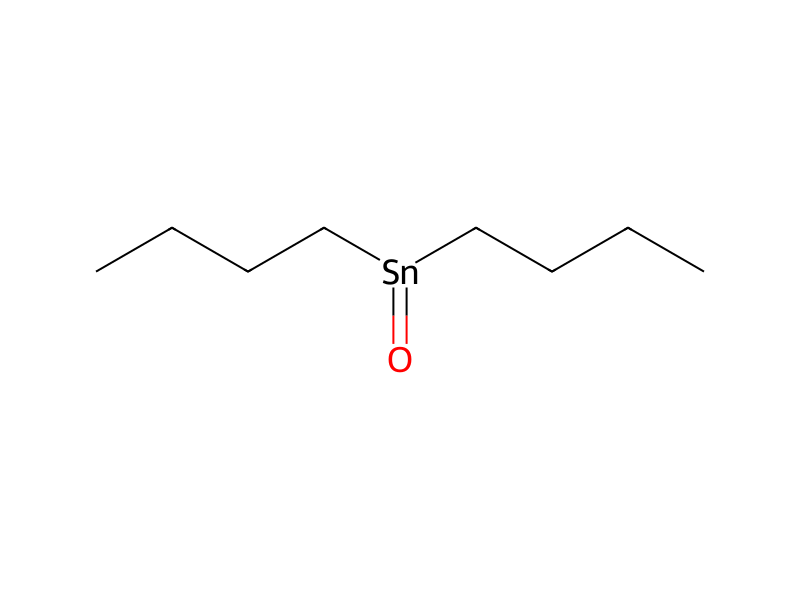
基本情報
- 標準SMILES
CCC[CH2][Sn](=[O])[CH2]CCC- InChIKey
JGFBRKRYDCGYKD-UHFFFAOYSA-N- 分子式
- C8H18OSn
- 平均分子量
- 248.94 g/mol
- 単同位体質量
- 250.0379599
概要
Dibutyltin oxide is an organotin compound. It is used mainly in organic synthesis. Tin is a chemical element with the symbol Sn and atomic number 50. It is a natural component of the earth's crust and is obtained chiefly from the mineral cassiterite, where it occurs as tin dioxide. (L307, L309, L312)
名称と識別子
- 優先名称
- Dibutyltin oxide
- IUPAC
- dibutyl(oxo)tin
- 現地名
- ジブチルすずオキシド
- 英語名
- Dibutyltin oxide
- 分子式
- C8H18OSn
- 分子量
- 248.94
名称と別名
Dibutyltin oxide818-08-6DibutyloxotinDibutyloxostannaneStannane, dibutyloxo-Dibutylstannane oxidedibutylstannanoneDibutyloxide of tinDibutylstannium oxideTin, dibutyl-, oxideT435H74FO0NSC-28130
名称をさらに表示
ジブチルすずオキシドジブチルオキソすず(IV)ジブチルオキソスタンナンジブチルすず(IV)オキシドオキソジブチルスタンナンジブチルオキソスズ酸塩ジブチル錫オキサイド酸化ジブチルすず酸化ジブチルすず()ジブチルオキソスズ酸ジ-n-ブチルオキソスズジブチルスズオキサイド酸化ジブチルすず標準品ジ-N-ブチルすずオキシド酸化ジブチルすず(IV)ジ-n-ブチルすずオキシド, 98%dbtoBu2SnO818-08-6 FASCAT 4201EDJYHXdbotDi-n-butyltinoxide,98%Di-n-Butyl
DTXSID4027315RefChem:132969DTXCID607315212-449-1dibutyl(oxo)tinDibutyltin(IV) oxideDI-N-BUTYLTIN OXIDETin, dibutyloxo-
データベース識別子
- CAS
818-08-6- PubChem CID
- 61221
- DTXSID
DTXSID4027315- UNII
- T435H74FO0
- EC Number
- 212-449-1
- Nikkaji
- J7.115C
物性
構造計算による物性
- 極性表面積
- 17.1 Ų
- 水素結合供与体数
- 0
- 水素結合受容体数
- 1
- 回転可能結合数
- 6
- 重原子数
- 10
- 形式電荷
- 0
- 複雑度
- 81.3
実験および物理化学的性質
Chemical ClassesMetals -> Tin Compounds, Organic
LogP5.33 (calculated)
DensityRelative density (water = 1): 1.5
SolubilitySolubility in water, mg/l at 20 °C: 3.9-4.2 (very poor)
Boiling Point161.9 °C
Melting Point105 °C
Vapor PressureVapor pressure, Pa at 25 °C: 0.000004
Food Contact Substances
FCS -> FDA Cumulative Estimated Daily Intake (CEDI)
FCS -> FDA Inventory of Food Contact Substances Listed in 21 CFR
Physical Description
Dry Powder; Liquid; Wet Solid; Dry Powder; CBI
White solid; [Merck Index] White powder; [Sigma-Aldrich MSDS]
WHITE POWDER.
Autoignition Temperature279 °C
物理化学的性質
- 融点
- 300 °C · ≥300 °C(lit.)
- 沸点
- 300 °C · >300°C
- 比重(密度)
- 1 · 1,5 g/cm3
- 蒸気圧
- 0 Pa · 0Pa at 25℃
- 闪点
- 81 · 81-83°C
- 貯蔵温度
- 30 °C · Store below +30°C.
- 溶解性
- Methanol (Very Slightly, Heated)
- 外見
- 粉
- 比重
- 1.58 · 1.58
- 色
- 白い
- 水溶解度
- 4 mg/L · 4.0mg/L(20℃)
- BRN
- 4126243 · 4126243
- InChI
- 1S/2C4H9.O.Sn/c2*1-3-4-2;;/h2*1,3-4H2,2H3;;
- InChIKey
- JGFBRKRYDCGYKD-UHFFFAOYSA-N
- SMILES
- CCCC[Sn](=O)CCCC
- LogP
- 5.33 at · 5.33 at 20℃
- CAS データベース
- 818 · 818-08-6(CAS DataBase Reference)
- EPAの化学物質情報
- Stannane, dibutyloxo- (818-08-6)
化学的性質
化学的特性white fine powder
安全と法規制
GHS分類
GHS Classification
Danger
H301: Toxic if swallowed [Danger Acute toxicity, oral]
P203, P260, P264, P264+P265, P270, P280, P301+P316, P302+P352, P305+P354+P338, P317, P318, P319, P321, P330, P332+P317, P362+P364, P405, and P501 (click each P-code to see the statement)
This chemical does not meet GHS hazard criteria for 0.8% (5 of 642) of reports.
Danger
H301 (86.4%): Toxic if swallowed [Danger Acute toxicity, oral]
危険有害性情報
Regulatory Information
Chemical: Stannane, dibutyloxo-
Hazard Traits - Reproductive Toxicity
Stannane, dibutyloxo- is listed on the EPA's Chemical Data Reporting (CDR) system. Manufacturers and importers of Stannane, dibutyloxo- are required to report information about their production and use of this chemical to the EPA under the Toxic Substances Control Act (TSCA). (40 eCFR Part 711)
Status: Active Update: 18-03-2023 https://echa.europa.eu/registration-dossier/-/registered-dossier/14790
Dibutyltin oxide: Does not have an individual approval but may be used under an appropriate group standard
Other Safety InformationIMAP assessments - Stannane, dibutyloxo-: Human health tier II assessment
Fire HazardsCombustible. Gives off irritating or toxic fumes (or gases) in a fire. Finely dispersed particles form explosive mixtures in air.
Hazards Summary
Corrosive to eyes in rabbits, with corneal opacity and other effects not reversed within 7 days; [EPA - TSCATS] Causes flaccid paralysis, general anesthesia, and somnolence in intraperitoneal lethal-dose studies of rats; Causes normocytic anemia in 26-week intermittent oral studies of rats; [RTECS] A skin, eye, and respiratory tract irritant; May cause CNS effects; Chronic exposure may cause liver injury; May be toxic to reproduction or development, based on animal studies; [ICSC] An irritant that may cause serious eye injury; May cause skin sensitization; Toxic by ingestion; Prolonged or repeated exposure may cause thymus injury; Suspected mutagen and teratogen (oropharyngeal malformations); [ECHA REACH Registrations] A mild skin irritant; May cause serious eye injury; Highly toxic by ingestion; Prolonged or repeated exposure may cause organ injury; Teratogenicity observed in rats; [Sigma-Aldrich MSDS] See Tin, organic compounds.
EC ClassificationSymbol: T, N; R: 21-25-36/38-48/23/25-50/53; S: (1/2)-35-36/37/39-45-60-61; Note: A, 1
UN ClassificationUN Hazard Class: 6.1
Chemical DangersDecomposes on heating. This produces toxic fumes of tin and tin oxides. Reacts under certain circumstances with oxidants and bases.
Physical DangersDust explosion possible if in powder or granular form, mixed with air. If dry, it can be charged electrostatically by swirling, pneumatic transport, pouring, etc.
Packaging and LabellingUnbreakable packaging. Put breakable packaging into closed unbreakable container. Do not transport with food and feedstuffs.
Hazard Classes and Categories
Acute Tox. 3 (86.4%)
Acute toxicity (ingestion) - category 3
Acute toxicity (Oral) - Category 2
Hazardous to the aquatic environment (Acute) - Category 2
Acute toxicity (Oral) - Category 3
Muta. 2
安全と保護具
Fire FightingUse water spray, powder, carbon dioxide.
First Aid Measures
Fresh air, rest. Refer for medical attention.
Remove contaminated clothes. Rinse and then wash skin with water and soap. Refer for medical attention .
First rinse with plenty of water for several minutes (remove contact lenses if easily possible), then refer for medical attention.
Rinse mouth. Give a slurry of activated charcoal in water to drink. Refer for medical attention .
Safe StorageCool. Separated from food and feedstuffs, oxidants and bases. Provision to contain effluent from fire extinguishing.
Exposure Control and Personal Protection0.02 [mg/m3], inhalable fraction, as Sn[German Research Foundation (DFG)]
Spillage Disposal
Personal protection: particulate filter respirator adapted to the airborne concentration of the substance. Do NOT let this chemical enter the environment. Sweep spilled substance into covered containers. If appropriate, moisten first to prevent dusting. Carefully collect remainder. Then store and dispose of according to local regulations.
Eye PreventionWear face shield or eye protection in combination with breathing protection.
Fire PreventionNO open flames. Closed system, dust explosion-proof electrical equipment and lighting. Prevent deposition of dust. Prevent build-up of electrostatic charges (e.g., by grounding).
Inhalation RiskA harmful concentration of airborne particles can be reached quickly when dispersed.
Skin PreventionProtective gloves.
Exposure PreventionAVOID ALL CONTACT! IN ALL CASES CONSULT A DOCTOR!
Ingestion PreventionDo not eat, drink, or smoke during work. Wash hands before eating.
Inhalation PreventionUse local exhaust or breathing protection.
毒性情報
Health EffectsBreathing or swallowing, or skin contact with organotins, can interfere with the way the brain and nervous system work, causing death in severe cases. Organic tin compounds may also damage the immune and reproductive system. (L307, L308)
Adverse EffectsNeurotoxin - Other CNS neurotoxin
Exposure Routes
The substance can be absorbed into the body by inhalation and by ingestion.
Oral (L308) ; inhalation (L308) ; dermal (L308)
Toxicity Summary
Organotin compounds produce neurotoxic and immunotoxic effects. Organotins may directly activate glial cells contributing to neuronal cell degeneration by local release of pro-inflammatory cytokines, tumor necrosis factor-_, and/or interleukins. They may also induce apoptosis by direct action on neuronal cells. Organotin compounds stimulate the neuronal release of and/or decrease of neuronal cell uptake of neurotransmitters in brain tissue, including aspartate, GABA, glutamate, norepinephrine, and serotonin. This may be either a contributing factor to or result of the neuronal cell loss. The immunotoxic effects of organotins are characterized by thymic atrophy caused by the suppression of proliferation of immature thymocytes and apoptosis of mature thymocytes. Organotin compounds are believed to exert these effects by suppressing DNA and protein synthesis, inducing the expression of genes involved in apoptosis (such as nur77), and disrupting the regulation of intracellular calcium levels, giving rise to the uncontrolled production of reactive oxygen species, release of cytochrome c to the cytosol, and the proteolytic and nucleolytic cascade of apoptosis. The suppression of proliferation of immature thymocytes further results in the suppression of T-cell-mediated immune responses. Organotins are also endocrine disruptors and are believed to contribute to obesity by inappropriate receptor activation, leading to adipocyte differentiation. Inorganic tin triggers eryptosis, contributing to tin-induced anemia. (L308, A182, A184)
Signs and Symptoms
Headache. Confusion.
Redness. Pain. Further see Inhalation.
Redness. Pain.
See Inhalation.
Inorganic or organic tin compounds placed on the skin or in the eyes can produce skin and eye irritation. (L308)
ICSC Environmental Data
The substance is very toxic to aquatic organisms. The substance may cause long-term effects in the aquatic environment. This substance does enter the environment under normal use. Great care, however, should be taken to avoid any additional release, for example through inappropriate disposal.
Carcinogen ClassificationNo indication of carcinogenicity to humans (not listed by IARC).
安全データ
- wgk
- 3
- tsca
- TSCA listed
- rtecs
- WH7175000
- ridadr
- UN 3146 6.1/PG 2
- 毒性
- LD50 orally in Rabbit: 487 mg/kg LD50 dermal Rabbit > 2000 mg/kg
- PRTR法
- 1-239
- hs_code
- 29310095
- risk_code
- 25-68-50/53-48/25-43-41-38-61-60
- 安衛法
- 57,57-2
- hazard_code
- T,N
- safety_code
- 36/37/39-45-24/25-61-60-29-26-53
- hazard_class
- 6.1
- packing_group
- II
- 自然発火温度
- 525 °C
- 環境リスク評価
- ジブチルスズオキシド(DBTO) (818-08-6)
- Hazard Classifications
- Acute Tox. 4 OralAquatic Chronic 2Eye Dam. 1Muta. 2Repr. 1BSkin Irrit. 2Skin Sens. 1STOT RE 1STOT SE 1
- ストレージクラス
- 6.1C - Combustible acute toxic Cat.3toxic compounds or compounds which causing chronic effects
化学と産業
薬理情報
Metabolism/Metabolites
Though tin metal is very poorly absorbed, tin compounds may be absorbed via oral, inhalation, or dermal routes, with organotin compounds being much more readily absorbed than inorganic tin compounds. Tin may enter the bloodstream and bind to hemoglobin, where it is distributed and accumulates mainly in the kidney, liver, lung, and bone. Organotin compounds may undergo dealkylation, hydroxylation, dearylation, and oxidation catalyzed by cytochrome P-450 enzymes in the liver. The alkyl products of dealkylation are conjugated with glutathione and further metabolized to mercapturic acid derivatives. Tin and its metabolites are excreted mainly in the urine and feces. (L308)
用途と製造
Uses
Used as a catalyst in synthetic organic chemistry; [Merck Index] Used to formulate adhesives-sealants, paints-coatings-thinners, polymers, products for dying-finishing-impregnating paper-board, textiles, and leather, to make fine chemicals, textiles-leather-fur, pulp-paper-paper products, wood products, rubber products, computer-electronic-optical products, in general manufacturing, and building and construction work; [ECHA REACH Registrations] Permitted for use as an inert ingredient in non-food pesticide products; [EPA]
Pulp and Paper Processing [Category: Industry]
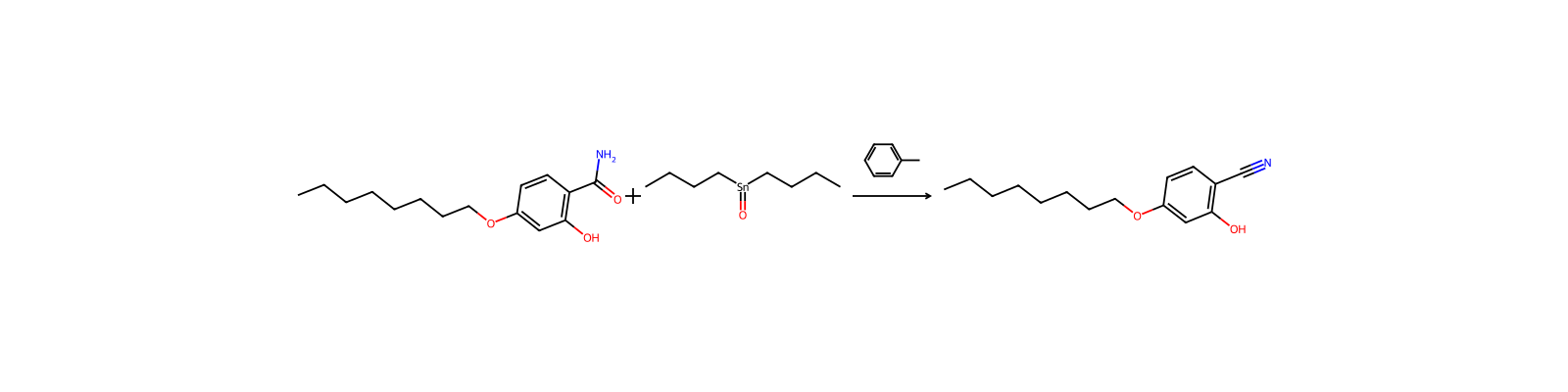
Dibutyltin oxide is used mainly in organic synthesis. (L312)
U.S. Production2023: 2,500,000 - <4,000,000 lb
Consumer UsesCatalyst
Industry UsesPolymerization promoter
Household ProductsInformation on 1 consumer products that contain Dibutyltin oxide in the following categories is provided:
General Manufacturing Information
All Other Chemical Product and Preparation Manufacturing
Stannane, dibutyloxo-: ACTIVE
応用分野
使用Dibutyltin oxide is used in studies pertaining to discovering novel antitumor agents. Antifungal activity.
調製方法
純化方法It is prepared by hydrolysis of di-n-butyltin dichloride with KOH. Hence wash it with a little aqueous M KOH, then H2O and dry at ~80o/10mm until the IR is free from OH bands. [Cummings Aust J Chem 18 98 1965, Beilstein 4 I 588.]
上流・下流製品情報
上流原料
下流製品
関連反応
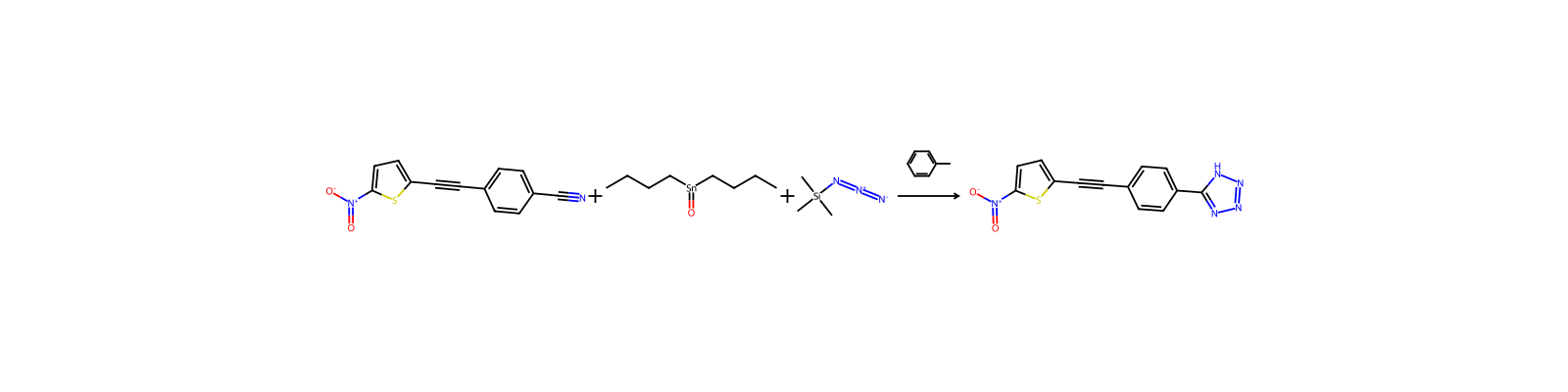
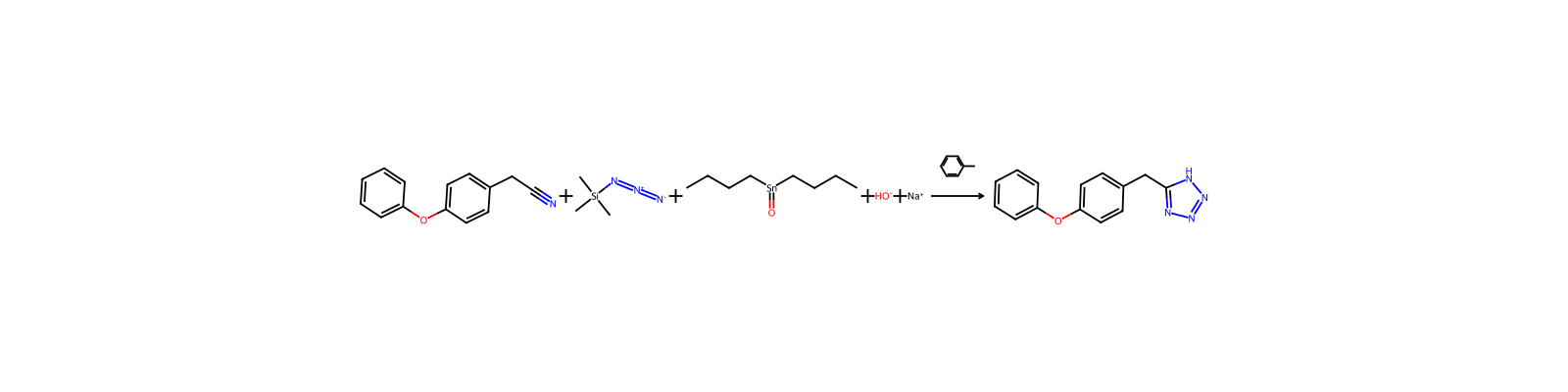
491 件



関連ノート
読み込み中…